Learning Center for Tax and Financial Insights

Stay updated with clear, actionable articles on tax rules, deadlines, deductions, and financial decisions that impact individuals and businesses.

Hr & People Management

Checklist: Managing Vacation Requests Post-Lockdown

Vacation gives employees time away from work to recharge, spend time with family and friends, and take care of personal responsibilities so that they can be more productive when they return to work. During the height of the pandemic, though, many employees didn't use as much vacation time because of travel and other restrictions. Now that these restrictions are easing, employers may find that there's pent up demand. While encouraging employees to use their vacation has a number of benefits, you also need to ensure adequate staffing. Here is a checklist to help you develop a plan for managing vacation requests this year: 1. Review your vacation policy. Make sure your policy addresses: Who is eligible to take vacation. How much time eligible employees may use and in what increments. How to request time off and how much advance notice is required. That vacations may be restricted if necessary based on scheduling needs and guidance on how requests will be granted (such as, seniority, first-come first-served, or a combination). Any blackout periods during which vacations are off limits, if applicable. Whether and to what extent employees can carryover unused vacation time to the following year and whether unused vacation will be paid out at the time of separation. Note: Some states prohibit policies that force employees to forfeit unused vacation time (also known as use-it-or-lose-it policies). In these cases, employers must generally allow employees to carry over all accrued but unused vacation time from year to year, or pay employees for the unused time at the end of the year. Check your state law to ensure compliance. 2. Discourage last-minute requests. Some employers require at least one weeks' notice for vacations of a few days or less and more notice for longer periods. Some employers establish early deadlines for all summer vacation requests. 3. Set reasonable limits. Employers generally have the right to control how much vacation employees take at any particular time. For example, an employer could limit vacations to five consecutive days or less, or institute blackout periods during which vacations are completely off limits. Assess what impact any restrictions would have on employee morale considering the challenges employees have faced over the past 18 months.

Explore More
No items found.

Video Tip: A Quick Look into Higher Education Tax Credits

The cost for higher education is expensive, but it can be offset with federal tax credits. In this video, we will discuss the American opportunity tax credit (AOTC) and the lifetime learning credit (LLC). .embed-container { position: relative; padding-bottom: 56.25%; height: 0; overflow: hidden; max-width: 100%; } .embed-container iframe, .embed-container object, .embed-container embed { position: absolute; top: 0; left: 0; width: 100%; height: 100%; }

Explore More
Tips For Verticals & Niches

Basic Guide to Taxes for Freelance Writers and Self-Published Authors

An increasing number of Americans have either left the corporate world entirely or are supplementing their income by freelancing. There are many types of freelance work, but it’s important for those who are providing content, offering editing or proofreading assistance, or even publishing their own works to know their tax obligations. We’ve assembled the most important information you need to know as you move forward. Be sure to refer back to this page frequently, and if you have any questions contact our office. Any income that you earn is taxable and needs to be reported on your tax form. When the work that you perform for a client totals $600 or more, the client is required to prepare a 1099-NEC form and submit a copy both to you and to the IRS. When you are paid less than $600 by an individual client you are still required to report that income, but the client is not required to send the form. However, some employers under pressure from state Employment Development Departments may classify you as an employee, withhold taxes and issue you a W-2. In that case, the income is not treated as freelance work and any expenses associated with W-2 income are not tax deductible. You can minimize your tax obligation with the expenses that you report on Schedule C of your tax return. Freelancers and self-employed individuals are expected to list both their income and their business-related expenses on Schedule C of their income tax return. Typical freelance writer expenses include the cost of office supplies such as printer paper and ink; the internet charges that they pay; the cost of technology such as a laptop, fax machine, printer, or copier; any expenses for mileage or business meals; software; subscriptions. Anything that is considered a cost of doing business can be deducted from the income that your business earns, and that reduces your tax liability. To ensure that you are maximizing your business deductions, keep careful track of every expense and keep all receipts. If you work from home, you may be entitled to a home office deduction. If your workspace is located in your home, you can take a deduction for the percentage of your home that is dedicated to your business. There are two different ways of doing this: you can either calculate the percentage of your home that is used for work based on its total square footage, and then deduct that percentage of home costs such as mortgage principal or rent, utilities, and insurance, or you can choose to take the simplified (safe harbor) deduction of $5 per square foot (maximum $1,500). It is important that if you choose to calculate the percentage of your home used, you only use the area for work purposes. Sitting at your kitchen counter will not allow you to calculate the kitchen space for business purposes, as it is also used for other things. You can deduct the cost of your health insurance. If your sole source of income is freelancing, then you are probably paying for your own health insurance. That represents a significant amount of money, and that’s why the government allows you to claim the full cost of your premiums as a deduction. That is not only true for your coverage —you can also deduct the costs for covering your dependents and your spouse as long as the policy is in either your business name or your name. This gets reported on the first page of your tax return as an adjustment to your income rather than being listed as a business expense on Schedule C or an itemized deduction on Schedule A. You are required to pay self-employment tax on your freelance income. While W-2 employees do not need to worry about their Social Security and Medicare taxes because they are withheld by their employers, self-employed individuals are required to calculate the percentage of their income that they owe and submit it to the government themselves when they pay their taxes. Self-employment tax is calculated for the 2021 tax year as 15.3 percent of net income, which means the figure that reflects any deductions you listed based on your Schedule C and any other adjustments. This amount feels like a lot, but half of it gets deducted when you go through the calculations on the first page of your tax return. If you earn royalties on anything you self-published you will need to report it on your Schedule C. Writing often results in royalty payments being sent by the publisher, and at the end of the year they are required to send you 1099-NEC forms reflecting that income. That form will also be sent to the government. If what you self-published ends up costing you more than you earned, then you will be able to report your losses and use them to reduce your overall income, thus cutting the amount of taxes that you will owe. If you work as a freelancer while also employed, only your freelance income gets reported on Schedule C. Your tax liability for self-employment only applies to the money you earn as a freelancer. Income earned from an employer will be withheld by them and reported on a W-2 form.

Explore More
Business Success Stories

Oatly: A Shining Example of What an Entrepreneur Can Accomplish

According to one recent study, plant-based foods are now available in about 53% of households in the United States. Roughly 35% of Americans say that they've consumed some type of plant-based food in the last year, and of that number, 90% say that would happily do so in the future. All told, searches on engines like Google for plant-based recipes are up an incredible 85% year-over-year - pointing to a trend that shows absolutely no signs of slowing down anytime soon. Statistics like these help highlight why Oatly - a company that bills itself as "the original oat milk company" - is so popular right now. But as an organization specializing in non-dairy beverages, it's safe to say that they were hardly an overnight success. Over 25 years ago, Oatly was little more than a niche startup specialized in alternatives to milk, ice cream, yogurt, cooking creams, and similar types of products. A few decades and one deal with Starbucks later and Oatly has transformed into a company with a $10 billion IPO. Oatly: The Story So Far Oat milk in general began life in the early 1990s after being developed by Rickard Oste, a food scientist and Lund University. He developed it after extensive research on the topics of lactose intolerance and sustainable food systems. Oatly bills itself as "the world's original and largest oat drink company," and when you consider the amount of success that it's had over the years, it's certainly hard to argue with that sentiment. Since 1994, they've exclusively focused on developing first-class expertise around all things oats. Oats are a global power crop with inherent properties suited for both sustainability and human health and, sensing the way things were shifting towards organizations with a more environmentally-friendly slant, it's clear that this decision was a good one. But when the product originally launched, it "languished" according to Oste. "Nobody wanted it," he was quoted as saying in an interview with The New Yorker. Still, he persisted. And it's a good thing that he did. Oatly is headquartered in Sweden. As a brand, its products are available in more than 20 different countries around the world. But it was a focus towards the United States that began to take hold nearly a decade ago that truly cemented the position it enjoys today. In an effort to get its products in front of as many people as possible, Oatly started with those who could advocate for them: baristas. In 2021, Oatly CEO Toni Petersson sent cases of a special "barista-edition" product to the trendiest coffee shops he could find in many major American cities.

Explore More
No items found.

Video Tip: Beware of Scammers and Fake Charities

Are you aware of phone scammers out there who claim they are from fake charity organizations, asking for donations from honest taxpayers? Watch this video to know what you should watch out for and how to protect yourself from scammers. .embed-container { position: relative; padding-bottom: 56.25%; height: 0; overflow: hidden; max-width: 100%; } .embed-container iframe, .embed-container object, .embed-container embed { position: absolute; top: 0; left: 0; width: 100%; height: 100%; }

Explore More
No items found.

September 2021 Individual Due Dates

September 1 - 2021 Fall and 2022 Tax Planning Contact this office to schedule a consultation appointment. September 10 - Report Tips to Employer If you are an employee who works for tips and received more than $20 in tips during August, you are required to report them to your employer on IRS Form 4070 no later than September 10. Your employer is required to withhold FICA taxes and income tax withholding for these tips from your regular wages. If your regular wages are insufficient to cover the FICA and tax withholding, the employer will report the amount of the uncollected withholding in box 12 of your W-2 for the year. You will be required to pay the uncollected withholding when your return for the year is filed.September 15 - Estimated Tax Payment Due The third installment of 2021 individual estimated taxes is due. Our tax system is a “pay-as-you-earn” system. To facilitate that concept, the government has provided several means of assisting taxpayers in meeting the “pay-as-you-earn” requirement. These include:Payroll withholding for employees;Pension withholding for retirees; andEstimated tax payments for self-employed individuals and those with other sources of income not covered by withholding.When a taxpayer fails to prepay a safe harbor (minimum) amount, they can be subject to the underpayment penalty. This penalty is equal to the federal short-term rate plus 3 percentage points, and the penalty is computed on a quarter-by-quarter basis.Federal tax law does provide ways to avoid the underpayment penalty. If the underpayment is less than $1,000 (the de minimis amount), no penalty is assessed. In addition, the law provides "safe harbor" prepayments. There are two safe harbors:

Explore More
No results found.
Thank you! Your submission has been received!
Oops! Something went wrong while submitting the form.

Want tax & accounting tips & insights?Sign up for our newsletter.

Thank you! Your submission has been received!
Oops! Something went wrong while submitting the form.

Why Work With Us?

We combine deep tax expertise, financial strategy, and practical business insight to help you manage complexity, stay compliant, and make confident financial decisions.
A dollar sign, representing financial advice or discussion at NR CPAs & Business Advisors.

Experienced CPA and Enrolled Agent Leadership

Guidance led by licensed professionals with deep expertise in tax strategy, compliance, and complex financial matters.
White bar chart with an upward arrow on green circular background representing growth or progress at NR CPAs &. Business Advisors

Support for Growing Businesses and Startups

We understand the financial challenges of growth stage businesses and provide structured guidance to support expansion.
A white hand holding a dollar symbol and ascending bar chart on a green circular background representing financial growth or investment at NR CPAs & Business Advisors..

Strategic Financial Advisory

Our team helps you evaluate financial decisions with greater clarity, supported by practical insights and long term planning.

Fractional CFO Support

Access experienced financial leadership without the commitment and cost of hiring a full time Chief Financial Officer.

Proactive Tax Planning Approach

We focus on identifying tax opportunities throughout the year rather than reacting only during filing season.

Clear and Reliable Financial Reporting

Accurate financial statements and reporting that help you better understand performance and make informed decisions.
White IRS building icon with pillars and a dollar sign above on a green circular background.

Professional IRS Representation

Experienced support in resolving IRS notices, disputes, and compliance matters while protecting your financial interests.

Personalized Client Focus

Every client receives thoughtful attention and tailored financial solutions based on their specific needs and business goals.
Financial matters often involve important decisions. Working with experienced advisors can help you approach them with greater clarity and confidence in your choices.

Need Help With Your Tax or Financial Decisions?

Discuss your situation with our advisors to get clear guidance on tax planning, IRS matters, and the financial decisions ahead.
Business consulting at NR CPAs & Business Advisors.

Request Your Consultation

Fill out the form to discuss your tax concerns, financial questions, or advisory needs with our team. We will review your details and respond shortly.

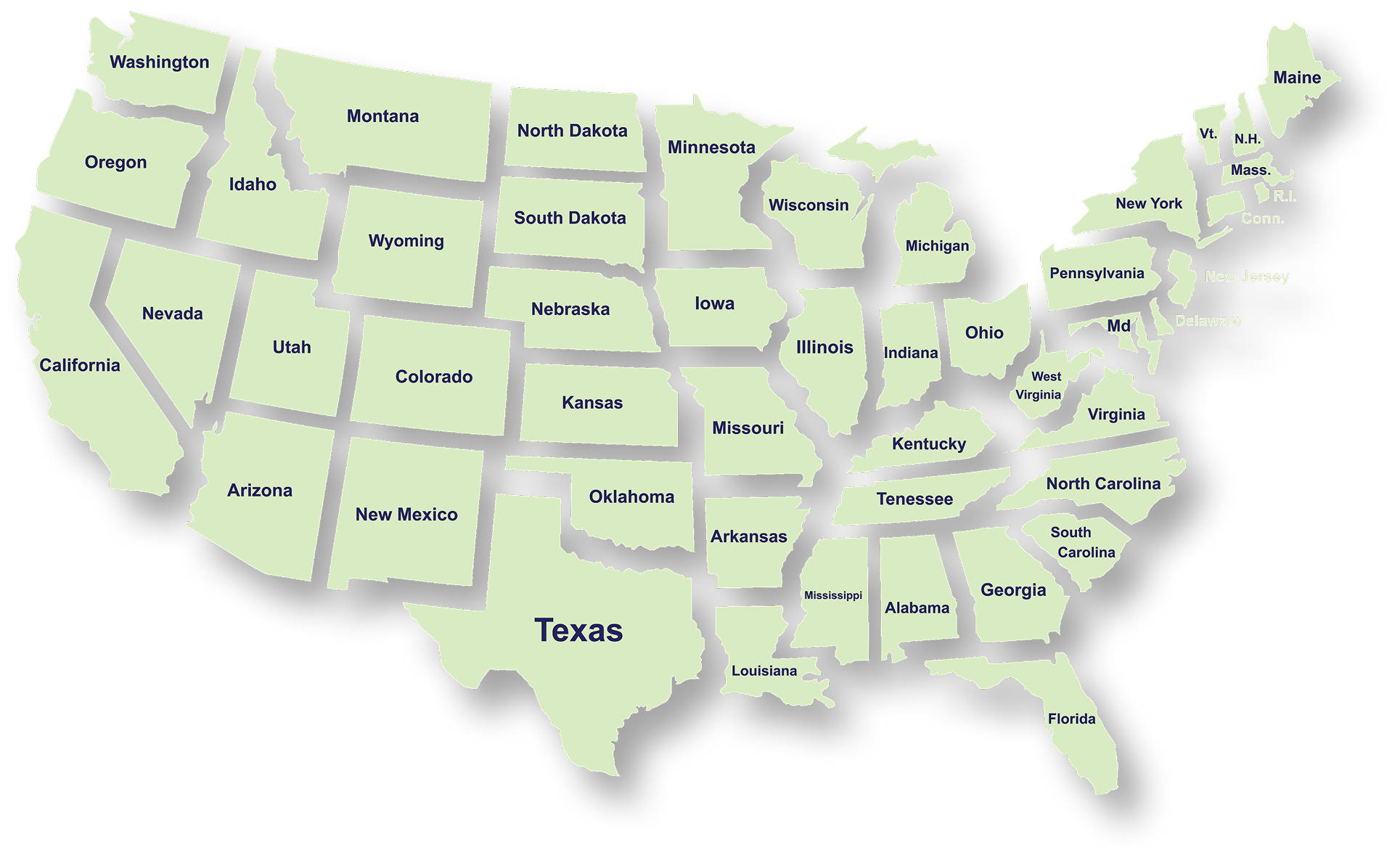
Serving Businesses & Individuals Across USA

We handle accounting, tax filing, and planning with defined timelines and accurate reporting for businesses and individuals across all states.

Frequently Asked Questions

What services does NR CPAs & Business Advisors provide?
What is tax planning and why is it important for businesses?
How can a Virtual CFO help my business?
When should a business consider IRS tax resolution services?
What financial statements does a business typically need?
How can startup advisory services help new businesses?
What is strategic business planning?
What is a Virtual Family Office and who can benefit from it?