Learning Center for Tax and Financial Insights

Stay updated with clear, actionable articles on tax rules, deadlines, deductions, and financial decisions that impact individuals and businesses.

No items found.

Employer Alert: Families First Coronavirus Response Act Provisions are Mandatory

Article Highlights: Emergency Sick and Family Leave Benefits Employer Paid Reimbursed by the Government Mandatory Due the COVID-19 outbreak and all of the government’s efforts to curtal its spread and to prop up the economy, we have been in information overload for just about a month now. One of the government’s efforts was to pass the Families First Coronavirus Response Act which, at the government’s expense, requires employers to pay emergency sick leave and family medical leave benefits to employees affected by the COVID-19 crisis. It appears that many employers are unaware the provisions of the Families First Coronavirus Response Act are

Explore More
No items found.

May 2020 Individual Due Dates

May 11 - Report Tips to Employer If you are an employee who works for tips and received more than $20 in tips during April, you are required to report them to your employer on IRS Form 4070 no later than May 11. Your employer is required to withhold FICA taxes and income tax withholding for these tips from your regular wages. If your regular wages are insufficient to cover the FICA and tax withholding, the employer will report the amount of the uncollected withholding in box 12 of your W-2 for the year. You will be required to pay the uncollected withholding when your return for the year is filed.

Explore More
No items found.

May 2020 Business Due Dates

May 15 - Employer’s Monthly Deposit Due If you are an employer and the monthly deposit rules apply, May 15 is the due date for you to make your deposit of Social Security, Medicare and withheld income tax for April 2020. This is also the due date for the non-payroll withholding deposit for April 2020 if the monthly deposit rule applies. See note below. Note: Under the Cares Act, employers… Are able to defer paying the employer’s 6.2% portion of the Social Security taxes through the end of 2020. The delay provisions apply to all employers regardless of the number of the employer’s employees. Are able to retain enough of the federal income tax withholding of each employee who received mandatory COVID-19 sick and family leave payments and both the employer’s and employee’s share of social security tax deposits, as well as the employer’s share of Social Security and Medicare taxes with respect to all employees, to reimburse themselves for mandatory COVID-19 sick and family leave payments. Are able to retain the employer’s 6.2% portion of the Social Security taxes (and equivalent RR retirement amounts) to reimburse themselves for keeping employees on payroll under the Employee Retention Credit.

Explore More
No items found.

Video: Here's How to get Help from the Government During the COVID-19 Emergency

The following programs can help lessen the financial impact of your business and might be worth considering. These are complex issues, and you should talk this over with a professional before deciding on your course of action. We are here to help. .embed-container { position: relative; padding-bottom: 56.25%; height: 0; overflow: hidden; max-width: 100%; } .embed-container iframe, .embed-container object, .embed-container embed { position: absolute; top: 0; left: 0; width: 100%; height: 100%; }

Explore More
Personal Finance

Creating an Emergency Fund to Help You Weather a Storm Like COVID-19

For years, experts have been saying that everyone - including average citizens - needs to have some type of emergency fund in place to help them get through any "rainy days" that may lie ahead. The advice usually varies depending on the source, but most recommend having an emergency fund equivalent to at least three months of a person's income ready to go in the event that they need it. Well, the “rainy days” have come, and most people need it now more than ever. Nearly overnight, COVID-19 has taken the world by storm and has changed the way we think about almost everything. Yet despite this, one recent study conducted by Bankrate revealed that nearly three in 10 adults in the United States - or about 28% - have no emergency savings to speak of. It’s forgivable if you were totally unprepared for COVID-19 - the proof that a massive number of people are in a similar situation is on the evening news every single night. But while you can't change the past, you can absolutely have an impact on the future - meaning that there's no time like the present to take steps to create an emergency fund that will allow you to be ready for the next emergency, regardless of what shape it happens to take. Starting an Emergency Fund: Ideas to Start Building Savings The most important thing to understand about saving for an emergency is that there is no "one size fits all" path to follow. Everyone lives a different lifestyle and everyone's income levels vary wildly - meaning that you need to make choices within the context of your own situation for the best results moving forward. All of that is to say that you need to begin by first making a budget, which will allow you to see where you can start saving as much money as possible. Figure out how much you're spending each month on things like rent or your mortgage, utilities, groceries and other essential expenses. Look for opportunities to reduce some of those (like by switching to a less expensive cell phone data plan) and compare the total you find with your overall income. Once you know how much money is left over for discretionary purposes, you'll get a better indication of how much you can realistically save from each paycheck. Next, you need to figure out the best place to actually put that emergency money you're saving. One of the best options includes a savings account with your local bank or credit union with both a high interest rate and easy access. Sure, you want to make your money work for you - which is what the high interest rate is for. But if you can't easily withdrawal that money in the event of an emergency (which, by its nature, is something you can't predict), it really isn't doing you any good. For the absolute best results, you'll also want to choose an option that allows you to move money into this savings account automatically. Sometimes you may even be able to handle this through your employer. If you already get access to your paycheck via direct deposit, for example, your employer can probably help you break that single deposit up into multiple ones that are going to different locations. The larger portion of your check can automatically go into your primary checking account so that you can use those funds as normal. But a smaller amount - whichever amount you've calculated - can automatically go into a separate account in the event of an emergency. That way, you don't even really have to think about it, and everything essentially takes care of itself. If you're worried about having enough money to actually grow that emergency fund over time, consider finding one-time income opportunities outside of your home. Oftentimes a quick Internet search will reveal opportunities in your area to participate in a focus group, to help a neighbor with some odds and ends around the house, or to take care of someone's pets while they're away on vacation (although that one is probably rare these days). Regardless, remember that creating an emergency fund is unfortunately not a passive enterprise - meaning that it is very much something you have to work at. But if you do, over time, you'll have the savings you need to weather nearly anything that life happens to throw at you - up to and including a global pandemic like the current COVID-19 situation.

Explore More
No items found.

Retirees that Don't File a Tax Return and Have Dependent Children May Need to Take Action Before Noon April 22

Article Highlights: Social Security or Railroad Retirees Children Under Age 17 IRS Non-filer Tool Before Noon EST April 22 SSI and VA Beneficiaries If you receive Social Security Retirement or Railroad Retirement benefits and are not required to file a tax return and have one or more dependents under the age of 17, you need to take action no later than 12 noon EST on Wednesday, April 22 or you will have to wait until 2021 to receive the $500 rebate for the children. Since you are not required to file a tax return, the IRS is unaware of any dependent children under the age of 17 that you have and because of that you will only receive the $1,200 recovery rebate for yourself unless you quickly take action to inform the IRS of any dependents under age 17. You can do that using the IRS Non-Filer Tool. However, the IRS will only use information supplied by way of the tool BEFORE 12 NOON EST on WEDNESDAY APRIL 22. SSI and VA beneficiaries will have some additional time beyond April 22 to add their children since their $1,200 automatic payments will be made at a later date. SSI recipients will receive their automatic payments in early May, and the VA payment schedule for beneficiaries who receive Compensation and Pension (C&P) benefit payments is still being determined. If you have children and aren’t required to file a tax return, both groups are urged to use the

Explore More
No results found.
Thank you! Your submission has been received!
Oops! Something went wrong while submitting the form.

Want tax & accounting tips & insights?Sign up for our newsletter.

Thank you! Your submission has been received!
Oops! Something went wrong while submitting the form.

Why Work With Us?

We combine deep tax expertise, financial strategy, and practical business insight to help you manage complexity, stay compliant, and make confident financial decisions.
A dollar sign, representing financial advice or discussion at NR CPAs & Business Advisors.

Experienced CPA and Enrolled Agent Leadership

Guidance led by licensed professionals with deep expertise in tax strategy, compliance, and complex financial matters.
White bar chart with an upward arrow on green circular background representing growth or progress at NR CPAs &. Business Advisors

Support for Growing Businesses and Startups

We understand the financial challenges of growth stage businesses and provide structured guidance to support expansion.
A white hand holding a dollar symbol and ascending bar chart on a green circular background representing financial growth or investment at NR CPAs & Business Advisors..

Strategic Financial Advisory

Our team helps you evaluate financial decisions with greater clarity, supported by practical insights and long term planning.

Fractional CFO Support

Access experienced financial leadership without the commitment and cost of hiring a full time Chief Financial Officer.

Proactive Tax Planning Approach

We focus on identifying tax opportunities throughout the year rather than reacting only during filing season.

Clear and Reliable Financial Reporting

Accurate financial statements and reporting that help you better understand performance and make informed decisions.
White IRS building icon with pillars and a dollar sign above on a green circular background.

Professional IRS Representation

Experienced support in resolving IRS notices, disputes, and compliance matters while protecting your financial interests.

Personalized Client Focus

Every client receives thoughtful attention and tailored financial solutions based on their specific needs and business goals.
Financial matters often involve important decisions. Working with experienced advisors can help you approach them with greater clarity and confidence in your choices.

Need Help With Your Tax or Financial Decisions?

Discuss your situation with our advisors to get clear guidance on tax planning, IRS matters, and the financial decisions ahead.
Business consulting at NR CPAs & Business Advisors.

Request Your Consultation

Fill out the form to discuss your tax concerns, financial questions, or advisory needs with our team. We will review your details and respond shortly.

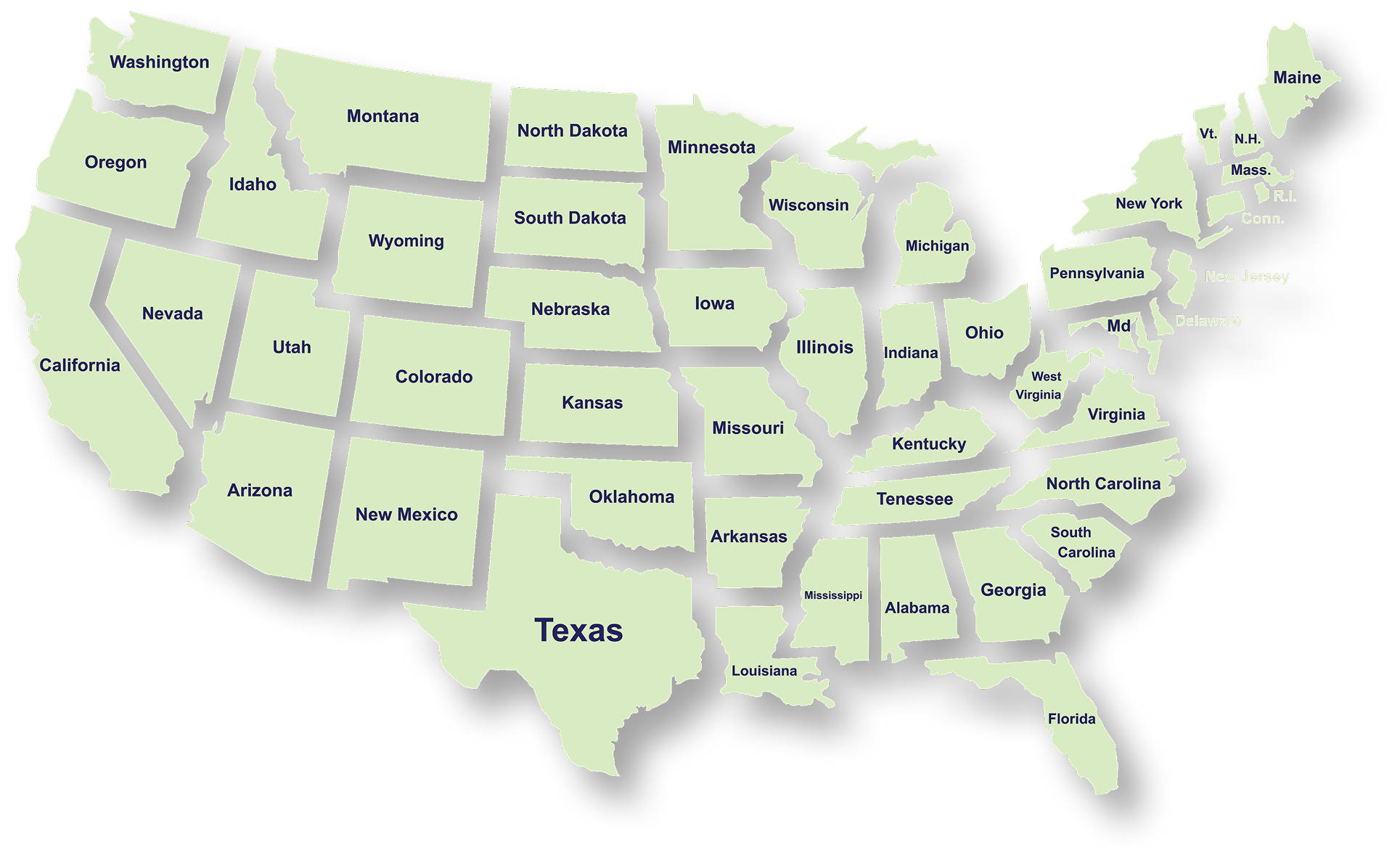
Serving Businesses & Individuals Across USA

We handle accounting, tax filing, and planning with defined timelines and accurate reporting for businesses and individuals across all states.

Frequently Asked Questions

What services does NR CPAs & Business Advisors provide?
What is tax planning and why is it important for businesses?
How can a Virtual CFO help my business?
When should a business consider IRS tax resolution services?
What financial statements does a business typically need?
How can startup advisory services help new businesses?
What is strategic business planning?
What is a Virtual Family Office and who can benefit from it?