Learning Center for Tax and Financial Insights

Stay updated with clear, actionable articles on tax rules, deadlines, deductions, and financial decisions that impact individuals and businesses.

No items found.

The Strategic Advantage of Forming an LLC

An LLC, or Limited Liability Company, is a pivotal business structure for entrepreneurs looking to protect their personal assets while benefiting from operational flexibility. This entity distinctively separates personal liabilities from business complexities, a fundamental shield missing in less formal business arrangements like sole proprietorships. An LLC seamlessly blends the liability protection of a corporation with the tax advantages and operational ease of partnerships or sole proprietorships, making it a pragmatic choice for many business owners.Core Advantages of an LLC: Entrepreneurs opting for an LLC stand to gain numerous advantages:Asset Protection: An LLC offers limited liability protection, insulating personal assets from business debts and legal disputes. Should the business face litigation or insolvency, only the enterprise's assets are at risk, keeping personal estates secure.Tax Versatility: LLCs enjoy substantial tax flexibility. While not recognized as a separate tax classification by the IRS, single-member LLCs are taxed as sole proprietorships, and multi-member LLCs as partnerships, bypassing the double taxation faced by C corporations. Moreover, an LLC can elect for S corporation or C corporation taxation, offering further tax strategies.Administrative Simplicity: LLCs are simpler and more cost-effective to maintain compared to corporations, with minimal formalities such as mandatory board meetings or minute-keeping. This allows business owners to focus resources on strategic growth.Credibility and Perception: Forming an LLC adds a layer of credibility and legitimacy in the eyes of clients, suppliers, and financial lenders, enhancing trust and professional image.Adaptive Management Structure: LLCs tailored operational dynamics, defined through their operating agreement, can be either member-managed or appoint managers. Furthermore, ownership can include other LLCs, corporations, or international entities.Evaluating LLC’s Pros and Cons: Prospective LLC owners should weigh both benefits and potential downsides:Advantages:Liability Shield: Key to an LLC, providing asset protection against operational liabilities.Single-level Taxation: The pass-through taxation model avoids taxing income at both corporate and personal levels.Fiscal Flexibility: Electing S corp status can reduce self-employment taxes.Operational Flexibility: Provides numerous options for management, with fewer obligatory corporate requirements.Professional Image: The LLC label enhances business authority.Reduced Compliance Load: Reduced bureaucratic burden allows focus on core business elements.Disadvantages:Self-Employment Taxes: Default tax treatment demands contributions like Social Security and Medicare from all profits.Liability Vulnerabilities: Potential loss of liability protection if personal and business finances mingle.Ownership Challenges: Transferring ownership may be cumbersome, needing consensus from all members.Greater Upfront Costs: Includes state-specific maintenance fees and report filings, which may exceed those of simpler business types.Cross-State Operations: Varying state legislation complicates multiple jurisdiction activities, necessitating comprehensive compliance measures.

Explore More
No items found.

Unconventional Tax Protests in Recent History

Taxes may seem mundane, but at times they ignite peculiar forms of protest, ranging from performance art to digital resistance. Here, we delve into five unconventional tax protests over the past century.1. The Break-dancer's Stand in Cranford, New Jersey – 2025During a town hall meeting in Cranford, New Jersey, what initially appeared to be a typical municipal proceeding quickly transformed into an extraordinary spectacle. Amid discussions of budget increases and property tax hikes, a resident clad in business-casual attire began to break-dance, capturing both amusement and bewilderment from onlookers. His property taxes had unexpectedly soared by $900, far exceeding the anticipated $400 increase.This was no ordinary protest. Instead of destruction or disruption, it was a backspin and a moonwalk—an expression of frustration about unchecked development and a sense of disempowerment manifested through kinetic artistry. The Cranford resident's performance art highlighted how tax policy impacts lives in unexpected ways, capturing media attention and shifting the paradigm of traditional tax protests.Lesson: When people feel powerless against tax increases, their protests can take on a performative nature, introducing unique expressions of dissent.2. Uganda's Social Media Tax Backlash – 2018In July 2018, Uganda introduced a daily levy of 200 shillings (about US $0.05) on social media platforms like Facebook and WhatsApp, referred to as the "gossip tax" by President Yoweri Museveni. While taxes typically address property or income, this tax directly targeted digital communication and expression.As a result, protests erupted, spearheaded by figures like Bobi Wine, leading to a notable drop in Twitter usage while conversations about collective action surged. The government's attempt to stifle dissent inadvertently mobilized it, illustrating how taxing digital dialogues can provoke resistance.Take-away: Taxation extends beyond finance; it encompasses power dynamics and communication channels, particularly when it restricts vital forms of connectivity.3. Revolt of the Red Caps in Brittany, France – 2013In 2013, the "Bonnets Rouges" (Red Caps) movement took root in Brittany, France. Farmers and locals protested an ecological tax on heavy trucks, known as the "écotaxe." This levy threatened Brittany's agribusiness by increasing logistical costs.

Explore More
No items found.

Uncovering Property Tax Mysteries: A Philadelphia Case Study

Navigating the world of property taxes can often seem straightforward: submit your payment, and the city credits your account—end of story. But what happens when your payment disappears into thin air, as if it were part of a mystery novel? This is precisely the scenario one Philadelphia homeowner faced this year. This individual had dutifully paid over $4,500 in property taxes, expecting his account to reflect this. However, months later, he was shocked to find that his payment was nowhere to be found according to the city’s records—an administrative ghost. With no credit, entry, or acknowledgment from the Philadelphia Department of Revenue, it seemed as though the payment had never existed. Read the full case. With proof of payment securely in hand, including bank statements and correct recipient information, the homeowner faced an outstanding balance paired with late fees. After persistent inquiries, the city unraveled the mystery: an incorrect Letter ID on the payment led to it floating in an administrative limbo, not properly applied to the homeowner’s account. While this instance occurred in Philadelphia, tax professionals recognize this as a widespread issue, highlighting the systemic fragility often overlooked in property tax payments. Here’s what we can learn from this case, and how tax advisors play a crucial role in safeguarding clients. 1. Fragility in Tax Payment Systems Taxpayers frequently believe their role ends with dispatching the payment; however, these systems often depend on precise coding and manual matching processes. One incorrect identifier, like a misplaced parcel number or Letter ID, may cause a payment to vanish into a queue without the taxpayer’s knowledge. Such delays exacerbate stress for elderly or vulnerable homeowners often facing tax lien sales.

Explore More
No items found.

Tax Considerations for Scam Loss Deductions

Explore More
No items found.

Navigating Tax Advice on Social Media: What You Need to Know

Explore More
No items found.

Michigan's Controversial Marijuana Tax: What It Means

Michigan is at the forefront of cannabis legislation controversy yet again, this time due to a proposed 24% wholesale marijuana tax which has sparked constitutional disputes. As legal proceedings begin, this case not only attracts national attention for its direct impact on cannabis pricing but also for its broader implications on voter-endorsed laws and tax policies nationwide. Whether you're a cannabis consumer or reside far from Michigan, the outcome of this legal battle holds significance. It could potentially shape how other states construct, revise, and justify cannabis taxes, offering a blueprint for future judicial confrontations as the sector expands. Examining Michigan's Proposal Within the ambit of its 2025–2026 fiscal outline, Michigan legislators have sanctioned a 24% wholesale cannabis tax, aimed at accruing funds for roadwork. This levy is intended to be imposed earlier in the distribution chain, before cannabis reaches retailers. Michigan already enforces two additional taxes: A 10% excise tax on cannabis retail sales, backed by voters in 2018. A 6% state sales tax. Should the wholesale tax be enacted, it would result in one of the most extensive cannabis taxation frameworks in the U.S. Reasons Behind the Legal Opposition The Michigan Cannabis Industry Association (MCIA) contends the proposed tax is unconstitutional, focusing on a crucial aspect: The 2018 authorized marijuana statute cannot be altered without a supermajority vote. With the passage of the Michigan Regulation and Taxation of Marihuana Act (MRTMA), recreational cannabis legalization entailed law safeguarding. This necessitates a three-fourths supermajority for any legislative modification. However, the wholesale tax proceeded with a simple majority vote. MCIA spokesperson, Rose Tantraphol, underscored these stakes in comments to Michigan Advance: “As Michigan’s leading cannabis trade association, we are present in court to uphold the will of Michigan's electorate.” (Source: Michigan Advance) Industry factions also caution that elevating costs may strain small businesses, prompting shifts toward unregulated markets—a pattern noted in high-tax jurisdictions like California (“Industry groups also warn”).

Explore More
No results found.
Thank you! Your submission has been received!
Oops! Something went wrong while submitting the form.

Want tax & accounting tips & insights?Sign up for our newsletter.

Thank you! Your submission has been received!
Oops! Something went wrong while submitting the form.

Why Work With Us?

We combine deep tax expertise, financial strategy, and practical business insight to help you manage complexity, stay compliant, and make confident financial decisions.
A dollar sign, representing financial advice or discussion at NR CPAs & Business Advisors.

Experienced CPA and Enrolled Agent Leadership

Guidance led by licensed professionals with deep expertise in tax strategy, compliance, and complex financial matters.
White bar chart with an upward arrow on green circular background representing growth or progress at NR CPAs &. Business Advisors

Support for Growing Businesses and Startups

We understand the financial challenges of growth stage businesses and provide structured guidance to support expansion.
A white hand holding a dollar symbol and ascending bar chart on a green circular background representing financial growth or investment at NR CPAs & Business Advisors..

Strategic Financial Advisory

Our team helps you evaluate financial decisions with greater clarity, supported by practical insights and long term planning.

Fractional CFO Support

Access experienced financial leadership without the commitment and cost of hiring a full time Chief Financial Officer.

Proactive Tax Planning Approach

We focus on identifying tax opportunities throughout the year rather than reacting only during filing season.

Clear and Reliable Financial Reporting

Accurate financial statements and reporting that help you better understand performance and make informed decisions.
White IRS building icon with pillars and a dollar sign above on a green circular background.

Professional IRS Representation

Experienced support in resolving IRS notices, disputes, and compliance matters while protecting your financial interests.

Personalized Client Focus

Every client receives thoughtful attention and tailored financial solutions based on their specific needs and business goals.
Financial matters often involve important decisions. Working with experienced advisors can help you approach them with greater clarity and confidence in your choices.

Need Help With Your Tax or Financial Decisions?

Discuss your situation with our advisors to get clear guidance on tax planning, IRS matters, and the financial decisions ahead.
Business consulting at NR CPAs & Business Advisors.

Request Your Consultation

Fill out the form to discuss your tax concerns, financial questions, or advisory needs with our team. We will review your details and respond shortly.

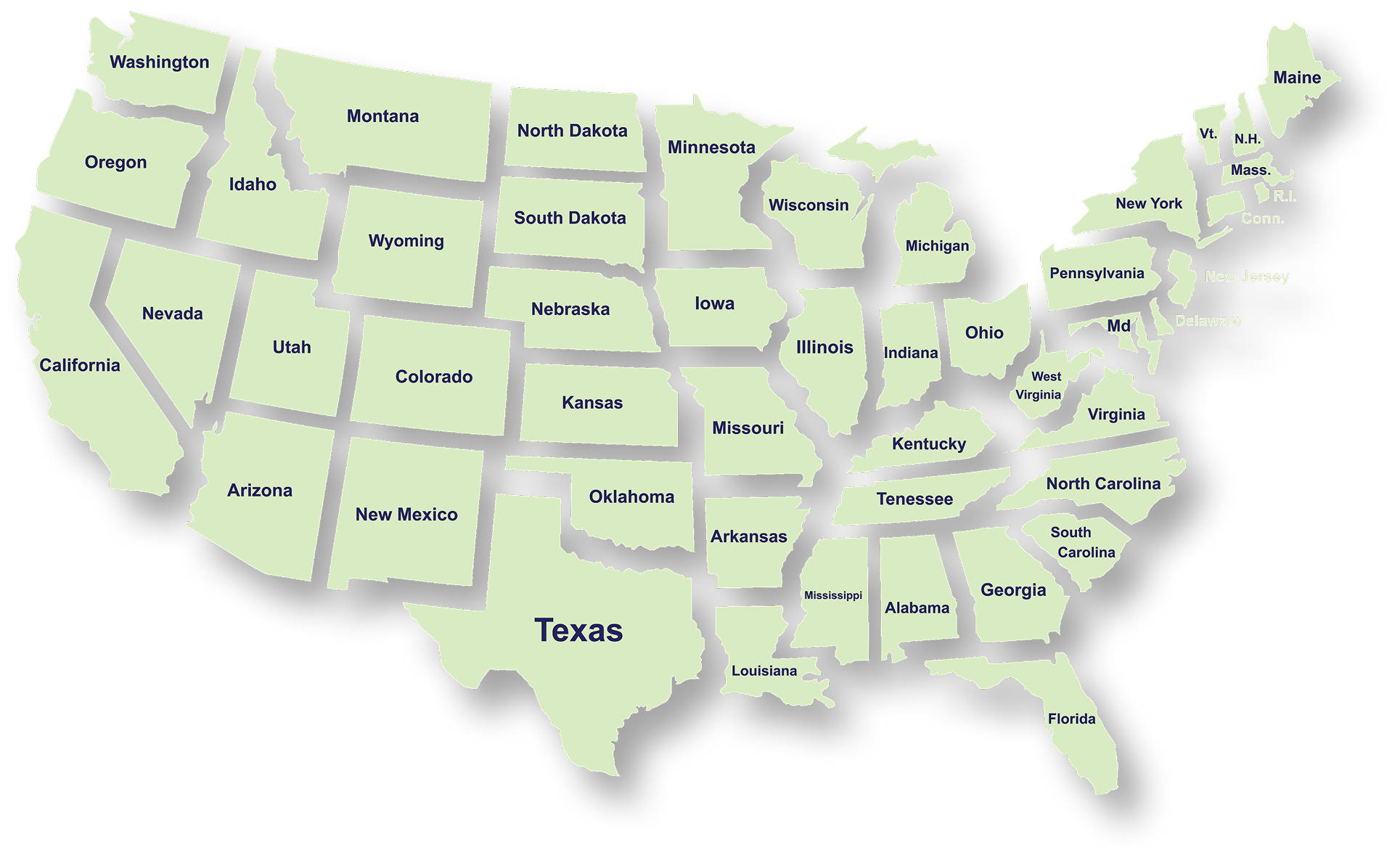
Serving Businesses & Individuals Across USA

We handle accounting, tax filing, and planning with defined timelines and accurate reporting for businesses and individuals across all states.

Frequently Asked Questions

What services does NR CPAs & Business Advisors provide?
What is tax planning and why is it important for businesses?
How can a Virtual CFO help my business?
When should a business consider IRS tax resolution services?
What financial statements does a business typically need?
How can startup advisory services help new businesses?
What is strategic business planning?
What is a Virtual Family Office and who can benefit from it?