Learning Center for Tax and Financial Insights

Stay updated with clear, actionable articles on tax rules, deadlines, deductions, and financial decisions that impact individuals and businesses.

No items found.

Prepare Now: Tax Season Is Approaching Fast

As the fiscal year draws to a close, the anticipation of tax season begins to mount, bringing with it the inevitably daunting task of collating your financial records. If you align with most taxpayers, you understand the stress of gathering necessary documentation for your tax preparation meeting—whether conducted in person, via videoconference, or over the phone. The intricate nature of this process varies greatly depending on the thoroughness of your record maintenance throughout the year. Regardless of your organizational prowess, arriving comprehensively prepared will facilitate our ability to: Identify every potential deduction allowable by law, Determine the optimal income reporting methods and applicable deductions tailored to your financial situation, Analyze how recent legislative changes impact your tax standing, and Discuss strategic tax-planning initiatives to minimize your future tax burden. Major Changes for 2025 – The impending One Big Beautiful Bill Act (OBBBA) introduces several pivotal modifications, including: No Tax on Tips: Eligibility for a deduction of up to $25,000 on qualified cash tips for traditional tip-based roles. This deduction reduces as AGI exceeds $150,000 for single filers and $300,000 for joint filers, decrementing by $100 per $1,000 over. Both itemizers and standard deduction filers can leverage this benefit with appropriate reporting on employee W-2s or a separate statement due to be filed in 2025. No Tax on Qualified Overtime: Taxpayers can claim up to $12,500 ($25,000 for married couples) based on overtime earnings that input exceeds regular pay rates. The phase-out threshold starts at $150,000 MAGI for singles and $300,000 for joint filers. Vehicle Loan Interest Deduction: A deduction of $10,000 in interest for loans post-2024 related to personal-use vehicles defined under specific weight criteria and U.S. assembly, with phased-out limitations based on income. SALT Deduction Limit: An increased itemized deduction for state and local taxes, now up to $40,000, phasing down for incomes exceeding $500,000. Super Retirement Catch Up: Enhanced catch-up contributions for individuals ages 60-63, allowing significant increments in contributions to retirement plans. Child Tax Credit & Adoption Credit: Noteworthy increases and new refundability provisions, benefitting a broad range of taxpayers. Section 179 Expensing & Bonus Depreciation: Extended expensing provisions to promote immediate investment deduction, with increased thresholds and permanence in bonus depreciation.

Explore More
No items found.

Strategic Year-End Financial Moves for Every Generation: Gen Z to Boomers

Explore More
No items found.

Your Annual Reminder to File Worker 1099s

This is our annual reminder that if you use workers other than employees to perform services for your business and pay them $600 or more for 2025, you are required to issue each one a Form 1099-NEC after the end of the year to avoid facing penalties and the potential loss of the deduction for their labor and expenses.Filing Due Date: The 1099s for 2025 must be provided to workers and filed with the IRS no later than February 2, 2026. Normally the due date is January 31, but since it falls on the weekend, the due date is extended to the next business day, which is February 2, 2026.Landlords: The requirement to file Form 1099-NEC may also apply to landlords considering the 20% pass-through deduction (Sec. 199A deduction) for business income. The IRS, in regulations for this tax code section, cautions landlords that to be treated as a trade or business (and therefore to generally be eligible for the 199A deduction), they should consider reporting payments to independent contractor service providers on IRS Form 1099-NEC. This generally wasn’t required for rental activities in the past and still isn’t required when a rental is classified as an investment rather than as a trade or business.Additional Filing Requirements: Although not commonplace, Form 1099-NEC filing is also required in the following situations:File Form 1099-NEC or Form 1099-MISC to report sales totaling $5,000 or more of consumer products to a person on a buy-sell, a deposit-commission, or other commission basis for resale.Also file Form 1099-NEC for each person from whom federal income tax has been withheld under the backup withholding rules regardless of the amount of the payment (report in box 4).Form W-9: It is not uncommon to, say, have a repairman out early in the year, pay them less than $600, and then use their services again later and have the total for the year exceed the $600 limit. As a result, you could easily overlook getting the necessary information, such as their complete name and tax identification number (TIN), to file the 1099s for the year. Therefore, it is good practice to have unincorporated individuals complete and sign the IRS Form W-9 the first time you use their services, whether or not the initial payment exceeds the 1099 filing threshold. Having properly completed and signed Form W-9s for all independent contractors and service providers eliminates oversights and protects you against IRS penalties, potential loss of the business deduction and conflicts.The government provides IRS Form W-9 as a means for you to obtain the data required to file 1099s for your vendors, contractors or service providers. This data includes the individual’s name, address, type of business entity and TIN (usually a Social Security number or an Employer Identification Number) as well as certifications of the ID number and citizenship status. It also provides verification that you complied with the law should the individual provide you with incorrect information. We highly recommend that you have potential vendors, contractors, etc., complete Form W-9 prior to engaging in business with them. The form can either be printed to fill out or completed onscreen and then printed. A Spanish-language version is also available. The W-9 is for your use only and is not submitted to the IRS. The W-9 was last revised by the IRS in March 2024, so if you previously printed out blank W-9s of an earlier version to give to your vendors, you may want to print copies of the latest version (including the instructions) and discard the older unused forms.

Explore More
No items found.

Essential Tax Deadlines for December 2025

As 2025 draws to a close, individuals and businesses alike must focus on crucial tax deadlines that can significantly impact their financial year. December is a pivotal month for tax planning, tip reporting, and managing deductions. December 1 - Initiate Year-End Tax StrategyDecember heralds the last chance to strategize your tax commitments for 2025. For those experiencing income fluctuations, marital status changes, or asset sales this year, reaching out for a tax planning session is essential.December 10 - Report November TipsEmployees earning over $20 in tips during November must report these to their employer by December 10 using IRS Form 4070. This action ensures proper tax withholdings and compliance with FICA regulations. If your wages do not cover the necessary withholdings, expect to address this in your W-2 year-end reconciliation.December 31 - Execute Mandatory IRA WithdrawalsThe deadline for required minimum distributions (RMDs) from Traditional IRAs is December 31. This applies to those born before January 1, 1952. If your 73rd birthday fell in 2025, consider postponing until April 1, 2026, for strategic reasons. Ensure withdrawals are completed before financial institutions close.December 31 - Settle Deductible ExpensesFinal day to cover deductible expenses for your 2025 return, excluding IRA, SEP, or Keogh contributions, which can be funded post-December 31, 2025. Be mindful of timing and financial institution operations during this period.December 31 - Navigating Year’s EndFor decisions beyond a single day execution, begin before December 31. Many financial entities may not operate on this date, potentially affecting timing-sensitive actions.Weekends & Holidays:Due dates falling on weekends or legal holidays automatically extend to the next operational business day.Disaster Area Extensions:Designated disaster areas provide specific tax extensions. Stay informed via FEMA and IRS websites for current updates on declared areas and corresponding filing relief.

Explore More
No items found.

Essential December 2025 Tax Deadlines for Businesses

As December approaches, it's crucial for businesses to stay vigilant about key tax deadlines. This month is punctuated by significant due dates, such as corporate estimated tax payments and monthly payroll obligations. Keep in mind to conclude all year-end preparations before the close of business on December 31. December 15 - Corporate Estimated TaxesThe fourth quarter estimated tax payment for calendar year corporations in 2025 is due by this date. Ensure your accounting team is on top of this critical filing. December 15 - Payroll Tax DepositsEmployers adhering to the monthly deposit schedule must submit their deposits for Social Security, Medicare, and withheld income taxes for November by December 15. Additionally, any nonpayroll withholdings for November are also due this day if the monthly deposit rule applies. December 31 - Year-End Planning CautionFor financial decisions and actions that can't be executed on December 31 or require more than one day, remember some financial institutions may close early or be unavailable that day. Plan to finalize these tasks sooner to avoid any disruptions.

Explore More
No items found.

Video Guide: Tax Implications of Luxurious Business Expenses

In the realm of business expenses, the Internal Revenue Service (IRS) refrains from defining what constitutes "lavish" or "extravagant." The IRS simply stipulates that expenses must meet the criteria of being both "ordinary and necessary" to qualify as deductible. An "ordinary" expense is one that is customary and recognized within a taxpayer’s specific industry, while a "necessary" expense is deemed as essential and suitable. Understanding these distinctions is crucial for tax planning and ensuring compliance with IRS guidelines.

Explore More
No results found.
Thank you! Your submission has been received!
Oops! Something went wrong while submitting the form.

Want tax & accounting tips & insights?Sign up for our newsletter.

Thank you! Your submission has been received!
Oops! Something went wrong while submitting the form.

Why Work With Us?

We combine deep tax expertise, financial strategy, and practical business insight to help you manage complexity, stay compliant, and make confident financial decisions.
A dollar sign, representing financial advice or discussion at NR CPAs & Business Advisors.

Experienced CPA and Enrolled Agent Leadership

Guidance led by licensed professionals with deep expertise in tax strategy, compliance, and complex financial matters.
White bar chart with an upward arrow on green circular background representing growth or progress at NR CPAs &. Business Advisors

Support for Growing Businesses and Startups

We understand the financial challenges of growth stage businesses and provide structured guidance to support expansion.
A white hand holding a dollar symbol and ascending bar chart on a green circular background representing financial growth or investment at NR CPAs & Business Advisors..

Strategic Financial Advisory

Our team helps you evaluate financial decisions with greater clarity, supported by practical insights and long term planning.

Fractional CFO Support

Access experienced financial leadership without the commitment and cost of hiring a full time Chief Financial Officer.

Proactive Tax Planning Approach

We focus on identifying tax opportunities throughout the year rather than reacting only during filing season.

Clear and Reliable Financial Reporting

Accurate financial statements and reporting that help you better understand performance and make informed decisions.
White IRS building icon with pillars and a dollar sign above on a green circular background.

Professional IRS Representation

Experienced support in resolving IRS notices, disputes, and compliance matters while protecting your financial interests.

Personalized Client Focus

Every client receives thoughtful attention and tailored financial solutions based on their specific needs and business goals.
Financial matters often involve important decisions. Working with experienced advisors can help you approach them with greater clarity and confidence in your choices.

Need Help With Your Tax or Financial Decisions?

Discuss your situation with our advisors to get clear guidance on tax planning, IRS matters, and the financial decisions ahead.
Business consulting at NR CPAs & Business Advisors.

Request Your Consultation

Fill out the form to discuss your tax concerns, financial questions, or advisory needs with our team. We will review your details and respond shortly.

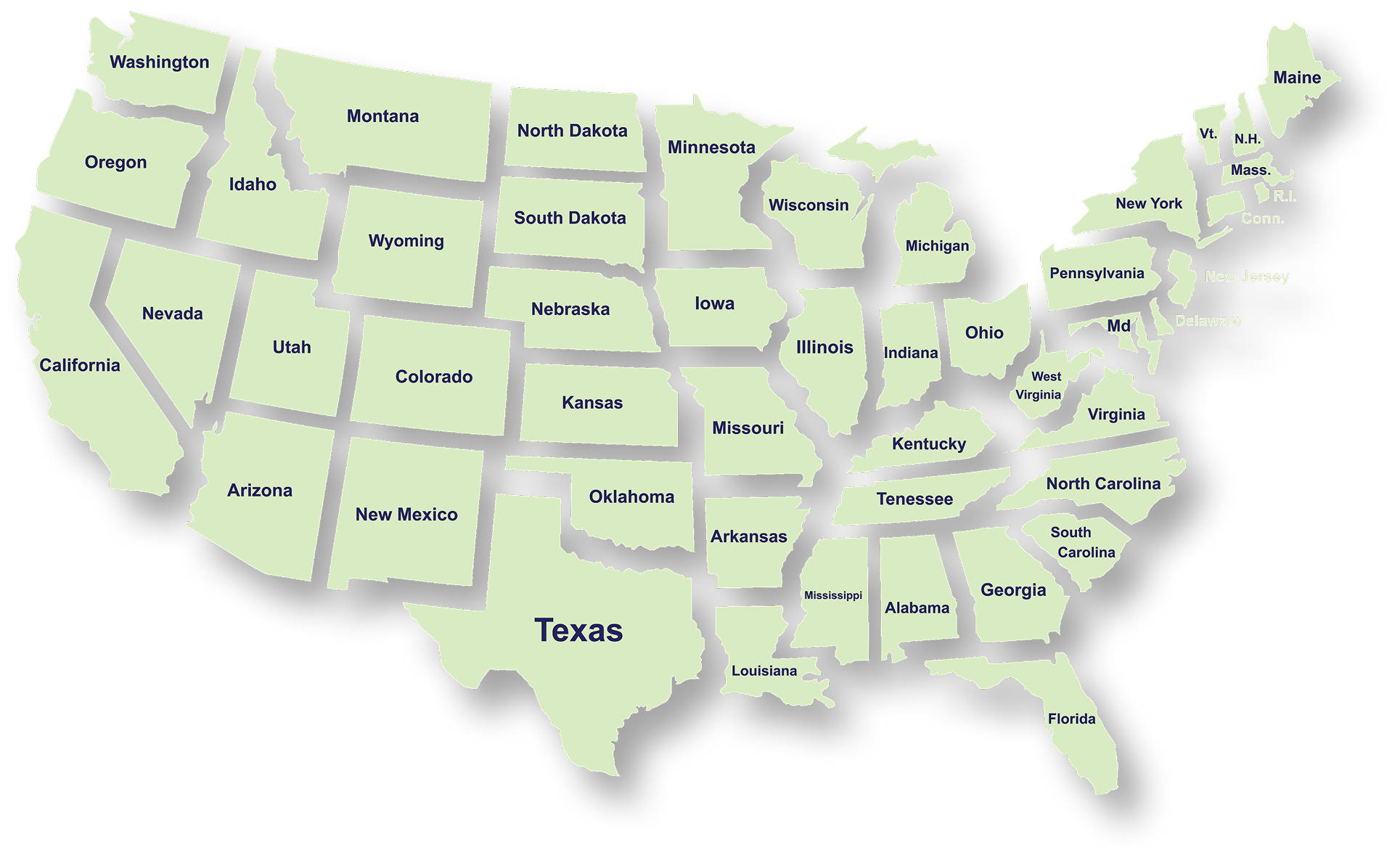
Serving Businesses & Individuals Across USA

We handle accounting, tax filing, and planning with defined timelines and accurate reporting for businesses and individuals across all states.

Frequently Asked Questions

What services does NR CPAs & Business Advisors provide?
What is tax planning and why is it important for businesses?
How can a Virtual CFO help my business?
When should a business consider IRS tax resolution services?
What financial statements does a business typically need?
How can startup advisory services help new businesses?
What is strategic business planning?
What is a Virtual Family Office and who can benefit from it?