Learning Center for Tax and Financial Insights

Stay updated with clear, actionable articles on tax rules, deadlines, deductions, and financial decisions that impact individuals and businesses.

No items found.

Maximizing AOTC Benefits for College Students

Eligible parents who choose not to claim a student as a dependent provide an opportunity for that student to independently claim the American Opportunity Tax Credit (AOTC) for their tuition and related expenses. This important aspect of the tax code (Reg § 1.25A-1(f)) can significantly aid in reducing college costs. Understanding how to maximize the AOTC can be crucial for students managing their own educational expenses. Our latest video offers a concise guide on navigating these opportunities effectively, ensuring students don't miss out on this valuable credit. Watch the video to gain insights and ensure you're benefiting maximally from available tax provisions.

Explore More
No items found.

Year End Stock Strategies for Savvy Investors

As the year draws to a close, taxpayers with substantial stock holdings have a unique opportunity to engage in strategic planning to optimize their tax positions. This article explores various strategies, including understanding the annual loss limit, navigating wash sale rules, recognizing gains and losses, donating appreciated securities, managing employee stock options, dealing with worthless stock, leveraging the zero capital gain rate, and netting gains and losses.Annual Loss Limit - The Internal Revenue Service (IRS) allows taxpayers to offset capital gains with capital losses. If losses exceed gains, up to $3,000 ($1,500 if married filing separately) can be deducted against other income. Any remaining losses can be carried forward to future years. This annual loss limit is crucial for taxpayers with significant stock holdings, as it provides a mechanism to reduce taxable income and potentially lower tax liability.Navigating Wash Sale Rules - The wash sale rule is designed to prevent taxpayers from claiming a tax deduction for a security sold at a loss and then repurchased right away. A wash sale occurs when a taxpayer sells a security at a loss and repurchases the same or substantially identical security within 30 days before or after the sale. If a wash sale is triggered, the loss is disallowed for tax purposes and added to the cost basis of the repurchased security. To avoid this, taxpayers should plan sales carefully, ensuring that any repurchase occurs outside the 61-day window surrounding the sale date.Recognizing Year-End Gains and Losses - Timing is critical when recognizing gains and losses. Taxpayers should evaluate their portfolios to determine which securities to sell before year-end. Selling securities at a loss can offset gains realized earlier in the year, reducing overall tax liability. Conversely, if a taxpayer expects to be in a higher tax bracket in the future, it might be advantageous to recognize gains in the current year when the tax rate is lower.Donating Appreciated Securities - Donating appreciated securities to a tax-exempt organization can be more beneficial than selling the securities and donating the cash proceeds. By donating the securities directly, taxpayers can avoid capital gains tax on the appreciation and claim a charitable deduction for the fair market value of the securities. This strategy is particularly advantageous for taxpayers who have held the securities for more than one year, as it maximizes the tax benefits associated with charitable giving.Managing Employee Stock Options - Taxpayers with unexercised employee stock options should consider year-end strategies to optimize their tax outcomes.Non-qualified stock options (NSOs) - Exercising NSOs before year-end can accelerate income recognition, potentially taking advantage of lower tax rates. For example: 1. Zero Capital Gains Rate:If your taxable income is low enough to fall within the 0% long-term capital gains tax bracket, you can potentially sell appreciated assets, such as stocks acquired through exercising options, without incurring any capital gains tax. This is particularly advantageous if you have held the stock for more than a year, qualifying it for long-term capital gains treatment.This strategy requires careful planning to ensure your total taxable income remains below the threshold for the 0% rate. It’s important to consider all sources of income and deductions to accurately project your taxable income for the year.2. Lower Income Year:In a year where your income is unusually low, perhaps due to unemployment, reduced work hours, or other factors, you might find yourself in a lower tax bracket. This can be an opportune time to exercise stock options because the income from exercising options will be taxed at a lower rate.Additionally, if you have any capital losses, they can be used to offset capital gains, further reducing your tax liability.3. Exercising Options in Smaller Batches:

Explore More
No items found.

IRS Troubles? How to Prevent Tax Issues From Escalating

Explore More
No items found.

Tax Consequences of Employee Holiday Gifts

It is common practice this time of year for employers to give their employees gifts. Where a gift is infrequently offered and has a fair market value so low that it is impractical and unreasonable to account for it, the gift’s value would be treated as a de minimis fringe benefit. As such, it would be tax-free to the employee, and its cost would be tax deductible by the employer.De Minimis Benefits - In general, a de minimis benefit is one that, considering its value and the frequency with which it is provided, is so minor as to make accounting for it unreasonable or impractical. De minimis benefits are excluded from income under Internal Revenue Code section 132(a)(4) and include items not specifically excluded under other sections of the Code. Examples of de minimis benefits include such items as:Controlled, occasional employee use of a company photocopier.Occasional snacks, coffee, doughnuts, etc., furnished to employees.Occasional tickets for entertainment events given to employees.Holiday gifts from the employer to the employees.Occasional meal money or transportation expenses paid for by the employer for employees working overtime.Group-term life insurance on the life of an employee’s spouse or dependent with a face value not more than $2,000.Flowers, fruit, books, etc., provided to employees under special circumstances, such as a birthday or illness.Personal use of a cell phone provided by an employer primarily for business purposes.In determining whether a benefit is de minimis, you should always consider its frequency and value. An essential element of a de minimis benefit is that it is occasional or unusual in frequency. It also must not be a form of disguised compensation.Whether an item or service is de minimis depends on all the facts and circumstances. In addition, if a benefit is too large to be considered de minimis, the entire value of the benefit is taxable to the employee, not just the excess over a designated de minimis amount. The IRS has ruled previously that items with a value exceeding $100 cannot be considered de minimis, even under unusual circumstances.

Explore More
No items found.

Navigating CapEx and OpEx: A Guide for Modern Entrepreneurs

Explore More
No items found.

Understanding Equitable Home Ownership: Tax Benefits and Beyond

Owning a property can unlock numerous tax benefits annually, serving as a strategic advantage for homeowners. A rarely discussed facet of property ownership is the concept of an "equitable owner." This role involves not holding the legal title to the property but having a financial stake and associated rights, often emerging through contractual agreements such as a contract for deed. This nuanced position allows individuals to gain financial interest in real estate without conventional ownership paperwork.

Explore More
No results found.
Thank you! Your submission has been received!
Oops! Something went wrong while submitting the form.

Want tax & accounting tips & insights?Sign up for our newsletter.

Thank you! Your submission has been received!
Oops! Something went wrong while submitting the form.

Why Work With Us?

We combine deep tax expertise, financial strategy, and practical business insight to help you manage complexity, stay compliant, and make confident financial decisions.
A dollar sign, representing financial advice or discussion at NR CPAs & Business Advisors.

Experienced CPA and Enrolled Agent Leadership

Guidance led by licensed professionals with deep expertise in tax strategy, compliance, and complex financial matters.
White bar chart with an upward arrow on green circular background representing growth or progress at NR CPAs &. Business Advisors

Support for Growing Businesses and Startups

We understand the financial challenges of growth stage businesses and provide structured guidance to support expansion.
A white hand holding a dollar symbol and ascending bar chart on a green circular background representing financial growth or investment at NR CPAs & Business Advisors..

Strategic Financial Advisory

Our team helps you evaluate financial decisions with greater clarity, supported by practical insights and long term planning.

Fractional CFO Support

Access experienced financial leadership without the commitment and cost of hiring a full time Chief Financial Officer.

Proactive Tax Planning Approach

We focus on identifying tax opportunities throughout the year rather than reacting only during filing season.

Clear and Reliable Financial Reporting

Accurate financial statements and reporting that help you better understand performance and make informed decisions.
White IRS building icon with pillars and a dollar sign above on a green circular background.

Professional IRS Representation

Experienced support in resolving IRS notices, disputes, and compliance matters while protecting your financial interests.

Personalized Client Focus

Every client receives thoughtful attention and tailored financial solutions based on their specific needs and business goals.
Financial matters often involve important decisions. Working with experienced advisors can help you approach them with greater clarity and confidence in your choices.

Need Help With Your Tax or Financial Decisions?

Discuss your situation with our advisors to get clear guidance on tax planning, IRS matters, and the financial decisions ahead.
Business consulting at NR CPAs & Business Advisors.

Request Your Consultation

Fill out the form to discuss your tax concerns, financial questions, or advisory needs with our team. We will review your details and respond shortly.

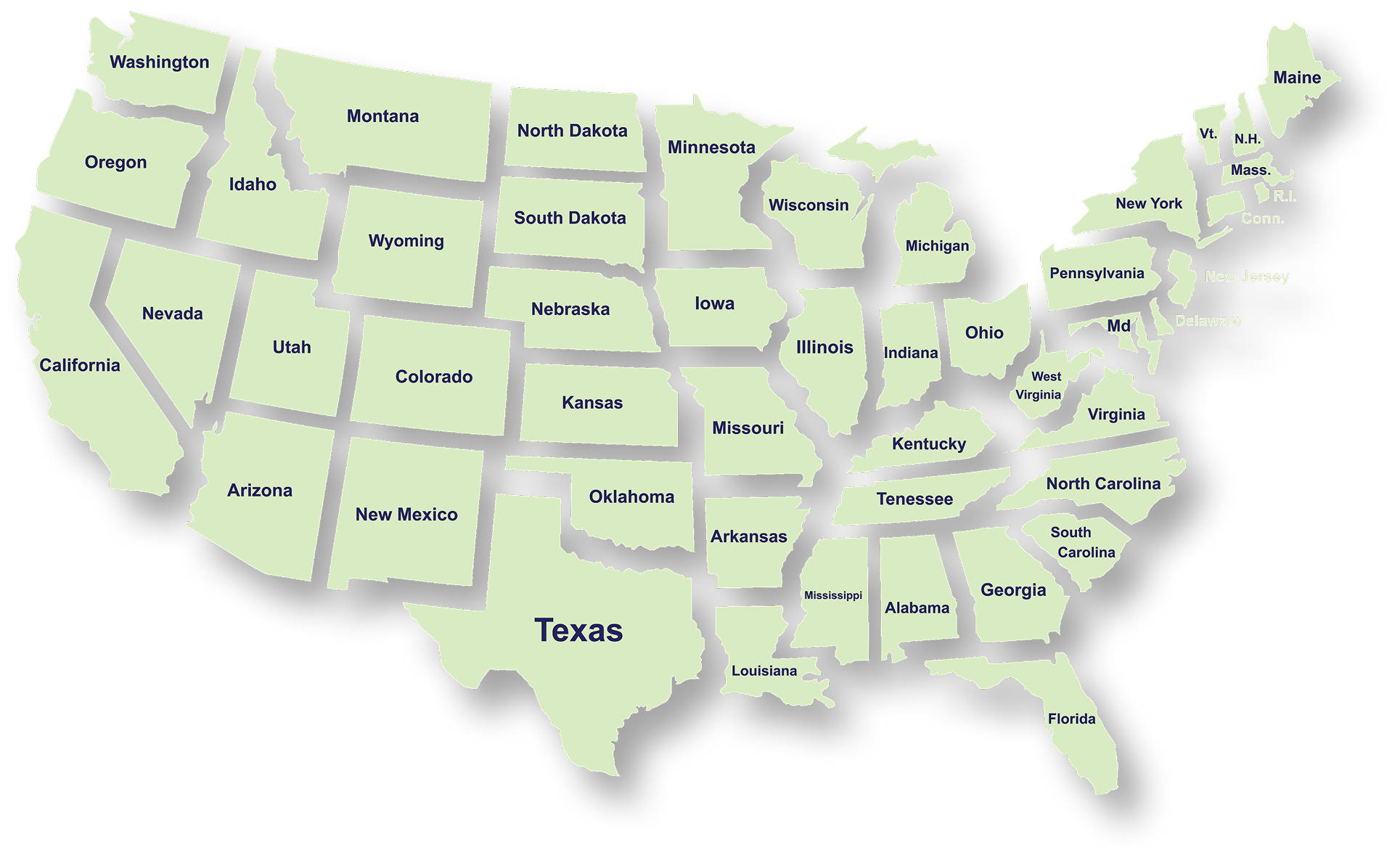
Serving Businesses & Individuals Across USA

We handle accounting, tax filing, and planning with defined timelines and accurate reporting for businesses and individuals across all states.

Frequently Asked Questions

What services does NR CPAs & Business Advisors provide?
What is tax planning and why is it important for businesses?
How can a Virtual CFO help my business?
When should a business consider IRS tax resolution services?
What financial statements does a business typically need?
How can startup advisory services help new businesses?
What is strategic business planning?
What is a Virtual Family Office and who can benefit from it?