Learning Center for Tax and Financial Insights

Stay updated with clear, actionable articles on tax rules, deadlines, deductions, and financial decisions that impact individuals and businesses.

No items found.

Italy’s Growing Tax Gap Signals Urgent Fiscal Reforms

Italy’s pervasive tax evasion issue, notorious across the continent, has escalated beyond expectations. A recently published government report, analyzed by Reuters, discloses that unpaid taxes and social contributions soared to a staggering €102.5 billion ($119 billion) by 2022, marking an increase from €99 billion the previous year. This revelation marks a reversal of what was heralded as a gradual improvement. Instead, data indicate that the issue has resurged since 2020 with increasing momentum. Politically Charged Developments For Prime Minister Giorgia Meloni, this development is a political tinderbox. Her government has advocated that stringent enforcement and "anti-evasion maneuvers" were ineffective, opting instead to relax regulations, such as lifting the cash payment ceiling from €1,000 to €5,000 and implementing tax amnesties for arrears dating to 2023. Opponents argue these measures effectively incentivize noncompliance. Economists caution that this leniency could reverse a decade of progress towards more transparent financial frameworks. During a legislative debate in January 2024, Deputy Economy Minister Maurizio Leo likened tax evasion to terrorism as Italy enhanced its monitoring of undeclared income. Understanding the Revised Figures The recalibrated figures stem from Italy's national statistics agency, ISTAT, which updated its methodology in 2024, unveiling deeper levels of noncompliance than earlier documented. Between 2018 and 2022, Italy’s actual reduction in tax evasion amounted to merely €5.9 billion, contrasted with previously claimed €26 billion.

Explore More
No items found.

Tax Strategies for Turning Your Home into a Rental Property

When deciding to transition your primary residence into a rental property, you initiate a notable shift in its tax implications. Understanding the tax elements involved is crucial for maximizing potential benefits and ensuring compliance with the IRS regulations. Upon conversion, the basis for depreciation on your property becomes pertinent. Specifically, the depreciable basis is determined by the lower of the property's fair market value (FMV) or its adjusted basis at the time of conversion. This calculation is fundamental in determining the allowable depreciation, affecting your tax liabilities significantly. Another consideration is the potential impact on the home sale exclusion. When a primary residence transitions to a rental property, it may forfeit the ability to exclude gains from income when sold, that is typically available to homeowners. This aspect should be strategically planned to minimize tax exposure upon eventual sale.

Explore More
No items found.

Essential QuickBooks® Online Year-End Strategies for 2025

Ensuring a seamless year-end process starts well before December for business owners utilizing QuickBooks® Online (QBO). It's crucial to advance from last-minute adjustments towards a structured, tax-prepared bookkeeping strategy. With evolving features and heightened IRS scrutiny, preparing in advance offers time efficiency, risk mitigation, and sets you on the right path for 2026. 1. Reconcile Accounts and Scrutinize Transactions Access Settings → Chart of Accounts → Reconcile. Ensure your ending bank and credit card statements match, examine Undeposited Funds, and verify all outstanding items. QBO offers built-in cues for unreconciled items, so April will hold no surprises. 2. Analyze Customer and Vendor Aging Reports Generate Accounts Receivable Aging and Accounts Payable Aging reports. Address difficult-to-collect receivables and lingering vendor bills now—assuring that your profits and balance sheet accurately reflect the reality, circumventing potential tax preparation delays. 3. Utilize Advanced Reporting Capabilities QBO has enhanced the 'Modern View' in standard reports: expect improved filters, quicker load times, and increased customization. These advancements allow more efficient generation of reports such as Profit & Loss, Balance Sheet, and Cash Flow Forecasts. 4. Configure and Monitor 1099/NEC for Contractors

Explore More
No items found.

Holiday Gifts That Offer Tax Benefits for You and Your Loved Ones

Explore More
No items found.

Maximize Your Tax Savings with the AOTC: Expert Insights

The American Opportunity Tax Credit (AOTC) offers substantial financial relief for students and their families investing in higher education. By effectively leveraging this credit, taxpayers can achieve significant savings. This expert guide delves into the qualifications and advantages of the AOTC, strategies to optimize the credit, the distinction between tax deductions and credits, and key insights for students and their parents. Qualifications and Benefits of the AOTC Recognizing the value and potential refundability of the AOTC makes it an essential element of any tax strategy focused on educational expenses. 1. Eligibility Criteria: Enrollment Status: Students need to be enrolled at least half-time in a program that leads to a recognized degree or educational credential. Student’s Legal Status: They should not have felony convictions for controlled substances. Eligible Institutions: To qualify, expenses must be incurred at accredited institutions eligible for federal student aid, such as colleges, universities, and vocational schools. Usage Limits: The credit is claimable for a maximum of four tax years per qualified student. 2. Benefits: Maximum Credit: Up to $2,500 annually per eligible student is offered, comprising 100% of the first $2,000 and 25% of the next $2,000 of qualified education expenses. Refundability: Up to 40% of the AOTC is refundable. This allows for a refund of up to $1,000 beyond tax liabilities, except when "kiddie tax" provisions apply. Phase-Out Ranges: The credit phases out starting at a MAGI of $80,000 for single filers and $160,000 for joint filers, completely phasing out at $90,000 and $180,000 respectively. 3. Qualifying Expenses: Tuition and Fees: Necessary tuition and fees for enrollment or attendance are covered. Course Materials: Books, supplies, and equipment directly related to the course of study qualify, regardless of purchase location. Tax Credit vs. Tax Deduction: Grasping the differences between these is crucial in maximizing education-related tax benefits. Tax Credit: Credits directly reduce tax liabilities, with the AOTC providing a dollar-for-dollar reduction. Tax Deduction: Deductions lower taxable income based on your tax rate, often making them less beneficial than equivalent credits. Claiming the Credit: The individual responsible for the expenses claims the AOTC, typically the parents if they're claiming the student as a dependent. Strategies to Maximize the American Opportunity Tax Credit: Strategic planning and meticulous documentation are pivotal to fully utilizing the AOTC. Consider these approaches:

Explore More
No items found.

Turning Inflation Challenges into Strategic Wins

Explore More
No results found.
Thank you! Your submission has been received!
Oops! Something went wrong while submitting the form.

Want tax & accounting tips & insights?Sign up for our newsletter.

Thank you! Your submission has been received!
Oops! Something went wrong while submitting the form.

Why Work With Us?

We combine deep tax expertise, financial strategy, and practical business insight to help you manage complexity, stay compliant, and make confident financial decisions.
A dollar sign, representing financial advice or discussion at NR CPAs & Business Advisors.

Experienced CPA and Enrolled Agent Leadership

Guidance led by licensed professionals with deep expertise in tax strategy, compliance, and complex financial matters.
White bar chart with an upward arrow on green circular background representing growth or progress at NR CPAs &. Business Advisors

Support for Growing Businesses and Startups

We understand the financial challenges of growth stage businesses and provide structured guidance to support expansion.
A white hand holding a dollar symbol and ascending bar chart on a green circular background representing financial growth or investment at NR CPAs & Business Advisors..

Strategic Financial Advisory

Our team helps you evaluate financial decisions with greater clarity, supported by practical insights and long term planning.

Fractional CFO Support

Access experienced financial leadership without the commitment and cost of hiring a full time Chief Financial Officer.

Proactive Tax Planning Approach

We focus on identifying tax opportunities throughout the year rather than reacting only during filing season.

Clear and Reliable Financial Reporting

Accurate financial statements and reporting that help you better understand performance and make informed decisions.
White IRS building icon with pillars and a dollar sign above on a green circular background.

Professional IRS Representation

Experienced support in resolving IRS notices, disputes, and compliance matters while protecting your financial interests.

Personalized Client Focus

Every client receives thoughtful attention and tailored financial solutions based on their specific needs and business goals.
Financial matters often involve important decisions. Working with experienced advisors can help you approach them with greater clarity and confidence in your choices.

Need Help With Your Tax or Financial Decisions?

Discuss your situation with our advisors to get clear guidance on tax planning, IRS matters, and the financial decisions ahead.
Business consulting at NR CPAs & Business Advisors.

Request Your Consultation

Fill out the form to discuss your tax concerns, financial questions, or advisory needs with our team. We will review your details and respond shortly.

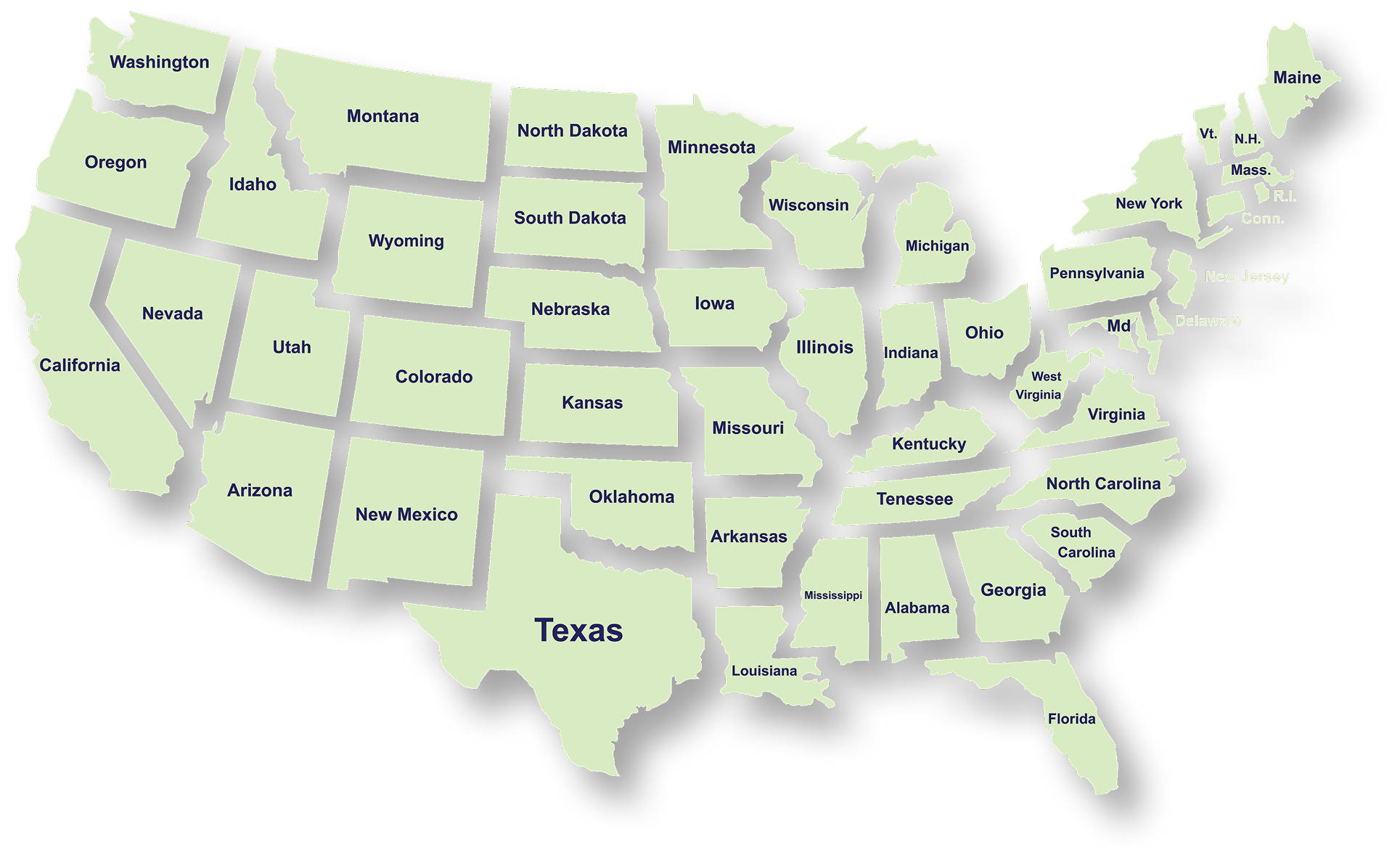
Serving Businesses & Individuals Across USA

We handle accounting, tax filing, and planning with defined timelines and accurate reporting for businesses and individuals across all states.

Frequently Asked Questions

What services does NR CPAs & Business Advisors provide?
What is tax planning and why is it important for businesses?
How can a Virtual CFO help my business?
When should a business consider IRS tax resolution services?
What financial statements does a business typically need?
How can startup advisory services help new businesses?
What is strategic business planning?
What is a Virtual Family Office and who can benefit from it?