Learning Center for Tax and Financial Insights

Stay updated with clear, actionable articles on tax rules, deadlines, deductions, and financial decisions that impact individuals and businesses.

No items found.

2025 Comprehensive Tax Organizer Suite

Maximize your tax preparation efficiency with our meticulously designed 2025 tax organizers. These essential tools help you streamline the process of gathering crucial tax information, ensuring you capture every possible deduction in line with the ever-evolving tax laws. Each year, our organizers are refreshed to reflect the latest legislative updates, providing a tailored approach that aligns with your unique financial circumstances. This year, our collection features three distinct organizers, each crafted to suit various financial profiles. Whether you're an individual filer or a business entity, we have the right solution to ensure your tax returns are accurate and optimized. Simply download your chosen configuration, fill it out on your device, and save your progress until completion. Remember to submit your finalized organizer to our office either electronically or in person during your scheduled appointment, to facilitate prompt and efficient service. Choose from our range of 2025 organizers: 2025 Basic Organizer – Tailored for clients utilizing the standard deduction, this organizer is streamlined for those without rental or self-employment income. 2025 Basic Organizer plus Itemized Deductions – Ideal for filers who itemize deductions, but do not have rental properties or self-employment activities. 2025 Full Organizer – Comprehensive in scope, this organizer encompasses itemized deductions, rental properties, and self-employment expenses. 2025 Business Organizer – Specifically designed for partnerships and corporate structures, addressing the complexities of business taxation. 2024 Prior Year Individual Organizer – Utilize this organizer for any 2024 returns currently still outstanding.

Explore More
No items found.

Nonprofit Advertising: Maintaining Tax-Exempt Integrity

Nonprofit news organizations have long harbored concerns that the sale of advertising space could jeopardize their federal tax-exempt status. The major worry: ad sales might be classified as 'unrelated business income,' leading to extra taxes or even revocation of their nonprofit status. However, recent analysis reveals that these concerns might be exaggerated; losing exempt status due to ad revenue is uncommon — if organizations stay informed about regulations. Legal Framework for Nonprofit Advertising U.S. tax law generally exempts nonprofits from income tax, provided they adhere to specific restrictions. A critical aspect to consider is how revenue from business-like activities is treated. If a nonprofit earns income from activities not 'substantially related' to its tax-exempt mission, that income may be subject to Unrelated Business Income Tax (UBIT), under Internal Revenue Code Section 512. Typically, income from ad sales — such as on websites or periodicals — is classified as unrelated business income per IRS guidance. However, nuances exist. If a nonprofit's journalism or publishing is central to its mission, or if the advertising is integral rather than purely commercial, the IRS may treat this differently. There are precedents where nonprofit press advertising is part of related activities rather than commercial pursuits. This complexity implies that a nonprofit's risk is closely tied to how it defines its purpose, especially the centrality of publishing to that purpose, and how it conducts ad sales and accounting. Insights from Recent Findings: Status Remains Largely Intact In a recent article published by The Conversation, research involving many nonprofit news organizations and public IRS data challenges several myths. Despite concerns about UBIT or tax-exempt status risks, many nonprofit news outlets continue to sell ads. Among around two hundred local-news nonprofits surveyed, a number reported some ad revenue, while very few paid any UBIT. Few nonprofits with ad income experienced challenges or revocation of tax-exempt status for this reason. IRS data shows revocations for 'too much unrelated business income' are rare compared to failures in filing annual reports.

Explore More
No items found.

Navigating Tax Implications of Employee Holiday Gifts

As the holiday season unfolds, many employers are considering ways to show appreciation for their workers through gifts. It's essential to understand the tax implications associated with these gestures. Under IRS guidelines, if a gift is provided infrequently and holds a low fair market value, it qualifies as a de minimis fringe benefit. This designation means the gift is not taxable to the employee, and its cost is deductible to the employer. These gifts can range from holiday turkeys to small gift baskets, as long as they meet the de minimis requirement. The key is the gift's value—it should be so small that accounting for it would be impractical or unreasonable. With strategic planning, employers can offer meaningful rewards while optimizing their tax situation.

Explore More
No items found.

Mastering QuickBooks: Avoiding Common Pitfalls Before Tax Season

QuickBooks is a widely adopted accounting solution, celebrated for its robust capabilities and flexibility in streamlining bookkeeping tasks. However, without proper setup and maintenance, its complexities can pose challenges, particularly for small business owners lacking in-depth accounting expertise. This article explores frequent roadblocks in effective QuickBooks use, offering actionable solutions to refine your financial management before the taxing season hits. Many businesses encounter issues such as redundant entries, improper bank feeds, and misallocated expenses as tax season nears. The following insights will guide you in optimizing your QuickBooks usage and ensuring seamless financial processes. 1. Proper Initialization of QuickBooks Matters While Intuit markets QuickBooks as user-friendly, its efficacy hinges on precise configuration. The software requires a structured chart of accounts, class tracking, correct bank rules, and industry-appropriate settings. Inaccuracies in setup result in: Mismatched account categories with tax filings Inaccurate transaction mapping from bank feeds Duplicate vendor or customer entries Incorrect posting of opening balances Misreported income periods These challenges underscore the need for a professional setup to prevent costly follow-up rectifications. 2. Automation Through Bank Feeds: A Cautionary Note QuickBooks’ bank feed feature offers convenience but can inadvertently create inaccuracies. This tool cannot ensure: Appropriate transaction categorization Correct deposit-invoice matching Accurate tracking of loans and interests Proper handling of owner drawings and contributions Precise Cost of Goods Sold (COGS) calculations Automation is limited by QuickBooks’ understanding, necessitating regular human review to maintain financial accuracy. 3. QuickBooks’ Role in Cash Flow Management Business owners often view QuickBooks as a remedy for financial control, yet it functions primarily as a diagnostic tool rather than a solution. It highlights issues such as delayed receivables or overspending, but solves none without strategic intervention:

Explore More
No items found.

Designated Roth Accounts: 2025 Limits, Tax Benefits, and Strategic Planning

Explore More
No items found.

Evaluate Your Bookkeeping Effectiveness: A 5-Question Diagnostic

Let's embark on a simple yet telling exercise. Pick up a pen. Take a deep breath. Assess your bookkeeping by answering five straightforward questions.That's right, just five.Before dismissing this as unnecessary, remember: even the most proficient businesses are often taken aback by their evaluations.This tiny examination can unearth significant lurking issues—cash flow leaks, pricing discrepancies, overlooked tax strategies, growth hindrances…these are the pitfalls that often remain unnoticed until it's too costly.Ready to proceed? Here we go.Understanding the ScoringAssign yourself 0–5 points for each question:0 = Not at all5 = Consistently, every monthTotal possible score: 0–25 points. Remember, the aim is clarity, not judgment.Question 1: Are You Diligently Completing Monthly Book Closings?Think of your monthly close as essential maintenance for your business. Skip it once? Maybe okay. Skip it twice? You're sailing on "vibes" rather than solid facts.A thorough monthly close provides:Accurate financialsDependable reportsNo guessworkProblem recognition before issues snowballIf your bookkeeping feels like an unsolved mystery or you're months behind, a lower score might be fitting here.Rate yourself: 0–5.Question 2: Can You Recount Your Gross Profit Margin Accurately?If revenue covers the basics, your gross profit margin is your reward.Not understanding your margin is akin to navigating blind. Price adjustments, staffing, or process modifications can't be addressed effectively if profitability per dollar is unknown.Successful companies are intimately familiar with their margins and improvement strategies.Rate yourself: 0–5.Question 3: Are You Aware of Your Breakeven Point and Cash Reserves?This is a critical assessment—do you know:Necessary sales to break even?Cash reserves for your business's survival?Your capability to weather slow months or unexpected expenses?If you're uncertain, a lower score might be in order.

Explore More
No results found.
Thank you! Your submission has been received!
Oops! Something went wrong while submitting the form.

Want tax & accounting tips & insights?Sign up for our newsletter.

Thank you! Your submission has been received!
Oops! Something went wrong while submitting the form.

Why Work With Us?

We combine deep tax expertise, financial strategy, and practical business insight to help you manage complexity, stay compliant, and make confident financial decisions.
A dollar sign, representing financial advice or discussion at NR CPAs & Business Advisors.

Experienced CPA and Enrolled Agent Leadership

Guidance led by licensed professionals with deep expertise in tax strategy, compliance, and complex financial matters.
White bar chart with an upward arrow on green circular background representing growth or progress at NR CPAs &. Business Advisors

Support for Growing Businesses and Startups

We understand the financial challenges of growth stage businesses and provide structured guidance to support expansion.
A white hand holding a dollar symbol and ascending bar chart on a green circular background representing financial growth or investment at NR CPAs & Business Advisors..

Strategic Financial Advisory

Our team helps you evaluate financial decisions with greater clarity, supported by practical insights and long term planning.

Fractional CFO Support

Access experienced financial leadership without the commitment and cost of hiring a full time Chief Financial Officer.

Proactive Tax Planning Approach

We focus on identifying tax opportunities throughout the year rather than reacting only during filing season.

Clear and Reliable Financial Reporting

Accurate financial statements and reporting that help you better understand performance and make informed decisions.
White IRS building icon with pillars and a dollar sign above on a green circular background.

Professional IRS Representation

Experienced support in resolving IRS notices, disputes, and compliance matters while protecting your financial interests.

Personalized Client Focus

Every client receives thoughtful attention and tailored financial solutions based on their specific needs and business goals.
Financial matters often involve important decisions. Working with experienced advisors can help you approach them with greater clarity and confidence in your choices.

Need Help With Your Tax or Financial Decisions?

Discuss your situation with our advisors to get clear guidance on tax planning, IRS matters, and the financial decisions ahead.
Business consulting at NR CPAs & Business Advisors.

Request Your Consultation

Fill out the form to discuss your tax concerns, financial questions, or advisory needs with our team. We will review your details and respond shortly.

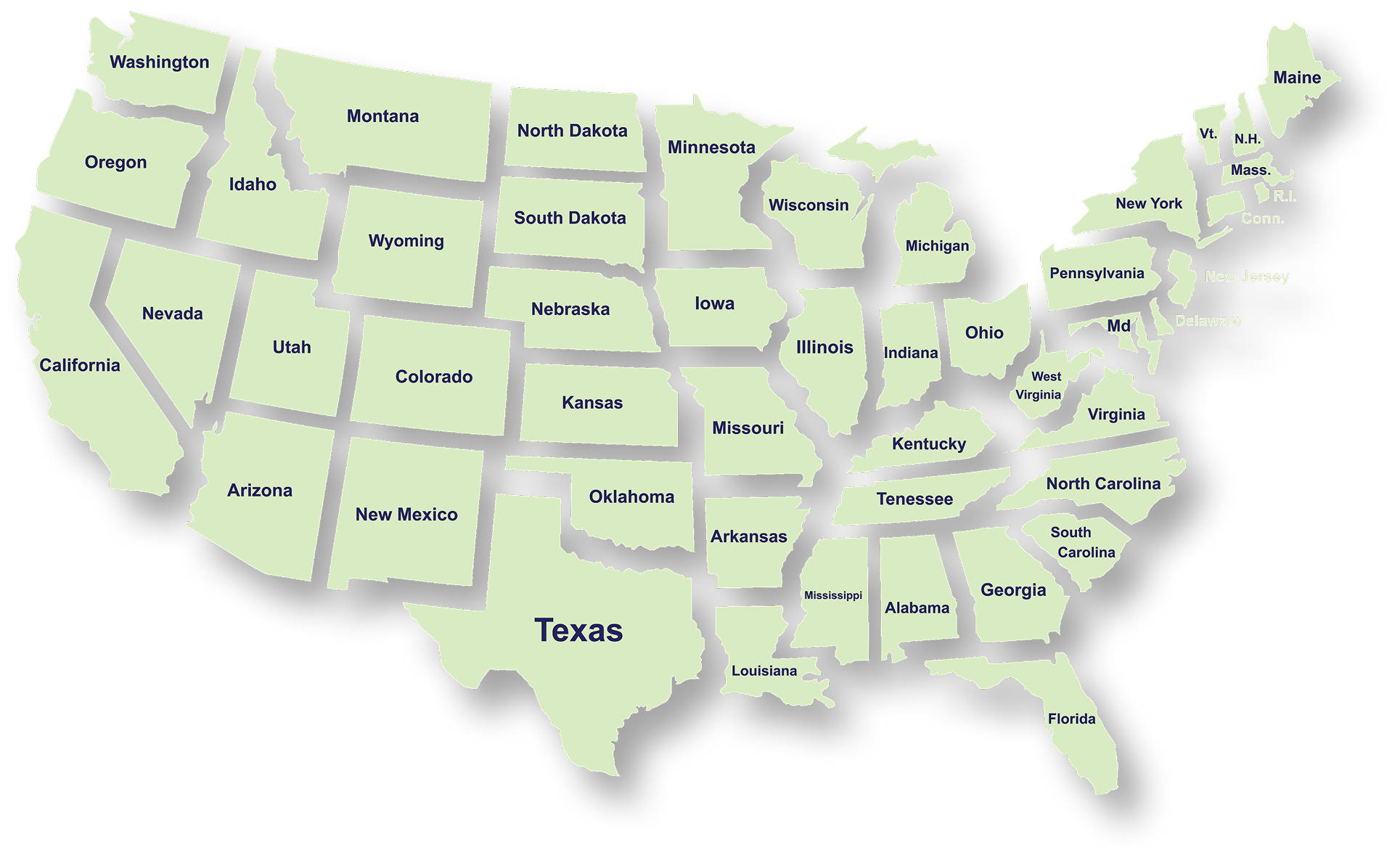
Serving Businesses & Individuals Across USA

We handle accounting, tax filing, and planning with defined timelines and accurate reporting for businesses and individuals across all states.

Frequently Asked Questions

What services does NR CPAs & Business Advisors provide?
What is tax planning and why is it important for businesses?
How can a Virtual CFO help my business?
When should a business consider IRS tax resolution services?
What financial statements does a business typically need?
How can startup advisory services help new businesses?
What is strategic business planning?
What is a Virtual Family Office and who can benefit from it?