Learning Center for Tax and Financial Insights

Stay updated with clear, actionable articles on tax rules, deadlines, deductions, and financial decisions that impact individuals and businesses.

No items found.

Video Tips: Make Tax-Free Charity Donations from Your IRA Required Minimum Distributions

Generally, individuals who are 70½ or older may make a Qualified Charitable Distribution (QCD) of up to $100,000 from their individual retirement account each year. And a QCD may count toward the required minimum distribution for the year.

Explore More
No items found.

IRS Resuming Sending Collection Notices

Article Highlights:COVID-19 Pandemic Notice SuspensionsResumption of Collection Letters in 2024Special First LetterPenalty ReliefTaxpayers Qualifying for Penalty ReliefTax Returns Qualifying for Penalty ReliefReasonable Cause Criteria or First-Time Abate ReliefDue to the COVID-19 pandemic, the IRS suspended the mailing of automated reminders to pay overdue tax bills starting in February 2022. These reminders would have normally been issued as a follow up after the initial notice. Although these reminder notices were suspended, the failure-to-pay penalty continues to accrue for taxpayers who did not fully pay their bills in response to the initial balance due notice.The IRS has announced a resumption of the collection notices in 2024, with some taxpayers already receiving a reminder letter; IRS will continue mailing resumption reminders through March of 2024. This communique may come as a surprise to some delinquent taxpayers since they may have not heard from the IRS in over a year. The first correspondence will be a special reminder letter that will alert taxpayers of their liability, easy ways to pay, and the amount of penalty relief, discussed below, if applied.The IRS is taking steps to waive the failure-to-pay penalties for eligible taxpayers affected by this situation for tax years 2020 and 2021. The IRS estimates 5 million tax returns filed by 4.7 million individuals, businesses, trusts, estates, and tax-exempt organizations are eligible for the penalty relief. This represents $1 billion in savings to taxpayers, or about $206 per return.The relief granted is available only to eligible taxpayers’ additions to tax for the failure to pay during the relief period. An “eligible taxpayer” is any taxpayer:Whose assessed income tax for taxable year 2020 or 2021, as of December 7, 2023, is less than $100,000, excluding any applicable additions to tax, penalties, or interest;Who was issued an initial balance due notice on or before December 7, 2023, for taxable year 2020 or 2021; andWho is otherwise liable during the relief period for additions to tax for the failure to pay penalty with respect to an eligible return for taxable year 2020 or 2021.

Explore More
No items found.

Who Needs to File a Tax Return in 2024

Article Highlights: Factors That Affect Whether Someone Needs to File a Tax Return Gross Income Required Filing Threshold 2023 Filing Thresholds by Filing Status Self-employment Status Status as a Dependent Some Individuals Should File a Tax Return Even Though Not Required to Do So Tax Withholding Earned Income Tax Credit (EITC) Child Tax Credit (CTC)/American Opportunity Tax Credit (AOTC) Most U.S. citizens and permanent residents who work in the United States need to file a tax return if they make more than a certain amount for the year. This includes U.S. citizens and permanent residents working outside the U.S. Factors That Affect Whether Someone Needs to File a Tax Return Gross Income -Gross income means all income a person received in the form of money, goods, property, and services that aren't exempt from tax. This includes any income from sources outside the United States or from the sale of a main home, even if you can exclude part or all of it. Required Filing Threshold – An individual whose gross income is over the required filing threshold for their filing status and age needs to file a return. So, individuals may need to consider their potential filing status as well when determining if they are required to file a return. There are five filing statuses: o Single o Head of household o Married filing jointly o Married filing separate o Qualifying surviving spouse 2023 FILING THRESHOLDS BY FILING STATUS Filing Status Age at the End of 2023 A Person Must File a Return If Their Gross Income Was At Least: Single Under 65 $13,850 Single 65 or Older $15,700 Head of Household Under 65 $20,800 Head of Household 65 or Older $22,650 Married Filing Jointly Both Spouses Under 65 $27,700 Married Filing Jointly One Spouse 65 or Older $29,200 Married Filing Jointly Both Spouses 65 and Older $30,700 Married Filing Separately Any Age $5 Qualified Surviving Spouse Under 65 $27,700 Qualified Surviving Spouse 65 or Older $29,200 Self-employment Status -Self-employed individuals must file an annual return and pay estimated tax quarterly if they had net earnings from self-employment of $400 or more. Status as a Dependent - A person claimed as a dependent may still have to file a return. It depends on their gross income, earned income and unearned income, standard deduction and can get complicated. This involves the so-called Kiddie Tax and was added to the tax code to stop parents from putting their investment income in the name of their children to achieve lower tax rates. The Kiddie Tax applies to children under the age of 19 or full-time students over the age of 18 and under the age of 24. Here are some examples: o A dependent child with earned income more than $13,850 (the 2023 standard deduction for a single individual) is required to a file a return. Earned income includes salaries, wages, tips, professional fees, and other amounts received as pay for work performed. The standard deduction for a dependent in 2023 is limited by the larger of $1,250 or their earned income plus $400, but not to exceed the $13,850 standard deduction for a single individual. o Dependent children with unearned income of more than $2,500 may also need to file a return. Unearned income is investment-type income and includes interest, dividends and capital gains, rents, royalties, etc. Distributions of interest, dividends, capital gains and other unearned income from a trust are also unearned income to a beneficiary of the trust. o Where a dependent child's only income is interest, dividends, and capital gain distributions and totals less than $12,500, the parent may be able to elect to include that income on their return rather than file a return for the child.

Explore More
No items found.

Mastering QuickBooks: 5 Essential Tips For Small Business Owners

Whether you just started using QuickBooks to manage your small business in 2024 or you've been muddling along for years with unanswered questions, diving into financial software can feel like swimming through uncharted territory. Your business's financial health depends on accurate bookkeeping and seamless transactions, which is where QuickBooks comes in. This accounting software can be a game-changer for small and mid-sized business owners – but it can also be confusing.If you feel like you aren’t using your QuickBooks system to its full potential, you’re in the right place! While we recommend seeking professional guidance for a comprehensive understanding, here are five essential tips all business owners should know.Familiarize Yourself with QuickBooks ListsQuickBooks relies heavily on lists to streamline your financial tasks. Transaction forms provide access to pre-existing data, simplifying processes like customer selection with dropdown menus. Additionally, QuickBooks offers standalone lists accessible via the Lists menu, including the Item List, Sales Tax Code List, and Class List, which enable you to manage items, enter sales receipts, and run relevant reports.Customize Chart of AccountsOne of the most powerful features of QuickBooks is its customizable Chart of Accounts. Tailoring this list to your business's specific needs allows for accurate categorization of income, expenses, assets, and liabilities. Take the time to review and customize your Chart of Accounts to reflect your company’s financial structure, ensuring clarity and consistency in your financial reporting.

Explore More
No items found.

Video Tips: Childcare Credit for Working Parents

A tax credit is available to some taxpayers for the expenses they incur for the care of a child, spouse, or other dependent while the taxpayer is gainfully employed (or is job seeking). In addition, employer-dependent care assistance programs allow employees to exclude from income certain payments expended for child and dependent care. Tax return reporting is done on Form 2441, Child and Dependent Care Expenses.

Explore More
No items found.

Tax Deductible Expenses for Charity Volunteers

Article Highlights:Charity Tax Exempt StatusGeneral Rules for Deducting Volunteer ExpensesAway-From-Home Travel ExpensesVehicle ExpensesEntertaining For CharityUniformsUse of a Capital AssetsConventionsUnderprivileged YouthsFoster ParentsChurch Deacon Substantiation RequirementsIf you volunteer your time for a charity, you may qualify for some tax breaks. Although no tax deduction is allowed for the value of services performed for a charity, there are deductions permitted for out-of-pocket costs incurred while performing the services.To claim a tax deduction for charity work, you must itemize your tax deductions using IRS Schedule A, and the charitable organization must have IRS tax-exempt status. Qualified organizations include nonprofit groups that are religious, charitable, educational, scientific, or literary in purpose, or that work to prevent cruelty to children or animals. You will find descriptions of these organizations under Organizations That Qualify To Receive Deductible Contributions.If you are unsure, you can double check if the organization is exempt by asking for a copy of the IRS letter showing their tax status.These general rules apply to tax deductions related to charitable volunteer services:You can’t assign a value to your time or services and deduct it on your tax return.Example: You volunteer 8 hours a week at the office of a qualified organization. An employee of the organization is paid $15 an hour for the same work. You CANNOT therefore deduct $120 as the value of your services.You can’t deduct expenses related to other’s volunteer expenses.You must itemize your deductions to benefit from any allowable deductions.The normal charity deduction limits and substantiation rules also apply.Although you can't deduct the value of your services given to a qualified organization, you may be able to deduct some amounts you pay in giving services to a qualified organization. The amounts must be:Unreimbursed.Directly connected with the services.Expenses you had only because of the services you gave, and thatAre not personal, living, or family expenses.Away-From-Home Travel Expenses – Eligible away-from-home travel expenses while performing services for a charity include out-of-pocket round-trip travel cost, taxi, and rideshare fares, and other costs of transportation between the airport or station and hotel, plus lodging and meals at 100%. These expenses are only deductible if there is no significant element of personal pleasure associated with the travel, or if your services for a charity do not involve lobbying activities.The deduction for travel expenses won't be denied simply because you enjoy providing services to the qualified organization. You are still entitled to a charitable contribution deduction for travel expenses if you are on duty in a real and significant sense throughout the trip. If the duties are insignificant or you don't have any duties, you won’t qualify to deduct your travel expenses.Example: You are a troop leader for a tax-exempt youth group, and you take the group on a camping trip. You are responsible for overseeing the setup of the camp and for providing adult supervision for other activities during the entire trip. You participate in the activities of the group and enjoy your time with them. You oversee the breaking of camp, and you transport the group home. You can deduct your travel expenses.Because travel expenses aren't business-related, they aren't subject to the same limits as business-related expenses. Thus, unlike business meals that are only allowed at 50% of the cost, charity-related meals are 100% deductible. Travel expenses include:Air, rail, and bus transportation.Out-of-pocket expenses for your car.Taxi and ride-share fares, or other costs of transportation between the airport or station and your hotel.Lodging costs, andThe cost of meals.The Tax Court has held that the cost of first-class accommodations are deductible if they are “reasonable” under the facts and circumstances, using criteria similar to those that would apply if the traveler were on a business trip.If the qualified organization provides a daily allowance to cover reasonable travel expenses, including meals and lodging, the charity volunteer must include in income any part of the allowance that is more than the deductible travel expenses. The volunteer may be able to deduct any necessary travel expenses that are more than the allowance.Vehicle Expenses - A charitable contribution can be claimed for unreimbursed out-of-pocket expenses, such as the cost of gas and oil, directly related to the use of a car in giving services to a charitable organization. However, general repair and maintenance expenses, depreciation, registration fees, or the costs of tires or insurance cannot be deducted.

Explore More
No results found.
Thank you! Your submission has been received!
Oops! Something went wrong while submitting the form.

Want tax & accounting tips & insights?Sign up for our newsletter.

Thank you! Your submission has been received!
Oops! Something went wrong while submitting the form.

Why Work With Us?

We combine deep tax expertise, financial strategy, and practical business insight to help you manage complexity, stay compliant, and make confident financial decisions.
A dollar sign, representing financial advice or discussion at NR CPAs & Business Advisors.

Experienced CPA and Enrolled Agent Leadership

Guidance led by licensed professionals with deep expertise in tax strategy, compliance, and complex financial matters.
White bar chart with an upward arrow on green circular background representing growth or progress at NR CPAs &. Business Advisors

Support for Growing Businesses and Startups

We understand the financial challenges of growth stage businesses and provide structured guidance to support expansion.
A white hand holding a dollar symbol and ascending bar chart on a green circular background representing financial growth or investment at NR CPAs & Business Advisors..

Strategic Financial Advisory

Our team helps you evaluate financial decisions with greater clarity, supported by practical insights and long term planning.

Fractional CFO Support

Access experienced financial leadership without the commitment and cost of hiring a full time Chief Financial Officer.

Proactive Tax Planning Approach

We focus on identifying tax opportunities throughout the year rather than reacting only during filing season.

Clear and Reliable Financial Reporting

Accurate financial statements and reporting that help you better understand performance and make informed decisions.
White IRS building icon with pillars and a dollar sign above on a green circular background.

Professional IRS Representation

Experienced support in resolving IRS notices, disputes, and compliance matters while protecting your financial interests.

Personalized Client Focus

Every client receives thoughtful attention and tailored financial solutions based on their specific needs and business goals.
Financial matters often involve important decisions. Working with experienced advisors can help you approach them with greater clarity and confidence in your choices.

Need Help With Your Tax or Financial Decisions?

Discuss your situation with our advisors to get clear guidance on tax planning, IRS matters, and the financial decisions ahead.
Business consulting at NR CPAs & Business Advisors.

Request Your Consultation

Fill out the form to discuss your tax concerns, financial questions, or advisory needs with our team. We will review your details and respond shortly.

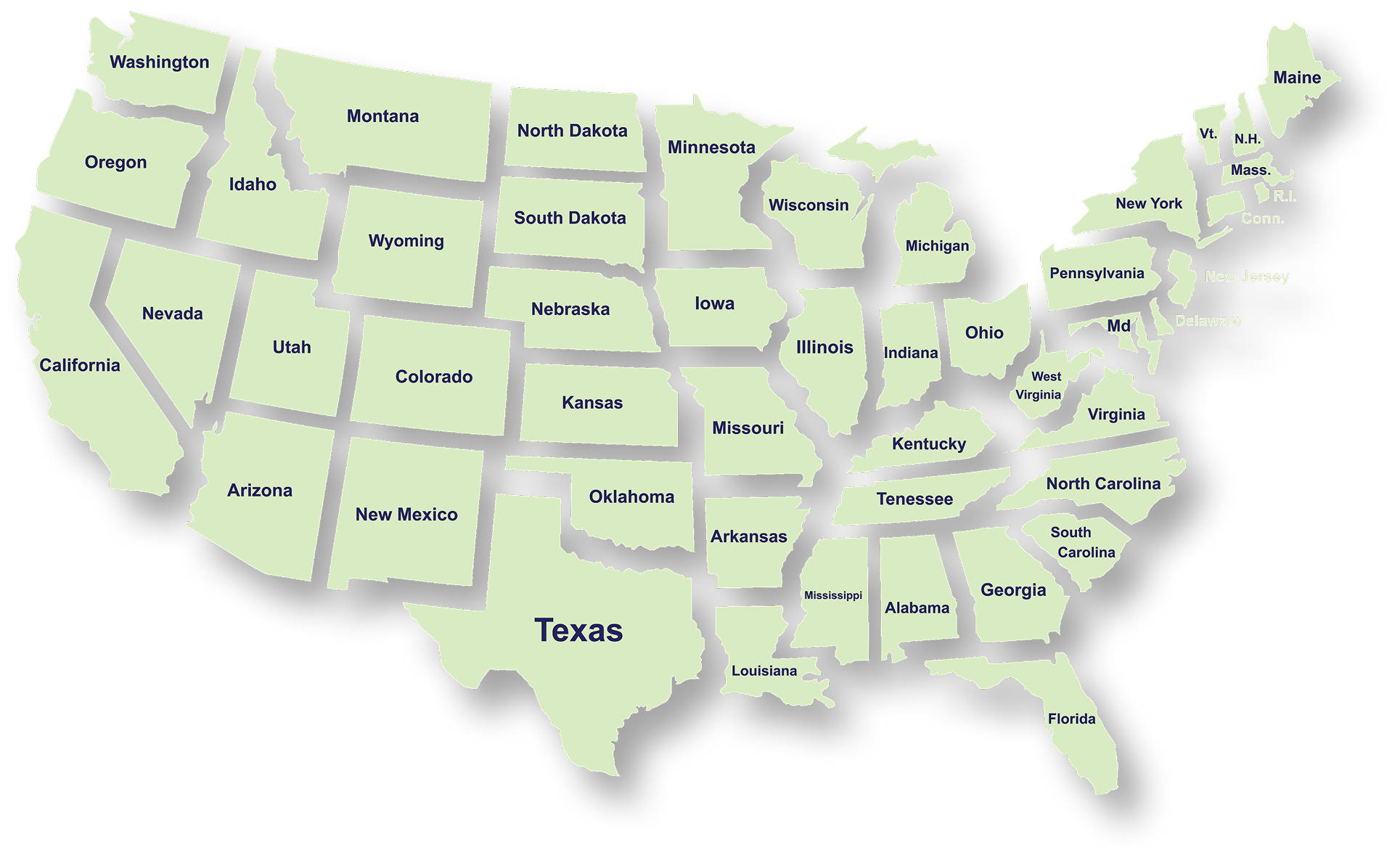
Serving Businesses & Individuals Across USA

We handle accounting, tax filing, and planning with defined timelines and accurate reporting for businesses and individuals across all states.

Frequently Asked Questions

What services does NR CPAs & Business Advisors provide?
What is tax planning and why is it important for businesses?
How can a Virtual CFO help my business?
When should a business consider IRS tax resolution services?
What financial statements does a business typically need?
How can startup advisory services help new businesses?
What is strategic business planning?
What is a Virtual Family Office and who can benefit from it?