Learning Center for Tax and Financial Insights

Stay updated with clear, actionable articles on tax rules, deadlines, deductions, and financial decisions that impact individuals and businesses.

No items found.

The Litter Tax Question: A Deep Dive Into Policies and Realities

For years now, litter taxes have been touted to solve our persistent litter problems in the United States. In fact, some politicians seem to believe these levies are a sort of magic elixir – but are they really working in the states and municipalities where they’ve been imposed? Here, we take a deep dive into the finer points of litter taxes, comparing them to deposit laws, exploring case studies, and looking at their effectiveness and challenges.Litter Tax vs. Deposit LawA litter tax and a deposit law are distinct approaches to addressing the issue of waste management and environmental conservation. While a litter tax imposes a fee on the production or sale of certain products, aiming to fund cleanup and mitigation efforts, a deposit law requires consumers to pay a refundable deposit when purchasing items like beverage containers. This fee is then reimbursed upon returning the empty container, with the notion of encouraging recycling and reducing litter.Why Not a Litter Tax?Litter taxes, while designed to combat litter, often fall short of their goals. Here's why:Disincentive to Litter: Litter taxes lack a direct disincentive on the consumer side, as the costs are often hidden in the price of goods.Cumbersome Tax Collection: Collected three times – from manufacturers, wholesalers, and retailers – litter taxes burden consumers with accumulated taxes without making them aware of the direct impact. Most consumers don’t even realize they are paying these specific levies.Poorly Designed: These taxes may not target the biggest litter contributors, wasting resources and lacking efficiency. A Tax Foundation study points out that “litter taxes likely penalize many of the wrong people.”Administrative Cost: Unlike deposit laws, litter taxes are costly to administer, requiring bureaucratic efforts.Mopping Up vs. Turning Off the Tap: Litter taxes focus on cleanup rather than preventing excessive waste generation in the first place.Litter Tax Case StudiesBottleBill.org conducted intensive research into existing and repealed or rejected litter taxes throughout the United States. These legislative measures are outlined below so you can see if your state, or states you frequently visit, have any current laws related to litter taxation.Current Laws:Hawaii: Public funding for traditional litter education and public litter receptacle programs.Nebraska: Increased penalties for litterers, funding for education, research, litter receptacles, and recycling facilities.New Jersey: Tax on 15 categories funds litter clean-ups and municipal recycling programs throughout the Garden State.Ohio: The most ambitious program in the nation, generating $10 million yearly, yet has yielded no significant change in litter problems.Tennessee: Taxes on beer and soft drinks fund litter pickup, education, and the Keep Tennessee Beautiful initiative.Virginia: The Commonwealth’s litter tax program, from which proceeds are deposited into the Litter Control and Recycling Trust Fund, has been cited as a success, but closer examination raises questions about its overall effectiveness.

Explore More
No items found.

Death of a Loved One

Article Highlights:Collecting Paperwork Decedent and Survivor Social Security Benefits Probate Decedent’s Estate Decedent Final Tax Return Other Tax Returns Surviving Spouse Survivor BenefitsSurviving Spouse Filing Status The death of a loved one is one of life’s most difficult times and a time for reflection and grieving. However, it also triggers unique financial and tax events that must be dealt with by the survivors. For a surviving spouse, this is an especially difficult time and can be devastating if the death was sudden with little or no time to make financial preparations.This material is divided into several sections dealing with the various aspects of a passing and provides information to help you work through the various financial problems and details that must be attended to with the death of a loved one.Collecting Paperwork – Gathering the proper paperwork is the first step in settling a decedent’s affairs. These documents will be necessary to file and collect benefits, file taxes, etc. This task is generally the responsibility of the decedent’s surviving spouse or, if unmarried, whoever is responsible for the decedent’s affairs.Death Certificate - The death certificate will be needed for many financial procedures that will be encountered. Request several copies (ten is recommended in most cases). These are usually available from the funeral director. If not, they will be available from the county health department.Decedent’s Insurance Policies - These will help you determine the benefits entitled to by the survivors. In addition to looking for life insurance policies, don’t overlook veteran’s policies, mortgage insurance policies and death benefits associated with car loans, credit cards, installment accounts, health policies, employer plans and retirement plans.Surviving Spouse’s Insurance Policies - If the decedent is the beneficiary of the spouse’s policies, the surviving spouse may wish to file change of beneficiary notices with the insurance carrier.Marriage Certificate - A surviving spouse will sometimes need to provide proof of the marital relationship to apply for certain benefits. If you are unable to find one, a copy can usually be obtained from the county offices of the place where the couple was married.Birth Certificates - For dependent children birth certificates may also be needed when applying for certain benefits. If copies cannot be found, one can be obtained from the county or state in which a child was born.Certificate of Discharge from the Military - If your spouse was in the military, you may need his or her certificate of discharge to collect certain benefits. If discharge or separation documents are lost, veterans or the next of kin of deceased veterans may obtain duplicate copies by completing forms found on the Internet at https://www.archives.gov/personnel-records-center/military-personnel and mailing or faxing them to the NPRC. Alternatively, write the National Personnel Records Center, Military Personnel Records, 1 Archives Drive, St. Louis, MO 63138. It is not necessary to request a duplicate copy of a veteran’s discharge or separation papers solely for the purpose of filing a claim for VA benefits. If complete information about the veteran’s service is furnished on the application, the VA will obtain verification of service.The Deceased's Will or Trust Documents - The decedent may have had a will or trust. A copy of the will or trust will be required. The decedent’s attorney will have copies of these documents.Decedent’s IRA and Pension Plans - Compile a list of the decedent’s IRA accounts and retirement plans and determine who the beneficiary or beneficiaries are for each.Spouse’s IRA and Pension Plans - If the decedent is the beneficiary of the spouse’s IRA or retirement plans, the surviving spouse may wish to file change of beneficiary notices with the plans.Complete List of All Property - Generally, the assets of all decedents will go through state probate, estate, or trust proceedings and a complete inventory of the decedent’s assets will be needed. The date-of-death value of each of the assets owned by the decedent will need to be determined for the probate or trust administration. For some assets, such as real estate, a professional appraiser may need to be hired to determine the amount. In most cases it is advisable for the surviving spouse, executor and/or trustee to meet with an attorney, as well as their tax and financial advisors, who will guide them through this process.Frequently, taxpayers maintain their most important documents in a safe deposit box. Where possible, the contents should be removed before the decedent’s passing. Depending upon the jurisdiction, sometimes the boxes are sealed upon the owner’s or joint owner’s death. If the box is sealed, it will require a court order to gain access to the box.Social Security – The Social Security Administration (SSA) should be notified as soon as possible when a person dies. In most cases, the funeral director will report the person's death to the SSA. The funeral director must be furnished with the deceased's Social Security number so that he or she can make the report.Some of the deceased's family members may be able to receive Social Security benefits if the deceased person worked long enough under Social Security to qualify for benefits. Get in touch with the SSA as soon as possible to make sure the family receives all the benefits to which they may be entitled. The following is information on the benefits that may be available. A one-time payment of $255 can be paid to the surviving spouse if he or she was living with the deceased; or, if living apart, was receiving certain Social Security benefits on the deceased's record. If there is no surviving spouse, the payment is made to a child who is eligible for benefits on the deceased's record in the month of death.Certain family members may be eligible to receive monthly benefits, including:o A widow or widower aged 60 or older (age 50 or older if disabled).o A surviving spouse at any age who is caring for the deceased's child under age 16 or disabled.o An unmarried child of the deceased who is:§ Younger than age 18 (or age 18 or 19 if he or she is a full-time student in an elementary or secondary school); or§ Age 18 or older with a disability that began before age 22.o Parents, age 62 or older, who were dependent on the deceased for at least half of their support; ando A surviving divorced spouse, under certain circumstances. If the deceased was receiving Social Security benefits, the benefit received for the month of death, or any later months must be returned. For example, if the person dies in July, the benefit paid in August must be returned. If benefits were paid by direct deposit, contact the bank or other financial institution. Request that any funds received for the month of death or later be returned to the Social Security Administration. If the benefits were paid by check (a rarity these days), do not cash checks received for the month in which the person dies or later. Return the checks to the SSA as soon as possible.Probate – This is the legal process of settling the estate of a deceased person, specifically resolving all claims, and distributing the deceased person's remaining property per the decedent’s wishes under a valid will. This process is generally handled by a probate court which protects the wishes of the deceased, confirms the executor (usually named in the will) as the personal representative of the estate, protects the interests of family members who may have claims against the estate, and protects the executor against claims and lawsuits. If there is no will, the court will appoint a personal representative, usually the decedent’s spouse if married at the time of death. In general, the probate process normally entails the following:In most cases, the survivors will engage an attorney to handle the probate and petition the court to begin the probate proceedings. The cost of probate is generally based on the value of the decedent’s assets and is usually set by law. The court will appoint a personal representative. Notices in local newspapers will be published informing creditors, heirs, and beneficiaries of the probate proceedings, allowing them ample time to make claims. The assets will be appraised. The creditors will be paid. The remaining assets will be distributed to the heirs and beneficiaries. Note: Assets held in a living trust are not required to be probated and skip the probate process; this saves the beneficiaries both time and money. Also, assets that are jointly owned by the deceased and someone else are not subject to probate. IRA accounts with a named beneficiary and the proceeds from life insurance policies are also not subject to probate.Decedent’s Final Tax Return -Upon the death of a taxpayer, a personal representative (e.g., estate executor/executrix) takes charge of the decedent’s property. This person may be named in the decedent’s will or trust document, or appointed by the court if there is no will or trust. When the taxpayer is married, that person is generally the surviving spouse. The duties of the representative include collecting all the decedent’s property, paying creditors, and distributing assets to the heirs, or in some cases selling property that was the decedents. In addition, the representative is responsible for filing various tax returns and seeing that the taxes owed are properly paid. The decedent’s final income tax return is filed on a 1040 series return.Filing Requirements - The requirements for filing a return for a deceased taxpayer are generally the same as if the taxpayer were still living--based on income level, age and filing status.Due Date – The due date for a decedent’s final return is the same as for any other individual (generally April 15 of the following year, but extendable to October 15). Note: if either April 15 or October 15 fall on a Saturday, Sunday, or legal holiday the due date is the next business day.Filing Status - Generally, if the taxpayer was married at the time of death, the decedent will file a joint return with the surviving spouse; otherwise, he or she will file as an unmarried individual. However, a taxpayer who was married at the time of death may not file a joint return with the surviving spouse where (1) the spouse refuses to file jointly, (2) the surviving spouse has remarried, or (3) the executor of the estate does not agree to the joint filing status.Refunds - If a decedent’s return claims a refund, Form 1310, Statement of Person Claiming Refund Due a Deceased Taxpayer, should be filed. However, Form 1310 is not needed if the person claiming the refund is the surviving spouse of the decedent, filing a joint return with the decedent, or a court-appointed or certified personal representative is filing an original return for the decedent.Income to Include - Generally, the decedent’s income on the final return only includes income derived up to the date of death. Post-death income is taxable to the decedent’s estate or trust, but the estate or trust will generally pass the taxable income on to the beneficiaries for inclusion in their individual returns if the income has been distributed to the beneficiaries during the same reporting period.Tax Attributes - Tax attributes are exemptions, deductions, and carryover items. Where a decedent was married, the attributes must be allocated to the decedent and the surviving spouse based on ownership and state property laws. For example, a married couple has a capital loss carryover of $10,000. Assuming the losses came from jointly owned property, one-half of the capital loss carryover would belong to the decedent and half to the surviving spouse, allowing the surviving spouse to continue to carry over his or her share of the capital loss. The decedent’s share of the carryover can only be used on the final return and any leftover is lost. The following is the treatment of some of the more common tax attributes:Carryovers – Generally, except as noted below, carryover deductions and credits can be used to the extent normally permitted on the decedent’s final return, but any excess does not carry over to the estate or beneficiaries. The carryovers included in this category are net operating loss (NOL), investment interest deduction, capital loss, business credit, minimum tax credit, passive loss credit, and the charitable contribution deduction. Medical Expenses - Medical expenses paid before death are claimed on the decedent’s final return as an itemized deduction in the usual manner. Medical expenses not deductible on the final return become liabilities of the estate, and they are deducted on the estate tax return (Form 706) if one is required to be filed. However, expenses that were paid out of estate funds within one year after death can be, at the discretion of the executor, treated as if paid by the decedent and claimed on the decedent’s final return instead. To make the election, file a statement with the decedent’s final return that the expenses are not being claimed on the estate tax return.

Explore More
No items found.

Video Tips: Take Advantage of Your Saver's Tax Credit

Low- and moderate-income taxpayers can save for retirement now and possibly earn a special tax credit in 2024 and years ahead. Watch this video for the benefits of Saver's Tax Credit.

Explore More
No items found.

Your Tax Documents Should Be Arriving Soon

Article Highlights:Information ReportingIRS MatchingList of DocumentsTo ensure individuals properly report all their income, the IRS has an ever-expanding series of information-reporting forms used to advise you and the IRS of your wages, retirement plan income, Social Security benefits, health insurance premium subsidies, stock sales, investment income, etc., for each tax year. The issuers of most of these forms have until January 31 following the year to which they apply to mail them to you or make them available to you online, so they should arrive in your hands soon thereafter. These forms are not only sent to you but are also provided to the IRS and state taxing agencies, when applicable. The IRS and states use them to verify that you are properly preparing your tax return(s). If you fail to correctly account for the information, you can expect to hear from the IRS or your state tax department in a year or so. Here is a rundown on the most frequently encountered of these documents: W-2 – A form almost everyone is familiar with. It includes the wages from your employer for the year along with withholdings and other information that is crucial in preparing your return. You should receive a W-2 from each employer you had during the year.1099-INT – This form is used by the payers of interest income to report the amount of interest you earned from various sources throughout the year. If the interest earned is less than $10, the payer may not issue the form, but the interest must still be included in your interest income. Note: If you paid foreign taxes on the interest income, that tax will be reported on the 1099-INT.1099-DIV – This form is used to report dividend income you earned from various sources throughout the year. If a brokerage firm is holding your stock portfolio, it may use a substitute form, which will likely include payments from all the types of 1099s that it needs to issue. Note: If you paid foreign taxes on the dividend income, that tax will be reported on the 1099-DIV.1099-B – If you sold stocks during the year, you will receive a 1099-B form showing the gross proceeds of sales from stock transactions. If you have a brokerage account, most brokers use a substitute form showing the details of all your sales for the year.Special note about 1099s from brokers: In some cases, a brokerage firm may receive a time extension from the IRS to file its 1099s because it needs information from certain mutual funds to properly complete the 1099s. So, if you don’t receive your 1099s from your broker shortly after Jan. 31, check with your broker for the anticipated date when the 1099s will be available. If you have an online account, you may be able to download and print the forms, instead of waiting for them to arrive in the postal service mail.1099-S – If you sold your home during the year, you may receive a Form 1099-S showing the sales price. You may have received this form when the escrow closed, rather than getting it in the mail after the year’s end. In either case, the closing escrow statement is also needed for the sales expenses and prorations.SSA-1099 – If you received Social Security income during 2023, you will be receiving a Form SSA-1099 (RRB-1099 for railroad retirement) reporting your benefits for the year and the amount of Medicare insurance paid.1099-R – If you received a pension or other retirement plan benefits, including IRA distributions, you will receive a 1099-R showing the year’s total amount and generally also the taxable portion, any tax that was withheld, and other information needed to prepare your tax return.1098 – If you have a home loan, the lender will provide you with a Form 1098 showing the amount of interest paid on the loan for the year.

Explore More
No items found.

Ways To Deduct Health Insurance

Article Highlight:Itemized DeductionAGI LimitationsWhat Insurance Is DeductibleAbove-The-Line Deduction for the Self-Employedo Income Limitationo Subsidized LimitationHealth insurance premiums, especially in the wake of the “Affordable Care Act,” have risen dramatically and are one of the largest expenses that most individuals pay. Although the cost of health insurance is allowed as part of an individual’s medical deductions when itemizing deductions, only the amount of total medical expenses that exceeds 7.5% of the taxpayer’s adjusted gross income (AGI) is deductible. Itemized deductions are detailed on the Schedule A form that is included in your Form 1040 tax return.The purpose of this article is twofold: first, to remind you what insurance can be included as a medical deduction, and second, to inform you of an alternate means of deducting health insurance for certain self-employed individuals—a means that avoids the AGI limitation and allows for a deduction without itemizing.Let’s start by looking at what is treated as deductible health insurance. It includes the premiums you pay for coverage for yourself, your dependents, and your spouse, if applicable, for the following types of plans:Health Care and Hospitalization InsuranceLong-Term Care Insurance (but limited based upon age)Medicare-BMedicare-C (aka Medicare Advantage Plans)Medicare-DDental InsuranceVision InsurancePremiums Paid through a Government Marketplace net of the Premium Tax CreditNote: Medicare premiums paid through payroll taxes, sometimes referred to as the hospital insurance (HI) portion of FICA and self-employment taxes, generally are not a medical expense.Further, premiums paid on your or your family’s behalf by your employer aren’t deductible because their cost is not included in your wage income. Or, if you pay premiums for coverage under your employer’s insurance plan through a “cafeteria” plan, those premiums aren’t deductible either because they are paid with pre-tax dollars.Self-Employed (SE) Health Insurance Deduction – If you are a self-employed individual, partner in a partnership or a more-than-2%-shareholder of an S corporation you can deduct as an above-the-line expense 100% of the amount paid during the tax year for medical insurance on behalf of yourself, your spouse, dependents, and children under age 27 even if the child is not a dependent. Above-the-line deductions are allowed without having to itemize them on Schedule A. To be eligible for the SE health insurance deduction, one of the following statements must be true:Sole Proprietorships – You had a net profit for the year reported on Schedule C – Profit or Loss from Business or Schedule F – Profit or Loss from Farming. The deduction cannot exceed your net earnings from your sole proprietorships for which the plan providing the coverage is established. Net earnings for this purpose are the net profit from Schedule C or F reduced by the 50% of self-employed tax deduction allowed for the year and/or the contributions to a qualified retirement plan, simplified employee pension (SEP) plan or SIMPLE plan. The health care policy can be either in the name of the business or in your name. If the medical insurance costs exceed the net profit from your business, the excess amount can be included as part of your Schedule A medical expenses if you itemize your deductions.S-Corporation Shareholder – If you area more-than-2% S corporation shareholder, your wages (i.e., the Medicare wages from box 5 of Form W-2) from the S corporation are treated as earned income, and the premiums paid or reimbursed by the S corporation are shown as wages on your Form W-2. The policy can be either in the name of the S corporation or your name as the shareholder.o If the S corporation pays the premiums, the premium amounts are included on Form W-2 as wages.o If you (the shareholder) pay the premiums, and the policy is in your name, the S corporation must reimburse you and report the premium amounts on your W-2 as wages. Otherwise, the insurance plan won't be considered established under the business.Partner in a Partnership– If you are a partner with net earnings from self-employment for the year reported on your Schedule K-1 from the partnership, the health insurance policy can be in the name of the partnership or in your name as the partner.o If the partnership pays the premiums, the premium amounts must be reported on your Schedule K-1, Form 1065, from the partnership as guaranteed payments and included in your gross income.o If you as a partner pay the premiums, and the policy is in your name, the partnership must reimburse you, and the premium amounts will need to be included in gross income as guaranteed payments on Schedule K-1. Otherwise, the insurance plan won't be considered established under the business.

Explore More
No items found.

Addressing the Accountant Shortage In a Changing World

While technology firms are laying off thousands of workers, companies of all types and sizes are in a war for talent in another STEM-related (science, technology, engineering, and math) field: accounting. The demand for accountants is soaring across industries, from international corporations to local CPA offices anticipating retirements. However, the current shortage of accountants is leading to major cross-industry problems. Here, we explore the reasons behind declining interest and highlight strategic initiatives by educational institutions and accounting firms. Why Accounting?"It’s never been a better time to go into the field," Michael Decker, Vice President of the CPA examinations for the American Institute of CPAs, told U.S. News and World Report. "With the layoffs and volatility in technology, accountants, business professionals, and CPAs will always be employed. You can take that CPA wherever you go, whether audit, tax, or finance. I don’t think there’s ever been a better time to achieve that stability in a career."A recent survey of executive-level managers at large companies conducted by KPMG, a U.S. audit, tax, and advisory firm, revealed that 83% found it difficult to recruit tax talent in the past year. Decker acknowledges the need to reevaluate how accounting is promoted, saying, "Maybe we need to do a better job of selling the attractiveness of it." As we’ll discover in the next section, efforts are underway to reshape perceptions and emphasize the value of accounting.Attracting STEM-Oriented CandidatesTo counter declining enrollments, educational institutions are targeting STEM-oriented candidates. Decker highlights ongoing initiatives, "There is a huge war for talent... they want curious, intelligent, critical-thinking young folks." Hybrid programs and scholarships aim to make accounting more appealing to a diverse group of students.Recruitment goes beyond traditional skills – firms seek candidates with diverse backgrounds. Decker stresses the importance of a broad skill set, "If you come out of school knowing those things, you’re going to get hired." Howard University's Center for Accounting Education intentionally designs pipeline programs that prepare students to enter the accounting profession at various levels of development. In the sameU.S. News and World Reportpiece, Jean T. Wells, CPA, Associate Professor of Accounting, explains their efforts, "These programs are essential in empowering students... to select accounting as a major and ultimately a rewarding career."Support From Accounting FirmsRecognizing the need to attract and retain talent, accounting firms have begun enhancing the support they provide for young prospects. Decker notes, "The firms with the best practices have been increasing their starting salaries, they’ve increased the starting bonuses, they help pay for the exam and the test prep, they treat new employees coming in as a cohort so they group them together, and they work together and study together and prepare for the exam together." He says that mentorship and advocacy from professionals in the field also help accounting grads stay in the field and work toward their CPA."One of the disappointing statistics is we’re seeing about 40% of accounting graduates going on to sit for the CPA exam, where it used to be 60%," notes Decker. "We have some initiatives to drive flexibility to showcase what accounting really is. The firms have a lot of initiatives around work-life balance, culture, and diversity initiatives." The goal is to "promote the profession and provide flexibility but without reducing rigor," he says.Firms of all sizes are also trying to attract more STEM and finance graduates into the field. "You don’t have to have a bachelor’s degree in accounting, you just have to have enough hours to sit for the exam," says Decker.Annette Nellen, a tax professor at San Jose State University and director of the Master of Science in Taxation program, says she’s seen this with her graduate-level classes. "Somebody may have majored in something else and their job gravitated into accounting, and they come back and pick up the classes they need and then they take the CPA exam," she says. "Our program has a mix of working professionals and folks who have just finished their degree. Sometimes they find jobs from talking to their classmates."Colleges, accounting firms, and the AICPA are also spending more time focusing on the wide range of careers you can do with a CPA – whether it is business audits for international firms, data analytics for companies of any size, or becoming self-employed and helping local businesses, nonprofit organizations and individuals with their taxes. Recruiting and employee retention have topped the priority list of businesses in the recent past. Still, for the accounting industry, it has been a primary focus for most of the last decade. Competition for accounting talent is fierce. As soon as sophomore year of college, accounting majors seemingly already have internships lined up for consecutive seasons, and some even have “offers-in-kind” for when they graduate.Accounting firms already contend with some of the more obvious barriers and deterrents to the field, the sometimes-grueling busy season schedules that can add up to 80-hour weeks, nearly an entire extra year of college courses plus expenses required to pursue a CPA license, and so on. Couple the fierce competition and the obvious deterrents with an increasing shortage of accounting majors, and you’ve created a talent crisis and potentially jeopardized the industry’s future.The AICPA reported that graduates receiving bachelor’s degrees in accounting dropped nearly 10% from 2012 to 2022. Some graduates have also opted to enter consulting or finance roles, seeking a quicker payday, leaving accounting firms in a difficult position.If the decline in accounting graduates continues, fewer accountants may be left to carry on the legacy of the older partners. Accounting firms will have to find new ways to rebuild the talent pipeline and steer students toward a career in public accounting.One such way to improve the pipeline is to remove the negative stigmas and educate students at an even younger age.Identify Business and STEM Talent In High SchoolFirms can work within their communities to partner with local high schools and alternative education programs to identify students interested in a career in accounting and business or even those with a passion that doesn’t perfectly align with traditional accounting roles. Recruiting teams can build a relationship with these schools and instructors to identify potential future accountants or offer mentorship from a younger age.Schedule a program or even a speaking engagement with targeted schools and open a line of communication between your firm and those students who have shown STEM aptitude. Allow the students to ask questions and have a dialogue to learn more about your firm and what a position might look like.Preconceived notions and biases are part of the root of the talent crisis in the accounting industry. Working for a public accounting firm today looks much different than ten, five, or even three years ago. Students should start to learn that it is an extremely important, gratifying, and – in some cases – exciting job.Give Students an Inside LookPursuing an accounting degree and a CPA license can be an intimidating prospect. One thing accounting firms and schools can do is set expectations for students so they know what they are signing up for. Colleges and universities have evolved and have created special programs to expedite the process and make it less daunting. Use this time to extend your firm’s professional resources with mentorship throughout their journey.CPA Practice Advisor points out that the final component of a solid program for high school-age students is partner attention. Having an opportunity to listen to or speak with a partner could be the most exciting part of the program and the push they need to move forward in their journey to becoming an accountant. Hearing about the career path of a partner may be the “aha” moment for any of these students, and it might even change their perception of the industry. This is also an excellent opportunity for your partners to learn from these students about how they can make the culture and workplace more accommodating and inviting to younger generations.Connecting with students before they reach college is just one of the many ways accounting firms will have to revitalize their recruiting approach to improve the talent pipeline and fill internship programs. Innovation and a new way of thinking will be critical to win over the next generation of accounting and business students in a highly competitive professional landscape between similar fields.With declining accounting program enrollments and a fall-off in the number of new CPAs, accounting professionals, and academia are realizing the need to attack the CPA pipeline problem head-on. That means they need strategies and plans. Here are some tactics to reach the latest generation in the workforce — Gen Z, born between 1996 and 2010 — and the next, Gen Alpha, born between 2010 and 2024.Start EarlyIntroducing the accounting profession as a positive career choice at an early age can help. While, historically, high school or college professors informing students about the accounting field have made significant breakthroughs, some are realizing extra efforts must be made to reach and connect with these new generations.Albert J. Campo, CPA, MBA, president of AJC Accounting & Consulting Services, LLC, supports early education on becoming a CPA. He told NJPCA, “Like the NJCPA, all state societies should be engaging students starting at the high school level, educating them about what the accounting profession is and the multitude of options available to them with an accounting degree,” he said. The NJCPA’s Career Awareness program at the high school level has helped many students not only go into the accounting field but apply for NJCPA scholarships as well.An introduction to the accounting profession at an even earlier stage, such as middle school or elementary school, could also be what’s needed to pique the interest of these generations. CPAs who are parents of young students could take the initiative on career days and enlighten students about the field of accounting. Learning about a CPA, alongside a fireman or policeman in elementary school, for example, could also help. Teaching resources, such as Applied Educational Systems’ Middle School Career Readiness projects, can lessen the burden on teachers to describe what accounting is all about and help explain a typical day in the life of an accountant.

Explore More
No results found.
Thank you! Your submission has been received!
Oops! Something went wrong while submitting the form.

Want tax & accounting tips & insights?Sign up for our newsletter.

Thank you! Your submission has been received!
Oops! Something went wrong while submitting the form.

Why Work With Us?

We combine deep tax expertise, financial strategy, and practical business insight to help you manage complexity, stay compliant, and make confident financial decisions.
A dollar sign, representing financial advice or discussion at NR CPAs & Business Advisors.

Experienced CPA and Enrolled Agent Leadership

Guidance led by licensed professionals with deep expertise in tax strategy, compliance, and complex financial matters.
White bar chart with an upward arrow on green circular background representing growth or progress at NR CPAs &. Business Advisors

Support for Growing Businesses and Startups

We understand the financial challenges of growth stage businesses and provide structured guidance to support expansion.
A white hand holding a dollar symbol and ascending bar chart on a green circular background representing financial growth or investment at NR CPAs & Business Advisors..

Strategic Financial Advisory

Our team helps you evaluate financial decisions with greater clarity, supported by practical insights and long term planning.

Fractional CFO Support

Access experienced financial leadership without the commitment and cost of hiring a full time Chief Financial Officer.

Proactive Tax Planning Approach

We focus on identifying tax opportunities throughout the year rather than reacting only during filing season.

Clear and Reliable Financial Reporting

Accurate financial statements and reporting that help you better understand performance and make informed decisions.
White IRS building icon with pillars and a dollar sign above on a green circular background.

Professional IRS Representation

Experienced support in resolving IRS notices, disputes, and compliance matters while protecting your financial interests.

Personalized Client Focus

Every client receives thoughtful attention and tailored financial solutions based on their specific needs and business goals.
Financial matters often involve important decisions. Working with experienced advisors can help you approach them with greater clarity and confidence in your choices.

Need Help With Your Tax or Financial Decisions?

Discuss your situation with our advisors to get clear guidance on tax planning, IRS matters, and the financial decisions ahead.
Business consulting at NR CPAs & Business Advisors.

Request Your Consultation

Fill out the form to discuss your tax concerns, financial questions, or advisory needs with our team. We will review your details and respond shortly.

Serving Businesses & Individuals Across USA

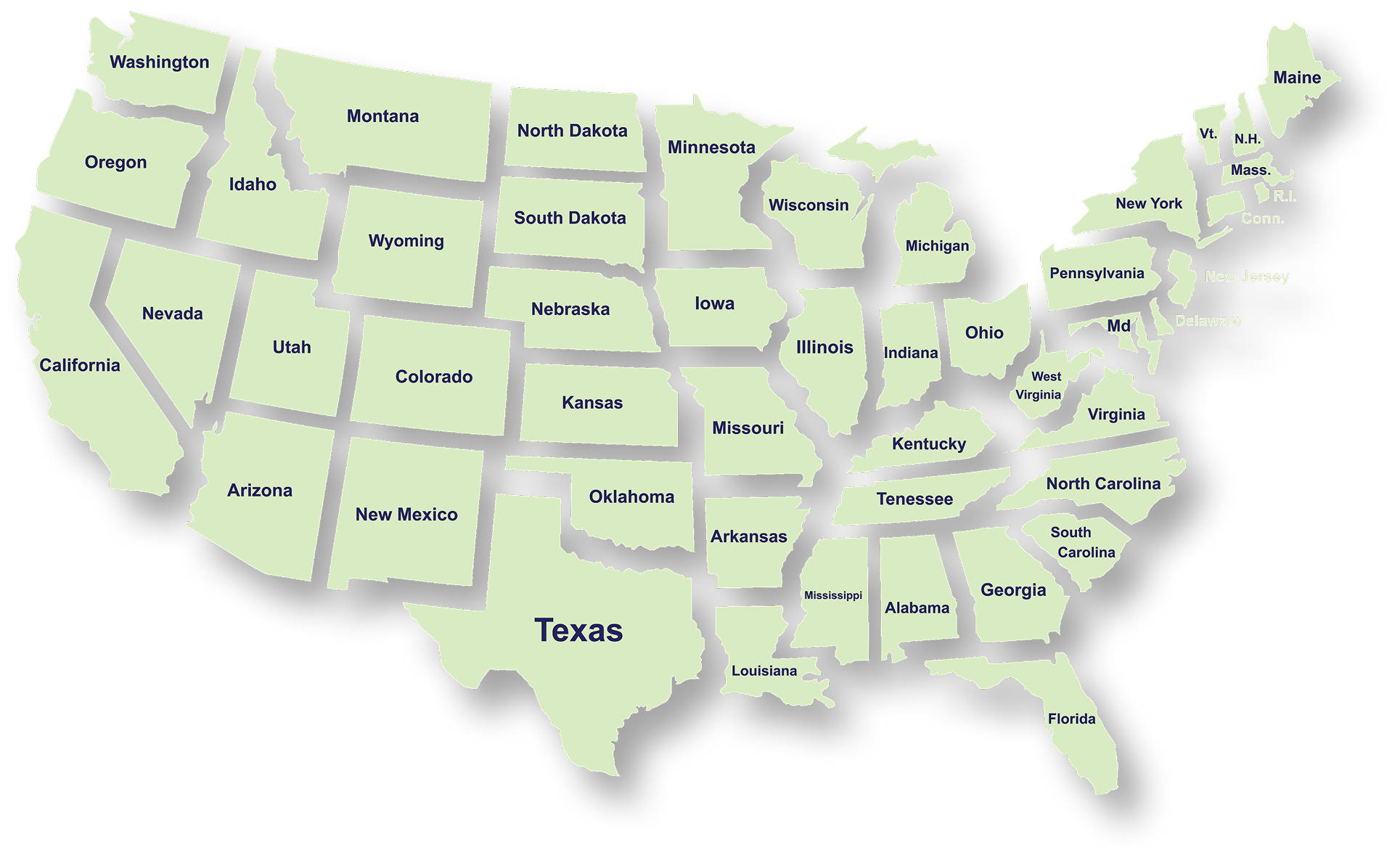
We handle accounting, tax filing, and planning with defined timelines and accurate reporting for businesses and individuals across all states.

Frequently Asked Questions

What services does NR CPAs & Business Advisors provide?
What is tax planning and why is it important for businesses?
How can a Virtual CFO help my business?
When should a business consider IRS tax resolution services?
What financial statements does a business typically need?
How can startup advisory services help new businesses?
What is strategic business planning?
What is a Virtual Family Office and who can benefit from it?