Learning Center for Tax and Financial Insights

Stay updated with clear, actionable articles on tax rules, deadlines, deductions, and financial decisions that impact individuals and businesses.

No items found.

Revamping Tax Enforcement: Pakistan's Bold Move

In recent weeks, television screens across Pakistan have begun issuing a stark warning: pay your taxes, or risk losing vital services like your cell phone, gas, or electricity connections. These advertisements, sponsored by Pakistan's tax authority, are a reminder of the nation's ongoing struggle with tax collection, a challenge that could have far-reaching consequences for its economy.Tax evasion is a chronic problem in Pakistan — a 2012 NPR article notes that only about 2 percent of the population is registered in the tax system, and the government collects just 9 percent of the country's wealth in taxes, one of the lowest rates in the world. The problem has not improved. A new investigative report is now making headlines, with the Financial Times revealing that just a third of the country's 446 federal lawmakers bothered to file income tax returns last year in 2022.The country's inability to boost its tax revenue poses a threat to a $3 billion IMF bailout package, designed to prevent an economic crisis. Failure to meet tax collection targets risks destabilizing the country, especially with elections looming on the horizon.

Explore More
No items found.

Employers Beware: ERC Voluntary Disclosure Program Ends Soon

Article Highlights:ERC Background.TV Promoters and Marketeers.IRS Programs to Withdraw Erroneous Claims.ERC Voluntary Disclosure Program.How to Apply for the Voluntary Disclosure Program.ERC Claim Withdrawal Program.The Employee Retention Credit (ERC) was a government-sponsored program to keep workers employed during the Covid-19 pandemic. It provided qualifying employers with a refundable credit against certain employment taxes equal to 70% (up from 50% prior to 2021) of the qualified wages that an eligible employer paid to employees after March 12, 2020, and before July 1, 2021.If you recall a few months back, there were a flood of TV commercials claiming businesses could get a tax refund of thousands of dollars by filing for the ERC. Those commercials of course got business owners’ attention. What those ads failed to mention is that businesses must meet stringent qualifications to be eligible for the credit.The IRS has issued several warnings urging people to carefully review the Employee Retention Credit (ERC) guidelines before trying to claim the credit as promoters continue pushing ineligible people to file.As part of a larger effort to protect small businesses and organizations from improper refund claims, the IRS in December of 2023 introduced a New Voluntary Disclosure Program that allows employers who received questionable Employee Retention Credits (ERC) to pay them back at a discounted rate.This new program is part of a larger effort by the IRS to stop aggressive marketing around the ERC that misled some employers into filing claims.Interested employers must apply to the ERC Voluntary Disclosure Program. Those that the IRS accepts into the program will benefit from the following:They need only repay 80% of the credit they received. Why isn’t the IRS requiring payment of 100% of the ERC the employer received? The IRS selected an 80% repayment because many of the ERC promoters charged a percentage fee, typically 20%, that they collected at the time of payment or in advance of the payment, and the recipients never received the full amount.If the IRS paid interest on the employer’s ERC refund claim, the employer would not need to repay that interest.Income tax returns do not need to be amended to reduce wage expense.The 20% reduction is not taxable as income. Penalties and interest will not be levied on the amount of the ERC amount claimed.ERC claims resolved under this program will not be subject to IRS examination.However, applications must be submitted by March 22, 2024, and time is running out. To apply an employer must first file Form 15434, Application for Employee Retention Credit Voluntary Disclosure Program, available on IRS.gov. This form must be submitted using the IRS Document Upload Tool. Employers will be expected to repay their full ERC, minus the 20% reduction allowed through the Voluntary Disclosure Program.

Explore More
No items found.

Boomers, Taxes, and the Housing Puzzle

As Baby Boomers approach retirement, many are considering downsizing their homes to simplify their lives and reduce expenses. However, what seems like a straightforward decision is often complicated by financial and tax implications, especially in today's volatile housing market. This guide aims to shed light on the challenges and opportunities that come with downsizing, offering practical advice for those navigating this significant life transition.Understanding Capital Gains TaxOne of the primary financial considerations when selling your home is the capital gains tax. This is a tax on the profit you make from selling your property. For many Boomers, the value of their homes has increased significantly over the years, potentially resulting in a sizable tax bill upon sale. Although there is a tax exemption—$250,000 for single filers and $500,000 for married couples—rising property values mean that profits can easily exceed these amounts.The Current Housing Market and Legislative LandscapeThe housing market's dynamics, combined with stagnant legislative efforts to update relevant tax laws, have left many retirees in a difficult position. Proposals like the “More Homes on the Market Act” aim to alleviate some of these issues but have yet to be passed. Additionally, the lack of suitable downsizing options, such as affordable smaller homes, further complicates the decision to sell.Strategies for a Smoother Downsizing ExperienceDespite these challenges, there are several strategies you can employ to make the downsizing process as beneficial as possible:

Explore More
No items found.

The Cresting Wave: Wading Through the High Tide of Credit Card Debt

In recent years, credit card debt has loomed larger over the American financial landscape, reaching what many experts are calling historic highs. This burgeoning crisis not only symbolizes a significant source of financial distress for countless individuals but also poses a broader economic concern. As we explore the depths of this issue, it is imperative to understand the factors contributing to the increase in credit card debt from coast to coast and the potential repercussions on both personal and national levels.The Spending Surge: A Closer Look at the NumbersCredit card debt, often seen as a double-edged sword in modern finance, has escalated to unprecedented levels. Reports indicate that Americans now grapple with a collective debt exceeding $1.13 trillion, a figure that brings the gravity of the situation into stark light. To put things in perspective, the national credit debt increased from $238 billion to $692 billion from 1989 to 2001. The increase we see today is not merely a statistic but a reflection of the growing reliance on credit for everyday expenses, driven by a combination of rising living costs and stagnant wage growth.The Ripple Effects: Financial Distress and Economic ImplicationsThe surge in credit card debt carries with it a wave of financial distress, affecting individuals and families across the nation. The burden of high interest rates, which can average around 20.74%, exacerbates the struggle, making it increasingly difficult for many to break free from the cycle of debt. Furthermore, this widespread indebtedness has broader economic implications, potentially dampening consumer spending and hindering economic growth.Navigating the Storm: Strategies to Combat Credit Card DebtFortunately, the situation, while dire, is not insurmountable. There are proven strategies and tools available to help individuals navigate their way out of credit card debt. Among these, debt consolidation and balance transfer credit cards stand out as effective means to manage and reduce debt levels. These methods, when used wisely, can provide a lifeline to those drowning in high-interest debt.The Beacon of Hope: Balance Transfer Credit Cards

Explore More
No items found.

Video Tips: Check the Limitations for Gift & Estate Tax This Year

The tax code places limits on the amounts that individuals can gift to others (as money or property) without paying taxes. This is meant to keep an individual from using gifts to avoid the estate tax that is imposed upon the assets owned by the individual at their death.

Explore More
No items found.

The Importance of Separating Personal and Business Finances

One fundamental financial practice that often gets overlooked, yet holds immense importance, is the separation of personal and business finances. By maintaining distinct bank accounts and credit cards for business transactions, small business owners can streamline bookkeeping processes, ensure accurate expense tracking, and foster clarity in financial management.Importance of Separating Personal and Business Finances:The intertwining of personal and business finances can lead to a myriad of complications, from blurred financial visibility to tax compliance issues. By segregating personal and business funds, entrepreneurs create a clear delineation between their personal assets and those belonging to the business. This clear separation simplifies financial record-keeping and also protects personal assets in the event of business-related liabilities or legal disputes.Clarity in Expense Tracking and Budgeting:When personal and business finances commingle, tracking expenses and creating accurate budgets become arduous tasks. By maintaining separate accounts, business owners can easily categorize transactions, identify deductible business expenses, and track cash flow with precision. This clarity in expense tracking enables informed decision-making, facilitates accurate financial reporting, and ensures compliance with tax regulations.Simplifying Bookkeeping Processes:Effective bookkeeping is essential for maintaining financial health and facilitating business growth. Separating personal and business finances streamlines bookkeeping processes by eliminating the need to sift through mixed transactions. With distinct bank accounts and credit cards for business transactions, entrepreneurs can reconcile accounts efficiently, generate accurate financial statements, and gain valuable insights into their business's financial performance.Enhanced Financial Reporting and Analysis:Accurate financial reporting is crucial for assessing business performance, identifying trends, and making informed strategic decisions. By separating personal and business finances, entrepreneurs can generate comprehensive financial reports that reflect the true financial standing of their business. This transparency fosters stakeholder confidence and empowers business owners to analyze key metrics and pinpoint areas for improvement.

Explore More
No results found.
Thank you! Your submission has been received!
Oops! Something went wrong while submitting the form.

Want tax & accounting tips & insights?Sign up for our newsletter.

Thank you! Your submission has been received!
Oops! Something went wrong while submitting the form.

Why Work With Us?

We combine deep tax expertise, financial strategy, and practical business insight to help you manage complexity, stay compliant, and make confident financial decisions.
A dollar sign, representing financial advice or discussion at NR CPAs & Business Advisors.

Experienced CPA and Enrolled Agent Leadership

Guidance led by licensed professionals with deep expertise in tax strategy, compliance, and complex financial matters.
White bar chart with an upward arrow on green circular background representing growth or progress at NR CPAs &. Business Advisors

Support for Growing Businesses and Startups

We understand the financial challenges of growth stage businesses and provide structured guidance to support expansion.
A white hand holding a dollar symbol and ascending bar chart on a green circular background representing financial growth or investment at NR CPAs & Business Advisors..

Strategic Financial Advisory

Our team helps you evaluate financial decisions with greater clarity, supported by practical insights and long term planning.

Fractional CFO Support

Access experienced financial leadership without the commitment and cost of hiring a full time Chief Financial Officer.

Proactive Tax Planning Approach

We focus on identifying tax opportunities throughout the year rather than reacting only during filing season.

Clear and Reliable Financial Reporting

Accurate financial statements and reporting that help you better understand performance and make informed decisions.
White IRS building icon with pillars and a dollar sign above on a green circular background.

Professional IRS Representation

Experienced support in resolving IRS notices, disputes, and compliance matters while protecting your financial interests.

Personalized Client Focus

Every client receives thoughtful attention and tailored financial solutions based on their specific needs and business goals.
Financial matters often involve important decisions. Working with experienced advisors can help you approach them with greater clarity and confidence in your choices.

Need Help With Your Tax or Financial Decisions?

Discuss your situation with our advisors to get clear guidance on tax planning, IRS matters, and the financial decisions ahead.
Business consulting at NR CPAs & Business Advisors.

Request Your Consultation

Fill out the form to discuss your tax concerns, financial questions, or advisory needs with our team. We will review your details and respond shortly.

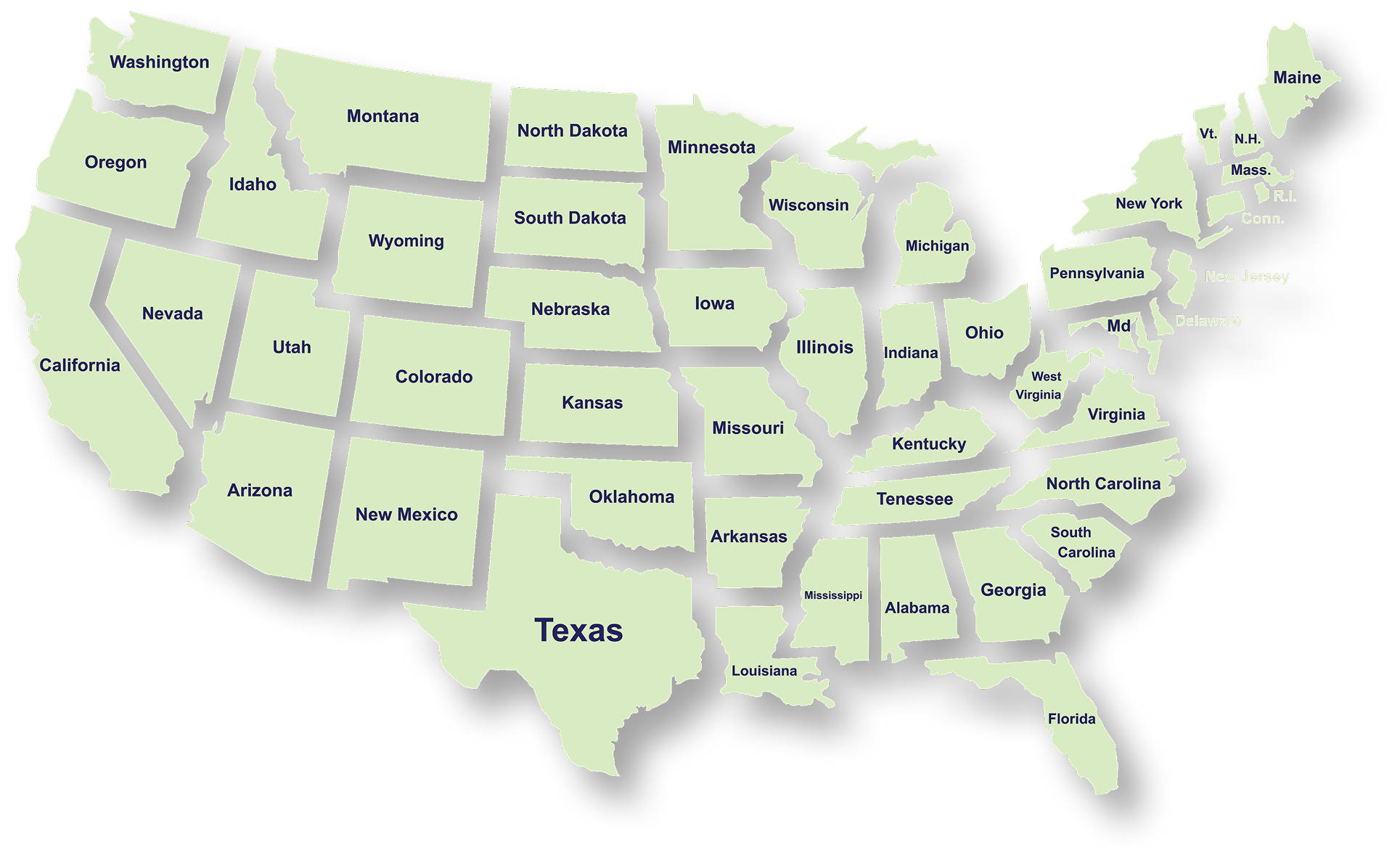
Serving Businesses & Individuals Across USA

We handle accounting, tax filing, and planning with defined timelines and accurate reporting for businesses and individuals across all states.

Frequently Asked Questions

What services does NR CPAs & Business Advisors provide?
What is tax planning and why is it important for businesses?
How can a Virtual CFO help my business?
When should a business consider IRS tax resolution services?
What financial statements does a business typically need?
How can startup advisory services help new businesses?
What is strategic business planning?
What is a Virtual Family Office and who can benefit from it?