Learning Center for Tax and Financial Insights

Stay updated with clear, actionable articles on tax rules, deadlines, deductions, and financial decisions that impact individuals and businesses.

No items found.

Video Tips: Tackle Your Student Loans with Employers' Educational Assistance Programs

The IRS has reminded employers and employees that under federal law, employers who have educational assistance programs can use them to help pay student loan obligations for their employees. (IR 2023-152, 8/24/2023)

Explore More
No items found.

Congress Toying with the SALT Deduction Limitation

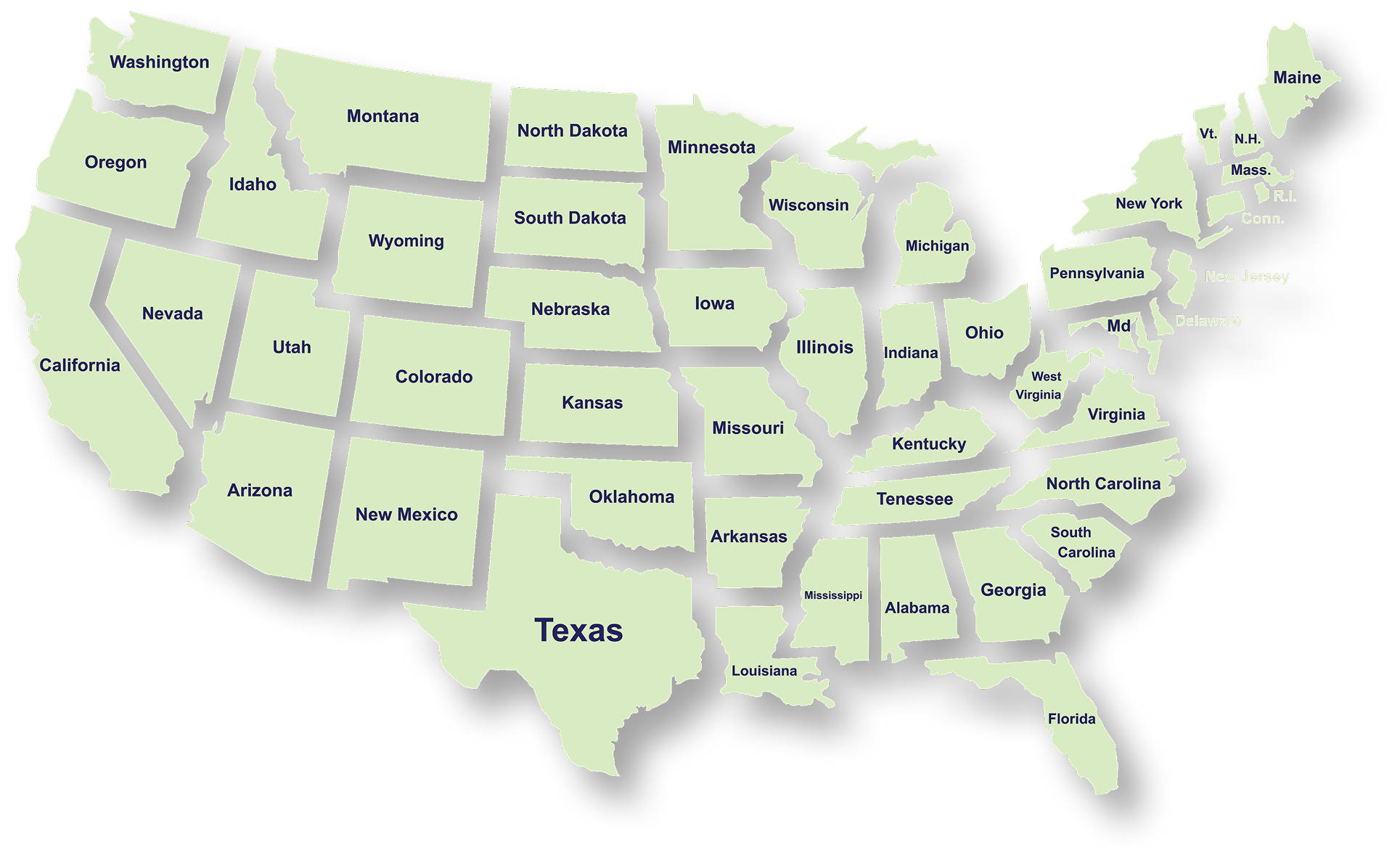
Article Highlights:118th CongressSALT Deduction LimitationsDeduction BackgroundStates Most AffectedPending LegislationWho Benefits from a ChangeTax Foundation StatisticsThere is movement in the 118th (2023-2024) U.S. Congress, primarily the House of Representatives, which has three bills before it that would liberalize the current itemized deduction limitation on state and local taxes, referred to as the SALT limitation, which is currently $10,000.The SALT deduction limitation places a cap on the amount of state and local taxes (SALT) that taxpayers who itemize their deductions can deduct from their federal taxable income. This limitation was created by the Tax Cuts and Jobs Act (TCJA), which was signed into law by President Trump in December 2017. This provision started with tax year 2018 and is scheduled to expire after 2025.Prior to passage of this law, taxpayers could deduct the full amount of their state and local property taxes, as well as either their state and local income taxes or sales taxes. However, the Tax Cuts and Jobs Act introduced a deduction cap of $10,000 per year for the total amount of these taxes. This means that taxpayers who pay more than $10,000 in combined state and local taxes can only deduct a portion of these taxes from their federal taxable income.As an example, let's say you are a homeowner in a high-tax state like New York. In a given year, you pay $16,000 in state income tax and $10,000 in local property taxes. This totals $26,000 in state and local taxes. So, even though you paid $26,000 in state and local taxes, you can only deduct $10,000 from your federal taxable income. Thus, you end up losing $16,000 of your state and local tax itemized deductions, and if you are in the 24% tax bracket that would end up costing you federal income tax of $3,840.The states most affected by the SALT limitation are generally those with high state and local tax rates. These tend to be wealthier, more populated states. According to the Tax Foundation and other tax policy experts, the states most affected include:New York: New York has high state income taxes and property taxes, especially in the New York City area.New Jersey: New Jersey has some of the highest property taxes in the country.California: California has high state income taxes, particularly for high earners.Connecticut: Connecticut has high property taxes and also levies a state income tax.Illinois: Illinois has high property taxes and a state income tax.Maryland: Maryland has both state and county income taxes, as well as high property taxes in some areas.Residents in these states are more likely to have state and local tax bills that exceed the $10,000 SALT deduction cap, meaning they face higher federal tax bills under the SALT limit.

Explore More
No items found.

The Tax Bite of Powerball Winnings: What You Should Know

Have you ever dreamed of winning the Powerball jackpot? The allure of sudden wealth and financial freedom is undeniable, but there's one thing that many winners overlook until it's tax season – the substantial tax bill that comes with their lucky break. Winning the Powerball lottery isn't just about celebrating. It's about understanding the tax implications that could significantly impact one’s newfound fortune.The Taxing Truth About Powerball WinningsWhen you strike it rich with a Powerball win and opt for the lump sum payment, the reality is that 24% – nearly a quarter! – of your winnings will be withheld for federal taxes right off the bat. But that's just the beginning of your tax journey. Lottery winnings, including Powerball funds, are considered taxable income by both the federal government and most states.Let's explore the financial side of your Powerball dreams.The Lump Sum DilemmaWhile Powerball winners can choose to receive their earnings in smaller payments over a period of years, most jackpot winners choose the lump sum payment, which provides them with the immediate "cash value" of the advertised jackpot. For instance, per the MegaMillions website, the cash value of a recent Powerball jackpot was approximately $441.4 million. Sounds fantastic, right? Well, hold on to your excitement because the aforementioned 24% of that cash value is withheld for federal taxes, handed over to the IRS right away.So, if you're the sole lucky winner of a $960 million Powerball jackpot and you choose the lump sum option, approximately $230.4 million ($960 million x 24%) of your estimated prize goes directly to Uncle Sam, leaving you with a $729.6 million ($960 million - $230.4 million). While this is still enviable any way you slice it, it’s markedly less money than the initial amount suggests the winner will pocketCrossing Tax BracketsWinning a massive lottery jackpot almost always pushes winners into higher income tax brackets than they previously were, meaning they are subject to a higher tax rate. In the United States, the highest federal income tax rate is 37%, a significant jump from the initial 24% withheld when the lottery winnings are disbursed.In short, this means that a lotto winner’s tax journey is just beginning when they become an instant millionaire. Upon filing taxes, these individuals must be prepared to allocate an additional 13% of their winnings to the IRS. As previously mentioned, the federal government treats lottery winnings as income, leading to an unavoidable tax reality for Powerball winners.

Explore More
No items found.

IRS Announced a Novel Way for Taxpayers to Donate to Maui Wildfire Relief

Article Highlights:Donating unused vacation time, sick leave and personal timeEmployer’s Function Great Donation Opportunity As they have done before in the wake of disasters, including Hurricane Katrina, Superstorm Sandy, COVD-19, and Ukrainian relief, the Internal Revenue Service is allowing special contributions for Maui wildfire relief. It permits employees to donate their unused paid vacation, sick leave, and personal leave time to charities that are providing relief to victims of the Maui wildfire that began August 8, 2023.It is referred to as leave-based donations and here is how it works: if your employer is participating, you can relinquish any unused and paid vacation time, sick leave and personal leave for cash payments which your employer will donate to relief charitable organizations. The cash payment will not be treated as wages to you and your employer can deduct the amount donated as a as charitable contribution under IRC Sec 162 or a business expense under IRC 170.However, since the income isn’t taxable to you, you will not be allowed to claim the donation as a charitable deduction on your tax return. Even so, excluding income is often worth more as tax savings than a potential tax deduction, especially if you generally claim the standard deduction or you are subject to AGI-based limitations. This special relief applies to all donations made before January 1, 2025, giving individuals over a year to forgo their unused paid vacation, sick and leave time and have the cash value donated to help those who lost everything including their homes, livelihood and even family in this devastating disaster.This is a great opportunity to provide sorely needed help in the aftermath of the wildfire without costing you anything but time. Contact your employer to see if they are participating, and if not, make them aware of the unique opportunity. They benefit by not having to pay payroll taxes on the cash equivalent of the donated time, so it is worth their time to participate.If your employer is unaware of his program refer them to IRS Notice 2023-69 for further details. If you are an employee or employer and have questions related to donating leave time for Maui relief efforts or other charitable contributions, please contact this office.

Explore More
No items found.

Home Energy Audit Tax Benefits

Article Highlights:Home Energy Improvements & Tax CreditsHome Energy AuditAnnual Credit LimitNon-Refundable CreditImprovement Category Limits$1,200 Annual Credit limit Improvements$2,000 Annual Credit limit ImprovementsEnergy Property QualificationsHave you been thinking of making home improvements? If so, and they include energy saving improvements, you may qualify for some substantial income tax credits. Even if home improvements aren’t currently on your to-do list, with the increasing cost of energy you may find that energy saving home improvements, along with the tax credits that accompany them, are something you should be considering. Don’t know where to begin? Perhaps a good starting point would be with a home energy audit that identifies the most significant and cost-effective energy efficiency improvements you could make with respect to your principal residence, including a written estimate of the energy and cost savings with respect to each improvement, allowing you to pick the ones that best serve your needs and finances. In addition, the tax code now includes a tax credit of 30% of the cost of a home energy audit performed by a qualified home energy auditor up to a credit of $150 per year. The home energy auditor is required to provide you a written audit report. This credit is in addition to the annual credit limit for the actual energy saving home improvements you make. You can search the internet for a qualified auditor in your area.For home energy audits in 2024 or a later year, you will need to substantiate that a qualified auditor conducted your home audit. To satisfy this requirement, the written audit should state that the auditor is certified by one of the certification programs listed on the Department of Energy certification programs for the Energy Efficient Home Improvement Credit page to conduct the home energy audit.When making an energy saving home improvement that qualifies for a credit, keep in mind there are credit limits that you must consider to maximize your annual credit:The annual credit limit is $1,200. So, it may be appropriate to plan your home energy improvements over multiple years to maximize the tax credit.The improvement costs also have limits based on the category of the improvement. For example: Assume an energy efficient exterior window is one of your improvements and it costs $1,000. The credit allowable expense for an exterior window is only $600. Thus, the allowable credit for that window expense would be $180 (30% of $600).The credit is non-refundable, meaning it can only reduce your tax liability to zero and there is no carryover of unused credits to a subsequent year. However, don’t confuse that with the fact that you are reducing your overall tax. You can be receiving the benefit of the credit and still have a tax liability.

Explore More
No items found.

Understanding Shakira's Ongoing Tax Evasion Case

The world-renowned Colombian singer and songwriter, Shakira, has once again found herself in the spotlight, but this time, it's not for her chart-topping hits or Grammy Award-winning performances. The pop sensation, age 46, has been charged with a second round of tax fraud crimes in Spain, adding another layer to an already complex legal saga. Here, we take a look at the details of Shakira's ongoing tax evasion case, exploring the accusations, implications, and the broader context of celebrities facing tax-related challenges.Mike Coppola/Getty Images Entertainment via Getty ImagesAccusations of Tax FraudShakira was first accused of tax fraud in May 2022, as confirmed by Spanish-language news outlet, Marca. Since then, numerous details about the allegations have arisen and the singer, always a media darling, has found herself making headlines for the wrong reasons.The Alleged Offshore CompanyAccording to a Rolling Stone report, Barcelona prosecutors have accused Shakira of using an offshore company based in an unspecified tax haven to evade paying approximately $7.1 million (6.7 million euros) in taxes for the year 2018. This accusation sheds light on a common tactic employed by some individuals and business entities to minimize their tax obligations. Offshore tax structures, while legal in some cases, can raise suspicions and scrutiny when their primary purpose is to evade paying taxes.The Residency ConundrumAt the heart of the tax fraud charges against Shakira is the assertion that the songstress spent more than half of each year in Spain between 2012 and 2014, despite officially listing her residence as the Bahamas during this period. Under Spanish tax law, individuals residing in the country for more than six months are considered residents and are required to pay taxes on their worldwide income. Shakira's case underscores the importance of accurately declaring one's tax residency. It highlights that one's physical presence in a country, even for part of the year, can have significant tax implications. In this particular case, Shakira and her legal team deny that she spent more than six months per year during the alleged tax evasion period at the Barcelona residence she shared with her now ex-partner, football star, Gerard Piqué.Legal RamificationsShakira’s tax evasion cases could have serious consequences. However, both the superstar and her legal team continue to deny any wrongdoing on her part.Multiple Trials and Potential PenaltiesShakira is no stranger to legal proceedings related to tax matters. In addition to the ongoing case for 2018, she is set to stand trial for a separate tax evasion case involving a staggering $13.9 million (approximately 14.5 million euros) in unpaid income taxes spanning from 2012 to 2014. If convicted in the first trial, she could face up to eight years in prison. The tax evasion cases, both past and present, highlight the seriousness of tax-related offenses and the potential consequences.

Explore More
No results found.
Thank you! Your submission has been received!
Oops! Something went wrong while submitting the form.

Want tax & accounting tips & insights?Sign up for our newsletter.

Thank you! Your submission has been received!
Oops! Something went wrong while submitting the form.

Why Work With Us?

We combine deep tax expertise, financial strategy, and practical business insight to help you manage complexity, stay compliant, and make confident financial decisions.
A dollar sign, representing financial advice or discussion at NR CPAs & Business Advisors.

Experienced CPA and Enrolled Agent Leadership

Guidance led by licensed professionals with deep expertise in tax strategy, compliance, and complex financial matters.
White bar chart with an upward arrow on green circular background representing growth or progress at NR CPAs &. Business Advisors

Support for Growing Businesses and Startups

We understand the financial challenges of growth stage businesses and provide structured guidance to support expansion.
A white hand holding a dollar symbol and ascending bar chart on a green circular background representing financial growth or investment at NR CPAs & Business Advisors..

Strategic Financial Advisory

Our team helps you evaluate financial decisions with greater clarity, supported by practical insights and long term planning.

Fractional CFO Support

Access experienced financial leadership without the commitment and cost of hiring a full time Chief Financial Officer.

Proactive Tax Planning Approach

We focus on identifying tax opportunities throughout the year rather than reacting only during filing season.

Clear and Reliable Financial Reporting

Accurate financial statements and reporting that help you better understand performance and make informed decisions.
White IRS building icon with pillars and a dollar sign above on a green circular background.

Professional IRS Representation

Experienced support in resolving IRS notices, disputes, and compliance matters while protecting your financial interests.

Personalized Client Focus

Every client receives thoughtful attention and tailored financial solutions based on their specific needs and business goals.
Financial matters often involve important decisions. Working with experienced advisors can help you approach them with greater clarity and confidence in your choices.

Need Help With Your Tax or Financial Decisions?

Discuss your situation with our advisors to get clear guidance on tax planning, IRS matters, and the financial decisions ahead.
Business consulting at NR CPAs & Business Advisors.

Request Your Consultation

Fill out the form to discuss your tax concerns, financial questions, or advisory needs with our team. We will review your details and respond shortly.

Serving Businesses & Individuals Across USA

We handle accounting, tax filing, and planning with defined timelines and accurate reporting for businesses and individuals across all states.

Frequently Asked Questions

What services does NR CPAs & Business Advisors provide?
What is tax planning and why is it important for businesses?
How can a Virtual CFO help my business?
When should a business consider IRS tax resolution services?
What financial statements does a business typically need?
How can startup advisory services help new businesses?
What is strategic business planning?
What is a Virtual Family Office and who can benefit from it?