Learning Center for Tax and Financial Insights

Stay updated with clear, actionable articles on tax rules, deadlines, deductions, and financial decisions that impact individuals and businesses.

No items found.

October 2023 Business Due Dates

October 16 - CorporationsFile a 2022 calendar year income tax return (Form 1120) and pay any tax, interest, and penalties due. This due date applies only if you timely requested an automatic 6-month extension by April 18.October 16 - Last Day to Establish a Keogh Account for 2022If you received an automatic 6-month extension of time to file your 2022 tax return and are self-employed, October 16, 2023, is the last day to establish a Keogh Retirement Account if you plan to make a contribution for 2022.October 16 - Taxpayers with Foreign Financial Interests If you received an automatic 6-month extension of time to report your 2022 foreign financial accounts to the Department of the Treasury, this is the due date for Form FinCEN 114. October 16 - Social Security, Medicare and withheld income taxIf the monthly deposit rule applies, deposit the tax for payments in September.October 16 - Nonpayroll WithholdingIf the monthly deposit rule applies, deposit the tax for payments in September.October 31 - Social Security, Medicare and Withheld Income Tax File Form 941 for the third quarter of 2023. Deposit or pay any undeposited tax under the accuracy of deposit rules. If your tax liability is less than $2,500, you can pay it in full with a timely filed return. If you deposited the tax for the quarter in full and on time, you have until November 13 to file the return.

Explore More
No items found.

Video Tips: Take Advantage of Tax Credits for Energy-Efficient Home Improvements

The IRS issued Notice 2023-59 regarding the requirements for home energy audits for taxpayers who want to include the audit cost when claiming the energy-efficient home improvement credit. The Inflation Reduction Act of 2022 created several clean energy credits. Each of these credits has requirements for the type of clean energy property or service purchased and how they are claimed. This includes a non-refundable energy-efficient home improvement credit for the purchase and installation of certain energy-efficient improvements in a taxpayer’s principal residence.

Explore More
No items found.

Why You Should Keep Home Improvement Records

Article Highlights:Home gain exclusion amountsHome costReasons to keep home improvement recordsRecords may be required to avoid taxWhich records to keep and for how longWhen the sales price, net of selling expenses, is more than the cost of an individual’s primary home the resulting gain would be taxable if not for a provision in the tax law that allows some or all of the gain to be excluded from the seller’s income. Of course, certain requirements must be met to use the exclusion. For example, homeowners must meet 2-out-of-5-years use and ownership tests to be able to exclude up to $250,000 ($500,000 if both filer and spouse qualify) of home sale gain. You also can’t use the exclusion more than once in a two-year period. Some exceptions to the rules apply in cases where there are unforeseen circumstances, such as a change of job location or illness.To know if there’s a gain, you need to know what the “cost” of the home is. In addition to the original purchase price of the home, expenses of making improvements to the home during the ownership period count toward cost. If a homeowner expects the gain from selling the home won’t exceed the exclusion amount, then they may not bother to keep a record of the cost of the home improvements. However, in many instances the gain from the home’s sale can be substantially higher than the allowable exclusion amount; having a record of improvements can be very beneficial and lead to tax savings.Here are some situations when having home improvement records could save taxes:(1) The home is owned for a long period of time, with a significant appreciation in value due to inflation, and the gain exceeds the exclusion amount. Adding improvement expenses to the cost could bring down the gain so that it would be covered by the exclusion.(2) The home is converted to a rental property, and the cost and improvements of the home are needed to establish the depreciable basis of the property.(3) The home is converted to a second residence, and the exclusion might not apply to the sale.

Explore More
No items found.

Going Green: Insights Into Wind and Solar Project Taxation

As the world begins to embrace renewable energy sources to combat climate change, utility-scale wind and solar projects are growing at an incredible rate. These initiatives have become increasingly common in response to a variety of factors, such as a changing planet, federal tax incentives, and soaring demand. Consider the following statistics from the American Bar Association (ABA): In 2010, the United States had a total net capacity of 39,134.5 megawatts in utility-scale wind energy. By 2020, this number skyrocketed to 118,378.7 megawatts, marking a remarkable 200% increase in a mere decade. Similarly, the nation had only 393.4 megawatts of utility-scale solar energy capacity in 2010, but by 2020, that number rose to an astonishing 46,306.2 megawatts – an 11,600% increase.As the wind and solar power industries continue to flourish, state and local tax authorities must determine how to deal with rapidly growing projects that have no precedents. This article delves into the current trends surrounding state and local taxation of utility-scale wind and solar work. We'll begin by offering a brief overview of the components that generally make up these types of projects, then summarize the various taxes that typically apply, including property tax and sales and use tax. As you continue reading, we'll highlight why developers in this field should be pay close attention to state and local tax issues.I. Understanding Utility-Scale Wind and Solar ProjectsBefore we dive into the complexities of taxation, we’ll take a look at the basics of wind and solar projects. As with any subject, the fundamentals are essential.Terminology: Wind and solar energy projects are often referred to by their "nameplate capacity," which indicates the maximum electricity output they can produce at full power, typically measured in megawatts. However, since most wind and solar projects don't operate at 100% capacity year-round, developers use a "capacity factor" – expressed as a percentage – to estimate their actual electricity production.Components: Wind and solar projects are comprised of much more than just turbines and solar panels. They often sprawl across hundreds or thousands of acres and can require various components, including inverters, substations, underground cabling, maintenance facilities, transmission lines, and even battery storage systems. Most land-based wind and solar projects are constructed on vacant or active farmland.As a result, a range of property tax and sales and use tax issues have arisen. Most notably, states must determine whether the property used for these projects should be classified as real or personal for tax purposes. This classification varies from state to state.

Explore More
No items found.

Are Those ERC TV Ads Too Good to Be True?

Article Highlights:TV promotions IRS commissioner CommentsUnderstanding the CreditCredit EligibilityAncillary IssuesNot Qualified for the CreditSeems like the TV commercials promoting filing for the Employee Retention Credit (ERC) haven’t gone away despite warnings from the IRS, the American Institute of CPAs, and other professional tax preparer societies that business owners can be misled into filing for a tax credit for which they do not qualify.According to the IRS commissioner, “Aggressive promoters present wildly misleading claims about this credit. They can pocket handsome fees while leaving those claiming the credit at risk of having the claims denied or facing scenarios where they need to repay the credit."Individuals who had their business and payroll returns prepared by a CPA, EA or other professional tax preparer should be especially cautious of becoming involved with those promoting ERC refunds because if your business qualified, your tax professional should have already completed a claim for the credit for you. But if you have any doubts your first call should be to this office, not to an ERC promoter.Understanding the Credit - The ERC is a refundable tax credit designed for businesses who continued paying employees while shut down due to the COVID-19 pandemic or who had significant declines in gross receipts from March 13, 2020, to Dec. 31, 2021. Eligible taxpayers can claim the ERC on an original or amended employment tax return for a period within those dates.The credit amount for 2020 is 50% of qualified wages, up to a maximum wage of $10,000 per employee. Thus, $5,000 is the maximum credit for qualified wages paid for any employee for 2020.The 2021 credit is 70% of qualified wages, up to a maximum wage of $10,000 per employee per quarter. Thus, the per-employee maximum per quarter is $7,000 for each of quarters 1, 2 and 3 in 2021. A separate rule applies only for “recovery start-up businesses” in the 4th quarter of 2021.Credit Eligibility - To be eligible for the ERC, employers must have had one or a combination of the following three occurrences:Business Operations Curtailed - Sustained a full or partial suspension of operations due to orders from an appropriate governmental authority limiting commerce, travel or group meetings due to COVID-19 during 2020 or the first three quarters of 2021, Significant Decline in Gross Receipts,o For 2020, employers that have gross receipts that are less than 50% of their gross receipts for the same quarter in 2019 are also eligible. The significant decline in gross receipts ends with the first calendar quarter that follows the first calendar quarter for which the employer’s 2020 gross receipts for the quarter are greater than 80% of its gross receipts for the same calendar quarter during 2019.This cutoff of eligibility upon return to 80% of a comparable 2019 quarter’s gross receipts is removed for 2021,o For 2021, a significant decline is defined as gross receipts being 80% or less than the gross receipts for the same calendar quarter in 2019 (i.e., there’s a 20% decline in gross receipts). The employer has the option to elect to satisfy the gross receipts test by using the immediately preceding calendar quarter and comparing that quarter to the corresponding quarter in 2019.If an employer was not in existence as of the beginning of the same calendar quarter in calendar year 2019, substitute ‘2020’ for ‘2019’.Qualified as a Recovery Startup Business for the third or fourth quarters of 2021.

Explore More
No items found.

Startup Interest Rates: Navigating the Impact of Federal Reserve Hikes

The Federal Reserve last decided to raise interest rates in July 2023, bringing the benchmark federal funds rate to a target range between 5.25% and 5.5% – though it is worth noting that the Fed has kept interest rates stagnant during its last three meetings, most recently in September 2023. At all times, interest rates can have major implications for entrepreneurs and startups. While startups may not immediately feel the impact of the Fed’s rate hikes, there are several key issues to keep in mind if you run a business.1. Fixed vs. Variable Rate Loans:For startups with fixed-rate loans, Federal Reserve rate hikes do not lead to an immediate change in their interest expenses or monthly payments. This stability can provide a sense of security, allowing these businesses to focus on growth and development.In contrast, those with variable rate loans may experience sudden increases in their interest costs and monthly payments. As variable rates adjust to reflect the Federal Reserve's actions at various times, startup founds cannot disregard the importance of financial planning and budgeting. Anurag Agarwal, a financial analyst, advises, "Variable rate loan holders should revisit their financial forecasts regularly and make necessary adjustments to accommodate the rising interest expenses."2. Increasing Interest Expenses:As the Federal Reserve raises rates, startup interest expenses will also climb. These expenses are typically calculated based on the average outstanding monthly principal balance of the loan. To offset the impact of higher interest costs, startups should ensure their financial margins can support these increased costs. This may mean making cutbacks in other areas, depending on a business owner’s financial situation.Startup Nation advises business owners to consider potential interest expense increases sooner rather than later. Making small changes now could prevent you from experiencing much more significant financial challenges down the road.3. Impact on Cash Flow:For startups, maintaining healthy cash flow is essential. Any changes in interest rates can impact daily cash flow significantly. With higher interest rates, monthly loan payments will rise, which can require more stringent fiscal management on a day-to-day basis.Entrepreneur Sarah Martinez shares her experience: "As a startup founder, I've learned that cash flow is king. The impact of rising interest rates on cash flow can't be underestimated. Startups should have contingency plans in place to address these changes."4. Exploring Alternative Financing:In light of the potential challenges posed by Federal Reserve rate hikes, startups are encouraged to explore alternative financing options. These alternatives do not rely on traditional loans affected by Federal Reserve actions. Invoice factoring, business lines of credit, and credit lines from banks and credit unions can sometimes provide flexibility and financial support without the burden of increased interest expenses.

Explore More
No results found.
Thank you! Your submission has been received!
Oops! Something went wrong while submitting the form.

Want tax & accounting tips & insights?Sign up for our newsletter.

Thank you! Your submission has been received!
Oops! Something went wrong while submitting the form.

Why Work With Us?

We combine deep tax expertise, financial strategy, and practical business insight to help you manage complexity, stay compliant, and make confident financial decisions.
A dollar sign, representing financial advice or discussion at NR CPAs & Business Advisors.

Experienced CPA and Enrolled Agent Leadership

Guidance led by licensed professionals with deep expertise in tax strategy, compliance, and complex financial matters.
White bar chart with an upward arrow on green circular background representing growth or progress at NR CPAs &. Business Advisors

Support for Growing Businesses and Startups

We understand the financial challenges of growth stage businesses and provide structured guidance to support expansion.
A white hand holding a dollar symbol and ascending bar chart on a green circular background representing financial growth or investment at NR CPAs & Business Advisors..

Strategic Financial Advisory

Our team helps you evaluate financial decisions with greater clarity, supported by practical insights and long term planning.

Fractional CFO Support

Access experienced financial leadership without the commitment and cost of hiring a full time Chief Financial Officer.

Proactive Tax Planning Approach

We focus on identifying tax opportunities throughout the year rather than reacting only during filing season.

Clear and Reliable Financial Reporting

Accurate financial statements and reporting that help you better understand performance and make informed decisions.
White IRS building icon with pillars and a dollar sign above on a green circular background.

Professional IRS Representation

Experienced support in resolving IRS notices, disputes, and compliance matters while protecting your financial interests.

Personalized Client Focus

Every client receives thoughtful attention and tailored financial solutions based on their specific needs and business goals.
Financial matters often involve important decisions. Working with experienced advisors can help you approach them with greater clarity and confidence in your choices.

Need Help With Your Tax or Financial Decisions?

Discuss your situation with our advisors to get clear guidance on tax planning, IRS matters, and the financial decisions ahead.
Business consulting at NR CPAs & Business Advisors.

Request Your Consultation

Fill out the form to discuss your tax concerns, financial questions, or advisory needs with our team. We will review your details and respond shortly.

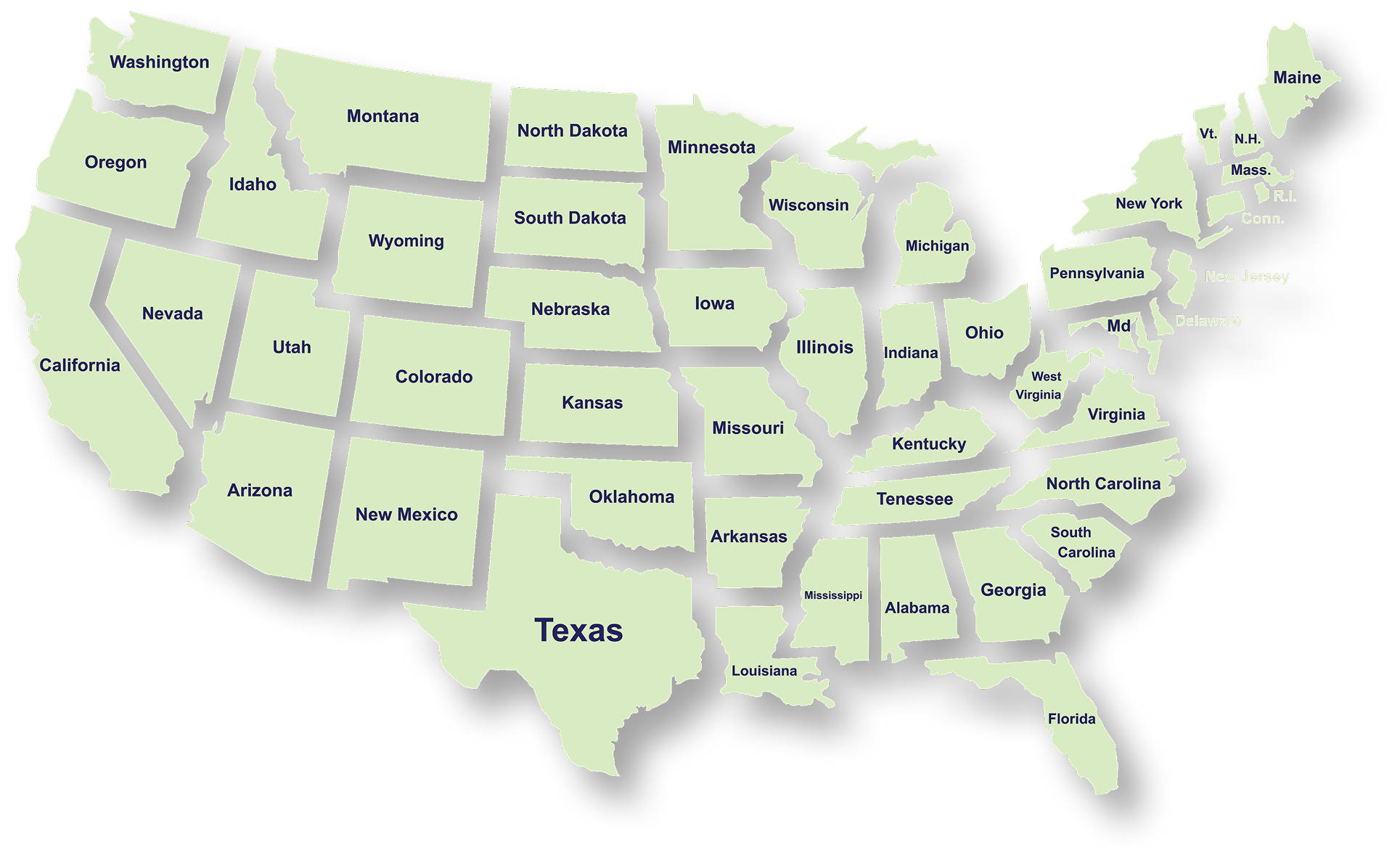
Serving Businesses & Individuals Across USA

We handle accounting, tax filing, and planning with defined timelines and accurate reporting for businesses and individuals across all states.

Frequently Asked Questions

What services does NR CPAs & Business Advisors provide?
What is tax planning and why is it important for businesses?
How can a Virtual CFO help my business?
When should a business consider IRS tax resolution services?
What financial statements does a business typically need?
How can startup advisory services help new businesses?
What is strategic business planning?
What is a Virtual Family Office and who can benefit from it?