Learning Center for Tax and Financial Insights

Stay updated with clear, actionable articles on tax rules, deadlines, deductions, and financial decisions that impact individuals and businesses.

No items found.

July 2019 Individual Due Dates

July 1 - Time for a Mid-Year Tax Check UpTime to review your 2019 year-to-date income and expenses to ensure estimated tax payments and withholding are adequate to avoid underpayment penalties.July 10 - Report Tips to EmployerIf you are an employee who works for tips and received more than $20 in tips during June, you are required to report them to your employer on IRS Form 4070 no later than July 10. Your employer is required to withhold FICA taxes and income tax withholding for these tips from your regular wages. If your regular wages are insufficient to cover the FICA and tax withholding, the employer will report the amount of the uncollected withholding in box 12 of your W-2 for the year. You will be required to pay the uncollected withholding when your return for the year is filed.

Explore More
No items found.

July 2019 Business Due Dates

July 1 - Self-Employed Individuals with Pension Plans If you have a pension or profit-sharing plan, you may need to file a Form 5500 or 5500-EZ for the calendar year 2018. Even though the forms do not need to be filed until July 31, you should contact this office now to see if you have a filing requirement, and if you do, allow time to prepare the return. July 15 - Non-Payroll Withholding If the monthly deposit rule applies, deposit the tax for payments in June. July 15 - Social Security, Medicare and Withheld Income TaxIf the monthly deposit rule applies, deposit the tax for payments in June.July 31 - Self-Employed Individuals with Pension Plans If you have a pension or profit-sharing plan, this is the final due date for filing Form 5500 or 5500-EZ for calendar year 2018. July 31 - Social Security, Medicare and Withheld Income Tax File Form 941 for the second quarter of 2019. Deposit or pay any undeposited tax under the accuracy of deposit rules. If your tax liability is less than $2,500, you can pay it in full with a timely filed return. If you deposited the tax for the quarter in full and on time, you have until August 12 to file the return.July 31 - Certain Small Employers Deposit any undeposited tax if your tax liability is $2,500 or more for 2019 but less than $2,500 for the second quarter.July 31 - Federal Unemployment Tax Deposit the tax owed through June if more than $500.July 31 - All Employers If you maintain an employee benefit plan, such as a pension, profit-sharing, or stock bonus plan, file Form 5500 or 5500-EZ for calendar year 2018. If you use a fiscal year as your plan year, file the form by the last day of the seventh month after the plan year ends.

Explore More
Personal Finance

Worried You Don't Have Enough Saved for Retirement? You're Not Alone

According to one recent study, the average retirement age in the United States was 62 years old as of 2017. Currently, the minimum age necessary to collect Social Security is 62, while 66 is largely considered to be "full retirement age" in many industries. The vast majority of people who will retire this year will do so between those two birthdays. Which, of course, is where the problems begin. A lot of people don't realize just how "expensive" retirement can be until they're already there. Not only do you need to think about the funds necessary to maintain your lifestyle, but you also have considerations like healthcare costs, too. So when you learn that another recent survey revealed that 42% of Americans have less than $10,000 saved for retirement, you begin to get a better understanding of just how dire the situation can seem. Every person’s savings requirements differ depending on their lifestyle, but here are just some of the areas you’ll want to consider saving for: Housing Medicare premiums Health care Personal insurance Taxes Food Transportation Emergencies Entertainment Travel Personal care Family care Charitable contributions Loans/credit cards Thankfully, if you're one of the many people currently dealing with some type of retirement anxiety, all hope is not lost. Regardless of your age or how soon your retirement actually is, you can still mitigate a lot of the common risks that people grapple with by coming up with a plan designed to break the process down into a series of more manageable steps. Doing so simply requires you to keep a few key things in mind.Planning in Your 20s and 30s Whether you're a recent college graduate or you've been in the workforce for a few years, it can be common at this age to feel like you just don't make enough money to start saving for retirement. Indeed, about 40% of people chose this response in another retirement-related survey. If you're struggling to pay today's bills, how are you supposed to plan for tomorrow's retirement? Thankfully, this is another one of those situations where small actions today can turn into big results down the road — particularly when it comes to investment opportunities like 401(k) plans and other retirement accounts. If your employer offers a match for your contributions, for example, it is absolutely in your own best interest to contribute at least that much every single year. Not only do you get the benefit of tax-deferred growth, but you're also looking at a very large period of growth because your retirement date is still far off.

Explore More
No items found.

Who Knew Summer Camp And Taxes Go Hand In Hand.

Summer has just arrived, and there is a tax break that working parents should know about. .embed-container { position: relative; padding-bottom: 56.25%; height: 0; overflow: hidden; max-width: 100%; } .embed-container iframe, .embed-container object, .embed-container embed { position: absolute; top: 0; left: 0; width: 100%; height: 100%; }

Explore More
No items found.

Issuing Credit Memos and Refunds in QuickBooks

You’re accustomed to money going in a certain direction, but sometimes you have to pay your customers. Here’s how it’s done. QuickBooks is very good at helping you get paid by your customers. It comes equipped with customizable invoice templates for billing customers and sales receipts for recording instant sales. It supports online payments, so you can accept debit or credit cards and electronic checks. It simplifies the process of recording payments and it offers reports that let you keep track of it all. There are times, though, when you have to issue a payment to a customer. QuickBooks provides forms that allow that transfer of funds: credit memos and refunds. Do you know when and how they should be used? Here are the basics. Credit Memos A credit memo is just what it sounds like. A customer returns an item for which they’ve already paid, and you have to credit him or her for its cost. This is the more complicated of the two and requires more bookkeeping, since you’re tracking the sale, its payment, and the return item. You can deal with the amount of the credit by: Retaining the funds in the customer account. Issuing a refund. Applying it to the next open invoice. When you issue a credit memo to a customer, you have three options for returning the money they paid. To create a credit memo, click Refunds & Credits on QuickBooks’ home page or open the Customers menu and select Create Credit Memos/Refunds. The Credit Memo window opens. Select the correct Customer:Job. In the line item section of the form, choose the merchandise returned in the Item column and enter a quantity. Repeat the process if more than one item was returned, then click Save & Close. The Available Credit window, pictured above, will open. Click the button in front of the option you want. Select the first option if that’s what you want and click OK. The window will close, and the customer will have had that credit amount applied to his or her own account. You can see this in the Customer Center if you click on Customers in the navigation toolbar (or Customers | Customer Center). You can then either click on the Customers & Jobs tab and scroll down until you can highlight your customer’s record or click on Transactions | Credit Memos. Click on Give a Refund to open the Issue a Refund window. Everything should be filled in here except for the payment method. If you select

Explore More
No items found.

Would a Mid-Year Tax Checkup Benefit You?

Article Highlights: Procrastination Can Lead to Unneeded Taxes & Penalties Events That Create Tax Problems & Opportunities Mid-Year Tax Checkup If you are inclined to procrastinate until the end of the year or, even worse, until tax-filing season to worry about your taxes, you may be missing out on opportunities to reduce your tax and avoid certain penalties. The following are some events that can affect your tax return; you may need to take steps to mitigate their impact and avoid unpleasant surprises after it is too late to address them. Did you get married, get divorced, or become widowed? Did you change jobs or has your spouse started working? Did you have a substantial increase or decrease in income? Did you have a substantial gain from the sale of stocks or bonds? Are you considering an investment in a Qualified Opportunity Fund to defer tax on capital gains? Did you buy or sell a rental? Did you start, acquire, or sell a business? Did you buy or sell a home? Did you retire this year? Are you on track to withdraw the required amount from your IRA (age 70.5 or older)? Are you taking advantage of the IRA-to-charity transfers (age 70.5 or older)? Did you refinance your home or take out a second home mortgage this year? Were you the beneficiary of an inheritance this year? Did you welcome a new child into your family? Time to consider a tax-advantaged educational savings plan! Are you taking full advantage of retirement savings plans? Have you made any significant equipment purchases for your business? Are you planning to purchase a new business vehicle and dispose of the old one? Are your cash and non-cash charitable contributions adequately documented? If your expenses eligible for itemizing are less than the standard deduction, have you considered bunching charitable contributions so you can itemize this year and then use the standard deduction next year? Did you, or are you planning to, make energy-efficiency improvements to your main home or install a solar system for your main or second home this year? Are you paying college tuition for yourself, your spouse or dependent(s)? Are you keeping up with your estimated tax payments or do they need adjusting? Did you purchase your health insurance through a government insurance marketplace and qualify for an insurance premium subsidy? If your income subsequently increased, you may need to be prepared to repay some portion of the subsidy. Do you have substantial investment income or gains from the sale of investment assets? If so, you may be hit with the 3.8% surtax on net investment income and need to adjust your advance tax payments. Did you make any unplanned withdrawals from an IRA or pension plan? If you are a business owner, do you need to change how the business is organized to take full advantage of the 20% of qualified business income deduction? If you are an employee that incurs job-related expenses that aren’t deductible for years 2018 through 2025, have you arranged with your employer to participate in an accountable reimbursement plan for these expenses? Have you stayed abreast of every new tax law change?

Explore More
No results found.
Thank you! Your submission has been received!
Oops! Something went wrong while submitting the form.

Want tax & accounting tips & insights?Sign up for our newsletter.

Thank you! Your submission has been received!
Oops! Something went wrong while submitting the form.

Why Work With Us?

We combine deep tax expertise, financial strategy, and practical business insight to help you manage complexity, stay compliant, and make confident financial decisions.
A dollar sign, representing financial advice or discussion at NR CPAs & Business Advisors.

Experienced CPA and Enrolled Agent Leadership

Guidance led by licensed professionals with deep expertise in tax strategy, compliance, and complex financial matters.
White bar chart with an upward arrow on green circular background representing growth or progress at NR CPAs &. Business Advisors

Support for Growing Businesses and Startups

We understand the financial challenges of growth stage businesses and provide structured guidance to support expansion.
A white hand holding a dollar symbol and ascending bar chart on a green circular background representing financial growth or investment at NR CPAs & Business Advisors..

Strategic Financial Advisory

Our team helps you evaluate financial decisions with greater clarity, supported by practical insights and long term planning.

Fractional CFO Support

Access experienced financial leadership without the commitment and cost of hiring a full time Chief Financial Officer.

Proactive Tax Planning Approach

We focus on identifying tax opportunities throughout the year rather than reacting only during filing season.

Clear and Reliable Financial Reporting

Accurate financial statements and reporting that help you better understand performance and make informed decisions.
White IRS building icon with pillars and a dollar sign above on a green circular background.

Professional IRS Representation

Experienced support in resolving IRS notices, disputes, and compliance matters while protecting your financial interests.

Personalized Client Focus

Every client receives thoughtful attention and tailored financial solutions based on their specific needs and business goals.
Financial matters often involve important decisions. Working with experienced advisors can help you approach them with greater clarity and confidence in your choices.

Need Help With Your Tax or Financial Decisions?

Discuss your situation with our advisors to get clear guidance on tax planning, IRS matters, and the financial decisions ahead.
Business consulting at NR CPAs & Business Advisors.

Request Your Consultation

Fill out the form to discuss your tax concerns, financial questions, or advisory needs with our team. We will review your details and respond shortly.

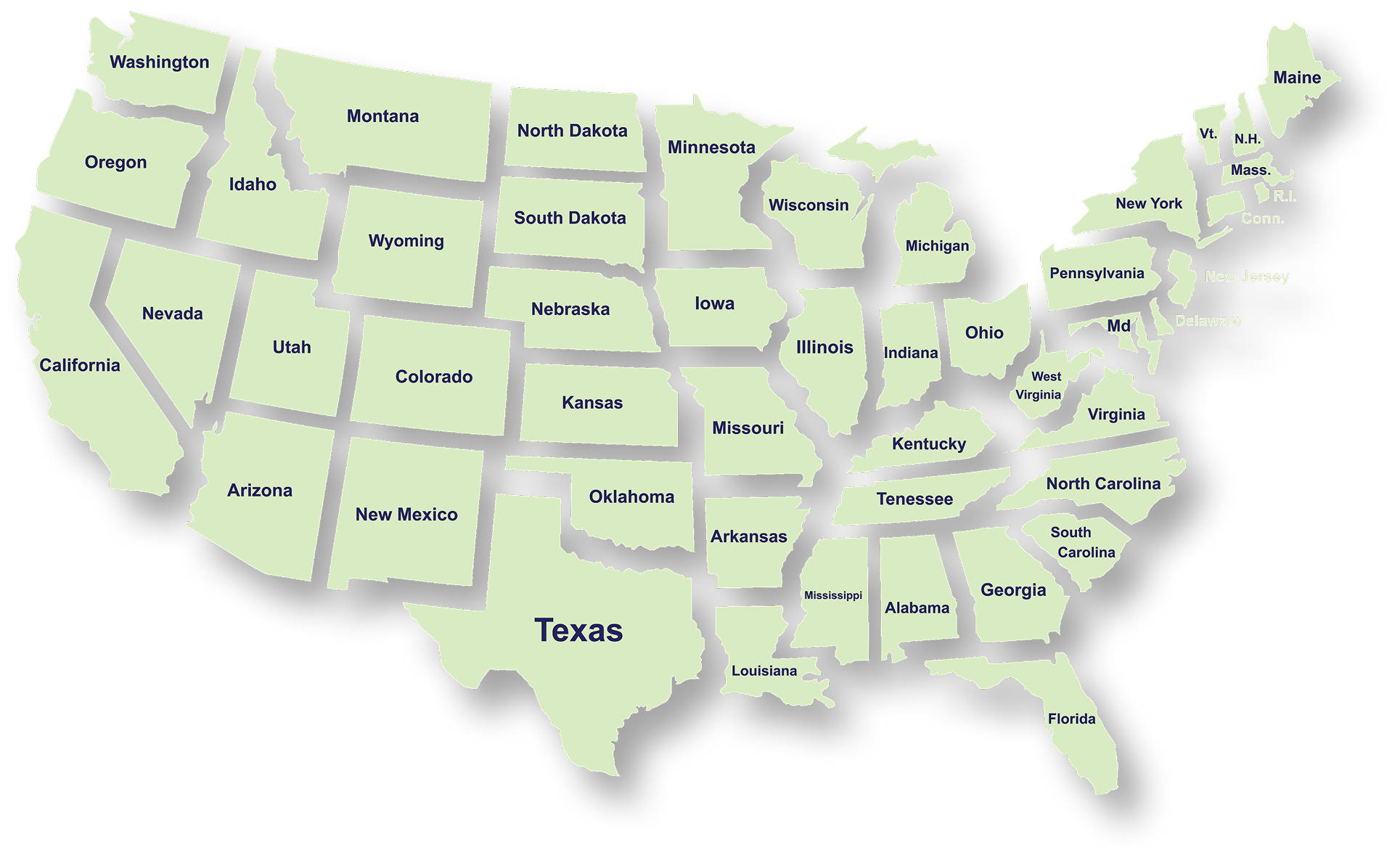
Serving Businesses & Individuals Across USA

We handle accounting, tax filing, and planning with defined timelines and accurate reporting for businesses and individuals across all states.

Frequently Asked Questions

What services does NR CPAs & Business Advisors provide?
What is tax planning and why is it important for businesses?
How can a Virtual CFO help my business?
When should a business consider IRS tax resolution services?
What financial statements does a business typically need?
How can startup advisory services help new businesses?
What is strategic business planning?
What is a Virtual Family Office and who can benefit from it?