Learning Center for Tax and Financial Insights

Stay updated with clear, actionable articles on tax rules, deadlines, deductions, and financial decisions that impact individuals and businesses.

No items found.

Tax Court Decision Holds Potential Impact for Travel Deductions

There are many professions that require taxpayers to travel extensively and spend significant amounts of time in paid lodging. These expenses are traditionally claimed as travel deductions. However, a case recently heard by the Tax Court – Soboyede, TC Summary Opinion 2021-3, 1/26/21 – has apparently established a new standard for what the IRS is to consider your tax home, and it’s not necessarily the same place that you think of as your primary residence. The case centered on an attorney with his own law offices in both Minnesota and Washington, D.C. In the tax year in question, 2015, he spent 54 days in Nigeria and spent the rest of his time working in one or the other of his offices. Multiple companies paid him $46,130 for document review work that year, with $38,548 attributed to work performed in Washington, D.C., where he either stayed in a hotel or an apartment for at least 161 days and incurred a total of $8,400 in travel expenses, which he deducted. He also earned $7,582 for document review done in Minnesota, where he spent at least 115 days. In reviewing his deductions, the Tax Court determined that even if the attorney has spent the other 35 days of the year in Minnesota, over half of his total working days were spent in Washington, D.C., making that city his tax home even if his primary residence was elsewhere. Since the tax law disallows deductions for personal lodging expenses or commuting, the decision effectively eliminated the attorney’s ability to deduct the expenses he incurred to stay at the hotel or apartment and will have the same impact on individuals who work at multiple locations without a specific place of business. The calculation that will count the most will not be based on where you pay rent or a mortgage, but instead how much time you spend in each location and how much income you generate while you’re there. Because the attorney’s tax home for 2015 was considered to be the hotel and apartment in Maryland based on his income, the court did not allow him to deduct the $8,400 in lodging expenses. Those costs were viewed as personal because he was not considered to be away from home or traveling for business. Taxpayers who travel need to view this ruling as a cautionary tale, not only in the decisions that they make regarding deductions and expenses but also in making sure that they keep accurate records of expenses wherever they are working. What may seem like a business expense may not be, and likewise what may seem like a commuting cost may end up being viewed as a business expense. If you have any questions about your tax home, please contact our office.

Explore More
No items found.

Video: Tax Refund going to your Unpaid Debt?

Waiting for a tax refund and it never arrives? It may be because you have outstanding federal or state debts. Learn how to be more proactive about debt payments to get money returned to your bank account. .embed-container { position: relative; padding-bottom: 56.25%; height: 0; overflow: hidden; max-width: 100%; } .embed-container iframe, .embed-container object, .embed-container embed { position: absolute; top: 0; left: 0; width: 100%; height: 100%; }

Explore More
No items found.

Easily Check the Status of Your Refund

Article Highlights: Your Federal Tax Refund Status Can Be Checked Online Delay When Claiming Earned Income Tax Credit or Additional Child Tax Credit • “Where’s My Refund?” Refunds Are Generally Issued Within 21 Days of E-Filing Paper Filed Return Will Take Longer Information Needed to Check Refund Status Direct Deposit Provides the Quickest Refunds When to Call the IRS If your 2020 federal return has already been filed and you are due a refund, you can check the status of your refund online. Note: if you claimed the Earned Income Tax Credit (EITC) or the Additional Child Tax Credit (ACTC), the IRS will not issue refunds until the first week of March provided you e-filed, chose your refund to be direct deposited and no issues were found with your refund. “Where’s My Refund?” is an interactive tool on the IRS website at IRS.gov. Whether you have opted for direct deposit into one account, split your refund among several accounts, or asked the IRS to mail you a check, “Where’s My Refund?” will give you online access to your refund information nearly 24 hours a day, 7 days a week. If you e-file, you can get refund information within 24 hours after the IRS has acknowledged receipt of your return. Generally, refunds for e-filed returns are issued within 21 days. However, if you file a paper return, there is no assurance when your refund information will be available. In the past, the IRS said it would be available within four weeks of filing. However, due to COVID-19 delays, it is taking the IRS longer to process paper-filed returns, although they do process them in the order received. So, expect delays and do not submit a second return. To be on the safe side, be sure to obtain proof of mailing from the USPS.

Explore More
No items found.

Video: Starting Tips for Inspired Entrepreneurs

If you are considering diving into the world of entrepreneurship, it’s wise to give yourself a moment and take some time for planning before moving forward. To ensure that you’re proceeding with care and caution, be sure to think about these 3 areas: your audience, your competition, and your financial feasibility. .embed-container { position: relative; padding-bottom: 56.25%; height: 0; overflow: hidden; max-width: 100%; } .embed-container iframe, .embed-container object, .embed-container embed { position: absolute; top: 0; left: 0; width: 100%; height: 100%; }

Explore More
Hr & People Management

Managing out-of-State Employees: The Payroll Tax Conundrum

As the COVID-19 global health event continues, employees across the country are still working at home and will likely keep doing so for the foreseeable future. If you have employees who live in a different state from where your business is located, this can create additional tax and payroll challenges. Here's what you should know about managing payroll taxes for employees working out of state, with insights from ADP's recent webinar, Strategies for Surviving Year-End Reporting. State income tax withholding When it comes to tax withholding, payroll primarily follows the rules of the state where the work is performed. If employees who live out of state come to your business for work, payroll would follow the withholding rules for the state where your business is located. These employees may owe income tax to their state of residence. Employers often withhold partial amounts for the residence state in addition to the worked-in state, or in some cases the employees handle that themselves when they file their personal income tax returns. There is an exception when two states have a reciprocity agreement wherein the governments agree that residents only owe income tax to the states where they live, not where they work. If this applies to your workers, you should already be withholding taxes for the state where your employees live. Without a reciprocity agreement, taxes may need to be withheld in both the state in which work is performed as well as the residence state. Check with your state Tax or Revenue Department for details. Income tax rules for working out of state If your employees work from home in a different state for number of days that exceeds the established threshold for that state, the employer must generally recognize the change and begin to submit taxes to the state where the employee is working, not where the business is located. This threshold varies by state — for instance, in New York it's 14 days, but in Illinois it's 30. Other states have an income threshold, or a combination of time and income. Another factor some state governments consider is whether the employee is working from home for their convenience or as a necessity for their job. If it's for the employee's convenience, then tax withholding should be sourced for the state where the business is located. If working from home is a job necessity, then payroll is sourced through the employee's state of residence. But state laws and rules vary considerably on the specifics. Before COVID-19, employers could avoid managing payroll taxes for employees working out of state by having everyone work on site. Now, safety precautions and stay-at-home orders may have forced your organization to account for a multi-state workforce, especially since the pandemic has pushed many employees beyond the temporary thresholds for working from home. COVID-19 complications If your business suddenly has employees performing significant out-of-state work due to COVID-19, you may need to register your business with these states to withhold taxes for these employees. What complicates this matter is that state governments have taken different approaches to the crisis. Some have offered temporary guidance. Alabama and Georgia announced that they would not enforce their payroll withholding requirements for employees who are temporarily working from home in their states due to government-mandated stay-at-home orders. As another example, Pennsylvania announced that if an employee is working from home temporarily due to COVID-19, the state will not consider that as a change to the sourcing of the employee's compensation. For non-residents who were working in Pennsylvania before the pandemic, their compensation would remain Pennsylvania sourced income for all tax purposes. For Pennsylvania residents who were working out-of-state before the pandemic, their compensation would remain sourced to the other state and they would still be able to claim a resident credit for tax paid to the other state on the compensation. However, these rules may not apply depending on whether the states involved have a reciprocal tax agreement. Pennsylvania has reciprocal tax agreements with Indiana, Maryland, New Jersey, Ohio, Virginia and West Virginia. In addition, some states like Connecticut have ruled that employees working from home due to COVID-19 is a necessity for work, while others, like New York, have ruled that it is for the employee's convenience. These conflicting rulings mean your business could be in a situation where you need to collect withholding on behalf of two states for an employee working from home. Another related problem deals with tax "nexus", which is the concept that where a business has an established presence in a state, it may be required to pay sales, income and other business taxes for that state. In some states, having employees working in the state is enough to establish nexus, which could lead to further tax compliance requirements for your business. Again, some states have issued guidance to address the effect of COVID-19 and people temporarily working from home. Pennsylvania, for example, will not seek to impose Corporate Income Tax or Sales Tax nexus solely on the basis of this temporary activity. However, this guidance is only in effect until the June 30, 2021, or 90 days after the emergency in Pennsylvania is lifted. In some cases, employers may need to assess whether remote workers are likely to return. If remote work locations are likely to persist, employers may need to consult with Legal and Tax advisors and register with any states in which a legal presence has been or will be established. New legislation Even with extra guidance, employers must navigate a wide range of possible laws and payroll requirements, especially if they have employees living in several states. To improve the situation, the federal government is considering legislation that would establish a uniform rule for employees working from home due to COVID-19. The Mobile Workforce State Income Tax Simplification Act would standardize rules for tax withholding for cross-border employees. For instance, the act would set up a uniform threshold of 30 days of at-home work before withholding laws would apply. The HEROES Act and HEALS Act proposals both contain provisions for this issue as well, but Congress is still debating these bills. Payroll compliance Unless state laws are changed and/or the federal government standardizes the rules, employers need to understand and comply with their regional requirements around managing payroll taxes for employees working out of state. Organizations will also need to understand the possible nexus impact on their business. To accomplish these objectives, consider speaking with a legal and payroll expert who is on top of the latest state laws. They can help you update your payroll system to manage the new requirements as your employees continue working from home. This story originally published on SPARK, a blog designed for you and your people by ADP®.

Explore More
No items found.

Video: Tax Filing Deadline is Rapidly Approaching

For those who have not yet filed their 2020 federal tax return, time is running out. The deadline to either file your return and pay any taxes owed or file an extension and pay any estimated balance due is May 17, 2021. .embed-container { position: relative; padding-bottom: 56.25%; height: 0; overflow: hidden; max-width: 100%; } .embed-container iframe, .embed-container object, .embed-container embed { position: absolute; top: 0; left: 0; width: 100%; height: 100%; }

Explore More
No results found.
Thank you! Your submission has been received!
Oops! Something went wrong while submitting the form.

Want tax & accounting tips & insights?Sign up for our newsletter.

Thank you! Your submission has been received!
Oops! Something went wrong while submitting the form.

Why Work With Us?

We combine deep tax expertise, financial strategy, and practical business insight to help you manage complexity, stay compliant, and make confident financial decisions.
A dollar sign, representing financial advice or discussion at NR CPAs & Business Advisors.

Experienced CPA and Enrolled Agent Leadership

Guidance led by licensed professionals with deep expertise in tax strategy, compliance, and complex financial matters.
White bar chart with an upward arrow on green circular background representing growth or progress at NR CPAs &. Business Advisors

Support for Growing Businesses and Startups

We understand the financial challenges of growth stage businesses and provide structured guidance to support expansion.
A white hand holding a dollar symbol and ascending bar chart on a green circular background representing financial growth or investment at NR CPAs & Business Advisors..

Strategic Financial Advisory

Our team helps you evaluate financial decisions with greater clarity, supported by practical insights and long term planning.

Fractional CFO Support

Access experienced financial leadership without the commitment and cost of hiring a full time Chief Financial Officer.

Proactive Tax Planning Approach

We focus on identifying tax opportunities throughout the year rather than reacting only during filing season.

Clear and Reliable Financial Reporting

Accurate financial statements and reporting that help you better understand performance and make informed decisions.
White IRS building icon with pillars and a dollar sign above on a green circular background.

Professional IRS Representation

Experienced support in resolving IRS notices, disputes, and compliance matters while protecting your financial interests.

Personalized Client Focus

Every client receives thoughtful attention and tailored financial solutions based on their specific needs and business goals.
Financial matters often involve important decisions. Working with experienced advisors can help you approach them with greater clarity and confidence in your choices.

Need Help With Your Tax or Financial Decisions?

Discuss your situation with our advisors to get clear guidance on tax planning, IRS matters, and the financial decisions ahead.
Business consulting at NR CPAs & Business Advisors.

Request Your Consultation

Fill out the form to discuss your tax concerns, financial questions, or advisory needs with our team. We will review your details and respond shortly.

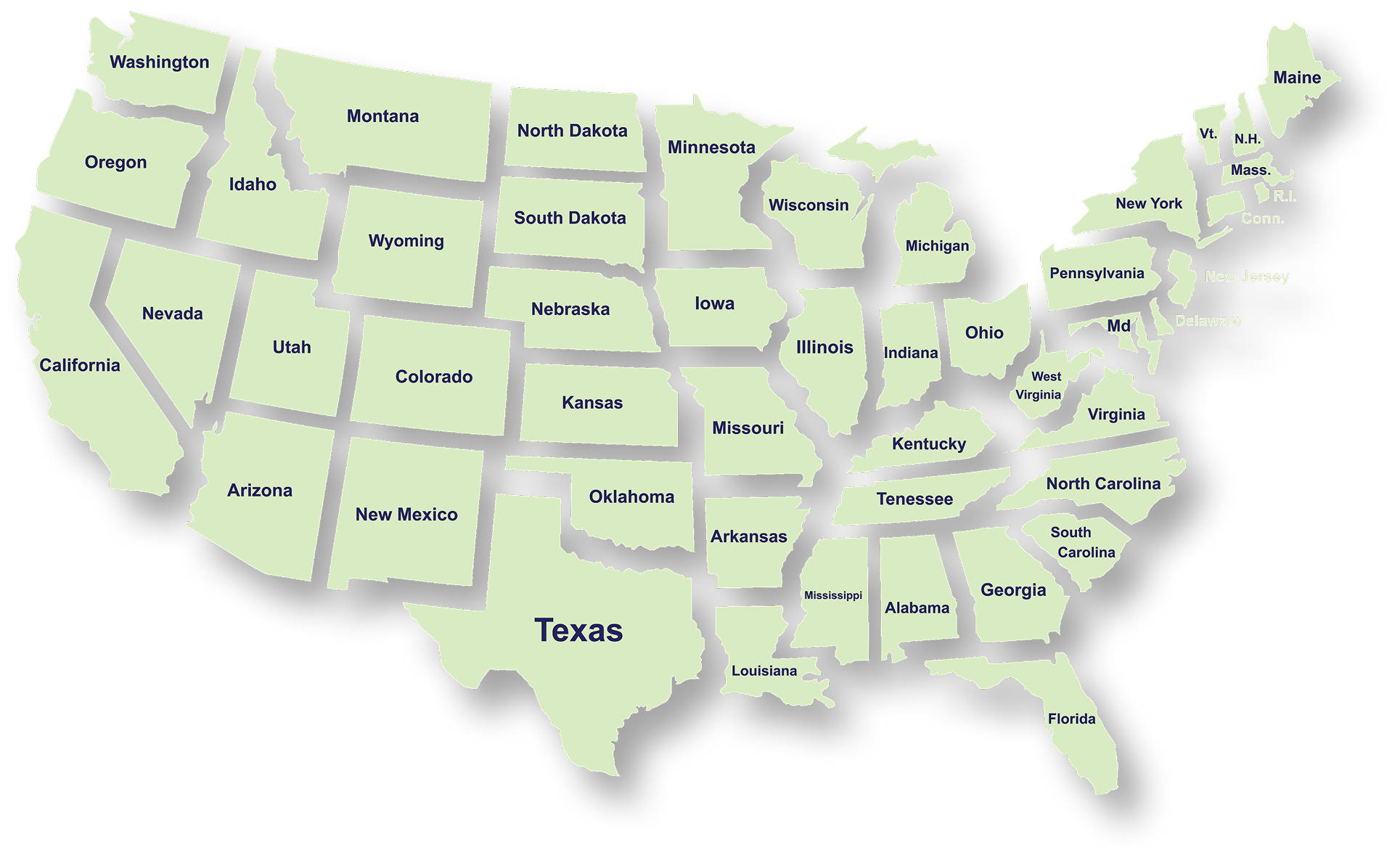
Serving Businesses & Individuals Across USA

We handle accounting, tax filing, and planning with defined timelines and accurate reporting for businesses and individuals across all states.

Frequently Asked Questions

What services does NR CPAs & Business Advisors provide?
What is tax planning and why is it important for businesses?
How can a Virtual CFO help my business?
When should a business consider IRS tax resolution services?
What financial statements does a business typically need?
How can startup advisory services help new businesses?
What is strategic business planning?
What is a Virtual Family Office and who can benefit from it?