Learning Center for Tax and Financial Insights

Stay updated with clear, actionable articles on tax rules, deadlines, deductions, and financial decisions that impact individuals and businesses.

No items found.

Are Your Unemployment Benefits Taxable?

Article Highlights: CARES and COVID Tax Relief Acts Unemployment Benefits American Rescue Plan Tax-Exempt Portion of Unemployment Bogus Forms 1099-G Kiddie Tax and Unemployment States’ Taxation of Unemployment With the passage of the CARES Act stimulus package early in 2020, the federal government began supplementing the normal state weekly unemployment benefits by adding $600 per week through the end of July 2020. When this provision ran out, and with Congress at a stalemate, President Trump issued an executive order in early August that extended the supplement, but at $400 per week, with the federal government providing $300 and the state the other $100. Then, the COVID Tax Relief Act that was enacted in late December of 2020 extended the federal unemployment supplement through March 14, 2021, but at $300 per week. Now, President Biden’s American Rescue Plan that Congress enacted in March of 2021 has extended the $300 benefit through September 9, 2021, and increased the number of weeks an individual can qualify for the benefits from 50 to 74. The American Rescue Plan Act originally slated the weekly amount to be $400. That was before a provision to treat the first $10,200 of unemployment income received by each individual as tax-exempt was included, at which point the weekly supplemental amount was reduced to $300. However, the tax exemption of the first $10,200 of unemployment compensation will only apply to taxpayers with modified AGIs less than $150,000. Prior to this change, unemployment benefits were fully taxable income for federal purposes. This change is retroactive to 2020, and if you have already filed your 2020 tax return, on which you included unemployment compensation and didn’t take an exclusion, and you qualify for the income exclusion, the IRS will take steps in the spring and summer to make the appropriate change to the returns of these individuals. The adjustment may result in a refund and the amount will be refunded or applied to other outstanding taxes owed. The first refunds are expected to be made in May and will continue into the summer.For those who have already filed, the IRS will do these recalculations in two phases, starting with those taxpayers eligible for the up to $10,200 exclusion. The IRS will then adjust returns for those married filing jointly taxpayers who are eligible for the up to $20,400 exclusion and others with more complex returns.There is no need for taxpayers to file an amended return unless the calculations make the taxpayer newly eligible for additional federal credits and deductions not already included on the original tax return. For example, the IRS can adjust returns for those taxpayers who claimed the Earned Income Tax Credit (EITC) and, because the exclusion changed the income level, may now be eligible for an increase in the EITC amount which may result in a larger refund. However, taxpayers would have to file an amended return if they did not originally claim the EITC or other credits but now are eligible because the exclusion changed their income.

Explore More
No items found.

It's Official! Another Round of Stimulus Payments Approved by Congress

Article Highlights: Economic Impact Payments High-Income Taxpayer Phaseout Reconciliation Dependents Decedents Social Security Number Requirements Non-Filers IRS Information Sites The American Rescue Plan Act has passed and includes a third much-anticipated economic impact payment (EIP). This is one of several government measures intended to help financially stressed citizens. This will be the third round of EIPs since the pandemic began disrupting the economy at the beginning of 2020, leaving many Americans without jobs or any way to support their families. This round of EIPs will be: $1,400 ($2,800 for joint filers), plus $1,400 per dependent—unlike the prior payments, the payment will apply to all of a taxpayer’s dependents regardless of age. Since the payments are meant for lower-income taxpayers, they will phase out for higher-income taxpayers. Thus, the payment amounts will phase out for taxpayers with adjusted gross incomes (AGI) between: $150,000 and $160,000 for married taxpayers filing jointly; $112,500 and $120,000 for head-of-household filers; and $75,000 and $80,000 for all other filers. The Treasury will make these payments automatically based on a taxpayer’s filing status, AGI, and claimed dependents on their 2019 return—or the 2020 return if it has been filed and processed by the IRS by the time the IRS generates the payments. Example: Don and Shirley file jointly, have one dependent, and their 2019 AGI is $152,500 (they had not filed their 2020 return by the time the third round of EIPs were determined). Because their AGI is a quarter of the way through the phaseout range for joint filers, their EIP3 will be reduced by 25%. Here is the computation for their EIP3: EIP for Don & Shirley: 2,800 EIP for their dependent 1,400 Total before phaseout 4,200 Phaseout (25%) -1,050 Economic impact payment 3,150 Had Don and Shirley had an AGI of less than $150,000, their EIP would have been $4,200. Had Don and Shirley had an AGI of $160,000 or more, their EIP would have been $0. It is anticipated that the Treasury will begin issuing the EIP3s within a week after President Biden signs the American Rescue Plan Act into law. Reconciliation – When taxpayers file their 2021 tax returns, they will need to reconcile the payments they received with the amounts they were entitled to based upon the 2021 tax return filing status, AGI and claimed dependents. If payments were less than what they were entitled to, the difference becomes a refundable tax credit on the 2021 tax return. Taxpayers who received more than they were entitled to are not required to repay any difference.

Explore More
No items found.

How to Evaluate Your Business Idea Before Diving In

They say that everybody has at least one good novel in them, and many people feel the same way about ideas for a successful business. If you are considering diving into the world of entrepreneurship, it’s a good idea to pause for a moment, take a deep breath, and let your head take over before your heart leads you astray. There’s certainly a chance that your business idea is a good one and you’ll be highly successful, but it’s a good idea to evaluate, research, and analyze before you quit your day job. Here are steps to follow to ensure that you’re proceeding with care and caution. Know That You Have an Audience When you have a great idea for a product or service, you generally come up with it because it reflects a need that you’ve experienced. But are you sure that you’re representative of a wider market? Have you confirmed that others feel the same need and that enough of them will spend money to address it? Knowing who your audience is, how many of them there are and what they’re willing to spend on what you’re selling are all keys to predicting the viability of your business idea. Asking a few friends will not be enough to confirm your hunch. You need to conduct real market research, preferably with the help of experts, and ask them to determine whether you’ve properly identified a legitimate market. Combine their analysis with your own observations and those of the people around you, including those who have tested your product or service and those who are investing in you or advising you. Having a lightbulb moment is inspiring, but it is essential that you understand who you’re selling to in order to gauge their legitimate interest. The demographic factors that you need to determine and verify include: age; geographic location; income level; gender; marital status; ethnicity; the number of household members; occupation; and education. It’s only once you know who you are selling to that you can begin to address the right way to do so. Identifying your target audience will also help you establish your potential market, your sales goals, the importance of any competition that might exist, and whether the market will bear another provider. You should also consider assessing your product’s potential by submitting it for feedback from a focus group, survey, or similar market testing. Not only will this provide you with valuable information about how your product may be improved upon, but it will also provide clarity about your ideal client. Know What You’re Up Against Not only do you need to know who you’ll be selling to, you also need to know who is already out there, going after the clients that you want. There’s nothing wrong with a little competition and diversity in the market, but if it’s there you need to make sure that what you’re offering has something that sets it apart and makes it worthwhile for potential clients to switch. You also want to know what the most compelling aspect of your competition’s product is so that you can work to meet or exceed what it delivers. Your goal is to set yourself apart in comparison to all others in a similar niche by establishing a unique selling proposition (USP), and then make sure that your potential buyers are well aware of that differentiating factor by broadcasting it constantly. To make sure that you’re conducting effective research on your competition, make sure that you’re doing the following: Understand Exactly Who They Are and What They Are Selling: Knowing a competitor’s name and price point is not good enough. You need to fully understand what people like and dislike about their products or services, how clients are paying for it, what their pricing history and strategy has been, how they’ve marketed themselves, and what clients think of them. The more you know about what clients are and are not satisfied with in your competitor, the more effectively you can position yourself. Assess Whether You’re Facing Direct or Indirect Competition: Knowing whether your potential clients are currently buying the exact same products from your competition, something slightly different, or entirely different but a good substitute can guide many of your marketing and sales decisions. Know How You Stack Up Against the Competition: Once you understand who your competition is and what they’re offering, you need to take a look at your own offerings and determine what makes you better. Once you’ve identified your competitive advantage you can play to your own strengths, using it as the marketing hook around which you will build all of your branding and messaging. List Strengths and Weaknesses, Then Use Them: A big part of market research on your competition is to make a list of what they do well and what they do poorly. You can identify their strengths and weaknesses by asking clients, assessing the product yourself, and searching online reviews. Emulate what they’re doing right and then improve on what has drawn complaints. Consider Engaging with Your Competitor: In many cases, healthy competition is facilitated by reaching out and engaging with your competitor. Not only can you exchange helpful information on how best to distinguish yourself and your company, you may end up able to help one another in times of crisis, or even form a collaborative partnership.

Explore More
No items found.

How to Use Tags in QuickBooks Online

QuickBooks Online offers numerous ways to help you track your sales, expenses, and profitability. If you’re using QuickBooks Online Plus or Advanced, you can create and assign Classes to transactions to differentiate between, for example, store departments or product lines. Some of the site’s reports are designed specifically for these tools, like Sales by Class and Profit and Loss by Class. You can assign Categories to products and services to gain insight into your sales and inventory. There’s a different set of Categories that you’ll use when you record bills and expenses. These are important for reporting and tax purposes. You can also add a Location field to sales transactions so you can track sales by stores, sales regions, or counties, for example. What Are Tags? Then there are Tags, which are fairly new to QuickBooks Online. These are customizable labels that you can assign to transactions (invoices, expenses, and bills). They’re more flexible than the tools we’ve already mentioned – they allow you to track your money any way you want. They don’t affect your books, and they’re not included in the customization criteria for reports. But there are two reports specifically designed for them: Profit and Loss by Tag Group and Transaction List by Tag Group. Creating Your Own Tags Once you’ve given your group a name, you can start adding tags to it. Before you create a tag, you need to create a Group. Groups consist of related tags that share a common theme. For example, say you do some event planning. You might have a group titled Events. Individual events might read, for example, Grayson Wedding, Spring Art Show, and Hillman Conference. To get started, click the gear icon in the upper right. Under Lists, click Tags to get to the tool’s home page. (You can also click on the Transactions link in the toolbar, then click the Tags tab.) Click New, then Tag group. A vertical panel slides out from the right. Enter a name in the Group name field. Click the down arrow to select a color, then click Save.

Explore More
No items found.

Don't Be A Victim to IRS-Impersonating Scammers

Article Highlights: Phone Scams E-Mail Phishing What’s in Your Purse or Wallet? What You Should Never Do Fake Charities Protecting Against Identity Theft Thieves use taxpayers’ natural fear of the IRS and other government entities to ply their scams, including e-mail and phone scams, to steal your money. They also use phishing schemes to trick you into divulging your SSN, date of birth, account numbers, passwords and other personal data that allow them to scam the IRS and others using your name and destroy your credit in the process. They are clever and are always coming up with new and unique schemes to trick you. These scams have reached epidemic proportions, and this article will hopefully provide you with the knowledge to identify scams and avoid becoming a victim. The very first thing you should be aware of is that the IRS never initiates contact in any other way than by U.S. mail. So, if you receive an e-mail or a phone call out of the blue with no prior contact, then it is a scam. DO NOT RESPOND to the e-mail or open any links included in the e-mail. If it is a phone call, simply HANG UP. Additionally, it is important for taxpayers to know that the IRS: Never asks for a credit card, debit card, or prepaid card information over the telephone. Never insists that taxpayers use a specific payment method to pay tax obligations. Never requests immediate payment over the telephone. Will not take enforcement action immediately following a phone conversation. Taxpayers usually receive prior written notification of IRS enforcement action involving IRS tax liens or levies. Don’t be intimidated by threats of immediate arrest. Phone Scams - Potential phone scam victims may be told that they owe money that must be paid immediately to the IRS or, on the flip side, that they are entitled to big refunds. When unsuccessful the first time, sometimes phone scammers call back trying a new strategy. Other characteristics of these scams include: Scammers use fake names and IRS badge numbers. They generally use common names and surnames to identify themselves. Scammers may be able to recite the last four digits of a victim’s Social Security number. Make sure you do not provide the rest of the number or your birth date. Scammers alter the IRS toll-free number that shows up on caller ID to make it appear that the IRS is calling. Scammers sometimes send bogus IRS e-mails to some victims to support their bogus calls. Victims hear the background noise of other calls being conducted to mimic a call site. After threatening victims with jail time or driver’s license revocation, scammers hang up. Soon, others call back pretending to be from the local police or DMV, and the caller ID supports their claim. Don’t get hoodwinked by scammers. If you get a phone call from someone claiming to be from the IRS, DO NOT give the caller any information or money. Instead, you should immediately hang up. Call this office if you are concerned about the validity of the call. E-Mail Phishing – Phishing (pronounced “fishing”) is the attempt to acquire sensitive information such as usernames, passwords, and credit card details (and sometimes, indirectly, money) by masquerading as a trustworthy entity in an electronic communication. Communications purporting to be from popular social websites, auction sites, banks, online payment processors, or IT administrators are commonly used to lure the unsuspecting public. Phishing e-mails may contain links to websites that are infected with malware. Phishing is typically carried out by e-mail spoofing or instant messaging, and it often directs users to enter details into a fake website that looks and feels almost identical to a legitimate one. Always remember, the first contact you will receive from the IRS will be by U.S. mail. If you receive an e-mail or a phone call claiming to be from the IRS, consider it a scam. Do not respond or click through to any embedded links included in the e-mail and don’t open any e-mail attachments. Instead, help the government combat these scams by forwarding the e-mail to phishing@irs.gov. Unscrupulous people are out there dreaming up schemes to get your money. They become very active during tax season. They create bogus e-mails disguised as authentic e-mails from the IRS, your bank, or your credit card company, none of which ever request information that way. They are trying to trick you into divulging personal and financial information such as bank account numbers, passwords, credit card numbers, Social Security numbers, etc., they can use to invade your bank accounts, make charges against your credit card or pretend to be you to file phony tax returns or apply for loans or credit cards. Don’t be a victim. Imagine your return being e-filed and it gets rejected as already filed. You attempt to get a copy of the return but can’t because you don’t have the ID of the other unfortunate taxpayer who was used as the other spouse on the return. All the while, the scammers are enjoying their ill-gotten gains with impunity. STOP-THINK-DELETE You need to be very careful when responding to e-mails asking you to update such things as your account information, pin number, password, etc. First and foremost, you should be aware that no legitimate company would make such a request by e-mail. If you get such e-mails, they should be deleted and ignored, just like spam e-mails. We have seen bogus e-mails that looked like they were from the IRS, well-known banks, credit card companies and other pseudo-legitimate enterprises. The intent is to con you into clicking through to a website that also appears legitimate where they have you enter your secure information. Here are some examples: E-mails that appeared to be from the IRS indicating you have a refund coming and that the IRS needs information to process the refund. The IRS never initiates communication via e-mail! Right away, you know it is bogus. If you are concerned, please feel free to call this office. E-mails from a bank indicating it is holding a wire transfer and needs your bank routing information and account number. Don’t respond; if in doubt, call your bank. E-mails saying you have a foreign inheritance and require your bank information to wire the funds. The funds that will get wired are yours going the other way. Remember, if it is too good to be true, it generally is not true. We could go on and on with examples. The key here is for you to be highly suspicious of any e-mail requesting personal or financial information.

Explore More
No items found.

Great News, Child Care Tax Credit Expanded for 2021

Article Highlights: American Rescue Plan Expanded One-Year-Only Change Refundability Child Care Expenses Credit Percentage Maximum Credit Credit Phaseout Employer-Provided Dependent Care Assistance Great news if you are paying childcare expenses that enable you to work. As part of President Biden’s American Rescue Plan Act (ARPA) signed into law on March 11, 2021, the child and dependent care tax credit has been substantially increased. Here are the details: The credit increases and other provisions of the ARPA that apply to this credit only apply to 2021. The increase in the credit is part of the government’s effort to ease families’ financial burdens during the pandemic. A tax credit can be either nonrefundable or refundable. Nonrefundable credits can only offset a taxpayer’s tax liability, at most bringing it down to zero, while a refundable credit offsets the tax liability and any credit amount in excess of the liability is refunded to the taxpayer. Generally, the childcare credit is nonrefundable. However, for 2021, it is fully refundable if the taxpayer’s primary residence (or at least one spouse on a joint return) is in the U.S. for more than half the year. The credit is based upon a percentage of the taxpayer’s care expenses for a child under the age of 13 (the expenses count up to the date the child actually turns 13) that allow a taxpayer to work. In the case of a married couple, the credit only applies if they are both employed. There are special provisions for a spouse who is disabled or a student that are not covered in this article. There is a maximum to the expenses that can be used to figure the credit for 2021: $8,000 for one child, up from the normal $3,000 in any other year. $16,000 for two or more children, up from the normal $6,000 in any other year. In addition, the percentage used to calculate the credit for most taxpayers has been increased to 50%. In any other year, that percentage would vary depending upon the taxpayer’s adjusted gross income (AGI), with lower-income taxpayers benefiting from the highest percentage rate (35%) and the lowest percentage rate (20%) for higher-income taxpayers.

Explore More
No results found.
Thank you! Your submission has been received!
Oops! Something went wrong while submitting the form.

Want tax & accounting tips & insights?Sign up for our newsletter.

Thank you! Your submission has been received!
Oops! Something went wrong while submitting the form.

Why Work With Us?

We combine deep tax expertise, financial strategy, and practical business insight to help you manage complexity, stay compliant, and make confident financial decisions.
A dollar sign, representing financial advice or discussion at NR CPAs & Business Advisors.

Experienced CPA and Enrolled Agent Leadership

Guidance led by licensed professionals with deep expertise in tax strategy, compliance, and complex financial matters.
White bar chart with an upward arrow on green circular background representing growth or progress at NR CPAs &. Business Advisors

Support for Growing Businesses and Startups

We understand the financial challenges of growth stage businesses and provide structured guidance to support expansion.
A white hand holding a dollar symbol and ascending bar chart on a green circular background representing financial growth or investment at NR CPAs & Business Advisors..

Strategic Financial Advisory

Our team helps you evaluate financial decisions with greater clarity, supported by practical insights and long term planning.

Fractional CFO Support

Access experienced financial leadership without the commitment and cost of hiring a full time Chief Financial Officer.

Proactive Tax Planning Approach

We focus on identifying tax opportunities throughout the year rather than reacting only during filing season.

Clear and Reliable Financial Reporting

Accurate financial statements and reporting that help you better understand performance and make informed decisions.
White IRS building icon with pillars and a dollar sign above on a green circular background.

Professional IRS Representation

Experienced support in resolving IRS notices, disputes, and compliance matters while protecting your financial interests.

Personalized Client Focus

Every client receives thoughtful attention and tailored financial solutions based on their specific needs and business goals.
Financial matters often involve important decisions. Working with experienced advisors can help you approach them with greater clarity and confidence in your choices.

Need Help With Your Tax or Financial Decisions?

Discuss your situation with our advisors to get clear guidance on tax planning, IRS matters, and the financial decisions ahead.
Business consulting at NR CPAs & Business Advisors.

Request Your Consultation

Fill out the form to discuss your tax concerns, financial questions, or advisory needs with our team. We will review your details and respond shortly.

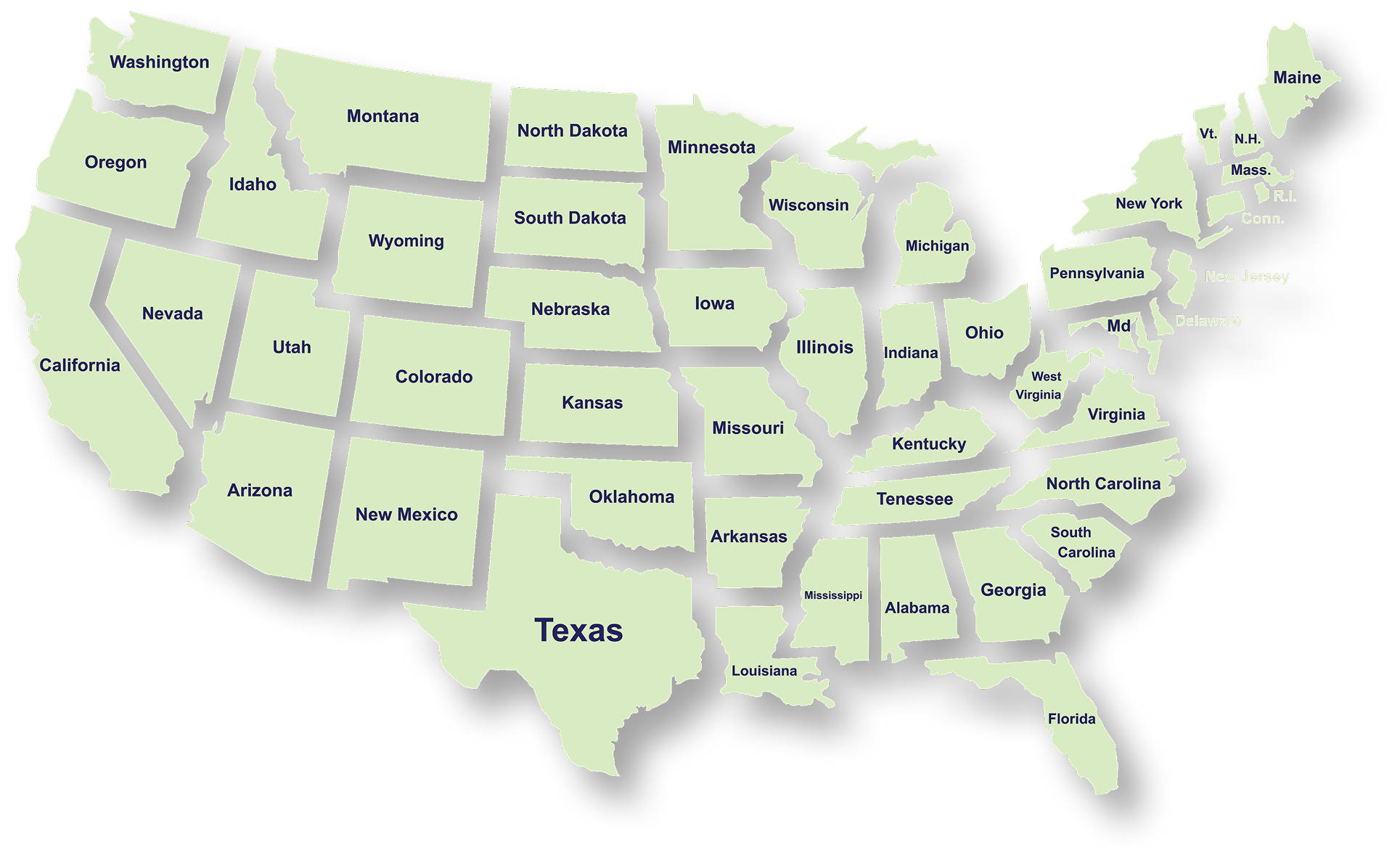
Serving Businesses & Individuals Across USA

We handle accounting, tax filing, and planning with defined timelines and accurate reporting for businesses and individuals across all states.

Frequently Asked Questions

What services does NR CPAs & Business Advisors provide?
What is tax planning and why is it important for businesses?
How can a Virtual CFO help my business?
When should a business consider IRS tax resolution services?
What financial statements does a business typically need?
How can startup advisory services help new businesses?
What is strategic business planning?
What is a Virtual Family Office and who can benefit from it?