Learning Center for Tax and Financial Insights

Stay updated with clear, actionable articles on tax rules, deadlines, deductions, and financial decisions that impact individuals and businesses.

No items found.

April 2021 Individual Due Dates

April 12 - Report Tips to Employer If you are an employee who works for tips and received more than $20 in tips during March, you are required to report them to your employer on IRS Form 4070 no later than April 12. April 15 - Taxpayers with Foreign Financial Interests A U.S. citizen or resident, or a person doing business in the United States, who has a financial interest in or signature or other authority over any foreign financial accounts (bank, securities, or other types of financial accounts), in a foreign country, is required to file Form FinCEN 114. The form must be filed electronically; paper forms are not allowed. The form must be filed with the Treasury Department (not the IRS) no later than April 15, 2021, for 2020. An extension of time to file of up to 6 months is automatically allowed. This filing requirement applies only if the aggregate value of these financial accounts exceeds $10,000 at any time during2020. Contact our office for additional information and assistance filing the form. April 15 - The Normal April 15 Tax Filing Due Date has been extended to May 17, 2021 The IRS has extended the normal April 15 individual tax return due date to May 17. Caution: the extension does not apply to the 2021 estimated tax payment which is still due on April 15, 2021.April 15 - Estimated Tax Payment Due (Individuals)It’s time to make your first quarter estimated tax installment payment for the 2021 tax year. Our tax system is a “pay-as-you-earn” system. To facilitate that concept, the government has provided several means of assisting taxpayers in meeting the “pay-as-you-earn” requirement. These include: Payroll withholding for employees; Pension withholding for retirees; and Estimated tax payments for self-employed individuals and those with other sources of income not covered by withholding. When a taxpayer fails to prepay a safe harbor (minimum) amount, they can be subject to the underpayment penalty. This penalty is equal to the federal short-term rate plus 3 percentage points, and the penalty is computed on a quarter-by-quarter basis.

Explore More
No items found.

April 2021 Business Due Dates

April 15 - Household Employer Return Due If you paid cash wages of $2,200 or more in 2020 to a household employee, you must file Schedule H. If you are required to file a federal income tax return (Form 1040 or 1040-SR), file Schedule H with the return and report any household employment taxes. Report any federal unemployment (FUTA) tax on Schedule H if you paid total cash wages of $1,000 or more in any calendar quarter of 2019 or 2020 to household employees. Also, report any income tax that was withheld for your household employees. For more information, please call this office. April 15 - Social Security, Medicare and Withheld Income Tax If the monthly deposit rule applies, deposit the tax for payments in March. April 15 - Non-Payroll Withholding If the monthly deposit rule applies, deposit the tax for payments in March. April 15 - C-Corporations File a 2020 calendar year income tax return (Form 1120) and pay any tax due. If you need an automatic 6-month extension of time to file the return, file Form 7004, Application for Automatic Extension of Time to File Certain Business Income Tax, Information and Other Returns, and deposit what you estimate you owe. Filing this extension protects you from late filing penalties but not late payment penalties, so it is important that you estimate your liability and deposit it using the instructions on Form 7004.

Explore More
Business Life Events

Tips for Creating an Employee Stock Option Plan

Creating an employee stock option plan is an important step in your business’ growth and a sign of its success. Though doing so is not particularly complicated, that doesn’t mean that the process should be pursued without ensuring all of the t’s are crossed and the i’s are dotted. Making sure that each step has been thoughtfully planned will save aggravation in the future, and the best way to do that is to bring in professionals with experience and expertise in how best to establish and manage the program. Investing time and expense at the front end of the process may feel like a burden but doing so avoids the risk of unnecessary delays of an IPO or acquisition, or of violating regulations and the eventual fines and legal exposure that can accompany that type of mistake. The most essential assistance you will receive in this venture is the combined team of your attorneys and your financial advisors. The more careful and painstaking your process at the beginning, the more confidence your employees will have in the company’s future and value. Likewise, it is imperative that you continue to consult with those professionals as your company continues to grow, informing them of changes in your hiring plans and of offers made to new employees so that they can ensure your continued compliance with all pertinent laws and regulations. First Steps to Creating an Employee Stock Option Plan Once you’ve made the decision to create an employee stock option plan, you need to sit down with your founders, board, and advisors to discuss how the plan’s design can reflect your company’s mission and values; what the balance between cash and equity compensation will be; and how you will explain and offer the program to existing employees and to those you will hire in the future. Though most regular stock grants and employee stock options are made available in lots of 100 shares, there is no requirement that you allocate them in that way. What is required is that once a plan is approved by the board and stockholders, it be formalized and put in writing. Part of this process entails having your attorneys double-check that your plan is in compliance with federal regulations, as well as the rules for every state in which your employees live. Skipping this step can lead to headaches in the future. What Happens After the Employee Stock Option Plan is Established? Employee stock option plans are not self-sustaining. Failing to pay attention to what is happening or attending to cap tables can create just as many problems as not attending to details while initially setting it up. The best way to address this is to hire a reputable valuation company and schedule new valuations on a regular basis in keeping with IRS requirements. Benchmarks for valuations should include the program’s one-year mark and any major financial breakthroughs for the company. There are numerous items your company will need to watch out for in order to ensure the health of your plan, including keeping an eye on your equity budget. Your hiring plan needs to coordinate with your funding events in order to ensure that adequate stock options are in reserve, and likewise your future plans will guide how many stock options you’ll need to set aside going forward. Failure to reserve adequate shares will require an adjustment approved by the board. The Right Way to Offer Stock Options Once stock options are available, you need to understand the correct way of offering them to employees and what pitfalls to watch out for. These include:

Explore More
Newsworthy

Here’s What Happened in the World of Small Business in March 2021

Here are five things that happened this past month that affect your small business. 1) The American Rescue Plan was signed into law and includes various provisions for small businesses. The American Rescue Plan (ARP) was passed by Congress and signed into law by President Biden on March 11, 2021. While parts of the bill such as stimulus checks and extended unemployment benefits got the most attention, there’s a lot of funding allocated to small business assistance as well – about $50 billion, in addition to more than $600 billion that’s been allocated in the previous bills. (Source: Vox) Why this is important for your business: If your business is still hurting financially due to the pandemic, there are several options for grants and loans that you can now apply for. 2) Amazon workers at an Alabama warehouse are voting whether to unionize or not. Workers at an Amazon warehouse in Bessemer, Alabama “could soon decide the future of a $1.5 trillion tech giant and its 560,000 employees worldwide.” A vote among the 6000 warehouse workers is underway and scheduled to finish on March 29th. Amazon, a historically anti-union company, has been fighting hard to convince their employees to vote ‘no’ on the measure. (Source: Business Insider) Why this is important for your business: No matter your views on organized labor, this union push – if successful – could be the catalyst for many more groups to unionize across the US, no matter the size or power of their employer. That’s worth paying attention to. 3) President Biden’s administration is continuing the conversation around changing the corporate income tax. The Biden administration and some members of Congress have proposed changes to the corporate income tax that would raise revenue for other spending programs and repeal the changes made by the Tax Cuts and Jobs Act (TCJA) in late 2017. These include raising the rate from 21 percent to 28 percent and imposing a 15 percent minimum tax on the book income of large corporations. As of now, these are still just proposals, but we’re keeping an eye on developments. (Source: Tax Foundation) Why this is important for your business: This could affect your tax rate in the future. 4) The travel industry is making a comeback. Travel was – unsurprisingly – one of the hardest hit industries during the pandemic. As borders closed, flights got canceled, and international arrivals plummeted, many travel-related businesses were left reeling. Now, there are signs the industry is “roaring back,” according to Expedia CEO Peter Kern. (Source: CNN Business) Why this is important for your business: If your business is in any way affected by travel and tourism – whether that be because of the type of business you run or due to your own business-related travel – this could mean we’re on our way back to some semblance of normalcy. 5) Businesses can now use the Employee Retention Credit (ERC) and the Paycheck Protection Program (PPP). The Taxpayer Certainty and Disaster Tax Relief Act and the American Rescue Plan expanded the ERC through the end of the year and “increased the refundable and advanceable credit to $7,000 per employee for two quarters each or up to $14,000.” The legislation also fixed a previous issue to make it possible for employers to take advantage of both the ERC and PPP in 2021. (Source: Forbes) Why this is important for your business: Previously, companies who applied for and received funds from the PPP could not then take advantage of the ERC, so many chose to apply for PPP funding and forego the credit. Now, you are allowed to use both. The one caveat: “Funds from both programs cannot be used on the same payroll period.”

Explore More
No items found.

Uncle Sam May Pick Up the Cost of Your COBRA Medical Coverage

Article Highlights: COBRA coverage Federal COBRA Subsidy Period for Subsidy Alternate Coverage The recently passed American Rescue Plan Act (ARPA) includes a provision for the federal government to pick up the cost of COBRA health coverage for employees’ involuntary termination of their employment or reduction of hours subject to certain qualifications. COBRA is the acronym for Consolidated Omnibus Budget Reconciliation Act, which was passed years ago, and gives workers and their families who lose their health benefits the right to choose to continue obtaining group health benefits provided by their group health plan for limited time periods, under certain circumstances such as voluntary or involuntary job loss, reduction in the hours worked, transition between jobs, death, divorce, and other life events. Qualified individuals may be required to pay the entire premium, for coverage, up to 102% of the cost to the plan. COBRA generally requires that group health plans sponsored by employers with 20 or more employees in the prior year offer employees and their families a temporary extension of health coverage (called continuation coverage) in certain instances in which coverage under the plan would otherwise end. The ARPA provides premium assistance, a 100% federal subsidy (i.e., makes the health insurance coverage no cost to the former employee), for COBRA premiums for eligible individuals who have a COBRA option through their employment beginning April 1 and continuing through September 30, 2021. On top of that, this subsidy is also tax-free. An individual qualified for this subsidy is one who is eligible for COBRA coverage as an employee, former employee, covered spouse, or covered dependent, and elects to have COBRA coverage due to involuntary termination of their employment or reduction of hours and is not eligible for other group coverage or Medicare. Individuals who do not have a COBRA election in effect on April 1, 2021, but who would be otherwise qualified for the subsidy also qualify. Also qualified are those who elected to have COBRA coverage but discontinued it before April 1, 2021, are still within their maximum coverage period and make the COBRA election during the period starting April 1, 2021 and ending 60 days after they are provided with a required notification of the extended election period by their former employer.

Explore More
No items found.

Big Increase in Child Tax Credit For 2021

Article Highlights: Additional Credit Amounts Refundability High-Income Phaseout Advance Payments Reconciliation of Advance Payments with Credit Child’s Death Online Portal An increased child tax credit is part of President Biden’s stimulus package to help tackle the coronavirus pandemic and stimulate the economy. This stimulus package, which was passed by Congress on March 10, 2021, and is known as the American Rescue Plan Act, will provide lower-income parents with substantial financial assistance and support various other efforts to stimulate the economy. Even though the benefit of a tax credit traditionally isn’t available until after the tax return for the year has been filed, for 2021, the IRS will pay a portion of the credit in advance in the form of monthly payments from July through December. Here are the details. Additional Credit Amounts – Normally, the credit is $2,000 per eligible child. For 2021, it has increased to $3,000 for each child under age 18 (normally under age 17) and $3,600 for children under age 6 at the end of the year. Refundability – A tax credit can be either nonrefundable or refundable. Nonrefundable credits can only offset a taxpayer’s tax liability, at most bringing it down to zero, while a refundable credit offsets the tax liability and any credit amount in excess of the liability is refunded to the taxpayer. Generally, the child tax credit is nonrefundable, but for 2021, it is fully refundable. High-Income Phaseout – The credit is designed to only provide parents of lower incomes with a tax benefit. Thus, the credit phases out for higher-income taxpayers at a rate of $50 for each $1,000 (or fraction thereof) by which the taxpayer’s modified adjusted gross income (MAGI) exceeds the threshold. 2021 MAGI PHASEOUT – CHILD TAX CREDIT Filing Status Threshold Married Filing Jointly 150,000 Heads of Household 112,500 Others 75,000 Example 1: Jack and Jill have two children—Ella, age 4, and Joe, age 8. Their child tax credit for 2021 before the phaseout will be $6,600 ($3,600 + 3,000). They file a joint return and their AGI is below $150,000, so they are entitled to the full $6,600. However, if their AGI for 2021 is $170,000, they would have to reduce (phase out) the credit by $1,000 ($50 x [($170,000-$150,000)/1,000]). Thus, their child tax credit would be $5,600. Note: This phaseout only applies to the increase in the credit. Families that aren’t eligible for the higher child credit would still be able to claim the regular credit of $2,000 per child subject to the normal phaseout thresholds of $400,000 for married couples filing jointly and $200,000 for others. Example 2: Using Jack and Jill from example #1, they qualified for a credit of $6,600 before phaseout. If their AGI had been $220,000, they would be completely phased out of the additional 2021 credit but would still qualify for the normal $2,000 per child credit. Since their AGI is below the regular $400,000 phaseout threshold, their credit for 2021 would be $4,000 (2 x $2,000).

Explore More
No results found.
Thank you! Your submission has been received!
Oops! Something went wrong while submitting the form.

Want tax & accounting tips & insights?Sign up for our newsletter.

Thank you! Your submission has been received!
Oops! Something went wrong while submitting the form.

Why Work With Us?

We combine deep tax expertise, financial strategy, and practical business insight to help you manage complexity, stay compliant, and make confident financial decisions.
A dollar sign, representing financial advice or discussion at NR CPAs & Business Advisors.

Experienced CPA and Enrolled Agent Leadership

Guidance led by licensed professionals with deep expertise in tax strategy, compliance, and complex financial matters.
White bar chart with an upward arrow on green circular background representing growth or progress at NR CPAs &. Business Advisors

Support for Growing Businesses and Startups

We understand the financial challenges of growth stage businesses and provide structured guidance to support expansion.
A white hand holding a dollar symbol and ascending bar chart on a green circular background representing financial growth or investment at NR CPAs & Business Advisors..

Strategic Financial Advisory

Our team helps you evaluate financial decisions with greater clarity, supported by practical insights and long term planning.

Fractional CFO Support

Access experienced financial leadership without the commitment and cost of hiring a full time Chief Financial Officer.

Proactive Tax Planning Approach

We focus on identifying tax opportunities throughout the year rather than reacting only during filing season.

Clear and Reliable Financial Reporting

Accurate financial statements and reporting that help you better understand performance and make informed decisions.
White IRS building icon with pillars and a dollar sign above on a green circular background.

Professional IRS Representation

Experienced support in resolving IRS notices, disputes, and compliance matters while protecting your financial interests.

Personalized Client Focus

Every client receives thoughtful attention and tailored financial solutions based on their specific needs and business goals.
Financial matters often involve important decisions. Working with experienced advisors can help you approach them with greater clarity and confidence in your choices.

Need Help With Your Tax or Financial Decisions?

Discuss your situation with our advisors to get clear guidance on tax planning, IRS matters, and the financial decisions ahead.
Business consulting at NR CPAs & Business Advisors.

Request Your Consultation

Fill out the form to discuss your tax concerns, financial questions, or advisory needs with our team. We will review your details and respond shortly.

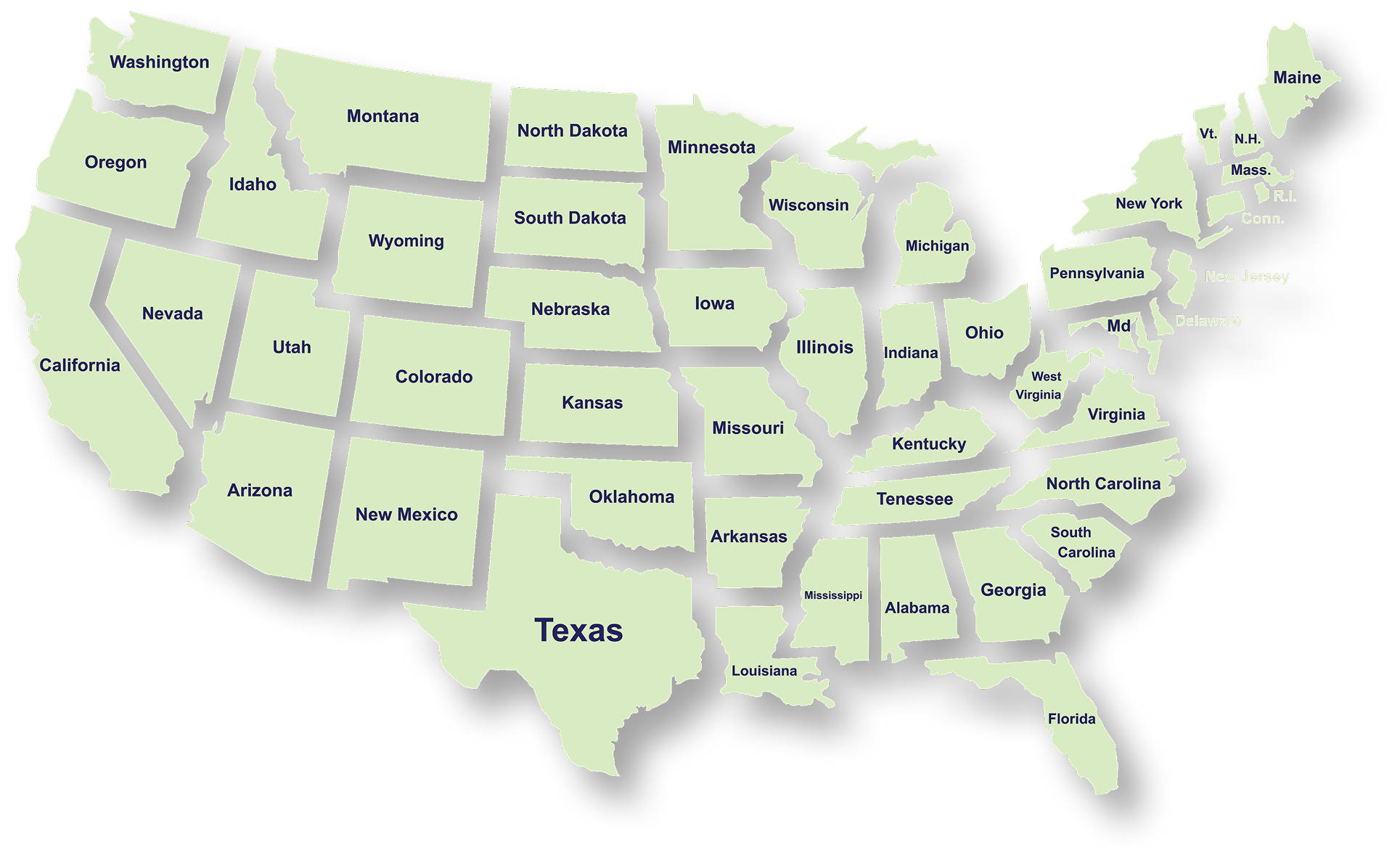
Serving Businesses & Individuals Across USA

We handle accounting, tax filing, and planning with defined timelines and accurate reporting for businesses and individuals across all states.

Frequently Asked Questions

What services does NR CPAs & Business Advisors provide?
What is tax planning and why is it important for businesses?
How can a Virtual CFO help my business?
When should a business consider IRS tax resolution services?
What financial statements does a business typically need?
How can startup advisory services help new businesses?
What is strategic business planning?
What is a Virtual Family Office and who can benefit from it?