Learning Center for Tax and Financial Insights

Stay updated with clear, actionable articles on tax rules, deadlines, deductions, and financial decisions that impact individuals and businesses.

No items found.

What Are the Tax Advantages of Home Ownership?

Article Highlights: Historically Low Interest Rates Purchase Costs Points Mortgage Payments Refinancing Property Taxes Inflation Gain Exclusion Renting Versus Owning Worksheet to Analyze Costs Housing is a big expense for everyone. The choice generally involves either renting or purchasing – and financing that purchase with a home loan. As of November 2020, the nationwide average for a 30-year fixed-rate mortgage was just under 3%, the lowest it has been in the last 50 years or even longer. Many individuals are taking advantage of the historically low rates to buy their first home, sell their existing home to move up to a more expensive one, or refinance their existing mortgage. Some who currently own their homes free and clear are even taking out loans to lock in the low interest rates. This article looks at the tax benefits and drawbacks of buying, financing, and owning a home. Purchase Costs – Purchasing a home includes costs related to escrow, attorney fees in some cases, title insurance, and other fees. Similar expenses may be incurred when refinancing an existing loan. None of these costs are deductible at the time of the purchase or refinance, but generally, they can be added to the home’s cost (its “basis,” in tax lingo) and are deductible when the home is sold. Purchase or refinance costs can also include loan points and property-tax adjustments, but these are not part of the home’s basis because they may be deductible at the time of the purchase or refinance. Points – Points are essentially prepaid interest. Under normal circumstances, points must be amortized (ratably deducted) over the life of a loan. However, per a special tax rule, points that are paid during the purchase of a home are eligible to be deducted in the year of the home’s purchase (provided that the homebuyer uses itemized deductions). However, this rule does not apply to points on VA and FHA loans, as those points are considered fees and are not deductible at the time of purchase. If points are paid on a loan refinance, generally, they will have to be amortized over the length of the loan. Property Taxes – The property-tax payments for an escrow can result in either a credit or a debit, depending on whether the seller has prepaid the property taxes and on the amount of the buyer’s prorated tax share (which is based upon the period of ownership). In some cases, the buyer must prepay the taxes for a bill that will come due shortly after the purchase. Mortgage Payments – Mortgage (loan) payments include both principal and interest. The principal payments pay down the mortgage balance and are not deductible. However, the interest paid on a loan is deductible for taxpayers who itemize their deductions. Almost all of the loan payments for recently purchased homes consist of deductible interest. There is a limit to the amount of deductible interest, however; it is based on the amount of the loan and on when the loan took effect. If a loan is for $750,000 or less and the owner has no other home loans, then all of the interest is deductible. However, this may not be the case if a home loan exceeds $750,000 or if the owner has more than one home loan. If you have any questions regarding the limitations for acquisition loans, please contact this office for details. If you are thinking about refinancing an existing loan, be advised that the interest on a new loan in excess of the existing balance on a loan used to acquire the property won’t be deductible for federal purposes unless the loan proceeds are used to make improvements to the home. In other words, if you take the equity out of your home and don’t use the loan funds to make substantial improvements to the home, then the interest on the equity portion of the loan will not be deductible. The same is true if there is currently no loan on a home you own. Prior to the tax-reform changes that generally became effective in 2018, homeowners who itemized could deduct interest on an equity loan of up to $100,000. Federal law no longer permits equity interest as a deduction, but some states still do allow it. Property Taxes – Property taxes can represent a sizable portion of housing expenses, particularly in states with no income tax. Lenders may require an impound or escrow account; the payments for such an account combine prorated property taxes and homeowner’s insurance costs with monthly mortgage payments. The goal is to prevent substantial lump-sum tax and insurance payments by paying the costs throughout the year. For tax-deduction purposes, only the portion of the property taxes paid directly by the homeowner or transferred from an impound account to the taxing agency during the owner’s calendar year is allowed. This sometimes results in confusion because the amount paid may not match the property tax bill from a real property tax agency that operates on fiscal years. Also, keep in mind that the tax reforms effective through 2025 include a $10,000 annual limit on itemized deductions for costs related to state and local property taxes and either state and local income or sales taxes. Inflation – The costs of both rent and homeownership rise with inflation. Purchasing a home locks in the bulk of housing costs for the foreseeable future. There will still be nondeductible expenses for repairs and maintenance, though. Under normal circumstances, a purchased home will continue to appreciate in value. Gain Exclusion – When selling a home that has been owned and used for at least two out of the preceding five years, single taxpayers can exclude $250,000 of the resulting gain from taxation, and married couples can exclude $500,000 of that gain. An option for those who are handy with tools is to purchase a fixer-upper property in the right neighborhood, fix it up, and sell it for a profit, which can be excluded after owning and living in the property for two years.

Explore More
No items found.

Tax Time is Around the Corner! Are You Ready?

Article Highlights: Time to Gather Your Information New for 2020 Choosing Your Alternatives Tips for Pulling Your Information Together Tax time is just around the corner, and if you are like most taxpayers, you are probably facing the ominous chore of compiling records in preparation for your tax appointment—whether in person, by videoconference or telephone. The difficulty of this task depends upon how well you maintained your tax records throughout the year. No matter how good your record keeping was, being fully prepared for your tax return preparation will give us more time to: Consider every possible legal deduction; Evaluate which income reporting methods and deductions are best suited to your situation; Explore current law changes affecting your tax status; and Talk about tax-planning alternatives that could reduce your future tax liability. New for 2020 – There are a number of new complications this year, including: Required Minimum Distributions (RMDs) – As one of the COVID-19 relief measures enacted by Congress in 2020, individuals were allowed to skip RMDs from their retirement plans and IRAs, but only for 2020. For 2021, RMDs will be required, but due to another law change, the age at which RMDs must begin is now 72, up from 70½. Coronavirus-Related 2020 Distributions – A taxpayer (or their spouse) who was diagnosed with COVID-19; experienced adverse financial consequences as a result of being quarantined, furloughed or laid off; had work hours reduced due to COVID-19; was unable to work due to lack of child care; or had to close or reduce the hours of the business they owned or operated were eligible to take a distribution from their IRA or retirement plan of up to $100,000 in 2020 without an early withdrawal penalty. The tax on the qualified distribution does not have to be paid in full with the 2020 return but can be spread throughout 2020, 2021 and 2022 at one-third per year. Coronavirus Distributions Redeposits - Any amount of a qualified coronavirus distribution can be redeposited to an IRA or qualified plan in one or more recontributions over the 3-year period, beginning the day after the date of the qualified distribution. This provides a way to replenish the retirement account, and the tax already paid on the redeposited amount will be refundable via an amended return for the year in which the tax was paid. IRA Contribution Age Limit – Congress eliminated the age limit of 70½ for making IRA contributions as long as the individual has earned income in the amount of the contribution. However, contributions made by taxpayers age 50 and over are limited to the lesser of $7,000 or the individual’s income from working. Sec 529 Education Savings Account – Changes made by the SECURE Act allow Sec 529 plan funds to be used for Registered Apprentice programs. In addition, up to $10,000 of the 529 plan funds can be used for payment of education loans. Charitable Contributions – For 2020, non-itemizers can deduct up to $300 of cash contributions; for itemizers, the deduction limit for cash contributions has been increased from 60% to 100% of the AGI. Choosing Your Best Alternatives – The tax law allows a variety of methods of handling income and deductions on your return. The choices you make when preparing your return often affect not only the current year but also future returns. Related topics include: Sales of Property – If you sold property in 2020 for which you’re receiving payments on a sales contract over a period of years, you can sometimes choose between reporting the whole gain in the year of the sale or over a period of time as you receive payments from the buyer. Depreciation – You can deduct the cost of your investments in certain business properties. You can either depreciate the cost over a number of years or, in certain cases, deduct them all in one year. Where to Begin – Start preparing for your tax return in January, whether you are going have a face-to-face appointment, meet by videoconference or mail in your information and then have a follow-up telephone discussion. Right after the New Year, set up a safe storage location, such as a file drawer, cupboard or safe. As you receive pertinent records, file them right away, before you forget or lose them. Make this a habit, and you’ll find your job a lot easier on your appointment date or when sending in your material. If you will be receiving source documents electronically, you’ll need to print out a copy of the forms or statements, unless advised otherwise by this office. Other general suggestions include: Segregate your records according to income and expense categories. File medical expense receipts in one envelope or folder, mortgage interest payment records in another, charitable donations in a third, etc. If you receive an organizer or questionnaire to complete before your appointment, fill out every section that applies to you. (Important: Read all explanations and follow the instructions carefully. By design, organizers remind you of transactions you may otherwise miss.) Call attention to any foreign bank account, foreign financial account or foreign trust in which you have an ownership interest, signature authority or controlling stake. We also need to know about foreign inheritances and ownership of foreign assets. In short, bring any foreign financial dealings to our attention so we know if you will have any special reporting requirements. The penalties for not making and submitting required reports can be severe. Beware! The IRS has kept cryptocurrency on its radar and is ramping up enforcement programs. Cryptocurrency (virtual currency) is treated as property, and every time it is sold or used, the gain or loss from the transaction must be computed and reported in the same manner as a stock transaction. If you acquired your health insurance through a government marketplace, you will receive Form 1095-A, issued by the marketplace, which will include information needed to complete your return and determine the amount of your premium tax credit. Include the 1095-A with the other material you bring to your appointment or mail in. If your insurance coverage was through an employer and the employer issued a Form 1095-B, Form 1095-C or substitute form detailing your coverage, include that as well. Keep your annual income statements separate from your other documents (e.g., W-2s from employers; 1099s from banks, stockbrokers, etc.; and K-1s, including instructions and attachments, from partnerships). Be sure to take these documents to your appointment or provide them with the other items you are sending in! Write down your questions as you assemble the material so you don’t forget to ask them at the appointment or include them with the documents being mailed in. Review last year’s return. Compare your income on that return to your income for the current year. A dividend from ABC stock on your prior year’s return may remind you that you sold ABC this year and need to report the sale or that you haven’t yet received the current year’s 1099-DIV form. Make sure you have Social Security numbers for all of your dependents. The IRS checks these carefully and can deny deductions and credits for returns filed without them. Compare deductions from last year with your records for this year. Did you forget anything? Collect any other documents and financial papers that you’re puzzled about. Prepare to bring these to your appointment or include them with the rest of your tax material that you are mailing in so you can ask about them.

Explore More
No items found.

Video: Biden's COVID Relief & Tax Plan

This is an abbreviated summary of President Biden's COVID Relief & Tax Plan. These won't become law until the plan has been passed by Congress. The purpose of the plan is to assist people to fight financial hardships from the pandemic, and the reliefs vary from stimulus payment to additional family leave and tax credits. .embed-container { position: relative; padding-bottom: 56.25%; height: 0; overflow: hidden; max-width: 100%; } .embed-container iframe, .embed-container object, .embed-container embed { position: absolute; top: 0; left: 0; width: 100%; height: 100%; }

Explore More
No items found.

Day Trader Rules and Tax Treatment

Article Highlights: Risky What is a Day Trade? Pattern Day Trader Equity Requirements Margin Trading Tax Implications Day Trading as a Business Day Trading Business Tax Issues Election Day trading is neither illegal nor unethical, but it can be highly risky. Most individual investors do not have the wealth, time, or temperament to make money or sustain the losses that day trading can bring. Day trading in securities is governed by the Securities and Exchange Commission (SEC) Regulation T. Different rules apply for day traders for tax purposes than for SEC governance. What is a “Day Trade”? Financial Industry Regulatory Authority (FINRA) rules define a day trade as the following: The purchasing and selling or the selling and purchasing of the same security on the same day in a margin account. This definition encompasses any security, including options. In addition, a day trade is considered as selling short and purchasing to cover the same security on the same day. Exceptions to this definition include the following: A long security position held overnight and sold the next day prior to any new purchase of the same security; or A short security position held overnight and purchased the next day prior to any new sale of the same security. Pattern Day Trader: If a broker-dealer designates a customer as a “pattern day trader,” FINRA margin rules require the broker-dealer to impose special margin requirements on the customer’s day-trading accounts. A pattern day trader is an individual who executes four or more day trades within five business days, provided that the number of day trades represents more than six percent of the customer’s total trades in the margin account for that same five-day period. Note: This is a minimum requirement, and some brokerage firms have a different standard. Individuals wishing to day trade should check with their brokerage firm’s requirements. Minimum Equity Requirement: The minimum equity requirement for an individual who is a pattern day trader is $25,000. This $25,000 requirement must be deposited into the day trader’s account prior to any day-trading activity and must be maintained at that level at all times. This $25,000 requirement cannot be met by cross guaranteeing separate accounts. Each day-trading account is required to meet the $25,000 requirement independently, using only the financial resources available in that account. If a customer’s account falls below the $25,000 requirement, he or she will not be permitted to day trade until depositing cash or securities into the account to restore the account to the $25,000 minimum equity level. Margin Trading Buying Power: A customer who is designated as a pattern day trader may trade up to four times his or her maintenance margin excess as of the previous day’s close of business for equity securities. If a customer exceeds this day-trading buying power limitation, his or her broker-dealer will issue a day-trading margin call. Customers have five business days to meet their margin call, during which time their day-trading buying power is restricted to two times their maintenance margin excess based on their daily total trading commitment for equity securities. If the customer does not meet the margin call by the fifth business day, the day-trading account will be restricted to trading only on a cash-available basis for 90 days or until the call is met. NOTE: A broker-dealer may impose a higher minimum equity requirement and/or restrict the day-trading buying power to less than four times the day trader’s maintenance margin excess. For additional information regarding the rules for day trading in a portfolio margin account, please see

Explore More
No items found.

Video: Standard Mileage for 2021 Announced

The Internal Revenue Service recently issued the 2021 optional standard cents-per-mile rates for business, medical and moving purposes. Watch this short video to see if the new rates will affect your business. .embed-container { position: relative; padding-bottom: 56.25%; height: 0; overflow: hidden; max-width: 100%; } .embed-container iframe, .embed-container object, .embed-container embed { position: absolute; top: 0; left: 0; width: 100%; height: 100%; }

Explore More
No items found.

COVID-19 Resource Guide: Taxpayers & Small Businesses

During the coronavirus pandemic, it’s our goal to continue supporting the health, safety, and prosperity of our clients in any way we can. In this post, we’ve compiled some key resources for taxpayers and small business owners trying to stay up to date on the latest accurate information from trusted news sources. If you have any questions, please let us know. Helpful Features for Clients During COVID-19 If you’re a current client of ours, we are prepared to continue helping you even in the midst of the COVID-19 crisis. Below are some of the most helpful features we have to continue our secure, virtual engagements with you: Client portal TeleAccountant™ browser-based video meetings (NEW!) Secure file sharing E-Sign Expert-written COVID-19 content to keep you updated on our blog SBA emergency loan information Tax Organizers & Digital Workflows Have any questions? Contact us today.Blogs See all content and resources relating to coronavirus on our blog. Here’s the full list: Interaction between PPP Loans and the Employee Retention Credit cross Video: Biden's COVID Relief & Tax Plan Video: COVID Tax Relief Act Updates 4 Questions Business Owners Should Consider During the 2020 Tax Season How Biden's Rescue Plan Might Impact Your Taxes Video: Second Round of PPP Loans Is Here Congress Has Authorized a Second Round of PPP Loans Charitable Contributions Deduction Liberalized for 2021 Video: How to Address Rising Tax Problems During COVID-19 Finally, The COVID Relief Package Is Law How to Address Rising Tax Problems During COVID-19 Video: COVID Tax Relief Act Is Coming Help Is on the Way - Emergency Coronavirus Relief Agreement Reached Didn't Get Your Economic Impact Payment? You Can Claim It on Your 2020 Return. Video: SBA Questioning PPP Borrowers with Loans Over $2 Million SBA Questioning PPP Borrowers with Loans Over $2 Million Beware of New Text Scam Related to Stimulus Payments The SBA Issues a Simplified PPP Loan-Forgiveness Application Still Waiting for the IRS to Cash Your Check? October’s Extended Due Date Is Fast Approaching Do You Know Unemployment Benefits Are Taxable? If You Are Facing Foreclosure, Here Are Tax Issues You Will Confront Is the Temporary Deferral of Employee Payroll Tax Worth It? How States Are Reshaping Nexus Laws for Remote Employees Due to COVID-19 Individuals Have a New Opportunity to Receive $500 Economic Impact Payments for Their Children Wealth Transition and Succession Planning: Best Practices for Businesses During COVID-19 What President Trump's Executive Order Means for You IRS Cancels Stimulus Checks Issued to Decedents Video: IRS Extended the Deadline to Return Your 2020 RMD How to Protect Yourself Against Coronavirus-Related Fraud Video: How to Make Your PPP Loan Forgivable Charity Volunteer Tax Breaks Big Tax Breaks for Hiring Your Children in the Family Business What Led to Congress Extending the Paycheck Protection Program? Loan Application Period for the Paycheck Protection Program Extended 7 Tips To Keep Your Business Afloat During Covid-19 IRS Provides Additional 2020 RMD Rollover Relief Don't Throw Away That Notice 1444 Video: Watch Out: The Treasury is Sending Some Stimulus Payments by Debit Card The July 15th Deadline Is Fast Approaching, and It Isn’t Just for the 2019 Individual Tax Return Post-Pandemic Trends Shifting the Economy for Small Businesses Everywhere A Novel Way to Make COVID-19 Relief Donations The IRS Is Issuing Some Stimulus Payments by Debit Card; Some Are Being Mistaken as Junk Mail and Thrown Out Congress Liberalizes PPP Loan Forgiveness IRS and Treasury Release the Latest State-By-State Economic Impact Payment Figures Tips to Keep Your Business Afloat During COVID-19 New $3 Trillion Coronavirus Relief Bill Proposed by House Democrats Unraveling the Economic Impact Payment Confusion Delaying Payment of Old Tax Bills Is A Big Mistake Video: The Latest on Missing IRS Rebate Checks Forced to Return to U.S. From a Foreign Job? IRS Has Provided Time Waivers for Exclusion Not All PPP "Forgivable" Loans Will be Forgiving IRS Guidance: PPP Loan Expenses Not Tax-Deductible Video - What the Employee Retention Credit Means to You When Will I Get My Stimulus Check? Unemployed by COVID-19? Special Benefits May Apply to You Paycheck Protection Program and Health Care Enhancement Act: What’s in It? Coronavirus-Related Tax Relief for U.S. Families and Individuals Retirees that Don’t File a Tax Return and Have Dependent Children May Need to Take Action Before Noon April 22 Did You Take Your 2020 RMD Too Soon? Rebates Are Finally Flowing - Did You Get Yours; Was It Correct? Congress Makes Charitable Giving Easier During the COVID-19 Crisis Employer Alert: Families First Coronavirus Response Act Provisions are Mandatory Businesses Score Big Tax Benefits with the CARES Act Video: A Paycheck Protection Loan Might be a Good COVID-19 Emergency Funding Option The IRS Provides Online Tools for Recovery Rebates Full Breakdown: IRS Filing, Payment, and Action Deadlines IRS Extends Over 300 Tax Filing, Payment and Admin Deadlines “Main Street” Loan Program to Support Small to Medium-Sized Businesses Track Your Economic Impact Payment in the New IRS Portal The IRS Starts Issuing Coronavirus Payments April 9th: When Will You Get Your Funds? Employers Can Defer Payroll Taxes Paycheck Protection Program (PPP) Information Sheet: Borrowers Video: Self-Employed Individuals Now Qualify for Unemployment Side-By-Side Comparison of the Paycheck Protection Program and Economic Injury Disaster Loans Live Updates: The Latest COVID-19 News for Taxpayers and Small Business Owners Tax Credit Pays for Keeping Employees on Payroll Self-Employed and Independent Contractors Now Qualify for Unemployment Benefits How Can I File for Unemployment in the United States? Stimulus Legislation Includes SBA Loan Forgiveness Running Low on Money? Congress Has Made it Easier for You to Tap Your Retirement Savings Working from Home During the COVID-19 Outbreak? It Probably Won’t Save You Much on Your Taxes What Does the $2 Trillion Stimulus Package Mean for You? VLOG: IRS Delays Tax Season Filing and Payment Due Dates to July 15 Congress Provides Sick Leave and Child Care Leave Benefits for Employees Q&A: Understanding SBA Disaster Loans and What They Mean for You Can't Pay Your Taxes? Payment Due Date Extended Because of COVID-19 What the April 15 Tax Filing Deadline Extension Means to You The SBA Is Providing Small Business Disaster Loans for Relief During the Coronavirus Outbreak Tax Filing Deadline Delayed to July 15 Beware of Scammers During the COVID-19 Crisis Coronavirus and Taxes: Frequently Asked Questions (FAQ) Families First Coronavirus Response Act: What Employers Need to Know Treasury and IRS Announce 90-Day Delay for Tax Payment Deadline Why You Need a Financial Advisor Even More in Uncertain Times For Taxes In order to best serve our tax clients during these unprecedented times, we want to make sure you’re staying up to date on the latest info from the IRS and other sources. In addition to watching the sources below, we’ll be posting to our blog as legislation passes or anything else changes. We recommend checking on updates from these sources frequently. IRS Get My Payment portal for stimulus payments Note: A Spanish version of Get My Payment is available here. Taxpayer Bill of Rights IRS Newsroom IRS Coronavirus Relief Key news releases: February 8, 2021: New IRS form available for self-employed individuals to claim COVID-19 sick and family leave tax credits under FFCRA February 4, 2021: Educators can now deduct out-of-pocket expenses for COVID-19 protective items January 29, 2021: IRS updates FAQs on paid sick leave credit and family leave credit January 28, 2021: IRS offers guidance to taxpayers on identity theft involving unemployment benefits January 27, 2021: Important reminders before filing 2020 tax returns January 26, 2021: New law extends COVID tax credit for employers who keep workers on payroll January 19, 2021:Employers can withhold, make payments of deferred Social Security taxes from 2020 January 15, 2021: 2021 tax filing season begins Feb. 12; IRS outlines steps to speed refunds during pandemic January 15, 2021: IRS Free File available today; claim Recovery Rebate Credit and other tax credits January 12, 2021: IRS ready for the upcoming tax season; last-minute changes to tax laws included in IRS forms and instructions January 7, 2021: Treasury issues millions of second Economic Impact Payments by debit card January 6, 2021: Eligible Paycheck Protection Program expenses now deductible January 4, 2021: Economic Impact Payments on their way, visit IRS.gov instead of calling December 29, 2020: Treasury and IRS begin delivering second round of Economic Impact Payments to millions of Americans November 9, 2020: IRS reminder to non-filers: Nov. 10 is ‘National EIP Registration Day;’ Community partners can help people sign up for Economic Impact Payment November 5, 2020: Many college students may still qualify for an Economic Impact Payment; review the guidelines and register by Nov. 21 at IRS.gov November 4, 2020: Security Summit partners warn taxpayers of new COVID-related text scam November 2, 2020: IRS makes it easier to set up payment agreements; offers other relief to taxpayers struggling with tax debts October 26, 2020: IRS provides tax inflation adjustments for tax year 2021 October 7, 2020: October 15 deadline nears for taxpayers who requested tax filing extensions October 5, 2020: IRS extends Economic Impact Payment deadline to Nov. 21 to help non-filers September 24, 2020: IRS highlights employer credits for businesses during Small Business Week September 23, 2020: IRS reminds taxpayers of the home office deduction rules during Small Business Week September 17, 2020: IRS releases state-by-state breakdown of nearly 9 million non-filers who will be mailed letters about Economic Impact Payments September 16, 2020: IRS reminds taxpayers who filed an extension that the Oct. 15 due date approaches September 16, 2020: IRS reminds taxpayers and practitioners of expedited letter ruling procedures September 8, 2020: IRS to mail special letter to estimated 9 million non-filers, urging them to claim Economic Impact Payment by Oct. 15 at IRS.gov August 28, 2020: Guidance issued to implement Presidential Memorandum deferring certain employee Social Security tax withholding August 28, 2020: IRS approves temporary use of e-signatures for certain forms August 25, 2020: IRS: 50,000 spouses to get catch-up Economic Impact Payments August 24, 2020: IRS: Deadline to return distributions to retirement accounts is Aug. 31 August 18, 2020: IRS: Unemployment compensation is taxable; have tax withheld now and avoid a tax-time surprise August 18, 2020: 13.9 million Americans to receive IRS tax refund interest; taxable payments to average $18 August 14, 2020: IRS takes new steps to ensure people with children receive $500 Economic Impact Payments July 30, 2020: IRS grants additional relief for rehabilitation credit deadlines July 29, 2020: IRS: New law provides relief for eligible taxpayers who need funds from IRAs and other retirement plans July 28, 2020: IRS issues final regulations and other guidance on business interest expense deduction limitation July 27, 2020: IRS provides guidance on recapturing excess employment tax credits July 20, 2020: IRS advice for those who missed the July 15 deadline, file now to avoid bigger bill July 16, 2020: IRS debunks tax refund myths July 16, 2020: IRS unveils "Dirty Dozen" list of tax scams for 2020; Americans urged to be vigilant to these threats during the pandemic and its aftermath July 15, 2020: IRS is sending letters to those experiencing a delay with advance payment of employer credits July 15, 2020: Where’s My Refund? tool on IRS.gov takes guesswork out of when to expect refunds July 14, 2020: IRS provides additional relief for tax-exempt hospitals: Deadline for completing certain needs assessment requirements moved to Dec. 31 July 14, 2020: IRS reminder: File and pay 2019 business taxes by July 15; 2020 estimated tax also due July 9, 2020: IRA contributions made by July 15 count as 2019 tax deduction July 9, 2020: IRS.gov has answers about filing, paying and July 15 due date July 8, 2020: Treasury, IRS issue guidance on reporting qualified sick and family leave wages paid July 8, 2020: Taxpayers need to resume payments by July 15 July 1, 2020: IRS provides tax relief for the low-income housing credit and bonds for qualified residential rental projects July 1, 2020: IRS unclaimed refunds of $1.5 billion waiting for tax year 2016; taxpayers face July 15 deadline June 29, 2020: Taxpayers should file by July 15 tax deadline; automatic extension to Oct. 15 available June 26, 2020: IRS: July 15 tax payment deadline approaching; plan on scheduling multiple payments now June 23, 2020: IRS announces rollover relief for required minimum distributions from retirement accounts that were waived under the CARES Act June 19, 2020: Relief for taxpayers affected by COVID-19 who take distributions or loans from retirement plans June 17, 2020: IRS outlines changes to health care spending available under CARES Act June 16, 2020: IRS alert: Economic Impact Payments belong to recipient, not nursing homes or care facilities June 12, 2020: Treasury, IRS provide tax relief to investors and businesses affected by COVID-19 in new markets tax credit transactions June 11, 2020: IRS provides guidance on employer leave-based donation programs that aid victims of the COVID-19 pandemic June 8, 2020: IRS warns against COVID-19 fraud; other financial schemes June 4, 2020: IRS provides answers about Coronavirus related tax relief for Qualified Opportunity Funds and investors June 4, 2020: Interest rates decrease for the third quarter of 2020 June 4, 2020: IRS Chief Counsel goes virtual with national Settlement Days; Helps dozens of taxpayers settle their Tax Court cases June 3, 2020: 159 million Economic Impact Payments processed; Low-income people and others who aren’t required to file tax returns can quickly register for payment with IRS Non-Filers tool June 3, 2020: IRS provides relief to retirement plan participants to sign elections remotely June 2, 2020: IRS reminder: June 15 tax deadline postponed to July 15 for taxpayers who live and work abroad May 28, 2020: IRS announces Form 1040-X electronic filing options coming this summer; major milestone reached for electronic returns May 27, 2020: Economic Impact Payments being sent by prepaid debit cards, arrive in plain envelope; IRS.gov answers frequently asked questions May 22, 2020: Treasury, IRS release latest state-by-state Economic Impact Payment figures for May 22, 2020 May 18, 2020: IRS adds phone operators to answer Economic Impact Payment questions May 15, 2020: IRS expands partner materials for Economic Impact Payments; continues sweeping effort to share details in multiple languages May 12, 2020: IRS provides tax relief through increased flexibility for taxpayers in section 125 cafeteria plans May 11, 2020: Why the Economic Impact Payment amount could be different than anticipated May 8, 2020: Act by Wednesday for chance to get quicker Economic Impact Payment; timeline for payments continues to accelerate May 8, 2020: Treasury, IRS release latest state-by-state Economic Impact Payment figures May 7, 2020: IRS: Three new credits are available to many businesses hit by COVID-19 May 5, 2020: IRS retools Settlement Days program in response to COVID-19 pandemic; allows unrepresented taxpayers to settle their cases virtually and reach finality April 28, 2020: Use IRS Non-Filers: Enter Payment Here tool to get Economic Impact Payment; many low-income, homeless qualify April 26, 2020: IRS enhances Get My Payment online application to help taxpayers April 24, 2020: VA, SSI recipients with eligible children need to act by May 5 to quickly add money to their automatic Economic Impact Payment; ‘Plus $500 Push’ continues April 24, 2020: Treasury, IRS deliver 88 million Economic Impact Payments in first three weeks, release state-by-state Economic Impact Payment figures April 21, 2020: Treasury, IRS announce cross-border tax guidance related to travel disruptions arising from the COVID-19 emergency April 20, 2020: SSA, RRB recipients with eligible children need to act by Wednesday to quickly add money to their automatic Economic Impact Payment; IRS asks for help in the "Plus $500 Push" April 17, 2020: Veterans Affairs recipients will receive automatic Economic Impact Payments April 15, 2020: Supplemental Security Income recipients will receive automatic Economic Impact Payments April 15, 2020: Treasury, IRS unveil online application to help with Economic Impact Payments; Get My Payment allows people to provide direct deposit information and gives payment date April 13, 2020: REMINDER: Schedule and pay federal taxes electronically due by July 15 April 10, 2020: Treasury, IRS launch new tool to help non-filers register for Economic Impact Payments April 9, 2020: IRS urges taxpayers to use electronic options; outlines online assistance April 9, 2020: IRS extends more tax deadlines to cover individuals, trusts, estates corporations and others April 2, 2020: IRS issues warning about Coronavirus-related scams; watch out for schemes tied to economic impact payments March 31, 2020: Employee Retention Credit available for many businesses financially impacted by COVID-19 March 30, 2020: Economic impact payments: What you need to know March 21, 2020: Tax Day now July 15 – Treasury, IRS extend filing deadline and federal tax payments regardless of amount owed

Explore More
No results found.
Thank you! Your submission has been received!
Oops! Something went wrong while submitting the form.

Want tax & accounting tips & insights?Sign up for our newsletter.

Thank you! Your submission has been received!
Oops! Something went wrong while submitting the form.

Why Work With Us?

We combine deep tax expertise, financial strategy, and practical business insight to help you manage complexity, stay compliant, and make confident financial decisions.
A dollar sign, representing financial advice or discussion at NR CPAs & Business Advisors.

Experienced CPA and Enrolled Agent Leadership

Guidance led by licensed professionals with deep expertise in tax strategy, compliance, and complex financial matters.
White bar chart with an upward arrow on green circular background representing growth or progress at NR CPAs &. Business Advisors

Support for Growing Businesses and Startups

We understand the financial challenges of growth stage businesses and provide structured guidance to support expansion.
A white hand holding a dollar symbol and ascending bar chart on a green circular background representing financial growth or investment at NR CPAs & Business Advisors..

Strategic Financial Advisory

Our team helps you evaluate financial decisions with greater clarity, supported by practical insights and long term planning.

Fractional CFO Support

Access experienced financial leadership without the commitment and cost of hiring a full time Chief Financial Officer.

Proactive Tax Planning Approach

We focus on identifying tax opportunities throughout the year rather than reacting only during filing season.

Clear and Reliable Financial Reporting

Accurate financial statements and reporting that help you better understand performance and make informed decisions.
White IRS building icon with pillars and a dollar sign above on a green circular background.

Professional IRS Representation

Experienced support in resolving IRS notices, disputes, and compliance matters while protecting your financial interests.

Personalized Client Focus

Every client receives thoughtful attention and tailored financial solutions based on their specific needs and business goals.
Financial matters often involve important decisions. Working with experienced advisors can help you approach them with greater clarity and confidence in your choices.

Need Help With Your Tax or Financial Decisions?

Discuss your situation with our advisors to get clear guidance on tax planning, IRS matters, and the financial decisions ahead.
Business consulting at NR CPAs & Business Advisors.

Request Your Consultation

Fill out the form to discuss your tax concerns, financial questions, or advisory needs with our team. We will review your details and respond shortly.

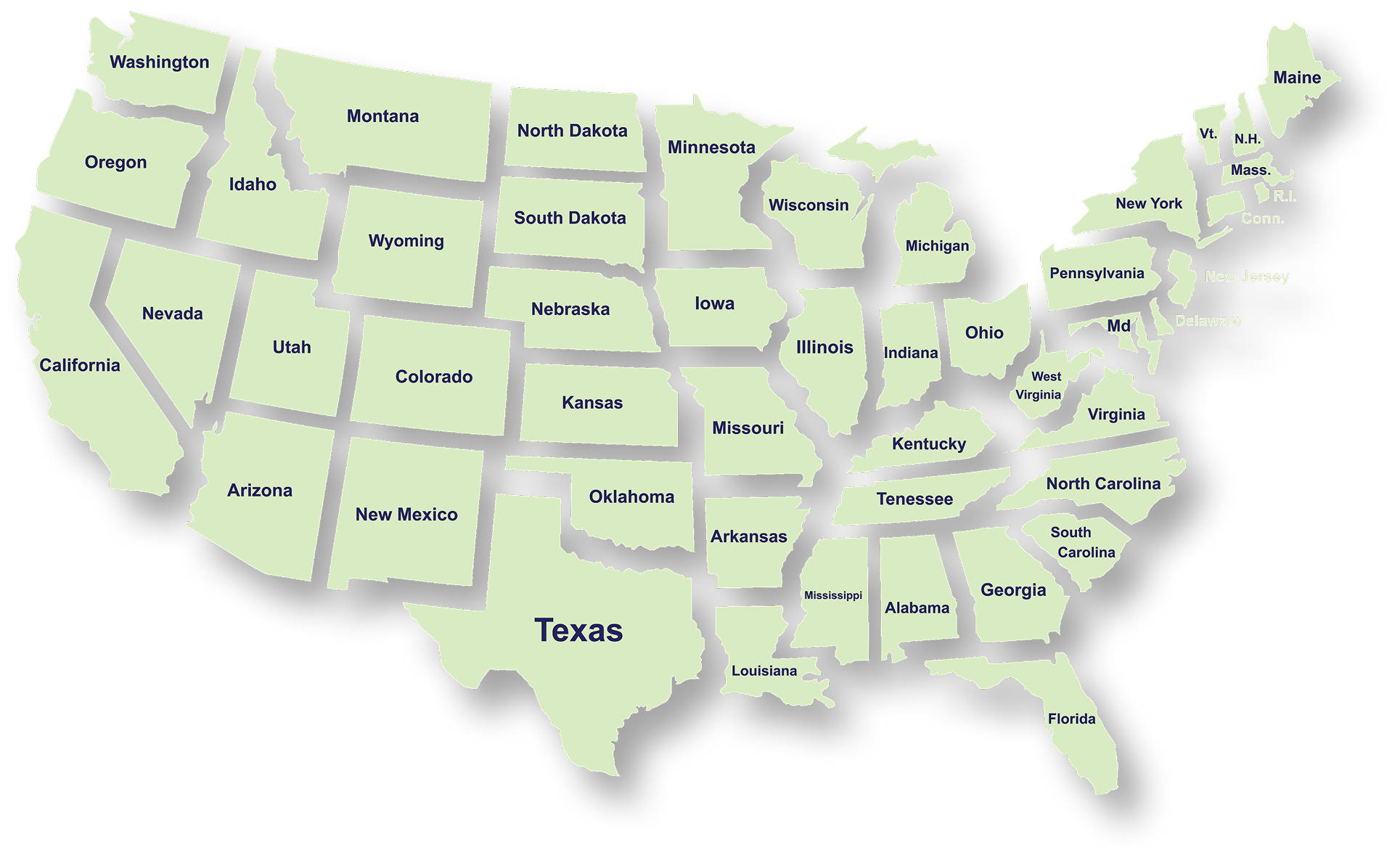
Serving Businesses & Individuals Across USA

We handle accounting, tax filing, and planning with defined timelines and accurate reporting for businesses and individuals across all states.

Frequently Asked Questions

What services does NR CPAs & Business Advisors provide?
What is tax planning and why is it important for businesses?
How can a Virtual CFO help my business?
When should a business consider IRS tax resolution services?
What financial statements does a business typically need?
How can startup advisory services help new businesses?
What is strategic business planning?
What is a Virtual Family Office and who can benefit from it?