Learning Center for Tax and Financial Insights

Stay updated with clear, actionable articles on tax rules, deadlines, deductions, and financial decisions that impact individuals and businesses.

No items found.

Video: Do You Know that Unemployment Benefits Are Taxable?

Many people are unaware that the unemployment aids you receive from federal and state benefits are taxable, leading to a potentially unpleasant outcome on your 2020 tax return. Watch this video to learn more. .embed-container { position: relative; padding-bottom: 56.25%; height: 0; overflow: hidden; max-width: 100%; } .embed-container iframe, .embed-container object, .embed-container embed { position: absolute; top: 0; left: 0; width: 100%; height: 100%; }

Explore More
No items found.

10 Tips for Better Budgeting…

If you already have a budget, it’s probably been difficult for you to stick with it for the last several months. Unless you provide products and/or services that have been in great demand since the COVID-19 pandemic took hold, you’ve had to adjust your budget significantly. Better days are ahead, though, and now is a good time to start doing some planning for 2021. While there are still likely to be uncertainties next year, creating a budget will give you a starting point. A budget increases your awareness of all of your projected income and expenses, which may make it less likely that you’ll find yourself constantly running short on funds. Here are some ways you can make your budgeting process more effective and realistic. Use what you already know. Unless you’re starting a brand-new business, you already have the best resource possible: a record of your past income and expenses. Use this as the basis for your projections. Be aware of your sales cycle. Even if you’re not a seasonal business, you’ve probably learned that some months or quarters are better than others. Budget conservatively for the slower months. Distinguish between essential and non-essential expenses. Enter your budget items for the bills and other expenses that must be covered before you add optional categories. You can use data from a previous year to create a new budget in QuickBooks Online. Keep it simple. Don’t budget down to the last paper clip. You risk budget burnout, and your reports will be unwieldy. Build in some backup funding. Just as you’re supposed to have an emergency fund in your personal life, try to create one for your business. Make your employees part of the process. You shouldn’t be secretive about the expense element of your budget. Try to get input from staff in areas where they have knowledge. Overestimate your expenses, a little. This can help prevent “borrowing” from one budget category to make up for a shortfall in another. Consider using excess funds to pay down debt. Debt costs you money. The sooner you pay it off, the sooner you can use those payments for some non-essential items. Look for areas where you can change vendors. As you’re creating your budget think carefully about each supplier of products and services. Can you find less costly alternatives? Revisit your budget frequently. You should evaluate your progress at least once a month. In fact, you could even start by budgeting for only a couple of months at a time. You’ll learn a lot about your spending and sales patterns that you can use for future periods.

Explore More
No items found.

October 2020 Business Due Dates

October 15 - CorporationsFile a 2019 calendar year income tax return (Form 1120 or 1120-A) and pay any tax, interest, and penalties due. This due date applies only if you timely requested an additional 3-month extension by July 15th.October 15 - Taxpayers with Foreign Financial Interests If you received an automatic 6-month extension of time to report your 2019 foreign financial accounts to the Department of the Treasury, this is the due date for Form FinCEN 114.

Explore More
No items found.

October 2020 Individual Due Dates

October 13 - Report Tips to Employer If you are an employee who works for tips and received more than $20 in tips during September, you are required to report them to your employer on IRS Form 4070 no later than October 13. Your employer is required to withhold FICA taxes and income tax withholding for these tips from your regular wages. If your regular wages are insufficient to cover the FICA and tax withholding, the employer will report the amount of the uncollected withholding in box 12 of your W-2 for the year. You will be required to pay the uncollected withholding when your return for the year is filed. October 15 - Taxpayers with Foreign Financial Interests If you received an automatic 6-month extension of time to report your 2019 foreign financial accounts to the Department of the Treasury, this is the due date for Form FinCEN 114.

Explore More
No items found.

10 Tips for Better Budgeting

If you already have a budget, it’s probably been difficult for you to stick with it for the last several months. Unless you provide products and/or services that have been in great demand since the COVID-19 pandemic took hold, you’ve had to adjust your budget significantly. Better days are ahead, though, and now is a good time to start doing some planning for 2021. While there are still likely to be uncertainties next year, creating a budget will give you a starting point. A budget increases your awareness of all of your projected income and expenses, which may make it less likely that you’ll find yourself constantly running short on funds. Here are some ways you can make your budgeting process more effective and realistic. Use what you already know. Unless you’re starting a brand-new business, you already have the best resource possible: a record of your past income and expenses. Use this as the basis for your projections. Be aware of your sales cycle. Even if you’re not a seasonal business, you’ve probably learned that some months or quarters are better than others. Budget conservatively for the slower months. Distinguish between essential and non-essential expenses. Enter your budget items for the bills and other expenses that must be covered before you add optional categories. You can use data from a previous year to create a new budget in QuickBooks Online. Keep it simple. Don’t budget down to the last paper clip. You risk budget burnout, and your reports will be unwieldy. Build in some backup funding. Just as you’re supposed to have an emergency fund in your personal life, try to create one for your business. Make your employees part of the process. You shouldn’t be secretive about the expense element of your budget. Try to get input from staff in areas where they have knowledge. Overestimate your expenses, a little. This can help prevent “borrowing” from one budget category to make up for a shortfall in another. Consider using excess funds to pay down debt. Debt costs you money. The sooner you pay it off, the sooner you can use those payments for some non-essential items. Look for areas where you can change vendors. As you’re creating your budget think carefully about each supplier of products and services. Can you find less costly alternatives? Revisit your budget frequently. You should evaluate your progress at least once a month. In fact, you could even start by budgeting for only a couple of months at a time. You’ll learn a lot about your spending and sales patterns that you can use for future periods.

Explore More
No items found.

How to File Taxes After Moving to a New State

Moving to a new state can be an awesome new adventure. Whether you are moving for a new job, to be closer to family, to retire, or for some other reason. No matter what takes you to your new residence, you can’t forget about taxes. Here’s what you need to know about filing taxes in your new state as you settle into your new routine. Be Sure to Establish Residency in Your New State Even if you haven’t sold your home or severed all ties with your previous hometown, you will need to make as many connections with your new residence as possible. Be sure to change your mailing address Get your driver’s license and voter registration in your new state Register children for school (if applicable) in your new state Move your personal belongings and family pets to your new home This will help to prove that you have fully moved from the original state and are no longer subject to taxes there as a resident. Cut Ties with Your Previous Jurisdiction If you have a second home in another state or you are still working or doing business in your previous state, you may still qualify as a resident in that state for tax purposes. If you still have ties in your previous state, make sure you understand the residency qualifications so that you can avoid any unexpected surprises at tax time. Determine What Kind of Tax Return Is Required Unless you moved on January 1st of the calendar year, you are likely – at a minimum – a part-year resident of each state.

Explore More
No results found.
Thank you! Your submission has been received!
Oops! Something went wrong while submitting the form.

Want tax & accounting tips & insights?Sign up for our newsletter.

Thank you! Your submission has been received!
Oops! Something went wrong while submitting the form.

Why Work With Us?

We combine deep tax expertise, financial strategy, and practical business insight to help you manage complexity, stay compliant, and make confident financial decisions.
A dollar sign, representing financial advice or discussion at NR CPAs & Business Advisors.

Experienced CPA and Enrolled Agent Leadership

Guidance led by licensed professionals with deep expertise in tax strategy, compliance, and complex financial matters.
White bar chart with an upward arrow on green circular background representing growth or progress at NR CPAs &. Business Advisors

Support for Growing Businesses and Startups

We understand the financial challenges of growth stage businesses and provide structured guidance to support expansion.
A white hand holding a dollar symbol and ascending bar chart on a green circular background representing financial growth or investment at NR CPAs & Business Advisors..

Strategic Financial Advisory

Our team helps you evaluate financial decisions with greater clarity, supported by practical insights and long term planning.

Fractional CFO Support

Access experienced financial leadership without the commitment and cost of hiring a full time Chief Financial Officer.

Proactive Tax Planning Approach

We focus on identifying tax opportunities throughout the year rather than reacting only during filing season.

Clear and Reliable Financial Reporting

Accurate financial statements and reporting that help you better understand performance and make informed decisions.
White IRS building icon with pillars and a dollar sign above on a green circular background.

Professional IRS Representation

Experienced support in resolving IRS notices, disputes, and compliance matters while protecting your financial interests.

Personalized Client Focus

Every client receives thoughtful attention and tailored financial solutions based on their specific needs and business goals.
Financial matters often involve important decisions. Working with experienced advisors can help you approach them with greater clarity and confidence in your choices.

Need Help With Your Tax or Financial Decisions?

Discuss your situation with our advisors to get clear guidance on tax planning, IRS matters, and the financial decisions ahead.
Business consulting at NR CPAs & Business Advisors.

Request Your Consultation

Fill out the form to discuss your tax concerns, financial questions, or advisory needs with our team. We will review your details and respond shortly.

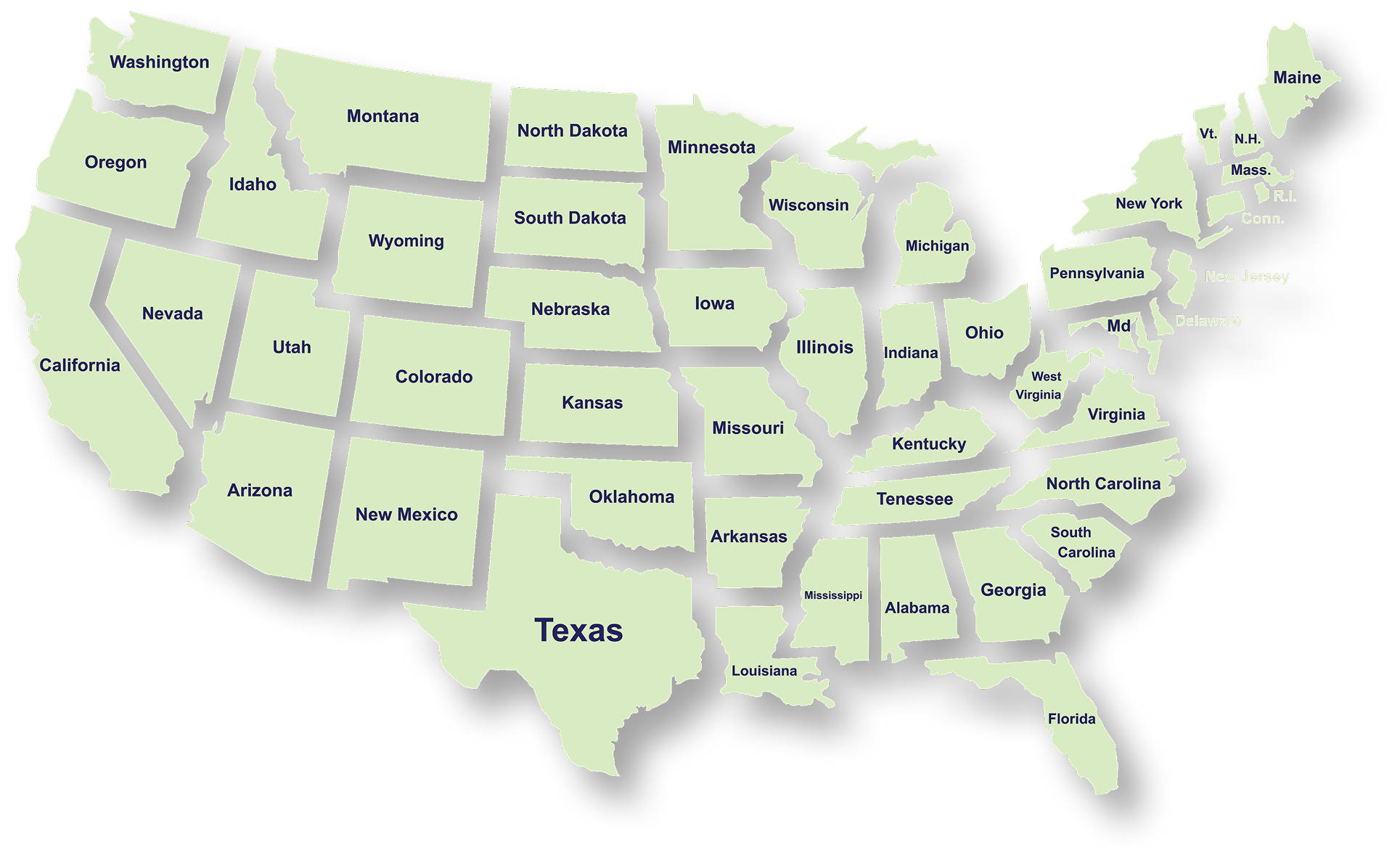
Serving Businesses & Individuals Across USA

We handle accounting, tax filing, and planning with defined timelines and accurate reporting for businesses and individuals across all states.

Frequently Asked Questions

What services does NR CPAs & Business Advisors provide?
What is tax planning and why is it important for businesses?
How can a Virtual CFO help my business?
When should a business consider IRS tax resolution services?
What financial statements does a business typically need?
How can startup advisory services help new businesses?
What is strategic business planning?
What is a Virtual Family Office and who can benefit from it?