Learning Center for Tax and Financial Insights

Stay updated with clear, actionable articles on tax rules, deadlines, deductions, and financial decisions that impact individuals and businesses.

No items found.

Actually, a Recession is a Great Time to Launch That New Startup

It's safe to say that there are a lot of people worried about an impending global recession thanks to the economic slowdown that the ongoing COVID-19 pandemic has brought with it – and your average entrepreneur and startup founder is chief among them. Obviously, it makes sense to assume that with so many people watching what they spend and with so much uncertainty in the air, it's too risky to launch that business of your dreams anytime in the near future. But at the same time, that idea and reality may not line up quite as nicely as you'd think. In fact, some argue that entrepreneurs actually should not worry about a potential recession for the simple reason that the state of the global economy doesn't directly impact startups on a large scale. There are definitely factors that will determine whether or not a startup will succeed, but they have less to do with the coronavirus, with an impending global recession, or with any other large-scale matters than you might think. The Positives of Founding a Startup in a Recession: What You Need to Know One of the major reasons why founding a startup in a recession isn't necessarily the major issue you thought it was going to be has to do with the fact that products and services are generally cheaper during these periods of economic downturn. Smart entrepreneurs aren't scared by this – they're ready and waiting to take advantage of it. While larger companies are looking for any opportunity to retract and shed costs, those struggling businesses will likely sell off a lot of their assets at bargain basement rates. Retailers and other organizations will usually drop their prices in an effort to move as much inventory as possible before it's too late. Interest rates fall to their absolute lowest, meaning that opening new lines of credit (or borrowing money in general) has never been easier. Sure, none of this is exactly positive for those larger organizations – but it's good news for your new startup that couldn't have come along at a better time. Provided that you already have a plan in place, you can save on costs and still bring your vision of the perfect company into reality at the exact same time. Top Talent Will Always Be Looking for Opportunities Along the same lines, your startup will obviously need high quality employees to work for, though depending on the financial side of your business, getting to that point may often feel easier said than done. But in the event that a global recession does occur, this is another one of the major reasons why this could actually be good news for your efforts. As soon as a global recession sets in, those larger companies are going to begin shedding workers – and fast. As unemployment rates rise across the country, it means that there will be a far larger number of qualified, passionate, and talented people available to fill whatever positions you have available. By putting in the effort today to put a strong hiring plan in place, you'll know exactly what type of candidates to go after as soon as they become available. Not only that, but you'll likely be able to secure these people at lower rates than you would have had the job market been stronger in your industry. In fact, a lot of people agree that this is actually a great opportunity to bring in a co-founder to compliment your skill set. Never forget that a big part of your success will ultimately be determined less by what you do and more by who you're able to surround yourself with. If you're able to attract qualified individuals who A) believe in what you're trying to accomplish, and who B) fill in a lot of the skills gaps that you yourself possess, you'll be in a far better position than you otherwise would have been – and earlier on in your company's lifecycle as well. Entrepreneurs Solve Problems. That Will Always Be True (and Necessary) In the end, the same factors that will impact whether a startup can succeed are as true today as they were before any of us had ever heard about the coronavirus. They are and will always involve your founding team and their ability to solve a problem for a paying customer. Starting your business with a qualified, well-balanced, and experienced team is something you simply cannot overstate the importance of. People will always have problems and they will always look to new and innovative companies to help solve them. Yes, the problems may change given what is going on in the world – but the fact that people are looking for real, effective solutions will not. In other words, it's still all about the product-market fit, the same as any other time. If your startup was founded on a genuinely innovative idea that spoke directly to the heart of a universal problem that a lot of people are experiencing, it will find its success. It may take a bit longer in a global recession, sure – but the odds are very much in your favor. Oftentimes, achieving this product-market fit has little to do with wider macroeconomic trends, which is exactly why a recession is probably a far better time to launch your startup than you thought it was going to be. Once you also remember the simple fact that all recessions eventually come to an end – and that those startups that were founded on a stable foundation are in the best position to rebound at that time – you're looking at a very exciting position for any entrepreneur to be in.

Explore More
No items found.

Still Waiting for the IRS to Cash Your Check?

Article Highlights: IRS’s Unopened Mail Backlog Uncashed Checks Dishonored Payment Penalty IRS Relief for Taxpayers During the COVID-19 pandemic, the IRS has furloughed many of its employees or had them work from home to mitigate the spread of the virus. Many IRS offices remained shuttered for months, and a backlog of millions of pieces of unopened mail accumulated in trailers set up outside IRS facilities. This includes unopened mail with payment checks, which creates a problem for many e-filed returns with tax due because the IRS computer shows a tax return filed but no payment made. Because the IRS utilizes a significant amount of automation, its computers began automatically spitting out tax-due notices, including to those who had mailed in payments. While most IRS facilities have reopened and IRS employees have returned to work, it will take them weeks, if not months, to get all of the backlogged mail opened and processed. After receiving complaints from taxpayers and members of Congress, the IRS put information on its website about these outstanding payments: the payments will be posted as of the date when they were received by the IRS, not the date when the Service processes them. In most cases, this will eliminate or minimize penalties and interest for late payments. So, if you mailed a check to the IRS that has yet to clear your bank, with or without a return, the IRS says that you should not cancel or put a stop-payment on the check. However, you should be sure that you have adequate funds in the account from which the check was written, so that the check will clear when the IRS does process it.

Explore More
No items found.

Ready for the 1099-NEC?

Article Highlights: 1099-NEC Has Been Resurrected Non-Employee Compensation Combating Fraudulent Filings Due Dates Form W-9 Penalties 1099 Worksheet The Internal Revenue Service has resurrected a form that has not been used since the early 1980s, Form 1099-NEC (the NEC stands for non-employee compensation). This form will be used to report non-employee compensation in place of the 1099-MISC, which has been used since 1983 to report payments to contract workers and freelancers. Form 1099-MISC has also been used to report rents, royalties, crop insurance proceeds and several other types of income unrelated to independent contractors. The revival of the 1099-NEC was mandated by Congress with the passage of the PATH Act back in 2015. However, there have been some complications with implementing the form, so its use has been delayed. It will now make its return debut in 2021 for payments made in 2020. The reason for the change is to control fraudulent credit claims—primarily for the earned income tax credit (EITC), which is based on earned income from working. Scammers were filing tax returns before the normal February 28 due date for 1099-MISC, which does not give the IRS the time to cross-check the earned income claimed in the returns. As a stopgap measure, 1099-MISC filings that included non-employee compensation were required to be filed by January 31, the same due date as W-2s, another source of earned income. By using the 1099-NEC for non-employee compensation, the IRS will be able to eliminate the problems created by having two filing dates for the 1099-MISC. As a result, the 1099-MISC has also been revised, and Box 7—where non-employee compensation used to be entered—is now a checkbox for “Payer made direct sales of $5,000 or more of consumer products to a buyer (recipient) for resale.” Other boxes after Box 7 have also been reorganized. The 1099-NEC is quite simple to use since it only deals with non-employee compensation, which is entered in Box 1, and there are entries for federal and state income tax withholding. If you operate a business and engage the services of an individual (independent contractor) other than one who meets the definition of an employee, and you pay him or her $600 or more for the calendar year, you are required to issue the individual a Form 1099-NEC soon after the end of the year to avoid penalties and the prospect of losing the deduction for his or her labor and expenses in an audit. The due date for filing a 1099-NEC with the IRS and mailing the recipient a copy of the 1099-NEC that reports 2020 payments is February 1, 2021. (Normally the due date is January 31, but because that date falls on a weekend next year, the due date becomes the next business day, February 1, 2021.) It is not uncommon to have a repairman out early in the year, pay him less than $600, then use his services again later in the year and have the total for the year exceed the $599 limit. As a result, you may have overlooked getting the information from the individual needed to file a 1099 for the year. Therefore, it is good practice to always have individuals who are not incorporated complete and sign an IRS Form W-9 the first time you engage them and before you pay them. Having a properly completed and signed Form W-9 for all independent contractors and service providers eliminates any oversights and protects you against IRS penalties and conflicts. If you have been negligent in the past about having W-9s completed, it would be a good idea to establish a procedure for getting each non-corporate independent contractor and service provider to fill out a W-9 and return it to you going forward. IRS Form W-9, Request for Taxpayer Identification Number and Certification, is provided by the government as a means for you to obtain the vendors’ data you’ll need to accurately file the 1099s. It also provides you with verification that you complied with the law in case a vendor gave you incorrect information. We highly recommend that you have potential vendors complete a Form W-9 prior to engaging in business with them. The W-9 is for your use only and is not submitted to the IRS. The penalties for failure to file the required informational returns are $280 per informational return. The penalty is reduced to $50 if a correct but late information return is filed no later than 30 days after the required filing date or it is reduced to $110 for returns filed after the 30th day but no later than August 1, 2021. If you are required to file 250 or more information returns, you must file them electronically. In order to avoid a penalty, copies of the 1099-NECs you’ve issued for 2020 need to be sent to the IRS by February 1, 2021. They must be submitted on magnetic media or on optically scannable forms (OCR forms). This firm prepares 1099s for submission to the IRS. We provide recipient copies and file copies for your records. Use the 1099 worksheet to provide this office with the information needed to prepare your 1099s.

Explore More
No items found.

October's Extended Due Date Is Fast Approaching

Article Highlights: October 15 extended due date for filing federal individual tax returns for 2019. Late-filing penalty. Interest on tax due. Other October 15 deadlines. Because of the COVID-19 pandemic emergency, the IRS postponed the original due date for filing 2019 returns to July 15, 2020. If you could not complete your 2019 tax return by July 15 and filed a request for additional time to file, that extension expires on October 15, 2020. Failing to file before the extension period runs out may cost you late-filing penalties. There are no additional extensions available (except in designated disaster areas), so if you do not or will not have all of the information needed to complete your return by October 15, please call this office so that we can explore your options for meeting your extended filing deadline. If you are waiting for a K-1 from a partnership, S-corporation or fiduciary return, the extended deadline for those returns is September 15 (September 30 for fiduciary returns); so you should probably make inquiries if you have not received that information yet. Late-filed individual federal returns are subject to a penalty of 5% of the tax due for each month (or part of a month) for which a return is not filed, up to a maximum of 25% of the tax due. If you are required to file a state return and do not do so, the state will also charge a late-file penalty. The filing extension deadline for individual returns is also October 15 for most states. In addition, interest continues to accrue on any balance due, currently at the rate of 3% per year. This rate is subject to quarterly adjustment. If this office is waiting for some missing information to complete your return, we will need that information at least a week before the October 15 due date. Please call this office immediately if you anticipate complications related to providing the needed information so that we can determine a course of action to avoid the potential penalties.

Explore More
No items found.

Do You Know Unemployment Benefits Are Taxable?

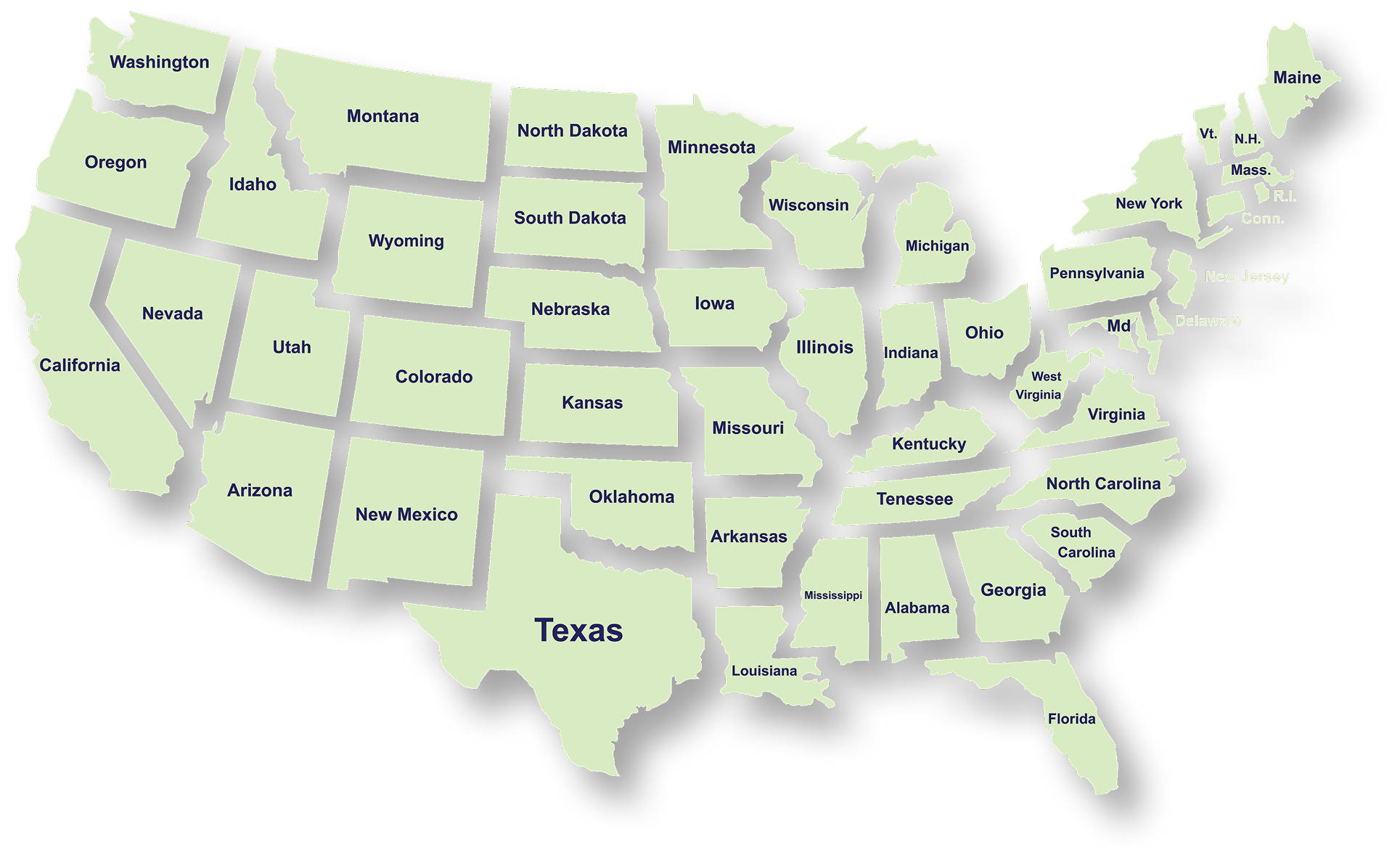
Article Highlights: CARES Act Unemployment Benefits States Taxation of Unemployment Will Unemployment Be Taxable? With the passage of the CARES Act stimulus package earlier this year, the federal government added $600 to the normal state weekly unemployment benefits and increased the number of benefit weeks to a total of 39. In many cases, workers are receiving unemployment benefits for the first time in their lives, and they may not be aware that the benefits are fully taxable for federal purposes. Potentially making matters worse is that most states also tax unemployment benefits. This may come as a surprise with a potentially unpleasant outcome for many when it comes time to file their 2020 tax return next year. Those who received unemployment benefits will be sent a Form 1099-G (Certain Government Payments) from the state that paid the benefits. This tax form shows the amount of unemployment benefits received and the amount of tax withheld, if any. There are several states where unemployment benefits are not taxable. Seven states do not have a state income tax, so obviously, unemployment benefits are not taxable in those states, which are:

Explore More
Personal Finance

Americans Are Being Forced to Tap into Their Retirement Savings During COVID-19

The COVID-19 pandemic has had a devastating financial impact on thousands of Americans across the country. During the second quarter of 2020, the economy contracted by 32%, resulting in millions of taxpayers have filed for unemployment for the first time, but even those monies have not been sufficient to cover living expenses for many. In July, the additional $600 unemployment benefit included in the Coronavirus Aid, Relief and Economic Security Act (CARES Act) came to an end. Americans have started tapping into their retirement funds to help cover the financial gap. More Americans Using Retirement Funds It is estimated that 14% of Americans have already tapped into their retirement savings to help pay for necessary expenses, with an additional 13% planning to do so in the near future. For those nearing retirement, that could cause a delay in their retirement date. The CARES Act provides some relief for those who find it necessary to take a distribution from their retirement accounts during these turbulent times. Here’s what you need to know. Retirement Distributions Ordinarily, distributions from 401(k)s, 403(b)s, traditional IRAs and other qualified retirement plans may usually not be taken prior to age 59 ½ without being subject to penalties. Taxpayers younger than 59 ½ are typically assessed a 10% withdrawal penalty in addition to the income taxes that must be paid on the withdrawn funds. The CARES Act however, provides a provision that allows certain retirement savers to withdraw the funds from their retirement accounts without penalty. According to the CARES Act, taxpayers who are impacted by the coronavirus pandemic may waive the 10% penalty for retirement distributions if they meet some of the following criteria:

Explore More
No results found.
Thank you! Your submission has been received!
Oops! Something went wrong while submitting the form.

Want tax & accounting tips & insights?Sign up for our newsletter.

Thank you! Your submission has been received!
Oops! Something went wrong while submitting the form.

Why Work With Us?

We combine deep tax expertise, financial strategy, and practical business insight to help you manage complexity, stay compliant, and make confident financial decisions.
A dollar sign, representing financial advice or discussion at NR CPAs & Business Advisors.

Experienced CPA and Enrolled Agent Leadership

Guidance led by licensed professionals with deep expertise in tax strategy, compliance, and complex financial matters.
White bar chart with an upward arrow on green circular background representing growth or progress at NR CPAs &. Business Advisors

Support for Growing Businesses and Startups

We understand the financial challenges of growth stage businesses and provide structured guidance to support expansion.
A white hand holding a dollar symbol and ascending bar chart on a green circular background representing financial growth or investment at NR CPAs & Business Advisors..

Strategic Financial Advisory

Our team helps you evaluate financial decisions with greater clarity, supported by practical insights and long term planning.

Fractional CFO Support

Access experienced financial leadership without the commitment and cost of hiring a full time Chief Financial Officer.

Proactive Tax Planning Approach

We focus on identifying tax opportunities throughout the year rather than reacting only during filing season.

Clear and Reliable Financial Reporting

Accurate financial statements and reporting that help you better understand performance and make informed decisions.
White IRS building icon with pillars and a dollar sign above on a green circular background.

Professional IRS Representation

Experienced support in resolving IRS notices, disputes, and compliance matters while protecting your financial interests.

Personalized Client Focus

Every client receives thoughtful attention and tailored financial solutions based on their specific needs and business goals.
Financial matters often involve important decisions. Working with experienced advisors can help you approach them with greater clarity and confidence in your choices.

Need Help With Your Tax or Financial Decisions?

Discuss your situation with our advisors to get clear guidance on tax planning, IRS matters, and the financial decisions ahead.
Business consulting at NR CPAs & Business Advisors.

Request Your Consultation

Fill out the form to discuss your tax concerns, financial questions, or advisory needs with our team. We will review your details and respond shortly.

Serving Businesses & Individuals Across USA

We handle accounting, tax filing, and planning with defined timelines and accurate reporting for businesses and individuals across all states.

Frequently Asked Questions

What services does NR CPAs & Business Advisors provide?
What is tax planning and why is it important for businesses?
How can a Virtual CFO help my business?
When should a business consider IRS tax resolution services?
What financial statements does a business typically need?
How can startup advisory services help new businesses?
What is strategic business planning?
What is a Virtual Family Office and who can benefit from it?