Learning Center for Tax and Financial Insights

Stay updated with clear, actionable articles on tax rules, deadlines, deductions, and financial decisions that impact individuals and businesses.

No items found.

Side-By-Side Comparison of the Paycheck Protection Program and Economic Injury Disaster Loans

There are two different types of government business loans available to help small businesses stay afloat during the coronavirus emergency that are quite different in nature. The Paycheck Protection Program loans provide funding to continue paying employees during the crisis and the Economic Injury Disaster Loans provide vital economic support to help overcome the temporary loss of revenue businesses are experiencing as a result of the COVID-19 pandemic. The table below provides a side-by-side comparison of these loans followed by details of both. PPP – EIDL COMPARISONS Paycheck Protection Program Loan (PPP) Economic Injury Disaster Loan (EIDL) Qualifying Business 500 or fewer employees; Active on 2/15/2020 500 or fewer employees Ineligible Businesses Cannabis, lenders, pyramid, household employers, those with prior SBA defaults and certain criminal activities. Gambling concerns (more than 1/3 income from gambling), all casinos, racetracks, poker parlors, etc. Program Duration Available through 6/30/20 Unknown at this time Max Loan Amount $10 Million $2 Million Borrower Loan Amount 2.5 times average 2019 payroll Decided by SBA based upon need determined by submitted documents. Can project need for one year Payroll/Employee Definition (Does not include independent contractor or payments) All salary, wages, commissions and tips including most benefits, capped at $100K for each employee. Does not include FFCR Act leave payroll. Includes both full-time and part- time employees. Interest Rate 1% 3.75% for Small Business 2.75% for Non-Profits Loan Term 2 Years Up to 30 Years Loan Guarantees or Collateral Required None, other than a borrower certification None for loans of $25,000 or less. Above that determined by SBA depending on circumstances. Loan Advance None $10,000 before loan approval Loan Forgiveness The lessor of the loan amount or the sum of the expenses including payroll, mortgage interest, rent, and utilities paid in the 8-week period following the loan origination date. The $10,000 advance - forgiven at the discretion of the SBA. If a borrower also has a PPP loan, the $10,000 forgiveness will be deducted from the PPP loan forgiveness amount. Forgiveness Reduction Reduced if full head count decreases or salaries are decreased by more than 25% Not applicable Payment Deferral 6 to 12 months Up to 12 months Determined by the SBA Allowable Loan Uses Payroll costs, mortgage interest*, rent/lease payments*, Utilities* including electric, water, telephone, internet. *In place before 2/15/20 Fixed debts, payroll, accounts payable, insurance, interest and other general operating expenses. Not to be used for lost sales or profits or expansion. Coordination with the employee retention credit Makes employee ineligible for the employee retention credit Not applicable (download the PDF version) Paycheck Protection Loans These loans can be forgiven if certain conditions are met. The following are the particulars of Paycheck Protection Loans. The latest guidance issued by the treasury was April 2, 2020. Who Can Apply: To qualify for this program, the business must NOT have more than 500 employees, or the maximum specified by the SBA. There is an exception for accommodation, food services and drinking places with multiple locations where each location cannot have more than 500 employees. Special rules also apply to franchisees. Program Duration: This program is only available through June 30, 2020. However, businesses are encouraged to quickly apply because there is a funding cap of $349 Billion and lenders need time to process the loans. Application Start Dates: o April 3, 2020 – Beginning April 3, small businesses and sole proprietorships can apply for and receive loans to cover their payroll and other certain expenses through existing SBA lenders. o April 10, 2020 – Starting April 10, independent contractors and self-employed individuals can apply for and receive loans to cover their payroll and other certain expenses through existing SBA lenders. Eligibility: Applies to all forms of businesses (except those noted below as ineligible below) including partnerships, corporations, sole proprietorships, tax exempt non-profits, qualified veterans’ organizations and certain tribal businesses. Businesses in certain industries can have more than 500 employees if they meet applicable SBA employee-based size standards for those industries. SBA’s affiliation standards are waived for small businesses (1) in the hotel and food services industries (NAICS code 72); or (2) that are franchises in the SBA’s Franchise Directory; or (3) that receive financial assistance from small business investment companies licensed by the SBA. Ineligible Businesses: The treasury revised the eligibility requirements on April 2, 2020. These mostly mirror the SBA 7(a) borrower requirements. Ineligible businesses include: o Cannabis Companies - engaged in any activity that is illegal under federal, state, or local law” o Lenders - a financial business primarily engaged in lending (pawn shops, although engaged in lending, may qualify in some circumstances). o Prior Defaults on SBA Loans - Companies or their owners that have defaulted on SBA loans or any other federal loan. This includes any business or business owned or controlled by owners that has ever obtained a direct or guaranteed loan from SBA or any other Federal agency that is currently delinquent or has defaulted within the last seven years and caused a loss to the government” o Criminal Activities - Companies who have owner(s) who: (a) are currently indicted or arraigned, or (b) on parole for a criminal charge; or (c) were convicted of a felony within the last five years. o Pyramid Sale Distribution Plans o Household Employers - Individuals who employ household employees such as nannies or housekeepers. Available Loan Amount: Loans can be for up to two months of your average monthly payroll costs from the last year plus an additional 25% of that amount plus any other debt that the SBA approves for refinancing, but not greater than $10 million. Loan Fees and Guarantees: Loan fees are waived, and there are no collateral requirements or personal guarantees. The loan terms are the same for everyone. The lender does receive a fee paid by the government of 5% for loans of not more than $350,000, 3% for loans greater than $350,000 but less than $2 Million and 1% $2 Million or more. Interest Rate: The SBA is quoting a fixed rate of 1.0%. Active Business Requirement: The borrower must have been in business on Feb 15, 2020. Payment Start Date: Deferred during the crisis—6 to 12 months. Loan Due: Any loan amounts not forgiven will be due in 2 years. Certification: A borrower must certify in good faith that: o Current economic uncertainty makes the loan necessary to support ongoing operations. o The funds will be used to retain workers and maintain payroll or to make mortgage, lease, and utility payments. o The borrower has not and will not receive another loan under this program. o The borrower will provide to the lender documentation that verifies the number of full-time equivalent employees on payroll and the dollar amounts of payroll costs, covered mortgage interest payments, covered rent payments, and covered utilities for the eight weeks after getting this loan. o Loan forgiveness will be provided for the sum of documented payroll costs, covered mortgage interest payments, covered rent payments, and covered utilities. Due to likely high subscription, it is anticipated that not more than 25% of the forgiven amount may be for non-payroll costs. o All the information the borrower provides in the application and in all supporting documents and forms is true and accurate. Knowingly making a false statement to get a loan under this program is punishable by law. o The borrower acknowledges that the lender will calculate the eligible loan amount using the tax documents submitted. The borrower affirms that the tax documents are identical to those submitted to the IRS. And it is also understood, acknowledged, and agreed that the lender can share the tax information with the SBA’s authorized representatives, including authorized representatives of the SBA Office of Inspector General, for the purpose of compliance with SBA Loan Program Requirements and all SBA reviews. What Expenses Can the Loan Proceeds Be Used For? – The loan proceeds should be used for the following business expenses: o Payroll costs, including benefits; o Interest on mortgage obligations incurred before February 15, 2020; o Rent, under lease agreements in force before February 15, 2020; and o Utilities, for which service began before February 15, 2020. What Counts as Payroll Costs? - Generally gross payroll costs including salary, wages, commissions, or tips (capped at $100,000 on an annualized basis for each employee): o Salary, wages, commissions, or tips (capped at $100,000 on an annualized basis for each employee); o Payments to Independent contractors are NOT included. o Per SBA/Treasury released April 7, 2020 – the definition of payroll costs are calculated on gross basis with no reduction for federal taxes imposed or withheld as had been previously reported. This supersedes the prior released dated April 2, 2020.o For a sole proprietor or independent contractor: wages, commissions, income, or net earnings from self-employment, capped at $100,000 on an annualized basis for each employee. Not Included in Payroll Cost are: o Compensation to employees whose principal place of residence is outside of the United States. o Qualified sick leave wages for which a credit is allowed under the Families First Coronavirus Response Act or o Qualified family leave wages for which a credit is allowed under the Families First Coronavirus Response Act. Period for Determining Average Payroll Costs - Employers will need to select a pay period in order to determine average monthly payroll costs. o Unless the business is a seasonal business or weren’t in business (and paying employees) on or before February 15, the pay period should be 12 months from the report date. For example, if today were April 2nd, it is recommend the business select a period of April 1, 2019 - March 31, 2020. o Seasonal employers who normally have higher-than-average payroll costs during the months in the “Covered Period” (Feb 15 - June 30) should select a period of Feb 15, 2019 - June 30, 2019. o Any company that wasn’t in business and paying employees by February 15, 2019 will be considered a “new business” and should select a period of January 1, 2020 - February 29, 2020. Loan Forgiveness: The CARES Act provides loan forgiveness for Payroll Protection Loans (limited to the amount of the loan). Forgiveness is based upon the sum of the following expenses paid during the 8-week period after the loan origination date: o Payroll Costs o Mortgage Interest (loans incurred before Feb 15, 2020) o Lease/Rent Payments (in force prior to Feb 15, 2020) o Utilities for Services in Place Before Feb 15, 2020. Includes electric, gas, water, transportation, telephone and internet. Due to likely high subscription, it is anticipated that not more than 25% of the forgiven amount may be for non-payroll costs. A portion of the loan may not be forgiven if the borrower does not maintain staff and pay levels. o Number of Staff: Loan forgiveness will be reduced if the borrower decreases full-time employee headcount. o Level of Payroll: Loan forgiveness will also be reduced if the borrower decreases salaries and wages by more than 25% for any employee that made less than $100,000 annualized in 2019. o Re-Hiring: A borrower has until June 30, 2020 to restore full-time employment and salary levels for any changes made between February 15, 2020 and April 26, 2020. How Loan Forgiveness Is Requested – Submit a request to the lender that is servicing the loan. The request will include documents that verify the number of full-time equivalent employees and pay rates, as well as the payments on eligible mortgage, lease, and utility obligations. The borrower must certify that the documents are true and that the borrower used the forgiveness amount to keep employees and make eligible mortgage interest, rent, and utility payments. The lender must make a decision on the forgiveness within 60 days. Where to apply - Borrowers can apply through any existing SBA lender or through any federally insured depository institution, federally insured credit union, and Farm Credit System institution that is participating. Other regulated lenders will be available to make these loans once they are approved and enrolled in the program. Consult with a local lender as to whether it is participating. Visit www.sba.gov for a list of SBA lenders. What is Needed to Apply – A borrower will need to complete the Paycheck Protection Program loan application and submit the application with the required documentation to an approved lender that is available to process the application by June 30, 2020. Payroll documentation will be required.

Explore More
No items found.

Video: Self-Employed Individuals Now Qualify for Unemployment

Watch this video to learn about the latest changes regarding unemployment and the self-employed. To qualify an individual must self-certify they were unable to work for one or more of 10 specified reasons. .embed-container { position: relative; padding-bottom: 56.25%; height: 0; overflow: hidden; max-width: 100%; } .embed-container iframe, .embed-container object, .embed-container embed { position: absolute; top: 0; left: 0; width: 100%; height: 100%; }

Explore More
No items found.

Paycheck Protection Program (PPP) Information Sheet: Borrowers

In the face of the growing COVID-19 pandemic, Congress has passed the Paycheck Protection Program, a $349 billion effort to support small businesses and facilitate their ability to continue paying their employees through the crisis period. The law authorizes the granting of forgivable loans, all of which will carry the same terms. In order for the amount borrowed to be forgiven, borrowing businesses must meet the following requirements: They must maintain current employment levels and compensation levels The monies borrowed must be used to pay for specific items, including rent or mortgage interest, utility costs, and most importantly payroll costs over the 8 weeks following the granting of the loan In passing the law, Congress is anticipating a very high level of interest and participation, and as the goal of the program is to encourage continued employment, they have mandated that no more than 25% of the amount eligible for forgiveness can be allocated to non-payroll costs. The per employee payroll costs have a maximum amount set at $100,000 annualized. In recognition of the economic challenges ahead, there is a six-month deferral of all loan payments. When does the loan program begin? There will be a staggered start for application of the loans, as follows: Sole proprietor businesses and other small businesses will be able to begin applying for and receiving loans from existing SBA lenders on April 3, 2020. These loans are meant to cover payroll and other specific expenses. Self-employed individuals and independent contractors will be able to begin applying for and receiving loans from existing SBA lenders on April 10, 2020. These loans are meant to cover payroll and other specific expenses. Who will be making these loans? While these loans are initially being offered exclusively through existing SBA lenders, other regulated lenders are pending approval and enrollment. Applications can be submitted through these, as well as any participating federally insured credit union, federally insured depository institution, and any Farm Credit System. For a complete list of participating lenders, visit www.sba.gov. Who is eligible to apply for these loans? The Paycheck Protection Program specifies that businesses with 500 or fewer employees can apply: this broad category includes sole proprietors and self-employed individuals, nonprofit and veterans’ organizations, independent contractors and Tribal business concerns alike. The loans are also available to businesses with more than 500 employees in certain named industries (click HERE for additional detail), depending upon the employee-based size standards that the SBA has established for their industry. Notably, small businesses that are in the hotel and food industry or that are franchises in the SBA’s Franchise Directory will see the affiliation standards set by the SBA waived for this program. The same is true for those receiving financial assistance from small business investment companies licensed by the SBA. Hotel and food industry professionals can click HERE for NAICS code 72 to confirm, while franchises in the directory can click HERE for more information. Application Requirements All applications for loans under the Paycheck Protection Program must include the required documentation and be submitted to approved lenders no later than June 30, 2020 using the application that can be found HERE. Applications must include payroll documentation. In order to expedite receipt of cash that will allow businesses to continue paying their employees, the SBA is waiving the Credit Elsewhere requirement, and all of the related standard requirements that some or all of loan funding comes from other sources. Is there a deadline to apply for this program? The deadline for application to the program is June 30, 2020, but there is a funding cap that may result in it closing earlier. Because of this and the time that will be needed to process each loan, potential borrowers are being encouraged to get their application in sooner rather than later. Can a business take out more than one loan under the Paycheck Protection Program? No. There is only one loan available per organization. Are there restrictions on what the loans can be used for? The loan proceeds are specifically meant to be used for the cost of payroll and benefits, interest on any mortgage obligations or rental/lease agreements that were incurred prior to February 15, 2020, and utilities that had service established prior to the same date. For the purpose of the program, payroll costs are defined as gross salary and wages; commissions and tips up to a maximum annualized basis of $100,000 per employee. For businesses operating as independent contractors or sole proprietors, payroll costs are defined as wages; commissions or income, or net earnings from self-employment up to a maximum annualized basis of $100,000 for each employee. Is there a loan limit? As indicated above the amount of the loan that can be attributed to payroll costs has a maximum of a $100,000 annualized basis for each employee. Beyond that limitation, maximum loan amounts will be based upon up to two months of average monthly payroll costs plus an additional 25 percent. The calculation will be based upon the previous year’s reported payroll, up to a maximum of $10 million. Businesses that are new, seasonal, or that operate on time periods different from the established standard will be able to calculate on other time periods as applicable.

Explore More
No items found.

The IRS Starts Issuing Coronavirus Payments April 9th: When Will You Get Your Funds?

With the impact of the COVID-19 crisis affecting people all over the country, the Internal Revenue Service and the Treasury Department have said that the monies promised to Americans will begin being distributed in the next three weeks, providing a lifeline to those whose financial lives have been upended by the pandemic, and the Washington Post provided a specific timeline for when individuals can expect to receive payment. For most people, the distribution will be automatic and there will be no action required of them. Who does the economic impact payment help? The full $1,200 economic impact payment will be sent to single taxpayers whose adjusted gross income (AGI) did not exceed $75,000 in 2018 or 2019, and $2,400 will be sent to married couples filing joint returns for whom AGI did not exceed $150,000. There will be an additional distribution of up to $500 for each qualifying child. The distributions will be reduced by $5 per $100 above that threshold until single filers reach the limit of $99,000 and joint filers with no children reach the limit of $198,000. People who earn above that point will not receive payments. Individuals who are not required to file a tax return as a result of being railroad retirees or Social Security recipients are also eligible to receive the payment with no action required on their parts. However, for the millions of Americans whose incomes are low enough that they are not required to file a tax return, receipt of the individual stimulus payments will require taking an extra step. The only way that the Internal Revenue Service knows who to send the economic impact payments to is through existing federal tax return records, so if you haven’t filed a tax return in the last couple of years, you may end up needing to submit a basic return for the purpose of ensuring that a check gets sent to you, but the keyword there is “may.” According to information on the IRS website, the agency does not want people rushing to fill out basic tax returns that may not be needed. A notice on the official site reads in part, “People, like low-income taxpayers and some veterans, who generally don’t file or are not required to file should wait,” the IRS states on its website. What will the determination of my economic impact be based on? The primary source of information regarding an individual or couple’s economic impact will be 2019 tax returns for anybody who has already submitted them, but with the April 15th tax due date still in the future, there are many who have not yet submitted their returns. In that case, the IRS will turn to the returns from 2018 to determine eligibility. The bank account referenced on those tax returns will be the one into which the payment will be deposited. The good news is that not having your taxes filed yet doesn’t preclude your receipt of the payment. Economic impact payments will be available for the balance of 2020, so just make sure that you get your tax returns in as quickly as possible, and definitely before year-end. What if I haven’t provided a direct deposit bank account?Not all taxpayers opt to have their refund check deposited directly into their account, and as a result, the economic impact payment may end up being delayed. In recognition of this concern, a a special web portal will be available to allow those in that category to submit the pertinent account information to allow the IRS to get them their payment quickly. The portal is expected by the week of April 13th, and will not only allow an online fix to be made but will also provide a way for taxpayers to check the status of their payment.What is the specific timeline for payments to be made? According to the Washington Post, though payments will begin to be sent out as early as April 9th, there are some taxpayers whose payments will not be sent until September. Those individuals and joint filers who have not provided banking information for direct deposit will be receiving checks rather than automatic payments, and they will not begin to be sent until April 24th. Only about two in ten taxpayers don’t take advantage of direct deposit for their refunds, and the rest — including Social Security recipients — will start receiving payments much sooner, with a spokeswoman for the Treasury Department indicating that between 50 million and 70 million Americans will see their economic impact payments direct deposited by April 15th. According to the newest updates, the Treasury Department is expected to take the first step on Friday, April 10th which involves clearing the payments that will be directly deposited. Banks expect a Treasury Department transmission Friday to confirm the money will reach the correct accounts. The IRS is meant to start processing the payments on Monday, April 13th and direct deposits would show up in recipients’ bank accounts on Wednesday.Those who have not previously submitted their bank information will be able to do so via the aforementioned web portal, and once that information has been received the IRS will prioritize payments for America’s lowest-income Americans using the following schedule:

Explore More
No items found.

How Much Will I Get From the COVID-19 Stimulus Rebate Program?

Watch this video to learn about the different income thresholds and phaseout amounts. The rebate is actually a credit allowed on your 2020 tax return being paid in advance. Learn more. .embed-container { position: relative; padding-bottom: 56.25%; height: 0; overflow: hidden; max-width: 100%; } .embed-container iframe, .embed-container object, .embed-container embed { position: absolute; top: 0; left: 0; width: 100%; height: 100%; }

Explore More
No items found.

Track Your Economic Impact Payment in the New IRS Portal

The IRS is planning to create a new, online portal called “Where’s My Economic Impact Payment” where people can obtain details about their payment from the economic stimulus package and also provide their banking information. Background After the CARES Act passed through Congress, Treasury and the IRS had estimated there would be 171 million rebate payments under the Act and that 101 million of these would have to be paid by paper check (through the mail) unless the IRS received direct deposit information for those recipients before the check was sent. The Treasury Department is expected to take the first step on Friday, April 10th which involves clearing the payments that will be directly deposited. Banks expect a Treasury Department transmission Friday to confirm the money will reach the correct accounts. The IRS is meant to start processing the payments on Monday, April 13th and direct deposits would show up in recipients’ bank accounts on Wednesday.As a refresher, the payments are up to $1,200 for individuals, $2,400 for couples and an extra $500 for children. Additional info can be found here.For those who do not yet have direct deposit information on file with the IRS, there are three options to handle that before a paper check ends up in the mail: For any individuals required to file a 2019 federal tax return who have not done so already – File your 2019 tax return, including all requested bank information on the return. For individuals who are not required to file a federal tax return – File a simple tax form and answer a few questions, including all requested bank information. (Update: The “Non-Filers: Enter Payment Info” form is now available here.) For individuals who already filed their 2018 or 2019 tax return without their banking information – Provide your banking info in a new online portal.

Explore More
No results found.
Thank you! Your submission has been received!
Oops! Something went wrong while submitting the form.

Want tax & accounting tips & insights?Sign up for our newsletter.

Thank you! Your submission has been received!
Oops! Something went wrong while submitting the form.

Why Work With Us?

We combine deep tax expertise, financial strategy, and practical business insight to help you manage complexity, stay compliant, and make confident financial decisions.
A dollar sign, representing financial advice or discussion at NR CPAs & Business Advisors.

Experienced CPA and Enrolled Agent Leadership

Guidance led by licensed professionals with deep expertise in tax strategy, compliance, and complex financial matters.
White bar chart with an upward arrow on green circular background representing growth or progress at NR CPAs &. Business Advisors

Support for Growing Businesses and Startups

We understand the financial challenges of growth stage businesses and provide structured guidance to support expansion.
A white hand holding a dollar symbol and ascending bar chart on a green circular background representing financial growth or investment at NR CPAs & Business Advisors..

Strategic Financial Advisory

Our team helps you evaluate financial decisions with greater clarity, supported by practical insights and long term planning.

Fractional CFO Support

Access experienced financial leadership without the commitment and cost of hiring a full time Chief Financial Officer.

Proactive Tax Planning Approach

We focus on identifying tax opportunities throughout the year rather than reacting only during filing season.

Clear and Reliable Financial Reporting

Accurate financial statements and reporting that help you better understand performance and make informed decisions.
White IRS building icon with pillars and a dollar sign above on a green circular background.

Professional IRS Representation

Experienced support in resolving IRS notices, disputes, and compliance matters while protecting your financial interests.

Personalized Client Focus

Every client receives thoughtful attention and tailored financial solutions based on their specific needs and business goals.
Financial matters often involve important decisions. Working with experienced advisors can help you approach them with greater clarity and confidence in your choices.

Need Help With Your Tax or Financial Decisions?

Discuss your situation with our advisors to get clear guidance on tax planning, IRS matters, and the financial decisions ahead.
Business consulting at NR CPAs & Business Advisors.

Request Your Consultation

Fill out the form to discuss your tax concerns, financial questions, or advisory needs with our team. We will review your details and respond shortly.

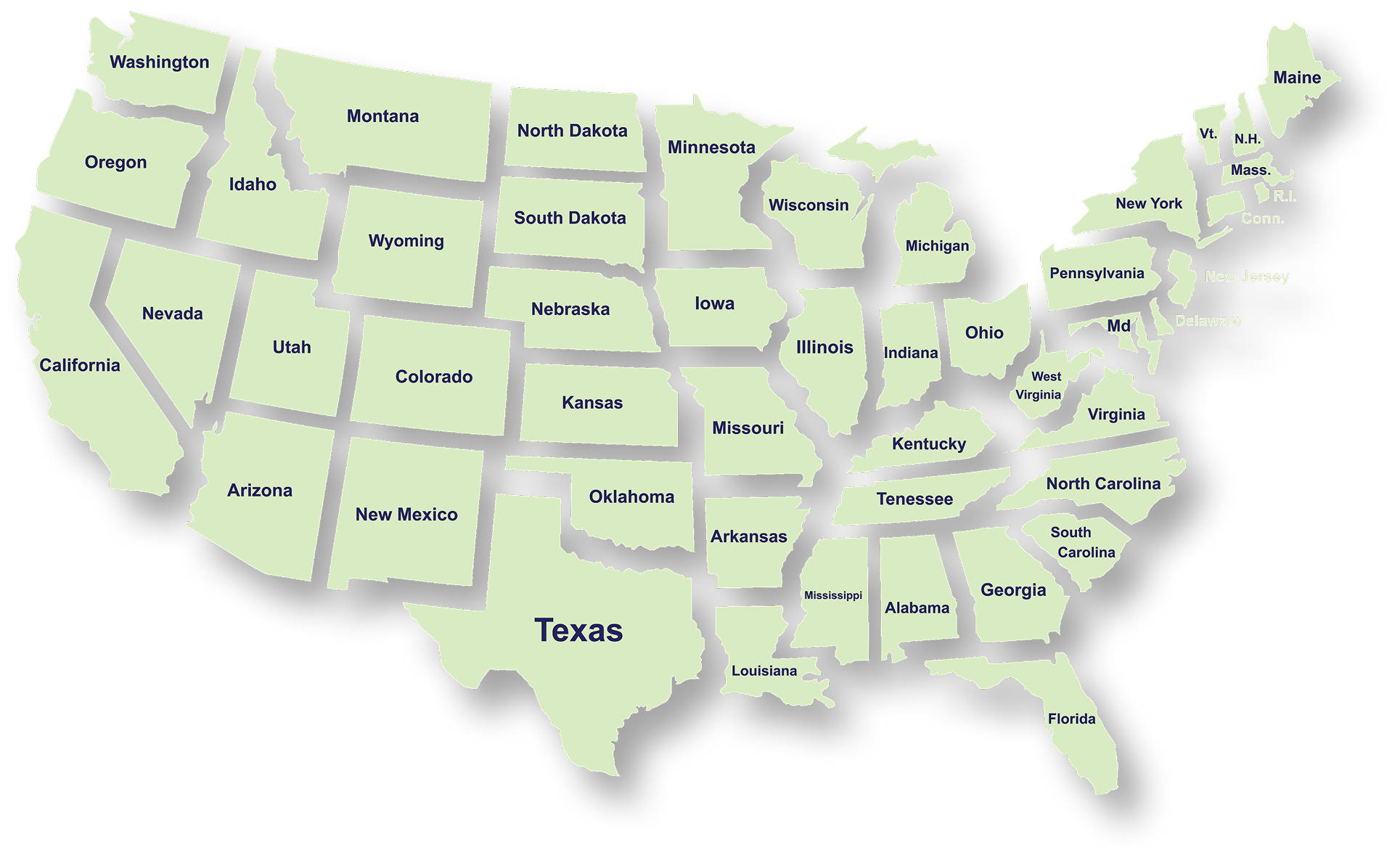
Serving Businesses & Individuals Across USA

We handle accounting, tax filing, and planning with defined timelines and accurate reporting for businesses and individuals across all states.

Frequently Asked Questions

What services does NR CPAs & Business Advisors provide?
What is tax planning and why is it important for businesses?
How can a Virtual CFO help my business?
When should a business consider IRS tax resolution services?
What financial statements does a business typically need?
How can startup advisory services help new businesses?
What is strategic business planning?
What is a Virtual Family Office and who can benefit from it?