Learning Center for Tax and Financial Insights

Stay updated with clear, actionable articles on tax rules, deadlines, deductions, and financial decisions that impact individuals and businesses.

No items found.

Video Retiree Tip: The Starting Age for Required Minimum Distributions (RMDs) has Changed.

Beginning in 2020 the starting date has increased to age 72. Watch the video for more information. .embed-container { position: relative; padding-bottom: 56.25%; height: 0; overflow: hidden; max-width: 100%; } .embed-container iframe, .embed-container object, .embed-container embed { position: absolute; top: 0; left: 0; width: 100%; height: 100%; }

Explore More
No items found.

Where is Estate Tax Going in the Future?

Article Highlights Estate and Gift Tax Lifetime Exclusion Amount Gifting While the LEA is at its Current Level Annual Gift Tax Exclusion Inherited Basis Capital Gains Rates Tax Planning The Tax Cuts and Jobs Act (TCJA, often referred to as tax reform) generally became effective in 2018 and increased the federal estate and gift tax lifetime exclusion amount (LEA) from $5 million per person to $10 million per person. On top of that, the exclusion is annually adjusted for inflation, meaning the LEA for 2020 has been inflation-adjusted to $11.58 million. However, the provisions of TCJA are temporary, and unless Congress makes changes, the exclusion will revert to the pre-TCJA amount of $5 million (estimated to be $6.2 million when adjusted for inflation) beginning in 2026. However, the elections in November, depending on which party comes out on top, could change all that, since several of the current Democratic candidates propose to reduce the LEA, with $3.5 million the amount most often mentioned. Recently, there has also been concern among financial experts and estate attorneys related to what will happen if large gifts are made while the LEA is at the higher lifetime exclusion amount and then the exclusion amount reverts to the pre-TCJA amount. Would those larger gifts become taxable in excess of the lower LEA? Example: In 2020, Joe makes a gift of $8 million to his son. Since the LEA is $11.58 million, Joe would not incur any gift tax liability in 2020; but what will happen in 2026 when the LEA drops back to $5 million (adjusted for inflation)? Will the difference between the $8 million gift made in 2020 and the lower LEA in 2026 trigger a gift tax? How will Joe’s estate tax exemption–generally the amount of his LEA that hasn’t been used to offset taxable gifts during his lifetime–be impacted if he dies after 2025? Example: In 2020, Joe makes a gift of $8 million to his son. Since the LEA is $11.58 million, Joe would not incur any gift tax liability in 2020; but what will happen in 2026 when the LEA drops back to $5 million (adjusted for inflation)? Will the difference between the $8 million gift made in 2020 and the lower LEA in 2026 trigger a gift tax? How will Joe’s estate tax exemption–generally the amount of his LEA that hasn’t been used to offset taxable gifts during his lifetime–be impacted if he dies after 2025? Luckily, the final regulations issued by the IRS provide a special rule that allows an estate to compute its estate tax using the higher of the LEA applicable to gifts made during life or the LEA applicable on the date of death. Thus, making large gifts now won’t harm estates after 2025, something wealthier taxpayers should take into their planning considerations. Gifting While the LEA Is at Its Current Level – So, it may be appropriate for those with larger estates to consider taking advantage of the current larger LEA and make larger gifts before the LEA reverts to lower levels or Congress changes it to a lower amount. Of course, when considering such gifts, one would need to be sure the remaining estate would sustain one’s current lifestyle adequately without undue risk. It is also important that the gifted assets, if not cash, will hold their value so the LEA is not used up on gifting assets that might subsequently decline in value.

Explore More
Personal Finance

Top 5 Financial Retirement Mistakes to Avoid

According to a Northwestern Mutual study, one in three Americans has less than $5,000 in retirement savings. Another 21% of Americans have no retirement savings at all. While most people know that not saving at all is one of the biggest money mistakes in retirement and personal financial planning, there are plenty of other errors you can make, as well. Unfortunately, making mistakes in your retirement planning can cost you thousands of dollars over time. Consider some of the top financial mistakes that the average American makes when planning for retirement. Once you understand the potential error, you can evaluate your finances to determine whether you need to make some changes to avoid these common pitfalls. 1. Failing to Take Full Advantage of Employee Match Contributions to 401(k) One report indicated that Americans are leaving a total of roughly $24 billion in unclaimed 401(k) matches on the table every year. On average, that means that a single person is losing out on an extra $1,336 each year, which is often an extra 2.4% of their annual income. If your employer offers a 401(k) match, it is absolutely in your best interest to take full advantage of that match. Over time, that money can add up to be thousands of dollars in your account, and, with the power of compound interest, that can significantly increase the amount of funds in your account when you retire. 2. Forgetting to Consider Taxes Depending on how you have set up your retirement accounts, there is a good chance that at least some of the income you will receive in retirement is taxable. Some seniors forget that they will need to account for paying Uncle Sam a portion of their retirement funds. For some, that portion can be a significant drain on their tax savings. Keep in mind that most draws from your IRA and 401(k) are subject to income taxes. Many Social Security benefits will be, as well. It may be a good idea to consider Roth plans, which contribute post-tax dollars today so that you do not have to pay taxes on distributions later. 3. Starting Social Security Benefits Too Early Everyone falls into a different age bracket that dictates when they will qualify to take their full amount of Social Security benefits. For example, if you were born between 1943 and 1954, your full Social Security benefits will start at age 66. That number increases if you were born after 1954. For those who were born in 1960 or after, for instance, their full retirement age is 67, rather than 66. You can actually start taking benefits when you reach age 62. The catch is that if your start receiving benefits at age 62, you will not get the top amount that you could obtain, and you are stuck with whatever rate you get when you start if you do not wait to take full benefits. If you begin taking benefits at age 62, for example, the total amount of benefits you receive is reduced by 25%. If you delay taking Social Security as a retiree past your full retirement age, you might also be eligible for delayed credit. This increases the amount of money you can get if you delay, up to age 70. Delaying to age 70 can increase your benefits by nearly 25% in some cases. 4. Cashing Out Your Retirement Accounts When you leave a job, your 401(k) or other retirement savings account should go with you. However, that does not mean that you should cash it out and use the funds. Instead, rolling over the money will keep your retirement savings intact so you can keep taking advantage of compound interest. Rolling over the account also helps you avoid paying extra taxes and penalties. If you cash out too early, you may end up paying a good chunk of the funds to Uncle Sam. You might end up wasting up to 10% of the funds in penalty fees as well. 5. Failing to Have an Emergency Backup Plan Even if you have enough funds for all of your expenses in retirement, you need to also plan for an extra cushion to account for emergency situations. Even if you do not have a chronic health problem now, for example, you may end up being injured or becoming ill, and that can seriously derail the amount of funds you need to keep up with obligations in retirement. Work with our office to discuss how you can build in an extra cushion that will help you deal with the unexpected more effectively.

Explore More
No items found.

Treasury and IRS Announce 90-Day Delay for Tax Payment Deadline

UPDATE: Since this article was published, Treasury Secretary Steven Mnuchin has announced that the tax filing deadline for the 2019 tax year will also be extended by 90 days to July 15, 2020. This is available to everyone and means that taxpayers do not need to file for an extension by April 15th in order to push back their filing date; however, it is still recommended that all taxpayers file as soon as they can, especially if they are due a refund and need the cash in this uncertain time.On Tuesday, Treasury Secretary Steven Mnuchin announced that the deadline for US taxpayers to pay income taxes for 2019 will be pushed back by 90 days in an effort to soften the financial fallout from the coronavirus outbreak. The reprieve applies for up to $1 million in taxes owed, and would cover many pass-through entities and small businesses, he said. He also indicated that corporate filers would receive the three-month extension to pay amounts due on up to $10 million in taxes owed. What does this mean for you? The deadline for timely filed returns is still April 15, 2020, and Mnuchin said the government would encourage those Americans “who can file their taxes to continue to file their taxes on April 15 because for many Americans, you will get tax refunds. We don’t want you to lose out on those tax refunds, we want you to make sure you get them. Many people do this electronically, which is easy for them, and easy for the IRS.”

Explore More
No items found.

Tax Filing Deadline Delayed to July 15

After already extending the due date for tax payments earlier this week to account for the COVID-19 emergency, Treasury Secretary Steven Mnuchin announced in a Tweet on Friday that the deadline for filing tax returns is also being delayed from April 15 to July 15. "At @realDonaldTrump’s direction, we are moving Tax Day from April 15 to July 15. All taxpayers and businesses will have this additional time to file and make payments without interest or penalties." He followed up with a Tweet encouraging “all taxpayers who may have tax refunds to file now to get your money.” In a time of increased financial stress, heightened health concerns, and restrictions on movement, lawmakers and tax preparers alike had been pressuring Mnuchin to delay the tax filing deadline.

Explore More
No items found.

April 2020 Individual Due Dates

April 1 - Last Day to Withdraw Required Minimum DistributionLast day to withdraw 2019’s required minimum distribution from Traditional or SEP IRAs for taxpayers who turned 70½ in 2019. Failing to make a timely withdrawal may result in a penalty equal to 50% of the amount that should have been withdrawn. Taxpayers who became 70½ before 2019 were required to make their 2019 IRA withdrawal by December 31, 2019.April 10 - Report Tips to Employer If you are an employee who works for tips and received more than $20 in tips during March, you are required to report them to your employer on IRS Form 4070 no later than April 10. Your employer is required to withhold FICA taxes and income tax withholding for these tips from your regular wages. If your regular wages are insufficient to cover the FICA and tax withholding, the employer will report the amount of the uncollected withholding in box 12 of your W-2 for the year. You will be required to pay the uncollected withholding when your return for the year is filed. April 15 - Taxpayers with Foreign Financial Interests A U.S. citizen or resident, or a person doing business in the United States, who has a financial interest in or signature or other authority over any foreign financial accounts (bank, securities or other types of financial accounts), in a foreign country, is required to file Form FinCEN 114. The form must be filed electronically; paper forms are not allowed. The form must be filed with the Treasury Department (not the IRS) no later than April 15, 2020 for 2019. An extension of time to file of up to 6 months is automatically allowed. This filing requirement applies only if the aggregate value of these financial accounts exceeds $10,000 at any time during 2019. Contact our office for additional information and assistance filing the form.

Explore More
No results found.
Thank you! Your submission has been received!
Oops! Something went wrong while submitting the form.

Want tax & accounting tips & insights?Sign up for our newsletter.

Thank you! Your submission has been received!
Oops! Something went wrong while submitting the form.

Why Work With Us?

We combine deep tax expertise, financial strategy, and practical business insight to help you manage complexity, stay compliant, and make confident financial decisions.
A dollar sign, representing financial advice or discussion at NR CPAs & Business Advisors.

Experienced CPA and Enrolled Agent Leadership

Guidance led by licensed professionals with deep expertise in tax strategy, compliance, and complex financial matters.
White bar chart with an upward arrow on green circular background representing growth or progress at NR CPAs &. Business Advisors

Support for Growing Businesses and Startups

We understand the financial challenges of growth stage businesses and provide structured guidance to support expansion.
A white hand holding a dollar symbol and ascending bar chart on a green circular background representing financial growth or investment at NR CPAs & Business Advisors..

Strategic Financial Advisory

Our team helps you evaluate financial decisions with greater clarity, supported by practical insights and long term planning.

Fractional CFO Support

Access experienced financial leadership without the commitment and cost of hiring a full time Chief Financial Officer.

Proactive Tax Planning Approach

We focus on identifying tax opportunities throughout the year rather than reacting only during filing season.

Clear and Reliable Financial Reporting

Accurate financial statements and reporting that help you better understand performance and make informed decisions.
White IRS building icon with pillars and a dollar sign above on a green circular background.

Professional IRS Representation

Experienced support in resolving IRS notices, disputes, and compliance matters while protecting your financial interests.

Personalized Client Focus

Every client receives thoughtful attention and tailored financial solutions based on their specific needs and business goals.
Financial matters often involve important decisions. Working with experienced advisors can help you approach them with greater clarity and confidence in your choices.

Need Help With Your Tax or Financial Decisions?

Discuss your situation with our advisors to get clear guidance on tax planning, IRS matters, and the financial decisions ahead.
Business consulting at NR CPAs & Business Advisors.

Request Your Consultation

Fill out the form to discuss your tax concerns, financial questions, or advisory needs with our team. We will review your details and respond shortly.

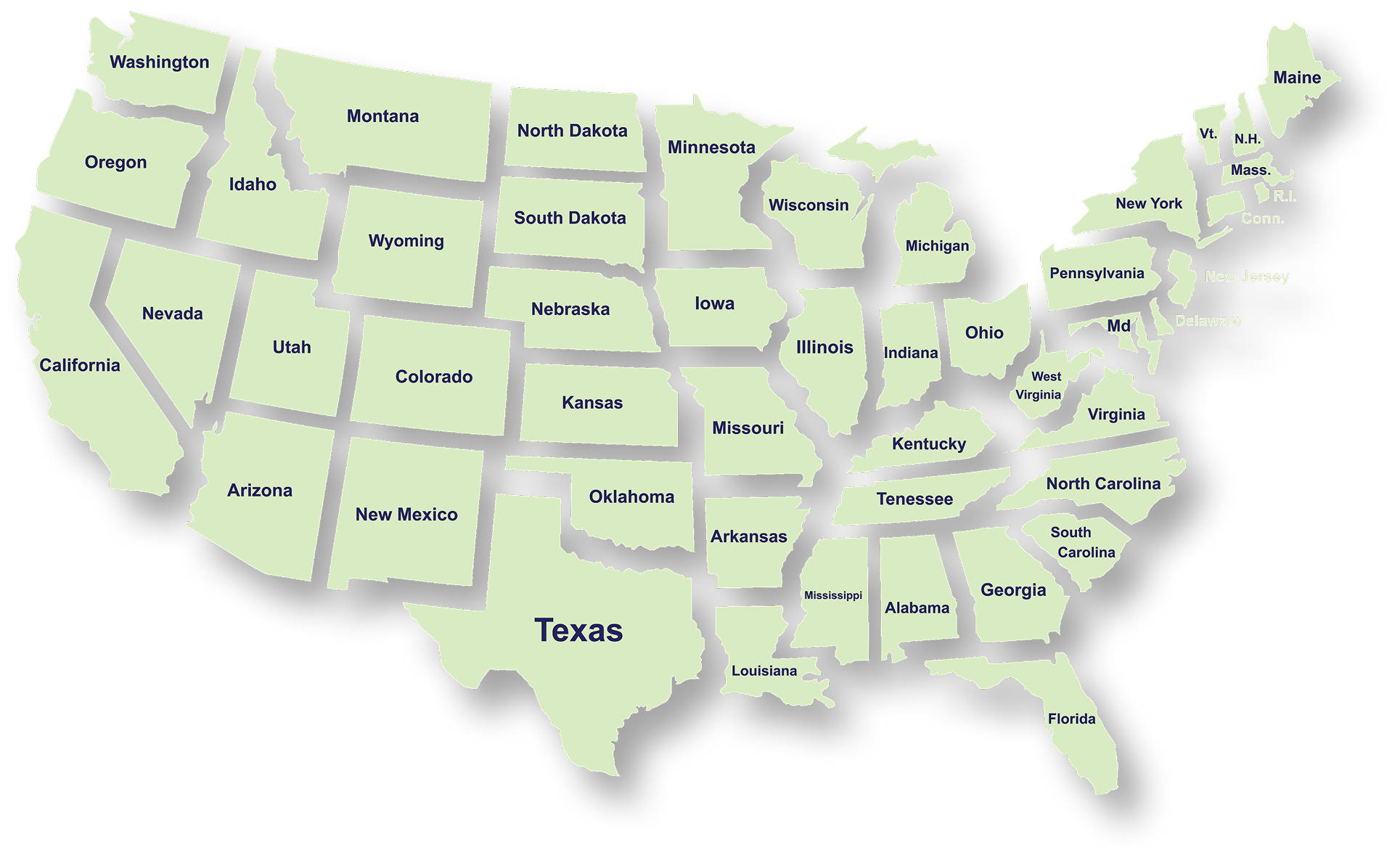
Serving Businesses & Individuals Across USA

We handle accounting, tax filing, and planning with defined timelines and accurate reporting for businesses and individuals across all states.

Frequently Asked Questions

What services does NR CPAs & Business Advisors provide?
What is tax planning and why is it important for businesses?
How can a Virtual CFO help my business?
When should a business consider IRS tax resolution services?
What financial statements does a business typically need?
How can startup advisory services help new businesses?
What is strategic business planning?
What is a Virtual Family Office and who can benefit from it?