Learning Center for Tax and Financial Insights

Stay updated with clear, actionable articles on tax rules, deadlines, deductions, and financial decisions that impact individuals and businesses.

No items found.

Reasons Why Your Small Business Needs an Employee Identification Number

Entrepreneurs often shrug off the idea of obtaining an employer identification number, or EIN, believing that their small business really doesn’t need one. Though there are some cases where a solo business can get away with merely utilizing the business owner’s Social Security Number, doing so is not necessarily the best idea, even if you don’t have plans to hire employees in the future. In almost all instances, having an EIN is a good idea. It provides many benefits that go beyond facilitating the payment of employees. Using an EIN Instead of Your Social Security Number Protects Your Personal Information One of the top benefits offered by an Employee Identification Number is that it can help protect your personal identity. Though you still need to protect your EIN and shouldn’t share it without being certain of how it will be applied, using it for your business means that your personal information will have less exposure. Government forms and documents require an identifier, and the EIN (which is issued by the IRS) can be used on all of these instead of the Social Security Number. Though you can still suffer significant damage if your EIN is stolen, the information that is limited to your business is less sensitive than the information that is connected with your Social Security Number. Both require vigilant protection. If You’re Going to Incorporate, You Need an EIN Immediately incorporating your business makes it into a separate entity, and as such, it needs its own form of identification, especially if you’re going to have employees. Even if you’re considering yourself an employee, you will need to pay yourself a salary, and that means that you will need to collect payroll tax and take other steps that keep you in step with the IRS requirements. This is true whether your entity is established as a corporation, an LLC, and especially as a partnership, as you can’t use two Social Security numbers for filing financial papers. The EIN Has Multiple Applications Having an Employer Identification Number has long-term benefits that go far beyond its initial issuance. In addition to facilitating payroll, it can also be used to apply for all types of credit accounts and bank accounts needed by entities including general partnerships, LLCs, S corporations and sole proprietorships. You’ll need to have that number available for filing to change your business’ entity, for filing your tax returns every year, for setting up financial instruments such as profit-sharing plans, pensions, and retirement plans, and more. Every business is different, and though we encourage all business owners to give serious consideration to obtaining an Employer Identification Number, we know that it may not apply to your situation. Please call this office if have questions related to an Employer Identification Number and your particular circumstances.

Explore More
No items found.

IRS Giving a Break to Some Taxpayers Who Under-prepaid Their 2018 Taxes

Article Highlights: Tax Reform Prepayments W-4 Safe Harbor Payments Penalty Waivers & Exceptions Mitigating the Penalty Taxpayers are required to pre-pay their taxes for any tax year through payroll withholding, estimated tax payments or a combination of the two. Employees and retirees generally accomplish this through withholding, and self-employed individuals and those with investment income by paying quarterly estimated payments. The late-2017 passage of tax reform that became effective for 2018 and its radical changes added considerable confusion for taxpayers trying to determine how much they should prepay for 2018. This confusion was made worse because the existing W-4 that employees complete and that their employers use to determine the correct withholding was designed for prior law and does not work well with the new tax law. As a result, there has been ongoing concern by the IRS that many taxpayers will end up owing tax this year when they file their 2018 returns, even though they got a tax reduction due to the tax reform changes, simply because their pre-payments through withholding and estimated tax payments were not enough. For most of 2018, the IRS was issuing alerts that taxpayers may be under-withheld because of tax reform and the fact the W-4 could no longer be relied upon to produce a correct withholding amount. Taxpayers whose pre-payments are less than certain safe harbor amounts are penalized. Those safe harbors are: 90% of the current year’s tax liability or 100% of the prior year’s tax liability (110% where the prior year AGI is over $150,000 ($75,000 if married and filing separate returns).

Explore More
No items found.

Important - Rental Owners! Guidance Related to the 20% Pass-Through Deduction

Article Highlights: 199A 20% Pass-Through Deduction Rental Safe Harbor Qualifications Books & Records 250 Hours Contemporaneous Record Triple Net Leases Vacation Home Rentals Double-Edged Sword Ever since tax reform was passed, over a year ago, taxpayers have been uncertain whether rental property will be classified as a trade or business for purposes of qualifying for the new IRC Sec 199A 20% pass-through deduction (commonly referred to as the 199A deduction). Finally, on January 18, 2019, the IRS issued a notice which provided “safe harbor” conditions under which a rental real estate activity will be treated as a trade or business for purposes of the 199A deduction. It’s important to note that this notice prescribes several conditions that must be met for a rental real estate enterprise (a tax term introduced by the IRS in this notice) to be deemed to be a trade or business and eligible for the section 199A 20% deduction. For purposes of this safe harbor, a rental real estate enterprise is defined as an interest in real property held for the production of rents and may consist of an interest in multiple properties. Failure of the taxpayer to satisfy the requirements of this safe harbor does not preclude a taxpayer from otherwise establishing that a “rental real estate enterprise” is a trade or business for purposes of section 199A. The following are the requirements that must be satisfied for the safe harbor: Separate books and records must be maintained for each rental real estate enterprise; a. A real estate enterprise can consist of a single or multiple real estate rentals. b. Commercial and residential rentals cannot be combined in the same real estate enterprise. For years prior to 2023, at least 250 hours of rental services must be performed by the taxpayer and workers for the taxpayer for the year in question with reference to each rental real estate enterprise. A three-year lookback rule applies for taxable years for 2023 and following. It specifies that the taxpayer must meet the 250-hour requirement for the rental enterprise for any three of the five prior consecutive taxable years; and The taxpayer must maintain contemporaneous records, including time reports, logs, or similar documents, to document the following: a. hours of all services performed; b. a description of all services performed; c. dates on which such services were performed; and d. who performed the services. Because the safe harbor requirements were issued after the close of 2018, the requirement for contemporaneous records for 2018 will not apply. Rental services that may be counted toward the 250 hour requirement include: (i) advertising to rent or lease the real estate; (ii) negotiating and executing leases; (iii) verifying information contained in tenant applications; (iv) collecting rent; (v) daily operation, maintenance, and repair of the property; (vi) management of the real estate; (vii) purchase of materials for operation such as repairs; and (viii) supervision of employees and independent contractors. However, rental services do NOT include financial or investment management activities, such as arranging financing; procuring property; studying and reviewing financial statements or reports on operations, planning, managing, or constructing long-term capital improvements; or hours spent traveling to and from the real estate. Rental services counted toward the 250 requirement may be performed by owners or employees, agents, and/or independent contractors working for the owners.

Explore More
No items found.

Short-Term Rental, Special Treatment

Article Highlights: Airbnb, VRBO, and HomeAway Rented for Fewer Than 15 Days during the Year The 7-Day and 30-Day Rules Exceptions to the 30-Day Rule Schedule C Reporting With the advent of online sites such as Airbnb, VRBO, and HomeAway, many individuals have taken to renting out their first or second home through these online rental sites, which match property owners with prospective renters. If you are doing that or are planning to do so, there some special tax rules you need to know. These special (and sometimes complex) taxation rules are based upon the length of time you rent your property out and with varying tax outcomes. In some situations, the rental income may be tax-free. In other situations, your rental income and expenses may need to be treated as a business, as opposed to a rental activity. The following is a general synopsis of the rules governing short-term rentals (those rented for average rental periods of 30 days or less). Rented for Fewer Than 15 Days during the Year – When a property is rented for fewer than 15 days during the tax year, the rental income is not reportable, and the expenses associated with that rental are not deductible. Interest and property taxes are not prorated, and the full amounts of the qualified mortgage interest and property taxes are reported as itemized deductions (as usual) on the taxpayer’s Schedule A. The 7-Day and 30-Day Rules – Rentals are generally passive activities. However, an activity is not treated as a rental if either of these statements applies: A. The average customer use of the property is for 7 days or fewer—or for 30 days or fewer, if the owner (or someone on the owner’s behalf) provides significant personal services. B. The owner (or someone on the owner’s behalf) provides extraordinary personal services without regard to the property’s average period of customer use. If the activity is not treated as a rental, then it will be treated as a trade or business, and the income and expenses, including prorated interest and taxes, will be reported on Schedule C instead of Schedule E, the IRS form used to report longer-term real estate rentals. IRS Publication 527 states: “If you provide substantial services that are primarily for your tenant’s convenience, such as regular cleaning, changing linen, or maid service, you report your rental income and expenses on Schedule C.” Substantial services do not include furnishing heat and light, cleaning public areas, collecting trash, and such.

Explore More
No items found.

Getting the W-4 Right Is Important

Article Highlights: W-4 Complications Working Spouse Adjusting Refund Other Income and Tax Issues As they do at the beginning of every year, employers will be requesting employees to complete the IRS Form W-4. Its purpose is to provide employers with the information they need to determine the amount of federal income taxes to withhold from an employee’s paycheck. So, it is very important that the form be completed correctly. The problem is that as simple as the form looks, getting those entries on the form to produce the desired withholding amount can be tricky. The passage of the tax reform added additional complications, and the IRS has delayed a major revision of the W-4 until the 2020 tax year. In the meantime, taxpayers must get along as best they can using the old version of the W-4. Even though the W-4 form itself appears to be simple, the instructions come with an extensive worksheet, which may or may not produce the desired results. In addition, there are other issues to consider, such as: Perhaps you desire to have a substantial refund when your taxes are completed next year. This generally requires custom W-4 adjustments, to produce excessive withholding. Keep in mind: when you have a large refund, you have provided Uncle Sam with an interest-free loan. Your spouse may also work, and your combined incomes may put you in a higher tax bracket. Although the IRS provides a special worksheet for married taxpayers if both spouses work, it may not always provide the desired results. In addition to payroll income, you may also have self-employment income, which is subject to both income tax and self-employment, and so you may require a combination of payroll withholding and estimated tax payments, adding additional complications to the W-4. These are just the tip of the iceberg, as there may be investment income or losses, business losses, tax credits, special deductions and loss carryovers, just to name a few more situations that could impact your tax prepayments and withholding for the year.

Explore More
No items found.

Don't Be a Victim of Cybercrooks

Article Highlights: What They Are After Email Attachments or Links Emails from the IRS Detecting Phony Email Addresses Embedded Hyperlinks Security Software Strong Passwords IRS Phone Calls Educate the Elderly Too Good to Be True Well, here it is: 2019. The holiday season is over, and the season for preparing tax returns is about to begin. But unfortunately, it is also the season for scammers who are out to steal your identity, swindle you out of your money and even file tax returns in your name. All of this can make you poorer, ruin your credit rating, cause financial havoc, and cost you hours upon hours of time trying to straighten out the messes caused by cybercrooks. The best way to prevent your ID from being stolen, your computer from being hacked, or yourself from being tricked by some clever schemer is not to take their bait. These schemers will target you in a number of ways, including through email, regular mail and phone. Each one will try to scare you, appeal to your greedy side or trick you into allowing access to your electronic devices. The most common way for cybercriminals to steal money, bank account information, passwords, credit cards and Social Security numbers is to simply ask for them in an unsuspecting way. Here are a few steps you can take to protect against phishing and other email scams: Be vigilant and skeptical. Never open a link or attachment from an unknown or suspicious source. Even if the email is from a known source, the recipient should approach it with caution. Cybercrooks are good at acting like trusted businesses, friends, family and even the IRS. Emails and other electronic contact from the IRS. If you should receive an email claiming to be from the IRS or directing you to an IRS web site, you should know that the IRS never initiates contact via email. This includes asking for information via text messages and social media channels. The first thing you should do is contact this office. But above all, DO NOT reply to the message, open any attachments (which may contain malicious code that will infect your computer), or click on any links in a suspicious email or phishing website and enter your confidential information. The IRS never asks for detailed personal and financial information like PINs, passwords, or similar secret access information for credit cards, banks, or other financial accounts. The address of the official IRS website is www.irs.gov. Do not be misled by sites claiming to be the IRS but ending in .com, .net, .org, or anything other than .gov. If you discover a website that claims to be the IRS but you suspect it is bogus, do not provide any personal information on the site. Double check the email address. Thieves may have compromised a friend’s email address. They might also be spoofing the address with a slight change in text, such as by using narne@example.com instead of name@example.com. Merely changing the “m” to an “r” and “n” can trick people. Remember that the IRS doesn't initiate spontaneous contact with taxpayers by phone or email to ask for personal or financial information. The IRS does not call taxpayers with aggressive threats of lawsuits or arrests. It is a common tactic for criminals to call, acting as an IRS agent to try collecting a tax bill and threatening to arrest you or have your home seized for payment. These same individuals will sometimes ask you to make payments using a gift card, which the IRS would never do. Don’t click on hyperlinks in suspicious emails. It is common practice for cyber crooks to send out emails asking you to click on an embedded link to update your password or other sensitive information. Legitimate firms would not do that, so be safe and ignore and then delete the email. If the email is from a business or person you deal with and you are concerned, contact the business directly, either through its main webpage or by phone. Also remember that no legitimate business or organization will ask for sensitive financial information by email. Another trick cybercrooks employ is to hack into a friend’s emails and then send you messages asking you to click on an embedded link in the email, which can end up installing malware on your computer. Use security software to protect against malware and viruses found in phishing emails. Some security software can help identify suspicious websites that are used by cybercriminals as well as detect malware on your computer. Use strong passwords to protect online accounts. Experts recommend the use of a passphrase, instead of a password, with a minimum of 10 digits, including letters, numbers, and special characters. But don’t use a family name or birth date, as cybercriminals may already have that information and will try it. Use multi-factor authentication when offered. Two-factor authentication means that in addition to entering a username and password, the user must enter a security code. This code is usually sent as a text to the user’s mobile phone. Even if a thief manages to steal usernames and passwords, it’s unlikely the crook would also have a victim’s phone. Communication from the IRS. If you receive a phone call, fax, or letter from an individual claiming to be from the IRS, you should immediately contact this office before providing any information. You should do this whether you suspect the contact is legitimate or not. You can also contact the IRS at 1-800-829-1040 to determine if the IRS has a legitimate need to contact you. Educate the elderly. The elderly are frequent victims of scammers. If you have elderly family members or friends, take the time to sit down with them and educate them about scammers, email phishing and the like. Too good to be true. One of the tactics used by scammers is fooling you into thinking that you won a foreign lottery or have received a foreign inheritance and that you need to send money before the funds can be transferred. Remember the old adage: “If it is too good to be true, it probably isn’t true.” Report phishing scams. Should you receive a suspicious email, you can help the government fight the cybercrooks by forwarding it to phishing@irs.gov.

Explore More
No results found.
Thank you! Your submission has been received!
Oops! Something went wrong while submitting the form.

Want tax & accounting tips & insights?Sign up for our newsletter.

Thank you! Your submission has been received!
Oops! Something went wrong while submitting the form.

Why Work With Us?

We combine deep tax expertise, financial strategy, and practical business insight to help you manage complexity, stay compliant, and make confident financial decisions.
A dollar sign, representing financial advice or discussion at NR CPAs & Business Advisors.

Experienced CPA and Enrolled Agent Leadership

Guidance led by licensed professionals with deep expertise in tax strategy, compliance, and complex financial matters.
White bar chart with an upward arrow on green circular background representing growth or progress at NR CPAs &. Business Advisors

Support for Growing Businesses and Startups

We understand the financial challenges of growth stage businesses and provide structured guidance to support expansion.
A white hand holding a dollar symbol and ascending bar chart on a green circular background representing financial growth or investment at NR CPAs & Business Advisors..

Strategic Financial Advisory

Our team helps you evaluate financial decisions with greater clarity, supported by practical insights and long term planning.

Fractional CFO Support

Access experienced financial leadership without the commitment and cost of hiring a full time Chief Financial Officer.

Proactive Tax Planning Approach

We focus on identifying tax opportunities throughout the year rather than reacting only during filing season.

Clear and Reliable Financial Reporting

Accurate financial statements and reporting that help you better understand performance and make informed decisions.
White IRS building icon with pillars and a dollar sign above on a green circular background.

Professional IRS Representation

Experienced support in resolving IRS notices, disputes, and compliance matters while protecting your financial interests.

Personalized Client Focus

Every client receives thoughtful attention and tailored financial solutions based on their specific needs and business goals.
Financial matters often involve important decisions. Working with experienced advisors can help you approach them with greater clarity and confidence in your choices.

Need Help With Your Tax or Financial Decisions?

Discuss your situation with our advisors to get clear guidance on tax planning, IRS matters, and the financial decisions ahead.
Business consulting at NR CPAs & Business Advisors.

Request Your Consultation

Fill out the form to discuss your tax concerns, financial questions, or advisory needs with our team. We will review your details and respond shortly.

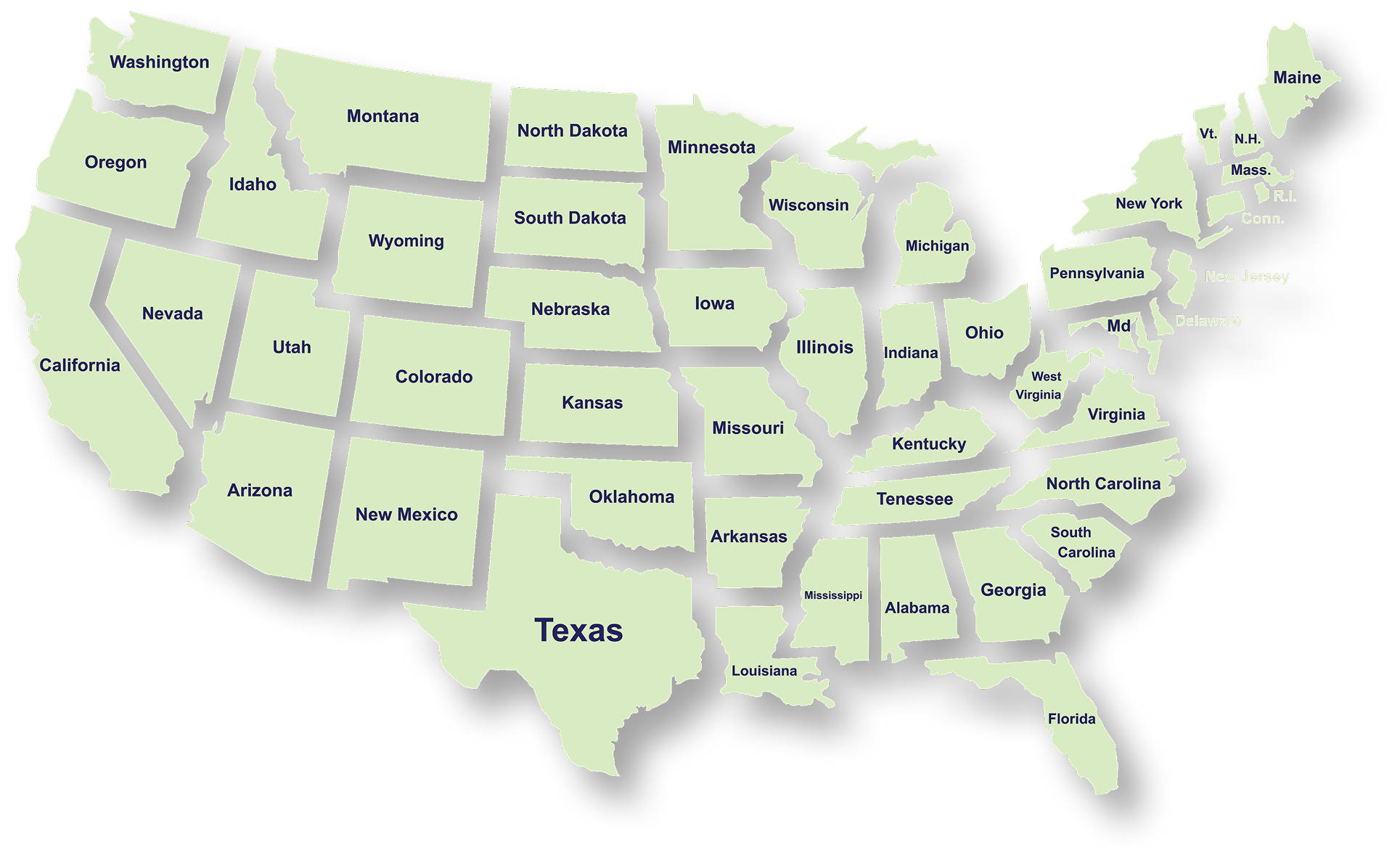
Serving Businesses & Individuals Across USA

We handle accounting, tax filing, and planning with defined timelines and accurate reporting for businesses and individuals across all states.

Frequently Asked Questions

What services does NR CPAs & Business Advisors provide?
What is tax planning and why is it important for businesses?
How can a Virtual CFO help my business?
When should a business consider IRS tax resolution services?
What financial statements does a business typically need?
How can startup advisory services help new businesses?
What is strategic business planning?
What is a Virtual Family Office and who can benefit from it?