Learning Center for Tax and Financial Insights

Stay updated with clear, actionable articles on tax rules, deadlines, deductions, and financial decisions that impact individuals and businesses.

Personal Finance

Millionaires Believe Washington Is the Biggest Threat to the U.S. Economy in 2019

Investments of all types depend on the performance of the U.S. economy. No one can see into the future, of course, but plenty of speculation exists about what is coming. For some, the fear that the economy is slowing is a big factor in realigning investment strategies and capitalizing on taxation. A change is likely in 2019, most expect. Just on December 19, the U.S. Federal Reserve made it clear that it, too, believes the economy is slowing. Though Chairman Jerome H. Powell stated that the economy is still “solid” and “healthy” in his notes, he also noted there were signs it was softening. Though it still plans to increase its benchmark interest rates in 2019 and raised the rate by a quarter-point this month, it was clear to acknowledge a level of uncertainty exists. What’s behind the risk? What could be causing the full-steam-ahead economy to begin to slow? Numerous possibilities exist. Is Washington to Blame? A survey conducted by CNBC puts the blame squarely on Washington and the policies there. The Millionaire Survey, which was conducted by Spectrem Group, showed that many believe the policies in Washington are a big risk. According to the survey, 37 percent of those millionaires responding reported that government dysfunction is their biggest threat to building personal wealth in the year to come. Another 32 percent blamed the stock market’s less-than-stellar recent performance. It’s clear that political lines are drawn. The survey showed 41 percent of responding Republicans believe the economy will continue to grow in the coming year, while only 8 percent of Democrats responded favorably. And, that disparity in itself could be a key factor in Washington’s inability to work together. Political dysfunction, along with growing government debt, could be key concerns for the economy in the year to come, according to the report. The survey provides a few other key factors. For example, about half of those polled believe the S&P 500 will be up 5 percent or more in 2019. A full 20 percent believe it will be flat. And, 37 percent expect to see returns between 4 and 5.9 percent over the next year. Trade Wars Dragging On Though President Donald J. Trump continues to make statements about the current state of affairs, it is clear that the ongoing trade wars with China will play a role in the strength of the U.S. economy in the coming year as well. Another survey, this time conducted by the Wall Street Journal, showed that the trade war with China is the biggest concern for 2019. This survey, which polled economists in the U.S., found that 47.3 percent believe that the ongoing conflict with China is the biggest risk for 2019. The survey also found 20 percent of economists believe the financial market disruptions are a key factor. And, many stated that a slowdown in the economy was likely. Finding a Conclusion: What’s to Come? What does this mean for investors and those planning to build wealth in the coming year? It’s clear there is looming trouble ahead. Promises of a resolution, negotiations and even a truce have surfaced in the last few weeks in regards to the U.S.–China trade war, and expectations are there will be a lasting impact. Washington will see significant changes, as well, as new representatives are sworn into place in the new year. The only promise here is that individual investors will need to put more attention and care into their portfolio and tax-planning strategies to minimize any impact of a downturn in the economy as the year plays on. This could become a critical factor for many.

Explore More
No items found.

6 Common Small Business Accounting Problems That Are Killing Your Growth

If you’re a small business owner, you want your organization to do far more than survive: you want it to thrive! Unfortunately, to make sure that customers are happy and the lights stay on there are a lot of details that need attention, and some end up being overlooked. The intricacies of accounting are neither sexy nor fun, and most business owners don’t have the training or background that’s needed for this vital area of operations. To help make sure that you’re doing everything you can to maximize your profitability and fiscal responsibility, here’s a list of the six most common accounting problems small businesses encounter. By addressing each, you’ll go a long way toward assuring your business’ success and growth. 1. Not Using Accounting Software There are a lot of benefits to using accounting software, and the most obvious of these is that if you try to do all of the necessary calculations by hand, you’re at risk for making a small mistake that can lead to a giant headache. There is a fantastic selection of software available — it may even feel overwhelming when you first begin doing the research – but if you take your time, read reviews and look for something that is designed to meet the needs of your particular type of business, you’re sure to end up satisfied. If you’re not sure what to look for, use this checklist of minimum requirements: Sales tracking Financial statements, cash flow statements and balance sheet Generating Invoices Contacts management and contact history tracking Budget planning Account to accept credit card payments Inventory management Payrolls Taxation 2. Not Knowing How to Use the Software That You Have It may seem funny, but the second most common mistake that small business owners make in terms of accounting is also about accounting software – it’s having the software in-house but not using it, not using it the right way, or not really knowing how to use it. Like the treadmill that sits in the corner of your bedroom and slowly becomes something to throw your clothes over, having invested in accounting software and then not actually using it (or using it the right way) is a reason for regret, and so much more beyond that. When you’re not using your software the right way, you leave yourself vulnerable to making accounting mistakes. More importantly, you end up taking far too much time on bookkeeping tasks that it could do for you quickly and efficiently. Most of the packages available come with tutorials, but if you need help, contact an accounting professional and ask them to run through

Explore More
No items found.

Resolve to Do These 3 Things in QuickBooks Online This Month

Tis the season for making resolutions and setting goals. Try exploring these three areas to dig deeper into QuickBooks Online. By now, many New Year’s resolutions have already been made. Though they’re usually created with the best of intentions, they’re often just too ambitious to be realistic. For example, you might decide to learn more about QuickBooks Online and keep up with your accounting chores more conscientiously in 2019. That’s hard to quantify. How will you know if you achieved that goal? Instead, why not pick three (or more) specific areas and focus on them this month? We’ll get the ball rolling for you by making some suggestions. Explore the QuickBooks Online mobile app: Yes, QuickBooks Online itself is already mobile; you can access it from any computer that has an internet connection and browser. But you probably don’t always lug a laptop around when you’re away from the office, and you’re sometimes at locations where using it wouldn’t be practical. But you can always pull out your smartphone and fire up the QuickBooks online app, available for both iOS and Android. No matter how small your smartphone (this image was captured on an iPhone SE), you can still do your accounting tasks using QuickBooks Online’s app. QuickBooks Online’s app replicates a surprising percentage of the features found on the browser-based version. You can create, view, and edit invoices, estimates, and sales receipts for example, as well as see abbreviated customer and vendor records. Your product and service records are available there, including tools for recording expenses on the road. Create a budget for one month: Budgets are intimidating. That’s one reason why some small businesses don’t create them. So instead of trying to estimate what your income and expenses will be for an entire fiscal year, just build a budget for one month. In QuickBooks Online, you’d click the gear icon in the upper right, then select Budgeting. Click Add budget in the upper right to open the New Budget window. Give it a name, like “February Budget,” and select FY2019. Leave the Interval at Monthly, and open the Pre-fill data? menu to click on Actual data – 2018 (if you have data from last year). Then click Create Budget in the lower right corner. Look at last year’s February numbers and estimate how they might change in 2019. Replace the old numbers with your new ones.

Explore More
No items found.

Do I Qualify for an IRS Offer in Compromise?

If you're facing outstanding tax debt that you cannot pay, you may want to consider looking into an Offer in Compromise from the IRS. Specifically, an Offer in Compromise is an option offered from the IRS to qualifying individuals that allows them to settle tax debt for less than what they actually owe. Unfortunately, there seem to be a lot of misunderstandings about Offers in Compromise; many people falsely believe that these are seldom accepted by the IRS. In reality, it is estimated that the current acceptance rate is over 40%, with the average dollar amount of a settlement reaching more than $10,000. If you're worried about your inability to pay tax debt, knowing the basic qualifications of an IRS Offer in Compromise and what to expect from the application process can be extremely helpful moving forward. How to Know if You Qualify Generally, there are three factors that are considered by the IRS when somebody applies for an Offer in Compromise. Most commonly, the IRS must have a belief that you will not be able to pay your tax debt off at any point in the near future. This means that your financial situation is probably not going to improve anytime soon and that the IRS would not likely be successful in forcing collections on you. At the end of the day, the IRS needs to believe they are getting a fair deal - so if you have any potential to pay your debt at any point in the near future, you may not qualify. You might also qualify for an Offer in Compromise if there is doubt as to your actual tax liability; if you have documentation proving that you owe less in taxes than the IRS believes to be true, or if an assessor has made a mistake on your reporting, you may be more likely to have an Offer in Compromise accepted by the IRS. Finally, if paying your tax bill would create a significant financial hardship, you may also qualify for an Offer in Compromise. Of course, proving financial hardship can sometimes be a challenge. In addition to all of these considerations, there are several other eligibility requirements that you must meet in order to qualify for an Offer in Compromise: You must pay the application fee You must have filed all of your required tax returns You cannot be going through a bankruptcy at the time of filing You must submit all required documentation What to Expect From the Process One of the most complicated aspects of going through the application process for an IRS Offer in Compromise is filling out and submitting all the required paperwork. There are several documents you may need to complete to even be considered for an Offer in Compromise, including: IRS Form 433-A - this form requires information on your assets, liabilities, expenses, and income to determine your Reasonable Collection Potential. IRS Form 433-B - this form needs to be filled out for businesses applying for an Offer in Compromise. IRS Form 656 - use this form to apply for an Offer in Compromise so long as there are no doubts as to your tax liability. IRS Form 656-L - use this form to apply if you are disputing your tax liability to the IRS.

Explore More
No items found.

Will Gifts Now Using the Temporarily Increased Gift-Estate Exclusion Harm Estates after 2025?

Article Highlights: Annual Gift Exclusion Unified Gift-Estate Exclusion Tax Reform’s Temporary Exclusion Increase Taxpayer-Friendly Regulations Individuals with large estates generally want to gift portions of their estate to beneficiaries while they are still living, to avoid or lessen the estate tax when they pass away. That can be done through annual gifts (up to the inflation-adjusted annual limit for each gift recipient each year – $15,000 for 2019) and/or by utilizing the unified gift-estate exclusion for gifts in excess of the annual exclusion amount. The tax reform virtually doubled the unified gift-estate exclusion for years 2018 through 2025, after which – unless further extended by Congress – it will return to its inflation-adjusted former amount. This has caused concerns related to what the tax consequences will be for post-2025 estates if the decedent, while alive, had made gifts during the 2018-through-2025 period utilizing the higher unified gift-estate exclusion. Would that cause a claw back due to the reduced exclusion? The Treasury Department has proposed taxpayer-friendly regulations to implement changes made by the tax reform, the 2017 Tax Cuts and Jobs Act (TCJA). As a result, individuals planning to make large gifts between 2018 and 2025 can do so without concern that they will lose the tax benefit of the higher exclusion level for those gifts once the exclusion decreases after 2025.

Explore More
No items found.

2019 Standard Mileage Rates Announced

Article Highlights: Standard Mileage Rates for 2019 Business, Charitable, Medical and Moving Rates Important Considerations for 2019 Switching between the Actual Expense and Standard Mileage Rate Methods Employer Reimbursements Employee Deductions Suspended Special Allowances for SUVs The Internal Revenue Service (IRS) computes standard mileage rates for business, medical and moving each year, based on a number of factors, to determine the standard mileage rates for the following year. As it does annually around the end of the year, the IRS has announced the 2019 optional standard mileage rates. Thus, beginning on Jan. 1, 2019, the standard mileage rates for the use of a car (or a van, pickup or panel truck) are: 58 cents per mile for business miles driven (including a 26-cent-per-mile allocation for depreciation). This is up from 54.5 cents in 2018; 20 cents per mile driven for medical or moving* purposes. This is up from 18 cents in 2018; and 14 cents per mile driven in service of charitable organizations. * For years 2018 through 2025, the deduction for moving is only allowed for members of the armed forces on active duty who move pursuant to a military order. The business standard mileage rate is based on an annual study of the fixed and variable costs of operating an automobile. The rate for medical and moving purposes is based on the variable costs determined by the same study. The rate for using an automobile while performing services for a charitable organization is statutorily set (it can only be changed by Congressional action) and has been 14 cents per mile for 20 years). Important Consideration: The 2019 rates are based on 2018 fuel costs. Based on the potential for substantially higher gas prices in 2019, it may be appropriate to consider switching to the actual expense method for 2019 or at least to keep track of the actual expenses, including fuel costs, repairs and maintenance, so that the option is available for 2019. Taxpayers always have the choice of calculating the actual costs of using their vehicle for business rather than using the standard mileage rates. In addition to the potential for higher fuel prices, the extension and expansion of the bonus depreciation as well as increased depreciation limitations for passenger autos in the Tax Cuts and Jobs Act may make using the actual expense method worthwhile during the first year when a vehicle is placed into business service. However, the standard mileage rates cannot be used if you used the actual method (using Section 179, bonus depreciation and/or MACRS depreciation) in previous years. This rule is applied on a vehicle-by-vehicle basis. In addition, the business standard mileage rate cannot be used for any vehicle used for hire or for more than four vehicles simultaneously. Employer Reimbursement – When employers reimburse employees for business-related car expenses using the standard mileage allowance method for each substantiated employment-connected business mile, the reimbursement is tax-free if the employee substantiates to the employer the time, place, mileage and purpose of the employment-connected business travel. The Tax Cuts and Jobs Act eliminated employee business expenses as an itemized deduction, effective for 2018 through 2025. Therefore, employees may no longer take a deduction on their federal returns for unreimbursed employment-related use of their autos, light trucks or vans. Members of a reserve component of the U.S. Armed Forces, state and local government officials paid on a fee basis and certain performing artists continue to be allowed to deduct unreimbursed employee travel expenses, including the business standard mileage rate, because they are deductible from gross income rather than as an itemized deduction. Faster Write-Offs for Heavy Sport Utility Vehicles (SUVs) – Many of today’s SUVs weigh more than 6,000 pounds and are therefore not subject to the limit rules on luxury auto depreciation. Taxpayers who purchase a heavy SUV and put it into business use in 2019 can utilize both the Section 179 expense deduction (up to a maximum of $25,500) and the bonus depreciation (if the Section 179 deduction is claimed, it must be applied before the bonus depreciation) to produce a sizable first-year tax deduction. However, the vehicle cannot exceed a gross unloaded vehicle weight of 14,000 pounds. Caution: Business autos are 5-year class life property. If the taxpayer subsequently disposes of the vehicle before the end of the 5-year period, as many do, a portion of the Section 179 expense deduction will be recaptured and must be added back to the taxpayer’s income (self-employment income for self-employed individuals). The future ramifications of deducting all or a significant portion of the vehicle’s cost using Section 179 should be considered. If you have questions related to the best methods of deducting the business use of your vehicle or the documentation required, please give this office a call.

Explore More
No results found.
Thank you! Your submission has been received!
Oops! Something went wrong while submitting the form.

Want tax & accounting tips & insights?Sign up for our newsletter.

Thank you! Your submission has been received!
Oops! Something went wrong while submitting the form.

Why Work With Us?

We combine deep tax expertise, financial strategy, and practical business insight to help you manage complexity, stay compliant, and make confident financial decisions.
A dollar sign, representing financial advice or discussion at NR CPAs & Business Advisors.

Experienced CPA and Enrolled Agent Leadership

Guidance led by licensed professionals with deep expertise in tax strategy, compliance, and complex financial matters.
White bar chart with an upward arrow on green circular background representing growth or progress at NR CPAs &. Business Advisors

Support for Growing Businesses and Startups

We understand the financial challenges of growth stage businesses and provide structured guidance to support expansion.
A white hand holding a dollar symbol and ascending bar chart on a green circular background representing financial growth or investment at NR CPAs & Business Advisors..

Strategic Financial Advisory

Our team helps you evaluate financial decisions with greater clarity, supported by practical insights and long term planning.

Fractional CFO Support

Access experienced financial leadership without the commitment and cost of hiring a full time Chief Financial Officer.

Proactive Tax Planning Approach

We focus on identifying tax opportunities throughout the year rather than reacting only during filing season.

Clear and Reliable Financial Reporting

Accurate financial statements and reporting that help you better understand performance and make informed decisions.
White IRS building icon with pillars and a dollar sign above on a green circular background.

Professional IRS Representation

Experienced support in resolving IRS notices, disputes, and compliance matters while protecting your financial interests.

Personalized Client Focus

Every client receives thoughtful attention and tailored financial solutions based on their specific needs and business goals.
Financial matters often involve important decisions. Working with experienced advisors can help you approach them with greater clarity and confidence in your choices.

Need Help With Your Tax or Financial Decisions?

Discuss your situation with our advisors to get clear guidance on tax planning, IRS matters, and the financial decisions ahead.
Business consulting at NR CPAs & Business Advisors.

Request Your Consultation

Fill out the form to discuss your tax concerns, financial questions, or advisory needs with our team. We will review your details and respond shortly.

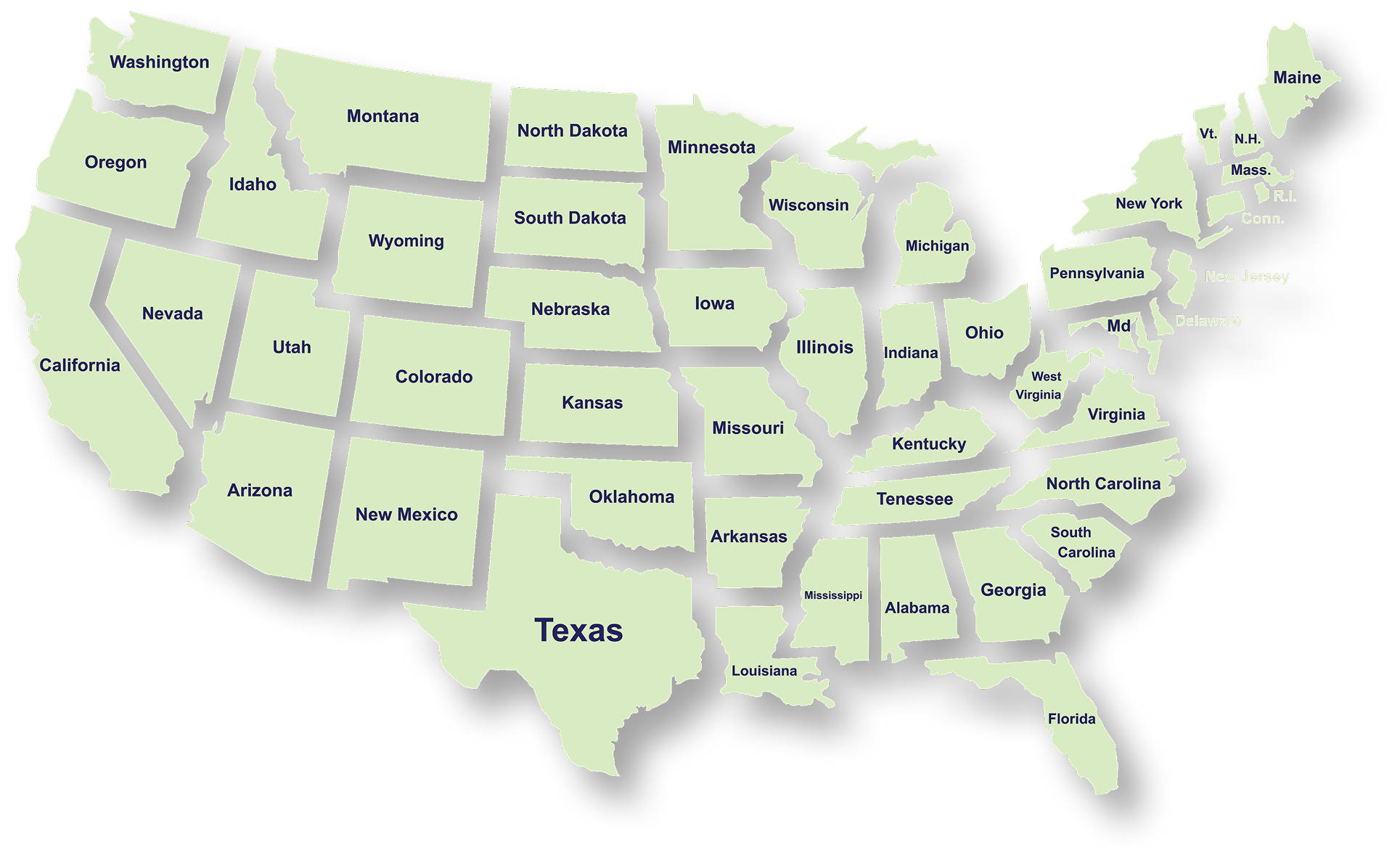
Serving Businesses & Individuals Across USA

We handle accounting, tax filing, and planning with defined timelines and accurate reporting for businesses and individuals across all states.

Frequently Asked Questions

What services does NR CPAs & Business Advisors provide?
What is tax planning and why is it important for businesses?
How can a Virtual CFO help my business?
When should a business consider IRS tax resolution services?
What financial statements does a business typically need?
How can startup advisory services help new businesses?
What is strategic business planning?
What is a Virtual Family Office and who can benefit from it?