Learning Center for Tax and Financial Insights

Stay updated with clear, actionable articles on tax rules, deadlines, deductions, and financial decisions that impact individuals and businesses.

No items found.

Congress Removes IRA Contribution Age Restriction

Article Highlights: Appropriations Act of 2020 Age Limit Repeal Contribution Limits Compensation Higher Income Taxpayer Deduction Phase-Out Spousal IRA Contribution Timing On December 20, 2019, President Trump signed into law the Appropriations Act of 2020, which included a number of tax law changes, including retroactively extending certain tax provisions that expired after 2017 or were about to expire, a number of retirement and IRA plan modifications, and other changes that will impact a large portion of U.S. taxpayers as a whole. This article is one of a series of articles dealing with those changes and how they may affect you. In the past, unlike Roth IRAs, which have no age restriction associated with making a contribution, taxpayers were unable to make a traditional IRA contribution in and after the year they reached the age of 70½. This is primarily because a Roth IRA contribution is not tax deductible, while a traditional IRA is, unless it is phased out for higher income taxpayers. This created a hardship for older individuals who continued work after reaching the age of 70½ and who wanted to continue to contribute to their retirement by making traditional IRA contributions. Now as part of the SECURE Act that was included in the Appropriations Act of 2020, and effective for tax years beginning in 2020, individuals who otherwise qualify can make traditional IRA contributions at any age. Contribution Limits: The maximum that can be contributed to a traditional IRA in 2020 is the lesser of the taxpayer’s “compensation” or: Taxpayer Under Age 50: $6,000 Taxpayer Age 50 or Over: $7,000 Compensation: In order to make contributions to an IRA, an individual must receive “compensation.” Compensation includes: Wages, tips, bonuses, professional fees, commissions; Alimony received (but only if taxable); Net income from self-employment (reduced by the sole proprietor’s own contribution to a Keogh retirement plan and the above-the-line deduction allowed for part of self-employment tax); and Non-taxable combat pay. NOTE: Do not net self-employment losses against wages to determine total compensation. Compensation does not include rents, interest, dividends, nontaxable alimony, pensions, deferred compensation, or disability payments. Contribution Deduction Limits for Higher Income Taxpayers – One of the main benefits of a traditional IRA is its tax deductibility. However, the deductibility of the traditional IRA is limited for higher income taxpayers who are active participants in qualified plans, in which case the deductibility of the traditional IRA begins to phase out once the individual’s adjusted gross income (AGI) reaches a threshold, and no deduction is allowed once the AGI exceeds the upper amount in the threshold range. The phase-out ranges are: HIGH INCOME IRA DEDUCTION PHASEOUT Filing Status 2020 Single, HH $65,000 to $74,999 Joint, SS $104,000 to $123,999 Married Separate $0 to $9,999 Spousal Contribution (see below) $196,000-$205,999

Explore More
No items found.

New Twist for Kiddie Tax with a Refund Opportunity

Article Highlights: Appropriations Act of 2020 Children’s Tax-Filing Requirements Two Methods for 2018 and 2019 Amendment Possibility for a Dependent Child Standard Deduction Wages Self-employment Income Investment Income Parents’ Election Who Is Responsible for Filing? Retirement Savings Opportunity Signing the Return On December 20, 2019, President Trump signed into law the Appropriations Act of 2020, which included a number of tax law changes, including retroactively extending certain tax provisions that expired after 2017 or were about to expire, a number of retirement and IRA plan modifications, and other changes that will, as a whole, impact a large portion of U.S. taxpayers. This article is one of a series of articles dealing with those changes and how they may affect you.Your dependent child who worked during the year or had investment income, such as interest or dividends, may be required to file a tax return, depending upon the type and amount of the income. Years ago, to prevent parents from putting their investments in their children’s names to avoid or significantly reduce the tax on their investment income, Congress passed what is commonly referred to as the kiddie tax. The kiddie tax taxes children’s income in excess of a small allowance at the parent’s top tax rate. More recently, as part of the 2017 tax reform, Congress modified the kiddie tax structure, so that the children’s investment income in excess of the small allowance ($2,200 for 2019) is taxed at the fiduciary tax rates*, which can very quickly reach the maximum tax rate. On the other hand, the tax reform virtually doubled the standard deduction (it is $12,200 for 2019 for someone using the single filing status), providing children with substantial tax-free income from working. That change to how the kiddie tax is figured created an unintentional tax increase for survivors of service members and first responders who died in the line of duty. As a result, Congress has decided to scrap the new method, which used fiduciary rates, and to revert to the original kiddie tax computation, beginning in 2020, resulting in the child’s net unearned income being taxed at the parents’ tax rate, if it’s higher than the child’s tax rate. Amended Return Possibility – Taxpayers can choose whichever method provides the lowest tax for 2018 and 2019 and can amend the 2018 return if it provides a better outcome. This will especially benefit taxpayers with substantial unearned income. Unearned income generally includes investment income such as taxable interest, dividends (including capital gain distributions), and capital gains, as well as rents, royalties, pension income, survivor benefits, the taxable part of Social Security benefits, taxable scholarship and fellowship grants not reported on Form W-2, and other income types. A dependent child is defined as being either under the age of 19 during the tax year or under 24 if he/she is a full-time student. Also, to be a dependent, the child needs to live with you for more than half of the year (unless he/she is away due to a temporary absence that includes living away from home while attending school), and although there are no support requirements, the child cannot be self-supporting. When considering whether the child is self-supporting, don’t confuse support for the child with the child’s income. Income that is saved is not used for support. How a Child’s Income Is Taxed Wages – When children only have earned income (wages), they file their own tax return and can claim the standard deduction. Thus, only their earnings in excess of the standard deduction, which is $12,200 for 2019, is subject to income tax. As a result, if their earnings are less than the standard deduction, they need not file a tax return unless it would need to be filed for them to claim a refund of withheld income taxes. Self-Employed Income – If your child is an entrepreneur and has net income from self-employment, then in addition to income tax, he/she may owe self-employment tax. Self-employment tax is only assessed if the net self-employment income is above $433. Thus, if your child’s self-employment net income is more than $433, he/she must file a return, even if the total income is less than the standard deduction. Investment Income – If your children only have investment income, such as interest and dividends, their standard deduction for 2019 will be $1,100, but for the kiddie tax computation, any investment income in excess of $2,200 (the special allowance previously mentioned in this article) will be taxed, either at fiduciary rates – which start at 10% and reach 37% when the investment income in excess of the special allowance reaches $12,750 (the TCJA method) – or at their parents’ marginal tax rate (the pre-TCJA method that Congress brought back). Earned Income and Investment Income – This is the most complicated because the standard deduction is the greater of $1,100 or the child’s earned income plus $350, but it should not exceed the $12,200 standard deduction for a single individual, while the special allowance for the kiddie tax is $2,200. Generally, in this situation and using the TCJA method, investment income over $350 will be taxed at fiduciary rates, and earned income over the remaining standard deduction will be taxed at the regular single tax rates. Otherwise, if the TCJA method isn’t used, the child’s tax will be the greater of the tax on all of the child’s income or the sum of the tax on the child’s earned income plus the child’s share of the allocable parent tax. The TCJA method is only available for 2018 and 2019.

Explore More
No items found.

Did You Pay Tax on Home Mortgage Debt Relief in 2018? You May Be Entitled to a Refund

Article Highlights: Appropriations Act of 2020 Cancellation-of-Debt (COD) Income Retroactively Extended Special Exclusion Home Affordable Modification Program (HAMP) Amended Return On December 20, 2019, President Trump signed into law the Appropriations Act of 2020, which included a number of tax law changes, including retroactively extending certain tax provisions that expired after 2017 or were about to expire, a number of retirement and IRA plan modifications, and other changes that will impact a large portion of U.S. taxpayers as a whole. This article is one of a series of articles dealing with those changes and how they may affect you.Whenever a taxpayer’s debt is forgiven, whether it is credit card debt, home mortgage debt, an auto loan, or other debt, that forgiven debt – referred to as cancellation-of-debt (COD) income – becomes taxable income to the taxpayer unless the debt was discharged in a bankruptcy proceeding or the taxpayer qualifies for one of the tax law exclusions providing relief from taxation of COD income. The decline in the real estate market over a decade ago, combined with the recession, left many homeowners upside down – their mortgages were significantly higher than the value of their home. As a result, many homes went back to the lenders via foreclosure, abandonment, and voluntary reconveyance, leaving taxpayers with taxable COD income. To alleviate this situation and relieve homeowners from COD income, back in 2007, Congress created a special rule that allowed taxpayers to exclude COD income from taxation if the income arose from cancellation of the debt used to acquire the taxpayer’s primary residence. This debt is termed acquisition debt. However, this special provision expired at the end of 2017, and those facing a similar problem after 2017 were stuck paying taxes on the COD income.

Explore More
No items found.

The Home Energy Saving Tax Credit Is Back

Article Highlights: Appropriations Act of 2020 Residential Energy (Efficient) Property Credit Lifetime Credit Credit Limits Qualifying Property Per Item Credit Limits Basis Adjustment Retroactive Application On December 20, 2019, President Trump signed into law the Appropriations Act of 2020, which included a number of tax law changes, including retroactively extending certain tax provisions that expired after 2017 or were about to expire, a number of retirement and IRA plan modifications, and other changes that will impact a large portion of U.S. taxpayers as a whole. This article is one of a series of articles dealing with those changes and how they may affect you. The Residential Energy (Efficient) Property Credit was initially introduced in 2006. The credit’s name is somewhat misleading, and the credit is best described as an energy-saving credit since it applies to improvements to the taxpayer’s existing primary home to make it more energy efficient. Over the years since it was first introduced, it has provided a tax credit in amounts varying from 10% to 30% of the cost of energy-saving devices installed as part of a taxpayer’s home, with the maximum credit ranging from $500 to $1,500. Currently, the credit percentage is 10%, with a lifetime credit amount limited to $500. Since the credit currently has a lifetime credit of $500, that means if you have ever claimed this credit in the past, going all the way back to 2006, you must reduce any credit currently claimed, limited to the $500, by any credit amount you claimed in any prior year. As a result, taxpayers who claimed the maximum credit amount in the past won’t be eligible for any additional credit under this extension. Generally, this tax credit equals 10% of the cost of the following energy-saving improvements that meet certain Energy Star requirements: An advanced main air-circulating fan; A natural gas, propane, or oil furnace; A natural gas, propane, or oil hot water boiler; Energy-efficient heat pumps; Energy-efficient water heaters; Energy-efficient central air conditioners; Insulation; Metal roofs with appropriate pigmented coatings; Asphalt roofing with appropriate cooling granules; Exterior storm windows and skylights; Exterior storm doors; and Others not listed here.

Explore More
No items found.

Mortgage Insurance Premium Deduction Retroactively Extended

Article Highlights Appropriations Act of 2020 Amended Return for 2018 Qualifications for the Deduction Qualified Mortgage Insurance On December 20, 2019, President Trump signed into law the Appropriations Act of 2020, which included a number of tax law changes, including retroactively extending certain tax provisions that expired after 2017 or were about to expire, a number of retirement and IRA plan modifications, and other changes that will impact a large portion of U.S. taxpayers as a whole. This article is one of a series of articles dealing with those changes and how they may affect you. For tax years 2007 through 2017, when taxpayers itemized deductions, they could deduct the cost of premiums for mortgage insurance on a qualified personal residence as home mortgage interest. This deduction has been retroactively extended back to 2018 and through 2020. If you paid premiums for mortgage insurance in 2018 or were amortizing prepaid mortgage insurance premiums from an earlier year’s home purchase, you may be able to amend your 2018 return for a tax refund. To be deductible: The premiums must have been paid in connection with acquisition debt, which is debt incurred to purchase or substantially improve a home. (Note: acquisition debt includes refinanced acquisition debt but not equity debt.) The mortgage insurance contract must have been issued after Dec. 31, 2006. It must be for a qualified residence (taxpayer’s first and second homes). The premiums must have been paid or accrued after Dec. 31, 2006, and before Jan. 1, 2021. The cost of the insurance does not affect the $1,000,000/$750,000 (or grandfathered debt) limitation for acquisition debt. The deductible amount of the premiums ratably phases out by 10% for each $1,000 by which the taxpayer’s adjusted gross income (AGI) exceeds $100,000 (10% for each $500 by which a married separate taxpayer’s AGI exceeds $50,000). The deduction is totally phased out if the taxpayer’s AGI is over $109,000 ($54,500 for married filing separate).

Explore More
No items found.

Congress Does Away with the Stretch IRA

Article Highlights: Taxability of Distributions Stretching Distributions SECURE Act Changes Ten-Year Rule Spouse Exception Other Exceptions Naming Beneficiaries On December 20, 2019, President Trump signed into law the Appropriations Act of 2020, which included a number of tax law changes, including extending certain tax provisions that expired after 2017 or were about to expire, a number of retirement and IRA plan modifications, and other changes that will impact a large portion of U.S. taxpayers. This article is one of a series dealing with those changes and how they may affect you. Some members of Congress have, for some time, expressed their displeasure with the so-called stretch IRAs that have permitted some beneficiaries, such as a young child or a grandchild, to extend the payout period from the IRAs they inherited for decades. When someone inherits an IRA or retirement plan, with the exception of a Roth IRA, the distributions from the retirement plan are generally taxable to the beneficiary. In the past, beneficiaries have often been able to use a lifetime distribution option to stretch the payments over a long period of time, growing the account with deferred earnings and lessening the overall taxes on the distribution. If the beneficiary is the decedent’s spouse, the spouse has special options for a lifetime payout or the ability to treat the plan as their own plan and defer distributions until they reach the age when distributions are required to begin*. Prior to the passage of the SECURE Act (part of the Appropriations Act noted above), individuals had complicated options that included, in some cases, being allowed to stretch the taxable distributions from a retirement plan or inherited IRA over their lifetimes. With the passage of the SECURE Act, and for distributions from retirement plans or IRAs of individuals dying in 2020 or later, the ability for some beneficiaries to stretch the distributions has been rescinded and replaced with a requirement to withdraw all the funds by the end of a 10-year period beginning the year after the plan owner’s death. This will no doubt require some tax planning to mitigate the taxes on the distribution. Should the account’s heir wait until the end of the 10 years to withdraw the funds, take one-tenth of the account each year, or adjust annual distributions to match fluctuations of their other income? Each person’s situation is unique and will require analysis to determine what the best payout plan is for them. The SECURE Act does include the following exceptions to the 10-year distribution period: Spouse - In the case of the surviving spouse of the decedent, the spouse continues to have the options to treat the plan as if it were theirs and defer distributions until the surviving spouse reaches the required distribution age*, take distributions over their lifetime, or take the distributions within 10 years of the decedent’s date of death. Minor Child - If a minor child is the beneficiary of the deceased’s retirement plan or IRA, the entire account must be distributed within 10 years after the year the child reaches the age of majority. In the U.S., the age at which a child reaches majority (i.e., is considered an adult) is determined by each state, with age 18 being the most common age. Individual Fewer than 10 Years Younger, Disabled or Chronically Ill - For any individual beneficiary who is not more than 10 years younger than the deceased (for example, a sibling or a friend) or is disabled or chronically ill, the retirement plan or IRA account balance generally may be distributed (similarly to pre-Act law) over the life expectancy of the beneficiary, beginning in the year following the year of death of the deceased retirement plan or IRA owner.

Explore More
No results found.
Thank you! Your submission has been received!
Oops! Something went wrong while submitting the form.

Want tax & accounting tips & insights?Sign up for our newsletter.

Thank you! Your submission has been received!
Oops! Something went wrong while submitting the form.

Why Work With Us?

We combine deep tax expertise, financial strategy, and practical business insight to help you manage complexity, stay compliant, and make confident financial decisions.
A dollar sign, representing financial advice or discussion at NR CPAs & Business Advisors.

Experienced CPA and Enrolled Agent Leadership

Guidance led by licensed professionals with deep expertise in tax strategy, compliance, and complex financial matters.
White bar chart with an upward arrow on green circular background representing growth or progress at NR CPAs &. Business Advisors

Support for Growing Businesses and Startups

We understand the financial challenges of growth stage businesses and provide structured guidance to support expansion.
A white hand holding a dollar symbol and ascending bar chart on a green circular background representing financial growth or investment at NR CPAs & Business Advisors..

Strategic Financial Advisory

Our team helps you evaluate financial decisions with greater clarity, supported by practical insights and long term planning.

Fractional CFO Support

Access experienced financial leadership without the commitment and cost of hiring a full time Chief Financial Officer.

Proactive Tax Planning Approach

We focus on identifying tax opportunities throughout the year rather than reacting only during filing season.

Clear and Reliable Financial Reporting

Accurate financial statements and reporting that help you better understand performance and make informed decisions.
White IRS building icon with pillars and a dollar sign above on a green circular background.

Professional IRS Representation

Experienced support in resolving IRS notices, disputes, and compliance matters while protecting your financial interests.

Personalized Client Focus

Every client receives thoughtful attention and tailored financial solutions based on their specific needs and business goals.
Financial matters often involve important decisions. Working with experienced advisors can help you approach them with greater clarity and confidence in your choices.

Need Help With Your Tax or Financial Decisions?

Discuss your situation with our advisors to get clear guidance on tax planning, IRS matters, and the financial decisions ahead.
Business consulting at NR CPAs & Business Advisors.

Request Your Consultation

Fill out the form to discuss your tax concerns, financial questions, or advisory needs with our team. We will review your details and respond shortly.

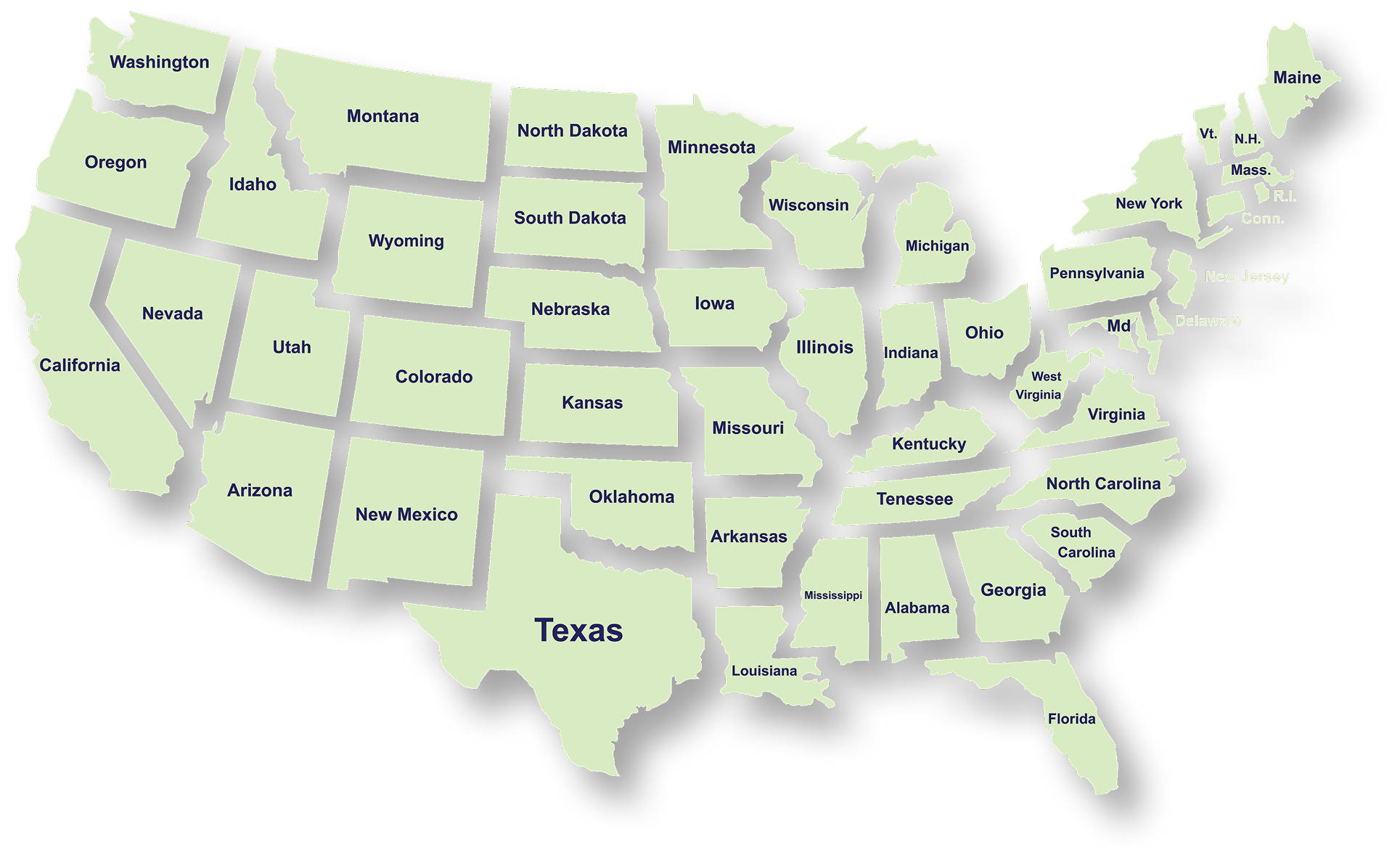
Serving Businesses & Individuals Across USA

We handle accounting, tax filing, and planning with defined timelines and accurate reporting for businesses and individuals across all states.

Frequently Asked Questions

What services does NR CPAs & Business Advisors provide?
What is tax planning and why is it important for businesses?
How can a Virtual CFO help my business?
When should a business consider IRS tax resolution services?
What financial statements does a business typically need?
How can startup advisory services help new businesses?
What is strategic business planning?
What is a Virtual Family Office and who can benefit from it?