Learning Center for Tax and Financial Insights

Stay updated with clear, actionable articles on tax rules, deadlines, deductions, and financial decisions that impact individuals and businesses.

No items found.

Business Tax Reform Planning Options

Tax reform enacted at the end of 2017 included many issues that small businesses should be aware of to ensure the best tax outcome when filing their 2018 tax returns. These include new tax benefits but also the loss of some deductions. Learn more.

Explore More
No items found.

August 2018 Business Due Dates

August 10 - Social Security, Medicare and Withheld Income Tax File Form 941 for the second quarter of 2018. This due date applies only if you deposited the tax for the quarter in full and on time. August 15 - Social Security, Medicare and Withheld Income Tax

Explore More
No items found.

How QuickBooks Online Can Improve Your Company's Financial Health

QuickBooks Online is more than just an online bookkeeper. It can help improve your cash flow, your customer relationships, your inventory readiness, and your future. If you’re already using QuickBooks Online, you know how much impact its bookkeeping abilities have had on your company’s accounting operations. You’re saving time, which in-turn saves money, and you’re reducing errors. When a customer or vendor calls with a question, or you yourself need to track down a critical detail to solve a problem, you’re able to find solutions quickly. You may already have learned, though, that QuickBooks Online’s benefits include much more than simply getting the numbers right. When you take advantage of all it can offer, you’re likely to notice more far-reaching effects. The Specifics Let’s look at how QuickBooks Online accomplishes all of this. You can do much of it on your own, but we’re trained to help small businesses get the most out of QuickBooks Online. We can help you maximize the effectiveness of your accounting time so your company can: Better balance between income and expenses. QuickBooks Online provides quick, real-time overviews of your sales status. You can’t begin to improve your company’s cash flow until you understand where the financial bottlenecks are. QuickBooks Online provides that information for both income and expenses in a variety of ways. In the image above, you can see that there are seven past-due invoices. Click on the orange bar to see a list of them, and you can automatically send reminders. QuickBooks Online also automates the process of sending statements. You can also run accounts receivable and accounts payable reports that will show where you stand with customers and vendors, like Open Invoices, Uninvoiced Time, Unpaid Bills, and Accounts Payable Aging Detail. If you determine that one of your consistent problems with cash flow is late customer payments, you can set up a merchant account through QuickBooks Online to support credit card payments and bank transfers. More repeat business because of improved customer interaction. Your customers are like gold. To build the best relationships possible with them, you need a clear, updated picture of their transactions, their payment details and history, and your interaction with them. QuickBooks Online provides templates for

Explore More
No items found.

Offer in Compromise FAQs

We’re all responsible for paying our fair share of taxes each year. But what happens when the amount that you owe is simply out of reach? What happens if you failed to make payments in a timely manner and your financial circumstances have shifted to the point where your cumulative debt is beyond your ability to pay? In the face of this untenable position, your best option for paying the IRS may be what is known as an Offer in Compromise. The Goal of the Offer in Compromise The Offer in Compromise, or OIC, was created to accomplish two goals: it allows American taxpayers who are unable to pay the full amount of their tax debt a way to negotiate a payment that is in keeping with their ability to pay, while at the same time providing the IRS with the ability to collect at least a portion of the amount that is owed to them. The process is neither simple nor fast: it generally takes at least one to two years for both sides to come to an agreement on an amount to be paid. Even so, it has certain advantages for both sides. An Offer in Compromise generally allows for resolution to be accomplished outside of court, with the agreed-to payment reflective of income and assets rather than the actual amount of debt that has accrued. Though it may seem a loss for the IRS, the agency ends up recovering more as a result of settling than they are likely to through a strong-arm collection process. Understanding the Available Offer in Compromise Options Taxpayers interested in pursuing an Offer in Compromise generally have three different options available to them under federal law. They are to suggest that they do not actually owe the tax debt that they are being charged with; to indicate that there simply are not enough assets or income to make a payment on the debt that has accrued; or to pursue a compromise based on either exceptional circumstances or economic hardship. This last option falls under the category of “effective tax administration,” and is notable because the taxpayer makes no argument as to either their ability to pay or whether they, in fact, owe the named amount. Applying for an Offer in Compromise The OIC process is both time-consuming and complicated. Applications require specific forms as well as extensive documentation, and all must be accurately prepared in keeping with IRS regulations. When mistakes are made or forms are incomplete the applications are quickly returned without the benefit of a review. To minimize both delay and frustration, it is strongly suggested that taxpayers looking to avail themselves of an OIC employ tax professionals for both the preparation of their paperwork and the negotiation of its terms. Not Every OIC Application is Approved It is also important to remember that an application for an OIC by no means guarantees the desired outcome. Submitting the specifics of your situation to a qualified tax professional will provide you with the ability to have your case reviewed by an expert who understands the process and the IRS criteria for approval, and who will be able to give you a reasoned perspective on the viability of your request. Working with a professional will also provide you with reasonable expectations regarding the amount of time that the process will take and what your chances are of having your initial offer accepted. The program generally takes about two years from start to finish, and it is common for the IRS to make a counteroffer when the agency believes it will be able to collect more than the amount proffered by the applicant. In evaluating your case, the Internal Revenue Service will likely pay less attention to the actual amount that is owed than the amount that the taxpayer is able to pay. This determination will be made on the basis of numerous factors, including income, assets, previous earnings capacity and anticipation of your earnings capacity in the future. Living expenses will also be taken into consideration. The good news is that from the time that an application is sent in and while an IRS evaluation is taking place, most collection efforts are frozen. This generally provides tremendous relief from stress for taxpayers who have fallen behind in their payments and who feel unable to submit the amount that they owe. If you have found yourself in this situation, contact us today to discuss your options. An experienced and knowledgeable tax expert will help you to understand, anticipate, and prepare for all aspects of the Offer in Compromise process, and will act as your advocate during sensitive negotiations.

Explore More
No items found.

10 Mistakes Most Small Business Owners Miss When Starting Out

The process of starting a small business can be an arduous one; there are numerous steps that need to be taken — and often in a precise order — to legally establish a business. As a result, the process can be overwhelming. Unfortunately, it’s also easy to overlook some important details and steps along the way. By being aware of a few of the most common legal and compliance mistakes made by small business owners when starting out, you can be better prepared for future success. 1. Misclassifying Employees as Independent Contractors Regulators are coming down hard on misclassifications. The IRS estimates that this problem includes millions of workers. It is best to talk this through with an expert, but you can get some background on the guidelines at the United States Department of Labor website. 2. Choosing the Wrong Business Structure One of the first major decisions you’ll need to make in regards to your small business is the type of business structure you will select. This can range anywhere from a basic sole proprietorship (which doesn’t require any special forms or paperwork) to a more complex structure, such as a corporation or LLC. Keep in mind that different types of business structures offer different tax benefits and other protections, so it’s important to thoroughly explore your options and select the structure that’s best for your unique needs. You’ll also need to go through the legal process of establishing your business under your desired structure, which may require help from a legal or other type of professional. 3. Failing to Apply for an Employer Identification Number Unless you plan on operating your business strictly as a sole proprietorship (in which case, you will use your personal Social Security number when filing taxes), you’ll also need to apply for a unique Employer Identification Number (EIN). This number will be specifically associated with your business, and it can be helpful to think of it as a business Social Security number of sorts; it’s used to file your business taxes, open up dedicated business bank accounts, and the like. 4. Overlooking Important Permits and Licenses Depending on the specific industry in which your business will be operating and your location, you may also be required to obtain specialized licenses and/or permits in order to legally operate. Otherwise, you’ll run the risk of being shut down or finding yourself in serious legal trouble down the road. Take some time to research the specific types of permits or licenses that you may need to obtain, as well as the steps you’ll need to take in order to acquire them. Sometimes, this process can be time-consuming and even costly, so it’s not something you’ll want to put off until the last minute. 5. Not Knowing When to Speak to a Professional When starting up a small business, it’s not uncommon to run a one-man (or woman) operation. After all, you may not have the cash flow or even the need to hire outside help in the early stages. Still, when it comes to making sure your business is squared away from a legal/compliance standpoint, it can certainly be worth the money to consult with tax and accounting professionals early in the game. You don’t necessarily need to onboard these experts full-time, but being able to turn to them for advice and guidance when you need it will help you avoid serious legal issues later on. 6. Putting Off Domain Name Registration As soon as you have your business name picked out and registered, it’s also in your best interest to go ahead and register your website domain as soon as possible. Even if you don’t plan on setting up and launching your website any time soon, domain names are cheap, and having yours registered now will help you avoid a situation where the domain name you want is taken by somebody else later on. 7. Lack of a Comprehensive Business Plan One of the biggest mistakes small business owners make when first starting out is that of not having a well thought-out and articulated business plan. A business plan is an important document that outlines in detail what your goals for your business are and how you will achieve them. This document is important not just for you and other members of your immediate team, but for potential investors as well. Should you seek financing for your company at any point, an investor is going to want to see and scrutinize your business plan — and it will likely have a major impact on the final decision. 8. Not Having Finances Squared Away Another common mistake new business owners make is that of poor financial planning, which can lead to a lack of funding to get you through your first months successfully. Ideally, you’ll want to make sure your business plan accounts for all the company-related expenses you’ll incur during the first year of operation, as well as any personal expenses as well. Unfortunately, this is something that many small business owners overlook or miscalculate with disastrous results. The easiest way to avoid this mistake is to consult with a small business accountant during the early stages of drafting your business plan. 9. Failing to File Patents on Products or Ideas It’s (hopefully) no surprise that you’ll want to be proactive about filing for patents for any unique products, prototypes or designs you may have. However, what many small business owners first starting out don’t realize is that they’ll also want to file patents on ideas, such as intellectual property, that could otherwise be stolen or copied and used by other entrepreneurs. After all, intellectual property can be just as valuable as a product prototype — so you’ll want to plan and protect these kinds of ideas accordingly. Be careful to also avoid the mistake of waiting too long to file for relevant patents; the process can often be long and drawn out, so getting started as early as possible will be in your best interest. 10. Being Blind to Important Compliance Requirements Last, but not least, make sure you’re aware of any and all compliance requirements that may apply to your business based on its structure, location, industry or other factors. For example, even if you’re keeping things “simple” by operating as a sole proprietorship, you’re going to be required to file and pay quarterly estimated taxes under that structure. Failing to meet compliance and other requirements can result in serious legal trouble, including fines and penalties, down the road. When it comes to compliance requirements, such as annual reporting and tax filing, it’s always a good idea to keep a calendar of important dates, so you don’t forget anything. After all, you’ll have enough deadlines to worry about and remember on your own — especially during that first year of business operation. This is yet another situation where having a compliance expert, such as a tax or accounting professional, can really come in handy. He or she can assist you with annual compliance reviews, reminders on impending deadlines and the like. From selecting a name and business structure to making sure your small business remains in compliance at all times, there are, unfortunately, a lot of opportunities to make mistakes as a new business owner. By keeping this information in mind and by working alongside the right types of professionals as you prepare to launch your new business, hopefully, you’ll be able to avoid these issues. From there, you can maximize your chances for success in the first year of operation and beyond.

Explore More
No items found.

Clergy Tax Benefits Under Fire

Article Highlights: Parsonage Allowance Income Tax Exclusion Pending Court Case Tax Reform Suspension of Employee Business Expenses Self-Employment Tax Section 107 of the Internal Revenue Code provides that a minister of the gospel’s gross income doesn’t include the rental value of a home (parsonage) provided; if the home itself isn’t provided, a rental allowance paid as part of compensation for ministerial services is excludable. The benefit is generally referred to as a parsonage allowance. Thus, a minister can exclude the fair rental value (FRV) of the parsonage from income under IRC Sec. 107(1), or the rental allowance under Sec. 107(2), for income tax purposes. The Sec. 107(2) rental allowance is excludable only to the extent that it is for expenses such as rent, mortgage payments, utilities, repairs, etc., used in providing the minister’s main home, and only up to the amount of the FRV of the home. However, either type of parsonage allowance is only excludable for income tax purposes and is subject to self-employment taxes, although for years before 2018 and after 2025, the amount subject to self-employment tax can be reduced by the minister of the gospel’s employee business expenses. Back in October 6, 2017, in the US District Court for the Western District of Wisconsin, Judge Barbara B. Crabb, in Gaylor v. Mnuchin (the treasury secretary), concluded that Section 107(2) of the Internal Revenue Code is unconstitutional. Specifically, she concluded that this code section violates the Establishment Clause of the First Amendment because it does not have a secular purpose or effect and because a reasonable observer would view the statute as being an endorsement of religion. The code section under judicial fire is the part of code Sec. 107 allowing churches and other religious organizations the ability to provide tax-free housing to their ordained ministers, even though the housing is not provided in kind by the church or the religious organization. This provision of the code was envisioned to provide ministers of the gospel with modest tax-free housing. However, it contains no limitations on its application and, as a result, also applies to:

Explore More
No results found.
Thank you! Your submission has been received!
Oops! Something went wrong while submitting the form.

Want tax & accounting tips & insights?Sign up for our newsletter.

Thank you! Your submission has been received!
Oops! Something went wrong while submitting the form.

Why Work With Us?

We combine deep tax expertise, financial strategy, and practical business insight to help you manage complexity, stay compliant, and make confident financial decisions.
A dollar sign, representing financial advice or discussion at NR CPAs & Business Advisors.

Experienced CPA and Enrolled Agent Leadership

Guidance led by licensed professionals with deep expertise in tax strategy, compliance, and complex financial matters.
White bar chart with an upward arrow on green circular background representing growth or progress at NR CPAs &. Business Advisors

Support for Growing Businesses and Startups

We understand the financial challenges of growth stage businesses and provide structured guidance to support expansion.
A white hand holding a dollar symbol and ascending bar chart on a green circular background representing financial growth or investment at NR CPAs & Business Advisors..

Strategic Financial Advisory

Our team helps you evaluate financial decisions with greater clarity, supported by practical insights and long term planning.

Fractional CFO Support

Access experienced financial leadership without the commitment and cost of hiring a full time Chief Financial Officer.

Proactive Tax Planning Approach

We focus on identifying tax opportunities throughout the year rather than reacting only during filing season.

Clear and Reliable Financial Reporting

Accurate financial statements and reporting that help you better understand performance and make informed decisions.
White IRS building icon with pillars and a dollar sign above on a green circular background.

Professional IRS Representation

Experienced support in resolving IRS notices, disputes, and compliance matters while protecting your financial interests.

Personalized Client Focus

Every client receives thoughtful attention and tailored financial solutions based on their specific needs and business goals.
Financial matters often involve important decisions. Working with experienced advisors can help you approach them with greater clarity and confidence in your choices.

Need Help With Your Tax or Financial Decisions?

Discuss your situation with our advisors to get clear guidance on tax planning, IRS matters, and the financial decisions ahead.
Business consulting at NR CPAs & Business Advisors.

Request Your Consultation

Fill out the form to discuss your tax concerns, financial questions, or advisory needs with our team. We will review your details and respond shortly.

Serving Businesses & Individuals Across USA

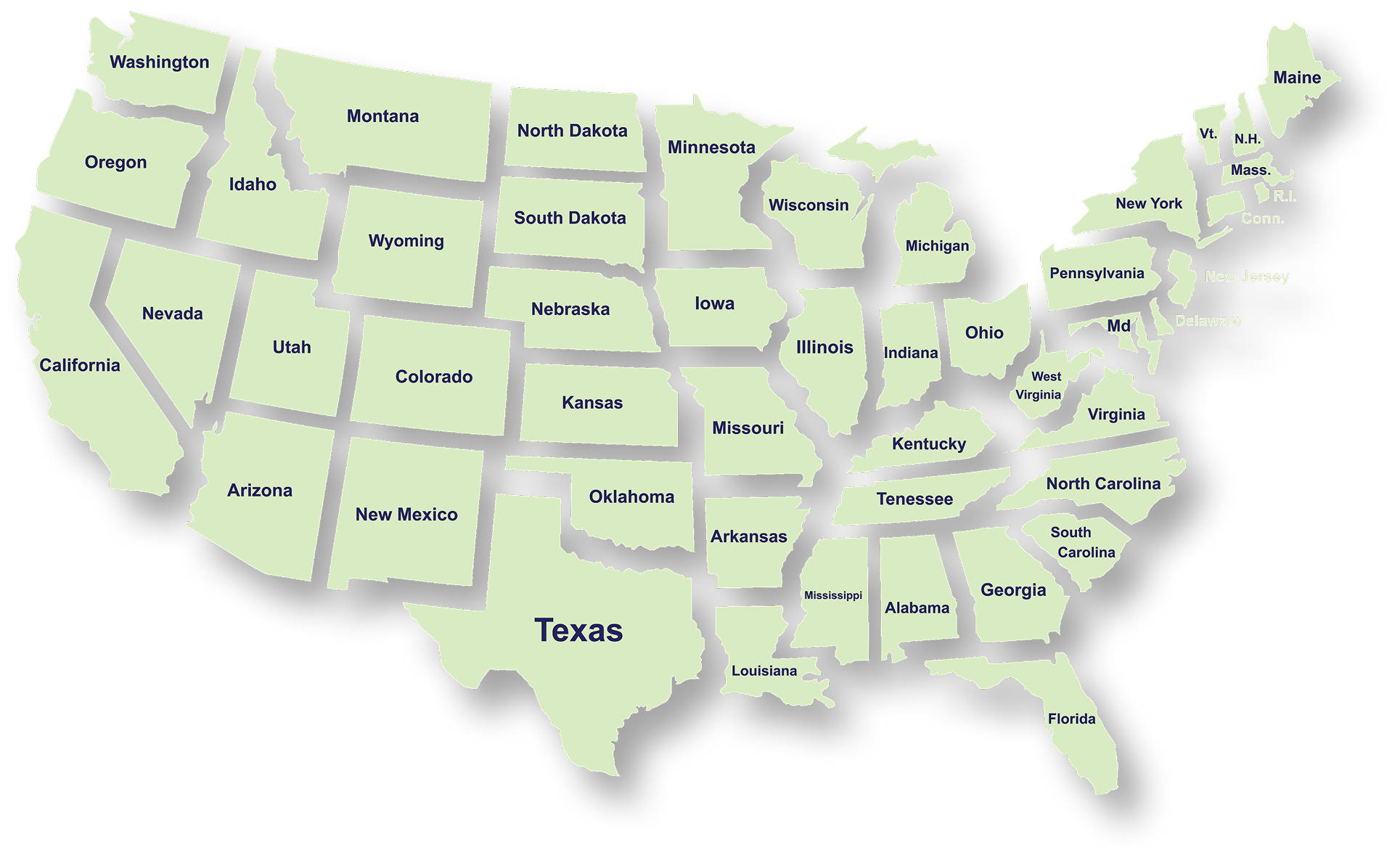
We handle accounting, tax filing, and planning with defined timelines and accurate reporting for businesses and individuals across all states.

Frequently Asked Questions

What services does NR CPAs & Business Advisors provide?
What is tax planning and why is it important for businesses?
How can a Virtual CFO help my business?
When should a business consider IRS tax resolution services?
What financial statements does a business typically need?
How can startup advisory services help new businesses?
What is strategic business planning?
What is a Virtual Family Office and who can benefit from it?