Learning Center for Tax and Financial Insights

Stay updated with clear, actionable articles on tax rules, deadlines, deductions, and financial decisions that impact individuals and businesses.

No items found.

Tax Deductions for Overnight Drivers

Out-of-Town Travel: Expenses incurred when traveling away from “home” overnight for job-related reasons that were not reimbursed or reimbursable by your employer are deductible. Your “home” is generally considered to be the entire city or general area where your principal place of employment is located. Out-of-town expenses include transportation, meals, lodging, tips and miscellaneous items like laundry, valet, etc. Document your away-from-home expenses by noting the date, destination and business purpose of your trip. In addition, keep a detailed record of your expenses – lodging, public transportation, meals, etc. Always list meals and lodging separately in your record. Receipts must be retained for each lodging expense. However, if any other business expense is less than $75, a receipt is not necessary if you record all of the information timely in a diary. Keep track of the full amount of meal and entertainment expenses even though only a portionof the amount may be deductible. Office Expenses: Use this section to record miscellaneous expenses of supplies and services you are responsible for when you are on the road. For example, you may be required to fax or mail an important document back to your home office; such expenses are deductible if they are not reimbursed by your employer. Supplies: Generally, to be deductible, items must be ordinary and necessary to your job. If you are an employee, only amounts not reimbursable by your employer are deductible. Record separately items having a useful life of more than one year. These items must be reported differently on your tax return than recurring everyday business expenses such as maps. If you are required to wear a uniform, the cost and upkeep may be deductible. IRS rules specify that expenses for work clothing and its maintenance are deductible if: (1) the uniforms are required by your employer (if you are an employee); and (2) the clothes are not adaptable to ordinary street wear.

Explore More
No items found.

Not Filed Your 2014 Federal Tax Return Yet?

If you don’t file it by April 17, 2018 you forfeit any refund you have coming.

Explore More
No items found.

11 Tips For Starting And Growing Your Own Business

Starting a new business can be an exciting and scary process. Here are 11 things you should think about before you take the plunge with your startup.

Explore More
No items found.

Tax Day Is Just Around The Corner - Are You Ready?

April 17th is the due date this year, thanks to the 15th falling on a weekend and Emancipation Day in Washington DC observed on Monday the 16th. Return not finished yet? Still waiting for some missing information? Better consider filing an extension along with any tax due, giving you until October 15, to file.

Explore More
No items found.

Tax Deductions for Clergy

Parsonage Allowance: Many members of the clergy are paid a cash “housing allowance,” which they use to pay the expenses related to their homes (e.g. interest, real property taxes, utilities, etc.). Alternatively, some may live in a parsonage owned by the church. Neither a cash allowance (to the extent it is used to pay for home expenses) nor the estimated rental value of the parsonage is included in income for the purpose of computing your income tax. However, those amounts ARE INCLUDED in your income for the purpose of computing your self-employment (Social Security) tax, if any. Record your home expenses and the total annual amount of housing allowance or parsonage value you receive. Because of IRS regulations, it is very important that the governing body of your church designate the portion of your salary that is your housing allowance. NOTE: If you have made an election for exemption from self-employment taxes, other rules may apply. In such case, consult with your tax advisor. Communication Expenses: Toll calls made from your home related to church business are deductible if the expenses aren’t reimbursable to you. To be assured of a deduction, clearly mark your monthly phone bill to show the business calls. The costs (basic fee and toll calls) of a second line in your home are also deductible if the line is used exclusively for business. When communication equipment, such as a cell phone, is used part for business and part personally the cost of the equipment must be allocated to deductible business use and non-deductible personal use. Keep your bills for cellular phone use and mark all business calls. Auto Travel: Your auto expense is based on the number of qualified business miles you drive. Expenses for travel between business locations or daily transportation expenses between your home and temporary work locations (e.g., from home to a hospital visit to an ill parishioner) are deductible; include these trips in figuring business miles. However, expenses for your trips between home and the office each day, or between home and one or more regular places of work, are COMMUTING expenses and aren’t deductible. Document business miles in a record book as follows: (1) give the date and business purpose of each trip; (2) note the place to which you traveled; (3) record the number of business miles; and (4) record your car’s odometer reading at both the beginning and the end of the year. Keep receipts for all car operating expenses – gas, oil, repairs, insurance, etc. – and any reimbursement you received for your expenses.

Explore More
No items found.

Estate Tax Exemption Doubled Under Tax Reform

Article Highlights Estate Tax Exemption Unused Exemption Portability Annual Gift Tax Exemption Check Your Beneficiaries Note: This is one of a series of articles explaining how the various tax changes made by the GOP’s Tax Cuts & Jobs Act (referred to as “the Act” in the article), passed late in December 2017, might affect you and your family in 2018 and future years, and offering strategies you might employ to reduce your tax liability under the new tax laws. Leading up to the passage of the Act, there was considerable discussion about repealing the estate and gift tax. That didn’t happen! But Congress did double the value of an estate that is excluded from being taxed, and as a result, fewer estates will be subject to the 40% estate tax, and even those in excess of the excluded amount will pay less tax. The exclusion was previously raised to $5 million in 2010 and is inflation adjusted, so for 2017, the exclusion was $5.49 million. The Act increased the exclusion to $10 million for 2018, but inflation-adjusted it from 2010 and modified the way the inflation rate is calculated, so the exclusion for 2018 is $11,180,000. If the value of an estate exceeds the exclusion amount, a Form 706—an Estate Tax Return—is required to be filed. A surviving spouse generally inherits the estate of the deceased spouse, so when the surviving spouse dies, their estate will include the value of all of their property still owned at that spouse’s death, whereas the estate of the first to die generally only includes half of their combined estate. That is why Congress created the portability provision several years ago, which allows the executor of the deceased spouse’s estate to transfer any unused estate tax exclusion from the deceased spouse to the surviving spouse. That provision still applies. However, a Form 706 must be filed to take advantage of the portability provision. Form 706 returns often require appraisals of the deceased spouse’s assets and are complicated and time consuming.

Explore More
No results found.
Thank you! Your submission has been received!
Oops! Something went wrong while submitting the form.

Want tax & accounting tips & insights?Sign up for our newsletter.

Thank you! Your submission has been received!
Oops! Something went wrong while submitting the form.

Why Work With Us?

We combine deep tax expertise, financial strategy, and practical business insight to help you manage complexity, stay compliant, and make confident financial decisions.
A dollar sign, representing financial advice or discussion at NR CPAs & Business Advisors.

Experienced CPA and Enrolled Agent Leadership

Guidance led by licensed professionals with deep expertise in tax strategy, compliance, and complex financial matters.
White bar chart with an upward arrow on green circular background representing growth or progress at NR CPAs &. Business Advisors

Support for Growing Businesses and Startups

We understand the financial challenges of growth stage businesses and provide structured guidance to support expansion.
A white hand holding a dollar symbol and ascending bar chart on a green circular background representing financial growth or investment at NR CPAs & Business Advisors..

Strategic Financial Advisory

Our team helps you evaluate financial decisions with greater clarity, supported by practical insights and long term planning.

Fractional CFO Support

Access experienced financial leadership without the commitment and cost of hiring a full time Chief Financial Officer.

Proactive Tax Planning Approach

We focus on identifying tax opportunities throughout the year rather than reacting only during filing season.

Clear and Reliable Financial Reporting

Accurate financial statements and reporting that help you better understand performance and make informed decisions.
White IRS building icon with pillars and a dollar sign above on a green circular background.

Professional IRS Representation

Experienced support in resolving IRS notices, disputes, and compliance matters while protecting your financial interests.

Personalized Client Focus

Every client receives thoughtful attention and tailored financial solutions based on their specific needs and business goals.
Financial matters often involve important decisions. Working with experienced advisors can help you approach them with greater clarity and confidence in your choices.

Need Help With Your Tax or Financial Decisions?

Discuss your situation with our advisors to get clear guidance on tax planning, IRS matters, and the financial decisions ahead.
Business consulting at NR CPAs & Business Advisors.

Request Your Consultation

Fill out the form to discuss your tax concerns, financial questions, or advisory needs with our team. We will review your details and respond shortly.

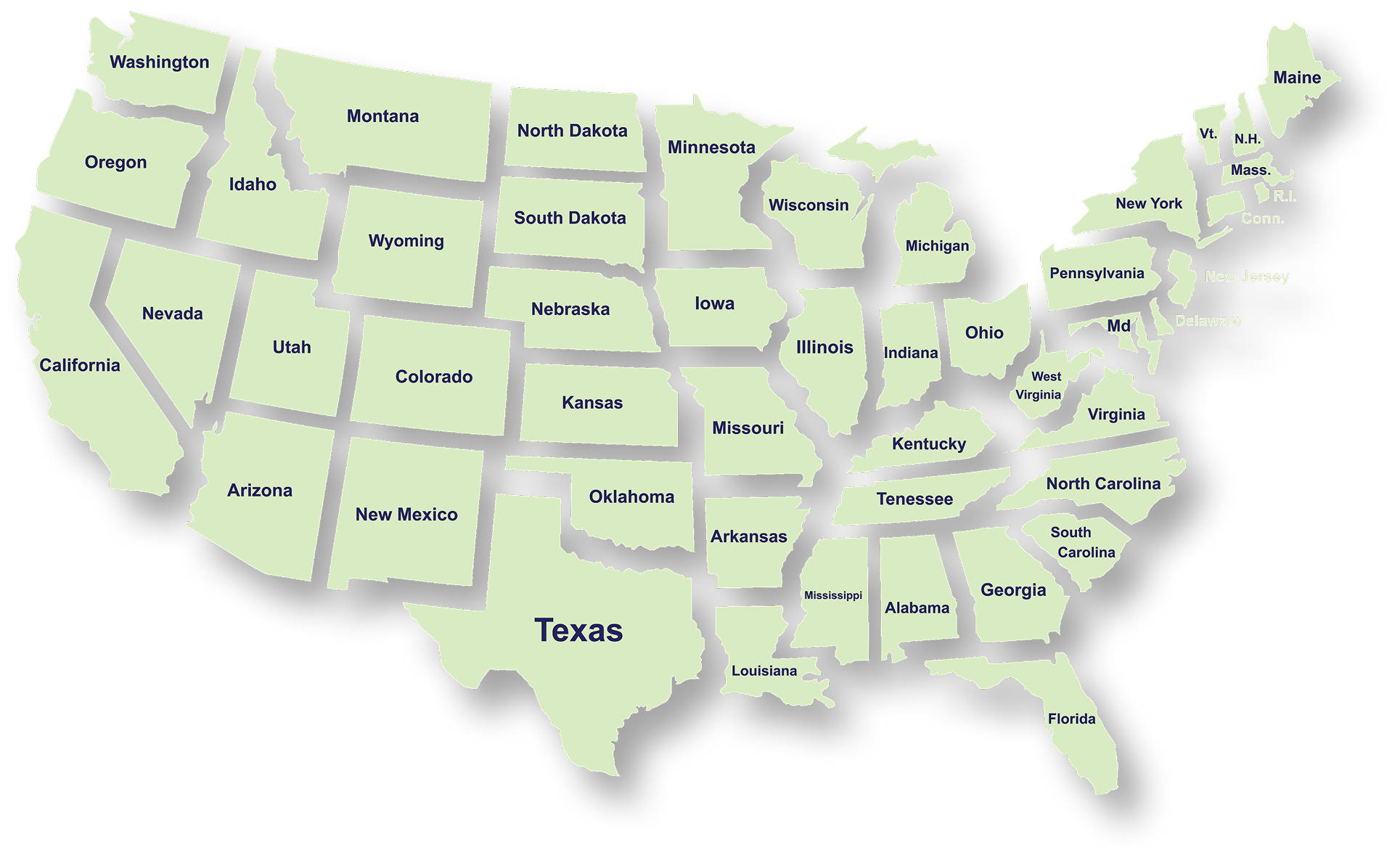
Serving Businesses & Individuals Across USA

We handle accounting, tax filing, and planning with defined timelines and accurate reporting for businesses and individuals across all states.

Frequently Asked Questions

What services does NR CPAs & Business Advisors provide?
What is tax planning and why is it important for businesses?
How can a Virtual CFO help my business?
When should a business consider IRS tax resolution services?
What financial statements does a business typically need?
How can startup advisory services help new businesses?
What is strategic business planning?
What is a Virtual Family Office and who can benefit from it?