Learning Center for Tax and Financial Insights

Stay updated with clear, actionable articles on tax rules, deadlines, deductions, and financial decisions that impact individuals and businesses.

No items found.

Learn How Tax Reform Provides a Big Benefit to Many Small Business Owners.

If you have income from a sole proprietorship, rental, farming or… Flow-through income from partnerships, S-corporations or other flow-through business entities or…REIT dividends, income from publicly traded partnerships or cooperative dividends…You may qualify for the new Sec 199A deduction.

Explore More
No items found.

Small Business Guide

Keep Your Small Business Advantage! While your know-how is certain to make an important difference in your business’ success, you’re no doubt well aware that producing a winning combination for a smooth-running operation depends on many other factors as well. High on the list of considerations for your business should be creating the ability to meet criteria imposed by Uncle Sam and the Internal Revenue Service. To help you avoid headaches that can go with trying to meet tax law requirements, this brochure highlights pitfalls to be aware of and provides some tips on how to overcome them. “Material Participation” In Your Business “Material participation” has become a major issue for business people since Congress passed rules regarding “passive activities” in the late ‘80s. To show material participation, you as the owner must demonstrate that your activity in your business is continuous and substantial. The IRS has established several “tests” for measuring material participation. An owner who can’t pass any one of the tests will most likely be considered just a passive investor in a company. Since deductible losses from passive activities can be limited to the amount of income from such activities, showing material participation in your business becomes doubly important. If you work full-time in your business, you will have no trouble showing you materially participate. However, if you’re an employee at another job and operate your business on a part-time basis, you need to make sure you pass one of the material participation tests. One way you can do this is to show that you spend 500 or more hours during the year running your business. You can establish material participation in other ways too – e.g., based on your past years’ involvement or how your work time compares with others working in the business (including employees). Your Profit Motive The IRS sometimes questions profit motive of a business owner if an activity consistently shows tax losses. This is common with activities that lend themselves to personal enjoyment or hobby such as horse/dog breeding, arts and crafts, etc. You should be prepared to show that you entered your business with the intent to make a profit and that you are taking measures to realize that intent. How do you show profit motive? At least in part by establishing that you have expertise in your field and you are using businesslike practices in carrying on operations. Your Recordkeeping Routine: The recordkeeping system: Give priority to establishing good recordkeeping practices for your business. Recordkeeping goes much farther than actual check writing, depositing income, keeping receipts, etc. Also involved are the choices you must make about accounting methods, dealing with inventory (if any) and other assets, complying with regulatory and tax requirements, and technology. You will probably find taking care of all these details time-consuming and frustrating to say the least; many of the choices you have to make may require help from a financial or accounting professional. When keeping your business records, though, try to follow a few basic “rules”: Don’t commingle business and personal bank transaction: From the very outset have a separate bank account for your business in which you deposit only business gross receipts and from which you write checks or make electronic payments for business expenses. Keep backup for your bank deposits and expenses: Keep bank statements and supporting documents so you can trace your bank deposits, including those that aren’t income (e.g., loan documents for loan proceeds deposited, insurance reimbursement, etc.) If possible, pay all expenses by check (paper or electronic) or a business credit card. The payments should be supported with sales slips, invoices and any other available documents of explanation. The income and expenses should be recorded in an orderly manner (either by hand or in a software program on a computer) so that the backup can be readily available if and when needed. Sometimes you can log your expenses in a timely manner so you don’t have to keep receipts. Before you adopt a logging system though, it’s best to check with your tax advisor because the rules for logs are quite strict. Be sure to keep all reports filed with government agencies: This includes personal income tax returns, sales tax returns, payroll returns, W-2s and 1099s filed for employees and other hired labor, etc. Length of Time to Keep Records: From a federal tax standpoint (some states may be different), you should retain books and records of your business for three years after the due date of your income tax return. There are some sections of the tax law where the statute of limitations is longer than three years, however. Because of these, it’s wise to keep records at least six years. When it comes to the records that support cost basis of property, equipment or any item that you are depreciating, keep records for at least three years beyond the life shown on the depreciation schedule in your tax return.

Explore More
No items found.

Do You Use Your Vehicle for Business Purposes?

You should know the standard mileage rate for 2018 increased to 54.5 cents per mile. The standard mileage rate for each year is based on vehicle operating costs in the prior year as determined in a cost study contracted by the IRS. Tax reform has changed some of the tax rules. Watch below to learn more

Explore More
No items found.

Tax Deductions for Sales Representatives

Auto Travel:Your auto expense is based on the number of qualified business miles you drive. Expenses for travel between business locations or daily transportation expenses between your residence and temporary work locations are deductible; include them as business miles. Expenses for your trips between home and work each day, or between home and one or more regular places of work, are COMMUTING expenses and are NOT deductible. Document business miles in a record book as follows: (1) give the date and business purpose of each trip; (2) note the place to which you traveled; (3) record the number of business miles; and (4) record your car’s odometer reading at both the beginning and end of the tax year. Keep receipts for all car operating expenses – gas, oil, repairs, insurance, etc. – and of any reimbursement you received for your expenses. Out-of-Town Travel: Expenses incurred when traveling away from “home” overnight on job-related and continuing education trips that were not reimbursed or reimbursable by your employer are deductible. Your “home” is generally considered to be the entire city or general area where your principal place of employment is located. Out-of-town expenses include transportation, meals, lodging, tips and miscellaneous items like laundry, valet, etc. Document away-from-home expenses by noting the date, destination and business purpose of your trip. Record business miles if you drove to the out-of-town location. In addition, keep a detailed record of your expenses – lodging, public transportation, meals, etc. Always list meals and lodging separately in your records. Receipts must be retained for each lodging expense. However, if any other business expense is less than $75, a receipt is not necessary if you record all of the information timely in a diary. You must keep track of the full amount of meal and entertainment expenses even though only a portion of the amount may be deductible. Professional Fees & Dues: Dues paid to professional societies related to your profession are deductible. These could include professional organizations, business leagues, trade associations, chambers of commerce, boards of trade and civic organizations. However, dues paid for memberships in clubs organized for business, pleasure, recreation or other social purpose are not deductible. These could include country clubs, golf and athletic clubs, airline clubs, hotel clubs and luncheon clubs. Continuing Education: Educational expenses are deductible under either of two conditions: (1) your employer requires the education in order for you to keep your job or rate of pay; or (2) the education maintains or improves your skills as a sales representative. Costs of courses that are taken to meet the minimum requirements of a job, or that qualify you for a new trade or business, are NOT deductible. Equipment Purchases: Record separately items having a useful life of more than one year. Normally, the costs of such assets are reported differently on your tax return than are other recurring, everyday business expenses such as business cards or office supplies. Communication Expenses: The basic local telephone service costs of the first telephone line provided in your residence are not deductible. However, toll calls from that line are deductible if the calls are business-related. The costs (basic fee and toll calls) of a second line in your home are also deductible, if the line is used exclusively for business. When communication equipment, such as a cell phone, is used part for business and part personally the cost of the equipment must be allocated to deductible business use and non-deductible personal use. Keep your bills for cellular phone use and mark all business calls. Supplies & Expenses: Generally, to be deductible, items must be ordinary and necessary to your real estate profession and not reimbursable by your employer. Miscellaneous Expenses: Expenses of looking for new employment in your present line of work are deductible – you do not have to actually obtain a new job in order to deduct the expenses. Out-oftown job-seeking expenses are deductible only if the primary purpose of the trip is job seeking, not pursuing personal activities.

Explore More
No items found.

Where Do You Fall In The Tax Pecking Order?

Article Highlights: 2015 Overall Filing Statistics Statistics by Adjusted Gross Income Percentile Table Ever wonder where your income puts you in comparison with the rest of the U.S. taxpayers? Each year the Internal Revenue Service publishes a Statistics of Income Bulletin. The latest set of figures is for 2015 tax returns and provides some interesting statistics. For 2015, taxpayers filed 150.49 million individual income tax returns, which was an increase of 1.27 percent over the 148.6 million returns filed for 2014. The total gross income of the 150.49 million 2015 returns was $10.21 trillion, which was a 5.8 percent increase over 2014. In the chart you will notice that the first two columns include taxpayers with a total gross income under $30,000 – they as a group comprise 43.79% of all taxpayers for 2015. You will also notice that these two categories, as a group, do not pay any income tax, and because they qualify for a number of refundable credits, they actually receive refunds. These refundable credits are the earned income tax credit, child tax credit and American Opportunity Tax Credit.

Explore More
No items found.

3 Keys to Recognizing an IRS Phone Scam

The IRS has made great strides in cutting down on tax refund fraud and other IRS scams. But, taxpayers are still falling for some of the schemes. Here are three red flags of a scam.

Explore More
No results found.
Thank you! Your submission has been received!
Oops! Something went wrong while submitting the form.

Want tax & accounting tips & insights?Sign up for our newsletter.

Thank you! Your submission has been received!
Oops! Something went wrong while submitting the form.

Why Work With Us?

We combine deep tax expertise, financial strategy, and practical business insight to help you manage complexity, stay compliant, and make confident financial decisions.
A dollar sign, representing financial advice or discussion at NR CPAs & Business Advisors.

Experienced CPA and Enrolled Agent Leadership

Guidance led by licensed professionals with deep expertise in tax strategy, compliance, and complex financial matters.
White bar chart with an upward arrow on green circular background representing growth or progress at NR CPAs &. Business Advisors

Support for Growing Businesses and Startups

We understand the financial challenges of growth stage businesses and provide structured guidance to support expansion.
A white hand holding a dollar symbol and ascending bar chart on a green circular background representing financial growth or investment at NR CPAs & Business Advisors..

Strategic Financial Advisory

Our team helps you evaluate financial decisions with greater clarity, supported by practical insights and long term planning.

Fractional CFO Support

Access experienced financial leadership without the commitment and cost of hiring a full time Chief Financial Officer.

Proactive Tax Planning Approach

We focus on identifying tax opportunities throughout the year rather than reacting only during filing season.

Clear and Reliable Financial Reporting

Accurate financial statements and reporting that help you better understand performance and make informed decisions.
White IRS building icon with pillars and a dollar sign above on a green circular background.

Professional IRS Representation

Experienced support in resolving IRS notices, disputes, and compliance matters while protecting your financial interests.

Personalized Client Focus

Every client receives thoughtful attention and tailored financial solutions based on their specific needs and business goals.
Financial matters often involve important decisions. Working with experienced advisors can help you approach them with greater clarity and confidence in your choices.

Need Help With Your Tax or Financial Decisions?

Discuss your situation with our advisors to get clear guidance on tax planning, IRS matters, and the financial decisions ahead.
Business consulting at NR CPAs & Business Advisors.

Request Your Consultation

Fill out the form to discuss your tax concerns, financial questions, or advisory needs with our team. We will review your details and respond shortly.

Serving Businesses & Individuals Across USA

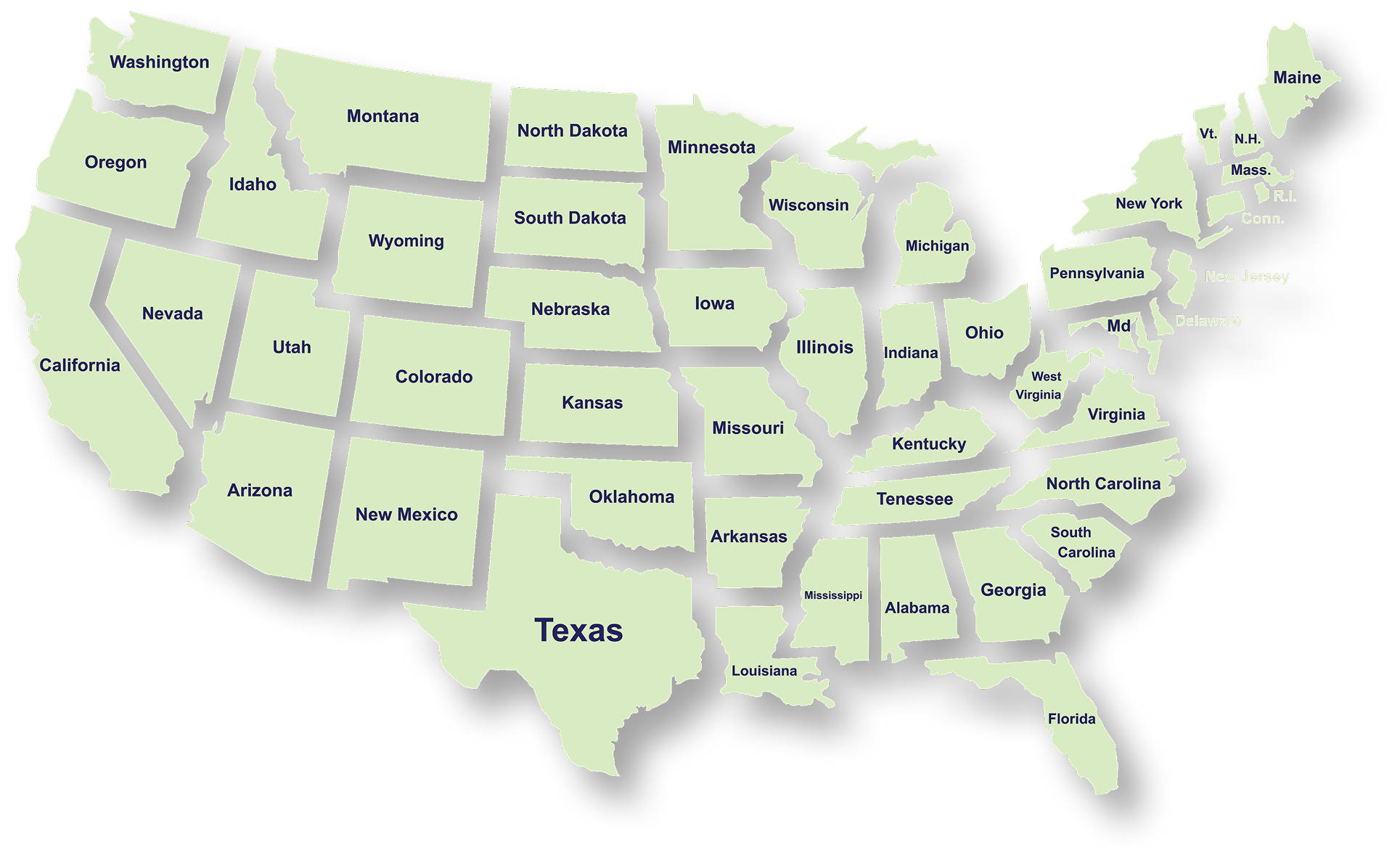
We handle accounting, tax filing, and planning with defined timelines and accurate reporting for businesses and individuals across all states.

Frequently Asked Questions

What services does NR CPAs & Business Advisors provide?
What is tax planning and why is it important for businesses?
How can a Virtual CFO help my business?
When should a business consider IRS tax resolution services?
What financial statements does a business typically need?
How can startup advisory services help new businesses?
What is strategic business planning?
What is a Virtual Family Office and who can benefit from it?