Learning Center for Tax and Financial Insights

Stay updated with clear, actionable articles on tax rules, deadlines, deductions, and financial decisions that impact individuals and businesses.

No items found.

It's Tax Time 2018

Tax season officially started January 29, 2018. Watch our helpful video to learn how to prepare for your tax appointment. And most importantly, save on your taxes this year.

Explore More
No items found.

Tax Deductions for Peace Officers

Professional Fees & Dues: Dues paid to professional societies related to your profession are deductible. These could include professional organizations, business leagues, trade associations, chambers of commerce, boards of trade and civic organizations. However, dues paid for memberships in clubs organized for business, pleasure, recreation or other social purpose are not deductible. These could include country clubs, golf and athletic clubs, airline clubs, hotel clubs and luncheon clubs. Uniforms & Upkeep Expenses: Generally, the costs of your uniforms are fully deductible if they aren’t provided to you without charge by your employer. IRS rules specify that work clothing costs and the cost of its maintenance are deductible if: (1) the uniforms are required by your employer (if you’re an employee); and (2) the clothes are not adaptable to ordinary street wear. Normally, the employer’s emblem attached to the clothing indicates it is not for street wear. The cost of protective clothing (e.g., safety shoes or goggles) is also deductible. Auto Travel: Your auto expense is based on the number of qualified business miles you drive Expenses for travel between business locations or daily transportation expenses between your residence and temporary work locations are deductible; include them as business miles. Expenses for your trips between home and work each day, or between home and one or more regular places of work, are COMMUTING expenses and are NOT deductible. Document business miles in a record book as follows: (1) give the date and business purpose of each trip; (2) note the place to which you traveled; (3) record the number of business miles; and (4) record your car’s odometer reading at both the beginning and end of the tax year. Keep receipts for all car operating expenses – gas, oil, repairs, insurance, etc. – and of any reimbursement you received for your expenses. Out-of-Town-Travel: Expenses incurred when traveling away from “home” overnight on job-related and continuing-education trips that were not reimbursed or reimbursable by your employer are deductible. Your “home” is generally considered to be the entire city or general area where your principal place of employment is located. Out-of-town expenses include transportation, meals, lodging, tips and miscellaneous items like laundry, valet, etc. Document away-from-home expenses by noting the date, destination and business purpose of your trip. Record business miles if you drove to the out-of-town location. In addition, keep a detailed record of your expenses – lodging, public transportation, meals, etc. Always list meals and lodging separately in your records. Receipts must be retained for each lodging expense. However, if any other business expense is less than $75, a receipt is not necessary if you record all of the information timely in a diary. You must keep track of the full amount of meal and entertainment expenses even though only a portion of the amount may be deductible.

Explore More
No items found.

Planning, The Key To Your Financial Future

Planning Ahead For Your FinancesWith the number of savings strategies being publicized these days, you’d think that planning ahead for retirement would be a fairly simple job. To the contrary, many investors are finding themselves uncertain that they will be able to find a strategy that will allow them to build a retirement nest egg adequately to meet long-term financial goals. In the “good old days”, the picture seemed simpler – people ended their 30-year career with assurance that a pension and Social Security benefits were waiting to provide them with a fairly comfortable retirement. Contrast this with today, when people are faced with reports of a wobbly future for the Social Security system and pessimistic stories about the stability of retirement plans (both privately funded and employer-sponsored plans). Planning for your financial future doesn’t have to be surrounded by mystery and perplexity. Accepting the planning challenge with realistic expectations and taking an overall long-term approach to finding investment solutions can help you immensely as you move toward attaining financial goals. This brochure highlights a few of the general principles and strategies which have traditionally been the foundation of sound financial planning; they are designed to help you weather the ups and downs of a changing economic climate. Building Blocks Of Financial PlanningStart Saving – the Sooner the Better! Start investing and earning interest on your money as early in life as possible - the results are amazing. The classic example is the 25-year-old who invests $250 a month in an account at 3%, compounded monthly. By the time that 25-year-old reaches age 65, savings have mounted up to almost a quarter million dollars! The key to that savings success was “regularity,” investment of a specific amount on a specific schedule. Such discipline was rewarded with a good-sized nest egg! But don’t make the mistake of not beginning a savings program just because you’re already over age 25. Start one no matter what your stage is in life, and you’ll be pleasantly surprised to see how your efforts can pay off after just a few years of compound interest. It’s never too late to start saving! Watch Your Investment Mix Planning involves finding the right blend of investment choices - a concept called “asset allocation.” Your blend should depend not only on the financial goals you have chosen but on your stage of life and your tolerance for risk. For example, a young person just starting out may consider investing a large portion of funds aggressively to get a higher return. As that person reaches retirement age, however, he/she would probably want to shift a bigger portion to something that offers greater security like bonds or government-insured savings. Always Diversify Diversification can help keep your portfolio on an even keel. It means spreading your investments over a broad range of investment media. Diversifying is wise no matter how much you invest - it adds balance to a portfolio by opening up the opportunity for stability for a gain in one market to counteract a downturn in another. Remember Inflation Will Take a Toll Plan your investment strategy with inflation in mind. Even when the inflation rate is low, it causes savings to lose purchasing power over a period of time. When you factor inflation into some so-called “safe” investments (which are usually low-yield), you may find that, over the long haul, the ones you thought were doing all right are really costing you more than you’re gaining on them. Consider Taxes Don’t forget tax planning as you look at investment strategies. Most invested funds will eventually lead to payment of taxes – e.g., those tax-deferred annuities, traditional IRAs, etc., will eventually be withdrawn and become taxable. But even a small amount of planning can help you find every legal way possible to lower Uncle Sam’s bite from your hard-earned money! What's Your Risk Tolerance? It’s a fact of life that some investments are much more risky than others. When you begin your financial planning, you need to come to terms with your risk comfort level. Naturally, you don’t want your investments to keep you awake nights while you worry about what’s going to happen to them tomorrow. If you’re worried about risk, your goal should be finding that “comfort zone” that will allow growth without a high degree of volatility.

Explore More
No items found.

Learn How Tax Reform May Affect You.

The passing of tax reform brings many questions and tax planning opportunities. In this short video, we highlight some of the main issues.

Explore More
No items found.

Tax Deductions for Business Professionals

Professional Fees & Dues: Dues paid to professional societies related to your profession are deductible. These could include professional organizations, business leagues, trade associations, chambers of commerce, boards of trade and civic organizations. However, dues paid for memberships in clubs organized for business, pleasure, recreation or other social purpose are not deductible. These could include country clubs, golf and athletic clubs, airline clubs, hotel clubs and luncheon clubs. Continuing Education: Educational expenses are deductible under either of two conditions: (1) your employer requires the education in order for you to keep your job or rate of pay; or (2) the education maintains or improves your skills in your profession. The costs of courses that are taken to meet the minimum requirements of a job, or that qualify you for a new trade or business, are NOT deductible. Telephone Expenses: The basic local telephone service costs of the first telephone line provided in your residence are not deductible. However, toll calls from that line are deductible if the calls are business-related. The costs of a second line (basic service and toll calls) in your home are also deductible if that line is used exclusively for business. When communication equipment, such as a cell phone, is used part for business and part personally the cost of the equipment must be allocated to deductible business use and non-deductible personal use. Keep your bills for cellular phone use and mark all business calls. Auto Travel: Your auto expenses are based on the number of qualified business miles you drive. Expenses for travel between business locations or daily transportation expenses between your residence and temporary work locations are deductible; include them as business miles. Expenses for your trips between home and work each day, or between home and one or more regular places of work, are COMMUTING expenses and are NOT deductible. Document business miles in a record book as follows: (1) give the date and business purpose of each trip; (2) note the place to which you traveled; (3) record the number of business miles; and (4) record your car’s odometer reading at both the beginning and end of the tax year. Keep receipts for all car operating expenses – gas, oil, repairs, insurance, etc. – and of any reimbursement you received for your expenses. Supplies & Expenses: Generally, to be deductible, items must be ordinary and necessary costs in your profession and not reimbursable by your employer. Equipment Purchases: Record separately items having a useful life of more than one year. Normally, the costs of such assets are recovered differently on your tax return than are other recurring, everyday business expenses such as business cards or office supplies. Out-of-Town Travel: Expenses incurred when traveling away from “home” overnight on job-related and continuing education trips that were not reimbursed or reimbursable by your employer are deductible. Your “home” is generally considered to be the entire city or general area where your principal place of employment is located. Out-of-town expenses include transportation, meals, lodging, tips and miscellaneous items like laundry, valet, etc. Document away-from-home expenses by noting the date, destination and business purpose of your trip. Record business miles if you drove to the out-of-town location. In addition, keep a detailed record of your expenses – lodging, public transportation, meals, etc. Always list meals and lodging separately in your records. Receipts must be retained for each lodging expense. However, if any other business expense is less than $75, a receipt is not necessary if you record all of the information timely in a diary. You must keep track of the full amount of meal and entertainment expenses even though only a portion of the amount may be deductible. Miscellaneous Expenses: Expenses of looking for new employment in your present line of work are deductible – you do not have to actually obtain a new job in order to deduct the expenses. Out-oftown job-seeking expenses are deductible only if the primary purpose of the trip is job seeking, not pursuing personal activities.

Explore More
No items found.

Rental Real Estate as an Investment

A popular form of long-term investment is real estate rentals. Rentals can fall into several varieties, of which real estate rentals is the most common. This material will explain some of the tax ramifications of renting real estate, both residential and commercial. One of the biggest benefits of owning rental property is that the tenants, over time, buy the property for you. In addition, if structured properly, the allowable depreciation deduction will shelter the rental income. Another historical benefit of real estate rentals is capital appreciation. Before acquiring a rental property, consider the following: After-tax cash flow, Potential for long- or short-term appreciation, Property condition (with an eye on when you might get stuck with a large repair bill), Debt reduction, Type of tenants, Potential for rent increases or re-zoning, and Whether there is community rent control, etc. Although most of the considerations are subjective, the after-tax cash flow can be estimated fairly easily. Operating ExpensesFor tax purposes, you will figure your profit or loss each year from operating the rental property. Generally, you can deduct all expenses incurred to operate the rental. The following are potential operating expenses that are deductible: Advertising Cleaning & maintenance Bank charges – if a separate account is maintained. Insurance – fire, casualty and liability Utilities – gas, electricity, water, cable, etc. Services – yard care, pool service, pest control, etc. Rental commissions Property management fees Mortgage interest – on debt to acquire or improve the rental. Property taxes Repairs – see repairs vs. improvements below. Local transportation expenses Homeowners’ or association dues Tax return preparation fees Depreciation allowance – see depreciation below. Repairs Vs. ImprovementsWhen figuring your profit or loss from operating the rental property each year, you can deduct the cost of repairs to the rental property. However, any improvements that were made must be depreciated over the improvement’s useful life. How do you distinguish a repair from an improvement? Repairs – A repair keeps your property in good operating condition and does not materially add to the value of your property or substantially prolong its life. Improvements – An improvement will add to the value of the property, prolong its useful life, or adapt it to new uses. If you make an improvement to a property, the cost of the improvement must be capitalized. Safe Harbor Election – IRS regulations permits a taxpayer with $10 million or less in average annual gross receipts in the three preceding years, and whose building has an unadjusted basis of $1 million or less, to make an irrevocable election to immediately deduct rather than depreciate improvements. To qualify, the total amount paid during the year for repairs, maintenance, improvements and similar activities made to the building may not exceed the lesser of 2% of the building’s unadjusted basis or $10,000. The election is made on a building-by-building basis and generally can only be made on an original return. Special rules apply if the taxpayer leases rather than owns the building. Depreciating Rental Property“Depreciation” is an accounting term for writing off the wear and tear on an asset that has a useful life of more than one year. Generally, rental real estate improvements must be depreciated over a period of 39 years. However, there are exceptions for residential rental real estate, which is depreciated over 27.5 years and most personal property such as furniture, equipment, etc., which is depreciable over 5 or 7 years. Passive Loss LimitationsAs an investment (not a business), rental real estate income is not subject to Social Security taxes. However, as with business activities, real estate rentals are considered passive activities. Generally, passive activity losses are only deductible to the extent of passive activity income. However, there are two exceptions to that rule: (1) Active Participation – If you “actively participate” in the residential rental activity, you may be able to deduct a loss of up to$25,000 ($12,500 if you’re married, file separately, and live apart from your spouse for the entire year – but if you’re married, file separately and don’t live apart from your spouse for the entire year, you’re not eligible for this break at all) against ordinary (nonpassive) income, such as your wages or investment income. You actively participate in the rental activity if you make key management decisions or arrange for others to provide services. Active participation does not require regular, continuous and substantial involvement with the property. But in order to satisfy the active participation test, you (together with your spouse) must own at least 10% of the rental property. Ownership as a limited partner does not count. If your adjusted gross income (AGI) is above $100,000, the $25,000 allowance amount is reduced by one-half the excess over $100,000. (If you’re married, file separately and are eligible for the break, the $12,500 allowance amount is reduced by one-half the excess over $50,000.) Under this rule, if the AGI is $150,000 or more ($75,000 or more for eligible married taxpayers who file separately), the allowance is reduced to zero. For these purposes, AGI is modified to some extent, e.g., you ignore taxable Social Security income and the Individual Retirement Account (IRA) deduction. (2) Real Estate Professional Exception – If you qualify as a “real estate professional” (which requires the performance of substantial services in real property trades or businesses), your rental real estate activities are not automatically treated as passive, and so losses from those activities can be deducted against earned income, interest, dividends, etc., if you materially participate in the activities. Any losses not allowed under these two exceptions are not lost but suspended, and carried forward indefinitely to tax years in which your passive activities generate enough income to absorb the losses. Spcial SituationsThere are a number of special circumstances involving the rental of real estate. First, Last and Security Deposits – Generally, landlords require a new tenant to pay the first and last month’s rent in advance along with a security deposit. The IRS says that advance rent payments are income in the year received. However, security deposits you plan to return to your tenant at the end of the lease are not income. But if you keep part or all of the security deposit during any year because your tenant does not live up to the terms of the lease, then the amount kept is income for that year. Renting Part of Property – If you rent part of your property, you must divide certain expenses between the part used for rental purposes and the part used for personal purposes, as though you actually had two separate pieces of property. You can deduct the expenses related to the part of the property used for rental purposes, such as home mortgage interest and real estate taxes, as rental expenses. You can also deduct as a rental expense other expenses that are normally nondeductible personal expenses, such as utilities and home repairs. You do not have to divide the expenses that belong only to the rental part of your property. Generally, the most frequently-used methods of allocating expenses between personal and rental use are: (1) based on the number of rooms in the home, and (2) based on the square footage of the home. You can use any reasonable method for dividing the expense. Separating Improvements from Land – Not all of the cost of acquiring real estate is depreciable. Specifically, the cost of the land is not depreciable and must be separated from the improvements. Renting to a Relative – When a taxpayer rents a home to a relative for long-term use as a principal residence, the tax treatment of the rental depends upon whether the property is rented at fair rental value or rented at less than the fair rental value. A fair rental is determined based upon facts and circumstances and by taking into account such factors as comparable rentals in the area. Rented at Fair Rental Value – Where the home is rented to the relative at a fair rental value, it is treated as an ordinary rental reported on Schedule E, and losses are allowed subject to the normal passive loss limitations. Rented at Less Than Fair Rental Value – When a home is rented at less than the fair rental value, it is treated as being used personally by the taxpayer, and so the taxpayer would have to allocate the expenses between the personal and rental portions of the year. However, since all the rental days (at a bargain rate to a relative) are treated as personal days, the rental portion is zero. So none of the expenses are deductible, other than property taxes and mortgage interest, assuming the interest would otherwise qualify as second home mortgage interest and the taxpayer itemizes deductions. The rent received would be then fully included in income. Vacation Home Rental – There are special tax consequences when you rent out your vacation home for part of the year. The tax treatment depends on how many days it is rented and your level of personal use. Personal use includes vacation use by your relatives (even if you charge them market rate rent) and use by non-relatives if a market rate rent is not charged. When determining the personal-use days, do not include days when you are performing repairs or fixing up the property.

Explore More
No results found.
Thank you! Your submission has been received!
Oops! Something went wrong while submitting the form.

Want tax & accounting tips & insights?Sign up for our newsletter.

Thank you! Your submission has been received!
Oops! Something went wrong while submitting the form.

Why Work With Us?

We combine deep tax expertise, financial strategy, and practical business insight to help you manage complexity, stay compliant, and make confident financial decisions.
A dollar sign, representing financial advice or discussion at NR CPAs & Business Advisors.

Experienced CPA and Enrolled Agent Leadership

Guidance led by licensed professionals with deep expertise in tax strategy, compliance, and complex financial matters.
White bar chart with an upward arrow on green circular background representing growth or progress at NR CPAs &. Business Advisors

Support for Growing Businesses and Startups

We understand the financial challenges of growth stage businesses and provide structured guidance to support expansion.
A white hand holding a dollar symbol and ascending bar chart on a green circular background representing financial growth or investment at NR CPAs & Business Advisors..

Strategic Financial Advisory

Our team helps you evaluate financial decisions with greater clarity, supported by practical insights and long term planning.

Fractional CFO Support

Access experienced financial leadership without the commitment and cost of hiring a full time Chief Financial Officer.

Proactive Tax Planning Approach

We focus on identifying tax opportunities throughout the year rather than reacting only during filing season.

Clear and Reliable Financial Reporting

Accurate financial statements and reporting that help you better understand performance and make informed decisions.
White IRS building icon with pillars and a dollar sign above on a green circular background.

Professional IRS Representation

Experienced support in resolving IRS notices, disputes, and compliance matters while protecting your financial interests.

Personalized Client Focus

Every client receives thoughtful attention and tailored financial solutions based on their specific needs and business goals.
Financial matters often involve important decisions. Working with experienced advisors can help you approach them with greater clarity and confidence in your choices.

Need Help With Your Tax or Financial Decisions?

Discuss your situation with our advisors to get clear guidance on tax planning, IRS matters, and the financial decisions ahead.
Business consulting at NR CPAs & Business Advisors.

Request Your Consultation

Fill out the form to discuss your tax concerns, financial questions, or advisory needs with our team. We will review your details and respond shortly.

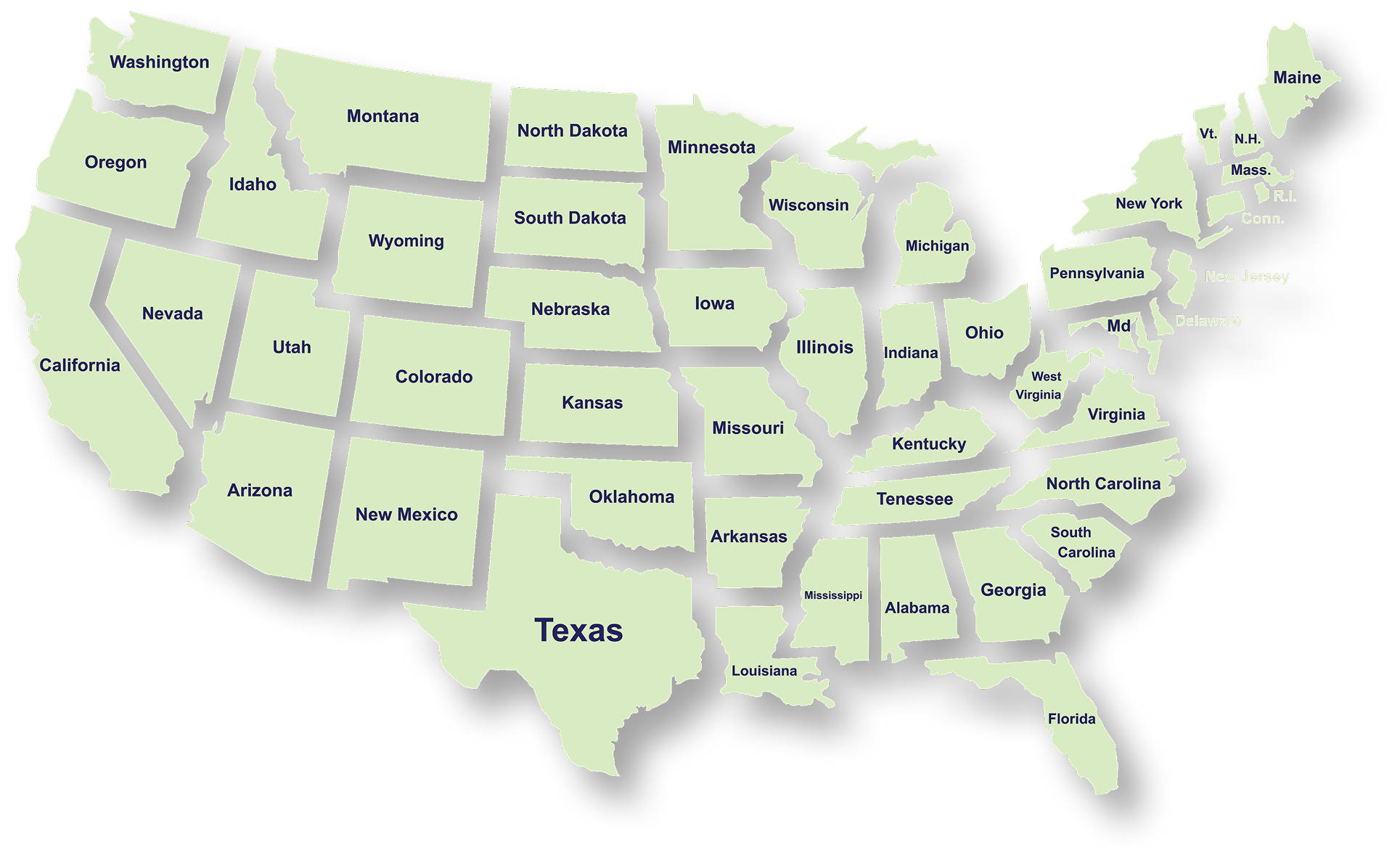
Serving Businesses & Individuals Across USA

We handle accounting, tax filing, and planning with defined timelines and accurate reporting for businesses and individuals across all states.

Frequently Asked Questions

What services does NR CPAs & Business Advisors provide?
What is tax planning and why is it important for businesses?
How can a Virtual CFO help my business?
When should a business consider IRS tax resolution services?
What financial statements does a business typically need?
How can startup advisory services help new businesses?
What is strategic business planning?
What is a Virtual Family Office and who can benefit from it?