Learning Center for Tax and Financial Insights

Stay updated with clear, actionable articles on tax rules, deadlines, deductions, and financial decisions that impact individuals and businesses.

No items found.

Tax Deductions for Firefighters

Professional Fees & Dues: Dues paid to professional societies related to your profession are deductible. These could include professional organizations, business leagues, trade associations, chambers of commerce, boards of trade and civic organizations. However, dues paid for memberships in clubs organized for business, pleasure, recreation or other social purpose are not deductible. These could include country clubs, golf and athletic clubs, airline clubs, hotel clubs and luncheon clubs. Uniforms & Upkeep Expenses: Generally, the costs of your firefighter uniforms are fully deductible if they aren’t provided to you without charge by your employer. IRS rules specify that work clothing costs and the cost of maintenance are deductible if: (1) the uniforms are required by your employer (if you’re an employee); and (2) the clothes are not adaptable to ordinary street wear. Normally, the employer’s emblem attached to the clothing indicates it is not for street wear. The cost of protective clothing (e.g. safety shoes or goggles) is also deductible. Telephone Expenses: The basic local telephone service costs of the first telephone line in your residence are not deductible. However, toll calls from that line are deductible if the calls are business-related. The costs (basic fee and toll calls) of a second line in your home are also deductible if the line is used exclusively for business. When communication equipment, such as a cell phone, is used part for business and part personally the cost of the equipment must be allocated to deductible business use and non-deductible personal use. Keep your bills for cellular phone use and mark all business calls. Continuing Education: Educational expenses are deductible under either of two conditions: (1) your employer requires the education in order for you to keep your job or rate of pay; or (2) the education maintains or improves your skills as a firefighter. Costs of courses that are taken to meet the minimum requirements of a job, or that qualify you for a new trade or business, are NOT deductible Miscellaneous: House dues and meal expenses may be deductible. Firefighters are often required to eat their meals at the station house. One court case (Sibla) said that the costs of such meals are nondeductible unless the firefighters: (1) are required to make payments to a common mess fund as a condition of employment, and (2) must pay whether or not they are at the station house to eat the meals. Contact this office for further details on this deduction. Equipment Repairs:Generally, to be deductible, items must be ordinary and necessary to your job as a firefighter and not reimbursable by your employer. Record separately items having a useful life of more than one year. Normally, the costs of such assets are recovered differently on your tax return than are other recurring, everyday business expenses such as flashlights, batteries and other supplies. Auto Travel: Your auto expenses are based on the number of qualified business miles you drive. Expenses for travel between business locations or daily transportation expenses between your residence and temporary work locations are deductible; include them as business miles. Expenses for your trips between home and work each day, or between home and one or more regular places of work, are COMMUTING expenses and are NOT deductible. Document business miles in a record book as follows: (1) give the date and business purpose of each trip; (2) note the place to which you traveled; (3) record the number of business miles; and (4) record your car’s odometer reading at both the beginning and end of the tax year. Keep receipts for all car operating expenses – gas, oil, repairs, insurance etc. – and of any reimbursement you received for your expenses. Out-of-Town Travel: Expenses incurred when traveling away from “home” overnight on job-related and continuing education trips that were not reimbursed or reimbursable by your employer are deductible. Your “home” is generally considered to be the entire city or general area where your principal place of employment is located. Out-of-town expenses include transportation, meals, lodging, tips and miscellaneous items like laundry, valet etc. Document away-from-home expenses by noting the date, destination and business purpose of your trip. Record business miles if you drove to the out-of-town location. In addition, keep a detailed record of your expenses – lodging, public transportation, meals, etc. Always list meals and lodging separately in your records. Receipts must be retained for each lodging expense. However, if any other business expense is less than $75, a receipt is not necessary if you record all of the information timely in a diary. You must keep track of the full amount of meal and entertainment expenses even though only a portion of the amount may be deductible.CLICK HERE FOR THE FORM

Explore More
No items found.

Keep More of What You Make

Saving Money to Insure Your FutureThe Smiths are college graduates with two healthy children, good jobs, a home worth about $325,000 (median home value in 2018) and two relatively new cars. To the casual observer, they’re doing well. Yet anyone taking a close-up look would find a few flaws in their situation, especially when it comes to their finances. You see, the Smiths have: Virtually no savings; Retirement plans available through employers but with contributions at a bare minimum; A portfolio of several hundred shares of stock bought as a result of a tip from a friend - the investment has gone sour; and Large debts on their home, cars and credit cards. Obviously, Mr. and Mrs. Smith could benefit from a course in financial fitness. Their greatest need is to take a long, objective look at their financial picture AND make some rather radical adjustments! Unfortunately, the hypothetical Smiths aren’t a lot different from many Americans today. Statistics indicate that a large number are saving about 4 percent of their disposable household income, far less than citizens in other countries. For example, Australians and Germans save about 10 percent.* In addition, American workers (similar to the Smiths) aren’t taking full advantage of their employer’s retirement plans, most making pension contributions of only about $2,900 each year and most fail to take full advantage of their employer’s matching contribution. Most retirement specialists recommend you save 15% of your spendable income each year. Perhaps most ominous, however, is the amount of personal debt Americans have been incurring. Household debt (including mortgages, credit cards, auto loans and student loans) increased to $13.15 trillion, according to statistics from the Federal Reserve Bank of New York. * According to statistics from the Organization for Economic Cooperation and DevelopmentImprove Your Own Financial Future The Smith scenario and previously cited statistics paint a gloomy picture, but there are steps you and your family can take to prevent similar results. Achievement of financial security comes from adjusting your current financial picture in light of future goals. Far from being easy, the whole process requires a good amount of self-sacrifice and more than a few trade-offs along the way. Check your spending habits For November 2017 the average American household carried $137,063 in debt, according to the Federal Reserve’s latest numbers. Yet the U.S. Census Bureau reports that the median household income was just $59,039 last year, suggesting that many Americans are living beyond their means. The only way to objectively view your finances is to set down on paper what you’re currently spending. No one enjoys this job, but it’s necessary if you’re serious about a plan to ensure financial well-being. Keep a log of what you spend your money on for a while (account for every cent, including all cash, check and credit purchases). Write down everything from house payments to dinners out, grocery purchases, haircuts, parking fees, entertainment expenses, doctor visits, etc. Try to list each item by category – e.g., amounts spent on movies out, Internet downloads, and cable TV could all be listed under a category called Entertainment Costs. At the end of the period, total each expense category and get ready for a huge surprise - you’ll probably find that those “little” extra miscellaneous items have made a sizable dent in your pocketbook. After you examine the totals carefully, you’ll begin to see a trend. It’s then that you need to ask yourself, “Where can I cut down?” Once you have a feel for the expense side of the ledger, concentrate on your income - salaries, pensions and annuities, interest, dividends, etc. Total everything you received for a given period (e.g., a month, a quarter, or a year) and subtract from it the grand total of all your expenditures for that same period. If your answer is positive, you’ve done all right - there’s a profit. If your answer is negative, you could be faced with a problem. Debt Could Be The CulpritOne reason many people can’t seem to get ahead financially is that they have a lot of debt - mortgages, student loans, credit cards, etc. And it’s difficult to reduce debt unless spending habits change. Probably the best place to start cutting back is with the credit cards. Most people have a huge pile of them (the average is 4-7 for most Americans). Credit card spending is expensive. Assume, for example, that the balance on your Megabank card is $1,000 on which you’re charged an annual interest rate of 20 percent. If you pay the minimum $20 per month on your account, your total yearly payments will be $240 ($20 x 12). Yet by the end of one year, you will have only reduced your debt balance by $44, as shown in the following chart:

Explore More
No items found.

It's Tax Time! Plan Ahead For Your Appointment

Are You Ready?If you’re like most taxpayers, you find yourself with an ominous stack of “homework” around TAX TIME! Unfortunately, the job of pulling together the records for your tax appointment is never easy, but the effort usually pays off when it comes to the extra tax you save! When you arrive at your appointment fully prepared, you’ll have more time to: Consider every possible legal deduction; Better evaluate your options for reporting income and deductions to choose those best suited to your situation; Explore current law changes that affect your tax status; Talk about possible law changes and discuss tax planning alternatives that could reduce your future tax liability. Choosing Your Best AlternativesThe tax law allows a variety of methods for handling income and deductions on your return. Choices made at the time you prepare your return often affect not only the current year, but later-year returns as well. When you’re fully prepared for your appointment, you will have more time to explore all avenues available for lowering your tax. For example, the law allows choices in transactions like: Sales of property If you’re receiving payments on a sales contract over a period of years, you are sometimes able to choose between reporting the whole gain in the year you sell or over a period of time, as you receive payments from the buyer. Depreciation You’re able to deduct the cost of your investment in certain business property using different methods. You can either depreciate the cost over a number of years, or in certain cases, you can deduct them all in one year. Where to Begin?Ideally, preparation for your tax appointment should begin in January of the tax year you’re working with. Right after the new year, set up a safe storage location – a file drawer, a cupboard, a safe, etc. As you receive pertinent records, file them right away, before they’re forgotten or lost. By making the practice a habit, you’ll find your job a lot easier when your actual appointment date rolls around. Other general suggestions to consider for your appointment preparation include: Segregate your records according to income and expense categories. For instance, file medical expense receipts in an envelope or folder, interest payments in another, charitable donations in a third, etc. If you receive an organizer or questionnaire to complete before your appointment, make certain you fill out every section that applies to you. (Important: Read all explanations and follow instructions carefully to be sure you don’t miss important data – organizers are designed to remind you of transactions you may miss otherwise.) Keep your annual income statements separate from your other documents (e.g.,W-2s from employers, 1099s from banks, stockbrokers, etc., and K-1s from partnerships). Be sure to take these documents to your appointment, including the instructions for K-1s! Write down questions you may have so you don’t forget to ask them at the appointment. Review last year’s return. Compare your income on that return to the income for the current year. For instance, a dividend from ABC stock on your prior-year return may remind you that you sold ABC this year and need to report the sale. Make certain that you have social security numbers for all your dependents. The IRS checks these carefully and can deny deductions and credits for returns filed without them. Compare deductions from last year with your records for this year. Did you forget anything? Collect any other documents and financial papers that you’re puzzled about. Prepare to bring these to your appointment so you can ask about them. Accuracy Even For DetailsTo ensure the greatest accuracy possible in all detail on your return, make sure you review personal data. Check name(s), address, social security number(s), and occupation(s) on last year’s return. Note any changes for this year. Although your telephone number isn’t required on your return, current home and work numbers are always helpful should questions occur during return preparation. Marital Status ChangeIf your marital status changed during the year, if you lived apart from your spouse, or if your spouse died during the year, list dates and details. Bring copies of prenuptial, legal separation, divorce, or property settlement agreements, if any, to your appointment. DependentsIf you have qualifying dependents, you will need to provide the following for each: First and last name Social security number Birth date Number of months living in your home Their income amount (both taxable and nontaxable) If you have dependent children over age 18, note how long they were full-time students during the year. To qualify as your dependent, an individual must pass several strict dependency tests. If you think a person qualifies as your dependent (but you aren’t sure), tally the amounts you provided toward his/her support vs. the amounts he/she provided. This will simplify making a final decision about whether you really qualify for the dependency. Some Transactions Deserve Special TreatmentCertain transactions require special treatment on your tax return. It’s a good idea to invest a little extra preparation effort when you have had the following transactions: Sales of Stock or Other Property: All sales of stocks, bonds, securities, real estate, and any other type of property need to be reported on your return, even if you had no profit or loss. List each sale, and have the purchase and sale documents available for each transaction. Purchase date, sale date, cost, and selling price must all be noted on your return. Make sure this information is contained on the documents you bring to your appointment. Gifted or Inherited Property: If you sell property that was given to you, you need to determine when and for how much the original owner purchased it. If you sell property you inherited, you need to know the date of the decedent’s death and the property’s value at that time. You may be able to find this information on estate tax returns or in probate documents. Assets inherited from someone who died in 2010 may have an inherited basis other than the value on the date of death; the executor of the decedent’s estate should have provided you with this information.

Explore More
No items found.

QuickBooks Tip: Tracking Time in QuickBooks

When you sell a product to a customer, you know it. It goes away, and your inventory count in QuickBooks is reduced by one. This tracking helps you know what’s selling and what’s not, and it signals when a reorder is due. If your business provides services to customers, though, you’re selling your employees’ time and skills. There’s no inventory count; you can sell as many hours as you have workers to fill them. Tracking time accurately and comprehensively, though, is as important as knowing how many hard drives or tote bags you’ve sold. QuickBooks contains tools to help you record the hours employees spend doing work for customers, so you can bill them for services rendered. You can also use these same features to enter employee time for payroll purposes. The software offers two options here: single-activity records and timesheets. Building the Foundation We’ve discussed QuickBooks’ Preferences many times before. The software was designed to support small businesses with a wide variety of structures and needs, so it needs to be flexible. For that reason, we always recommend that you check in with your “Preference” options before you explore new features. To get there, open the Edit menu and select Preferences. In the left vertical pane, click on Time & Expenses, then on the Company Preferencestab at the top. Here is a look at the top part of the window that opens: The Company Preferences window for Time & Expenses displays multiple options. To make sure that QuickBooks’ time-tracking features are turned on before you start, click the button next to Yes under Do you track time? Specify the First Day of Work Week by opening that drop-down list. If you know that all your time entries will be billable, click in the box in front of that statement. There are other options in that window; we’ll talk about them next month. Creating Service Items Before you can start tracking billable time, you have to create a record for each service offered – just like you would for a physical product. Click the Items & Services icon on the home page or open the Lists menu and select Item List. The window that opens will eventually display a table containing all the items and services you’ve created. To define a service item, click Item in the lower left corner, then New, to open a window like this:

Explore More
No items found.

If You Owe the IRS a Lot of Money, You May Not Want to Plan Any Out-of-the-Country Trips

Article Highlights: Seriously Delinquent Tax Debt Exceptions Passport Denial or Revocation As promised several months back, the IRS has begun to crack down on seriously delinquent taxpayers. A law passed on Dec. 4, 2015, requires the IRS to notify the U.S. State Department when someone has “seriously delinquent tax debt,” after which the State Department will generally deny an application for issuance or renewal of a passport for that individual and can even revoke or limit a previously issued passport. It has taken the IRS and the State Department some time to establish the procedures for this program, but they are finally in place and are being implemented in January 2018. A “seriously delinquent tax debt” is the unpaid, legally enforceable, and assessed federal tax liability of an individual that is greater than $51,000, for which a notice of federal tax lien has been filed and the taxpayer’s right to a hearing has been exhausted or lapsed, or a levy has been issued. The total amount of all current tax liabilities (including penalties and interest) for all tax years and periods meeting these criteria is included in determining if the $51,000 threshold is met.

Explore More
No items found.

Tax Reform Central: All About the Tax Cuts and Jobs Act

After over 30 years of little changes to the tax code, the “Tax Cuts and Jobs Act” (H.R. 1) delivered a major change to the law for 2018. The changes affect both individuals and business owners, so careful planning and analysis are needed to make the right financial choices. We have compiled the best coverage of the tax reform issues below. Feel free to bookmark this page as we will continue to update with new content throughout the year. State Tax IssuesTwo States Cut Taxes Due to Federal Tax Reform - 03/19/2018 Click here to learn moreTax ReformTax Reform Limits Exchanges To Defer Taxes - 3/8/18 Beginning in 2018, Sec. 1031 exchanges will only be allowed for exchanges of real property that is not held primarily for sale. Learn the tax ramifications. 03/08/2019Click here to learn moreTax ReformTax Reform Adds New Perks to Able Accounts - 3/1/18 If You Care for a Disabled Person, Tax Reform Has Added New Perks To Able Accounts 03/01/2018Click here to learn more Tax ReformIs Bunching Right For You? - 2/27/2018 With tax reform limiting some deductions, bunching deductions into one year has become a legitimate tax planning strategy. Learn how to use the tax code to your advantage. Click here to learn more Tax ReformLiving Abroad? Here Is How Tax Reform May Affect You - 2/22/2018 Expats have some of the toughest tax laws to comply with. And with that, draconian penalties if they make a mistake. So how did tax reform changes affect expatriates? Click here to learn more Tax ReformDo You Have Accumulated Deferred Foreign Income? Time To Pay Up! - 2/19/2018 If you are a shareholder in a controlled foreign corporation (CFC), tax reform has changed the way you are taxed. There are a few options for tax planning. Click here to learn more Business IssuesTax Reform Puts A Cap On Deducting Business Losses- 2/15/2018 The tax reform legislation but a crimp in deducting business losses. This does not mean that no losses are allowed, but they generally are now limited to $250,000 ($500,000 for married couples filing jointly).Click here to learn more.Tax ReformSurprise! Extender Bill Passed: Do You Benefit? - 2/12/2018 Changes to the 2017 tax law came in a surprise addition to the recent budget. These so-called, tax extenders, apply to both individuals and small business owners. The IRS will actually need to change current forms and some that already filed will need to amend their returns to take advantage of the changes.Click here to learn more.Business ExpensesBusiness Owners Beware - New Tax Law Severely Limits Entertainment Deductions - 2/09/2018 A not so popular change brought by the “Tax Cuts and Jobs Act” are the changes covering business entertainment expenses. This means you can no longer deduct 50% of the cost of that entertainment as a business expense, making it more costly for you to entertain clients. But, there are some options depending on how you conduct the meeting.Click here to learn more. Casualty LossPersonal Casualty Losses Axed By The New Tax Law - 2/07/2018 After a year of horrific hurricanes, fires, and natural disasters, the Federal Government changed the tax law in regards to tax treatment of casualty and disaster losses. The important change is whether the loss was covered in a Presidentially declared disaster area. It is an important distinction to understand. Click here to learn more. Business Expenses Employee Business Expenses & Tax Reform - 2/06/2018 The tax reform provisions will hit employees (W-2 wage earner) that incur substantial business-related expenses the most. These changes are effective in 2018 and you may want to talk to your employer about alternative compensation arrangements.Click here to learn more. Retirement Planning Tax Reform Cracks Down On IRA Recharacterizations - 2/01/2018 If you use a traditional IRA or Roth IRA for retirement savings, tax reform made some changes you need to be aware of. This overview provides some insight on what changed and some alternative strategies.Click here to learn more. Business IssuesWhat Does Tax Reform Mean to Business Owners? - 1/30/2018 Now that tax reform is a reality, business owners of all shapes and sizes need to review their business structure and the possible tax ramifications. This article reviews the different possibilities for pass-through entities. These are complicated calculations and expert advice is highly recommended. Click here to learn more.

Explore More
No results found.
Thank you! Your submission has been received!
Oops! Something went wrong while submitting the form.

Want tax & accounting tips & insights?Sign up for our newsletter.

Thank you! Your submission has been received!
Oops! Something went wrong while submitting the form.

Why Work With Us?

We combine deep tax expertise, financial strategy, and practical business insight to help you manage complexity, stay compliant, and make confident financial decisions.
A dollar sign, representing financial advice or discussion at NR CPAs & Business Advisors.

Experienced CPA and Enrolled Agent Leadership

Guidance led by licensed professionals with deep expertise in tax strategy, compliance, and complex financial matters.
White bar chart with an upward arrow on green circular background representing growth or progress at NR CPAs &. Business Advisors

Support for Growing Businesses and Startups

We understand the financial challenges of growth stage businesses and provide structured guidance to support expansion.
A white hand holding a dollar symbol and ascending bar chart on a green circular background representing financial growth or investment at NR CPAs & Business Advisors..

Strategic Financial Advisory

Our team helps you evaluate financial decisions with greater clarity, supported by practical insights and long term planning.

Fractional CFO Support

Access experienced financial leadership without the commitment and cost of hiring a full time Chief Financial Officer.

Proactive Tax Planning Approach

We focus on identifying tax opportunities throughout the year rather than reacting only during filing season.

Clear and Reliable Financial Reporting

Accurate financial statements and reporting that help you better understand performance and make informed decisions.
White IRS building icon with pillars and a dollar sign above on a green circular background.

Professional IRS Representation

Experienced support in resolving IRS notices, disputes, and compliance matters while protecting your financial interests.

Personalized Client Focus

Every client receives thoughtful attention and tailored financial solutions based on their specific needs and business goals.
Financial matters often involve important decisions. Working with experienced advisors can help you approach them with greater clarity and confidence in your choices.

Need Help With Your Tax or Financial Decisions?

Discuss your situation with our advisors to get clear guidance on tax planning, IRS matters, and the financial decisions ahead.
Business consulting at NR CPAs & Business Advisors.

Request Your Consultation

Fill out the form to discuss your tax concerns, financial questions, or advisory needs with our team. We will review your details and respond shortly.

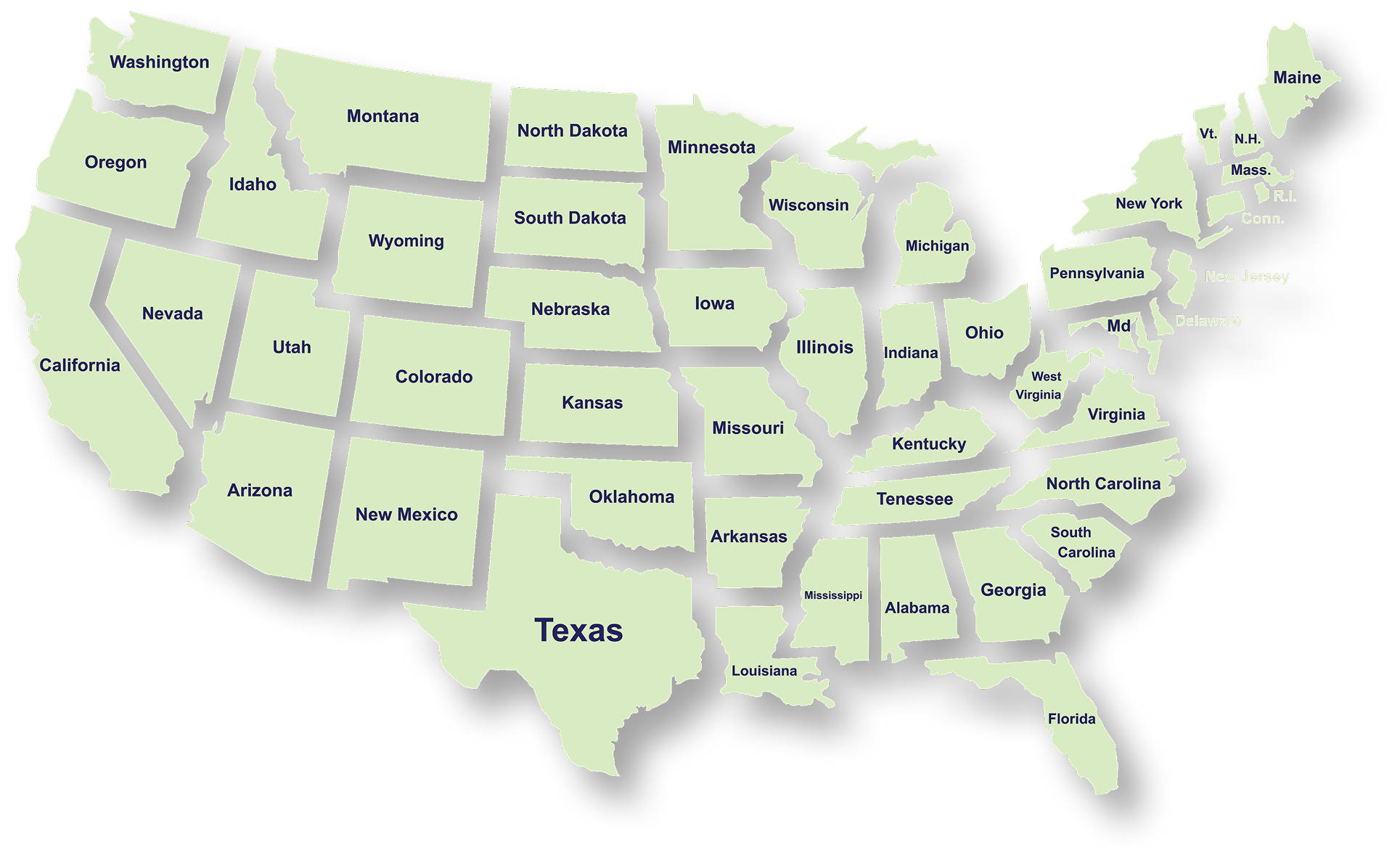
Serving Businesses & Individuals Across USA

We handle accounting, tax filing, and planning with defined timelines and accurate reporting for businesses and individuals across all states.

Frequently Asked Questions

What services does NR CPAs & Business Advisors provide?
What is tax planning and why is it important for businesses?
How can a Virtual CFO help my business?
When should a business consider IRS tax resolution services?
What financial statements does a business typically need?
How can startup advisory services help new businesses?
What is strategic business planning?
What is a Virtual Family Office and who can benefit from it?