Learning Center for Tax and Financial Insights

Stay updated with clear, actionable articles on tax rules, deadlines, deductions, and financial decisions that impact individuals and businesses.

No items found.

Exploring CEO Compensation: Insights from Starbucks

According to the 2024 AFL‑CIO Executive Paywatch report, Starbucks CEO Brian Niccol received approximately $98 million in compensation, the highest among CEOs of the 500 largest U.S. public companies. This amount is 6,666 times that of an average Starbucks worker earning less than $15,000 annually. While Niccol's pay might seem extreme, it underscores a broader trend: the average S&P 500 CEO earned $18.9 million in 2024, or 285 times the median worker's $49,500 salary, up from 268:1 in 2023. Renowned figures such as Bob Iger from Disney and other top executives at major corporations like Axon, Netflix, Apple, and JPMorgan also feature in the realm of eight- or nine-figure compensation packages. Why Such High CEO Compensation? 1. Pay-for-Performance Models CEO compensation is predominantly outcome-driven, focused on metrics like stock performance, shareholder returns, and EPS growth. CEOs like Niccol receive significant long-term equity rewards, aligning their interests with those of shareholders, though critics argue these rewards sometimes reflect success disconnected from workforce contributions. 2. Competitive Talent Market Corporations claim that securing elite leadership in global markets necessitates high compensation. The demand to retain executives capable of leading multinationals like Starbucks drives boards to benchmark against elite peers within upper compensation echelons. 3. Governance Dynamics Governance mechanisms sometimes lack independence, as studies reveal. This can lead to rising CEO compensation through strategic benchmarking. Moreover, CEOs can influence boards, perpetuating high-pay cultures. Starbucks' compensation disparity is partly affected by its workforce, predominantly part-time employees like students or baristas with secondary jobs. Despite these roles, Starbucks offers varied benefits even for part-time staff.

Explore More
No items found.

Understanding the OBBBA: No Tax on Overtime Explained

The One Big Beautiful Bill Act (OBBBA) introduces pivotal changes to the tax code, significantly impacting how American workers handle overtime earnings. One of the standout provisions of this legislation is a brand-new deduction specifically targeting overtime pay, designed to alleviate some of the financial strains on hardworking individuals. To gain a comprehensive understanding of these alterations and the criteria for this deduction, watch our informative video. As experienced tax advisors based in Coral Gables, Florida, we at NR CPAs & Business Advisors understand the complexities such changes bring. Led by our licensed CPA and Enrolled Agent, Nischay Rawal, we provide valuable insights into how these adjustments can fit into your overall financial plan, whether for individuals or businesses. Our boutique firm's personalized approach ensures that our clients receive the same depth of expertise typically reserved for larger firms.

Explore More
No items found.

Unlocking Tax Relief: Understanding Qualified Small Business Stock

For investors intent on fueling the engine of small business innovation, Qualified Small Business Stock (QSBS) offers substantial tax relief opportunities. Originating from the Revenue Reconciliation Act of 1993, QSBS allows investors to significantly reduce their taxable capital gains through Section 1202 of the Internal Revenue Code. This article will delve into the properties and complex tax nuances associated with QSBS, providing critical insights for investors and business advisors alike. Understanding QSBS QSBS stands for stock in a C corporation that meets detailed criteria for tax benefits under Section 1202. However, only certain C corporation stocks meet these conditions; the issuing corporation and stockholder must satisfy specific provisions regarding issuance, holding periods, and the corporation's business activities. Criteria for QSBS Qualification To qualify as QSBS, stock must be issued by a domestic C corporation engaged in a qualifying business activity. The main qualifications include: Small Business Status: The corporation's gross assets must not exceed $50 million at the time of stock issuance, a threshold rising to $75 million post-July 4, 2025. Active Business Requirement: 80% of the corporation's assets should be actively employed in conducting the qualified trade or business. Qualified Trade or Business: The corporation must primarily engage in eligible activities, excluding many service-oriented businesses and industries like health and finance. The Tax Advantages of QSBS A key benefit of QSBS is the exemption of up to 100% of capital gains from tax when the stock is sold. This exclusion has evolved significantly:

Explore More
No items found.

Strategic Financial Steps to Meet Your 2025 Targets

The pace of the year can often lead to financial strategies being overlooked. Fortunately, there is still a window to implement strategic actions that align your fiscal plans with your ambitions for 2025.The mid-year point serves as an optimal moment to evaluate your progression, recalibrate your financial tactics, and ensure you are on the trajectory to achieve your desired financial outcomes by 2025. Consider integrating these pivotal steps into your financial review:1. Reassess Your Tax WithholdingEnsure your withholdings reflect your present income and deductions accurately. Any necessary alterations at this stage can prevent an unexpected tax bill next spring or avert excessive withholding of funds that could be effectively utilized now.2. Amplify Retirement ContributionsA modest increase to your 401(k), IRA, or other retirement accounts midway through the year can drive substantial benefits. Such adjustments not only fortify your long-term financial stability but also potentially shield you from a higher tax liability for 2025.3. Realign Your Investment PortfolioInvestment markets are dynamic, necessitating that your portfolio adapts to maintain alignment with your financial goals and risk appetite. Conducting a mid-year evaluation is critical for maintaining a balance between growth potential and financial stability.

Explore More
No items found.

Securing Your Child’s Future: Tax Strategies Unveiled

Planning for a child's financial future is a powerful gift that transcends generations. By utilizing tax-advantaged accounts and innovative strategies, parents, grandparents, and trusted advisors can significantly influence a child's financial well-being both in the near term and throughout their life. This guide explores key options like Trump Accounts, Section 529 plans, and other innovative strategies to build a solid financial foundation for the next generation. Trump Accounts: Revolutionizing Childhood Savings Understanding Trump Accounts - As part of recent tax reforms, Trump Accounts offer a novel approach to childhood savings. These tax-deferred accounts encourage savings for children under 18, without requiring the child to have earned income. They can be funded from diverse sources, such as family, employers, and in some instances, government initiatives. Contribution Regulations - Annual deposits are capped at $5,000, subject to inflation adjustments. Contributions from tax-exempt entities don’t affect these limits, provided they benefit eligible groups. However, contributions cease when the child turns 18. Notably, contributions aren't tax-deductible. Distribution Rules - Withdrawals generally begin at age 18, aligning with many retirement accounts; however, earnings withdrawn before age 59½ are taxed unless an exception applies. Government Initiatives - A pilot program offers $1,000 from the federal government into each eligible newborn's account from 2025 to 2028, simulating a tax credit that boosts early savings. If needed, the Treasury ensures account setup to prevent missed opportunities. Future Prospects - Look for updates on regulations as we approach a mid-2026 launch when broader participation in Trump Accounts is expected. Section 529 Plans: A Solid Approach for Educational Savings Overview of 529 Plans - These plans are formulated to support educational financing. They grow tax-deferred, and withdrawals for qualified expenses remain tax-free, ensuring maximum educational advantage. Contributions and Tax Strategies Open to All - Anyone, regardless of income, can contribute, supporting inclusive financial planning. Annual Contribution Limits - Stay within gift tax exclusions to avoid implications. Strategies like the 5-year lump sum allow substantial tax-free contributions upfront, accommodating fluctuating exclusion limits. Flexible Usage - Besides traditional education costs, plan funds can cover K-12 tuition and apprenticeship programs, adapting to evolving educational paths. Rollovers to Roth IRAs - The Secure Act 2.0 facilitates unused 529 funds’ rollover to a Roth IRA, secured after 15 years, aiding long-term financial health.

Explore More
No items found.

Family Business Transition: Overcoming Tax Obstacles

Transforming your dream into a thriving family business is a remarkable achievement, withstanding the challenges of economic variability. Whether your enterprise is a cherished neighborhood restaurant, a bustling dental practice, a small yet productive farm, or an evolving consulting firm, you may one day wish to pass this legacy onto the next generation. This could mean entrusting it to your MBA-graduate niece or your son who has grown alongside you in the business. Transferring business ownership within the family, however, involves navigating complex tax hurdles that can jeopardize a smooth transition if not expertly managed. Understand that the transition requires more than just signatory legal documents or naming a successor. It involves meticulous tax planning to prevent IRS penalties and avoid familial discord stemming from overlooked tax liabilities. Key Considerations for Transferring Ownership Simply passing your business to your children isn’t free from tax implications. Attempting a simple gift or discounted sale can result in significant taxes. Upon inheritance, families often face debates over valuation and estate taxes. Let's explore strategies to effectively manage these potential tax obligations while safeguarding your family's inheritance. Addressing Tax Challenges with Practical Solutions 1. Capital Gains Dilemma Imagine starting your business with a capital of $20,000, which has grown to a valuation of $2 million. In the event of a transfer, the recipients may inherit your original cost basis, resulting in significant capital gains taxes when sold. Challenge: Gifting may avoid estate taxes yet incur steeper capital gains. Solution: Opting for inheritance can reset the basis to fair market value, mitigating tax burdens. 2. Intricacies of S-Corporation Share Ownership S-Corporations impose strict rules on share transfers. Mistakes can lead to the forfeiture of S-Corp status accompanied by severe tax consequences. Challenge: Poorly handled transfers threaten S-Corp benefits. Solution: Work alongside a tax advisor versed in S-Corp legislation and consider grantor trusts to transfer shares seamlessly. 3. Managing Gift and Estate Tax Exemptions As of 2025, the gift and estate exemption is $13.99M, increasing to $15M per individual in 2026 ($30M for married couples). Challenge: Exceeding these limits without careful documentation decreases your exemption. Solution: Execute gradual ownership transfers using annual exclusion gifts, professionally documented.

Explore More
No results found.
Thank you! Your submission has been received!
Oops! Something went wrong while submitting the form.

Want tax & accounting tips & insights?Sign up for our newsletter.

Thank you! Your submission has been received!
Oops! Something went wrong while submitting the form.

Why Work With Us?

We combine deep tax expertise, financial strategy, and practical business insight to help you manage complexity, stay compliant, and make confident financial decisions.
A dollar sign, representing financial advice or discussion at NR CPAs & Business Advisors.

Experienced CPA and Enrolled Agent Leadership

Guidance led by licensed professionals with deep expertise in tax strategy, compliance, and complex financial matters.
White bar chart with an upward arrow on green circular background representing growth or progress at NR CPAs &. Business Advisors

Support for Growing Businesses and Startups

We understand the financial challenges of growth stage businesses and provide structured guidance to support expansion.
A white hand holding a dollar symbol and ascending bar chart on a green circular background representing financial growth or investment at NR CPAs & Business Advisors..

Strategic Financial Advisory

Our team helps you evaluate financial decisions with greater clarity, supported by practical insights and long term planning.

Fractional CFO Support

Access experienced financial leadership without the commitment and cost of hiring a full time Chief Financial Officer.

Proactive Tax Planning Approach

We focus on identifying tax opportunities throughout the year rather than reacting only during filing season.

Clear and Reliable Financial Reporting

Accurate financial statements and reporting that help you better understand performance and make informed decisions.
White IRS building icon with pillars and a dollar sign above on a green circular background.

Professional IRS Representation

Experienced support in resolving IRS notices, disputes, and compliance matters while protecting your financial interests.

Personalized Client Focus

Every client receives thoughtful attention and tailored financial solutions based on their specific needs and business goals.
Financial matters often involve important decisions. Working with experienced advisors can help you approach them with greater clarity and confidence in your choices.

Need Help With Your Tax or Financial Decisions?

Discuss your situation with our advisors to get clear guidance on tax planning, IRS matters, and the financial decisions ahead.
Business consulting at NR CPAs & Business Advisors.

Request Your Consultation

Fill out the form to discuss your tax concerns, financial questions, or advisory needs with our team. We will review your details and respond shortly.

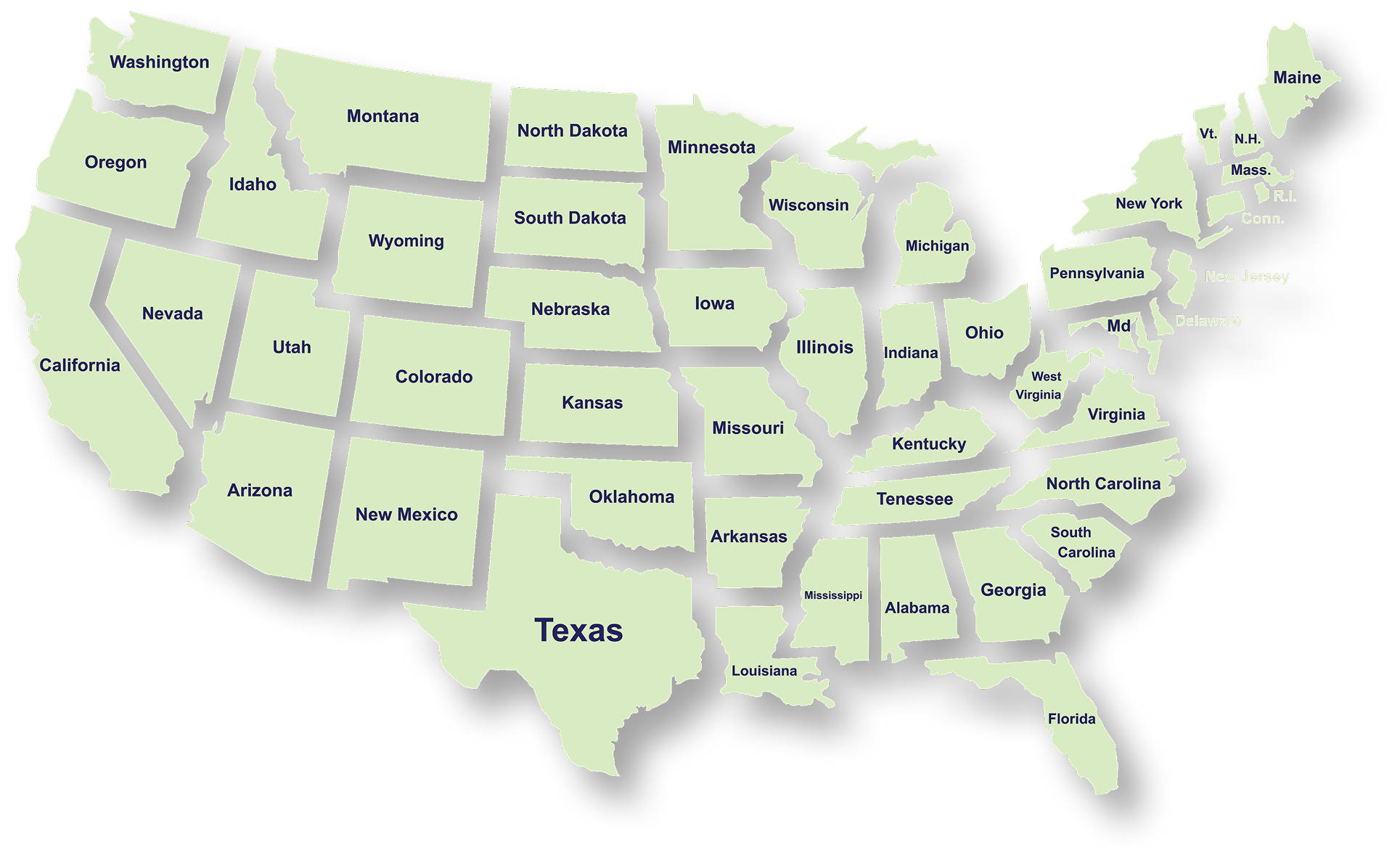
Serving Businesses & Individuals Across USA

We handle accounting, tax filing, and planning with defined timelines and accurate reporting for businesses and individuals across all states.

Frequently Asked Questions

What services does NR CPAs & Business Advisors provide?
What is tax planning and why is it important for businesses?
How can a Virtual CFO help my business?
When should a business consider IRS tax resolution services?
What financial statements does a business typically need?
How can startup advisory services help new businesses?
What is strategic business planning?
What is a Virtual Family Office and who can benefit from it?