Learning Center for Tax and Financial Insights

Stay updated with clear, actionable articles on tax rules, deadlines, deductions, and financial decisions that impact individuals and businesses.

No items found.

Reviving Business Growth: 100% Bonus Depreciation Returns with New Expensing Opportunities

The revival of the 100% bonus depreciation is a pivotal aspect of the latest U.S. tax laws, devised to stimulate economic growth. The 2017 Tax Cuts and Jobs Act (TCJA) highlighted the significance of bonus depreciation, and its permanent renewal through the "One Big Beautiful Bill Act (OBBBA)" underscores its relevance, especially in light of the pandemic's economic impacts. This analysis delves into the tax advantages, history, applicability, and detailed regulations surrounding bonus depreciation, clarifying the recent legislative amendments. Historical Context: A Boost for Economic Stimulus - Initially introduced under the Job Creation and Worker Assistance Act of 2002, bonus depreciation allowed businesses to immediately deduct a significant portion of qualifying property costs. Initially set at 30%, this deduction expanded to 50% and eventually to 100% during economic downturns. The TCJA’s introduction of a 100% first-year deduction for qualifying property marked a robust incentive for businesses, aimed at encouraging capital investment and economic growth. Though a sunset provision in the TCJA planned to phase out bonus depreciation starting in 2023, prohibiting it by 2027, the OBBBA has now permanently reinstated it. Tax Benefits of Bonus Depreciation - This provision allows immediate deduction of asset costs in the year they are placed into service, offering instant tax relief that bolsters investment. By enhancing cash flow through taxable income reduction, it serves as a powerful inducement for acquiring new assets. Nonetheless, the strategic application of bonus depreciation requires meticulous planning, particularly with regard to the Section 199A deduction on qualified business income (QBI). Immediate large capital purchases write-offs may diminish profit and thus the Sec 199A deduction, although they can help avoid certain phase-outs and limitations associated with 199A. Qualification Criteria for Bonus Depreciation - Eligible property encompasses tangible items with a recovery period of 20 years or less, like computer software, water utility property, and qualified improvements and productions, as determined by the IRS. Typically, business vehicles have a recovery period of 5 years, while office equipment spans 7 years. Real property, with a recovery period of either 27.5 or 39 years, does not qualify. The TCJA expanded the eligibility scope, permitting both new and used qualifying property investments, thus enhancing their attractiveness. Public utility properties and dealer-linked vehicle properties are explicitly excluded, adding layers of complexity. Qualified Improvement and Property Issues - Initially facing legislative challenges under the TCJA, qualified improvement property was intended to consolidate leasehold, restaurant, and retail improvements into a bonus depreciation-eligible category under a 15-year MACRS recovery period. However, errors in initial legislation excluded these properties until the CARES Act addressed the oversight. Revoking Bonus Depreciation and AMT Implications - Usually, opting out of bonus depreciation necessitates IRS consent unless a revocation occurs on a timely filed return confirmed within six months via an amended return. An advantage is that properties with bonus deprecation claims are not subject to alternative minimum tax (AMT) adjustments, aligning AMT depreciation relief with regular tax objectives. Business Automobiles and Other Depreciation Rules - "Luxury autos" are subject to special rules and deduction limitations. The depreciation cap receives an $8,000 uplift during bonus depreciation years as stipulated by the TCJA. OBBBA does not address this, implying the continuation of this additional amount. Related party rules and Section 179 application, demanding pre-bonus depreciation adjustments, impart further complexity. Section 179 provides an alternate depreciation method for certain business property without depreciating the asset’s cost, although this deduction must be recaptured if business usage drops to 50% or less anytime post the year of service inception. Issues Addressed by Recent Legislation - The OBBBA reinstatement extends the 100% deduction for qualified property acquired and placed in service post-January 19, 2025. Qualified property placed in service between January 1, 2025, and January 19, 2025, maintains a 40% depreciation rate. This constancy provides long-term planning capabilities, synchronizing investments with wider economic policies to encourage growth. Qualified Production Property - Alongside bonus depreciation, the "One Big Beautiful Bill Act" promotes U.S. manufacturing. Effective post-July 4, 2025, the OBBBA authorizes a full deduction of certain new factory costs, specific improvements, and structures adjusting basis upon service inception.Qualified Production Property necessitates certain criteria: - Integral part of a qualified production activity within the U.S. or its territories.- Original taxpayer commencing property use.- Construction commencement between January 19, 2025, and January 1, 2029.- Required taxpayer election on tax return, with IRS guidance to follow.- Service placement before January 1, 2031.Ineligible property includes office, administrative, lodging, parking, sales, research, or specified other functions. Production Machinery - Machinery not qualifying as qualified production property remains eligible for the OBBBA-reinstated 100% bonus depreciation. Qualified Production Activity - Defined activities include manufacturing, agricultural, and chemical production, or the refining of a qualified product, involving significant transformation. A qualified product excludes any tangible personal property or food or beverage prepared and sold from the same building retail establishment location. Note, recapture rules apply within 10 years post-service placement, if property usage changes, leading to any gain recognized as ordinary income.

Explore More
No items found.

Maximizing Tax Benefits: The OBBBA Overtime Deduction Guide

The enactment of the One Big Beautiful Bill Act (OBBBA) represents a pivotal evolution in tax policy, presenting opportunities for financial relief to American workers. A notable element is the introduction of a new deduction for overtime pay. In this comprehensive guide, we delve into the intricacies of deductible overtime under the OBBBA, delineate the deduction’s parameters, and highlight essential considerations for both taxpayers and professionals. Decoding Deductible Overtime: Looking Deeper Under the OBBBA, taxpayers can benefit from an above-the-line deduction for overtime premium pay. It applies solely to "qualified overtime compensation," defined by its excess over the standard hourly rate as stipulated in the Fair Labor Standards Act of 1938. Consequently, only the premium component of overtime pay is deductible, not the entire amount. This distinction is crucial for accurate tax calculations and potential savings. For instance, if a worker earns $40 per hour regularly and receives $55 per hour for overtime, the deductible part is the $15 premium per overtime hour. This understanding could notably influence the tax outcome for many workers. Limits on Deduction: Income and Beyond The OBBBA imposes annual caps on the deduction: $12,500 for singles and $25,000 for joint filers. Moreover, the taxpayer’s Modified Adjusted Gross Income (MAGI) further constrains these benefits. MAGI is determinant for eligibility, derived from Adjusted Gross Income (AGI) by adding specific deductions and exclusions, like the foreign earned income exclusion. The deduction decreases by $100 for every $1,000 by which a taxpayer’s MAGI surpasses $150,000 for individuals or $300,000 for joint filers. Hence, higher earners may see reduced or nullified deductions, underscoring the importance of precise MAGI calculations. Relevant Dates and Temporary Nature Not a permanent fixture of the tax code, this deduction covers taxable years starting from 2025, ending in 2028. Understanding its timeline is essential for those seeking to optimize financial planning and tax strategies during its effectiveness. Timely adjustments in financial plans can maximize benefits within this limited duration.

Explore More
No items found.

Urgent Update: Major Changes to Energy Tax Credits

The ambitious "One Big Beautiful Bill" Act is set to bring substantial changes to critical energy tax credits, potentially hastening their expiration dates. These legislative modifications urge consumers to swiftly align their strategies in order to capitalize on these credits before they are phased out. Watch our informative video to identify which energy tax credits might be impacted and learn how you can leverage these changes effectively.

Explore More
No items found.

Act Now: Navigating New Expiration Dates for Key Energy Tax Credits

As the urgency around climate change gains momentum, government incentives to adopt sustainable energy practices have seen significant reforms. Federal tax credits for green initiatives like solar panel installations, energy-efficient home upgrades, and electric vehicle purchases have historically driven consumer and homeowner participation. However, a major legislative change, informally dubbed the "One Big Beautiful Bill" Act, has dramatically reshaped the timeline for these credits, compelling rapid action from stakeholders aiming to leverage these financial benefits. Solar Energy Investment Incentives - The Residential Clean Energy Credit has long stood as a critical driver for homeowners investing in solar electric systems. Previously, this credit offered a robust financial inducement: a 30% deduction from federal taxes for the costs of installing solar equipment—this covered qualified solar electric property, solar water heating, geothermal heat pumps, and even wind energy systems. Under earlier guidelines, projects completed by December 31, 2032, qualified for this credit. Now, the revised legislation imposes an urgent deadline: December 31, 2025. This means homeowners must not only complete installations but also secure final inspections before this cutoff to qualify for the credit. Improvements for Home Energy Efficiency - The Energy Efficient Home Improvement Credit incentivized homeowners to enhance their properties with qualifying energy-saving upgrades. This previously allowed a 30% annual rebate, capped at $1,200, on expenditures for projects like high-efficiency HVAC systems, advanced insulation, energy-efficient doors, and windows. Originally applicable to properties through 2032, the new act brings forward the expiration to December 31, 2025. For those contemplating such upgrades, this creates a pressing timeline, particularly given the mandatory approval protocols often required from local authorities. Incentives for Electric Vehicles New Electric Vehicle Credit: The Clean Vehicle Credit, which underpinned the purchase of new electric vehicles with up to $7,500 in federal credits, is also undergoing changes. This initiative aimed to stimulate domestic manufacturing and ensure supply chain durability through mandates on critical mineral usage and battery component sourcing. The revised rules stipulate that eligible vehicles must comply with specific MSRP caps: $80,000 for vans, pickups, and SUVs, and $55,000 for other vehicles, all assembled in the U.S. Where the prior framework extended this incentive to 2032, the new legislation terminates eligibility for vehicles bought after September 30, 2025, urging expedient decision-making among consumers. Previously Owned EV Credit: This credit, created to incentivize the purchase of used electric vehicles, provided either $4,000 or 30% of the vehicle's sale price, subject to a price cap and income restrictions. Initial legislation scheduled this credit to sunset in 2032, but recent changes adjust this to end on September 30, 2025. Prospective buyers must rapidly navigate this new framework, especially as market inventories respond to regulatory adjustments.

Explore More
No items found.

Scaling Your Side Hustle: From Aspiration to Enterprise

Explore More
No items found.

Maximizing Educational Investments: A Comprehensive Guide to 529 Plans

In today's financial landscape, preparing for education expenses has become a critical aspect of familial financial planning. Section 529 plans serve as a pivotal instrument, offering tax-advantaged investment opportunities tailored to alleviate future education costs. These "qualified tuition plans," sponsored by states or educational entities, empower families to strategically save amid surging education fees. Here, we dissect the intricacies of contribution protocols, spending flexibilities, and legislative nuances under the recent "One Big Beautiful Bill" Act (OBBBA). Inclusive Contributor Opportunities — A standout feature of the 529 plan framework is contribution inclusivity. Unconstrained by contributor income or relation type, these accounts afford flexibility, permitting deposits from parents, grandparents, friends, and beyond, without caps dictated by contributor profile. Their gift-like nature frequently positions these plans as a preferred option for commemorative financial gestures. Gift Tax Exemption Maximization — As of 2025, contributors can allocate up to $19,000 per beneficiary annually without invoking gift tax considerations, aligning with federal guidelines adjusted for inflation. This translates to $38,000 of tax-exempt gifts from a couple to each designated beneficiary, fostering robust educational support without tax complications. Strategic Pre-Funding: The Five-Year Advancement — Exploiting the strategic "superfunding" capacity of 529 plans allows donors to amplify their contributions notably. Creators can deposit an amount equating to five times the allowed annual gift exclusion into a single year's contribution, facilitating $95,000 per beneficiary in 2025. This foresight permits expansive tax-free growth opportunities by investing when beneficiaries are younger. Adapting to Inflationary Contribution Veers — During the five-year coverage following a superfund transaction, contributors may inject additional funds in response to inflation-adjusted exclusion increases—extending the breadth of tax-exempted contributions annually. Awareness of State Specificity — While typically ranging from $235,000 up to $550,000 per individual beneficiary, each state stipulates unique constraints on 529 plan accumulations, influenced by projected tuition expenses. Careful analysis of state-specific policies is essential, particularly for those considering cross-border education funding strategies.

Explore More
No results found.
Thank you! Your submission has been received!
Oops! Something went wrong while submitting the form.

Want tax & accounting tips & insights?Sign up for our newsletter.

Thank you! Your submission has been received!
Oops! Something went wrong while submitting the form.

Why Work With Us?

We combine deep tax expertise, financial strategy, and practical business insight to help you manage complexity, stay compliant, and make confident financial decisions.
A dollar sign, representing financial advice or discussion at NR CPAs & Business Advisors.

Experienced CPA and Enrolled Agent Leadership

Guidance led by licensed professionals with deep expertise in tax strategy, compliance, and complex financial matters.
White bar chart with an upward arrow on green circular background representing growth or progress at NR CPAs &. Business Advisors

Support for Growing Businesses and Startups

We understand the financial challenges of growth stage businesses and provide structured guidance to support expansion.
A white hand holding a dollar symbol and ascending bar chart on a green circular background representing financial growth or investment at NR CPAs & Business Advisors..

Strategic Financial Advisory

Our team helps you evaluate financial decisions with greater clarity, supported by practical insights and long term planning.

Fractional CFO Support

Access experienced financial leadership without the commitment and cost of hiring a full time Chief Financial Officer.

Proactive Tax Planning Approach

We focus on identifying tax opportunities throughout the year rather than reacting only during filing season.

Clear and Reliable Financial Reporting

Accurate financial statements and reporting that help you better understand performance and make informed decisions.
White IRS building icon with pillars and a dollar sign above on a green circular background.

Professional IRS Representation

Experienced support in resolving IRS notices, disputes, and compliance matters while protecting your financial interests.

Personalized Client Focus

Every client receives thoughtful attention and tailored financial solutions based on their specific needs and business goals.
Financial matters often involve important decisions. Working with experienced advisors can help you approach them with greater clarity and confidence in your choices.

Need Help With Your Tax or Financial Decisions?

Discuss your situation with our advisors to get clear guidance on tax planning, IRS matters, and the financial decisions ahead.
Business consulting at NR CPAs & Business Advisors.

Request Your Consultation

Fill out the form to discuss your tax concerns, financial questions, or advisory needs with our team. We will review your details and respond shortly.

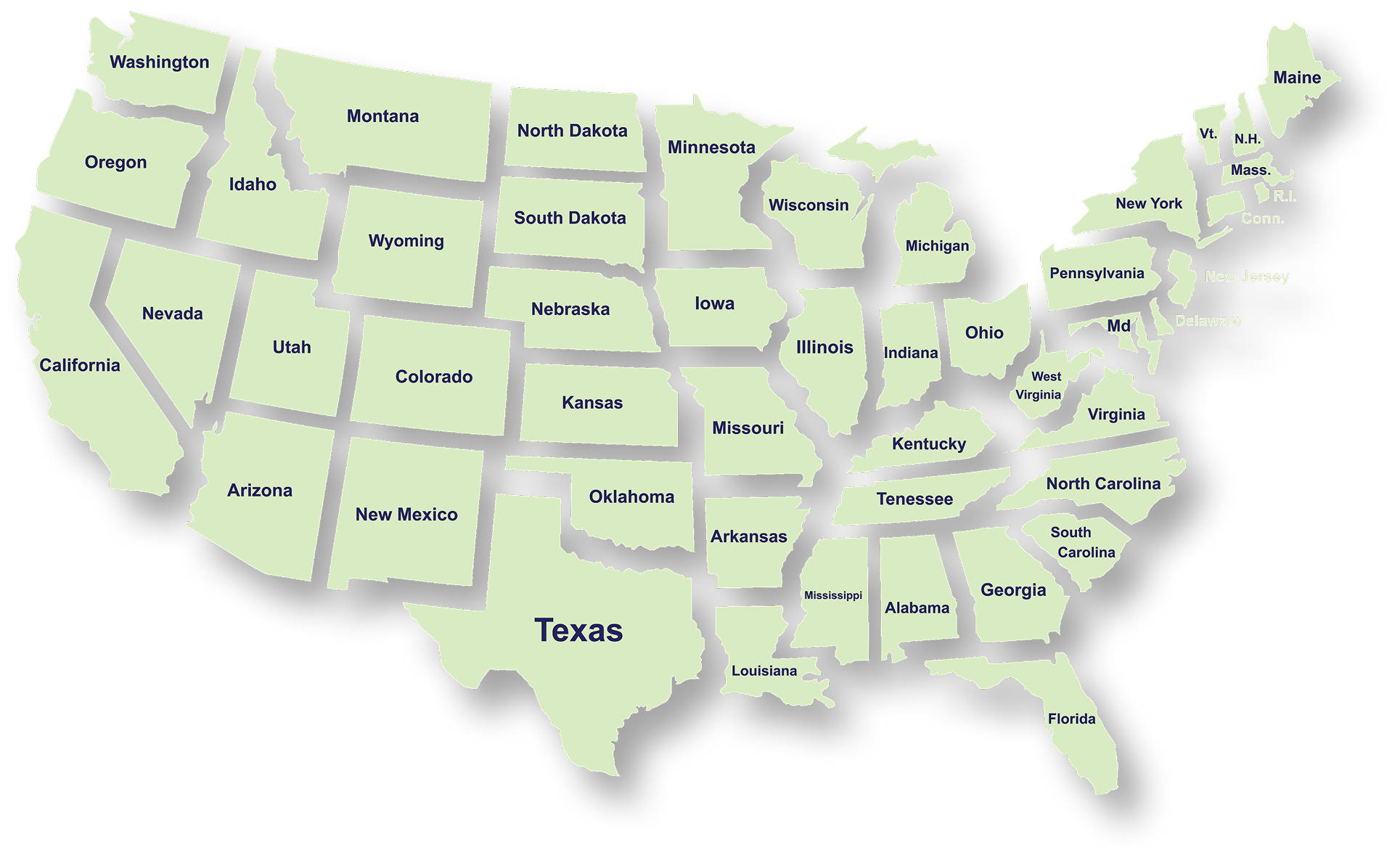
Serving Businesses & Individuals Across USA

We handle accounting, tax filing, and planning with defined timelines and accurate reporting for businesses and individuals across all states.

Frequently Asked Questions

What services does NR CPAs & Business Advisors provide?
What is tax planning and why is it important for businesses?
How can a Virtual CFO help my business?
When should a business consider IRS tax resolution services?
What financial statements does a business typically need?
How can startup advisory services help new businesses?
What is strategic business planning?
What is a Virtual Family Office and who can benefit from it?