Learning Center for Tax and Financial Insights

Stay updated with clear, actionable articles on tax rules, deadlines, deductions, and financial decisions that impact individuals and businesses.

For Business

How to Build a Scalable Business with the Help of a Virtual CFO

How to Build a Scalable Business with the Help of a Virtual CFO for Startups and Growing Companies Scaling a company without strategic financial guidance often leads to cash shortages and restricted growth. A Virtual CFO for startups integrates forecasting, cash flow optimization, and performance metrics to establish a scalable business model that adapts to changing markets. In this guide, I’ll define the Virtual CFO role, detail the key financial strategies they employ, outline a blueprint for building an efficient model, explore industry-specific applications, explain how to select the right partner, and showcase real-world success. By weaving in NRCPA’s Miami-based expertise in startup, hospitality, and sports finance, you’ll see exactly how a Virtual CFO drives sustainable expansion. What Is a Virtual CFO and Why Is It Essential for Building a Scalable Business? A Virtual CFO is a strategic financial leader who provides expert guidance, scenario planning, and KPI tracking on a flexible, part-time basis to help businesses scale efficiently. This outsourced executive role bridges the gap between daily bookkeeping and high-level decision-making, ensuring cash flow stays healthy and growth projections remain realistic. For CEOs, engaging a Virtual CFO means gaining financial clarity without the overhead of a full-time executive. What Does a Virtual CFO Do Beyond Traditional Accounting? A Virtual CFO provides strategic forecasting, risk analysis, and capital planning in addition to overseeing financial statements and compliance. Financial Forecasting and Modeling – Builds dynamic models that predict revenue and expense scenarios. Strategic Budgeting – Aligns spending with growth objectives and market opportunities. Capital Raising Support – Prepares pitch decks and financial due diligence materials for investors or lenders. Performance Monitoring – Tracks KPIs such as gross margin, burn rate, and customer acquisition cost. By combining tactical bookkeeping with forward-looking analytics, a Virtual CFO transforms raw data into actionable plans that support long-term expansion. How Does a Virtual CFO Support Startups and Small Businesses? Startups benefit from a Virtual CFO’s expertise in early-stage funding, cash runway management, and unit economics. Cash Runway Optimization – Extends operational runway by balancing burn rate with revenue inflows. Funding Stage Guidance – Advises on seed, Series A or debt financing based on growth trajectories. Cost Structure Analysis – Identifies high-impact expense reductions without stalling innovation. This startup-focused approach ensures fledgling companies make data-driven decisions that preserve agility and accelerate scale. What Are the Benefits of Hiring a Fractional CFO for Scalable Growth? Engaging a fractional CFO grants access to senior financial leadership at a fraction of full-time cost while retaining flexibility. Cost Efficiency – Pay only for hours or deliverables needed, reducing fixed overhead. Rapid Expertise Deployment – Tap into specialized skills in forecasting, M&A, or restructuring. Scalable Engagement – Scale up or down based on project phases, budget cycles, or expansion milestones. Fractional CFO services deliver strategic insight and operational support precisely when and where growth demands it. Benefits of Fractional CFO Services Engaging a fractional CFO offers several advantages, including cost efficiency, access to specialized expertise, and scalable engagement options. This model allows businesses to access senior financial leadership precisely when and where growth demands it, without the overhead of a full-time executive. Jones, A., The Rise of the Fractional CFO (2023) This citation supports the article's claims about the benefits of using a fractional CFO for scalable growth. How Does a Virtual CFO Compare to a Traditional In-House CFO? Entity Attribute Virtual CFO Traditional In-House CFO Cost Structure Compensation Model Variable, project-based or hourly Fixed salary, benefits, potential equity Flexibility Engagement Scope Scalable, on-demand Full-time responsibilities only Strategic Focus Core Deliverables Forecasting, growth strategy, KPI review Broad oversight, internal stakeholder management Onboarding Speed Time to Value Days to weeks Months of recruitment and training Industry Expertise Sector Specialization Pooled across clients, niche sectors May require training on industry specifics Which Financial Strategies Does a Virtual CFO Use to Drive Scalable Business Growth? A Virtual CFO deploys targeted financial levers—cash flow management, metrics tracking, strategic planning, and capital optimization—to build a scalable business foundation. By integrating real-time analytics and funding strategies, they ensure each growth phase is backed by sound financial engineering. How Does Cash Flow Management Enable Sustainable Scaling? Effective cash flow management aligns receivables, payables, and operational expenses to maintain liquidity and fund expansion. Receivables Acceleration – Implements invoicing automation and early payment incentives. Payables Optimization – Negotiates vendor terms and consolidates payments for better cash balances. Buffer Reserves – Structures cash pools to cover 2–3 months of fixed costs. Optimized cash flow reduces growth friction and supports aggressive market entry or hiring plans. What Key Financial Metrics Should Startups Track for Scalability? Below are critical metrics every scaling startup should monitor: Metric Description Target Value Example Burn Rate Net cash outflow per month Less than 20% of cash reserves Customer Acquisition Cost (CAC) Total sales & marketing spend per customer $200–$500 depending on industry Lifetime Value (LTV) Average revenue per customer over lifetime ≥3× CAC ratio Gross Margin Revenue minus cost of goods sold as a % Above 60% for SaaS, 30–50% for hospitality Runway Months of operations covered by cash on hand Minimum 6 months Key Financial Metrics for Startups Startups should closely monitor key financial metrics such as burn rate, customer acquisition cost (CAC), lifetime value (LTV), gross margin, and runway to ensure financial health and guide decision-making. These metrics provide transparency and drive disciplined decision-making, which is crucial for scalable growth. Bradford, C., & Graham, J., Startup Metrics: What Matters? (2022)

Explore More
Tax Central

Why Strategic Tax Planning Should Start Before You Launch Your Business

Why Strategic Startup Tax Planning Should Start Before You Launch Your Business Starting tax planning before your business launch can unlock significant savings, improve cash flow, and prevent costly compliance pitfalls. I’ll show you how early startup tax planning ties into entity selection, deductible expenses, and Miami-specific considerations, while weaving in how our specialized advisory services at NRC CPAs support each phase. You’ll gain clarity on six core themes: The benefits and risk avoidance of pre-launch tax strategy Selecting the optimal business entity for long-term tax efficiency Deductible startup and organizational costs before formation Early-stage compliance: estimated payments, payroll, and Florida rules Industry-specific tactics for hospitality, sports, and tech in Miami Linking proactive planning to cash flow, growth, and professional guidance By aligning your formation decisions with a strategic tax roadmap, you’ll position your venture for financial stability and scalability from day one. Why Is Early Tax Planning Crucial for New Businesses? Early tax planning defines structure, deductions, and compliance mechanisms that shape your financial trajectory and create sustainable cash flow. When you integrate tax considerations into your pre-launch checklist, you not only secure immediate savings but also forge disciplined recordkeeping habits and avoid penalties down the road. This foundational step sets the stage for every subsequent decision, from entity choice to industry-specific incentives. Before we dive into specific benefits, consider how a clear tax strategy transforms uncertainty into predictable outcomes, guiding formation documents and budgeting. What Are the Key Benefits of Starting Tax Planning Before Launch? Pre-launch tax strategy delivers these primary advantages: Maximized Savings: Early tracking of startup costs lets you deduct up to $5,000 immediately and amortize the rest. Enhanced Compliance: Setting up bookkeeping processes prevents missed filings and audit triggers. Optimized Cash Flow: Forecasting tax liabilities improves liquidity management. Investor Confidence: Demonstrating proactive tax discipline strengthens fundraising prospects. Scalability: Choosing the right structure early avoids costly entity changes later. By securing these gains before revenue flows, you build a resilient financial platform that supports growth and investor relations. How Does Early Planning Help Maximize Startup Tax Deductions and Credits? Strategic pre-launch planning identifies qualifying expenses and credit opportunities when they occur, enabling you to: Track legal and incorporation fees for startup cost deductions. Document research and development activities to claim R&D credits. Separate organizational expenses—like officer training—for immediate or amortized write-offs. Leveraging these mechanisms from day one amplifies your deduction base and dollar-for-dollar credits, ultimately reducing first-year tax bills and freeing capital for reinvestment. What Risks Can Be Avoided with Pre-Launch Tax Strategy? Implementing a tax plan before your first sale protects you from: Late-filing Penalties: Missing estimated payment deadlines leads to fines and interest. Missed Credits: Incomplete documentation can disqualify R&D or small-employer health credits. Audit Triggers: Disorganized records raise red flags for IRS examinations. Entity Re-structuring Costs: Changing from sole proprietorship to corporation midstream incurs fees and retroactive filings. Cash-shortage Shocks: Unanticipated tax bills can derail runway and hiring plans. NRC CPAs’ proactive framework helps you sidestep these pitfalls, preserving resources for growth and innovation. How to Choose the Right Business Entity for Optimal Tax Benefits? Selecting a legal structure is a strategic decision that determines your tax treatment, liability protection, and administrative obligations. I define each option’s tax mechanism, explain why it matters for startups, and illustrate typical applications, ensuring you choose an entity aligned with your long-term goals. Below is a detailed EAV representation of key entity types: Entity Attribute Value Sole Proprietorship Tax Treatment Self-employment tax on net business income Sole Proprietorship Liability Unlimited personal liability LLC Tax Treatment Pass-through by default with optional corporate taxation LLC Liability Limited liability protection S Corporation Tax Treatment Pass-through plus potential qualified business income deduction S Corporation Liability Limited liability with corporate formalities C Corporation Tax Treatment Taxed at corporate rates with potential double taxation C Corporation Liability Limited liability with extensive compliance What Are the Tax Implications of Different Business Structures? Each structure carries specific tax consequences: Sole Proprietorship: Earnings flow to your personal return, subject to self-employment tax. LLC: Default pass-through avoids double taxation, while an election to be taxed as a corporation offers flexibility. S Corporation: Pass-through status plus ability to reduce self-employment tax on distributions. C Corporation: Flat corporate tax rate with potential second tax on dividends, suited for reinvestment models. U.S. Small Business Administration, Choose Your Business Structure (2024) Understanding these mechanisms allows you to forecast liabilities and choose the format that aligns with your revenue outlook and risk tolerance. How Do LLCs and S Corporations Provide Tax Advantages for Startups? LLCs and S Corporations commonly appeal to startups because they: Prevent Double Taxation through pass-through income reporting. Enable Qualified Business Income (QBI) Deduction up to 20%. Offer Flexible Profit Distribution outside of salary structures. Allow Self-employment Tax Savings with S Corporation distributions. By combining liability protection with tax-efficient distributions, these entities optimize net income and support early profitability.

Explore More
No items found.

Navigating the New Tax Deduction for Tipped Income

The U.S. tax framework continues to shift with new legislative measures, notably the “One Big Beautiful Bill Act,” which introduces an above-the-line deduction for qualified tips. This update is a substantial evolution in tax policy, specifically aimed at tipping-based sectors, offering crucial insights for both employees and businesses impacted by these changes.Previous Regulations on Tip Reporting and Employer Responsibilities - Historically, U.S. tax laws mandated that employees report any tips exceeding $20 monthly to their employer, with a written report due by the 10th of the next month. Employers were then tasked with withholding FICA and income taxes, reflecting these amounts on the employee’s Form W-2 for income tax submissions. Non-compliance by employees could trigger IRS penalties, generally amounting to 50% of the FICA taxes owed on unreported tips.For the larger food and beverage industry, regulations required that establishments with traditional tipping practices and ten or more employees allocate tips so employee-reported amounts met at least 8% of gross sales. Failing this threshold, employers had to allocate enough to meet it.Furthermore, the Employer Social Security Credit allowed eligible venues to claim a credit against social security taxes paid on tips reported beyond a certain minimum wage, calculated via IRS Form 8846.Implementation of the Above-the-Line Deduction for Qualified Tips - With the One Big Beautiful Bill Act, tipped professionals benefit from an above-the-line deduction of up to $25,000 annually on their tax returns, valid from 2025 to 2028. Regardless of filing status, the deduction remains capped at $25,000 per return, lowering gross income to calculate AGI and potentially qualifying individuals for further tax benefits.Above-the-Line Deductions Explained - These deductions directly reduce taxable income from gross income rather than being dependent on itemizing. Thus, they can affect AGI-dependent tax benefits positively. Notwithstanding, eligible tips remain subject to FICA, and self-employed individuals might need to cover self-employment tax.

Explore More
No items found.

Key August 2025 Tax Deadlines for Businesses

As businesses strive to comply with tax regulations, understanding key IRS deadlines for August 2025 is crucial to avoid penalties. Timely submissions, particularly for Form 941 and payroll tax deposits, are vital for maintaining compliance. August 11 - File Form 941Businesses should file Form 941 for the second quarter of 2025 by this date, provided all taxes are deposited in full and on time. August 15 - Monthly Payroll & Nonpayroll DepositsEmployers adhering to monthly deposit rules must ensure that Social Security, Medicare, and income tax deposits for July 2025 are completed by August 15. Nonpayroll withholding also follows this deadline if monthly rules apply.

Explore More
No items found.

Key Tax Amendments Seniors Must Embrace in 2025

The Omnibus Budget Reconciliation Bill for 2025, commonly termed the One Big Beautiful Bill Act (OBBBA), has ushered in pivotal tax changes tailored to support seniors in navigating their financial landscape. With a new deduction for seniors, this legislation seeks to ease financial burdens while offering several strategic adjustments that require careful consideration. New Senior Deduction: One of the compelling features of the OBBBA is the introduction of a senior-specific deduction. Individuals aged 65 or older are eligible for a $6,000 deduction per filer, while married couples filing jointly can claim up to $12,000. However, this deduction tapers off for Modified Adjusted Gross Income (MAGI) exceeding $75,000 for singles and $150,000 for joint filers, reducing by 6% for amounts over these limits. This phase-out completes at $175,000 for singles and $250,000 for joint filers, making understanding these thresholds crucial for effective planning. This deduction, which applies from 2025 to 2028, is above-the-line, allowing it to be claimed whether the standard deduction or itemized deductions are used. It replaces the non-feasible exemption of Social Security income from tax, reflecting Congress's attempt to offer relief while maintaining budgetary prudence. Revised Gambling Loss Deductions: Senior recreational gamblers will find the taxed landscape altered with limitations to deduct up to 90% of wagering losses, beginning 2026. Although this does not directly impact taxable Social Security benefits, it does raise Adjusted Gross Income (AGI), potentially increasing senior tax liabilities and Medicare premiums due to higher disclosed incomes. The full gambling winnings are included in AGI, creating a seemingly unfair penalty as increased taxes and premiums accompany even net loss scenarios from gambling activities. Enhanced Standard Deductions: Permanent increases in standard deductions arise as a hallmark of the OBBBA. Adjustments enhance deductions for seniors: $750 for singles, $1,125 for heads of household, and $1,500 for joint filers. Additionally, seniors enjoy an extra $2,000 deduction for singles and heads of household and $1,600 per spouse for joint filers, aiding those on fixed incomes.

Explore More
No items found.

Essential Insights: Understanding SALT Deduction Expansion

The State and Local Tax (SALT) deduction provides taxpayers the opportunity to reduce their federal taxable income by deducting either state and local income taxes or sales taxes, alongside property taxes, given they opt for itemization over the standard deduction. Historically rooted in tax legislation, this provision seeks to alleviate the burden of double taxation that may otherwise affect individuals under both federal and state taxation systems.

Explore More
No results found.
Thank you! Your submission has been received!
Oops! Something went wrong while submitting the form.

Want tax & accounting tips & insights?Sign up for our newsletter.

Thank you! Your submission has been received!
Oops! Something went wrong while submitting the form.

Why Work With Us?

We combine deep tax expertise, financial strategy, and practical business insight to help you manage complexity, stay compliant, and make confident financial decisions.
A dollar sign, representing financial advice or discussion at NR CPAs & Business Advisors.

Experienced CPA and Enrolled Agent Leadership

Guidance led by licensed professionals with deep expertise in tax strategy, compliance, and complex financial matters.
White bar chart with an upward arrow on green circular background representing growth or progress at NR CPAs &. Business Advisors

Support for Growing Businesses and Startups

We understand the financial challenges of growth stage businesses and provide structured guidance to support expansion.
A white hand holding a dollar symbol and ascending bar chart on a green circular background representing financial growth or investment at NR CPAs & Business Advisors..

Strategic Financial Advisory

Our team helps you evaluate financial decisions with greater clarity, supported by practical insights and long term planning.

Fractional CFO Support

Access experienced financial leadership without the commitment and cost of hiring a full time Chief Financial Officer.

Proactive Tax Planning Approach

We focus on identifying tax opportunities throughout the year rather than reacting only during filing season.

Clear and Reliable Financial Reporting

Accurate financial statements and reporting that help you better understand performance and make informed decisions.
White IRS building icon with pillars and a dollar sign above on a green circular background.

Professional IRS Representation

Experienced support in resolving IRS notices, disputes, and compliance matters while protecting your financial interests.

Personalized Client Focus

Every client receives thoughtful attention and tailored financial solutions based on their specific needs and business goals.
Financial matters often involve important decisions. Working with experienced advisors can help you approach them with greater clarity and confidence in your choices.

Need Help With Your Tax or Financial Decisions?

Discuss your situation with our advisors to get clear guidance on tax planning, IRS matters, and the financial decisions ahead.
Business consulting at NR CPAs & Business Advisors.

Request Your Consultation

Fill out the form to discuss your tax concerns, financial questions, or advisory needs with our team. We will review your details and respond shortly.

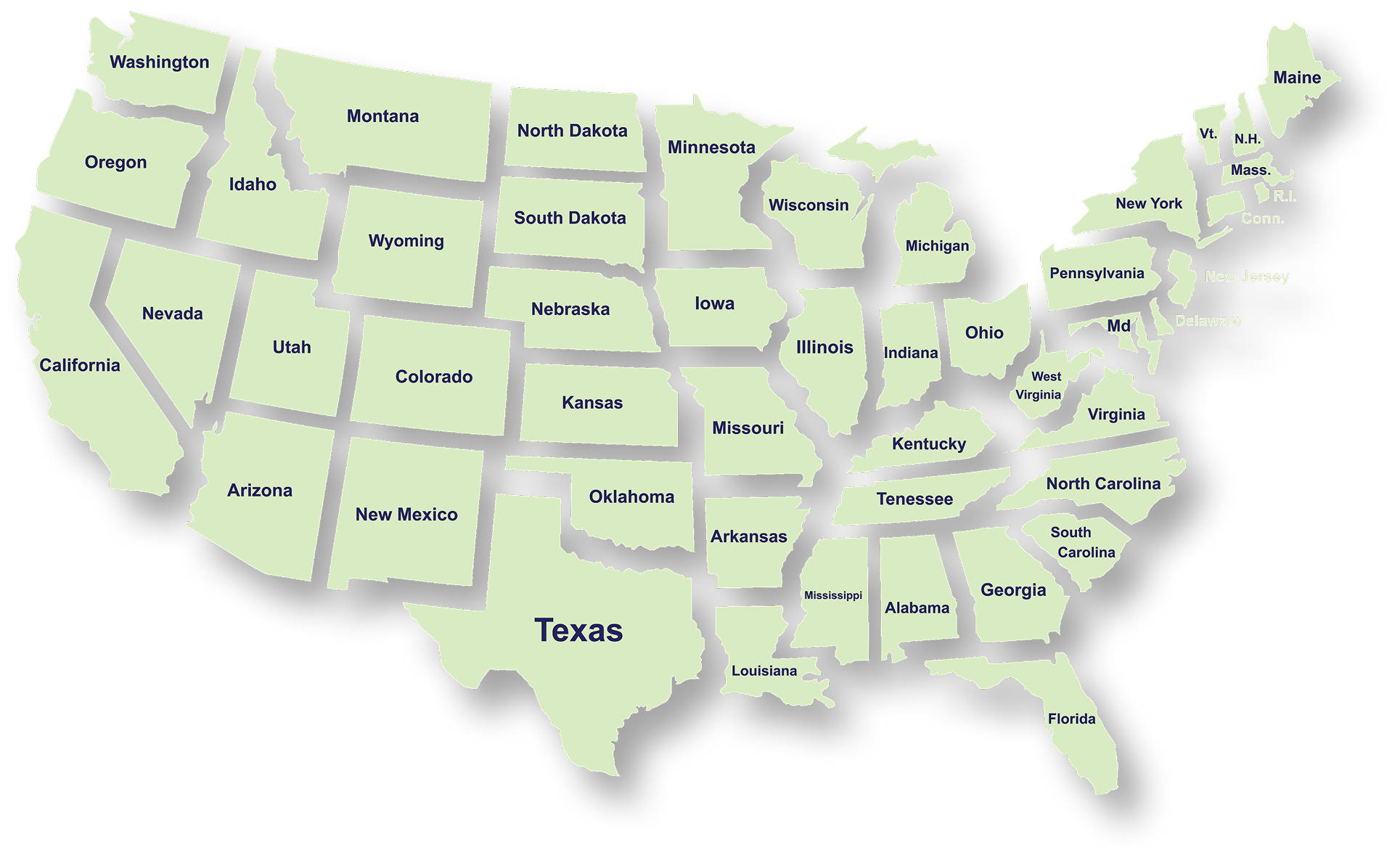
Serving Businesses & Individuals Across USA

We handle accounting, tax filing, and planning with defined timelines and accurate reporting for businesses and individuals across all states.

Frequently Asked Questions

What services does NR CPAs & Business Advisors provide?
What is tax planning and why is it important for businesses?
How can a Virtual CFO help my business?
When should a business consider IRS tax resolution services?
What financial statements does a business typically need?
How can startup advisory services help new businesses?
What is strategic business planning?
What is a Virtual Family Office and who can benefit from it?