Learning Center for Tax and Financial Insights

Stay updated with clear, actionable articles on tax rules, deadlines, deductions, and financial decisions that impact individuals and businesses.

For Business

Tax-Saving Tips for Entrepreneurs: Don’t Leave Money on the Table

Small Business Tax Tips and Entrepreneur Tax Strategies: How to Save Money and Maximize Deductions Entrepreneurs leave an average of $15,000 in deductions and credits unclaimed annually, directly increasing their tax bills and eroding cash flow. In this guide, we map out proven small business tax tips and entrepreneur tax strategies that ensure you capitalize on every available break. You’ll discover core tax deductions, dollar-for-dollar credits, startup planning tactics, industry-specific savings for hospitality and professional sports, proactive year-round tax management, and best record-keeping practices. By following these steps and tapping NRCPAs’ specialized tax advisory services, you’ll protect revenue, reduce liabilities, and invest savings back into growth. What Are the Most Valuable Tax Deductions for Entrepreneurs and Small Businesses? Tax deductions are expense allowances that reduce your taxable income by lowering your adjusted gross income (AGI), directly decreasing the amount you owe to the IRS. By claiming every eligible write-off—from operational costs to depreciation—entrepreneurs improve cash flow and strengthen their balance sheets. Which Common Business Expenses Can You Deduct to Lower Your Taxable Income? The IRS permits a wide range of ordinary and necessary expenses. Key categories include: Office Supplies and Equipment: Pens, paper, computers, and furniture used exclusively for business. Professional Fees: Legal, accounting, and consulting services that support operations. Advertising and Marketing: Website hosting, social media campaigns, print ads, and promotional events. Employee Benefits: Health plan premiums, retirement plan contributions, and educational reimbursements. Utilities and Rent: Internet, phone bills, and commercial lease payments. Claiming these expenses reduces your AGI and directly lowers income tax liability, freeing up capital for reinvestment. How Does the Home Office Deduction Work for Self-Employed Entrepreneurs? The home office deduction allows qualified self-employed individuals to write off a portion of home expenses when a dedicated area is used solely for business. Eligibility requires regular, exclusive use of a space as your principal place of business. You can choose: Entity Attribute Value Home Office Deduction Method Simplified ($5 per sq ft, max 300 sq ft) Home Office Deduction Method Actual expenses proportionate to business use (mortgage, utilities, insurance) Benefit Tax Savings Lowers AGI by up to $1,500 (simplified) or proportional share of actual costs Home Office Deduction for Self-Employed Individuals The home office deduction allows self-employed individuals to deduct a portion of home expenses if a dedicated area is used exclusively for business. There are two methods for calculating the deduction: the simplified method, which allows for a deduction based on the square footage of the home office, and the actual expense method, which allows for a deduction based on the actual expenses of the home office. Internal Revenue Service, Home Office Deduction (2024) This citation supports the article's explanation of the home office deduction and the methods available for calculating it. Choosing the actual-expenses method often yields higher savings for larger home offices, while the simplified method streamlines record-keeping. What Are Vehicle Expense Deductions: Standard Mileage vs. Actual Costs? Entrepreneurs use vehicles for client meetings, deliveries, and site visits. You can deduct either: Entity Attribute Value Standard Mileage Rate per mile 65.5¢ (2023 IRS rate) Actual Costs Expenses included Fuel, maintenance, insurance, depreciation Benefit Tax Impact Mileage rate simplifies tracking; actual costs can yield greater deductions if vehicle expenses are high Choose the method that maximizes write-offs based on annual mileage and total vehicle-related costs. How Can You Benefit from the Section 179 Deduction for Business Equipment? Section 179 lets you fully expense qualifying property in the year of purchase instead of depreciating it over time. Eligible assets include computers, machinery, furniture, and off-the-shelf software. Key limits: Maximum deduction: $1,160,000 Phase-out threshold: $2,890,000 of equipment placed in service Bonus depreciation: 80% additional first-year write-off for qualified used or new property Leveraging Section 179 accelerates cost recovery and boosts cash flow for equipment-heavy businesses. What Is the Qualified Business Income (QBI) Deduction and Who Qualifies? The QBI deduction allows pass-through entities (sole proprietors, partnerships, S-corps) to deduct up to 20% of qualified business income. Eligibility factors include: Income Thresholds: Phase-outs begin at $364,200 (MFJ) and $182,100 (single). Specified Service Businesses: Exclusions apply to professional services above threshold. W-2 Wage and Property Tests: Lower-income filers may need to meet wage or property investment requirements.

Explore More
For Business

How a Virtual CFO Can Drive Growth for Small Businesses

How Virtual CFO Services Drive Growth for Small Businesses Small businesses that work with a Virtual CFO grow revenue up to 25% faster by gaining expert financial leadership without the overhead of a full-time executive. In this guide, I’ll show how virtual cfo services tackle common pain points—uncertain forecasting, cash flow gaps, and funding hurdles—by delivering strategic planning, risk mitigation, and tailored industry insights. We’ll define what a Virtual CFO does, explore the mechanics of budgeting and cash management, highlight essential services from reporting to fundraising support, and explain why Miami startups, hospitality ventures, and sports organizations thrive with specialized outsourced CFO benefits. Finally, you’ll learn how to choose the right partner, review real-world success stories, and assess cost versus ROI. What Is a Virtual CFO and How Does It Support Small Business Growth? A Virtual CFO is an outsourced financial executive who provides strategic leadership, analysis, and planning remotely. By combining cloud-based tools with deep expertise, a Virtual CFO delivers insights into budgeting, forecasting, and performance metrics that drive healthier growth trajectories. This model supports small businesses by reducing fixed costs, scaling expertise on demand, and aligning financial strategy to evolving goals. What Roles and Responsibilities Does a Virtual CFO Have? A Virtual CFO oversees financial planning, reporting, and risk management while aligning budgets to strategic objectives. Key responsibilities include: Designing and monitoring budgets that match growth targets. Crafting cash-flow forecasts to maintain liquidity. Analyzing financial statements to spot efficiency gains. Establishing KPIs that guide decision-making and highlight opportunities. These duties ensure owners stay focused on operations, confident that every dollar is directed toward sustainable expansion. How Does a Virtual CFO Differ from a Traditional CFO? Unlike a traditional CFO who commands a full-time salary and benefits, a Virtual CFO offers targeted expertise through a subscription or project-based model. This arrangement delivers high-level financial leadership without long-term payroll commitments. Entity Cost Type Value Proposition Traditional CFO Salary, benefits, bonuses In-house presence and full accountability Virtual CFO Monthly retainer or hourly fee Flexible, scalable expertise on demand Virtual CFOs integrate with existing teams through digital platforms, avoiding the overhead and recruitment delays of hiring a permanent executive while still delivering the same strategic impact. What Are the Key Benefits of Outsourced CFO Services for Small Businesses? Outsourced CFO benefits transform financial operations through cost efficiency and strategic alignment: Cost Savings – Access senior-level guidance at a fraction of full-time costs. Scalable Expertise – Scale services up or down as needs evolve. Objective Insights – Leverage impartial analysis to uncover growth opportunities. Risk Mitigation – Implement compliance controls and safeguard against cash crises. These advantages free business owners to focus on core operations while ensuring every financial decision promotes stability and expansion. Benefits of Outsourcing Financial Expertise Outsourcing financial expertise, such as through a Virtual CFO, can lead to significant cost savings for small businesses. This approach allows companies to access senior-level guidance at a fraction of the cost of a full-time CFO, eliminating the expenses associated with benefits, bonuses, and recruitment fees. Small Business Administration This supports the article's claim that outsourcing CFO services offers cost-efficiency benefits. How Does Strategic Financial Planning by a Virtual CFO Accelerate Business Growth? Effective financial planning by a Virtual CFO creates a clear roadmap that links resources to growth milestones. By aligning budgets, forecasts, and performance metrics, companies move confidently into new markets, optimize staffing, and time investments for maximum impact. How Do Virtual CFOs Develop Financial Forecasts and Budgets? Virtual CFOs combine historical data, market trends, and owner objectives to build rolling forecasts that guide decision-making. They: Gather revenue and expense data to identify seasonal patterns. Model scenarios for new product launches or market expansions. Set variance thresholds to trigger corrective actions if targets drift. Use forecasting tools to produce visual dashboards that keep stakeholders aligned. Accurate forecasts ensure small businesses allocate capital efficiently and adapt swiftly to market shifts. What Are the Best Practices for Cash Flow Management by a Virtual CFO? Cash flow management hinges on visibility and discipline. Virtual CFOs enforce best practices such as: Maintaining a rolling six-month cash projection to anticipate shortfalls. Negotiating payment terms with vendors and clients to smooth receipts and disbursements. Prioritizing high-ROI expenditures and delaying non-critical outlays. Establishing a cash reserve cushion for unexpected slowdowns. Cash Flow Management Best Practices Effective cash flow management is crucial for the financial health of small businesses. Implementing practices such as maintaining rolling cash projections, negotiating payment terms, prioritizing high-ROI expenditures, and establishing cash reserves can help businesses navigate financial fluctuations and prevent disruptions. Institute of Management Accountants, "Cash Flow Management for Small Businesses" (2022) This citation reinforces the article's discussion on the importance of cash flow management and the strategies a Virtual CFO can employ. These measures preserve liquidity and prevent operational disruptions when revenue fluctuates. How Does Risk Management by a Virtual CFO Protect Small Businesses? Virtual CFOs fortify small businesses against financial pitfalls by: Implementing internal controls to prevent fraud or errors. Ensuring compliance with tax rules and regulatory requirements. Conducting periodic stress tests on cash flow under adverse scenarios. Advising on insurance coverage and legal safeguards. Proactive risk management shields companies from costly setbacks and preserves capital for strategic initiatives. What Specific Virtual CFO Services Are Essential for Small Business Success? Virtual CFOs deliver a suite of services that collectively empower decision-makers with clarity and direction. These core offerings include financial reporting, tax planning, and fundraising support. How Does Financial Reporting Enhance Decision-Making? Financial reporting translates raw data into actionable insights through timely statements and dashboards. A Virtual CFO will: Generate monthly profit & loss and balance sheet reports. Highlight key ratios, such as gross margin and working capital turnover. Provide variance analyses that explain performance gaps. Recommend course corrections based on emerging trends. What Role Does Tax Planning Play in Virtual CFO Services? Tax planning by a Virtual CFO reduces liabilities and maximizes cash retention through strategic timing and structure: Identifying deductible expenses and credits. Structuring entity organization for optimal tax treatment. Timing large purchases to align with fiscal year-end strategies. Coordinating with external tax advisors to implement compliance measures. How Do Virtual CFOs Support Fundraising and Investor Relations? Virtual CFOs guide small businesses through funding rounds and stakeholder communications by: Preparing investor-grade financial models and pitch decks. Forecasting runway requirements and valuation scenarios. Managing due diligence requests with accurate, organized documentation. Crafting reports that maintain transparency with lenders and shareholders. Expert fundraising support accelerates access to capital while building investor confidence in the company’s financial stewardship. Why Do Miami Small Businesses Need Specialized Virtual CFO Services? Miami’s vibrant startup scene, seasonal hospitality market, and high-performance sports organizations each face unique financial challenges. Specialized virtual CFO services deliver local market insight combined with industry best practices to address these demands head-on.

Explore More
Tax Central

Entity Formation 101: Choosing the Right Structure for Tax Efficiency

Entity Formation 101: Choosing the Right Business Structure for Tax Efficiency Selecting the optimal legal structure can reduce your tax burden and protect personal assets from day one. In this guide, we’ll show business owners how entity choice shapes liability protection, tax treatment, and growth potential. You’ll learn the characteristics of sole proprietorships, partnerships, LLCs, S corporations, and C corporations; compare LLC vs. S Corp tax savings; weigh key decision factors; follow Florida and Miami formation steps; understand tax-efficiency’s impact on success; and explore industry-specific considerations for Miami startups, hospitality ventures, and professional sports businesses. Along the way, we’ll weave in how our Business Formation and Advisory Services at NRC CPAs support you every step of the way. What Are the Main Business Entity Types and Their Tax Implications? A business entity defines how profits flow to owners, how liabilities attach, and how taxes apply. Choosing the right structure aligns your operational goals with pass-through taxation, self-employment tax planning, or corporate tax strategies. Below is a comparison of the five primary entity types, their default taxation methods, and liability protection levels. Business Entity Taxation Method Liability Protection Sole Proprietorship Pass-through (Schedule C on Form 1040) Unlimited personal liability Partnership Pass-through (Form 1065, Schedule K-1) Unlimited for general partners; limited for LP and LLP LLC Default pass-through or C/S election Limited liability for members S Corporation (election) Pass-through (Form 1120S) Limited liability for shareholders C Corporation Double taxation (Form 1120) Limited liability for shareholders This overview clarifies each entity’s tax flow and risk profile, leading us to examine each structure in detail. What Is a Sole Proprietorship and How Does It Affect Taxes? A sole proprietorship is the simplest structure where the owner reports business income and expenses on Schedule C of their personal Form 1040. This arrangement offers straightforward compliance and immediate pass-through taxation, but the owner assumes unlimited personal liability for debts or lawsuits. Key advantages and drawbacks include: Pros: Easy setup, minimal fees, full control of decisions. Cons: Unlimited liability, difficulty raising capital, self-employment tax on all profits. Understanding its simplicity and liability risk prepares you to compare partnerships next. How Do Partnerships Differ in Structure and Taxation? A partnership involves two or more owners sharing profits, losses, and management responsibilities, reported on Form 1065 with Schedule K-1 for each partner. General partnerships expose all partners to unlimited liability, while limited partnerships (LP) and limited liability partnerships (LLP) protect limited partners or certain professionals from personal risk. Partnership types and their tax forms: General Partnership: Unlimited liability; all partners file Schedule K-1. Limited Partnership (LP): Liability limited for silent partners; general partner is fully liable. Limited Liability Partnership (LLP): Protects all partners from malpractice claims of others. These distinctions in liability and reporting flow into member-managed LLCs with default pass-through status. What Are the Benefits and Drawbacks of a Limited Liability Company (LLC)? A limited liability company (LLC) combines the liability protection of a corporation with the tax flexibility of a partnership. By default, profits pass through to members’ personal returns, avoiding corporate tax, but an LLC can elect C Corp or S Corp treatment via IRS Form 8832 or Form 2553. Key benefits and drawbacks: Benefits: Limited liability, flexible ownership, choice of tax election. Drawbacks: Self-employment tax on members, state filing requirements, potential franchise taxes. Understanding how an LLC can pivot into an S Corp sets the stage for evaluating S Corp tax advantages directly. How Does an S Corporation Provide Tax Advantages? An S corporation is not a separate entity type but a tax election that allows pass-through taxation under Subchapter S of the Internal Revenue Code. Shareholders receive a reasonable salary subject to payroll taxes while remaining profits can be distributed free of self-employment tax. S Corp features: Pass-through taxation: No corporate income tax at the entity level. Self-employment tax savings: Only salaries incur payroll taxes. Ownership requirements: Up to 100 U.S. shareholders, one class of stock. These rules create opportunities for Miami business owners to optimize self-employment tax, which we’ll compare next against a default LLC structure. Tax Advantages of S Corporations S corporations offer significant tax advantages, including pass-through taxation, which avoids corporate income tax at the entity level. Shareholders can also benefit from self-employment tax savings, as only salaries incur payroll taxes, while distributions are generally exempt from these taxes. Internal Revenue Service (IRS), "S Corporation Information" This information supports the article's explanation of the tax benefits associated with S corporations. What Is a C Corporation and How Does Double Taxation Work? A C corporation is a traditional separate legal entity that pays corporate tax on profits at the federal (21%) and state levels, and shareholders pay personal income tax on dividends—resulting in double taxation. Despite this, C Corps can attract investors with multiple stock classes and reinvest earnings at the corporate rate. Key considerations: Double taxation: Corporate profits taxed, then dividends taxed on personal returns. Growth potential: Issuance of preferred and common stock. Compliance: Stricter governance, annual meetings, and filings. With these fundamentals covered, we can directly compare LLC vs. S Corp for Miami entrepreneurs focused on tax savings. How Do LLCs and S Corps Compare for Tax Savings? Comparing an LLC’s default pass-through status to an S Corp election reveals how payroll strategies reduce self-employment tax. An LLC taxed as a sole proprietorship or partnership places Social Security and Medicare taxes on all net earnings, while an S Corp allows profit distributions free of payroll tax once a reasonable salary is paid. Entity Election Tax on Salary Tax on Distributions Self-Employment Tax Impact LLC Default None—owner draws net earnings Subject to self-employment tax on all profits 15.3% on entire net profit LLC as S Corp Payroll taxes on salary only Distributions avoid self-employment tax Saves self-employment taxes on distributions LLC vs. S Corp Tax Comparison The article highlights the key differences in tax treatment between LLCs and S corporations, particularly regarding self-employment tax. LLCs, by default, subject all net earnings to self-employment tax, while S corporations allow for a salary-plus-distribution structure, potentially reducing this tax burden. U.S. Small Business Administration, "Choose a Business Structure" This citation provides context for the comparison of LLCs and S Corps for tax savings. This comparison underscores the benefits of an S Corp election in reducing payroll taxes and improving take-home income. What Are the Tax Benefits of Electing S Corp Status for an LLC? Electing S Corp status enables LLC members to pay themselves a salary—subject to payroll taxes—and then take remaining profits as distributions exempt from self-employment tax. This strategy can lower overall tax liability when profits exceed reasonable salary benchmarks. Key steps and benefits: File IRS Form 2553 by March 15 for current-year election. Determine a reasonable salary based on industry standards. Report salary on Form 941 and W-2, and distributions on Schedule K-1. These rules help business owners plan tax-efficient compensation and distributions. When Is an LLC More Advantageous Than an S Corp? An LLC may be preferable when ownership flexibility, fewer formalities, and no restrictions on shareholders outweigh payroll tax savings. LLCs permit unlimited members (including foreigners), multiple classes of membership interests, and simpler compliance. Common scenarios favoring an LLC: Early-stage startups with irregular cash flow. Businesses needing non-U.S. investors or multiple membership classes. Owners preferring minimal payroll administration. Balancing flexibility against payroll tax planning is critical in entity selection. How Do Distributions Differ Between LLCs and S Corps? LLC distributions after net income allocation run through members’ self-employment taxes, whereas S Corp distributions bypass payroll taxes once reasonable salary obligations are met. This difference in tax treatment directly affects owner take-home pay and influences quarterly estimated tax planning. Distribution characteristics: LLC: All net income subject to 15.3% self-employment tax. S Corp: Salary taxed via payroll; distributions taxed only at income tax rates. Understanding these mechanisms helps forecast cash flow needs and personal tax obligations. What Are Common Scenarios for Choosing LLC vs S Corp? Business size, income level, and growth plans guide whether an S Corp election makes sense. Generally, an S Corp election yields noticeable tax savings when net profits exceed twice the owner’s reasonable salary. Scenario examples: High-earning consultants—profit distribution strategy reduces self-employment tax. Growing service providers—establish predictable payroll and distributions. Stable-profit hospitality businesses—balance administrative costs with tax savings. Evaluating these scenarios provides a blueprint for Miami companies weighing LLC vs. S Corp status. What Key Factors Should Influence Your Business Entity Choice? Choosing an entity involves balancing liability protection, tax goals, management structure, and future funding opportunities. Aligning these factors with your business vision ensures sustainable growth and minimizes risk. Liability protection requirements Desired tax outcomes (pass-through vs. corporate taxation) Management and decision-making control Funding needs and investor expectations With these anchors in mind, we can explore each factor in depth.

Explore More
No items found.

From Side Hustle to Startup: Tax and Legal Steps You Can’t Skip

From Side Hustle to Startup: Essential Tax and Legal Steps You Can’t Skip for Starting a Business Turning a side hustle into a fully compliant startup demands careful planning around taxes and legal structures to protect your assets and optimize savings. In this guide, I’ll walk you through every critical step—from choosing the right business entity to securing licenses in Miami—so you avoid costly mistakes and set a solid foundation. You’ll learn: How to select and form the optimal entity for liability protection and tax benefits Which federal and Florida tax obligations you must meet, including EIN applications and quarterly payments The precise registrations, permits, and intellectual property safeguards required in Miami-Dade County Best practices for startup accounting, cash flow management, and working with a CPA Key milestones and proactive strategies when transitioning from sole proprietorship to a growth-ready company Specific insights for hospitality and sports ventures navigating Miami’s unique regulations By following these steps, you’ll move confidently from a side gig to a thriving startup without surprises. How Do You Choose the Right Business Entity for Your Startup? Selecting the appropriate business structure determines your personal liability, tax treatment, and compliance complexity from day one. A clear comparison helps you balance simplicity, protection, and growth potential. For example, a sole proprietorship offers minimal setup but no liability shield, while an LLC provides pass-through taxation plus limited risk. Below is a comparison of common entity types: Entity Liability Protection Tax Treatment Formation Complexity Sole Proprietorship Unlimited personal liability Personal income tax Minimal Limited Liability Co. Members’ assets protected Pass-through or corp tax Articles of Org. S-Corporation Shareholders’ assets protected Pass-through with limits IRS election required C-Corporation Shareholders’ assets protected Double taxation risk Bylaws & filings This breakdown shows how an LLC balances ease and protection, and why choosing between S-Corp and C-Corp hinges on growth and profit-distribution goals. Next, let’s explore each type in detail. Choosing the Right Business Entity Selecting the appropriate business structure is crucial for determining personal liability, tax treatment, and compliance complexity. A sole proprietorship offers minimal setup but no liability shield, while an LLC provides pass-through taxation plus limited risk, making it a popular choice for many startups. U.S. Small Business Administration This source provides general information on different business structures, which is relevant to the article's discussion on choosing the right business entity. What Are the Pros and Cons of a Sole Proprietorship for Side Hustles? A sole proprietorship lets you launch quickly by filing no formal entity documents, which keeps costs low and administration light. However, unlimited personal liability means business debts or lawsuits can impact your personal assets. Income flows through your personal tax return, avoiding corporate filings but offering no separation between your business and personal finances. As your side gig scales, this model can expose you to undue risk, prompting a timely move to a structured entity before substantial revenue or liabilities arise. How to Form an LLC in Florida: Step-by-Step Guide Forming a Limited Liability Company (LLC) in Florida protects personal assets while retaining tax flexibility. I recommend these steps: Select a Name that complies with Florida naming rules and includes “LLC.” File Articles of Organization online at Sunbiz.org, paying the filing fee. Designate a Registered Agent with a Florida address for legal notices. Draft an Operating Agreement to outline ownership, roles, and revenue sharing. Obtain an EIN from the IRS for banking and tax filings. Completing these steps secures your limited liability status and prepares you for tax registrations. Now, let’s compare corporate tax choices. What Are the Tax Differences Between S-Corporations and C-Corporations? S-Corporations pass income and losses directly to shareholders, avoiding double taxation while imposing limit on the number of shareholders. C-Corporations pay corporate tax rates on profits and shareholders pay taxes again on dividends, which can be advantageous if you plan to reinvest earnings rather than distribute them. Choosing S-Corp status requires timely IRS Form 2553 and compliance with stricter ownership rules. Understanding these differences helps align your structure with growth and exit strategies. Why Are Partnership Agreements Important for New Businesses? Partnership agreements define each partner’s equity stake, management roles, profit splits, and dispute-resolution mechanisms. Without a formal agreement, state default rules apply, which may not reflect your intentions. A written partnership agreement safeguards relationships, clarifies responsibilities, and specifies exit terms—crucial for preventing conflicts as your venture grows. What Federal and State Tax Obligations Must Startups Meet? Meeting tax requirements on time keeps you compliant and minimizes penalties. New businesses must secure an EIN, track deductible expenses, and pay estimated taxes quarterly. In Florida, you also manage sales and payroll tax filings. Below is a checklist of core obligations: Tax Type Description Typical Deadline Employer ID Number Federal business identifier Apply before hiring Income Tax Federal and state on profits (pass-through or corp) April 15 (or quarterly) Estimated Tax Payments Quarterly prepayments for self-employed or owners April, June, Sept, Jan Sales Tax Florida collections on goods/services Monthly or quarterly Payroll Tax Federal & state withholding and Social Security payments Monthly or semi-weekly How Do You Obtain an EIN for Your New Business? An Employer Identification Number (EIN) serves as your business’s Social Security number for tax filings. To apply, you: Visit IRS.gov and complete the online EIN application. Provide entity type, responsible party details, and business address. Receive your nine-digit EIN immediately upon submission. Obtaining an EIN An Employer Identification Number (EIN) is essential for new businesses, serving as a business's Social Security number for tax filings. The IRS provides a straightforward online application process for obtaining an EIN, which is a critical step for opening business bank accounts and hiring employees. Internal Revenue Service (IRS), "Employer ID Numbers (EINs)" This IRS publication directly supports the article's guidance on obtaining an EIN, a key step for new businesses. Receiving an EIN enables you to open business bank accounts, hire employees, and file federal returns. With that in place, let’s maximize your deductions. Which Startup Tax Deductions Can Maximize Your Savings? Every dollar you deduct lowers your taxable income. Common deductions include: Startup Costs: Up to $5,000 immediate deduction for planning expenses Home Office: Portion of rent, utilities, and insurance if you work from home Equipment & Software: Section 179 expensing for computers and business tools Travel & Meals: 50% deduction for client meals and 100% for venue catering R&D Credits: Offsets for qualifying research expenses How Do Estimated Taxes Work for Self-Employed and Startup Owners? As a self-employed founder, you pay both income and self-employment taxes via quarterly estimated payments. The IRS expects payments in April, June, September, and January based on the prior year’s earnings or current projections. Underpaying can trigger penalties, so I recommend using accounting software or working with a CPA to calculate and schedule each installment. What Are Florida Sales Tax and Payroll Tax Requirements for Startups? Florida requires most businesses to register for a Sales Tax Permit if you sell tangible goods or certain services. You remit collections monthly or quarterly through the Department of Revenue. For payroll, you withhold federal income tax, Social Security, and Medicare, plus Florida’s Reemployment Tax, making deposits according to your payment schedule. Compliance ensures you avoid enforcement actions and maintain good standing. What Industry-Specific Tax Rules Apply to Hospitality and Sports Startups? Hospitality businesses face unique rules like tip reporting compliance, liquor license fees, and occupancy taxes. Sports ventures often navigate athlete endorsement income and multistate tax withholdings when traveling. Engaging specialized advisors—such as our team at nrcpas.com—helps you interpret these nuances and optimize your filings. What Legal Registrations, Licenses, and Permits Are Required in Florida and Miami? Building a compliant startup in Miami-Dade County starts with registering your company officially, securing local permits, and protecting your intellectual property. Below is an overview of essential steps: Registration/Permit Issuing Agency Purpose Florida Business Registration Florida Dept. of State Legal existence and name protection Miami-Dade Local Business Tax Receipt Miami-Dade County Tax Office Local operating license Professional Licenses Industry Boards (e.g., hospitality, real estate) Regulatory compliance Trademark & Copyright USPTO & U.S. Copyright Office Protect brand and creative works

Explore More
For Business

The Role of a Virtual CFO in Strategic Financial Planning

The Role of a Virtual CFO in Strategic Financial Planning: Benefits and Business Growth Insights Strategic financial planning guided by a virtual CFO unlocks growth, boosts profitability, and optimizes cash flow through data-driven roadmaps and real-time analysis. Business owners in Miami’s startup, hospitality, and sports industries often lack in-house financial leadership, leading to missed opportunities and liquidity strain. In this guide, I define a virtual CFO’s core functions, outline key benefits, address planning challenges, explore industry-specific applications, reveal long-term growth contributions, and equip you to choose the ideal partner—all while integrating NRCPAs’ proven expertise in Virtual CFO Services. What Is a Virtual CFO and How Does It Support Strategic Financial Planning? A virtual CFO is a remote financial strategist who leverages real-time reporting, forecasting models, and KPI dashboards to drive long-term growth and optimize working capital. By embedding advanced analytics into decision cycles, a virtual CFO aligns budgets, cash flow projections, and business objectives to boost profitability. This outsourcing model delivers executive-level insights without the cost of a full-time CFO, forming the foundation for every subsequent strategic planning step. What Does a Virtual CFO Do in Financial Strategy? A virtual CFO establishes financial frameworks by integrating budgeting, forecasting, and variance analysis to guide investment and operational decisions. Key functions include: Developing rolling forecasts that adapt to market shifts Designing budget structures aligned with strategic goals Conducting margin and break-even analysis for pricing decisions Preparing board-ready reports and KPI dashboards Advising on capital structure, funding rounds, and investor models These activities create clarity around resource allocation and lay the groundwork for addressing performance gaps. How Does Strategic Financial Planning Drive Business Success? Strategic financial planning defines clear objectives by mapping revenue targets, expense controls, and funding milestones to business milestones. This process improves resilience through scenario planning and stress-testing cash reserves under various economic conditions. For example, startups benefit from runway optimization while hospitality groups mitigate seasonality risk. Ultimately, structured financial plans increase investor confidence and support sustainable expansion. What Are the Key Services Offered by a Virtual CFO? Below is an overview of essential services that virtual CFOs deliver to reinforce every pillar of strategic financial planning. Service Attribute Deliverable Budgeting Frequency Monthly operating budgets Financial Forecasting Horizon 12–24-month rolling projections Cash Flow Management Mechanism Daily cash-flow dashboards Risk Management Scope Compliance reviews and controls Business Valuation Methodology DCF, comparables, and scenario models Performance Measurement Metrics Customized KPI scorecards This service spectrum provides a cohesive financial ecosystem that drives each phase of corporate decision-making. What Are the Key Benefits of Hiring a Virtual CFO for Your Business? Outsourcing CFO responsibilities combines executive-level acumen with flexible, on-demand engagement models. A virtual CFO enhances strategic awareness, accelerates growth, and reduces overhead by replacing fixed salary costs with scalable service agreements. How Does a Virtual CFO Provide Cost-Effective Financial Expertise? A virtual CFO delivers deep financial leadership for a fraction of a full-time CFO salary through: Pay-as-you-use fee structures Shared-resource cost models across clients Eliminated benefits and overhead expenses Reduced recruiting and turnover costs Benefits of Outsourcing Financial Expertise Outsourcing financial expertise, such as through a virtual CFO, can lead to significant cost savings by eliminating the expenses associated with a full-time CFO, including salary, benefits, and overhead. This approach allows businesses to access high-level financial guidance without the financial burden of a dedicated in-house executive. Smith, J., "The Advantages of Outsourcing CFO Services" (2022) This research supports the article's claim that virtual CFOs offer cost-effective financial expertise. In What Ways Does a Virtual CFO Offer Scalable and Flexible Support? Virtual CFOs adjust scope based on evolving business needs by: Scaling monthly hours to match project cycles Providing project-based engagements for M&A or funding rounds Rapidly adding specialized analysts for forecasting or valuation Seamlessly shifting between advisory and implementation roles This elasticity ensures financial leadership remains aligned with growth stages. How Does Access to Industry-Specific Expertise Enhance Financial Planning? Virtual CFOs specializing in key sectors deploy tailored strategies: Miami startups gain fundraising roadmaps and burn-rate controls Hospitality businesses optimize revenue management and labor costs Professional athletes receive wealth-preservation and tax-optimization plans Industry-Specific Financial Planning Virtual CFOs often specialize in specific industries, allowing them to provide tailored financial strategies. For example, in the hospitality sector, a virtual CFO can help optimize revenue management and control labor costs, leading to improved profit margins and operational stability. Johnson, A., "Financial Strategies for the Hospitality Industry" (2023) This citation supports the article's discussion of how virtual CFOs can provide industry-specific expertise. How Does a Virtual CFO Address Financial Challenges in Strategic Planning? A virtual CFO resolves core financial pain points—cash shortages, compliance gaps, and inaccurate forecasts—through structured processes and continuous monitoring. How Does a Virtual CFO Manage Cash Flow for Sustainable Growth? Cash flow management centers on aligning receivables, payables, and financing to maintain liquidity. Challenge Strategy Outcome Seasonal slumps Dynamic cash-flow forecasting Predictable working-capital buffers Overdue invoices Automated collection workflows Reduced DSO by 20% Expense overruns Variance analysis and cost controls Improved margin visibility

Explore More
Tax Central

Year-End Tax Planning Strategies for Growing Businesses

Year-End Tax Planning Strategies for Growing Businesses: Maximize Business Tax Savings and Compliance Are you overlooking critical year-end moves that could shave thousands off your tax bill? As a Miami-based CPA firm specializing in startups, hospitality and professional sports companies, we know that proactive year-end tax planning unlocks cash flow and compliance benefits. In this guide, we’ll explore eight core themes: Effective timing strategies—accelerating deductions, deferring income, adjusting estimated payments Entity selection impacts on liability and taxes High-value deductions and credits—Section 179, bonus depreciation, QBI and more Retirement plans and employee benefits that lower taxable income Cash vs. accrual accounting and timing choices Key 2025 law changes reshaping TCJA expirations and inflation adjustments Industry-specific tactics for Miami startups, hospitality and sports businesses Best practices for partnering with NR CPAs on year-end planning Each section delivers actionable definitions, mechanisms and benefits so you can implement tailored year-end tax planning that maximizes business tax savings and ensures compliance by December 31. What Are the Most Effective Year-End Tax Planning Strategies for Growing Businesses? Year-end tax planning involves proactive measures—accelerating deductions, deferring income and managing estimated tax payments—to reduce this year’s taxable income, preserve cash flow and avoid late-payment penalties. By aligning expense timing with business cycles, owners lock in deductions when they matter most and defer revenue into lower-tax years. Here are the three pillars of timing strategies: How Can Accelerating Deductions Reduce Your Taxable Income? Accelerating deductions allows businesses to claim expenses in the current tax year by prepaying or purchasing qualifying assets before December 31, which reduces taxable income and improves cash flow. Key acceleration methods: Prepaying rent, insurance or service contracts before year-end Stocking up on supplies, repairs or maintenance expenses Acquiring qualified equipment for Section 179 or bonus depreciation By front-loading these costs you lower net profits now, creating immediate tax relief and freeing resources for early-year investments. What Role Does Income Deferral Play in Year-End Tax Planning? Deferring income shifts revenue recognition to the next tax year by delaying billing, postponing service completion dates or accepting retainers after December 31, which lowers the current year’s taxable net income. Core deferral tactics include: Delaying invoicing on work completed in December until January Deferring subscription renewals and service agreements past year-end Negotiating deferred payment schedules with clients Shifting revenue into the following tax year smooths taxable income and can align receipts with lower-rate brackets or anticipated deductions. How Do Estimated Tax Payments Affect Year-End Planning? Estimated tax payments are quarterly prepayments toward anticipated annual tax liabilities, and adjusting these payments in Q4 can optimize working capital and avoid underpayment penalties. Practical steps: Recalculate projected income and tax liability by mid-December Increase or decrease fourth-quarter payments to match revised forecasts File Form 4626 for alternative minimum tax if needed Fine-tuning estimated payments ensures you’re not over-withholding cash or facing surprise penalties, improving year-end liquidity. How Does Choosing the Right Business Entity Impact Year-End Tax Savings? Selecting the appropriate legal structure—from sole proprietorship to C corporation—determines your tax obligations, liability exposure and ability to leverage specific deductions, directly impacting year-end tax savings and compliance. Choosing wisely sets the foundation for all subsequent timing and deduction strategies. What Are the Tax Benefits of Sole Proprietorships and Partnerships? Sole proprietorships and partnerships pass business income directly to owners, allowing profit offset with personal deductions but leaving owners fully exposed to self-employment taxes. Key benefits include: Simple tax compliance via Schedule C or Form 1065 Full deduction of business expenses against personal income Eligibility for up to 20% QBI deduction on pass-through income These structures suit small operations seeking administrative ease, though self-employment tax management is limited. How Do LLCs and S Corporations Optimize Tax Liability? LLCs and S corporations combine liability protection with pass-through taxation, and an S election can reduce self-employment taxes by treating part of profit as distributions rather than wages. Highlights: LLC default taxation (disregarded or partnership) with flexible profit allocation S Corp election limits Social Security and Medicare taxes on distributions Reasonable compensation rules require balanced salary vs. distribution planning Properly structuring ownership and payroll before year-end can deliver substantial tax savings. When Is a C Corporation Advantageous for Year-End Tax Planning? A C corporation structure subjects profits to double taxation but can be advantageous for retaining earnings, accessing fringe benefit deductions and locking in the flat corporate tax rate for 2025 planning. Advantages include: 21% federal corporate tax rate through 2025 Deductible employee fringe benefits (health, life insurance) without owner inclusion Ability to accumulate earnings for reinvestment without immediate shareholder tax C corps suit businesses planning to reinvest profits rather than distribute them to owners. Which Business Tax Deductions and Credits Should Growing Businesses Maximize Before Year-End? Identifying and claiming available deductions and credits—such as Section 179 expensing, bonus depreciation, the QBI deduction and specialized credits—directly reduces taxable income or liability, amplifying year-end tax savings. What Is Section 179 Expensing and How Can It Lower Taxes? Section 179 expensing permits immediate full deduction of qualifying property instead of capitalizing and depreciating over years, reducing taxable income dollar-for-dollar up to specified limits. Entity Attribute Value Section 179 Expensing Deduction Limit $1,160,000 in 2023, phases out at $2.89 million Qualified Property Eligible Assets Machinery, equipment, off-the-shelf software Timing Year-End Purchase Window Assets placed in service by December 31 Section 179 Expensing Benefits Section 179 of the IRS tax code allows businesses to deduct the full purchase price of qualifying equipment and software in the year it's purchased, up to a certain limit. This can significantly reduce taxable income and improve cash flow for businesses investing in new assets. Internal Revenue Service, Publication 536, Depreciation (2024) This source provides the official IRS guidance on Section 179, which is directly relevant to the article's discussion of this deduction. How Does Bonus Depreciation Phase-Out Affect Your Tax Planning? Bonus depreciation allows a first-year deduction of a percentage of qualified property cost, and the phase-out schedule—60% for 2023, 40% for 2024, 20% for 2025, then zero—dictates urgency around December purchases. Key points: Applies to new and used tangible property Phasing rules require careful purchase timing Interacts with Section 179 limits and state depreciation rules By acquiring qualifying assets before each phase-out threshold, businesses can preserve maximum depreciation benefits. What Are the Benefits of the Qualified Business Income (QBI) Deduction? The QBI deduction allows eligible pass-through owners to deduct up to 20% of qualified business income, reducing taxable income and enhancing cash flow for sole proprietors, partnerships and S corporations through 2025. QBI considerations: Income thresholds determine phase-in and phase-out ranges Specified service trades may face limitations W-2 wage and unadjusted basis asset tests can increase deduction Structuring compensation and capital investments before year-end optimizes QBI calculation. Qualified Business Income (QBI) Deduction The Qualified Business Income (QBI) deduction, outlined in Section 199A of the tax code, allows eligible pass-through entities to deduct up to 20% of their qualified business income. This deduction can significantly reduce the taxable income of sole proprietors, partnerships, and S corporations. Internal Revenue Service, Instructions for Form 8995, Qualified Business Income Deduction Simplified Computation (2024) This IRS publication provides detailed instructions on calculating the QBI deduction, which is directly relevant to the article's discussion of this deduction. Which Other Tax Credits Can Businesses Leverage at Year-End? Additional credits—such as research & development (R&D), energy efficiency and work opportunity credits—offer dollar-for-dollar reductions in tax liability and should be evaluated before December 31. Credit Eligible Business Approximate Benefit R&D Tax Credit Innovation-intensive firms 6%–14% of qualified research costs Energy Efficiency Credit Commercial property owners Up to 10% of qualified expenditures Work Opportunity Credit Employers hiring target groups $1,200–$9,600 per eligible hire

Explore More
No results found.
Thank you! Your submission has been received!
Oops! Something went wrong while submitting the form.

Want tax & accounting tips & insights?Sign up for our newsletter.

Thank you! Your submission has been received!
Oops! Something went wrong while submitting the form.

Why Work With Us?

We combine deep tax expertise, financial strategy, and practical business insight to help you manage complexity, stay compliant, and make confident financial decisions.
A dollar sign, representing financial advice or discussion at NR CPAs & Business Advisors.

Experienced CPA and Enrolled Agent Leadership

Guidance led by licensed professionals with deep expertise in tax strategy, compliance, and complex financial matters.
White bar chart with an upward arrow on green circular background representing growth or progress at NR CPAs &. Business Advisors

Support for Growing Businesses and Startups

We understand the financial challenges of growth stage businesses and provide structured guidance to support expansion.
A white hand holding a dollar symbol and ascending bar chart on a green circular background representing financial growth or investment at NR CPAs & Business Advisors..

Strategic Financial Advisory

Our team helps you evaluate financial decisions with greater clarity, supported by practical insights and long term planning.

Fractional CFO Support

Access experienced financial leadership without the commitment and cost of hiring a full time Chief Financial Officer.

Proactive Tax Planning Approach

We focus on identifying tax opportunities throughout the year rather than reacting only during filing season.

Clear and Reliable Financial Reporting

Accurate financial statements and reporting that help you better understand performance and make informed decisions.
White IRS building icon with pillars and a dollar sign above on a green circular background.

Professional IRS Representation

Experienced support in resolving IRS notices, disputes, and compliance matters while protecting your financial interests.

Personalized Client Focus

Every client receives thoughtful attention and tailored financial solutions based on their specific needs and business goals.
Financial matters often involve important decisions. Working with experienced advisors can help you approach them with greater clarity and confidence in your choices.

Need Help With Your Tax or Financial Decisions?

Discuss your situation with our advisors to get clear guidance on tax planning, IRS matters, and the financial decisions ahead.
Business consulting at NR CPAs & Business Advisors.

Request Your Consultation

Fill out the form to discuss your tax concerns, financial questions, or advisory needs with our team. We will review your details and respond shortly.

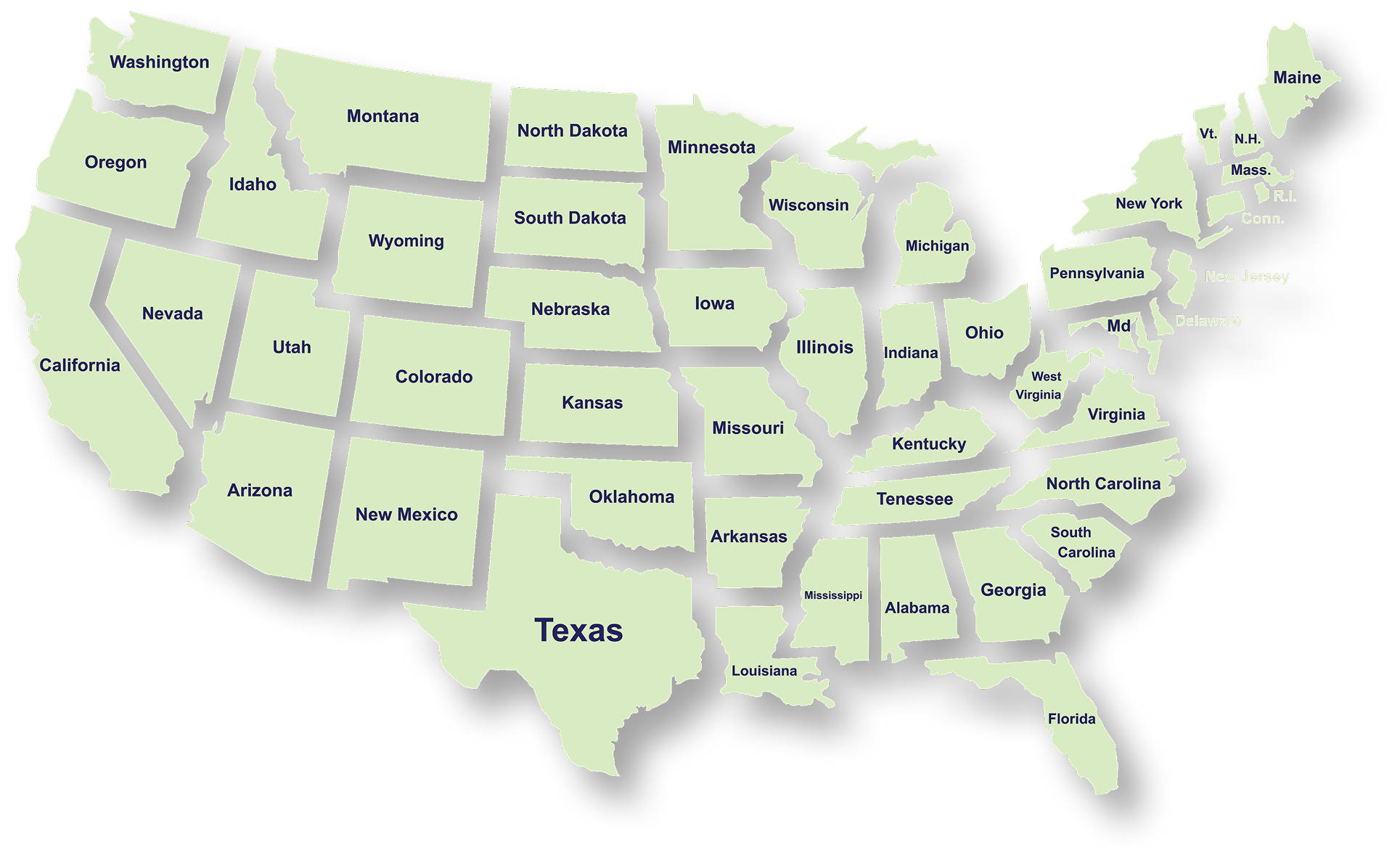
Serving Businesses & Individuals Across USA

We handle accounting, tax filing, and planning with defined timelines and accurate reporting for businesses and individuals across all states.

Frequently Asked Questions

What services does NR CPAs & Business Advisors provide?
What is tax planning and why is it important for businesses?
How can a Virtual CFO help my business?
When should a business consider IRS tax resolution services?
What financial statements does a business typically need?
How can startup advisory services help new businesses?
What is strategic business planning?
What is a Virtual Family Office and who can benefit from it?