Learning Center for Tax and Financial Insights

Stay updated with clear, actionable articles on tax rules, deadlines, deductions, and financial decisions that impact individuals and businesses.

Tax Central

Maximize Savings: Reducing Tax Liability Through Financial Savvy

How to Reduce Your Tax Liability With Smart Financial Moves: Effective Tax-Saving Strategies and Planning TipsThe burden of tax liability can severely impact both personal and business finances if not managed strategically. As a seasoned financial advisor and CPA, and ficpa, I have seen how strategic financial moves can transform tax burdens into opportunities for savings and growth. This article explores tax-saving strategies, effective planning tips, and smart moves to reduce your tax liability and promote long-term financial stability. Whether you are a business owner, startup entrepreneur, or managing personal finances—and even considering the expertise of a remote cfo—understanding these techniques can help you keep more of your hard-earned money. We cover key deductions, credits, tax-advantaged investments, and estate planning moves that fine-tune your financial strategy to lower your tax burden.What Are the Most Impactful Tax Deductions to Lower Your Tax Liability?Tax deductions directly reduce your taxable income by subtracting specific expenses from your overall income. When used effectively, deductions can lead to significant savings. In this section, we highlight home office expenses, charitable contributions, medical expenses, and student loan interest as key deductions to lower your tax liability.Which Home Office Deductions Can You Claim?Home office deductions are accessible for self-employed individuals and remote employees. The IRS allows you to deduct a portion of your rent or mortgage interest, property taxes, utilities, and other household expenses if you have a dedicated workspace used exclusively for business. The deduction is based on the percentage of your home used for business activities. For example, if your workspace occupies 10% of your home, you may deduct 10% of eligible expenses, provided you meet the “exclusive and regular use” requirement. Improvements to the space, such as furniture or technology upgrades, may also be deductible if properly documented.How Do Charitable Contributions Reduce Your Taxes?Charitable contributions reduce your taxable income by allowing you to deduct donations to qualified organizations. Deductions can be taken for monetary gifts as well as the fair market value of donated goods. Ensure you keep receipts or appraisals for items of higher value. Donor-advised funds can also help maximize your deductions in higher-income years while spreading contributions over time. Some states offer additional incentives, further reducing your overall tax liability.What Medical Expenses Are Deductible?Medical expenses can be deducted if they exceed a certain percentage of your adjusted gross income (AGI). Deductible expenses include payments for hospital care, prescription medicines, long-term care, and certain insurance premiums, as well as costs for transportation to medical appointments and necessary home modifications. Keeping detailed receipts and records is crucial for claiming these deductions, especially in years when medical expenses are high.Can Student Loan Interest Help Minimize Your Tax Bill?The IRS permits a deduction of up to $2,500 in student loan interest, even if you do not itemize your deductions. This deduction reduces your adjusted gross income and can improve eligibility for other tax benefits, though it is subject to income limits. It is especially beneficial for young professionals starting their careers. Maintaining accurate records and ensuring you receive the correct forms from your loan servicer is key to maximizing this deduction.How Can Tax Credits Help You Save More on Taxes?While deductions lower taxable income, tax credits reduce the actual tax owed dollar-for-dollar. They are particularly effective in lowering your tax bill and managing cash flow. This section covers important credits such as the Earned Income Tax Credit, Child Tax Credit, and education credits.What Is the Earned Income Tax Credit and Who Qualifies?The Earned Income Tax Credit (EITC) benefits low-to-moderate income workers and families. It is refundable, which means if the credit is larger than the tax owed, you receive a refund for the difference. Eligibility is based on income, filing status, and the number of qualifying children. Even taxpayers without children can qualify for a smaller credit. Accurate record-keeping and proper use of tax software or consultation with a tax professional help ensure you claim the full credit.How Does the Child Tax Credit Lower Your Tax Liability?The Child Tax Credit (CTC) offers up to $2,000 per qualifying child and is partially refundable. The credit lessens the cost of raising children and lowers your overall tax bill. Eligibility requires that the child meets specific age, residency, and relationship criteria, while income phase-out rules may reduce the credit amount for higher earners.What Education Credits Are Available for Tax Savings?Education credits can significantly offset the costs of higher education. The American Opportunity Tax Credit (AOTC) offers up to $2,500 per eligible student during the first four years of higher education and is partially refundable. The Lifetime Learning Credit (LLC) applies to all post-secondary education and job skill improvement courses, offering up to $2,000 per tax return. Both credits help reduce tuition, fees, and course material costs, making higher education more affordable.Which Tax-Advantaged Investments Offer the Best Tax Savings?Investing in tax-advantaged vehicles can lead to substantial tax savings. This section reviews retirement accounts, Health Savings Accounts (HSAs), and municipal bonds, all of which play a critical role in strategic financial planning and long-term wealth accumulation.How Do 401(k) and 403(b) Plans Reduce Taxes?Employer-sponsored retirement accounts like 401(k)s and 403(b)s allow you to contribute pre-tax dollars, thereby reducing your taxable income. Contributions grow tax-deferred until withdrawn during retirement. Many employers also offer matching contributions, which further enhances savings. The compounded, tax-deferred growth can result in a significantly larger retirement nest egg.What Are the Tax Benefits of Traditional and Roth IRAs?Traditional IRAs often offer tax-deductible contributions and tax-deferred growth, while Roth IRAs are funded with after-tax dollars but provide tax-free withdrawals in retirement. Choosing between the two depends on your current tax situation and anticipated future income. Both types aim to help you retain more of your money over time by minimizing immediate and future tax liabilities.How Can Health Savings Accounts (HSAs) Lower Your Tax Burden?HSAs provide a triple tax advantage: contributions are tax-deductible, earnings grow tax-free, and withdrawals for qualified medical expenses are tax-free. These accounts are available if you have a high-deductible health plan and can also be used as an additional retirement savings tool, combining tax benefits with long-term savings potential.Why Invest in Municipal Bonds for Tax Efficiency?Municipal bonds offer tax-free interest income at the federal level and sometimes at state and local levels as well. While their yields may be lower than taxable bonds, the tax exemption can result in a higher net return for investors in higher tax brackets, making them a smart choice for generating steady, tax-advantaged income.How Does Tax Planning Change for Key Life Events?Tax planning must adapt to life changes such as marriage, divorce, retirement, starting a business, or selling a home. Proactive planning during these transition periods is essential to minimize tax liability and take full advantage of available opportunities.What Tax Strategies Should You Use When Getting Married or Divorced?Marriage and divorce dramatically alter your tax situation. For example, filing jointly when married may provide higher deductions and credits, while divorce necessitates reevaluating your filing status and understanding the tax implications of alimony, child support, and asset division. Consulting a financial advisor ensures you select the best strategy for your circumstances.How Can Retirement Planning Minimize Taxes in Your Golden Years?Retirement planning aims to reduce tax liability in your later years. This includes maximizing contributions to tax-advantaged accounts, considering Roth conversions, and planning for required minimum distributions (RMDs). Properly timing withdrawals and incorporating factors like Social Security benefits can help lower your tax bill during retirement.What Tax Moves Help When Starting a Business?Starting a business opens up many tax strategies, including deducting startup costs, home office expenses, and travel related to business. The choice of business structure—be it sole proprietorship, partnership, LLC, or corporation—affects your tax liability. For example, an S corporation may help avoid double taxation, while deductions like Section 179 and bonus depreciation allow you to recover costs quickly. Regular consultation with a tax professional can ensure you capture all available benefits.How Does Selling a Home Affect Your Tax Liability?Selling your primary residence may qualify you for a capital gains exclusion (up to $250,000 for individuals and $500,000 for married couples) if you meet ownership and use tests. If the property does not qualify, capital gains tax may apply. Expenses such as real estate commissions and home improvements can reduce the taxable gain. Careful planning can significantly lower your tax burden when selling a home.What Are the Best Tax Strategies for Small Business Owners?Small business owners face unique challenges and must use effective tax strategies to maintain profit margins and reinvest for growth. Strategies include deducting business expenses, optimizing self-employment taxes, and choosing an appropriate business structure.Which Business Expenses Are Deductible?Eligible business expenses include rent, utilities, office supplies, travel, advertising, and employee salaries. Additional expenses for meals, entertainment, and vehicle use may also be deductible if properly documented. Keeping detailed records and receipts is crucial, and periodic reviews with your CPA can help ensure every possible deduction is captured.How Can You Optimize Self-Employment Taxes?Self-employed individuals must manage both income and self-employment taxes. Incorporating or electing S corporation status can reduce the portion of income subject to self-employment tax. Additionally, tracking and deducting every eligible business expense, as well as contributing to retirement plans like a Solo 401(k) or SEP IRA, can further lower taxable income.How Does Choosing the Right Business Structure Impact Taxes?The choice between operating as a sole proprietorship, partnership, LLC, or corporation greatly impacts your tax treatment and liability. While sole proprietorships are simpler, they offer less protection and sometimes incur higher self-employment taxes. Corporations may offer benefits such as employee deductions but can face double taxation if not structured properly. Consulting a tax professional is essential for choosing the most tax-efficient structure for your business.How Can Estate Planning Help Reduce Your Tax Liability?Estate planning not only distributes assets after your lifetime but also reduces tax implications for your heirs. The proper use of wills, trusts, and gift tax strategies can minimize estate taxes and ensure a smoother transfer of wealth.What Role Do Wills and Trusts Play in Tax Efficiency?Wills and trusts allow you to control asset distribution and provide tax benefits. A well-designed trust can remove assets from your taxable estate, while a clearly outlined will minimizes disputes and additional tax liabilities. Using these tools wisely is an important part of a comprehensive tax strategy.How Can Gift Tax Strategies Lower Your Estate Taxes?By gifting assets during your lifetime, you can reduce the size of your taxable estate. The IRS allows annual exclusions for gifts, meaning you can transfer a set amount per recipient without affecting your lifetime exemption. Planning systematic gifts helps lower potential future tax liabilities.What Should You Know About Inheritance Tax Planning?Inheritance tax planning involves understanding both federal and state tax laws. Some states impose additional taxes on inherited assets. Strategies such as lifetime gifting, charitable bequests, and generation-skipping trusts can be used to mitigate these taxes. Working with professionals ensures your plan is tailored to your needs.What Are the Benefits of Proactive and Year-Round Tax Planning?Ongoing tax planning is crucial. Rather than addressing issues at year-end, continuous review of your financial situation allows you to adjust strategies based on changing tax laws and financial circumstances—reducing surprises and maximizing savings.Why Is Ongoing Tax Planning More Effective Than Year-End Preparation?Year-round tax planning lets you make real-time adjustments, such as accelerating deductions or deferring income. This proactive approach ensures compliance with current laws and helps you seize opportunities as your financial situation evolves.How Do Tax Law Changes Affect Your Tax Strategies?Tax laws frequently change, affecting rates, deductions, and credits. Staying informed and consulting with a tax professional allows you to adjust your strategies promptly—ensuring your approach remains effective and compliant.

Explore More
Tax Central

Maximize Your Wealth Through Strategic Tax Planning

Maximize Your Wealth: Top Strategies for Effective Tax Planning to Reduce Liability and Grow SavingsEffective tax planning is essential to enhancing wealth, reducing liabilities, and growing savings. In today’s complex financial landscape, understanding tax law intricacies, in line with FICPA standards, can unlock significant savings. As an experienced CPA, remote cfo, and financial advisor at NR CPAs & Business Advisors in Coral Gables, serving south-florida clients, I have seen how proper tax planning serves as a powerful wealth management tool for individuals, business owners, and high earners. This article outlines strategies for these groups while covering recent tax law changes and the tools that can further optimize your tax strategy. Integrating these methods with broader financial planning—from retirement and investment management to estate planning—helps lower your current tax bill and set up a sustainable system for long-term wealth maximization.In the following sections, we address critical questions regarding maximizing deductions and credits, choosing appropriate tax-advantaged investments, and blending tax planning with overall financial planning.What Are the Most Effective Tax-Saving Strategies for Individuals?Tax-saving strategies for individuals center on leveraging deductions, credits, and strategic investments to reduce taxable income. Evaluating your financial landscape to determine eligibility for deductions and credits is the first step. Home mortgage interest, charitable contributions, and medical expenses can reduce taxable income if documented properly. Additionally, planning retirement contributions to tax-deferred accounts such as a traditional IRA or 401(k) helps lower current taxable income and builds future wealth.How Can You Maximize Tax Deductions for Individuals?Maintaining thorough records and receipts is key to maximizing deductions. Examples include the student loan interest deduction, business expenses on side income, and casualty losses. Strategies such as bunching deductions to exceed the standard deduction threshold can allow you to itemize for greater benefit. Keeping detailed records via financial software supports your claims during audits. Adjustments like contributing to Health Savings Accounts (HSAs) also reduce taxable income and provide tax-free funds for medical expenses. Annual reviews with a tax professional help ensure no deduction is overlooked. For instance, research in 2023 noted that well-organized deductions could reduce taxable income by nearly 15% on average.Which Tax Credits Should You Claim to Lower Your Tax Bill?Tax credits reduce the tax you owe dollar-for-dollar. Key credits include the Child Tax Credit, Earned Income Tax Credit, and education credits like the American Opportunity Tax Credit. To benefit, ensure proper documentation such as records for education expenses or dependent care. Accurately claiming credits can lower a family’s tax bill by over 20%. Credits for energy-efficient home improvements and sustainable practices can also be claimed. Organizing and validating your records minimizes errors and maximizes savings.What Are the Best Tax-Advantaged Investments for Individuals?Tax-advantaged investments not only build wealth but also minimize tax liabilities. Options include Roth IRAs, traditional IRAs, 401(k)s, and HSAs. Roth IRAs offer tax-free distributions in retirement, which is beneficial if you anticipate a higher future tax bracket. Municipal bonds, typically exempt from federal and often state taxes, provide additional tax relief. A diversified portfolio of these investments can boost returns while lowering overall tax impact. Staying informed on contribution limits and changes in tax law is essential for optimizing your investment strategy.How Can Business Owners Implement Effective Tax Planning Strategies?Business owners must take a comprehensive approach that addresses both personal and corporate tax responsibilities. Start by choosing the right business entity—LLC, S Corporation, or C Corporation—as each carries different tax implications. Meticulous recordkeeping of business expenses is crucial. Accelerated depreciation for capital investments, health insurance premium deductions, and deductions for employee retirement plans are key strategies. Planning for estimated tax payments throughout the year also prevents penalties that affect cash flow and credibility with the IRS. Moreover, timing income and expenses can help mitigate the impact of tax bracket changes and optimize tax liability.What Are the Key Deductions Available for Business Owners?Common deductions for business owners include office expenses, depreciation, travel, and marketing costs. Vehicle expenses may be deducted using the standard mileage rate or actual expenses, sometimes saving 10–15% of revenue. Other deductions include business meals, continued education, legal fees, and home office expenses. Organized financial records and professional bookkeeping practices are essential in capturing these deductions. Regular consultation with a tax professional ensures all eligible expenses are claimed.How Does Tax Planning Differ for Small Businesses?Small businesses benefit from simplified reporting but must adhere to eligibility rules for various credits and deductions. Provisions such as the Section 179 deduction allow immediate expensing of capital equipment instead of depreciating it over time. Small business owners also need to manage payroll and self-employment taxes, and may use quarterly tax payment strategies to avoid penalties. With flexible management structures, small businesses can adjust quickly to updates in tax law. Modern tax software combined with expert advice can reduce overall tax liability by roughly 15%.Which Business Structures Offer the Best Tax Advantages?The choice of business structure is critical. LLCs and S Corporations offer pass-through taxation, reducing the risk of double taxation that C Corporations face. While C Corporations may have lower corporate tax rates and reinvest profits at a lower rate, they can incur double taxation on dividends. Many business owners find LLCs or S Corporations most beneficial for simplicity and efficiency. Detailed analysis with a financial advisor is necessary to determine which structure best suits your income projections and reinvestment needs.What Advanced Tax Strategies Should High Earners Use to Maximize Wealth?High earners face complex tax challenges that require strategies beyond standard deductions and credits. Their diverse financial portfolios call for advanced planning techniques such as income shifting, timing strategies, and the use of preferential tax treatments. Techniques like setting up charitable trusts, donor-advised funds, and family limited partnerships can reduce current taxable income while transferring wealth efficiently. Deferring income through retirement accounts and deferred compensation plans also offers substantial benefits. Continuous monitoring of tax law changes is critical for high-income individuals to maintain an effective tax strategy.Which Advanced Tax Planning Techniques Are Most Effective?Effective advanced strategies include using charitable remainder trusts (CRTs) to donate assets while receiving an income stream, and investing in tax-efficient funds to manage dividends and capital gains exposure. High earners may also set up grantor retained annuity trusts (GRATs) to transfer future appreciation to heirs while minimizing gift tax. Income-splitting, such as employing family members in a business, further distributes income across lower tax brackets. Each technique must be tailored to individual circumstances to potentially save up to 25% on taxable income.How Does Estate Planning Help Reduce Tax Burdens?Estate planning is integral to reducing tax liabilities while transferring wealth. Advanced tools like irrevocable trusts and family limited partnerships can remove assets from your taxable estate, lowering future estate and gift taxes. Techniques such as lifetime gifting using annual exclusions and lifetime exemptions, and setting up qualified personal residence trusts (QPRTs), can significantly reduce future tax liabilities. Coordinating estate planning with tax planning ensures more wealth remains within the family or is reinvested for growth.What Are Tax-Efficient Investment Strategies for High Earners?For high earners, tax-efficient investment strategies are crucial to maximize after-tax returns. Municipal bonds, index funds with low turnover, and deferral opportunities in 401(k)s and traditional IRAs provide significant tax advantages. Strategies such as tax-loss harvesting help offset capital gains while asset location—placing tax-inefficient investments in tax-deferred accounts—can lower annual taxes. Recent data suggest that an optimized, tax-efficient asset allocation can improve after-tax returns substantially.How Do Recent Tax Law Changes Affect Your Tax Planning Strategy?Tax laws constantly evolve, and recent legislative changes have influenced deduction limits, credit eligibility, and income stratification. Adjustments such as changes to the state and local tax (SALT) cap and revised regulations on cryptocurrency transactions affect both individual and business strategies. Staying current with these changes is essential; even minor adjustments can have significant implications. Proactive consultation with tax professionals helps ensure compliance and an effective tax strategy under any legal landscape.What Are the Latest Tax Law Updates Individuals Should Know?Recent updates have modified deduction limits, retirement contribution thresholds, and the Child Tax Credit. Changes to the standard deduction and qualified business income deductions have shifted the planning approach for many individuals. Increased documentation requirements and new rules for cryptocurrency taxation further necessitate meticulous recordkeeping. High-income taxpayers should be particularly alert to changes affecting the Alternative Minimum Tax (AMT) as thresholds are updated regularly.

Explore More
No items found.

Estate Planning: Essential Steps for Secure Futures

For decades, a common misconception persisted: Estate planning is a luxury reserved for the super-rich. However, whether you belong to Gen X, Baby Boomers, or are among the older Millennials, it's crucial to discard this outdated belief. The landscape has significantly transformed, and postponing these critical decisions could leave your loved ones entangled in legal complexities, financial setbacks, and unnecessary stress. In today's world, estate planning encompasses more than just wealth transition. It involves safeguarding your digital footprint, addressing emerging fraud dangers, and ensuring you maintain control over your affairs when you're unable to advocate for yourself. With impending legislative changes set for 2026, the stakes—and potential advantages—are greater than ever. Gen X: Why Immediate Attention Is Imperative Gen X finds itself at a pivotal junction, often balancing responsibilities of caring for aging parents and aiding grown children. Many are involved in owning businesses or managing intricate financial portfolios, inclusive of multiple properties, investment accounts, and digital assets. Here are the pressing reasons why deferring estate planning is riskier than ever: 1. Surge in AI-Induced Fraud As we navigate the deepfake era, fraudsters are equipped with AI to clone voices, fabricate video messages, and manipulate emails. Without formal plans and adequate legal defenses, families could become susceptible to impersonation schemes targeting accounts, property ownership, or even falsified medical directives. Tip: Establishing powers of attorney, trusted contacts, and clear legal authority is more crucial than ever. 2. Possessing More Than You Realize Your net worth might not reach $15 million, but chances are, you own assets necessitating protection: Retirement savings Life insurance policies Real estate investments Digital holdings (e.g., cryptocurrencies, online enterprises, domains) Family heirlooms, collections, and sentimental possessions An estate plan ensures these are distributed per your directives, bypassing default state probate procedures. 3. Transformations in Portability and Estate Tax Exemptions Under the upcoming OBBBA (One Big Beautiful Bill Act), 2026 will witness the federal estate and gift tax exemption elevate to $15 million for individuals and $30 million for couples, adjusted for inflation, up from 2025's $13.99 million.

Explore More
No items found.

Key Tax Deadlines for Individuals in August 2025

The tax deadlines for August 2025 are swiftly approaching. It's essential for taxpayers to stay informed about these key dates to avoid potential penalties. Make sure to report your July tips by August 11 and be aware of disaster extensions and holiday deferments. A minor oversight might lead to substantial liabilities later on.August 11 - Tip Reporting DeadlineAre you an employee who receives tips? If you've earned more than $20 in tips during July, you must report them to your employer using IRS Form 4070 by August 11. Employers are then responsible for withholding FICA taxes and income tax from your regular wages. Should your wages be insufficient to cover these withholdings, the unpaid amounts will be documented in box 8 of your annual W-2 form. You’ll need to settle this uncollected withholding when filing your return.Weekends and HolidaysIf any tax deadline lands on a Saturday, Sunday, or recognized legal holiday, the due date is automatically deferred to the next business day. This can ease some of the pressure around last-minute filings. However, it’s crucial to verify these extensions with your trusted tax professional or advisor.

Explore More
Tax Central

Strategic Tax Planning for High-Net-Worth Individuals: What You Need to Know

Strategic Tax Planning for High-Net-Worth Individuals: Essential Tax Strategies for Wealthy Individuals High-net-worth individuals often face top marginal rates above 37 percent, capital gains complexities, estate and gift tax liabilities, and heightened audit scrutiny that can erode wealth without a coordinated approach. In this guide, we explore strategic tax planning for high-net-worth individuals, covering key challenges, estate tax preservation, advanced investment strategies, philanthropic vehicles, business entity selection, retirement account optimization, and professional advisory in Miami. As partners at NR CPAs & Business Advisors, we combine deep industry experience in startups, hospitality, and professional sports to tailor solutions that maximize after-tax returns while preserving generational wealth. You’ll learn how to navigate income and capital gains taxes, leverage trusts, deploy tax-advantaged accounts, and integrate charitable giving—all in clear, actionable steps. Tax Planning for High-Net-Worth Individuals High-net-worth individuals face complex tax challenges, including high income tax brackets, capital gains taxes, and estate and gift tax considerations, which can significantly impact their wealth if not managed proactively. Strategic tax planning is essential to navigate these challenges and preserve wealth. NR CPAs & Business Advisors This citation supports the article's introduction, which discusses the need for strategic tax planning for high-net-worth individuals. What Are the Key Tax Challenges Facing High-Net-Worth Individuals? High-net-worth individuals confront multiple tax challenges—from steep income brackets and capital gains rules to estate and gift obligations—that can significantly reduce after-tax wealth if not managed proactively. How Do Income and Capital Gains Taxes Impact Wealthy Individuals? Income above $609,350 (single) or $731,200 (married filing jointly) falls into the 37 percent bracket, while long-term capital gains are taxed at up to 20 percent plus the 3.8 percent net investment income tax. Balancing salary, dividends, and realized gains requires careful timing to minimize effective rates and preserve investment capital. Strategic deferral and income-splitting techniques can reduce current liabilities and defer taxable events, enhancing long-term wealth growth. What Are the Estate and Gift Tax Considerations for the Affluent? Estate taxes can reach 40 percent on estates above $13.61 million per individual in 2024, with lifetime gift exemptions matching this threshold. Annual exclusions of $18,000 per recipient (rising to $19,000 in 2025) allow tax-free transfers that shrink taxable estates. Incorporating gifts during lifetime and leveraging valuation discounts protects assets from the taxable estate, preserving family wealth and reducing future estate tax bills. Estate and Gift Tax Considerations Estate taxes can reach 40% on estates exceeding $13.61 million per individual in 2024, with lifetime gift exemptions matching this threshold. Annual exclusions of $18,000 per recipient in 2024 allow tax-free transfers that shrink taxable estates, which is a key strategy for wealth preservation. Internal Revenue Service (IRS) This citation supports the discussion of estate and gift tax considerations, including the impact of estate taxes and the benefits of annual gift tax exclusions. How Will Upcoming Tax Law Changes Affect High-Net-Worth Tax Planning? Sunsetting provisions of the Tax Cuts and Jobs Act in 2025 will restore pre-TCJA brackets, lower standard deductions, and reduce the lifetime estate exemption to around $5 million (indexed). Proactive planning before these changes can lock in current exemptions, optimize income timing, and use charitable vehicles to offset higher future rates. Early action ensures clients benefit from existing rules before the shift. What Are the Risks of IRS Scrutiny for High-Net-Worth Taxpayers? High-net-worth taxpayers face elevated audit risk due to complex returns involving multiple entities, offshore investments, and substantial deductions. The IRS often targets large charitable deductions, pass-through losses, and related-party transactions. Rigorous documentation, consistent valuation methods, and advance rulings on trust structures limit exposure and demonstrate compliance, reducing audit likelihood. Addressing these headwinds lays the groundwork for comprehensive estate and trust planning. How Can Estate Tax Planning Preserve Wealth for High-Net-Worth Families? Estate tax planning uses legal structures and gifting strategies to transfer wealth with minimal tax leakage, protecting family assets across generations. What Trust Structures Are Most Effective for Estate Tax Minimization? Irrevocable trusts remove assets from the taxable estate and shield them from creditors, while charitable remainder trusts combine income benefits with philanthropic goals. Trust Structure Attribute Benefit Irrevocable Trust Asset Ownership Transfer Removes assets from taxable estate Charitable Remainder Trust Income Stream & Charitable Gift Generates tax deduction and deferred capital gains Grantor Retained Annuity Annuity Payments Transfers remainder interest at discounted value Each trust type offers distinct tax advantages and legacy protection, guiding families to the next step of gift planning. How Does the Annual Gift Tax Exclusion Benefit Wealth Transfer? The annual gift tax exclusion of $18,000 per recipient in 2024 enables tax-free wealth transfers to children, grandchildren, or trusts. By allocating exclusions strategically, a high-net-worth individual can move substantial assets out of the estate over time, reducing future estate tax exposure. Annual gifts complement lifetime exemptions and form an integral pillar of inter-generational planning. What Is the Role of Lifetime Gift and Estate Tax Exemptions? Lifetime exemptions of $13.61 million per individual (2024) allow large transfers without immediate tax, but unused amounts expire at death. Structured gifting during life and forward-funding educational or medical expenses preserves exemption capacity. Coordinating lifetime transfers with irrevocable vehicles locks in current high-exemption levels and shields assets from future tax law volatility. How Does Generation-Skipping Transfer Tax Affect Wealth Planning? The generation-skipping transfer (GST) tax imposes up to 40 percent on transfers to grandchildren or further descendants. Allocating GST exemptions to trusts or direct gifts prevents unintended tax on multi-generation transfers. Using dynastic trusts with GST protection ensures that wealth benefits multiple generations without accumulating an extra tax layer. Estate strategies seamlessly transition into investment tax planning by preserving capital that can be deployed in tax-efficient portfolios. What Advanced Investment Tax Strategies Optimize After-Tax Returns for HNWIs? Optimizing after-tax returns involves harvesting losses, selecting efficient vehicles, and placing assets in appropriate accounts to minimize taxable events. How Does Tax-Loss Harvesting Reduce Capital Gains Tax? Tax-loss harvesting sells underperforming securities to realize losses that offset capital gains, lowering taxable investment income. Realized losses carry forward indefinitely, shielding future gains and dividends from tax. Consistent harvesting across brokerage and retirement accounts enhances flexibility and reduces overall tax drag. Which Tax-Efficient Investments Should Wealthy Individuals Consider? Tax-Efficient Investments Tax-efficient vehicles like municipal bonds, index funds, and exchange-traded funds (ETFs) combine growth potential with favorable tax treatment. Municipal bonds offer tax-exempt interest, index funds minimize realized capital gains, and ETFs utilize in-kind redemptions to limit taxable event distributions. Investopedia This citation supports the discussion of tax-efficient investment strategies, highlighting the benefits of municipal bonds, index funds, and ETFs. Investment Vehicle Attribute Mechanism Municipal Bonds Tax-Exempt Interest Interest exempt at federal level Index Funds Low Turnover Minimizes realized capital gains ETFs In-Kind Redemptions Limits taxable event distributions

Explore More
Tax Central

Tax-Efficient Gifting: Strategies to Preserve Wealth for the Next Generation

Transferring assets today in a tax-efficient manner preserves family wealth and reduces future gift and estate tax liabilities. By leveraging annual exclusions, trusts, charitable vehicles, and lifetime exemptions, you can shift assets out of your taxable estate and maximize the inheritance for heirs. In this guide, we define tax-efficient gifting, explore 2025 gift limits, compare advanced trust structures, examine charitable strategies, explain lifetime exemptions, show business succession applications, and highlight tools that simplify planning. As CPAs specializing in Estate Planning and Wealth Transfer Advisory Services at NRCPA, we help Miami business owners, startup founders, hospitality leaders, and professional athletes adopt these methods with confidence. What Is Tax-Efficient Gifting and Why Is It Important for Wealth Preservation? Tax-efficient gifting is the strategic transfer of assets to heirs or beneficiaries to minimize gift and estate taxes, thereby preserving more wealth for future generations. By reducing the taxable value of your estate through annual exclusions, direct payments, and structured gifting vehicles, you retain control while enhancing family financial security. For business owners and high-net-worth professionals in Miami, integrating these techniques can mean millions saved in taxes and more predictable wealth transfer outcomes. How Does Tax-Efficient Gifting Minimize Gift and Estate Taxes? Tax-efficient gifting lowers gift and estate taxes by legally removing asset value from your taxable estate. Utilizing the annual gift tax exclusion, direct tuition or medical payments, and lifetime exemptions reduces your estate’s base. Over time, appreciation on gifted assets occurs outside of your estate, avoiding capital gains and estate taxation. Who Benefits from Tax-Efficient Gifting Strategies? Family members, future heirs, and charitable organizations benefit from tax-efficient gifting. Children and grandchildren receive assets free of gift tax up to exclusion limits, while charities gain contributions that yield income-tax deductions. For professional athletes and entrepreneurs, these strategies secure long-term financial support for loved ones and philanthropic goals. What Are the Key Tax Laws Affecting Gifting and Estate Planning? The Internal Revenue Code governs gift and estate taxes through annual exclusions, lifetime exemptions, and generation-skipping transfer (GST) rules. Key provisions include the annual gift tax exclusion (IRC §2503), the unified lifetime exemption (IRC §2010), and tax rates on GST transfers (IRC §2641). Understanding these statutes ensures compliant and optimized wealth transfers. What Are the Annual Gift Tax Exclusion Rules and Limits for 2025? The annual gift tax exclusion for 2025 allows individuals to gift up to a specified amount per recipient without using any portion of their lifetime exemption. This rule encourages systematic wealth transfer while minimizing immediate tax consequences. Below is a comparison of 2025 limits: Entity Attribute Value Annual Gift Exclusion (Individual) Amount $19,000 Gift Splitting for Married Couples Combined Amount $38,000 Gifting within these thresholds prevents gift tax reporting and steadily diminishes estate size. Next, we examine specific applications of the exclusion. Annual Gift Tax Exclusion The IRS allows individuals to gift a certain amount annually to each recipient without incurring gift tax, a strategy that can reduce the size of an estate over time. For 2025, the annual gift tax exclusion is $19,000 per recipient, and married couples can combine their exclusions to gift $38,000. Internal Revenue Service, "Frequently Asked Questions on Gift Tax" (2024) This supports the article's explanation of the annual gift tax exclusion and its limits for 2025. How Much Can You Gift Annually Without Paying Gift Tax? Each individual can gift up to $19,000 per recipient in 2025 without filing a gift tax return. This annual exclusion applies to cash, marketable securities, or other property transfers and resets each calendar year. How Does Gift Splitting Work for Married Couples? Married couples can elect gift splitting on IRS Form 709 to treat gifts as equally made by both spouses. By combining individual exclusions, a couple may gift $38,000 per recipient annually, doubling the tax-efficient transfer rate. What Are the Direct Payment Exclusions for Tuition and Medical Expenses? Payments made directly to educational institutions or medical providers on behalf of another person are exempt from gift tax, regardless of amount. This exclusion applies only to tuition and qualifying health-care expenses, offering an additional wealth-transfer avenue outside standard limits. How Can Gifting Appreciated Assets Provide Tax Benefits? Gifting appreciated assets like publicly traded stock transfers future appreciation out of your estate while avoiding capital gains tax upon disposition. The recipient inherits your cost basis, potentially reducing their tax liability if held long term. How Do Advanced Gifting Vehicles Like Trusts Help Preserve Wealth? Advanced trusts create legal structures that remove assets from your estate, protect property, and deliver tax benefits. By placing assets into irrevocable entities, you establish clear ownership and avoid estate-tax inclusion. Below is a comparison of common trust types: Entity Attribute Value Irrevocable Trust Estate Inclusion Excluded Spousal Lifetime Access Trust (SLAT) Spousal Access Permitted under defined terms Grantor Retained Annuity Trust (GRAT) Annuity Payments to Grantor Fixed payments; remainder passes tax-efficiently to heirs Intentionally Defective Grantor Trust Income Tax Liability Paid by grantor; reduces estate Irrevocable Life Insurance Trust (ILIT) Insurance Proceeds Tax Treatment Excluded from probate and estate Family Limited Partnership (FLP) Business Interest Transfer Discounts for valuation; control retained 529 College Savings Plan Education Funding Super-funding option; growth tax-free if used for education

Explore More
No results found.
Thank you! Your submission has been received!
Oops! Something went wrong while submitting the form.

Want tax & accounting tips & insights?Sign up for our newsletter.

Thank you! Your submission has been received!
Oops! Something went wrong while submitting the form.

Why Work With Us?

We combine deep tax expertise, financial strategy, and practical business insight to help you manage complexity, stay compliant, and make confident financial decisions.
A dollar sign, representing financial advice or discussion at NR CPAs & Business Advisors.

Experienced CPA and Enrolled Agent Leadership

Guidance led by licensed professionals with deep expertise in tax strategy, compliance, and complex financial matters.
White bar chart with an upward arrow on green circular background representing growth or progress at NR CPAs &. Business Advisors

Support for Growing Businesses and Startups

We understand the financial challenges of growth stage businesses and provide structured guidance to support expansion.
A white hand holding a dollar symbol and ascending bar chart on a green circular background representing financial growth or investment at NR CPAs & Business Advisors..

Strategic Financial Advisory

Our team helps you evaluate financial decisions with greater clarity, supported by practical insights and long term planning.

Fractional CFO Support

Access experienced financial leadership without the commitment and cost of hiring a full time Chief Financial Officer.

Proactive Tax Planning Approach

We focus on identifying tax opportunities throughout the year rather than reacting only during filing season.

Clear and Reliable Financial Reporting

Accurate financial statements and reporting that help you better understand performance and make informed decisions.
White IRS building icon with pillars and a dollar sign above on a green circular background.

Professional IRS Representation

Experienced support in resolving IRS notices, disputes, and compliance matters while protecting your financial interests.

Personalized Client Focus

Every client receives thoughtful attention and tailored financial solutions based on their specific needs and business goals.
Financial matters often involve important decisions. Working with experienced advisors can help you approach them with greater clarity and confidence in your choices.

Need Help With Your Tax or Financial Decisions?

Discuss your situation with our advisors to get clear guidance on tax planning, IRS matters, and the financial decisions ahead.
Business consulting at NR CPAs & Business Advisors.

Request Your Consultation

Fill out the form to discuss your tax concerns, financial questions, or advisory needs with our team. We will review your details and respond shortly.

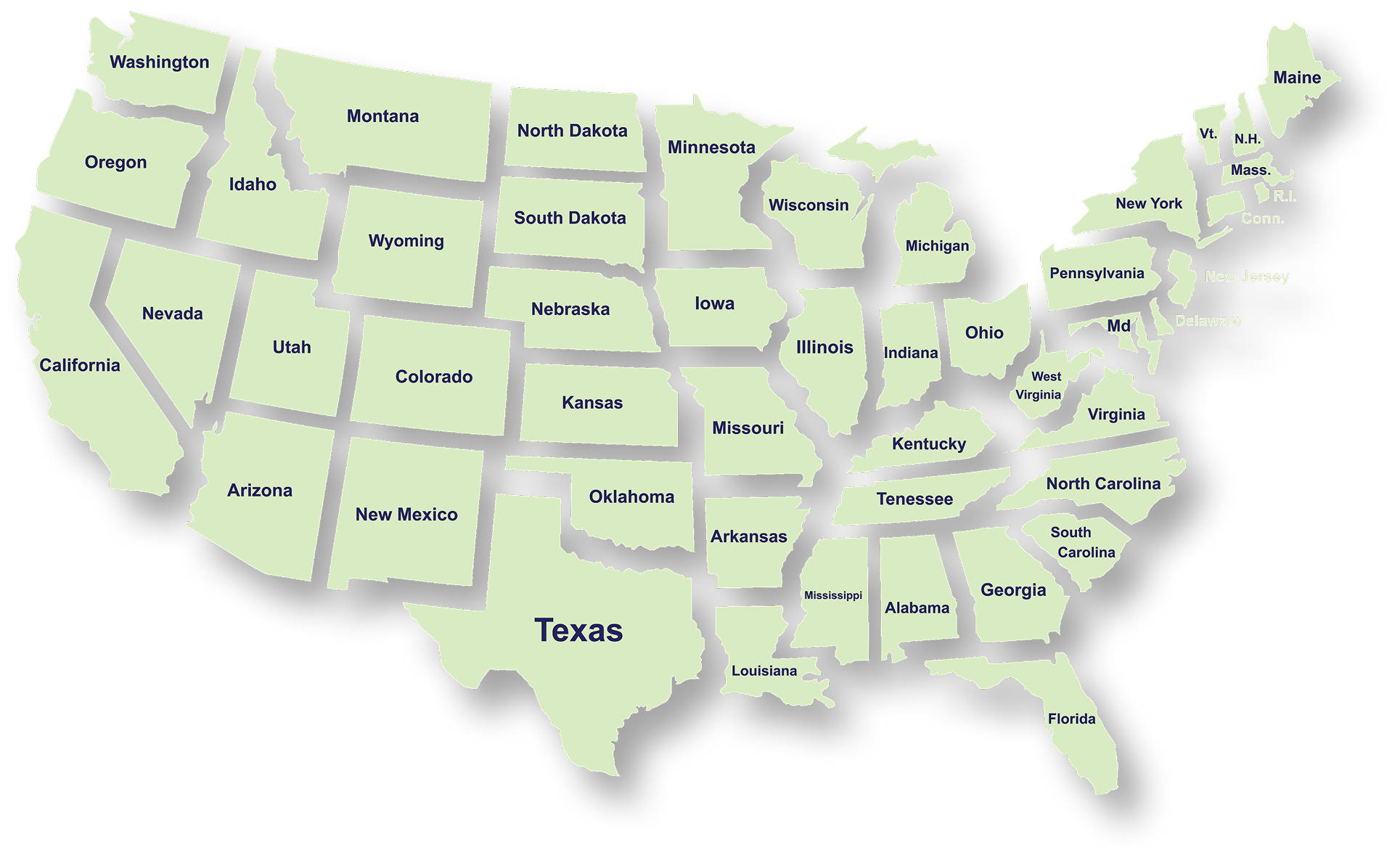
Serving Businesses & Individuals Across USA

We handle accounting, tax filing, and planning with defined timelines and accurate reporting for businesses and individuals across all states.

Frequently Asked Questions

What services does NR CPAs & Business Advisors provide?
What is tax planning and why is it important for businesses?
How can a Virtual CFO help my business?
When should a business consider IRS tax resolution services?
What financial statements does a business typically need?
How can startup advisory services help new businesses?
What is strategic business planning?
What is a Virtual Family Office and who can benefit from it?