Learning Center for Tax and Financial Insights

Stay updated with clear, actionable articles on tax rules, deadlines, deductions, and financial decisions that impact individuals and businesses.

Tax Central

Achieving Financial Success Through Proactive Tax Planning

Tax Planning Mistakes to Avoid for a Stress-Free Tax SeasonProper tax planning is essential for maintaining financial stability and preventing liabilities. Even small errors in your tax returns can lead to hefty penalties, lost deductions, and prolonged stress during filing season. This guide discusses common tax filing errors, strategies to avoid them, and tips for maximizing deductions and credits while maintaining organized records. Drawing from my experience as a CPA and enrolled agent at NR CPAs & Business Advisors, and by adhering to FICPA standards, I explain how missteps—from underreporting income to missing key documentation—can jeopardize your financial health. By staying informed and organized, you reduce audit risks and minimize your tax burden. Many companies now consult a remote cfo for strategic financial oversight. Below are actionable tips, real-world examples, and a step-by-step checklist to help you file your taxes accurately and efficiently.What Are the Most Common Tax Filing Errors to Avoid?The most frequent errors include misreporting income and expenses, improper deduction claims, and filing incorrect or incomplete tax forms. Many individuals and small business owners make mistakes such as misclassifying income, claiming non-deductible expenses, or neglecting required schedules on Form 1040. Misinterpretations of IRS regulations (including circular 230 guidelines) further increase risks. Maintaining detailed documentation and regular reconciliation of financial records is key to preventing these issues and avoiding IRS audits.How Can You Prevent Errors in Personal Income Reporting?Maintain meticulous and organized records throughout the year. Regularly update financial statements and reconcile income against bank deposits and employer documents, using accounting software that automatically tracks and imports income data. Keep digital copies of all pay stubs, Form W-2s, and Form 1099s. Regularly review IRS guidelines on taxable income to ensure accuracy, especially for side gigs or freelance work. This organized approach minimizes errors and ensures your income is reported correctly.What Are Typical Mistakes in Claiming Tax Deductions?Common mistakes include claiming non-deductible expenses as business expenses, misapplying home office or depreciation rules, and duplicating deductions across tax years. Often, taxpayers overlook the need for proper documentation to support each deduction. To avoid these errors, always verify that each deduction meets IRS criteria, maintain a detailed log of expenses, and consult with a tax professional as needed. Keep all receipts, invoices, and bank statements organized for reference.How to Avoid Filing Incorrect or Missing Tax Forms?Using a checklist and reliable tax software is essential. Many taxpayers omit supporting schedules (like Schedule A for itemized deductions or Schedule C for business income), causing delays or triggering audits. Maintain a dedicated file—physical or digital—for tax-related documents and periodically review IRS checklists and previous year returns. A final review of all compiled forms before submission helps avoid costly mistakes caused by missing paperwork.How Can You Maximize Tax Deductions and Credits Effectively?Maximizing deductions and credits requires a proactive approach to financial planning and record keeping. Gather all relevant receipts and track expenses diligently throughout the year. Identify every available deduction—from business expenses and home office costs to charitable donations and education credits. Often, valuable credits like the Earned Income Tax Credit or energy-efficient home improvement credits are overlooked. Regularly review your financial records and use advanced tax software for prompt suggestions, ensuring proper categorization. For small business owners, keeping personal and business expenses separate is critical to avoid disputes with the IRS.Which Tax Deduction Tips Help Reduce Your Tax Liability?Claim only deductions fully supported by documentation and warranted under IRS guidelines. Separate business travel from personal expenses and take full advantage of home office deductions where applicable. Review deductions like mortgage interest, medical expenses, retirement contributions, and education costs to determine if itemizing exceeds the standard deduction. Reliable accounting software can track and prompt for eligible deductions, helping ensure nothing is missed.What Are Commonly Overlooked Tax Credits for Individuals and Small Businesses?Credits often missed include those for energy-efficient home improvements, education, and small business credits such as the Work Opportunity Tax Credit. For example, the Residential Energy Credit allows a percentage of solar investment costs to be claimed. Business owners may also miss credits related to hiring practices or childcare assistance for employees. Stay current on tax legislation and use detailed checklists to ensure every qualifying credit is claimed.How Does Proper Documentation Support Maximizing Refunds?Proper documentation is the backbone of successful tax filing. Maintaining digital scans of receipts, categorized expense documents, and periodic financial reviews substantiates every deduction and credit. This organized record keeping not only reduces the likelihood of audit triggers but also maximizes refunds by providing solid evidence for your claims. Cloud-based storage and specialized accounting software further ensure that your data is safe and accessible when needed.Why Is Proactive Tax Planning Essential for a Stress-Free Tax Season?Proactive tax planning prevents last-minute scrambles and reduces errors. By planning ahead and aligning your financial decisions with tax-saving strategies, you can identify and correct issues before they escalate. Regular updates to your records, awareness of your tax bracket, and timely filing of necessary forms prevent costly mistakes. Reviewing past returns and building a relationship with an experienced tax professional can further streamline your process and reduce stress.How Does Year-Round Tax Planning Prevent Last-Minute Issues?Continual monitoring and regular reviews help avoid the errors that accumulate when information is gathered under time pressure. By tracking deductible expenses throughout the year and setting aside monthly review sessions, you ensure that nothing is overlooked. This practice eliminates unexpected surprises and reduces the likelihood of rushed, error-prone filings at year-end.What Personalized Strategies Can Help Avoid Tax Mistakes?Tailor your tax planning to your unique financial situation. Schedule consultations with a tax professional to review your income sources, deductions, and credits. Small business owners may benefit from customized expense-tracking systems, while individuals with multiple income streams should segment each source. Using alerts for key tax dates and adopting cloud-based document management practices further reduce the risk of mistakes.How Can Expert Guidance Simplify Your Tax Filing Process?Expert guidance from a CPA or tax advisor ensures that every form is accurately completed. Professionals can identify additional deductions or credits that might be overlooked and clarify uncertainties regarding tax law—including the nuances of circular 230 and the internal revenue code. Their ongoing support simplifies the filing process and often results in greater deductions and fewer errors.What Are the Risks of Ignoring Tax Planning Mistakes?Ignoring tax planning errors can result in costly penalties, interest charges, and audits. Failing to review returns carefully or neglecting documentation increases the chance of fine imposition and extended audit cycles. Even minor oversights may signal potential tax evasion to the IRS. Additionally, inaccurate deductions lower refunds and can lead to significant tax liabilities over time. Addressing these mistakes immediately with professional assistance is crucial to maintaining financial stability.How Can Tax Mistakes Lead to Penalties and Audits?Even small errors like underreported income or duplicate deductions can trigger IRS scrutiny. Such discrepancies often lead to penalties ranging from minor fines to severe interest charges, and may prompt an audit that is time-consuming and expensive. Regular reviews and strict documentation practices are essential to prevent these issues.What Impact Do Errors Have on Maximizing Tax Refunds?Errors decrease your refund by disallowing valid deductions and credits. Overestimated deductions based on assumptions rather than verified records result in adjustments that provide little relief. Processing delays from errors further impede timely refunds, affecting cash flow, particularly for small business owners who rely on timely returns for reinvestment.

Explore More
Retirement Planning

Maximize Wealth With Retirement Accounts and Tax Efficiency

How to Use Retirement Accounts for Tax-Efficient Wealth BuildingRetirement accounts are powerful tools that secure your future while offering significant tax benefits. As a financial advisor and CPA who often collaborates with a remote-cfo and adheres to nasba guidelines, I understand the importance of choosing the right retirement vehicle to optimize your tax position and efficiently accumulate wealth. This article explores various retirement accounts, tax-efficient strategies to boost long-term growth, and actionable tips for choosing and managing these accounts—additional insights can be found at ficpa.org. By leveraging these strategies, you can reduce taxable income, benefit from compound interest, and build a solid, tax-efficient retirement portfolio.What Are the Different Types of Retirement Accounts for Tax Efficiency?Understanding the range of retirement accounts is the first step toward designing a tax-efficient wealth-building plan. Each account has unique tax advantages, contribution limits, and withdrawal rules, allowing you to tailor your strategy to your financial goals. Below are the key characteristics of popular vehicles such as the 401(k), Traditional and Roth IRAs, SEP and SIMPLE IRAs, and 403(b) plans.What Is a 401(k) and How Does It Help Build Wealth Tax-Efficiently?A 401(k) is an employer-sponsored plan that lets employees make pre-tax contributions, lowering taxable income. Contributions—and any employer-matched funds—grow tax-deferred until retirement, when withdrawals are taxed at typically lower rates. For example, contributing 10% of your salary not only reduces current taxes but also leverages compound growth over decades. Employer matching is free money that accelerates your savings, making a 401(k) a cornerstone for tax-efficient wealth building.How Do Traditional and Roth IRAs Differ in Tax Benefits?Traditional and Roth IRAs offer different tax benefits. With a traditional IRA, contributions may be tax-deductible and earnings grow tax-deferred until withdrawal, at which point distributions are taxed as ordinary income. A Roth IRA, in contrast, is funded with after-tax dollars, offering tax-free withdrawals if certain conditions are met. Choosing between them depends on whether you expect to be in a higher or lower tax bracket in retirement, so consider your current income and future tax situation when deciding.What Are SEP and SIMPLE IRAs and Who Should Use Them?SEP and SIMPLE IRAs are designed for self-employed individuals and small business owners. A SEP IRA allows business owners to contribute for themselves and eligible employees with flexible, variable amounts each year. SIMPLE IRAs, meant for businesses with up to 100 employees, offer both employer and employee contribution options with straightforward administration. Both plans provide immediate tax benefits through deductible contributions and tax-deferred growth, making them excellent choices for tax-efficient wealth building.How Does a 403(b) Plan Work for Tax-Advantaged Retirement Savings?A 403(b) plan is similar to a 401(k) but is available for employees of public schools, non-profit organizations, and religious institutions. Contributions are made pre-tax, lowering current taxable income, and growth occurs tax-deferred until retirement. Often including employer matches and low administrative fees, the 403(b) is an effective retirement savings tool for those in education and nonprofit sectors.How Can You Maximize Tax Efficiency Through Retirement Account Strategies?Optimizing tax efficiency involves both selecting the right accounts and employing strategies that enhance growth while reducing tax impact. Key methods include taking full advantage of tax-deferral, using tax-free withdrawals, engaging in tax-loss harvesting, and managing capital gains and qualified dividends within your portfolio.What Is Tax-Deferred Growth and How Does It Benefit Your Investments?Tax-deferred growth means you pay taxes on earnings—whether interest, dividends, or capital gains—only upon withdrawal. This delay allows investments to compound more effectively, boosting long-term growth. For example, reinvesting dividends without annual taxes significantly increases the value of your savings over time, multiplying your wealth and reducing overall tax rates on withdrawals later.How Do Tax-Free Withdrawals Work in Roth Retirement Accounts?In Roth accounts, you pay taxes on contributions upfront, and future qualified withdrawals are completely tax-free. This feature is particularly attractive if you expect to be in a higher tax bracket in retirement. After meeting the age and holding period requirements, all earnings can be withdrawn without federal taxes, offering a predictable and advantageous tax treatment for retirement income planning.What Is Tax-Loss Harvesting and How Can It Improve Your Retirement Savings?Tax-loss harvesting involves selling investments at a loss to offset gains from other investments, lowering your taxable income. Although this tactic does not apply directly to tax-deferred accounts, it can be used in taxable accounts to improve overall tax efficiency. By capturing losses during market downturns, you reduce your tax burden and free up extra funds to reinvest toward your retirement goals.How Do Capital Gains and Qualified Dividends Affect Retirement Account Taxes?Capital gains and qualified dividends are taxed at preferential rates compared to ordinary income in many cases. By focusing on assets that produce these types of returns, you can lower your effective tax rate on investment income. Holding tax-efficient index funds or tax-managed funds in taxable accounts, alongside tax-deferred retirement accounts, creates a balanced approach optimizing both growth and tax efficiency.How to Choose the Best Retirement Account for Your Tax-Efficient Wealth Building Goals?Selecting the right retirement account involves evaluating your financial circumstances, future income expectations, contribution limits, and eligibility requirements. Each account type has advantages and restrictions that affect its tax efficiency and potential for long-term growth.What Factors Should You Consider When Selecting a Retirement Account?Key factors include your current tax bracket, expected future tax situation, income stability, and investment horizon. Consider additional elements like employer matching, administrative fees, and withdrawal penalties. For instance, individuals in a high tax bracket may benefit from a traditional IRA or 401(k) now, while a Roth IRA might be more advantageous if you expect lower taxes in retirement.How Do Contribution Limits Impact Your Tax Savings?Contribution limits determine the maximum amount that can grow in a tax-advantaged account annually. A higher limit, such as that of a 401(k), allows more money to benefit from tax deferral or tax-free growth. Staying within IRS guidelines ensures you maximize your retirement account’s potential and take full advantage of any available catch-up contributions if you're over 50.What Are the Eligibility Requirements for Different Retirement Accounts?Each account type has specific eligibility rules related to employment status, income, and age. A 401(k) is offered through employers, while IRAs are available to anyone with taxable income, subject to income limits. SEP and SIMPLE IRAs target self-employed individuals and small business owners. Understanding these requirements helps you select the best option based on your situation.How to Compare Employer-Sponsored Plans With Individual Retirement Accounts?Employer-sponsored plans, such as 401(k)s and 403(b)s, often include benefits like matching contributions and lower administrative costs. Individual IRAs, on the other hand, offer more flexibility in investment choices. Compare factors like vesting schedules, fees, investment options, and your ability to contribute to decide whether to rely on an employer plan, supplement it with an IRA, or combine both strategies.What Are Effective Financial Planning Techniques to Support Tax-Efficient Retirement Savings?Effective financial planning is essential to achieving tax-efficient retirement savings. A comprehensive plan should cover immediate savings goals as well as long-term growth through asset allocation, diversification, and compounding. Estate planning is also vital to ensure your wealth is transferred with minimal tax penalties.How to Determine Your Retirement Needs for Tax-Efficient Wealth Building?Begin by assessing your current financial status, retirement goals, and expected expenses. Estimate your desired annual retirement income and work backward to determine the required savings, considering inflation and tax liabilities. Retirement planning calculators and scenario analysis can help you structure your contributions and investments for maximum tax efficiency and growth.What Are Asset Allocation and Diversification Strategies in Retirement Accounts?Asset allocation and diversification are key to reducing risk while promoting growth. Spread investments across various asset classes—such as stocks, bonds, and alternatives—to smooth portfolio volatility. Placing tax-efficient index funds in taxable accounts and income-generating investments in tax-deferred accounts can optimize tax outcomes. Periodic rebalancing ensures your portfolio aligns with market conditions and your risk tolerance.How Does Compounding Interest Enhance Tax-Advantaged Growth?Compounding interest multiplies the benefits of tax-advantaged accounts. Reinvested earnings generate additional returns, creating a snowball effect over time. The longer funds remain in tax-deferred or tax-free accounts, the more pronounced the compounding impact becomes, especially when consistent contributions are made early in your career.What Role Does Estate Planning Play in Retirement Account Tax Efficiency?Integrating retirement accounts into your estate plan can help reduce estate taxes and simplify wealth transfer to heirs. Tools such as trusts, beneficiary designations, and strategic gifting can minimize tax burdens on your estate. Options like Roth conversions may also provide tax-free transfers to your heirs, ensuring that more of your wealth is preserved for future generations.How to Open and Manage Retirement Accounts for Optimal Tax Benefits?After selecting the right retirement account, it is important to understand how to open and manage it effectively. Proper account management involves careful setup, maximizing employer contributions, avoiding common pitfalls, and regularly reviewing your strategy.What Are the Steps to Open a 401(k) or IRA Account?To open a retirement account, start by choosing a financial institution or an employer-sponsored plan that fits your needs. Gather necessary documents such as your Social Security number and proof of income. For employer plans, enroll via your HR department; for IRAs, complete the application with a reputable broker and fund the account accordingly. Automate contributions to maintain consistent growth.How to Make the Most of Employer Matching Contributions?Employer matching is a valuable benefit that boosts your retirement savings. To capture the full match, contribute at least the percentage required by your employer—often around 6% of your salary. Regularly review your plan for any changes in matching policies or contribution limits to ensure you are maximizing this advantage.What Are Common Mistakes to Avoid in Managing Retirement Accounts?Avoid common errors such as infrequent contributions, early withdrawals, or neglecting portfolio rebalancing. Failing to understand the tax implications of your account type can lead to unnecessary penalties or lost tax benefits. Stay informed through periodic reviews and consult a financial advisor to keep your strategy on track.How Often Should You Review and Update Your Retirement Strategy?Regular reviews—at least annually—are essential to keep your retirement strategy aligned with changing financial goals, risk tolerance, and market conditions. Evaluate the performance of your investments, ensure you meet contribution targets, and adjust your asset allocation as needed to maintain optimal tax efficiency.What Tools and Resources Can Help You Build Tax-Efficient Wealth With Retirement Accounts?Utilizing the right tools and resources can enhance your retirement planning. Online calculators, IRS publications, financial planning software, and professional advisory services help you understand contribution limits, forecast tax savings, and track progress, enabling informed decisions and optimized strategies.Which Retirement Planning Calculators Estimate Tax Savings and Growth?Retirement planning calculators offer projections of tax savings, investment growth, and overall retirement income. By inputting variables like contribution amounts, expected return rates, inflation, and tax rates, you can forecast wealth accumulation. Many financial institutions provide free, customizable calculators to help you determine whether a traditional or Roth IRA plan meets your objectives.Where to Find Up-to-Date IRS Guidelines and Contribution Limits?For reliable information on IRS guidelines and annual contribution limits, refer to the IRS website. Reputable financial advisory sites and newsletters also offer updates on regulations that affect tax-advantaged savings, ensuring your retirement plan remains current and compliant.How Can Financial Advisors Assist in Tax-Efficient Retirement Planning?A knowledgeable financial advisor, especially one with CPA credentials, can evaluate your unique situation, recommend suitable retirement accounts, and help structure your portfolio for maximum tax efficiency. They can advise on Roth conversions, rebalancing strategies, and appropriate investment products, guiding you to navigate tax pitfalls and evolving market conditions.What Are the Best Online Resources for Learning About Retirement Accounts?Trusted online sources such as financial news websites, government portals, and educational platforms provide comprehensive guides, video tutorials, and interactive tools on tax deferral, contribution limits, and investment strategies. Websites like Investopedia and the IRS portal offer detailed articles and calculators to deepen your understanding and enhance your retirement strategy.Table: Comparison of Retirement Account TypesBefore proceeding with detailed planning, consider this table outlining key features of various retirement account types:

Explore More
Tax Central

Tips for Adapting to Tax Law Changes Ahead of 2025

Navigating Tax Law Changes: How to Stay Ahead With Tax Law Updates and Compliance in 2025Welcome to our comprehensive guide on the upcoming tax law changes for 2025. As an experienced financial advisor, remote-cfo, and CPA, I understand that these changes can significantly affect individuals and businesses. This article provides an overview of updates in tax brackets, deductions, credits, and compliance requirements (as suggested by ficpa guidelines) while offering tax planning strategies to minimize liability. We will cover the impact on W-2 employees, self-employed professionals, and various business entities, including those in south florida, and offer strategies to remain compliant and avoid penalties.Let's dive into the key elements of the 2025 tax law changes and learn how to stay ahead in tax planning and compliance.What Are the Key Tax Law Changes for 2025?Understanding the coming changes is crucial because they directly affect tax liability and available deductions. This section briefly covers the new tax brackets and rates, changes to standard deductions and exemptions, updates to major tax credits, and the overall impact on different taxpayer groups.Which New Tax Brackets and Rates Apply in 2025?In 2025, tax brackets and rates have been adjusted to account for inflation and shifts in fiscal policy. Lower-income brackets may incur only minor changes, while higher-income earners could experience slight rate increases—potentially raising the effective tax rate by about 1% to 2%. These adjustments require taxpayers to review investment strategies, especially those involving capital gains tax and retirement income, and to plan with the assistance of tax professionals to reduce adverse impacts on disposable income.How Have Standard Deductions and Exemptions Changed?Standard deductions have increased to better reflect current economic conditions, offering enhanced relief particularly for low- and middle-income households. For example, the standard deduction for single filers has risen by nearly 10%, helping to offset inflation. Although some personal exemptions have decreased in value, the higher standard deduction provides partial compensation. Taxpayers now need to reassess whether to claim the standard deduction or itemize, particularly if they have substantial medical or mortgage expenses. Maintaining detailed records and a robust accounting system is critical under these revised conditions.What Are the Updates to Major Tax Credits for 2025?Major tax credits such as the Child Tax Credit and the Earned Income Tax Credit have been updated. The Child Tax Credit now offers higher maximum benefits and relaxed eligibility requirements, while the Earned Income Tax Credit has been modified to benefit low- to moderate-income working parents. These changes enable families to reduce their tax liability and stimulate the economy. It is important to ensure that all qualifications for these credits are met and that the necessary documentation is maintained.How Do These Changes Impact Different Taxpayer Groups?The impact of these changes varies widely. Lower-income individuals could benefit from increased deductions and credits, resulting in lower tax burdens. Conversely, high-income earners might face rate hikes and need to reevaluate income allocation strategies, such as investments in tax-advantaged retirement accounts or flexible spending accounts. Self-employed taxpayers must be especially diligent, as new rules impose stricter documentation for business expenses and home office deductions. Given these varying effects, personalized tax planning with a qualified professional is essential.How Do 2025 Tax Law Changes Affect Individual Taxpayers?For individual taxpayers, the new tax laws bring both challenges and opportunities. This section highlights the effects on W-2 employees and self-employed professionals, offers strategies for maximizing deductions and credits, and explains updated filing deadlines and requirements.What Should W-2 Employees Know About 2025 Tax Updates?W-2 employees should note that revised tax brackets may lead employers to adjust withholding amounts. The increased standard deduction may reduce taxable income, potentially lowering tax bills or increasing refunds. Updated credits like the Child Tax Credit and Earned Income Tax Credit require careful payroll reporting and periodic review of withholding forms (such as W-4). By consulting with tax experts, employees can optimize their paycheck allocations, work toward better capital gains tax management, and plan for retirement contributions effectively.How Are Self-Employed Individuals Impacted by New Tax Rules?Self-employed professionals face a more complex tax landscape. The updated rules impose stricter requirements for deducting business expenses—including vehicle, travel, and home office costs—often necessitating detailed substantiation. At the same time, allowable limits on certain expenses (for example, contributions to SEP IRAs, Solo 401(k)s, or flexible spending accounts) have increased, providing opportunities for tax-deferred savings. Maintaining thorough records and leveraging specialized tax deductions is crucial, and engaging a tax professional can help fully maximize these benefits while ensuring compliance with IRS guidelines.Which Tax Deductions and Credits Can Individuals Maximize in 2025?Taxpayers have several options to maximize their tax benefits. Itemizing deductions for mortgage interest, charitable contributions, and medical expenses may be more beneficial than taking the standard deduction, especially if expenses are high. Additionally, strategic use of tax-advantaged accounts such as IRAs and Health Savings Accounts (HSAs) can help lower taxable income. Consider coordinating expenses (a technique sometimes known as “bunching”) to exceed standard deduction limits in selected years. Proactive planning and consultation with tax professionals are essential for taking advantage of these opportunities.What Are the Updated Filing Deadlines and Requirements for Individuals?The IRS maintains a mid-April deadline for individual filings, though additional digital validation steps have been introduced. Enhanced e-filing requirements now demand secure transmission and data validation to minimize errors. Taxpayers should prepare by gathering documents, reviewing financial records, and possibly performing an internal audit of tax-related information well ahead of the deadline. Adherence to these processes helps prevent issues that could trigger audits or penalties.What Are the Implications of 2025 Tax Law Changes for Businesses?Businesses of all sizes will experience significant impacts from the 2025 tax law changes. This section discusses how different business entities, from S-Corporations and LLCs to large corporations, are affected and outlines strategies for effective tax planning and compliance.How Do Changes Affect S-Corporations, LLCs, and Corporations?S-Corporations and LLCs face adjustments in the qualified business income (QBI) deduction thresholds. These changes, along with increased tax rates for some corporations, highlight the importance of accurate accounting and regular reviews of corporate structures. For large multinational enterprises, revised reporting standards—especially regarding intercompany transactions and supply chain expenses—demand careful analysis to control overall tax liabilities.What New Tax Planning Strategies Can Businesses Use in 2025?Businesses are encouraged to explore tax-advantaged investments and credits, including those related to energy efficiency, research and development, and workforce training. Timing expenses and capital expenditures appropriately—for example, by accelerating depreciation on qualifying assets—can optimize taxable income. Restructuring operations or reviewing capital allocation may also yield tax advantages. Early engagement with tax professionals is critical to adapt to changes such as updated net operating loss (NOL) provisions and identify special incentives available under the current tax policy.Which Business Deductions and Credits Have Been Updated?Key business deductions (including those for travel, entertainment, and home office costs) now come with more rigorous documentation requirements. Updated credits for renewable energy investments, R&D spending, and employee training programs encourage innovation and sustainability. Businesses must carefully document all qualifying expenses to optimize these benefits while keeping pace with concurrent federal and state tax law updates.What Are the Updated Compliance and Filing Deadlines for Businesses?Compliance deadlines have tightened, with many businesses now required to meet quarterly filings and comprehensive year-end reporting standards. New digital submission protocols and cybersecurity standards demand that financial data be accurate and secure. Investing in updated accounting software and partnering with specialized tax advisory firms can help streamline these processes and mitigate the risk of audits and penalties.What Tax Planning Strategies Help Minimize Liability in 2025?Effective tax planning remains the cornerstone for minimizing liability under the new laws. The following strategies can help reduce taxable income and achieve long-term financial stability.How Can Tax-Advantaged Investments Reduce Your Tax Burden? (401(k), IRA, HSA Strategies)Maximizing contributions to tax-advantaged investment accounts such as 401(k)s, IRAs, and HSAs can substantially reduce taxable income. These contributions are either tax-deferred or tax-deductible, which lessens the adjusted gross income immediately while also fostering long-term savings. Reviewing updated contribution limits and taking full advantage of employer matching (common in retirement or thrift savings plans) ensures that your investment strategy supports both current and future financial goals.What Are the Best Ways to Maximize Deductions and Credits?To optimize deductions and credits, compile detailed records of allowable expenses such as medical costs, charitable donations, and education-related expenses. Consider “bunching” expenses into a single fiscal year to exceed the standard deduction threshold when itemizing may be more beneficial than the fixed standard deduction. Using tax planning software or consulting with a CPA can help identify all available opportunities—whether related to the Earned Income Tax Credit, the Child Tax Credit, or deductions for business-related expenses—and ensure they are accurately claimed.

Explore More
Tax Central

Key Considerations for Individuals and Businesses on Tax Deductions

How to Leverage Tax Deductions for Businesses and Individuals: Expert Tips for Maximizing Tax Optimization Tax deductions are a cornerstone of effective financial management for both businesses and individuals. As a licensed CPA and financial advisor, I have seen how proper tax optimization – aligned with nasba guidelines – can improve a company’s bottom line and an individual’s overall financial health. For businesses seeking innovative approaches, partnering with a remote-cfo can provide strategic financial oversight that echoes industry best practices. In this article, I explain the nuances of tax deductions, the differences between deductions and tax credits, and provide actionable insights to reduce overall tax liability. We explore common business and individual tax deductions, tax planning strategies, essential filing forms (as detailed on ficpa.org), industry-specific deductions, and tools to maximize deduction claims. The practical examples, strategies, and detailed explanations provided here can be implemented immediately to boost your financial plan. This article aims to demystify the tax deduction process and empower you—whether you are a business owner or an individual taxpayer—to make informed decisions that improve cash flow and maximize your return on investment. Let’s examine what tax deductions are, the IRS rules that govern them, and their role in tax optimization. What Are Tax Deductions and How Do They Impact Your Tax Liability? Tax deductions lower your taxable income by subtracting qualified expenses, reducing the amount of income subject to tax. This can lead to significant savings, especially when combined with strategies aligned with your financial goals. What Is the Difference Between Tax Deductions and Tax Credits? Tax deductions lower your taxable income, while tax credits reduce the tax owed dollar for dollar. For example, a $1,000 deduction in a 25% tax bracket saves $250, whereas a $1,000 tax credit reduces your tax bill by $1,000. This distinction is critical when planning tax optimization strategies. How Do Tax Deductions Help in Tax Optimization? By lowering taxable income, deductions can shift you into a lower tax bracket and reduce your effective tax rate. They enable both businesses and individuals to offset income with necessary expenses, such as medical or home office costs. This strategic use improves cash flow and overall financial stability throughout the fiscal year. Which IRS Rules Govern Tax Deductions? The Internal Revenue Code (IRC) details what qualifies as a deduction. The "ordinary and necessary" rule applies to business expenses, while other sections address individual deductions. IRS publications, like Publication 17, offer guidance and examples, in addition to advice on proper documentation. Following these rules ensures compliance and maximizes tax savings. What Are the Most Common Business Tax Deductions to Maximize Savings? Business tax deductions lower annual tax liability and improve operational cash flow. They cover necessary expenses for running a business, from office supplies to travel costs, freeing up funds for reinvestment and reducing the effective tax rate. How Does the Home Office Deduction Work for Small Businesses? The home office deduction lets qualified small business owners deduct expenses for the part of their home used exclusively for business. This may include a portion of rent or mortgage interest, utilities, and repairs. Regular and exclusive use is required, and this deduction can greatly reduce taxable income for entrepreneurs operating from home. What Vehicle Expenses Can Businesses Deduct? Businesses can deduct vehicle expenses incurred for business purposes by using either actual expenses (gas, repairs, depreciation) or the standard mileage rate, which applies a fixed rate per business mile. It is important to maintain detailed mileage logs and receipts to support these deductions in an IRS review. How Are Meals and Entertainment Expenses Deducted? Generally, only 50% of the cost of business meals is deductible. Such expenses must be directly related to business activities, such as client meetings or employee gatherings. Maintaining clear records is essential to prove that the expenses were directly linked to business discussions or promotional efforts. Which Advertising and Marketing Costs Are Tax-Deductible? Advertising expenses—whether digital, print, or event-related—are deductible if they are ordinary and necessary for operating your business. These deductions not only reduce taxable income but also support customer outreach and brand presence. How Does Depreciation Affect Business Tax Deductions? Depreciation spreads the cost of a tangible asset over its useful life, reducing taxable income by recognizing the asset’s gradual loss in value. Methods like the Modified Accelerated Cost Recovery System (MACRS) allow for efficient financial planning by matching asset usage with expense recognition. What Individual Tax Deductions Can You Claim to Reduce Your Tax Bill? Individual taxpayers can lower their taxable income with various deductions. These include expenses for medical care, charitable contributions, and adjustments for education and retirement. How Do Medical Expenses Qualify for Tax Deductions? Medical expenses that exceed a certain percentage of your adjusted gross income (AGI) can be deducted. These may cover doctor visits, prescription medications, and some long-term care costs. Itemizing these expenses helps lower your AGI and reduce your overall tax bill. What Are the Rules for Charitable Donation Deductions? Contributions to qualified organizations are deductible. This includes cash gifts, donated goods, and even mileage related to charitable activities. It is important to maintain receipts and detailed records since the IRS limits these deductions to a percentage of your income, with excess amounts potentially carried over to future years. How Can Student Loan Interest and IRA Contributions Lower Taxes? Student loan interest on qualified loans can be deducted, up to certain limits. Similarly, contributions to traditional IRAs are tax-deductible, lowering taxable income and providing long-term retirement benefits. These strategies are especially beneficial for young professionals balancing education expenses with retirement savings. What Are State and Local Tax (SALT) Deductions? SALT deductions allow you to deduct state and local income or sales taxes, as well as property taxes, up to a specified cap. Despite the limits imposed by recent tax law changes, with proper planning, these deductions can yield substantial long-term savings in high-tax states. How Can Effective Tax Planning Strategies Enhance Your Tax Optimization? Effective tax planning is essential for minimizing tax liability. By combining strategies like retirement planning, capital gains management, and strategic timing of deductions, taxpayers can improve net income while staying compliant with IRS regulations. What Are Tax-Advantaged Retirement Accounts and Their Benefits? (401(k), IRA Explained) Accounts like 401(k) plans and traditional IRAs allow tax-deductible contributions. They reduce current taxable income and offer potential tax-deferred growth, allowing investments to compound more efficiently over time. These benefits are key for long-term savings and enhanced retirement preparedness. How Does Tax-Loss Harvesting Work to Reduce Capital Gains? Tax-loss harvesting involves selling underperforming investments at a loss to offset gains. This strategy helps reduce or eliminate capital gains tax liability when done according to IRS rules concerning the timing of repurchases. It is an effective method to preserve more of your investment returns. What Should Be Included in a Year-End Tax Planning Checklist? A good checklist includes reviewing projected taxable income, evaluating deductions and credits, assessing retirement contributions, and scheduling expense payments to optimize tax results. Ensuring that records and receipts are up-to-date is also critical for uncovering any overlooked deductions before year’s end. When Should You Choose Tax Credits Over Tax Deductions? Tax credits, which reduce tax liability on a dollar-for-dollar basis, should be prioritized when available. For instance, energy-efficient investments or education-related credits can provide more immediate savings compared to deductions that only lower taxable income. Which Tax Forms and Filing Procedures Are Essential for Claiming Deductions? Accurate tax filing is key to ensuring all deductions are claimed. The correct forms and adherence to IRS deadlines are critical for both individuals and businesses. How to Use Form 1040 for Individual Tax Returns? Form 1040 is the primary form for individual income tax returns. It sums up all income, deductions, and credits to calculate your final tax liability or refund. Whether itemizing or taking the standard deduction, following the IRS’s detailed instructions and using reliable tax software will help ensure accuracy. What Is Schedule C and Who Should File It? Schedule C is used by sole proprietors and self-employed individuals to report business income and expenses, allowing deductions for items like office supplies, travel, and advertising. Proper record-keeping is vital for maximizing these deductions and reducing taxable income. How Does Schedule A Help With Itemized Deductions? Schedule A allows taxpayers to itemize deductions such as medical expenses, charitable contributions, and mortgage interest. This can be beneficial when the total itemized deductions exceed the standard deduction, thereby significantly lowering taxable income. What Are Important Tax Filing Deadlines to Remember? Timely filing is crucial to avoid penalties. Individual tax returns are generally due on April 15th, and businesses may have separate deadlines. Awareness of quarterly estimated tax deadlines is also important, especially for self-employed taxpayers. What Industry-Specific Tax Deductions Can Freelancers and Small Businesses Leverage? Freelancers and small businesses have unique expenses that qualify for industry-specific tax deductions, which help in precisely calculating taxable income. What Tax Deductions Are Available for Freelancers and Gig Workers? Freelancers and gig workers may deduct expenses related to home offices, internet, supplies, and client travel. Keeping detailed records is essential, as the IRS closely reviews these deductions, which can help achieve a lower effective tax rate. How Can Real Estate Agents Maximize Their Tax Deductions? Real estate professionals can deduct vehicle mileage, marketing costs, licensing fees, and office expenses. Accurate logs of travel and client meetings, with the support of specialized accounting software, enhance the precision of these claims. What Are Common Tax Deductions for Medical Professionals? Medical professionals can deduct expenses such as continuing education, equipment depreciation, licensing fees, malpractice insurance, uniforms, and travel between work locations. These deductions help reduce taxable income in a high-income field while supporting patient care improvements. How Do Small Businesses Benefit From Specialized Tax Deductions? Small businesses may deduct start-up costs, business travel, employee benefits, and research and development expenses. Tailored tax planning based on current IRS guidelines can maximize these deductions, leading to improved cash flow and stability throughout the year. How Can You Use Tools and Resources to Maximize Your Tax Deductions? The right tools and resources ensure you claim every available deduction efficiently. Advances in technology and access to professional advice have made managing deductions more accessible. What Are the Best Tax Software Options for Accurate Deduction Claims? Software such as TurboTax, H&R Block, and Intuit’s tools guide you through the deduction process with targeted questions and suggestions. These platforms update automatically with tax code changes and provide audit support and error checking for enhanced accuracy. How Can Interactive Deduction Calculators Improve Tax Planning? Interactive deduction calculators estimate potential tax savings by inputting expenses and income figures. They simplify complex tax rules into understandable feedback, which helps you decide whether to itemize or take the standard deduction and refine your year-end tax planning strategy. Where to Find Reliable IRS Publications and Tax Guides? The IRS website, along with publications like Publication 17 and Publication 463, offers detailed guidance on deductions and filing procedures. Professional organizations, such as the AICPA, also publish guides that help ensure your tax planning remains both compliant and effective. How Do Tax Professionals Assist in Maximizing Deductions? Tax professionals, including CPAs and enrolled agents, provide personalized advice by leveraging their specialized knowledge of the tax code and industry-specific deductions. They help identify overlooked deductions, organize documentation, and navigate complex IRS rules, often making the difference between a basic return and one with significant savings. Final Thoughts NR CPAs & Business Advisors strive to help businesses and individuals unlock the full potential of their tax deductions. In this discussion, we explored the mechanisms of tax deductions, common deductions for both businesses and individuals, industry-specific strategies, and essential tools for tax optimization. By planning strategically and leveraging professional expertise, you can lower your tax liability and increase capital for growth and innovation. Embracing these expert tips will pave the way for a more financially robust future. Frequently Asked Questions Q: How do tax deductions directly impact my tax bill? A: They reduce taxable income by subtracting certain expenses, which lowers the overall amount of income subject to tax and can notably decrease your tax liability. Q: What are the primary differences between tax deductions and tax credits? A: Deductions lower taxable income based on your tax bracket; credits reduce the tax owed directly, offering a greater immediate benefit. Q: Which tax planning strategy is most effective for small businesses? A: A combination of strategic depreciation, home office deductions, and industry-specific deductions typically results in lower taxable income and reduced overall liability. Q: Can I switch between standard and itemized deductions from year to year? A: Yes, you can choose each year based on which option provides the greater benefit by comparing eligible expenses to the standard deduction.

Explore More
Tax Central

Year-Round Tax Planning Strategies for Individuals

The Ultimate Guide to Year-Round Tax Planning for Individuals: Strategies to Maximize Savings and Minimize LiabilitiesIn my years as a CPA and business advisor, working frequently with remote-cfo professionals in south-florida, I have witnessed firsthand how effective, continuous tax planning transforms finances and minimizes liabilities. Year-round tax planning goes well beyond filing an annual return; it means regularly monitoring financial events and adjusting strategies to match your life and business goals—as often recommended by ficpa. As tax laws and personal situations change, advanced planning can optimize investments, prepare you for major life transitions, and ensure you claim every deduction and credit. Integrating tax planning into your financial strategy enhances cash flow, reduces your tax bill, and supports informed decision-making. The sections below break down the essentials of year-round tax planning—from its importance and benefits to creating personalized strategies, seizing quarterly opportunities, working with expert advisors, avoiding common pitfalls, supporting retirement and investment goals, and using effective tools.What Is Year-Round Tax Planning and Why Is It Important?Year-round tax planning is an ongoing process of reviewing your financial situation, understanding changes in tax laws, and adjusting your approach in real time to reduce liabilities and maximize benefits. Unlike simply filing once a year, continuous planning involves dynamic management of your finances—including wages, adjusted gross income, business expenses, and capital gains—to adapt to changes such as evolving legislation or shifts in your filing status.How Does Continuous Tax Planning Differ From Annual Tax Filing?While annual filing is a summary of your yearly financial activity, continuous tax planning means updating your systems as income fluctuates or deductions change. This approach helps you address issues before they grow, whether related to investment strategy, cryptocurrency transactions, or adjustments in net income. Continuous planning anticipates tax implications, enabling proactive decisions rather than reactive filing at year-end.What Are the Benefits of Personalized Tax Strategies?Personalized tax strategies address your unique financial circumstances and goals. Instead of a one-size-fits-all approach, tailored strategies ensure you capture every valuable deduction—from home offices and travel expenses to education credits and charitable contributions. This individualization enhances tax efficiency, whether you are dealing with corporate tax issues, passive income, or retirement planning adjustments such as shifting contributions to a Roth IRA or 401(k).How Does Tax Planning Integrate With Overall Financial Goals?Tax planning is integral to your broader financial strategy, influencing savings, investment decisions, retirement funding, and even estate planning. When aligned with long-term objectives, tax planning frees up cash flow and supports wealth accumulation. For example, by optimizing deductions and timing expenses, you can reinvest savings into high-yield investments or further retirement contributions, all while ensuring compliance with IRS tax forms and legislative requirements.How to Develop an Effective Personal Tax Strategy Throughout the Year?Developing a personal tax strategy requires a proactive mindset and regular review of your financial data. An effective approach is one that you revisit each quarter, allowing adjustments as tax regulations and personal circumstances evolve.What Steps Are Involved in Creating a Customized Tax Plan?Start by organizing all relevant financial documents—receipts, bank records, investment statements, and previous tax returns—to identify recurring deductions and opportunities for improvement. Then: 1. Review all income sources, expenses, and significant purchases. 2. Analyze any changes such as marriage, family size, or employment status. 3. Consult IRS guidelines and state tax information. 4. Develop strategies like increasing retirement contributions, timing capital gains and losses, or managing deductible expenses. 5. Regularly monitor and adjust your strategy to ensure it remains effective in light of changes such as interest rate shifts, wage variations, or evolving tax laws.How to Identify Tax Deductions and Credits Regularly?Tracking both ordinary and extraordinary expenses is key to spotting valuable deductions. Regularly review receipts and bank statements to capture deductions like charitable contributions, business expenses if self-employed, education credits, or health savings account deposits. Using digital expense trackers or tax software can help flag opportunities automatically and prevent oversight of credits such as the earned income tax credit or lifetime learning credit.When Should You Adjust Your Tax Plan Based on Life Changes?Significant life events—getting married or divorced, having a child, changing jobs, starting a business, buying a home, or making large investments—warrant immediate adjustments to your tax plan. These changes can alter your tax bracket, filing status, or eligibility for specific credits and deductions. Timely communication with a financial advisor ensures your tax strategy adapts in real time, mitigating risks and taking full advantage of opportunities like depreciation or charitable deductions.What Are the Key Tax Planning Opportunities Each Quarter?Each quarter offers unique tax planning opportunities that, when seized, can yield significant savings. Aligning your plan with quarterly estimated tax payments and interim financial milestones keeps your strategy current.How to Prepare for Quarterly Estimated Tax Payments?Before each quarterly due date, review your earnings, potential deductions, and tax rates to avoid underpayment penalties. Use tools like worksheets or digital tax management software to project your liability. Setting aside a specified percentage of monthly income into a dedicated tax account can help manage fluctuations and simplify meeting estimated tax requirements.What Tax-Saving Moves Can You Make Before Year-End?Year-end planning is critical. You can reduce taxable income by accelerating expenses such as medical costs or charitable donations, prepaying deductible expenses, or harvesting investment losses to offset capital gains. Additionally, meeting retirement contribution deadlines—such as for IRAs or Roth 401(k)s)—can yield considerable tax advantages before fiscal year-end.How to Use Mid-Year Reviews to Optimize Tax Outcomes?Mid-year reviews provide a chance to compare your current tax position against your goals. Evaluate estimated income, adjust deductions, and recalibrate financial forecasts to close any gaps. For instance, if your business income surges unexpectedly, you might need to increase quarterly deposits or reschedule deductible expenses. This proactive checkpoint prevents a large tax bill at year-end and ensures efficiency throughout the fiscal year.How Can Expert Tax Advisors Enhance Your Year-Round Planning?Expert tax advisors bring rigorous insight to your tax planning efforts. They navigate the complexities of tax legislation and provide personalized advice that can significantly reduce liabilities and save money.What Services Do Certified Tax Professionals Provide?Certified tax professionals offer services such as tax compliance, audit support, and strategic advisory tailored to your financial situation. They help identify areas where you might be overpaying, offering corrective measures like additional deductions or credits. Their expertise covers emerging issues such as cryptocurrency regulation, challenges related to base erosion and profit shifting, and changes affecting corporate social responsibility. Their guidance supports both immediate tax concerns and long-term goals like portfolio rebalancing and retirement planning.

Explore More
No items found.

Smart Tax Planning for Small Businesses: Save More This Year

Tax Planning for Small Businesses: How to Maximize Tax Savings and Save More This Year Tax planning is essential for small businesses, particularly those in south-florida, aiming to optimize their financial performance while reducing tax liability. As a small business owner, you face complex tax issues ranging from deductions and credits to industry-specific considerations. Engaging with a remote-cfo can help navigate these challenges effectively. In this article, I share expert CPA and ficpa advice on effective tax savings strategies and immediate, actionable steps. We discuss powerful deductions, valuable credits, retirement planning benefits, and a year-end checklist to keep your business compliant. With persistent tax law changes, staying informed and adapting your approach is critical to long-term financial health. What Are the Most Effective Tax Savings Strategies for Small Businesses? Effective tax savings strategies begin with understanding available deductions, credits, and planning techniques tailored to your operations. Proactive planning reduces overall tax liability and improves cash flow by ensuring you reinvest saved resources into growing your business. Which Tax Deductions Can Small Businesses Claim to Reduce Taxes? Small businesses can lower taxable income by claiming ordinary and necessary business expenses. Deductible items include: • Office supplies, travel, and marketing costs • Home office expenses (if you have a dedicated workspace) • Depreciation on business assets and equipment • Health insurance premiums and vehicle expenses • Business-related education or training Maintaining accurate records and receipts is crucial according to IRS guidelines. By tracking expenses meticulously and aligning them with IRS requirements, you can secure significant immediate tax savings. What Tax Credits Are Available to Small Business Owners? Tax credits provide a dollar-for-dollar reduction in tax liability and are sometimes more valuable than deductions. Eligible credits include: • Research and Development (R&D) Credit to offset product development expenses • Work Opportunity Tax Credit (WOTC) for hiring individuals from targeted groups • Small Business Health Care Tax Credit for offering health insurance • State-specific credits and those for environmentally friendly initiatives These credits can, in some cases, reduce your tax bill by up to 50% of qualifying expenses. Understanding eligibility criteria and maintaining proper documentation are essential to maximize these benefits. How Can Retirement Planning Help Small Businesses Save on Taxes? Retirement planning benefits small businesses by reducing taxable income and fostering employee loyalty. Contributions to qualified retirement plans (such as a 401(k), SEP IRA, or SIMPLE IRA) are deductible, lowering the current year's tax bill while offering tax-deferred growth until withdrawal. In addition, matching contributions can further boost savings. Establishing a solid retirement plan attracts top talent and delivers long-term financial and tax-saving benefits. What Should Small Businesses Include in a Year-End Tax Planning Checklist? A robust year-end checklist is crucial to capture all potential tax benefits. Key steps include: • Reviewing all business expenses to ensure every deductible cost is recorded • Analyzing financial statements for opportunities to accelerate or defer income and expenses • Maximizing contributions to retirement plans • Verifying that vehicles, equipment, and office supplies are properly depreciated • Conducting inventory reviews and documenting charitable contributions • Monitoring changes in tax laws affecting your business A proactive review with your tax advisor helps identify additional deductions or credits and reduces compliance risks. How Does Industry-Specific Tax Planning Benefit Small Businesses? Tailoring tax planning to your industry can offer significant advantages. Different sectors—whether technology, restaurants, or e-commerce—face unique challenges and opportunities. Industry-specific strategies ensure you capture specialized deductions, credits, and compliance practices often overlooked in generic tax planning. This approach increases cash flow and provides a competitive edge in managing tax liabilities. What Are the Best Tax Planning Tips for E-Commerce Businesses? E-commerce businesses navigate a complex tax landscape, especially with multi-state operations and digital transactions. Essential tips include: • Understanding varying sales tax obligations across states • Properly categorizing shipping, payment processing fees, and platform costs • Claiming deductions for digital advertising, technology expenses, and website development • Utilizing cloud-based accounting software for streamlined compliance An organized record-keeping system helps separate personal from business expenses, reduces audit risk, and unlocks credits like the R&D Credit for technological innovation. How Can Restaurants Optimize Their Tax Planning? Restaurants face challenges such as seasonal fluctuations and perishable inventory. Effective strategies include: • Taking full advantage of deductions for food, labor, and utilities • Implementing accurate inventory accounting to manage cost of goods sold • Tracking employee wages, tips, and benefits for eligible deductions • Exploring tax credits for investments in energy-efficient equipment and sustainable practices Close collaboration with a tax advisor helps restaurant owners optimize deductions and remain compliant with evolving labor and tax regulations. What Tax Strategies Work Best for Tech Startups? Tech startups must innovate under tight budgets, which makes efficient tax strategies vital. Key approaches include: • Leveraging the R&D Tax Credit for expenses related to software, hardware, or processes • Structuring employee compensation with stock options and deferred bonuses to reduce current tax liabilities • Considering S Corporation status to avoid double taxation Engaging specialized advisors who understand both the tech industry and modern tax law helps startups retain more capital for growth and innovation. What Tax Planning Services Can Help Small Businesses Save More? Outsourcing tax planning can transform a small business’s financial management. Professional tax advisors and accounting services provide: • Tailored tax strategy development • Accurate tax return preparation • Ongoing financial advice and strategic planning • Integrated bookkeeping for up-to-date records These services save time and money by ensuring compliance, reducing audit likelihood, and capturing every eligible deduction and credit available. How Does Tax Strategy Development Tailored to Your Business Work? Effective tax strategy development begins with a thorough analysis of your business structure, revenue streams, and expense patterns. This process involves: • Conducting a comprehensive financial review • Benchmarking against industry standards • Restructuring assets or accelerating depreciation where beneficial The process is iterative; as your business and tax laws evolve, periodic strategy adjustments are necessary. Working with an experienced tax advisor ensures no opportunity is overlooked. Why Is Accurate Tax Return Preparation Crucial for Small Businesses? Accurate tax return preparation is the cornerstone of sound tax planning. Key benefits include: • Avoiding costly penalties • Qualifying for all applicable credits • Gaining a clear financial performance picture • Supporting strategic planning and financing efforts Leveraging professional services or advanced accounting software minimizes errors and offers peace of mind through full IRS compliance. How Does Bookkeeping Integration Improve Tax Planning Efficiency? Integrating real-time bookkeeping with tax planning is essential for accuracy. Benefits include: • Reliable recording and categorization of every financial transaction • Automated data entry, reconciliation, and reporting with modern software • Enhanced monitoring of cash flow and profit margins This seamless integration enables you to quickly identify deductible expenses and make informed strategic decisions, reducing the risk of discrepancies and audits. What Ongoing Financial Advice Supports Year-Round Tax Planning? Continuous financial guidance helps your business adapt to changing economic conditions and tax laws. A professional advisor can: • Offer timely insights on expenses and revenue recognition • Identify emerging deduction opportunities • Conduct periodic reviews of financial statements and tax estimates Regular consultations ensure your tax planning strategy evolves with your business, promoting sustainable growth and long-term savings. How Do Recent Tax Law Changes Impact Small Business Tax Planning? Recent tax law changes significantly affect small business tax planning. Modifications in allowable deductions, tax rates, and credits require businesses to stay alert to new rules. For example: • Changes in depreciation rules may affect how assets are expensed • Adjustments in tax brackets and deduction limits (such as for business meals) can alter your tax position • New incentives (e.g., increased R&D credits) create additional opportunities Staying abreast of these changes through regular updates and consultations with industry experts is vital to avoid missed opportunities or unforeseen liabilities. What Are the Latest Tax Law Updates Affecting Small Businesses? Key updates include: • Adjustments to tax brackets and depreciation rules • Revised eligibility criteria for several credits and deductions • Updates to the Tax Cuts and Jobs Act that affect pass-through entities like S Corporations and LLCs Maintaining proper documentation is more important than ever as the IRS increases its reliance on digital audits. These updates require strategic planning for upcoming tax years. How Can Small Businesses Adapt Their Tax Planning to New Regulations? Adapting to new regulations involves a proactive approach: • Regular consultations with tax professionals • Quarterly reviews to adjust for income and expense classification • Utilizing accounting software that updates automatically to reflect new requirements Such measures help small businesses integrate regulatory changes into their tax planning routines, minimizing penalties and maximizing deductions. What Common Questions Do Small Business Owners Have About Tax Planning? Small business owners frequently wonder how best to reduce their tax burden and maximize savings. Common questions include: • What are the most significant deductions and credits available? • How do recent tax law changes impact my business? • What are the best practices for year-round compliance? Clear, accurate answers to these questions not only demystify tax planning but also empower business owners to make informed decisions and leverage professional guidance. What Are the Best Tax Deductions for Small Businesses? Top deductions for small businesses include: • Office rent, utilities, and employee salaries • Travel, meals, and home office expenses (if criteria are met) • Depreciation on equipment and vehicles • Professional fees and insurance premiums • Business interest expenses Systematic tracking of all deductible expenses ensures that taxable income is minimized, freeing up capital for growth. How Can Small Businesses Save Money on Their Taxes Year-Round? Year-round tax savings are achieved by: • Maintaining regular bookkeeping • Conducting quarterly tax reviews • Deferring income or accelerating expenses to shift taxable income • Using tax planning software and consulting professionals for timely adjustments This proactive approach keeps your business flexible and able to seize new tax-saving opportunities as they arise. When Are the Important Tax Deadlines for Small Businesses? Key deadlines to remember include: • Quarterly estimated tax payments (April, June, September, and January) • Annual tax return deadlines (typically March 15 or April 15, depending on business structure) • Specific deadlines for payroll filings and forms like 1099 Using a structured calendar and consulting regularly with your tax advisor helps you avoid late fees and penalties. Which Tax Credits Provide the Greatest Savings for Small Businesses? Significant tax credits include: • The R&D Tax Credit, which offsets research expenses • The Work Opportunity Tax Credit for hiring from targeted groups • The Small Business Health Care Tax Credit for offering employee health benefits These credits directly reduce the tax liability, and when combined, they can result in substantial savings. How Can Small Businesses Use Tools and Resources to Enhance Tax Planning? Numerous tools and resources are available to streamline your tax planning process. Digital platforms can: • Automate data collection and reporting • Provide real-time dashboards to monitor deductions and credits • Integrate IRS publications and industry tax guides for updated guidance Consulting with a tax advisor to interpret these tools further refines your overall strategy. What IRS Resources and Publications Are Essential for Small Business Tax Planning? Essential resources include:

Explore More
No results found.
Thank you! Your submission has been received!
Oops! Something went wrong while submitting the form.

Want tax & accounting tips & insights?Sign up for our newsletter.

Thank you! Your submission has been received!
Oops! Something went wrong while submitting the form.

Why Work With Us?

We combine deep tax expertise, financial strategy, and practical business insight to help you manage complexity, stay compliant, and make confident financial decisions.
A dollar sign, representing financial advice or discussion at NR CPAs & Business Advisors.

Experienced CPA and Enrolled Agent Leadership

Guidance led by licensed professionals with deep expertise in tax strategy, compliance, and complex financial matters.
White bar chart with an upward arrow on green circular background representing growth or progress at NR CPAs &. Business Advisors

Support for Growing Businesses and Startups

We understand the financial challenges of growth stage businesses and provide structured guidance to support expansion.
A white hand holding a dollar symbol and ascending bar chart on a green circular background representing financial growth or investment at NR CPAs & Business Advisors..

Strategic Financial Advisory

Our team helps you evaluate financial decisions with greater clarity, supported by practical insights and long term planning.

Fractional CFO Support

Access experienced financial leadership without the commitment and cost of hiring a full time Chief Financial Officer.

Proactive Tax Planning Approach

We focus on identifying tax opportunities throughout the year rather than reacting only during filing season.

Clear and Reliable Financial Reporting

Accurate financial statements and reporting that help you better understand performance and make informed decisions.
White IRS building icon with pillars and a dollar sign above on a green circular background.

Professional IRS Representation

Experienced support in resolving IRS notices, disputes, and compliance matters while protecting your financial interests.

Personalized Client Focus

Every client receives thoughtful attention and tailored financial solutions based on their specific needs and business goals.
Financial matters often involve important decisions. Working with experienced advisors can help you approach them with greater clarity and confidence in your choices.

Need Help With Your Tax or Financial Decisions?

Discuss your situation with our advisors to get clear guidance on tax planning, IRS matters, and the financial decisions ahead.
Business consulting at NR CPAs & Business Advisors.

Request Your Consultation

Fill out the form to discuss your tax concerns, financial questions, or advisory needs with our team. We will review your details and respond shortly.

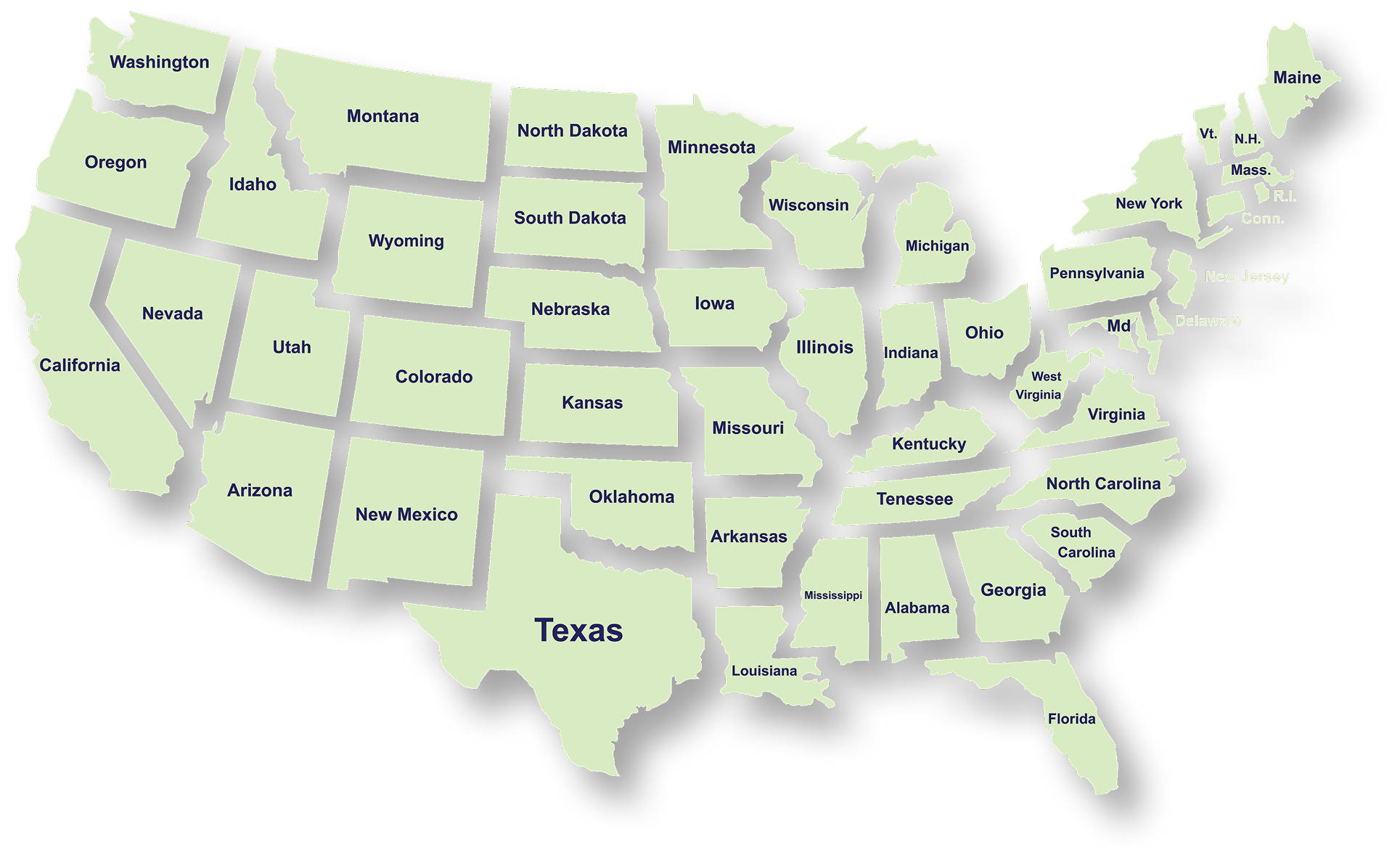
Serving Businesses & Individuals Across USA

We handle accounting, tax filing, and planning with defined timelines and accurate reporting for businesses and individuals across all states.

Frequently Asked Questions

What services does NR CPAs & Business Advisors provide?
What is tax planning and why is it important for businesses?
How can a Virtual CFO help my business?
When should a business consider IRS tax resolution services?
What financial statements does a business typically need?
How can startup advisory services help new businesses?
What is strategic business planning?
What is a Virtual Family Office and who can benefit from it?