Learning Center for Tax and Financial Insights

Stay updated with clear, actionable articles on tax rules, deadlines, deductions, and financial decisions that impact individuals and businesses.

No items found.

Streamline Your Contractor Management with QuickBooks® Online

In the expansive realm of small businesses, hiring independent contractors is often a strategic move to scale operations efficiently. However, paperwork, payments, and tax compliance can quickly become cumbersome. Enter QuickBooks® Online — as of 2025, it’s engineered to streamline contractor-related processes, from onboarding to tax filing. 1. Effortless Onboarding and Tracking W-9 Digital InviteSimply navigate to Expenses → Contractors in your QuickBooks®, and with a click, invite contractors to fill out their W-9 directly online. Automatically update vendor profiles with accurate legal data for seamless record-keeping. Automated 1099 TrackingBeyond the basic tracking, QBO automatically highlights contractors liable for 1099 forms and monitors their payment thresholds, eliminating guesswork and errors. 2. Simplify Tax Responsibilities 1099-NEC/MISC Easy PreparationWithin Payroll → Contractors, let QuickBooks® handle the crafting of your 1099s or generate them manually. Automatically compile forms using payment data — minus non-reportable transactions. Seamless E-FilingComplete and dispatch your 1099 forms with the IRS using just a few clicks inside QuickBooks®, receiving electronic confirmations and ensuring compliance. 3. Proficient Payments System QuickBooks® Contractor PaymentsFor $15/month for 20 contractors, ensure prompt payments through next-day ACH deposit, checks, or manual entries — each documented for tax purposes. Learn more. Self-Service PortalEmpower contractors to sign up for their QuickBooks® accounts, inputting banking and tax information, thus reducing administrative load.

Explore More
No items found.

Critical Deadlines: Oct. 15 Tax Filings

The deadline of October 15, 2025, is crucial for those who have availed themselves of the filing extension for the 1040 series tax returns. It's also the extended deadline for submitting the FinCEN Form 114, commonly known as the FBAR. Ensuring timely submission is critical, as late filing can lead to penalties.Our practice in Coral Gables, Florida, is poised to assist both individuals and businesses in preparing for these deadlines. Under the leadership of licensed CPA and Enrolled Agent, Nischay Rawal, NR CPAs & Business Advisors offers comprehensive tax preparation and planning services. Our team’s agility allows us to provide detailed, personalized guidance, whether you’re managing personal tax obligations or intricate business filings.

Explore More
No items found.

Optimize Your Mid-Year Inventory for Maximum Profitability

Let’s face it: Dead inventory silently erodes your profits.It’s not always visible, nor immediately apparent. But if ignored, it accumulates stealthily in the back room, warehouse, or on that “we’ll sell it eventually” shelf.By the time you notice the capital tied up in unsold products, it might be too late to pivot effectively.This is why mid-year assessments are crucial. Take advantage of this period to scrutinize your inventory, streamline operations, and craft a more responsive sales strategy—before the holiday rush or unforeseen supply chain challenges arise.Why 2025 Demands AttentionIn 2025, inventory management faces unprecedented hurdles.Businesses are burdened with higher holding costs, volatile tariffs, port congestion, evolving consumer preferences, and the lingering effects of last year’s stockpiling. This often results in excess inventory and strained liquidity.The silver lining: Identifying slow-moving stock promptly can prevent it from transforming into dead inventory. Timely intervention is key.Mid-Year Inventory Assessment Guide1. Conduct a Thorough Physical Inventory CountPhysically verify inventory—not just what your records suggestImportance: Discrepancies between records and actual stock affect purchasing decisions. Accuracy is non-negotiable for effective planning.2. Analyze Sales VelocityIdentify items with rapid turnover and those languishing on shelves.A straightforward sales velocity report indicates slow movers: typically those unsold for 90 to 180 days. These require immediate attention.Insight: Inventory stagnant for three to six months transitions from “stock” to liability.3. Evaluate the Cost of InventoryIdle stock not only immobilizes cash but also:Consumes warehouse spaceIncreases insurance and storage expensesAmplifies risk of theft, damage, or obsolescenceImpairs stocking of higher-margin productsThe longer unopened stock remains, the greater the cost—even if prepaid.

Explore More
No items found.

Key 2025 Tax Amendments Seniors Must Understand

In a move to modernize the tax experience for seniors, the "One Big Beautiful Bill Act" (OBBBA) has been introduced, reshaping the tax landscape significantly for those aged 65 and over. These tax amendments are meticulously designed to alleviate financial pressures and optimize tax management for seniors. Understanding these changes is crucial to leveraging potential benefits effectively.Overview of New Senior Deductions: The centerpiece of the OBBBA for seniors is a newly introduced deduction that provides much-needed financial relief. This change supersedes the proposed Social Security income exemption, reflecting a pragmatic legislative resolution due to budgetary constraints. Seniors aged 65 or older will be eligible for a $6,000 deduction, while married couples meeting the age criterion can claim $12,000 when filing jointly. However, this deduction phases out for seniors with a Modified Adjusted Gross Income (MAGI) surpassing $75,000 for single filers or $150,000 for joint filers. A 6% reduction applies to amounts above these thresholds, impacting the total deduction permissible under the phaseout rules. This provision, effective for tax years 2025 through 2028, is positioned to ease the tax burden substantially.Impact on Gambling Loss Deductions: Senior recreational gamblers will find the taxed landscape altered with limitations to deduct up to 90% of wagering losses, beginning 2026. Although this does not directly impact taxable Social Security benefits, it does raise Adjusted Gross Income (AGI), potentially increasing senior tax liabilities and Medicare premiums due to higher disclosed incomes.The full gambling winnings are included in AGI, creating a seemingly unfair penalty as increased taxes and premiums accompany even net loss scenarios from gambling activities.Enhanced Standard Deductions: Substantial increases in standard deductions are a key element of the OBBBA, offering financial respite to seniors. Single filers will benefit from a $15,750 deduction, while married couples can claim up to $31,500, with additional adjustments for those aged 65+. These amounts are auto-indexed for inflation, ensuring ongoing, robust financial relief.

Explore More
No items found.

Safeguarding Your Family Business: Tax Challenges and Solutions

You’ve turned your vision into something substantial: a family-run business that’s resilient through economic cycles and challenges.Whether you own a cherished restaurant, a bustling dental practice, a beloved small farm, or a burgeoning consulting firm, the time may come when you wish to transfer this legacy to the next generation—perhaps to a recently graduated MBA niece or your son who's grown up working beside you in the family business.However, transferring ownership within the family isn't as straightforward as it might seem. Many overlook the tax pitfalls that can disrupt this transition.Understand that transitioning a family business involves more than drafting legal documents or naming a successor. It encompasses strategic tax planning to avert IRS penalties and family discord that could arise from poor foresight.Ownership Transfer: What You Need to KnowSimply giving your business to your children isn’t tax-free. Gift or sell it at a bargain and the IRS may impose hefty taxes. Upon inheritance, families can encounter valuation debates and estate taxes.Let’s delve into strategies to manage these taxes and preserve your family legacy.Tax Hurdles and Their Solutions1. The Capital Gains PredicamentImagine launching your business with $20,000 and now it’s valued at $2 million. If transferred, beneficiaries assume your original cost basis, facing substantial capital gains taxes upon sale.Trap: Gifting may avoid estate taxes yet incur higher capital gains. Solution: Opt for inheritance, which resets the basis to the current market value, potentially reducing taxes.2. S-Corporation Ownership RestrictionsS-Corps enforce strict rules on share ownership. Missteps can lead to lost S-Corp status and severe tax repercussions.Trap: Mishandled share transfers jeopardize S-Corp benefits. Solution: Consult a tax advisor skilled in S-Corp regulations and utilize grantor trusts to transfer shares effectively.3. Navigating Gift and Estate Tax ExemptionsIn 2025, the gift and estate exemption is $13.99M, rising to $15M in 2026 for individuals ($30M for couples).Trap: Exceeding limits without documentation reduces your exemption. Solution: Gradually transfer ownership using annual exclusion gifts, meticulously documented by a professional.

Explore More
Tax Central

Achieving Financial Success Through Proactive Tax Planning

Tax Planning Mistakes to Avoid for a Stress-Free Tax SeasonProper tax planning is essential for maintaining financial stability and preventing liabilities. Even small errors in your tax returns can lead to hefty penalties, lost deductions, and prolonged stress during filing season. This guide discusses common tax filing errors, strategies to avoid them, and tips for maximizing deductions and credits while maintaining organized records. Drawing from my experience as a CPA and enrolled agent at NR CPAs & Business Advisors, and by adhering to FICPA standards, I explain how missteps—from underreporting income to missing key documentation—can jeopardize your financial health. By staying informed and organized, you reduce audit risks and minimize your tax burden. Many companies now consult a remote cfo for strategic financial oversight. Below are actionable tips, real-world examples, and a step-by-step checklist to help you file your taxes accurately and efficiently.What Are the Most Common Tax Filing Errors to Avoid?The most frequent errors include misreporting income and expenses, improper deduction claims, and filing incorrect or incomplete tax forms. Many individuals and small business owners make mistakes such as misclassifying income, claiming non-deductible expenses, or neglecting required schedules on Form 1040. Misinterpretations of IRS regulations (including circular 230 guidelines) further increase risks. Maintaining detailed documentation and regular reconciliation of financial records is key to preventing these issues and avoiding IRS audits.How Can You Prevent Errors in Personal Income Reporting?Maintain meticulous and organized records throughout the year. Regularly update financial statements and reconcile income against bank deposits and employer documents, using accounting software that automatically tracks and imports income data. Keep digital copies of all pay stubs, Form W-2s, and Form 1099s. Regularly review IRS guidelines on taxable income to ensure accuracy, especially for side gigs or freelance work. This organized approach minimizes errors and ensures your income is reported correctly.What Are Typical Mistakes in Claiming Tax Deductions?Common mistakes include claiming non-deductible expenses as business expenses, misapplying home office or depreciation rules, and duplicating deductions across tax years. Often, taxpayers overlook the need for proper documentation to support each deduction. To avoid these errors, always verify that each deduction meets IRS criteria, maintain a detailed log of expenses, and consult with a tax professional as needed. Keep all receipts, invoices, and bank statements organized for reference.How to Avoid Filing Incorrect or Missing Tax Forms?Using a checklist and reliable tax software is essential. Many taxpayers omit supporting schedules (like Schedule A for itemized deductions or Schedule C for business income), causing delays or triggering audits. Maintain a dedicated file—physical or digital—for tax-related documents and periodically review IRS checklists and previous year returns. A final review of all compiled forms before submission helps avoid costly mistakes caused by missing paperwork.How Can You Maximize Tax Deductions and Credits Effectively?Maximizing deductions and credits requires a proactive approach to financial planning and record keeping. Gather all relevant receipts and track expenses diligently throughout the year. Identify every available deduction—from business expenses and home office costs to charitable donations and education credits. Often, valuable credits like the Earned Income Tax Credit or energy-efficient home improvement credits are overlooked. Regularly review your financial records and use advanced tax software for prompt suggestions, ensuring proper categorization. For small business owners, keeping personal and business expenses separate is critical to avoid disputes with the IRS.Which Tax Deduction Tips Help Reduce Your Tax Liability?Claim only deductions fully supported by documentation and warranted under IRS guidelines. Separate business travel from personal expenses and take full advantage of home office deductions where applicable. Review deductions like mortgage interest, medical expenses, retirement contributions, and education costs to determine if itemizing exceeds the standard deduction. Reliable accounting software can track and prompt for eligible deductions, helping ensure nothing is missed.What Are Commonly Overlooked Tax Credits for Individuals and Small Businesses?Credits often missed include those for energy-efficient home improvements, education, and small business credits such as the Work Opportunity Tax Credit. For example, the Residential Energy Credit allows a percentage of solar investment costs to be claimed. Business owners may also miss credits related to hiring practices or childcare assistance for employees. Stay current on tax legislation and use detailed checklists to ensure every qualifying credit is claimed.How Does Proper Documentation Support Maximizing Refunds?Proper documentation is the backbone of successful tax filing. Maintaining digital scans of receipts, categorized expense documents, and periodic financial reviews substantiates every deduction and credit. This organized record keeping not only reduces the likelihood of audit triggers but also maximizes refunds by providing solid evidence for your claims. Cloud-based storage and specialized accounting software further ensure that your data is safe and accessible when needed.Why Is Proactive Tax Planning Essential for a Stress-Free Tax Season?Proactive tax planning prevents last-minute scrambles and reduces errors. By planning ahead and aligning your financial decisions with tax-saving strategies, you can identify and correct issues before they escalate. Regular updates to your records, awareness of your tax bracket, and timely filing of necessary forms prevent costly mistakes. Reviewing past returns and building a relationship with an experienced tax professional can further streamline your process and reduce stress.How Does Year-Round Tax Planning Prevent Last-Minute Issues?Continual monitoring and regular reviews help avoid the errors that accumulate when information is gathered under time pressure. By tracking deductible expenses throughout the year and setting aside monthly review sessions, you ensure that nothing is overlooked. This practice eliminates unexpected surprises and reduces the likelihood of rushed, error-prone filings at year-end.What Personalized Strategies Can Help Avoid Tax Mistakes?Tailor your tax planning to your unique financial situation. Schedule consultations with a tax professional to review your income sources, deductions, and credits. Small business owners may benefit from customized expense-tracking systems, while individuals with multiple income streams should segment each source. Using alerts for key tax dates and adopting cloud-based document management practices further reduce the risk of mistakes.How Can Expert Guidance Simplify Your Tax Filing Process?Expert guidance from a CPA or tax advisor ensures that every form is accurately completed. Professionals can identify additional deductions or credits that might be overlooked and clarify uncertainties regarding tax law—including the nuances of circular 230 and the internal revenue code. Their ongoing support simplifies the filing process and often results in greater deductions and fewer errors.What Are the Risks of Ignoring Tax Planning Mistakes?Ignoring tax planning errors can result in costly penalties, interest charges, and audits. Failing to review returns carefully or neglecting documentation increases the chance of fine imposition and extended audit cycles. Even minor oversights may signal potential tax evasion to the IRS. Additionally, inaccurate deductions lower refunds and can lead to significant tax liabilities over time. Addressing these mistakes immediately with professional assistance is crucial to maintaining financial stability.How Can Tax Mistakes Lead to Penalties and Audits?Even small errors like underreported income or duplicate deductions can trigger IRS scrutiny. Such discrepancies often lead to penalties ranging from minor fines to severe interest charges, and may prompt an audit that is time-consuming and expensive. Regular reviews and strict documentation practices are essential to prevent these issues.What Impact Do Errors Have on Maximizing Tax Refunds?Errors decrease your refund by disallowing valid deductions and credits. Overestimated deductions based on assumptions rather than verified records result in adjustments that provide little relief. Processing delays from errors further impede timely refunds, affecting cash flow, particularly for small business owners who rely on timely returns for reinvestment.

Explore More
No results found.
Thank you! Your submission has been received!
Oops! Something went wrong while submitting the form.

Want tax & accounting tips & insights?Sign up for our newsletter.

Thank you! Your submission has been received!
Oops! Something went wrong while submitting the form.

Why Work With Us?

We combine deep tax expertise, financial strategy, and practical business insight to help you manage complexity, stay compliant, and make confident financial decisions.
A dollar sign, representing financial advice or discussion at NR CPAs & Business Advisors.

Experienced CPA and Enrolled Agent Leadership

Guidance led by licensed professionals with deep expertise in tax strategy, compliance, and complex financial matters.
White bar chart with an upward arrow on green circular background representing growth or progress at NR CPAs &. Business Advisors

Support for Growing Businesses and Startups

We understand the financial challenges of growth stage businesses and provide structured guidance to support expansion.
A white hand holding a dollar symbol and ascending bar chart on a green circular background representing financial growth or investment at NR CPAs & Business Advisors..

Strategic Financial Advisory

Our team helps you evaluate financial decisions with greater clarity, supported by practical insights and long term planning.

Fractional CFO Support

Access experienced financial leadership without the commitment and cost of hiring a full time Chief Financial Officer.

Proactive Tax Planning Approach

We focus on identifying tax opportunities throughout the year rather than reacting only during filing season.

Clear and Reliable Financial Reporting

Accurate financial statements and reporting that help you better understand performance and make informed decisions.
White IRS building icon with pillars and a dollar sign above on a green circular background.

Professional IRS Representation

Experienced support in resolving IRS notices, disputes, and compliance matters while protecting your financial interests.

Personalized Client Focus

Every client receives thoughtful attention and tailored financial solutions based on their specific needs and business goals.
Financial matters often involve important decisions. Working with experienced advisors can help you approach them with greater clarity and confidence in your choices.

Need Help With Your Tax or Financial Decisions?

Discuss your situation with our advisors to get clear guidance on tax planning, IRS matters, and the financial decisions ahead.
Business consulting at NR CPAs & Business Advisors.

Request Your Consultation

Fill out the form to discuss your tax concerns, financial questions, or advisory needs with our team. We will review your details and respond shortly.

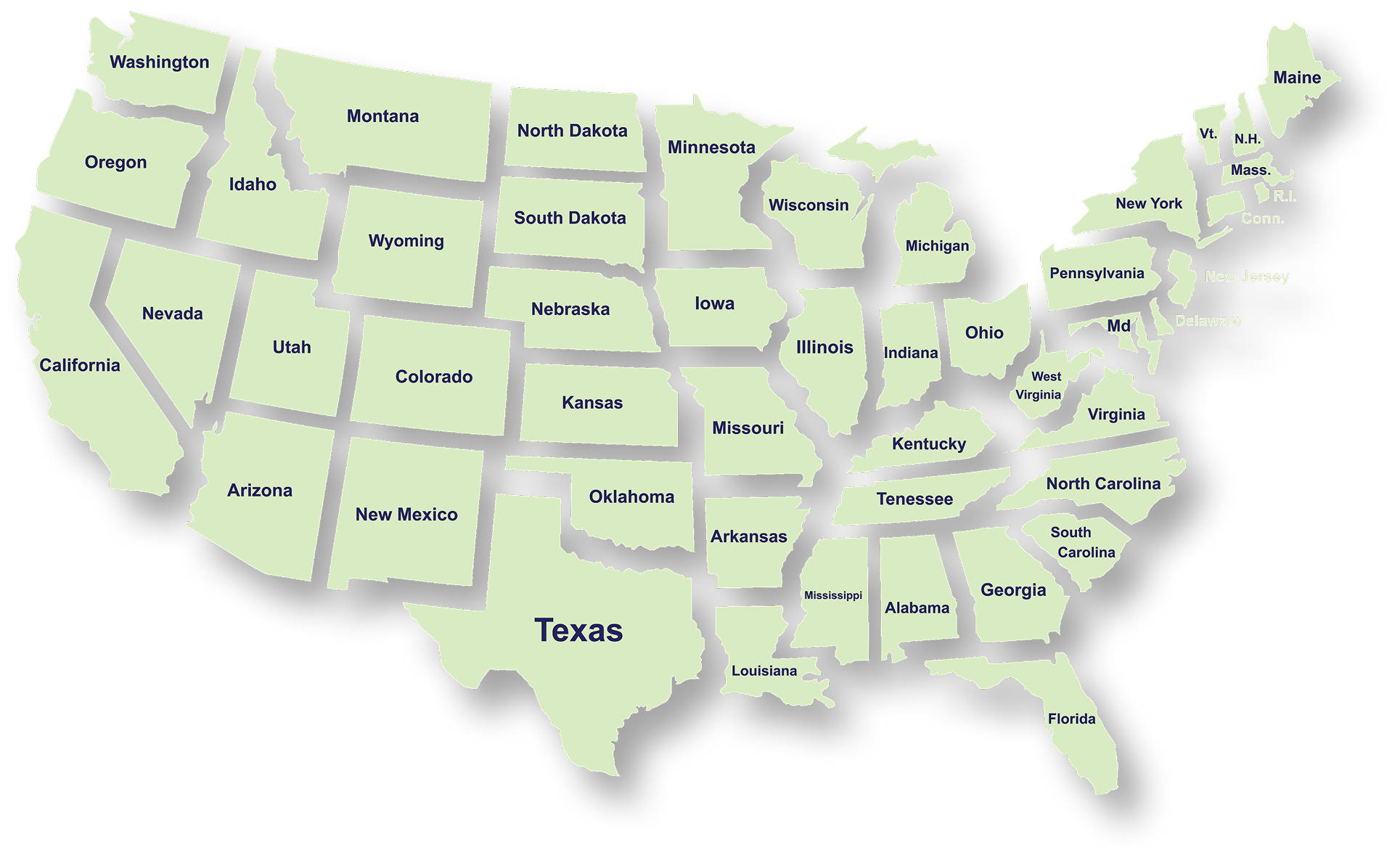
Serving Businesses & Individuals Across USA

We handle accounting, tax filing, and planning with defined timelines and accurate reporting for businesses and individuals across all states.

Frequently Asked Questions

What services does NR CPAs & Business Advisors provide?
What is tax planning and why is it important for businesses?
How can a Virtual CFO help my business?
When should a business consider IRS tax resolution services?
What financial statements does a business typically need?
How can startup advisory services help new businesses?
What is strategic business planning?
What is a Virtual Family Office and who can benefit from it?