Learning Center for Tax and Financial Insights

Stay updated with clear, actionable articles on tax rules, deadlines, deductions, and financial decisions that impact individuals and businesses.

No items found.

Understanding the New Tax Exemption for Tipped Workers

The recently enacted “One Big Beautiful Bill Act” introduces a pivotal tax advantage for professionals in the tip-based industries. This legislation allows eligible employees to benefit from an above-the-line deduction for qualified tips. Specifically, this deduction lets these workers reduce their taxable income by up to $25,000 annually, assuming their adjusted gross income remains below designated thresholds. This development is a game-changer for those in sectors where tipping comprises a substantial part of their earnings. By effectively lowering taxable income, this provision significantly enhances the financial well-being of tip-based workers, enabling them to retain a larger portion of their hard-earned money. At NR CPAs & Business Advisors, we recognize the transformative impact of such tax reforms and stand ready to help our clients navigate these changes to optimize their tax outcomes.

Explore More
No items found.

How to Effectively Respond to an IRS Notice Without Stress

Receiving an envelope from the Internal Revenue Service can be a daunting experience for any business owner. The initial reaction might be panic, yet understanding an IRS notice doesn't necessarily indicate an error on your part. In recent years, the frequency of IRS notices has increased significantly as automated systems bring various discrepancies to attention, such as missing forms, calculation errors, or inquiries regarding deductions. The critical aspect isn't merely the notice, but how you choose to address it. The Purpose Behind IRS Notices IRS notices can be sent out for numerous reasons, including: Adjustments to reported income or deductions Inquiries about tax credits or payments Data mismatches between your return and external reports Requests for more detailed documentation The IRS primarily seeks clarification rather than confrontation. However, ignoring or mismanaging these notices can lead small issues to escalate into significant, costly challenges. Common Pitfalls to Avoid Never ignore the notice. Ignoring it can result in accumulating penalties and interest. Avoid contacting the IRS unprepared. This can lead to misunderstandings and miscommunications. Do not guess. Guesswork can exacerbate the issue and complicate the resolution process.

Explore More
No items found.

Unlock Tax Benefits with Advanced Cost Segregation Techniques

In the realm of strategic tax planning, cost segregation studies stand out as invaluable tools for commercial property owners. These studies allow for the accelerated depreciation of property components, leading to reduced taxable income and improved cash flow. This sophisticated financial analysis reclassifies building elements into specific tax depreciation categories, enabling faster cost recovery. Let's delve into the technicalities of cost segregation, their application, and weigh the pros and cons of engaging in this practice. Understanding the Concept - The idea of cost segregation arose from the necessity to optimize tax strategies via reclassification of property components into assets with shorter depreciation lives. Traditionally, the Modified Accelerated Cost Recovery System (MACRS) dictates a 39-year depreciation period for commercial buildings and 27.5 years for residential properties. Recognizing components with shorter useful lives can dramatically impact tax liabilities and financial strategy. Appropriate Timing for Application - Cost segregation can benefit newly constructed buildings, existing structures under renovation, and acquisitions. Ideally, the study should be executed within the fiscal year of construction, acquisition, or significant renovation to maximize tax benefits from the inception. Applicable Property Types - The versatility of cost segregation extends across various property categories, including: Office buildings Shopping complexes Manufacturing units Residential rental properties Hotels and hospitality venues Warehouses Individual property types encompass several components eligible for reclassification such as lighting, parking infrastructures, plumbing fixtures, and specialized operational equipment. Advantages - The principal merit of cost segregation lies in the acceleration of depreciation deductions. By reallocating elements to shorter tax life categories, property owners realize enhanced deductions during initial ownership years, offering multiple benefits such as: Increased Cash Flow: More significant depreciation deductions lower taxable income, reducing tax burdens and enhancing liquidity. Enhanced Return on Investment (ROI): With additional capital, business proprietors can reinvest in venture enhancements, boosting overall investment returns. Strategic Tax Planning Flexibility: Accelerated deductions facilitate proactive tax management, optimizing payment timelines. Potential Reduction in Real Estate Taxes: By uncovering components not integral to property value, tax obligations may be reduced. Potential Drawbacks - Despite significant benefits, cost segregation studies are not without challenges:

Explore More
No items found.

Maximizing Tax Benefits: Essential Deductions for 2025

Explore More
No items found.

Tax Implications and Custody: Who Claims the Kids?

When parents navigate the emotional waters of divorce, a less visible but equally pressing issue looms in the financial shadows: the decision over who claims the kids for tax purposes. At NR CPAs & Business Advisors, we understand the intricacies that come into play with child-related tax benefits post-separation. Qualifying Criteria for Dependents Generally, for a parent to claim a child as a dependent, the child must meet the 'qualifying child' tests: Relationship Test: The child should be your biological or adopted child, stepchild, or a descendant of any such relative, like a grandchild, or be related via a sibling relationship. Age Test: To be considered, a child should be under the age of 19 at year-end, under 24 if a full-time student, or be permanently and totally disabled. Residency Test: The child needs to live with the parent for more than half the year in the United States. Joint Return Test: The child must not be filing a joint return, unless only to claim a refund. Importantly, for a child to be classified as a student, they must be enrolled full-time for a minimum of five months within the academic year. However, online or correspondence schools do not qualify under this rule. Custodial Rights and Tax Benefits Determining Custodial Parent: Generally, the parent with whom the child spends the majority of nights is granted the right to claim tax benefits, aligning with IRS guidelines. Shared Custody Situations: When nights are equally shared, tie-breaker rules step in to aid decision-making, often prioritizing the parent with a higher adjusted gross income (AGI). Legal Rulings vs. Tax Law: While family court decisions might suggest one parent should claim, tax law prevails, requiring adherence to IRS guidelines unless a formal agreement, like IRS Form 8332, is established.

Explore More
No items found.

Mastering Business Financial Health: The Definitive Balance Sheet Guide

Embarking on the entrepreneurial journey goes beyond tracking revenue and expenses; it involves a deep understanding of your assets, liabilities, and equity. At the heart of this understanding lies the balance sheet, a crucial financial statement that reveals your business's financial standing at a glance.The Indispensable Role of Balance Sheets in BusinessInstant Financial ClarityA balance sheet provides a detailed list of your assets, liabilities, and equity as of a specific date, integrating seamlessly with income and cash flow statements to deliver a comprehensive financial overview.Informed Strategic DecisionsGone are the days of speculative management. With a balance sheet, you'll ascertain the health of your cash flow, monitor customer payment patterns, and identify any increases in liabilities, enabling you to address financial concerns early and leverage organizational strengths effectively.Assets = Liabilities + Equity: The Core PrincipleThe balance sheet is anchored by this fundamental formula:Assets = Liabilities + EquityAssets: Valuables you possess, such as cash, equipment, and inventory.Liabilities: Financial obligations like loans and unpaid bills.Equity: The residual interest in assets after deducting liabilities.Visualize it as balancing a scale; all owned assets should equate to the total of owed liabilities and owner equity.Why Digital Solutions Excel Over SpreadsheetsManual record-keeping is not only labor-intensive but also susceptible to errors. QuickBooks®, for instance, automates calculations, maintaining accuracy and up-to-date records without tedious spreadsheet tasks.

Explore More
No results found.
Thank you! Your submission has been received!
Oops! Something went wrong while submitting the form.

Want tax & accounting tips & insights?Sign up for our newsletter.

Thank you! Your submission has been received!
Oops! Something went wrong while submitting the form.

Why Work With Us?

We combine deep tax expertise, financial strategy, and practical business insight to help you manage complexity, stay compliant, and make confident financial decisions.
A dollar sign, representing financial advice or discussion at NR CPAs & Business Advisors.

Experienced CPA and Enrolled Agent Leadership

Guidance led by licensed professionals with deep expertise in tax strategy, compliance, and complex financial matters.
White bar chart with an upward arrow on green circular background representing growth or progress at NR CPAs &. Business Advisors

Support for Growing Businesses and Startups

We understand the financial challenges of growth stage businesses and provide structured guidance to support expansion.
A white hand holding a dollar symbol and ascending bar chart on a green circular background representing financial growth or investment at NR CPAs & Business Advisors..

Strategic Financial Advisory

Our team helps you evaluate financial decisions with greater clarity, supported by practical insights and long term planning.

Fractional CFO Support

Access experienced financial leadership without the commitment and cost of hiring a full time Chief Financial Officer.

Proactive Tax Planning Approach

We focus on identifying tax opportunities throughout the year rather than reacting only during filing season.

Clear and Reliable Financial Reporting

Accurate financial statements and reporting that help you better understand performance and make informed decisions.
White IRS building icon with pillars and a dollar sign above on a green circular background.

Professional IRS Representation

Experienced support in resolving IRS notices, disputes, and compliance matters while protecting your financial interests.

Personalized Client Focus

Every client receives thoughtful attention and tailored financial solutions based on their specific needs and business goals.
Financial matters often involve important decisions. Working with experienced advisors can help you approach them with greater clarity and confidence in your choices.

Need Help With Your Tax or Financial Decisions?

Discuss your situation with our advisors to get clear guidance on tax planning, IRS matters, and the financial decisions ahead.
Business consulting at NR CPAs & Business Advisors.

Request Your Consultation

Fill out the form to discuss your tax concerns, financial questions, or advisory needs with our team. We will review your details and respond shortly.

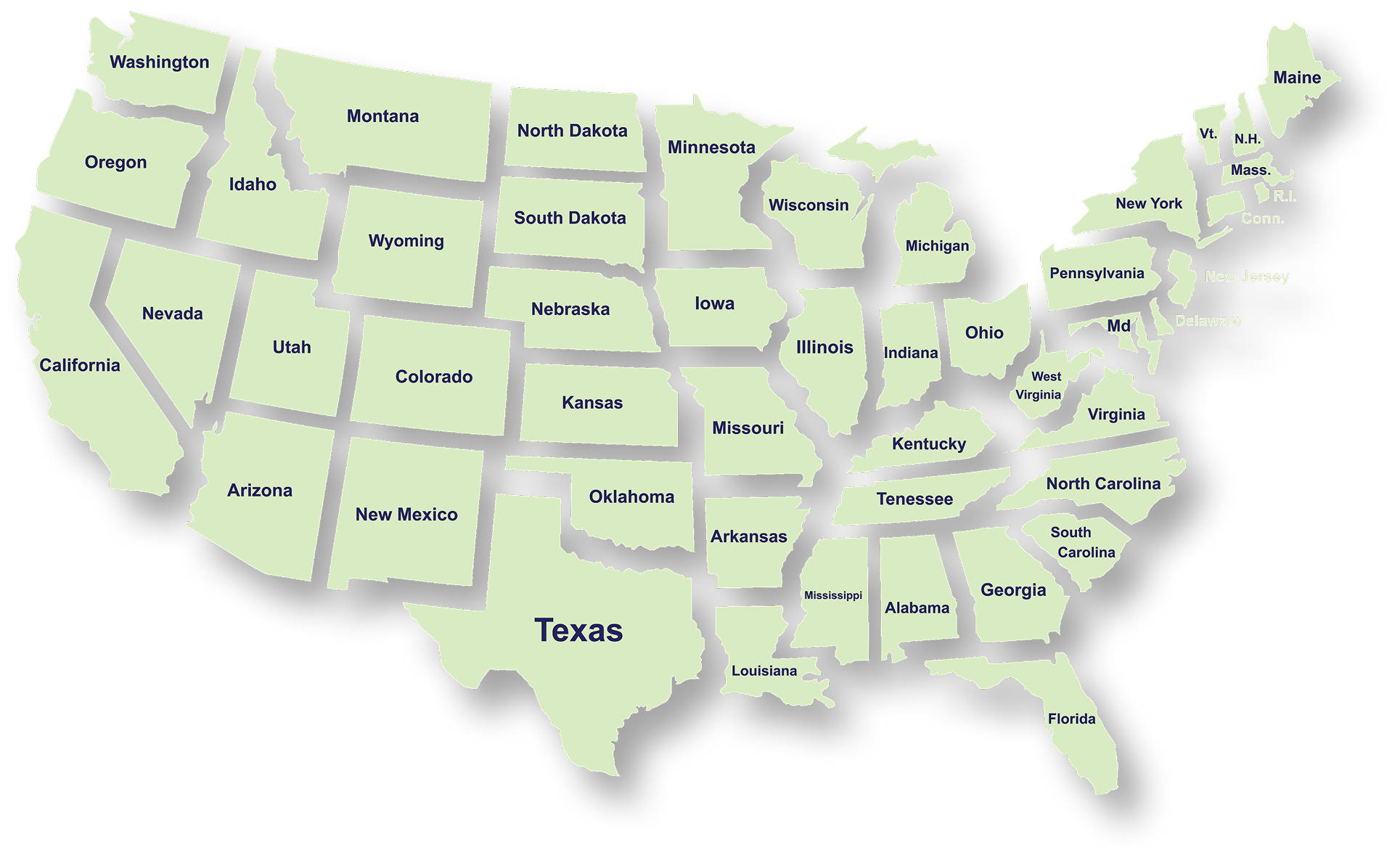
Serving Businesses & Individuals Across USA

We handle accounting, tax filing, and planning with defined timelines and accurate reporting for businesses and individuals across all states.

Frequently Asked Questions

What services does NR CPAs & Business Advisors provide?
What is tax planning and why is it important for businesses?
How can a Virtual CFO help my business?
When should a business consider IRS tax resolution services?
What financial statements does a business typically need?
How can startup advisory services help new businesses?
What is strategic business planning?
What is a Virtual Family Office and who can benefit from it?