Learning Center for Tax and Financial Insights

Stay updated with clear, actionable articles on tax rules, deadlines, deductions, and financial decisions that impact individuals and businesses.

No items found.

Alert: New FinCEN Geographic Targeting Order

A Geographic Targeting Order (GTO) is an order issued by the Financial Crimes Enforcement Network (FinCEN) under the Bank Secrecy Act (BSA) that imposes additional recordkeeping or reporting requirements on domestic financial institutions or other businesses in a specific geographic area for a period not exceeding 180 days. However, the GTO may be renewed as necessary.FinCEN has issued a new GTO impacting businesses, including tax preparers, classified as money services businesses (MSBs), in specific ZIP Codes across California and Texas near the southwest border. This order, effective from April 14, 2025, to September 9, 2025, imposes additional Currency Transaction Report (CTR) filing requirements for transactions involving currency above $200 but not more than $10,000.Affected Areas and ZIP Codes:Imperial County, California: 92231, 92249, 92281, 92283San Diego County, California: 91910, 92101, 92113, 92117, 92126, 92154, 92173Cameron County, Texas: 78520, 78521El Paso County, Texas: 79901, 79902, 79903, 79905, 79907, 79935Hidalgo County, Texas: 78503, 78557, 78572, 78577, 78596Maverick County, Texas: 78852Webb County, Texas: 78040, 78041, 78043, 78045, 78046.Money Services Business (MSB) - Under the regulations, a Money Services Business (MSB) includes any business that falls into any of the following categories:Currency Dealer or Exchanger: Businesses engaged in the exchange of currency.Check Casher: Businesses that cash checks for individuals or businesses.Issuer of Traveler's Checks or Money Orders: Businesses that issue traveler's checks, money orders, or other similar instruments.Seller or Redeemer of Traveler's Checks, Money Orders, or Stored Value: Entities involved in selling or redeeming such financial instruments.Money Transmitter: Businesses primarily engaged in the transmission of money.U.S. Postal Service: In specific roles related to these activities.Impact on Reporting Requirements:Threshold Reduction: The GTO reduces the typical CTR reporting threshold from over $10,000 to transactions involving currency of more than $200 but not exceeding $10,000.Payment Methods: Reporting is specifically for currency transactions, meaning the physical exchange of cash. This does not automatically apply to checks, credit cards, or other non-cash payment methods.No Change for Typical CTRs and SARs: Covered businesses must continue to file CTRs for transactions in currency above $10,000 and Suspicious Activity Reports (SARs) where appropriate and in accordance with the BSA and applicable regulations.Covered TransactionsTransaction Types: The GTO covers each deposit, withdrawal, exchange of currency, or other payments or transfers by, through, or to the Covered Business involving transactions in currency. This specifically targets transactions involving physical cash, whether it's U.S. currency or foreign currency designated as legal tender.Dollar Threshold: The significant difference in this GTO is the reduced reporting threshold. The standard reporting requirement for Currency Transaction Reports (CTR) is applied to transactions over $10,000. However, under the GTO, transactions exceeding $200 but not more than $10,000 must be reported. This lowers the threshold significantly, making smaller cash exchanges reportable.Aggregation Rules: While the GTO requires transactions within the $200 to $10,000 range to be reported, businesses are not required to alter their existing aggregation practices unless specified by other regulations such as 31 CFR 1010.313 for transactions over $10,000.Payment Forms Excluded: The GTO specifically pertains to cash transactions. It does not include checks, credit cards, or other non-cash payment methods. Transactions involving physical cash deposits, withdrawals, or exchanges are the focus.

Explore More
No items found.

Don’t Get Played by a “Finfluencer”: Why Your Tax Pro Should Be Your First Call

In an era where financial advice is just a scroll away, many individuals, especially from younger generations, are turning to social media platforms like TikTok, Instagram, and YouTube for guidance on managing their finances. While these platforms offer a seemingly endless supply of content, the old adage of “don’t believe everything you read on the internet” definitely holds true in the world of finance.The Allure and Risks of Social Media Financial AdviceSocial media's appeal lies in its accessibility and the relatable, casual tone of its creators. But there’s a catch: not all “finfluencers” are qualified, or even honest. According to a recent Fast Company piece, some social media personalities are less about education and more about exploitation. “Some bad actors see dollar signs in a vulnerable audience,” the article warns, especially when it comes to pushing risky investment strategies or get-rich-quick tax hacks.A study by WallStreetZen backs this up, showing that 63% of stock-related videos on TikTok are misleading. Despite this, these videos often rack up millions of views and shares—illustrating how easily misinformation spreads under the guise of helpful advice. The California Department of Financial Protection and Innovation (DFPI) has issued its own warning, noting that many creators “earn commissions on the products they push” and are not obligated to prioritize consumer financial well-being. A Cautionary TaleOne recent case involved a viral TikTok trend encouraging young workers to change their W-4 withholding to “exempt” in order to boost their take-home pay. A number of users were hit with unexpected tax bills after taking the advice at face value. One young woman featured in a Yahoo Finance story said she now owes nearly $5,000 to the IRS and admitted she didn’t even know the difference between withholding and tax liability until it was too late.

Explore More
No items found.

May 5th Resumption of Federal Student Loan Collections

As the U.S. Department of Education charts a new path post-pandemic, one significant move is the resumption of federal student loan collections. This initiative, set to commence on May 5, marks the end of a years’ long hiatus in collections on defaulted loans that began in March 2020 due to the COVID-19 pandemic. Here’s an in-depth look at what this means for borrowers and the broader implications.Background and Current Landscape1. Historical Pause in Collections: The federal government had paused the collection on student loans as a relief measure during the pandemic. This moratorium allowed borrowers some breathing room during an unprecedented economic downturn. However, the pause not only deferred repayment but resulted in a growing number of loans entering default, with numbers reaching concerning levels.2. Current Debt Situation: As of now, approximately 42.7 million borrowers owe over $1.6 trillion in federal student loans. Among these, more than 5 million borrowers have defaulted, having missed payments for over 360 days, some for over seven years. This has created a situation where a quarter of the federal loan portfolio could soon be in default.Resumption of Collections1. Mechanisms of Collection: The collections will resume through the Treasury Offset Program, enabling involuntary collection actions such as withholding tax refunds and garnishing wages. The Department of Education, through its Office of Federal Student Aid (FSA), will also employ Administrative Wage Garnishment (AWG), which can demand employers withhold up to 15% of a borrower’s disposable income.2. Communication and Engagement Efforts: The resumption of collections will be coupled with extensive outreach efforts. Borrowers will receive emails from FSA advising them on repayment options, such as income-driven repayment or loan rehabilitation. Furthermore, over the next two months, the FSA plans to conduct a robust communications campaign aimed at boosting borrower awareness and engagement.Support and Resources for Borrowers - To ease the transition back into repayment, the Department of Education is enhancing support systems:Enhanced Income-Driven Repayment (IDR) Process: This process will streamline enrollment into IDR plans, eliminating the need for annual income recertification, which simplifies the borrowers’ experience.Outreach and Partnerships: Collaborations with states, educational institutions, and other stakeholders will play a critical role in guiding borrowers back to repayment. Tools like the Loan Simulator and AI Assistant (Aiden) are being introduced to assist borrowers in choosing the most suitable repayment plan.

Explore More
No items found.

When Your Supply Chain Gets Shaky: How SMBs Can Stay Strong

Explore More
No items found.

Video Tips: Gambling Tax Gotchas

Gambling income can affect taxes in more ways than one might believe, including causing Social Security income to be taxed, reducing health care insurance subsidies through government marketplaces, paying higher Medicare B and D premiums, having additional filing requirements, and limiting or reducing several tax deductions and credits.

Explore More
No items found.

Understanding Filing Requirements and Non-Compliance Penalties for Exempt Organizations

Explore More
No results found.
Thank you! Your submission has been received!
Oops! Something went wrong while submitting the form.

Want tax & accounting tips & insights?Sign up for our newsletter.

Thank you! Your submission has been received!
Oops! Something went wrong while submitting the form.

Why Work With Us?

We combine deep tax expertise, financial strategy, and practical business insight to help you manage complexity, stay compliant, and make confident financial decisions.
A dollar sign, representing financial advice or discussion at NR CPAs & Business Advisors.

Experienced CPA and Enrolled Agent Leadership

Guidance led by licensed professionals with deep expertise in tax strategy, compliance, and complex financial matters.
White bar chart with an upward arrow on green circular background representing growth or progress at NR CPAs &. Business Advisors

Support for Growing Businesses and Startups

We understand the financial challenges of growth stage businesses and provide structured guidance to support expansion.
A white hand holding a dollar symbol and ascending bar chart on a green circular background representing financial growth or investment at NR CPAs & Business Advisors..

Strategic Financial Advisory

Our team helps you evaluate financial decisions with greater clarity, supported by practical insights and long term planning.

Fractional CFO Support

Access experienced financial leadership without the commitment and cost of hiring a full time Chief Financial Officer.

Proactive Tax Planning Approach

We focus on identifying tax opportunities throughout the year rather than reacting only during filing season.

Clear and Reliable Financial Reporting

Accurate financial statements and reporting that help you better understand performance and make informed decisions.
White IRS building icon with pillars and a dollar sign above on a green circular background.

Professional IRS Representation

Experienced support in resolving IRS notices, disputes, and compliance matters while protecting your financial interests.

Personalized Client Focus

Every client receives thoughtful attention and tailored financial solutions based on their specific needs and business goals.
Financial matters often involve important decisions. Working with experienced advisors can help you approach them with greater clarity and confidence in your choices.

Need Help With Your Tax or Financial Decisions?

Discuss your situation with our advisors to get clear guidance on tax planning, IRS matters, and the financial decisions ahead.
Business consulting at NR CPAs & Business Advisors.

Request Your Consultation

Fill out the form to discuss your tax concerns, financial questions, or advisory needs with our team. We will review your details and respond shortly.

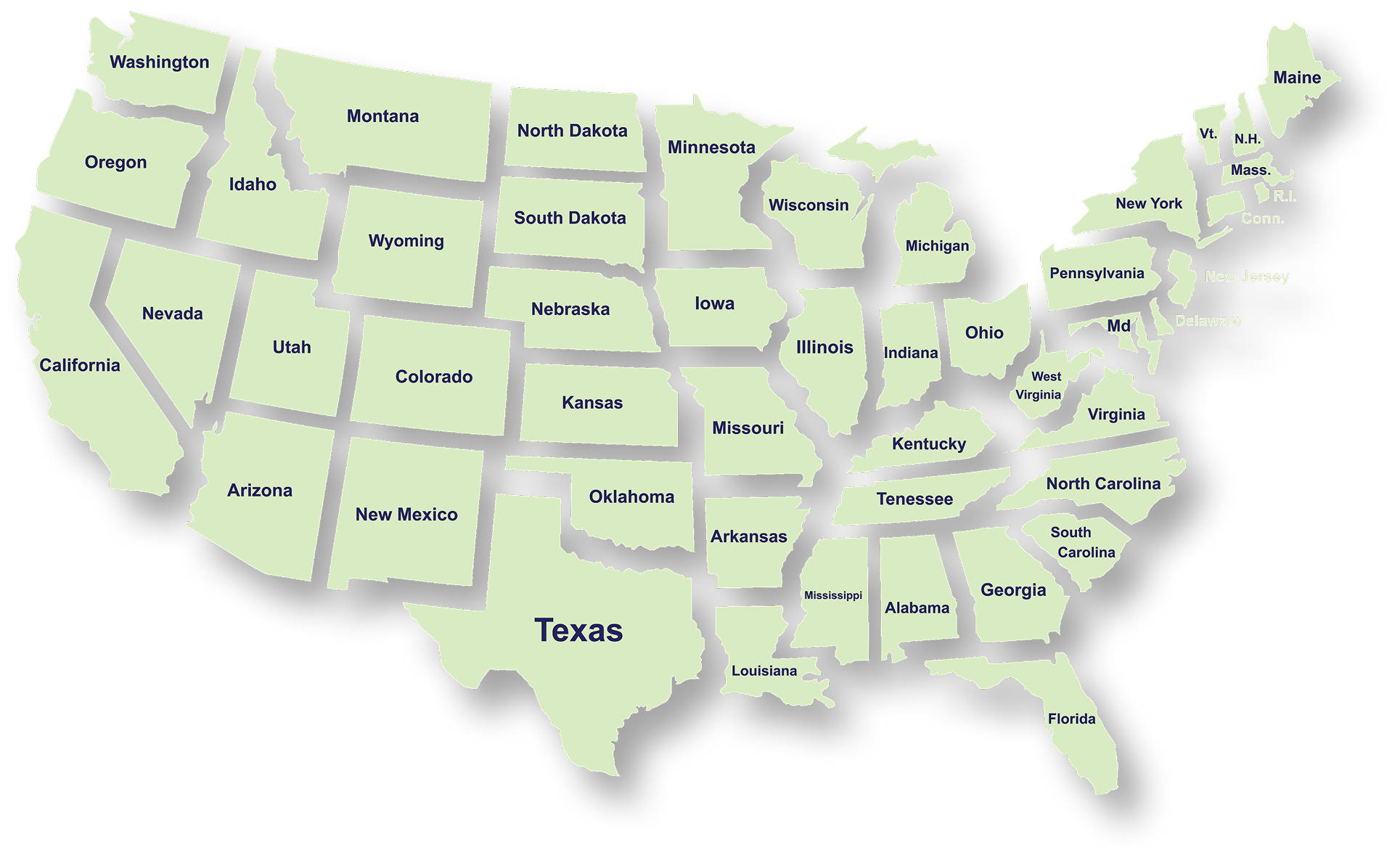
Serving Businesses & Individuals Across USA

We handle accounting, tax filing, and planning with defined timelines and accurate reporting for businesses and individuals across all states.

Frequently Asked Questions

What services does NR CPAs & Business Advisors provide?
What is tax planning and why is it important for businesses?
How can a Virtual CFO help my business?
When should a business consider IRS tax resolution services?
What financial statements does a business typically need?
How can startup advisory services help new businesses?
What is strategic business planning?
What is a Virtual Family Office and who can benefit from it?