Learning Center for Tax and Financial Insights

Stay updated with clear, actionable articles on tax rules, deadlines, deductions, and financial decisions that impact individuals and businesses.

No items found.

Foreign Reporting Requirements: Navigating Draconian Penalties and Compliance Challenges

Explore More
No items found.

How to Import Bank Transactions into QuickBooks Online

If you're managing the books for a small business in any industry, there's one thing everyone agrees on: accurate, timely bank data is the backbone of smart financial decisions. Whether you're prepping for quarterly reports or diving headfirst into tax season, QuickBooks Online makes it easier than ever to keep your records in sync. But getting your bank transactions into the system—without a mess—is key to maintaining clean books.QuickBooks Online offers two primary methods to import bank transactions: connecting your bank account directly or manually uploading transaction files. Here’s how to get it done the right way in 2025:1. Connect Your Bank Account DirectlyQuickBooks Online can automatically download transactions from many banks.Steps:Log in to your QuickBooks Online account.Navigate to Transactions > Bank transactions.Click on Link account.Search for your bank and follow the prompts to connect.Once connected, QuickBooks will download your recent transactions.Note: The availability of this feature depends on your bank's compatibility with QuickBooks Online.2. Manually Upload TransactionsIf your bank isn't supported or you need to import older transactions, you can upload them manually.Steps:1. Prepare Your File:Download your transactions from your bank's website in CSV, QBO, or QFX format.Ensure the file is formatted correctly:For CSV files, use either a 3-column format (Date, Description, Amount) or a 4-column format (Date, Description, Credit, Debit).Remove any unnecessary characters or formatting issues.

Explore More
No items found.

You Are Not an ATM

Explore More
No items found.

Maximizing Business Deductions: An Introduction to Depreciation, Amortization, and Expensing

In the intricate world of business accounting and taxation, the ability to strategically deduct expenses can significantly impact a company's financial health and tax liabilities. Businesses, regardless of size or industry, continuously seek methods to optimize their financial strategies, and one critical area is the effective use of write-offs. Write-offs, or deductions, are essential tools that businesses use to manage taxable income by accounting for everyday expenditures or the gradual wearing out of long-term assets. By properly deducting these expenses, businesses can lower their taxable income, thus reducing their tax burden and freeing up resources for further investment.In this article, we will delve into each of these deduction methods—depreciation, amortization, and expensing—exploring their nuances, benefits, and strategic applications. By gaining a comprehensive understanding of these key financial tools, businesses can make informed decisions that enhance their financial strength and positioning.MACRS DEPRECIATIONDepreciation is a key accounting concept that allows businesses to allocate the cost of tangible assets over their useful life. In the United States, the Modified Accelerated Cost Recovery System (MACRS) is the prevailing method for calculating depreciation for tax purposes. This system offers a structured way to recover the cost of assets, ultimately reducing taxable income. Under MACRS, assets are grouped into different classes based on their expected useful life. Each class has a predetermined recovery period and associated methods to calculate depreciation, allowing businesses to match the depreciation of assets with their usage and wear.5-Year Property - The 5-year class serves the purpose of enabling quicker recovery for items that may become technologically obsolete relatively quickly and typically includes:Computers and Peripheral Equipment: Includes devices like servers and hardware required for business operations.Office Machinery: Copiers, printers, and similar equipment used exclusively within an office setup.Cars and Light Trucks: Vehicles used for business purposes.7-Year Property - This class benefits from a moderately extended recovery period that reflects the durability and continued utility of such assets and is commonly associated with:Office Furniture and Fixtures: Desks, chairs, and other furnishings that provide lasting utility beyond immediate technological change.Agricultural Machinery: Equipment used on farms such as tractors and harvesters.27.5-Year Property – The 27.5-year period reflects the relatively longer economic life associated with residential rental properties, accounting for physical longevity and wear over time.Residential Rental Property: Buildings or structures where 80% or more of the gross rental income is from dwelling units.39-Year Property - The 39-year recovery period is tailored to the expected lifespan of commercial structures, recognizing both their physical permanence and the long-term business utility they provide.Non-residential Real Property: Commercial buildings and structures that house businesses, such as office buildings and warehouses.Land – Excluded from both the 27.5- and 39-year real property depreciation periods is land. This is because land doesn’t wear out, become obsolete or get used up over time. Therefore, the real property’s cost basis must be reduced by the land value when calculating the property’s depreciation.BONUS DEPRECIATIONBonus depreciation was originally introduced as part of the Job Creation and Worker Assistance Act of 2002. The provision allowed businesses to depreciate 30% of the cost of qualifying property in the first year, with normal depreciation rules applying to the remaining 70%. Over the years, it has been modified and extended multiple times. Recently, the bonus depreciation has undergone a phase-out process, resulting in a scheduled 40% bonus rate for 2025. However, with the enactment of the One Big Beautiful Bill Act (OBBBA), the bonus depreciation has been permanently established at 100%, effective from January 20, 2025. Consequently, for the year 2025, the bonus depreciation rate is set at 40% through January 19, and 100% for the remainder of the year and beyond.Bonus depreciation allows businesses to take a significant first-year deduction on the purchase of eligible assets. It provides an immediate tax benefit by speeding up the depreciation process, thereby enhancing cash flow. This incentive is designed to stimulate investment and growth by making it more financially attractive for businesses to acquire new assets.Application - Bonus depreciation applies to a broad range of tangible business property. This includes:New and Used Property: While traditionally applicable only to new property, changes in tax law have allowed used property to qualify, provided it is the first use of the property by the taxpayer.Depreciable Personal Property: Includes machinery, equipment, computers, appliances, and furniture. (Here “personal” is used to differentiate between real estate property.)Qualified Improvement Property: Enhancements to the interior of non-residential buildings, excluding enlargements, elevators/escalators, and internal structural framework.It's important to note that some assets, such as buildings themselves, fall outside the scope of bonus depreciation.SECTION 179 EXPENSINGOne key provision in the tax code that offers significant advantages to businesses is the Internal Revenue Code Section 179 expensing deduction. Section 179 allows businesses to deduct the full purchase price of qualifying equipment and software purchased or financed during the tax year. This provision is designed to encourage businesses to invest in themselves by acquiring more equipment and thus potentially stimulating economic growth.Section 179 Limits – The Section 179 limits have been historically adjusted for inflation annually. However, OBBBA doubled the limit for 2025 to $2,500,000 and it will be adjusted for inflation in future years. This means that businesses can immediately expense up to $2,500,000 of the cost of qualifying property. Additionally, the inflation adjusted spending cap for the total amount of equipment purchased is $4,000,000. This cap means that the deduction begins to phase out on a dollar-for-dollar basis until it is completely phased out once the spending cap is reached.Qualifying Business Assets for Section 179 - Section 179 covers a broad spectrum of tangible business assets. Qualifying assets typically include:Tangible Personal Property: Machinery, office furniture, equipment, and business vehicles with a gross weight over 6,000 pounds.Off-the-shelf Software: Software not custom designed for the company, but available for a general market.Certain Improvements to Business Properties: These may include improvements to non-residential properties, like HVAC systems, alarm systems, and roofing.SUV Limitations: A special Sec 179 limitation applies to sport utility vehicles used for business rated at 14,000 pounds gross vehicle weight or less. For 2025 the limit is $31,300 ($32,000 in 2026).

Explore More
No items found.

From Galleries to Courtrooms: The $6.4M Art Fraud That Rocked Hollywood

In the glittering world of contemporary art collecting, few figures were as trusted (or as high-profile) as Lisa Schiff. Once the art adviser to Leonardo DiCaprio and a regular on art market panels, Schiff cultivated a reputation as the go-to strategist for blue-chip art investments. But behind the glossy magazine features and gallery openings was a multimillion-dollar fraud scheme that has now landed her a 2.5-year federal prison sentence.As reported by ARTnews on Instagram, Schiff admitted to defrauding clients of at least $6.4 million. Prosecutors likened her scheme to a Ponzi-style operation, alleging that Schiff used funds from one set of clients to pay obligations to others, all while maintaining the illusion of elite investment guidance.What Went Wrong? A Breakdown of the FraudFor nearly two decades, Lisa Schiff operated Schiff Fine Art, a boutique advisory firm that positioned itself at the epicenter of the high-end art market. She curated collections for ultra-wealthy clients and became a frequent speaker at industry events and panels, often hammering home the value of art as both a cultural asset and a financial investment. Her client list was a who’s who of blue-chip buyers, and her access to exclusive galleries and early offerings from top-tier artists like Mark Bradford, Christopher Wool, and Adrian Ghenie solidified her reputation as a tastemaker and gatekeeper to the art world’s inner sanctum.But behind the scenes, Schiff’s operation was far less pristine than her public image suggested. According to charges brought by the U.S. Department of Justice, Schiff misappropriated millions in client funds. Instead of using the money to purchase promised artworks, she allegedly redirected the funds to cover personal expenses, repay other clients, and float her struggling business—a scheme prosecutors described as "classic Ponzi-style fraud." In one instance, Schiff is said to have used a client’s $500,000 transfer—intended for the acquisition of an artwork—for rent and payroll expenses, according to court filings.After she pled guilty in October 2023, U.S. Attorney Damian Williams stated: “Lisa Schiff abused her clients’ trust to fund her own lavish lifestyle. Today’s guilty plea ensures that she will face consequences for her betrayal and sends a clear message that fraud in the art world will not be tolerated.”By the time her scheme unraveled, Schiff had defrauded clients of at least $6.4 million, shaking the confidence of collectors and sending shockwaves through the art world. She pleaded guilty to wire fraud and was sentenced to 2.5 years in federal prison, followed by two years of supervised release. She is required to surrender to authorities by July 1, 2025.The downfall of such a high-profile figure has sparked renewed scrutiny of the largely unregulated art advisory industry, where trust and reputation are often all that stands between savvy investment and devastating loss.Tax Implications for VictimsWhile the emotional fallout of financial fraud is immediate, the tax consequences can be equally devastating and often far more complex. Victims of fraud may believe they can simply deduct their losses on a tax return, but under current IRS rules, it’s not that simple. The 2017 Tax Cuts and Jobs Act eliminated most personal casualty and theft loss deductions through 2025, unless the loss was the result of a federally declared disaster. That means victims of scams like the one orchestrated by Lisa Schiff generally cannot claim a deduction for personal losses, even if those losses total in the millions.

Explore More
No items found.

Video Tips: Watch This Before Trashing Old Tax Records

Have you ever wondered when it's safe to discard your tax records? While most can go after the three-year statute of limitations, some documents need to stick around longer. Records related to your home, improvements, or investments must be retained until after the asset's sale, plus the required period. And remember, when dealing with sensitive documents like those containing your Social Security number or birth date, shredding and safe disposal are crucial to protect you and your family. Watch this video for more details.

Explore More
No results found.
Thank you! Your submission has been received!
Oops! Something went wrong while submitting the form.

Want tax & accounting tips & insights?Sign up for our newsletter.

Thank you! Your submission has been received!
Oops! Something went wrong while submitting the form.

Why Work With Us?

We combine deep tax expertise, financial strategy, and practical business insight to help you manage complexity, stay compliant, and make confident financial decisions.
A dollar sign, representing financial advice or discussion at NR CPAs & Business Advisors.

Experienced CPA and Enrolled Agent Leadership

Guidance led by licensed professionals with deep expertise in tax strategy, compliance, and complex financial matters.
White bar chart with an upward arrow on green circular background representing growth or progress at NR CPAs &. Business Advisors

Support for Growing Businesses and Startups

We understand the financial challenges of growth stage businesses and provide structured guidance to support expansion.
A white hand holding a dollar symbol and ascending bar chart on a green circular background representing financial growth or investment at NR CPAs & Business Advisors..

Strategic Financial Advisory

Our team helps you evaluate financial decisions with greater clarity, supported by practical insights and long term planning.

Fractional CFO Support

Access experienced financial leadership without the commitment and cost of hiring a full time Chief Financial Officer.

Proactive Tax Planning Approach

We focus on identifying tax opportunities throughout the year rather than reacting only during filing season.

Clear and Reliable Financial Reporting

Accurate financial statements and reporting that help you better understand performance and make informed decisions.
White IRS building icon with pillars and a dollar sign above on a green circular background.

Professional IRS Representation

Experienced support in resolving IRS notices, disputes, and compliance matters while protecting your financial interests.

Personalized Client Focus

Every client receives thoughtful attention and tailored financial solutions based on their specific needs and business goals.
Financial matters often involve important decisions. Working with experienced advisors can help you approach them with greater clarity and confidence in your choices.

Need Help With Your Tax or Financial Decisions?

Discuss your situation with our advisors to get clear guidance on tax planning, IRS matters, and the financial decisions ahead.
Business consulting at NR CPAs & Business Advisors.

Request Your Consultation

Fill out the form to discuss your tax concerns, financial questions, or advisory needs with our team. We will review your details and respond shortly.

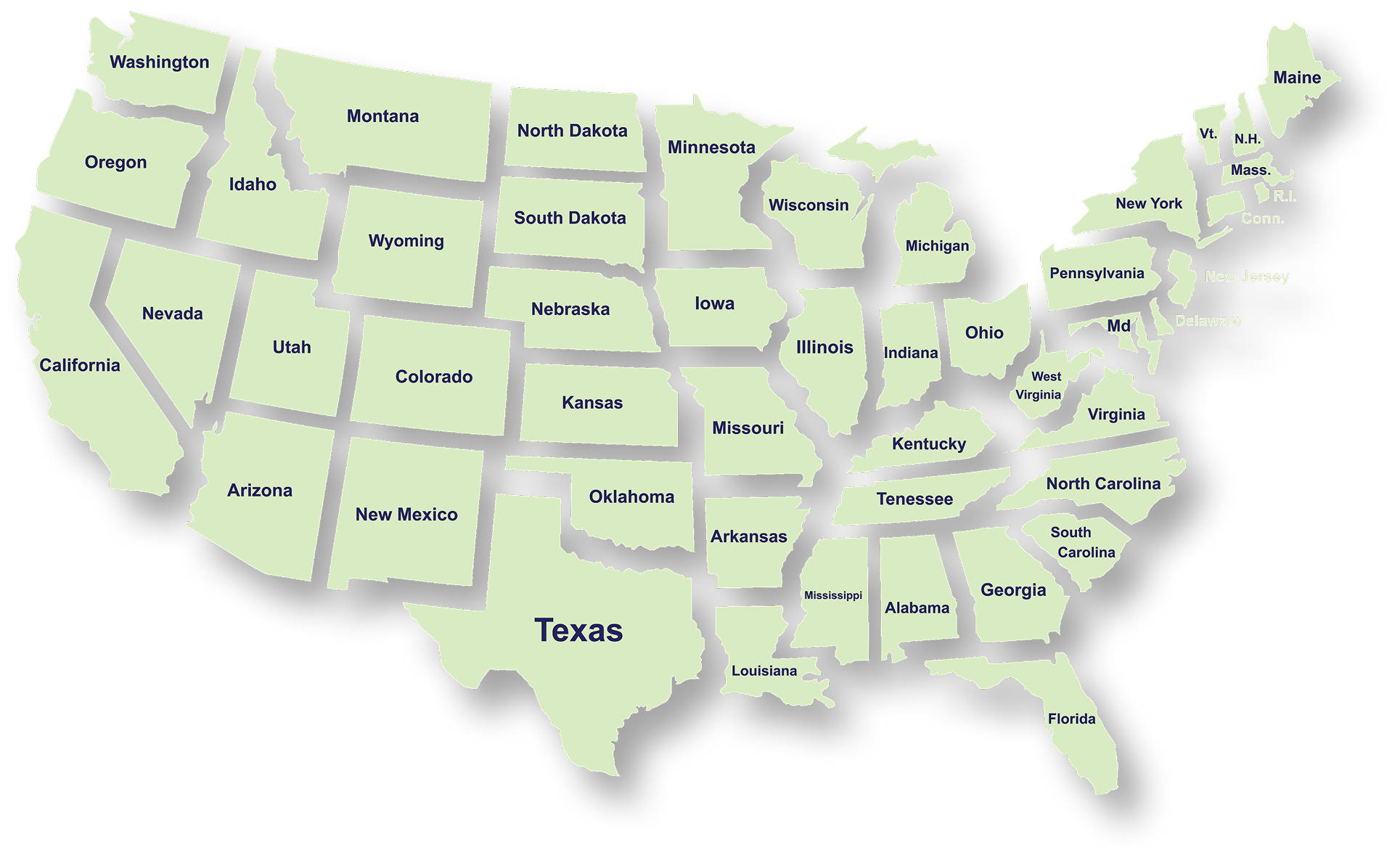
Serving Businesses & Individuals Across USA

We handle accounting, tax filing, and planning with defined timelines and accurate reporting for businesses and individuals across all states.

Frequently Asked Questions

What services does NR CPAs & Business Advisors provide?
What is tax planning and why is it important for businesses?
How can a Virtual CFO help my business?
When should a business consider IRS tax resolution services?
What financial statements does a business typically need?
How can startup advisory services help new businesses?
What is strategic business planning?
What is a Virtual Family Office and who can benefit from it?