Learning Center for Tax and Financial Insights

Stay updated with clear, actionable articles on tax rules, deadlines, deductions, and financial decisions that impact individuals and businesses.

No items found.

Special Tax Benefits for Childcare Providers

Childcare providers play a crucial role in society by caring for and nurturing young children. Given their significant responsibilities, there are numerous tax benefits designed to support these dedicated professionals. Whether you operate out of your home or a separate facility, understanding these benefits can enhance your financial planning and tax efficiency. This article explores various tax benefits available to childcare providers, including those related to taxpayer IDs, business use of the home, meal deductions, vehicle use, and more.Taxpayer Identification RequirementsAll daycare providers need a taxpayer identification number (TIN) for tax reporting purposes. Generally, providers can use a Social Security Number (SSN) or apply for an Employer Identification Number (EIN). It is crucial because parents paying for childcare will need this information to claim their child and dependent care tax credits. It isadvisable for providers to apply for an Employer Identification Number (EIN) rather than using their Social Security Number (SSN) to avoid identity theft risks.Failing to provide a taxpayer ID when requested by parents or the IRS can lead to penalties. Therefore, obtaining and maintaining a valid EIN is not only necessary for compliance but also beneficial in protecting your SSN.Business Use of the Home DeductionOne of the unique deductions available to childcare providers who operate their business in their home is the business use of the home deduction. Unlike many other businesses, daycare providers are allowed to claim a business use of home deduction even if the space used for the daycare is not exclusively used for the business. This special allowance is vital due to the nature of the service provided.To qualify, providers must:Be in the trade or business of providing daycare for children, persons age 65 or older, or persons who are physically or mentally unable to care for themselves.Have applied for, been granted, or be exempt from having a license, certification, registration, or approval as a daycare center or as a family or group daycare home under state law. You do not meet this requirement if your application was rejected or your license or other authorization was revoked or has expired.Use the part of the home regularly in the daycare business.Calculate both the space and the time the space is used for daycare.There are two methods available for the business use of a home. One is the simplified method and other is the regular method. Neither method can exceed the net profit of the business before deducting the business use of the home. Here are the details for both:Simplified Method: To figure the amount that can be deducted for a day care business, multiply the area of the home used for day care, not exceeding 300 square feet, by $5. But the result must be prorated for a partial year of use. Thus the maximum deduction is $1,500, which is generally less than if the regular method is used, and the reason this method is rarely used.Example: On July 20, Jan began using 420 square feet at her home for a qualified business use. Jan continued to use 420 square feet of the home until the end of the year. The average monthly allowable square footage is 125 square feet, which is figured using 300 square feet for each month, August through December, divided by the number ofmonths in the year ((5 x 300)/12), Thus the deduction would be $625 (125 x $5).Regular Method: To find the percentage of time the home was actually used for business, compare the total time used for business to the total time that part of the home can be used for all purposes. Compare the hours of business use in a week with the number of hours in a week, 168. Or, compare the hours of business use for the year with the number of hours in the year generally 8,736 (Add 24 for a leap year). If only used part of the time, prorate the number of hours based on the number of days the home was available for daycare.Example: Rene used the basement at home to operate a daycare business for children. Her expenses included $500 for painting the basement, home rent $12,400, and home utilities $1,850. Rene figures the business percentage of the basement as follows:Square footage of the basement = 1,600Square footage of the home (including the basement) = 3,200Business Percentage = 1,600/3,200 = 50%Rene used the basement for daycare an average of 12 hours a day, 5 days a week, for 50 weeks a year. During the other 12 hours a day, the family could use the basement. Rene figures the percentage of time the basement was used for daycare as follows.Number of hours used for daycare = (12 x 5 x 50) = 3,000Total number of hours in the year = (24 x 365) = 8,760Direct Expense Percentage = 3,000/8,760 = 34.25%Rene can deduct 34.25% of any direct expenses for the basement. However, because Rene’s indirect expenses are for the entire house, Rene can deduct only 17.08% of the indirect expenses. Rene figures the percentage for their indirect expenses as follows:Business percentage of the basement: 50%Percentage of time used for daycare: 34.25%Indirect Expense Percentage = (50 x 34.25%) = 17.12%Rene’s business use of the home is:Painting ($500 x 34.25%): $ 171.25Rent ($12,400 x 17.12%): 2,122.88Renter’s Insurance ($1,500 x 17.12%) 256.80Utilities ($1,850 x 17.12%): 316.72Business Use of Home Deduction: $2,867.65If Rene had owned her home, rent would be replaced with mortgage interest, taxes, insurance, and depreciation with the balance of the mortgage interest and taxes being deducted as an itemized deduction, if not taking the standard deduction.Meal DeductionProviders can deduct the cost of meals served to children in their care as part of their business expenses. This deduction recognizes the significant role of nutrition in childcare. There are two methods to claim this deduction:Actual Cost Method: Requires keeping detailed records and receipts of all meal-related purchases.Simplified Meal Deduction: Offers a standard amount per meal and doesn’t require documented food purchases, thus reducing administrative burdens. Rates vary and providers in Alaska and Hawaii and other U.S. Possessions may claim higher amounts due to differing costs of living.

Explore More
No items found.

The Retirement Tax Surprise: What Boomers Need to Know Before It’s Too Late

Explore More
No items found.

Video Tips: Forget Something on Your Tax Return?

If an error is discovered after filing a return, it can be amended (corrected). Before the return’s due date has expired, a whole new return, called a superseding return, can be submitted. After the due date has gone by, use Form 1040-X to correct a previously filed Form 1040, 1040-SR, or 1040-NR, or to change amounts previously adjusted by the IRS. You can also use Form 1040-X to make a claim for a carryback due to certain losses or unused credit or make certain elections after the deadline.

Explore More
No items found.

May 2025 Individual Due Dates

May 12 - Report Tips to EmployerIf you are an employee who works for tips and received more than $20 in tips during April, you are required to report them to your employer on IRS Form 4070 no later than May 12. Your employer is required to withhold FICA taxes and income tax withholding for these tips from your regular wages. If your regular wages are insufficient to cover the FICA and tax withholding, the employer will report the amount of the uncollected withholding in box 8 of your W-2 for the year. You will be required to pay the uncollected withholding when your return for the year is filed.Weekends & Holidays:If a due date falls on a Saturday, Sunday or legal holiday, the due date is automatically extended until the next business day that is not itself a legal holidayDisaster Area ExtensionsPlease note that when a geographical area is designated as a disaster area, due dates will be extended. For more information whether an area has been designated a disaster area and the filing extension dates visit the following websites:

Explore More
No items found.

May 2025 Business Due Dates

May 12 - Social Security, Medicare and Withheld Income Tax File Form 941 for the first quarter of 2025. This due date applies only if you deposited the tax for the quarter in full and on time. May 15 - Employer’s Monthly Deposit DueIf you are an employer and the monthly deposit rules apply, May 15 is the due date for you to make your deposit of Social Security, Medicare, and withheld income tax for April 2025. This is also the due date for the nonpayroll withholding deposit for April 2025 if the monthly deposit rule applies.Weekends & Holidays:If a due date falls on a Saturday, Sunday or legal holiday, the due date is automatically extended until the next business day that is not itself a legal holidayDisaster Area ExtensionsPlease note that when a geographical area is designated as a disaster area, due dates will be extended. For more information whether an area has been designated a disaster area and the filing extension dates visit the following websites:

Explore More
No items found.

The Changing Tax Picture for Student-Athletes and Donors in the NIL Era

In the wake of NCAA policy changes and state-level legislation, student-athletes are cashing in on their name, image, and likeness (NIL) like never before. But with this wave of monetization comes a new challenge: navigating the complex tax implications of NIL income—for students and for the alumni, donors, and collectives supporting them.With every passing tax season, it’s becoming increasingly clear that both athletes and donors need professional guidance to avoid costly missteps.NIL: New Opportunities, New LiabilitiesSince the NCAA’s July 2021 changes to allow athletes to earn money from endorsements, social media promotions, autographs, and other NIL-related ventures, many students have taken full advantage. According to On3 NIL valuations, some top-tier athletes in “power conferences” now earn hundreds of thousands—if not millions—of dollars annually.However, the Internal Revenue Service treats that income like any other: it’s taxable.As Poole College of Management professor Nathan Goldman notes in his article, NIL income can easily lead to significant tax burdens, particularly for students who don’t realize they may need to pay quarterly estimated taxes. "It’s critical that student-athletes understand they are effectively running small businesses now," Goldman writes. “They need to track income, save for taxes, and understand what qualifies as a deductible expense.”Common Tax Oversights by AthletesMany athletes fail to:Set aside money for federal and state taxesTrack expenses (e.g., travel, gear, or training that could be deductible)File quarterly estimates, especially for larger NIL contractsThis is where a tax professional can be invaluable, guiding athletes through compliance and helping them avoid IRS penalties or audits.The Donor Dilemma: Are NIL Contributions Deductible?It’s not just athletes navigating the murky tax waters. The rise of NIL-focused collectives—donor-backed entities that pool funds to compensate athletes—has also created confusion on the donor side.Early on, some collectives were established as 501(c)(3) nonprofit organizations, which led donors to believe their contributions were tax-deductible. However, in June 2023, the IRS issued guidance in a memorandum that raised red flags: organizations that primarily benefit private individuals (such as student-athletes) do not qualify as charitable under IRS rules.This guidance had major implications for high-profile NIL collectives like The Foundation (supporting Ohio State University athletes) and Gator Collective (formerly tied to University of Florida athletes), both of which initially operated under nonprofit models. Following the IRS memo, several collectives, such as Spyre Sports Group for the University of Tennessee and Texas One Fund for University of Texas athletes, pivoted to for-profit or hybrid structures to stay compliant and continue operations.These examples underscore the importance of verifying the tax status of any NIL-focused organization before assuming a donation is deductible. Tax professionals should advise donors to do their due diligence, especially when contributing large sums to collectives affiliated with powerhouse athletic programs like Alabama, USC, or LSU, where NIL activity is often both prominent and heavily scrutinized.

Explore More
No results found.
Thank you! Your submission has been received!
Oops! Something went wrong while submitting the form.

Want tax & accounting tips & insights?Sign up for our newsletter.

Thank you! Your submission has been received!
Oops! Something went wrong while submitting the form.

Why Work With Us?

We combine deep tax expertise, financial strategy, and practical business insight to help you manage complexity, stay compliant, and make confident financial decisions.
A dollar sign, representing financial advice or discussion at NR CPAs & Business Advisors.

Experienced CPA and Enrolled Agent Leadership

Guidance led by licensed professionals with deep expertise in tax strategy, compliance, and complex financial matters.
White bar chart with an upward arrow on green circular background representing growth or progress at NR CPAs &. Business Advisors

Support for Growing Businesses and Startups

We understand the financial challenges of growth stage businesses and provide structured guidance to support expansion.
A white hand holding a dollar symbol and ascending bar chart on a green circular background representing financial growth or investment at NR CPAs & Business Advisors..

Strategic Financial Advisory

Our team helps you evaluate financial decisions with greater clarity, supported by practical insights and long term planning.

Fractional CFO Support

Access experienced financial leadership without the commitment and cost of hiring a full time Chief Financial Officer.

Proactive Tax Planning Approach

We focus on identifying tax opportunities throughout the year rather than reacting only during filing season.

Clear and Reliable Financial Reporting

Accurate financial statements and reporting that help you better understand performance and make informed decisions.
White IRS building icon with pillars and a dollar sign above on a green circular background.

Professional IRS Representation

Experienced support in resolving IRS notices, disputes, and compliance matters while protecting your financial interests.

Personalized Client Focus

Every client receives thoughtful attention and tailored financial solutions based on their specific needs and business goals.
Financial matters often involve important decisions. Working with experienced advisors can help you approach them with greater clarity and confidence in your choices.

Need Help With Your Tax or Financial Decisions?

Discuss your situation with our advisors to get clear guidance on tax planning, IRS matters, and the financial decisions ahead.
Business consulting at NR CPAs & Business Advisors.

Request Your Consultation

Fill out the form to discuss your tax concerns, financial questions, or advisory needs with our team. We will review your details and respond shortly.

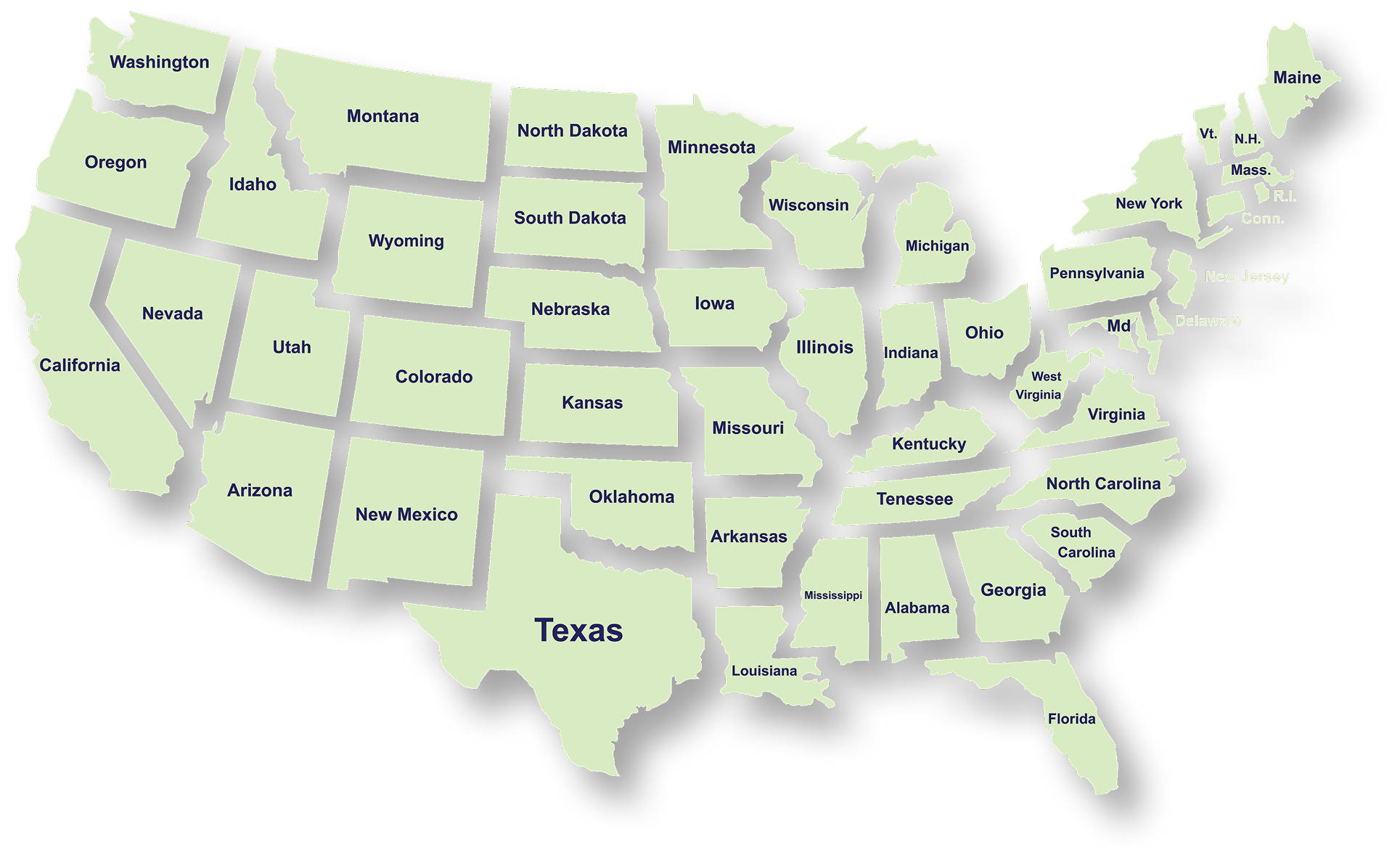
Serving Businesses & Individuals Across USA

We handle accounting, tax filing, and planning with defined timelines and accurate reporting for businesses and individuals across all states.

Frequently Asked Questions

What services does NR CPAs & Business Advisors provide?
What is tax planning and why is it important for businesses?
How can a Virtual CFO help my business?
When should a business consider IRS tax resolution services?
What financial statements does a business typically need?
How can startup advisory services help new businesses?
What is strategic business planning?
What is a Virtual Family Office and who can benefit from it?