Learning Center for Tax and Financial Insights

Stay updated with clear, actionable articles on tax rules, deadlines, deductions, and financial decisions that impact individuals and businesses.

No items found.

Tariffs Are Changing—Here’s How to Protect Your Bottom Line

Major shifts in U.S. trade policy are underway—and they’re already impacting the cost of doing business. A new executive order released in April 2025 imposes a baseline 10% tariff on most imported goods, with higher rates possible depending on the country and product category. If your business relies on international suppliers, this isn’t just a headline—it’s a direct hit to your cost structure, financial forecasts, and strategic planning.As your accounting partner, our role is to help you adjust with confidence. Here’s what you need to know—and how we can help protect your margins, keep your business in compliance, and position you to adapt quickly in a shifting trade environment. 1. Higher Import Costs Are Squeezing Cash Flow What’s happening: Tariffs raise the landed cost of goods. For many businesses, that means thinner margins—or the tough decision to raise prices. What it means for you: Even a 10% tariff can materially affect your COGS and cash flow. Without a plan, you may find yourself overextended, especially if you carry inventory or operate on tight margins.How we help:Analyze your new cost structureBuild budget scenarios based on variable tariff ratesIdentify opportunities to preserve margin and free up working capital Now’s the time to stress-test your cash flow model before it becomes a crisis. 2. Compliance Just Got More Complicated What’s happening: Tariff costs aren’t just operational—they have implications for inventory accounting, financial disclosures, and tax reporting. What it means for you: If you’re capitalizing inventory, the added costs may affect how and when expenses hit your books. If you're subject to audit, improper reporting could raise flags. And if you operate across borders, transfer pricing and international compliance become even more complex. How we help:Accurately classify and track tariff-related costsEnsure compliance with inventory valuation and reporting rulesAdjust your tax strategy to reflect changing expense timing and structureKeep transfer pricing aligned with global tax requirements

Explore More
No items found.

How to Choose the Perfect Business Entity for Your Venture

Explore More
No items found.

Maximizing Your Financial Happiness: Stop the Cycle and Thrive

Explore More
No items found.

Video Tips: Why Tax Basis Is So Important

In tax terms, “basis” is the original value of an asset. It's key to calculating depreciation, losses, and gains when you sell or dispose of that asset. Watch this video to learn more.

Explore More
No items found.

Navigating the Tax Landscape for Day Traders

Day trading, the practice of buying and selling financial instruments within the same trading day, has gained significant popularity in recent years. With the rise of online trading platforms and increased market volatility, more individuals are drawn to the potential profits of day trading. However, along with the potential for financial gain comes a complex web of tax implications. Understanding these tax issues is crucial for anyone considering or currently engaged in day trading. This article explores who qualifies as a day trader, the pros and cons of day trading from a tax perspective, and other noteworthy tax considerations.Who Qualifies as a Day Trader?Merely calling oneself a day trader isn’t sufficient for tax purposes. To be recognized as a day trader for tax purposes, individuals must meet specific criteria set by the Internal Revenue Service (IRS). The IRS does not have a formal designation for day traders, but it does provide guidelines to determine if a taxpayer qualifies for trader tax status (TTS). Meeting these criteria can offer significant tax advantages, but it requires adherence to strict guidelines:Substantial Activity - The individual must engage in substantial trading activity. This typically means executing trades on most trading days, with a high volume of trades. The IRS looks for consistency and frequency in trading activities.Intent to Profit - The primary purpose of the trading activity must be to profit from short-term market fluctuations, rather than long-term investment gains. According to the IRS, a trader must keep detailed records to distinguish the securities they hold for investment from the securities in the trading business. To do this, the trader must identify the securities being held for investment in their records on the day the trader acquires them (for example, by holding them in a separate brokerage account).Regularity and Continuity - Trading should be regular and continuous. Sporadic or occasional trading does not qualify.Time Devoted - A significant amount of time must be devoted to trading activities. This often means spending several hours each day monitoring the markets and executing trades.Business Setup - While not a strict requirement, having a dedicated office space and maintaining detailed records can support a claim for trader tax status.Pros of Day Trading from a Tax PerspectiveMark-to-Market Accounting: One of the primary benefits of qualifying for trader tax status is the ability to elect mark-to-market (MTM) accounting. This method allows traders to treat all gains and losses as ordinary income, which, with respect to losses, can be advantageous for offsetting other income. Additionally, MTM accounting eliminates the need to track individual trade dates for tax purposes, simplifying record-keeping.Deductible Expenses: Day traders with TTS are considered by the IRS to be operating a business, and therefore, can deduct a wide range of business expenses, including home office costs, educational materials, software, and internet fees. These deductions can significantly reduce taxable income. Generally, these expenses are reported on Schedule C (sole proprietor). Gains and losses from selling securities are not self-employment income for purposes of the SE Tax.Avoiding the Wash Sale Rule: The wash sale rule, which disallows a loss deduction if a substantially identical security is purchased within 30 days before or after the sale, does not apply to traders using MTM accounting. This can be a significant advantage for active traders who frequently buy and sell the same securities.Retirement Account Contributions: Traders with TTS can contribute to retirement accounts like SEP IRAs or Solo 401(k)s, potentially reducing taxable income while saving for retirement.Self-Employment Tax: Day traders with TTS are not subject to self-employment tax (Social Security and Medicare taxes) on their gains and losses from selling securities, while this saves tax on the current tax return, it means that the day trader isn’t accumulating an earnings record needed by the Social Security Administration to calculate Social Security benefits at retirement. Thus to some it might belong in the Con category.

Explore More
No items found.

Maximize Your Tax Savings: A Small Business Owner’s Guide to Essential Tax Deductions

Explore More
No results found.
Thank you! Your submission has been received!
Oops! Something went wrong while submitting the form.

Want tax & accounting tips & insights?Sign up for our newsletter.

Thank you! Your submission has been received!
Oops! Something went wrong while submitting the form.

Why Work With Us?

We combine deep tax expertise, financial strategy, and practical business insight to help you manage complexity, stay compliant, and make confident financial decisions.
A dollar sign, representing financial advice or discussion at NR CPAs & Business Advisors.

Experienced CPA and Enrolled Agent Leadership

Guidance led by licensed professionals with deep expertise in tax strategy, compliance, and complex financial matters.
White bar chart with an upward arrow on green circular background representing growth or progress at NR CPAs &. Business Advisors

Support for Growing Businesses and Startups

We understand the financial challenges of growth stage businesses and provide structured guidance to support expansion.
A white hand holding a dollar symbol and ascending bar chart on a green circular background representing financial growth or investment at NR CPAs & Business Advisors..

Strategic Financial Advisory

Our team helps you evaluate financial decisions with greater clarity, supported by practical insights and long term planning.

Fractional CFO Support

Access experienced financial leadership without the commitment and cost of hiring a full time Chief Financial Officer.

Proactive Tax Planning Approach

We focus on identifying tax opportunities throughout the year rather than reacting only during filing season.

Clear and Reliable Financial Reporting

Accurate financial statements and reporting that help you better understand performance and make informed decisions.
White IRS building icon with pillars and a dollar sign above on a green circular background.

Professional IRS Representation

Experienced support in resolving IRS notices, disputes, and compliance matters while protecting your financial interests.

Personalized Client Focus

Every client receives thoughtful attention and tailored financial solutions based on their specific needs and business goals.
Financial matters often involve important decisions. Working with experienced advisors can help you approach them with greater clarity and confidence in your choices.

Need Help With Your Tax or Financial Decisions?

Discuss your situation with our advisors to get clear guidance on tax planning, IRS matters, and the financial decisions ahead.
Business consulting at NR CPAs & Business Advisors.

Request Your Consultation

Fill out the form to discuss your tax concerns, financial questions, or advisory needs with our team. We will review your details and respond shortly.

Serving Businesses & Individuals Across USA

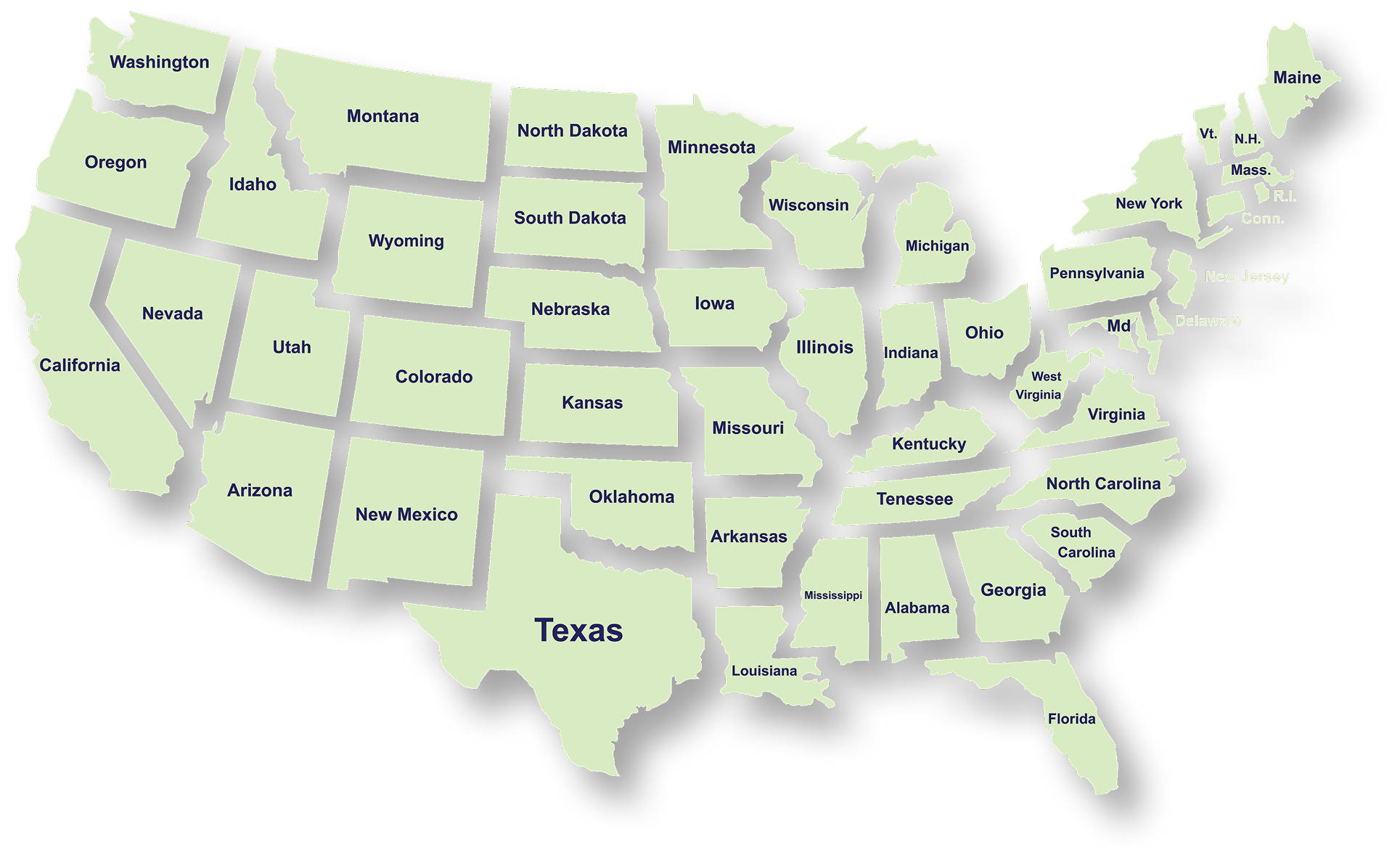
We handle accounting, tax filing, and planning with defined timelines and accurate reporting for businesses and individuals across all states.

Frequently Asked Questions

What services does NR CPAs & Business Advisors provide?
What is tax planning and why is it important for businesses?
How can a Virtual CFO help my business?
When should a business consider IRS tax resolution services?
What financial statements does a business typically need?
How can startup advisory services help new businesses?
What is strategic business planning?
What is a Virtual Family Office and who can benefit from it?