Learning Center for Tax and Financial Insights

Stay updated with clear, actionable articles on tax rules, deadlines, deductions, and financial decisions that impact individuals and businesses.

Personal Finance

Smart Money Moves to Make Once You Turn 50

Congratulations, you made it to half a century! Your fifties can be a tumultuous time: Not having to work anymore sounds like a dream, but you might be concerned you don't have enough saved for retirement. Those concerns definitely aren't unfounded as 40 million households in America have no retirement savings at all. Additionally, the Federal Reserve found that as of 2016, the median account balance of most retirement assets was only $60,000 with an average of $228,900. Given that healthcare and housing costs alone can easily deplete that amount during retirement, this is a growing concern nationwide. Your fifties are a crucial period to build up your retirement savings. This is especially true if you didn't get to save as much when you were younger due to lower earnings, recessions, caring for children, or other roadblocks that prevented you from getting started on a nest egg early. While you may be facing new difficulties such as higher risk if you lose your job and can't get another one due to ageism, paying for eldercare, or funding your children’s college education, you still must prioritize retirement savings. There are many tax-advantaged savings strategies you can leverage once you reach age 50 or 55 to start catching up to where your retirement contributions should be. Here's where your money needs to go once you turn 50 and it’s time to get serious about building wealth. Utilize Catch-Up Contributions with Your Retirement Savings Plan Most standard retirement plans have a catch-up contribution that kicks in once you turn 50. These catch-up caps are separate of the indexed annual cap on your retirement contributions: 401(k), SARSEP, governmental 457(b) plans: $6,000 403(b): $6,000 if you have at least 15 years of service SIMPLE IRAs and 401(k)s: $3,000 and salary reduction contributions do not count until they reach the annual cap ($13,000 in 2019) Traditional and Roth IRAs: $1,000 For example, if you have a 401(k) at work, the cap for 2019 is $19,000 so your total annual contribution can be as high as $25,000 if you are 50 or older. If you have an employer match, you should take advantage of this cap and additional catch-up contribution to maximize your savings as employer matches are the closest you can get to absolutely free money. Open a Health Savings Account (HSA) and Max It Out

Explore More
No items found.

Are You Subject to Self-Employment Tax?

Article Highlights: Self-employed Individuals Estimated Taxes Self-Employment Tax Estimated Tax Safe Harbors 1099-MISC and 1099-K Others Subject to Self-employment Tax income Not Subject to Self-employment Tax Self-employed individuals, unlike employees, don’t have someone withholding Social Security or Medicare (FICA) taxes along with pre-payments toward their federal (and state, where applicable) income tax from their wages during the year. They are not being paid a wage; instead, a self-employed individual must keep a set of books showing income and expenses associated with their self-employed business that will allow them to determine their taxable profits (or losses). While an employer and an employee each pay half of the FICA taxes due on an employee’s wages, a self-employed person pays 100% of these taxes, termed the self-employment tax or SE tax for short, on his or her self-employment profit. If the individual has more than one self-employment activity, the net profits and losses from all of the self-employment activities are combined to determine the amount of the SE tax. However, two spouses have self-employment income, the couple cannot combine their SE incomes when figuring their individual SE tax. Estimated Taxes – Since self-employed taxpayers don’t have taxes withheld on their self-employment income, they need to pay estimated taxes quarterly based upon their taxable profits for the quarter and, after the first quarter of the year, taking into account prior quarterly profits and estimated taxes already paid for the year. These estimated taxes are paid with an IRS Form 1040-ES and include the taxpayer’s income and SE taxes. In lieu of filing Form 1040-ES and sending a check to the U.S. Treasury, the payments can be made online through the IRS’s website or by using the government’s Electronic Federal Tax Payment System (EFTPS), which allows payments to be scheduled up to a year in advance, by having payments automatically withdrawn from the individual’s bank account at specified dates. The payments are due April 15, June 15, September 15, and January 15. If the due date falls on a weekend day or legal holiday, the due date will be the next business day. And if you didn’t notice, the second “quarter” is two months, and the third one is four months: one of many quirks in our tax system. Self-Employment Tax – All self-employed taxpayers who have more than $400 in net profit from their self-employment must pay self-employment tax, which is made up of Social Security tax of 12.4% on the first $132,900 (2019) of profit from the business and a 2.9% Medicare tax on all of the profits. In addition, there is an additional 0.9% Medicare tax to the extent the profits exceed $200,000 for single taxpayers, $250,000 for married taxpayers filing jointly, and $125,000 for married taxpayers filing separately. In addition, half of the self-employment tax can be deducted from gross income. There are special rules for determining the self-employment taxes for farmers and fishermen. If a self-employed taxpayer pre-pays less than 90% of his or her current year’s tax liability, including Social Security and Medicare taxes for the year, then the taxpayer can be subject to a penalty that assesses interest on underpayments by the quarter. Estimated-Tax Safe Harbors – However, rather than having to determine their quarterly profits and estimate their income tax and SE tax liabilities, some self-employed individuals instead opt to use a quarterly safe-harbor-payments method allowed by the IRS, which avoids the underpayment penalty if used correctly. There are two safe harbors available: 100% of the prior year’s tax liability paid evenly for each quarter, provided the prior year’s adjusted gross income was $150,000 or less ($75,000 if using the filing status of married filing separate). 110% of the prior year’s tax liability paid evenly for each quarter if the prior year’s adjusted gross income was greater than $150,000 ($75,000 if filing married filing separate). The underpayment penalty does not apply if the final amount due on an individual’s tax return is less than $1,000. The penalty also does not apply if a taxpayer did not have a prior year tax liability for a full 12-month year. One thing to consider when deciding whether or not to use the safe harbor method is that because the safe harbor estimates are not based on the current year’s profits, a self-employed individual could be in for an unexpected substantial tax liability at tax time. Or, if their current year’s income is significantly less than it was in the prior year, they could be overpaying their current year tax and be eligible for a large refund when they file their current-year return. If an overpayment results, all or part of it can be applied to the next year’s estimated taxes, instead of the taxpayer receiving a refund payment.

Explore More
No items found.

70-1/2 or Older? Avoid an IRS Penalty by Taking the Correct Retirement Plan Distribution

Article Highlights: Required Minimum Distribution Requirements Computing Required Minimum Distribution Roth IRAs Still Working Exception Under-Distribution Penalty IRA to Charity Transfers Beneficiaries If you are age 70-1/2 or older and have a traditional IRA, a 401(k), or a SEP IRA, the tax law requires you to take at least a minimum amount – referred to as the required minimum distribution (RMD) – from those accounts each year. The tax code does not allow taxpayers to keep funds in their qualified retirement plans indefinitely. Eventually, assets must be distributed, and taxes must be paid on those distributions. If a retirement plan owner takes no distributions or if the distributions are not large enough to satisfy the amount the law requires, he or she may have to pay a 50% penalty on the amount that is not distributed. The amount required to be distributed is figured separately for each type of retirement plan. This means, for example, that if more than the required amount is distributed from a traditional IRA, the excess amount can’t be applied to the RMD needed to be distributed from a 401(k) in which the IRA owner has participated. RMDs must begin in the year when the retirement plan owner attains the age of 70-1/2. The first year’s distribution can be delayed to no later than April 1 of the subsequent year. However, delaying the first distribution means taking two distributions in the subsequent year: one for the age 70-1/2 year and one for the subsequent year, which may or not provide a tax benefit. For example, individuals who turn age 70 in the first half of 2019 will be 70-1/2 by the end of 2019 and 2019 will be the first year of their RMDs; they can take their first distribution any time in 2019 but can postpone the withdrawal up to no later than April 1, 2020. The next distribution would need to be taken by December 31, 2020. Those turning 70 in the second half of 2019 won’t be age 70-1/2 until sometime in the first six months of 2020, so their first distribution should be in 2020 but could be delayed until April 1, 2021, and their next RMD would have to be by December 31, 2021. The required withdrawal amount for a given year is equal to the value of the retirement account on December 31 of the prior year divided by the life expectancy from the Uniform Lifetime Table. “Age” is determined by the account owner’s age as of his/her birthday in the relevant distribution calendar year. Uniform Lifetime Table Age Life Age Life Age Life Age Life Age Life 70 27.4 80 18.7 90 11.4 100 6.3 110 3.1 71 26.5 81 17.9 91 10.8 101 5.9 111 2.9 72 25.6 82 17.1 92 10.2 102 5.5 112 2.6 73 24.7 83 16.3 93 9.6 103 5.2 113 2.4 74 23.8 84 15.5 94 9.1 104 4.9 114 2.1 75 22.9 85 14.8 95 8.6 105 4.5 115 1.9 76 22.0 86 14.1 96 8.1 106 4.2 77 21.2 87 13.4 97 7.6 107 3.9 78 20.3 88 12.7 98 7.1 108 3.7 79 19.5 89 12.0 99 6.7 109 3.4 Example: Jack is age 72, and his traditional IRA account had a balance of $150,000 as of the end of the prior year (December 31). From the table, we find the distribution period for age 72 to be 25.6 years. So, Jack’s RMD for his IRA account is $5,859 ($150,000/25.6). While an individual may withdraw more than the RMD for a given year, the amount in excess of the RMD can’t be applied to offset the next year’s required distribution. It does, however, reduce the balance in the retirement plan account that will be used to calculate the next year’s RMD.

Explore More
Personal Finance

6 Simple Personal Finance Tips That Lead to a Big Payoff

Let's face it: A lot of personal finance advice seems to be incredibly repetitive and common sense — like paying off your debt ASAP and watching your discretionary spending when money is tight. Much money-saving advice also tends to be geared toward people who already have money and those more concerned about avoiding the taxman than bill collectors. These personal finance tips only require some mindfulness and fairly simple action, but they can have a pretty big payoff down the road. Here's how you can get started. 1. Get rid of your auto-saved credit card numbers. It may seem really convenient when a store or your web browser keeps your credit card information on file. But it can also lead to mindless spending if you're bored, and you can end up not thinking through your purchase carefully. However, if you have to inconvenience yourself by manually entering your credit card number every time you make a purchase, it forces you to become more conscientious about whether you really need what you're ordering — and how much you're spending. You'll save money and also reduce your chances of your credit card information being stolen. 2. "Match" your nonessential spending. You don't have to live like a Tibetan monk as most personal finance articles seem to believe. You ARE allowed to have fun. But for every nonessential purchase, put that same amount in your savings account. $15 for a movie ticket? Put another $15 aside in your savings. While you can still have fun and not spend your Friday nights hunkered down with a spreadsheet, you'll also become more cognizant of where your money is being spent on nonessentials so you won't be cash-strapped to pay for your needs like food and rent. 3. Be careful with one-time windfalls. Maybe you got an inheritance, a big tax refund, or that junk laying around your bedroom winds up being worth a fortune on eBay. It can be tempting to take that vacation you always dreamed of, but you should be prudent when a major one-time gift shows up. Think about your overall financial goals and priorities, such as saving for a home or paying off student debt. Depending on how much you received and what it is relative to your goal, a good rule of thumb is to put 20 - 50% of the windfall toward enjoying your flights of fancy, but put the rest toward building your savings and/or eradicating debt. 4. Pay down high-interest debt with urgency. If you're paying off multiple credit cards, it can seem logical to pay down the card with the smaller balance first, so you can then focus your muscle on the card with the bigger balance. However, you may want to prioritize paying down the card(s) with the highest interest rates so you will pay less over the course of your repayment plan. It helps to pay more than the minimum payment every month as well, so you can pay down the principal faster and thus become debt-free much quicker. 5. Consider the whole package when taking a new job. A hot new start-up might offer you a fantastic salary, but are they also offering valuable benefits like a retirement plan, health insurance, or childcare coverage? A higher salary could be more attractive if you're relatively healthy and don't have kids or plans to have any, but the company offering the more favorable benefits package could end up saving you far more in taxes and the cost of those benefits. Take advantage of that employer match if they offer a 401(k) plan, because it's the closest to absolutely free money that you'll ever get. 6. Invest your extra money. While you need to be relatively high-income to get an independent investment adviser to pay you any mind, you can get started for pocket change with the DIY approach. Online brokerages like E*Trade make it very easy to open an account with no minimum and get started. You don't need to be a day trader who's an expert in stock trading: Start with a couple of index funds and watch them steadily grow over the years. Index funds are like cruise control for your portfolio and don't require the upkeep and constant watching as more complicated investments. Apps like Acorn can help you automatically invest your pocket change so you don't have to think about having enough cash to get started. You don't have to be ultra-rich to make good use of these tips and start seeing them payoff down the line.

Explore More
No items found.

November 2019 Individual Due Dates

November 12 - Report Tips to Employer If you are an employee who works for tips and received more than $20 in tips during October, you are required to report them to your employer on IRS Form 4070 no later than November 12. Your employer is required to withhold FICA taxes and income tax withholding for these tips from your regular wages. If your regular wages are insufficient to cover the FICA and tax withholding, the employer will report the amount of the uncollected withholding in box 12 of your W-2 for the year. You will be required to pay the uncollected withholding when your return for the year is filed.

Explore More
No items found.

November 2019 Business Due Dates

November 12 - Social Security, Medicare and Withheld Income Tax File Form 941 for the third quarter of 2019. This due date applies only if you deposited the tax for the quarter in full and on time.November 15 - Social Security, Medicare and Withheld Income Tax

Explore More
No results found.
Thank you! Your submission has been received!
Oops! Something went wrong while submitting the form.

Want tax & accounting tips & insights?Sign up for our newsletter.

Thank you! Your submission has been received!
Oops! Something went wrong while submitting the form.

Why Work With Us?

We combine deep tax expertise, financial strategy, and practical business insight to help you manage complexity, stay compliant, and make confident financial decisions.
A dollar sign, representing financial advice or discussion at NR CPAs & Business Advisors.

Experienced CPA and Enrolled Agent Leadership

Guidance led by licensed professionals with deep expertise in tax strategy, compliance, and complex financial matters.
White bar chart with an upward arrow on green circular background representing growth or progress at NR CPAs &. Business Advisors

Support for Growing Businesses and Startups

We understand the financial challenges of growth stage businesses and provide structured guidance to support expansion.
A white hand holding a dollar symbol and ascending bar chart on a green circular background representing financial growth or investment at NR CPAs & Business Advisors..

Strategic Financial Advisory

Our team helps you evaluate financial decisions with greater clarity, supported by practical insights and long term planning.

Fractional CFO Support

Access experienced financial leadership without the commitment and cost of hiring a full time Chief Financial Officer.

Proactive Tax Planning Approach

We focus on identifying tax opportunities throughout the year rather than reacting only during filing season.

Clear and Reliable Financial Reporting

Accurate financial statements and reporting that help you better understand performance and make informed decisions.
White IRS building icon with pillars and a dollar sign above on a green circular background.

Professional IRS Representation

Experienced support in resolving IRS notices, disputes, and compliance matters while protecting your financial interests.

Personalized Client Focus

Every client receives thoughtful attention and tailored financial solutions based on their specific needs and business goals.
Financial matters often involve important decisions. Working with experienced advisors can help you approach them with greater clarity and confidence in your choices.

Need Help With Your Tax or Financial Decisions?

Discuss your situation with our advisors to get clear guidance on tax planning, IRS matters, and the financial decisions ahead.
Business consulting at NR CPAs & Business Advisors.

Request Your Consultation

Fill out the form to discuss your tax concerns, financial questions, or advisory needs with our team. We will review your details and respond shortly.

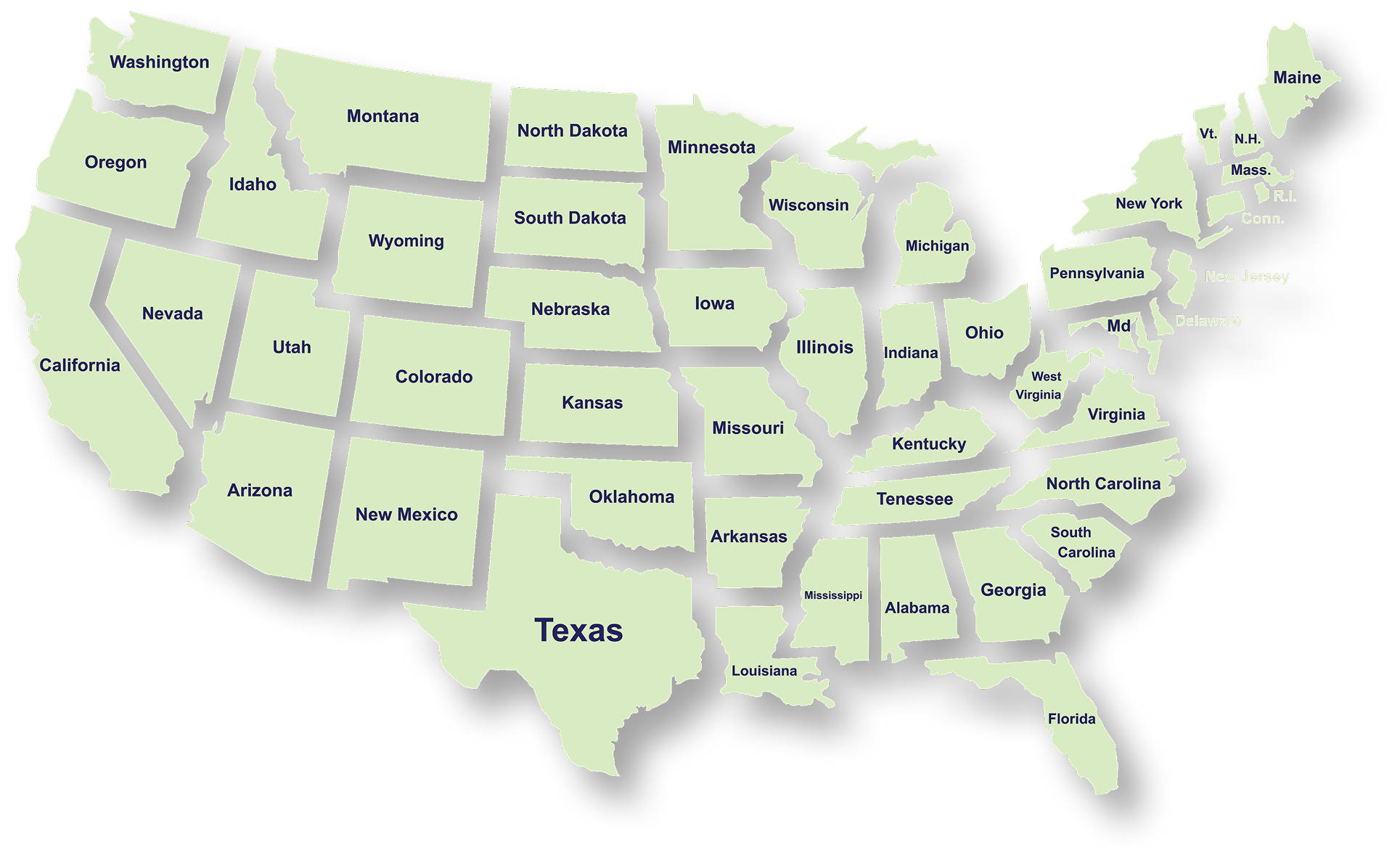
Serving Businesses & Individuals Across USA

We handle accounting, tax filing, and planning with defined timelines and accurate reporting for businesses and individuals across all states.

Frequently Asked Questions

What services does NR CPAs & Business Advisors provide?
What is tax planning and why is it important for businesses?
How can a Virtual CFO help my business?
When should a business consider IRS tax resolution services?
What financial statements does a business typically need?
How can startup advisory services help new businesses?
What is strategic business planning?
What is a Virtual Family Office and who can benefit from it?