Learning Center for Tax and Financial Insights

Stay updated with clear, actionable articles on tax rules, deadlines, deductions, and financial decisions that impact individuals and businesses.

For Business

The Ultimate Guide To BOI Reporting Requirements

Updates and Corrections If there are any changes to your beneficial ownership information, you must update your report within 30 days of the change. This includes changes to the company’s legal name, ownership structure, or beneficial owners. Example: If your company changes its legal name, you need to file an updated BOI report with the new name and previously reported information. Compliance Guide For more detailed information on filing deadlines and procedures, refer to FinCEN’s Small Entity Compliance Guide. Next, let’s discuss the penalties for non-compliance with the BOI reporting requirements. Penalties For Non-Compliance Failing to file your BOI report correctly and on time can lead to serious penalties. Let’s break down what you need to know about the consequences of non-compliance. Civil Penalties If you don’t comply with the BOI reporting requirements, you can face hefty fines. The Corporate Transparency Act specifies that a person who willfully violates the requirements may be fined up to $500 per day for each day the violation continues. Adjusted for inflation, this amount is currently $591 per day. Example: If you fail to report for 10 days, you could be fined up to $5,910. Criminal Penalties In addition to civil penalties, there are also criminal consequences for willful non-compliance. These penalties can include: Fines: Up to $10,000. Imprisonment: Up to two years. Quote: “A person who willfully violates the BOI reporting requirements may also be subject to criminal penalties of up to two years imprisonment and a fine of up to $10,000.” Willful Non-Filing And False Filing Penalties apply not only for failing to file but also for submitting false information. Here’s what you need to know: Willful Non-Filing: If you intentionally avoid filing your BOI report, you’re subject to both civil and criminal penalties. False Filing: If you knowingly submit false information, the same penalties apply. Example: If a company knowingly submits false beneficial ownership information, responsible individuals could face both fines and imprisonment. Penalties For Senior Officers And Others Both individuals and corporate entities can be held liable for willful violations. This includes: Senior Officers: If they cause or are involved in the failure to report. Beneficial Owners and Applicants: If they refuse to provide required information. Fact: “An individual who willfully files a false or fraudulent beneficial ownership information report on a company’s behalf may be subject to the same civil and criminal penalties as the reporting company and its senior officers.” source Safe Harbor Provision There is a 90-day safe harbor provision. If you correct a mistake or omission within 90 days of the deadline, you may avoid penalties. This is crucial to remember if you realize an error after filing. Example: If you discover an error in your BOI report and correct it within 90 days, you can avoid fines and other penalties. Quote: “There does seem to be a 90-day safe harbor if somebody supplies inaccurate information but corrects the situation by filing an accurate report within that time.” Understanding these penalties underscores the importance of filing your BOI report accurately and on time. In the next section, we’ll address some frequently asked questions to further clarify the BOI reporting process. Frequently Asked Questions About BOI Reporting What Is A BOI Report? A BOI report (Beneficial Ownership Information report) is a document that companies must file to disclose information about their beneficial owners. This requirement is part of the Corporate Transparency Act, enforced by FinCEN (Financial Crimes Enforcement Network). The goal is to increase transparency and prevent illegal activities such as money laundering and tax evasion. What Information Is Required In A BOI Report? To complete a BOI report, you’ll need specific details about each beneficial owner. Here’s what you need to gather: Full Name: The legal name of the beneficial owner. Date of Birth: The exact date of birth. Address: Current residential or business address. Identification Number: This can be from a non-expired U.S. driver’s license, U.S. passport, or another state or local government-issued ID. If none of these are available, a non-expired foreign passport is acceptable. Document Image: A clear image of the identification document used. Additionally, you’ll need information about your company, such as: Company Name: The legal name of your company. Address: The principal business address. Company Applicants: For companies created on or after January 1, 2024, information about the individuals who formed the company is also required. Who Can Access BOI Information? The information in a BOI report is confidential, but certain exceptions allow access: Federal Officials: For national security, intelligence, and law enforcement purposes. State and Local Officials: Under specific conditions related to law enforcement and regulatory oversight. Tribal Officials: Similar to state and local officials, for law enforcement and regulatory purposes. Foreign Officials: Under specific conditions and agreements. Financial Institutions: With the company’s permission, to help comply with regulatory requirements. FinCEN ensures that any access to BOI information is strictly controlled and monitored to protect confidentiality. Understanding these aspects of BOI reporting can help ensure your company stays compliant and avoids penalties. For more detailed guidance, refer to FinCEN’s Small Entity Compliance Guide. Conclusion Navigating the BOI reporting requirements can be daunting, but it doesn’t have to be. At NR CPAs and Business Advisors, we specialize in providing personalized financial guidance tailored to your unique business needs. Our team is here to support you through every step of the BOI reporting process, ensuring you stay compliant and avoid penalties. Personalized Financial Guidance Every small business is different, and our approach reflects that. We take the time to understand your specific situation and provide advice that fits your needs. For example, Jane, a small bakery owner, saw significant improvements in her financial health after partnering with us. She received tailored advice on managing cash flow and identifying eligible tax deductions, allowing her to focus more on growing her business. Compliance Assistance Compliance with the Corporate Transparency Act is crucial, and we are here to help you meet all the requirements. Our team of experts will guide you through the electronic filing process on FinCEN’s website, ensuring you meet all deadlines and submit accurate information. We also provide training and assistance through partnerships with local Small Business Development Centers (SBDCs). Local Accountant Services Having a local accountant who understands your community and market can make a big difference. Our local accountant services ensure you receive the personalized attention you deserve. We work closely with you to understand your business’s specific needs and challenges, providing relevant and effective solutions to keep your business on track. By partnering with NR CPAs and Business Advisors, you gain access to a team of experts dedicated to your success. From tax preparation to financial analysis, we offer a comprehensive range of services to keep your business on track.

Explore More
For Business

BOI Filing Made Easy: Step-By-Step Instructions

Step 4: Update Or Correct Information Keeping your BOI report up-to-date is crucial to avoid penalties: Corrections: If you realize there’s an error in your submitted report, you must file a correction. This can be done through the same BOSS portal. Updates: Any changes to your beneficial ownership information, including address changes, must be reported within 30 days. Penalties for Non-Compliance: Failing to file, filing false information, or not updating changes can lead to severe penalties. Civil penalties can be up to $591 per day, and criminal penalties can include fines up to $10,000 and up to two years imprisonment. Following these steps will help ensure your BOI filing is accurate and timely, keeping your company in compliance with the Corporate Transparency Act. Next, we’ll discuss the deadlines and penalties in more detail. Deadlines And Penalties Understanding the deadlines and penalties for BOI filing is crucial to ensure your company stays compliant and avoids hefty fines or legal issues. Filing Deadlines Existing Companies: If your company was formed before January 1, 2024, you have until January 1, 2025, to file your initial BOI report. New Companies: Companies formed in 2024 must file within 90 days of formation. Companies formed in 2025 or later have only 30 days to file after formation. Updates: Any changes to the beneficial ownership information must be reported within 30 days of the change. Penalties For Non-Compliance Failing to comply with BOI filing requirements can result in significant penalties: Civil Penalties: Up to $500 per day for not filing or for filing inaccurate information, with a maximum of $10,000. Criminal Penalties: Intentional non-compliance or providing false information can lead to fines up to $10,000 and imprisonment for up to two years. Enhanced Penalties: Repeat offenders or those who willfully evade the requirements may face even higher fines and longer imprisonment terms. Compliance To avoid these penalties, follow these steps: File Early: Don’t wait until the last minute. Filing early can help you avoid the rush and potential mistakes. Correct Inaccuracies: If you discover any inaccuracies, correct them within 90 days to benefit from the safe harbor provision, which protects you from penalties if you act promptly. Stay Informed: Keep up with any updates or changes in the regulations. FinCEN’s website is a good resource for the latest information. Plan Ahead: If you manage multiple entities, create a plan to ensure all are filed on time. Missing the deadline can lead to severe consequences. By adhering to these deadlines and compliance steps, you can avoid the headaches and penalties associated with non-compliance. Next, we’ll tackle some frequently asked questions about BOI filing to help clarify any remaining doubts. Frequently Asked Questions About BOI Filing What Is A BOI Filing? BOI filing stands for Beneficial Ownership Information filing. It involves reporting details about the individuals who own or control a company. This information is submitted to FinCEN, the Financial Crimes Enforcement Network. The goal is to prevent financial crimes like money laundering by making ownership structures more transparent. Beneficial owners are those who own at least 25% of a company or have substantial control over it. This includes senior officers and individuals who can appoint or remove senior officers. Who Needs To File A BOI In 2024? Most companies created or registered in the U.S. need to file a BOI report. This includes: Domestic Reporting Companies: Entities formed by filing documents with a state or tribal office. Foreign Reporting Companies: Entities formed abroad but registered to do business in the U.S. Exemptions exist for certain entities, like large operating companies with more than 20 full-time employees, over $5 million in annual revenue, and a physical office in the U.S. Other exempt entities include publicly traded companies, banks, and credit unions. Deadlines: – Existing Companies: Must file by January 1, 2025. – New Companies (formed in 2024): Have 90 days from formation to file. – New Companies (formed in 2025 or later): Have 30 days from formation to file. How To File A BOI Report In Texas? Filing a BOI report in Texas follows the same general steps as in other states, but there are some specifics to keep in mind: Gather Required Information: Beneficial Owners: Name, date of birth, address, and identification documents. Company Information: Legal name, principal business address, and any trade names. Prepare Your Report: Fill out the BOIR form. You can do this online at the FinCEN website or download a PDF form to complete offline. Submit Your Report: Access the Beneficial Ownership Secure System (BOSS) on the FinCEN website. Enter the required details and upload identification documents. Review all information for accuracy before submission. Update or Correct Information: If there are changes to your beneficial ownership information, update your report within 30 days to avoid penalties. Online Filing: – Use the FinCEN website’s secure portal to submit your BOIR form electronically. Offline Preparation: – Download the PDF form, fill it out using Adobe Acrobat, and then upload it through the BOSS portal. By following these steps, you can ensure your BOI filing is accurate and on time, avoiding penalties and staying compliant with the Corporate Transparency Act. Next, we’ll discuss the importance of compliance and the resources available to help you through the BOI filing process. Conclusion Importance of Compliance Staying compliant with the Corporate Transparency Act (CTA) is crucial for every business. Failure to file your Beneficial Ownership Information (BOI) report can result in hefty penalties, including fines of up to $10,000 and even imprisonment for up to two years. Non-compliance can also damage your business’s reputation and hinder your ability to secure funding. NR CPAs and Business Advisors At NR CPAs and Business Advisors, we understand that navigating the complexities of BOI filing can be daunting. Our team of experts is here to help you file your BOI report accurately and on time. We offer comprehensive tax and compliance services to ensure that you meet all regulatory requirements without the stress. Resources for Small Businesses We provide a range of resources to assist small businesses with BOI filing: – Step-by-Step Guides: Easy-to-follow instructions to help you gather, prepare, and submit your BOI report. – Consultation Services: Personalized advice from our experienced CPAs and Enrolled Agents. – Compliance Updates: Regular updates on any changes in BOI filing requirements and deadlines. By leveraging our expertise, you can focus on what you do best—running your business—while we take care of the compliance details. Don’t wait until the last minute. Contact NR CPAs and Business Advisors today to ensure your BOI filing is handled smoothly and efficiently.

Explore More
For Business

Filing Under The Corporate Transparency Act: Forms And Requirements

Failing to meet these deadlines can result in severe penalties, including fines and imprisonment for willful non-compliance. Therefore, it’s crucial to stay on top of these deadlines and ensure timely filing. Pro Tip: Keeping track of your filing deadlines and promptly updating any changes can save you from hefty penalties. In the next section, we’ll dive into how to file under the Corporate Transparency Act using FinCEN’s electronic system. How To File Under The Corporate Transparency Act Filing under the Corporate Transparency Act (CTA) might seem daunting, but it doesn’t have to be. The process is straightforward if you know what to expect and where to go. Here’s a step-by-step guide to help you navigate the filing process. FinCEN And The BOSS System The Financial Crimes Enforcement Network (FinCEN) is the bureau of the U.S. Department of Treasury responsible for implementing the CTA. To streamline the filing process, FinCEN has developed the Beneficial Ownership Secure System (BOSS). This system is designed to make electronic filing secure and efficient. Steps To File Electronically Access the FinCEN Portal Visit the FinCEN website and navigate to the BOSS portal. Make sure you have all necessary information and documents ready before you start. Complete the Form You have the option to fill out an online form or upload a PDF. If you choose the PDF method, ensure you have Adobe Acrobat. Enter all required details for your company and beneficial owners. This includes names, addresses, identification numbers, and document images. Submit Required Information Double-check all entries for accuracy. Errors can cause delays or even penalties. Attach clear images of the identification documents used. Review and Submit Carefully review all the information you’ve entered. Once you’re sure everything is correct, submit your report. Secure System The BOSS system is built with strict security measures to protect your data. FinCEN ensures that all submitted information is encrypted and accessible only to authorized personnel. This includes: Data Encryption: All data is encrypted during transmission and storage. Access Control: Only authorized FinCEN employees and law enforcement officials can access the information. Audit Trails: The system keeps detailed logs of who accesses the data and when, ensuring accountability. Important Deadlines Existing Companies: Must file by January 1, 2025. New Companies: Have 90 days from creation or registration to file. For companies formed after January 1, 2025, the deadline is 30 days from creation. What If You Miss A Deadline? Missing a deadline can lead to severe penalties, including fines and imprisonment. If you realize you’ve missed a deadline, it’s crucial to file as soon as possible to minimize potential penalties. Pro Tip: Set reminders for filing deadlines and keep all necessary documents organized to ensure timely compliance. In the following section, we will discuss the penalties for non-compliance in detail. Penalties For Non-Compliance Failing to comply with the Corporate Transparency Act (CTA) can lead to severe consequences. Let’s break down the penalties you might face: Civil Penalties Daily Fines If you don’t meet the corporate transparency act reporting requirements, you could be fined up to $500 per day for each day the violation continues. This amount is adjusted annually for inflation. As of now, the fine is $591 per day. Example: If you fail to report for 10 days, you could be fined up to $5,910. Criminal Penalties Non-compliance can also lead to criminal penalties. Here’s what you need to know: Fines and Imprisonment For willful violations, you could face: Fines: Up to $10,000. Imprisonment: Up to two years. Quote: “A person who willfully violates the BOI reporting requirements may also be subject to criminal penalties of up to two years imprisonment and a fine of up to $10,000.” Willful Non-Filing And False Filing Penalties apply not only for failing to file but also for submitting false information. Here’s what you need to know: Willful Non-Filing If you intentionally avoid filing your Beneficial Ownership Information (BOI) report, you’re subject to both civil and criminal penalties. False Filing If you knowingly submit false information, the same penalties apply. Example: If a company knowingly submits false beneficial ownership information, responsible individuals could face both fines and imprisonment. Penalties For Senior Officers And Others Both individuals and corporate entities can be held liable for willful violations. This includes: Senior Officers: If they cause or are involved in the failure to report. Beneficial Owners and Applicants: If they refuse to provide required information. Quote: “An individual who willfully files a false or fraudulent beneficial ownership information report on a company’s behalf may be subject to the same civil and criminal penalties as the reporting company and its senior officers.” Safe Harbor Provision There is a 90-day safe harbor provision. If you correct a mistake or omission within 90 days of the deadline, you may avoid penalties. Example: If you discover an error in your BOI report and correct it within 90 days, you can avoid fines and other penalties. Quote: “There does seem to be a 90-day safe harbor if somebody supplies inaccurate information but corrects the situation by filing an accurate report within that time.” Understanding these penalties underscores the importance of filing your BOI report accurately and on time. In the next section, we will address some frequently asked questions to further clarify the BOI reporting process. Frequently Asked Questions About Corporate Transparency Act Reporting Requirements Who Needs To File A BOI Report? Reporting Companies: Most corporations, LLCs, and other business entities registered with a state or tribal office need to file a BOI report. This includes both domestic and foreign entities doing business in the U.S. Exemptions: Some entities are exempt from filing, such as publicly traded companies, certain tax-exempt non-profits, and large operating companies with more than 20 full-time employees, over $5 million in gross receipts, and a physical office in the U.S. What Information Must Be Reported? Company Information: Each reporting company must provide: – Full legal name – Any trade name or “doing business as” (DBA) name – Address of principal place of business in the U.S. – State, Tribal, or foreign jurisdiction of formation or registration – IRS Tax Identification Number Beneficial Owner Information: For each beneficial owner, the following details are required: – Full legal name – Date of birth – Current residential or business address – Identification number from a non-expired U.S. driver’s license, U.S. passport, or other approved document. If none are available, a non-expired foreign passport can be used. – Image of the identification document Beneficial Owners: A beneficial owner is anyone who: – Exercises substantial control over the company – Owns or controls at least 25% of the company’s equity interests What Are The Penalties For Non-Compliance? Civil Penalties: If a person willfully violates the BOI reporting requirements, they may face civil penalties of up to $591 per day that the violation continues. This amount is adjusted annually for inflation. Criminal Penalties: Willful violations can also result in criminal penalties, including up to two years of imprisonment and fines up to $10,000. Potential violations include: – Willfully failing to file a BOI report – Willfully filing false BOI – Willfully failing to correct or update previously reported BOI Example: If you discover an error in your BOI report and correct it within 90 days, you can avoid fines and other penalties. Quote: “There does seem to be a 90-day safe harbor if somebody supplies inaccurate information but corrects the situation by filing an accurate report within that time.” Understanding these penalties underscores the importance of filing your BOI report accurately and on time. In the next section, we will address some frequently asked questions to further clarify the BOI reporting process. Conclusion In summary, the Corporate Transparency Act (CTA) is a significant step towards enhancing corporate transparency and combating illegal activities. It mandates that certain companies disclose beneficial ownership information to the Financial Crimes Enforcement Network (FinCEN). This includes details about the company, its beneficial owners, and company applicants. Compliance is crucial. Failing to meet the CTA reporting requirements can lead to severe penalties, including fines up to $10,000 and imprisonment. Even minor errors can be costly if not corrected within the stipulated 90-day period. At NR CPAs and Business Advisors, we understand that navigating these new requirements can be challenging. Our team of experts is here to provide personalized financial guidance and compliance assistance tailored to your specific needs. Why Choose Us? Personalized Financial Guidance: We tailor our advice to fit your unique business needs. Comprehensive Compliance Assistance: From understanding the regulations to filing necessary reports, we’ve got you covered. Local Expertise: Our knowledge of local regulations ensures you get relevant and effective solutions. Don’t let compliance stress you out. Trust us to guide you through the complexities of the Corporate Transparency Act. Get Started Today and focus on what you do best—running your business.

Explore More
For Business

Corporate Transparency Act: Penalties And How To Avoid Them

Accurate InformationEnsuring that the information you provide is accurate and up-to-date is equally important. Here’s what you need to include in your Beneficial Ownership Information (BOI) report:Beneficial Owners: Identify individuals who have substantial control or own at least 25% of the company.Required Details: Collect full legal names, addresses, dates of birth, and identification documents like driver’s licenses or passports.Failure to provide accurate information can lead to criminal penalties of up to $10,000 and up to two years of imprisonment.If there are changes in your company’s beneficial ownership or other key details, you must update your reports within 30 days. Correct any inaccuracies within 90 days to benefit from the CTA’s safe harbor provision.Seeking Legal CounselNavigating the complexities of the Corporate Transparency Act can be daunting. Seeking legal advice can help ensure compliance and avoid penalties.NR CPAs and Business Advisors specializes in providing personalized financial guidance and compliance assistance. Our team of experts can help you:Understand Reporting Requirements: Determine if your business needs to file and identify beneficial owners.File Accurate Reports: Ensure all required details are complete and correct.Stay Updated: Keep your information current and file updates as needed.By working with a reputable business attorney and a CPA, you can stay informed of regulatory changes and complete all legal requirements for your business.FinCEN IdentifierTo simplify the process, beneficial owners can obtain a FinCEN Identification Number. This allows them to directly update their information with FinCEN, reducing the burden on the reporting company.Steps to Obtain a FinCEN Identifier:1. Register directly with FinCEN.2. Provide the FinCEN Identification Number to the reporting company.3. Reporting companies only need to disclose the name and FinCEN Identification Number of the beneficial owner.This approach ensures that any changes in beneficial ownership information are promptly reported, keeping your company compliant.By following these steps, you can avoid the severe penalties associated with the Corporate Transparency Act.Next, we’ll address some frequently asked questions about Corporate Transparency Act penalties to clarify any remaining doubts.Frequently Asked Questions About Corporate Transparency Act PenaltiesWhat Is The Penalty For Violating The Corporate Transparency Act?Violating the Corporate Transparency Act (CTA) can result in both civil and criminal penalties.Civil Penalties: If you fail to report or update beneficial ownership information, you could face a civil penalty of up to $500 for each day the violation continues. This can add up quickly, reaching a maximum of $10,000.Criminal Penalties: For more severe violations, such as willfully providing false information, the penalties are steeper. You could be fined up to $10,000 and face up to 2 years in prison, or both.What Is The Penalty For Not Filing A CTA?Not filing a CTA report or failing to update it can result in significant penalties:Civil Penalties: As mentioned, you could be fined $500 per day, up to a maximum of $10,000.Criminal Penalties: If the failure to file is deemed willful, the fines increase to $10,000, and you could be imprisoned for up to 2 years.What Is Happening With The Corporate Transparency Act?The CTA has faced legal challenges. On March 1, 2024, the U.S. District Court for the Northern District of Alabama ruled the CTA unconstitutional. This ruling came after concerns were raised about privacy issues and the high penalties for noncompliance.While this decision directly affects members of the National Small Business Association (NSBA), it could have broader implications. The federal government may appeal the ruling, or the CTA could be revised.In the meantime, it’s crucial to stay updated on any changes and ensure compliance to avoid penalties.For more detailed guidance, consult legal experts or resources like NR CPAs and Business Advisors.Next, let’s dive into how you can ensure timely filing and accurate reporting to avoid these penalties.ConclusionNavigating the Corporate Transparency Act (CTA) can be daunting, but compliance is crucial to avoid hefty penalties. The CTA aims to prevent illicit activities by requiring businesses to report their beneficial ownership. However, failure to comply can result in severe civil and criminal penalties.Summary:The CTA requires entities to file beneficial ownership information with FinCEN. Non-compliance can lead to civil penalties of up to $500 per day and criminal penalties, including fines up to $10,000 and imprisonment for up to two years. The recent Alabama court ruling declaring the CTA unconstitutional may provide temporary relief for some businesses, but staying updated on any changes is essential.Importance of Compliance:Compliance with the CTA is not just about avoiding penalties; it’s about contributing to a transparent and fair business environment. Accurate and timely filing helps prevent money laundering and other illicit activities. Moreover, businesses that comply can avoid disruptions and maintain their reputation.NR CPAs and Business Advisors:At NR CPAs and Business Advisors, we specialize in providing personalized financial guidance and compliance assistance. Our team of experts can help you understand whether your business qualifies for one of the 23 exemptions under the CTA. We offer tailored advice to ensure you meet all reporting requirements and avoid penalties.Why Choose Us:Personalized Financial Guidance: We offer customized advice tailored to your specific needs.Comprehensive Compliance Assistance: From understanding complex regulations to filing necessary reports, we’ve got you covered.Local Expertise: We provide relevant and effective solutions specific to your market.Broad Range of Services: Beyond tax preparation, we offer financial consulting, strategic planning, and more.Don’t let compliance stress you out. Trust NR CPAs and Business Advisors to guide you through the complexities of the Corporate Transparency Act. Visit our Tax & Compliance page to learn more about how we can help.By partnering with us, you gain access to a team dedicated to your success, helping you focus on what you do best—running your business.

Explore More
For Business

Corporate Transparency Act: Important Deadlines And Extensions

Company Applicants Who is a company applicant? A company applicant is an individual who directly files the company’s formation or registration documents. If another individual directs or controls this filing, they are also considered a company applicant. What information is required? For company applicants, you must provide: – Full legal name – Date of birth – Current residential or business address (if they form companies as part of their business, a business address can be used) – Identification number from a non-expired U.S. driver’s license, U.S. passport, or other approved document. If none of these are available, a non-expired foreign passport can be used. – Image of the identification document Image Submission Ensure the images of the identification documents are clear and readable. This is crucial for the verification process. Filing Process Submit all required information electronically through the Beneficial Ownership Secure System (BOSS). This system ensures secure and straightforward filing. By following these steps, you can ensure your BOI report is complete and compliant with the Corporate Transparency Act. Next, let’s look at the exemptions from reporting requirements. Exemptions From Reporting Understanding which entities are exempt from reporting under the Corporate Transparency Act (CTA) can save you time and effort. Here are the key exemptions: Large Operating Companies Large operating companies are exempt if they meet three criteria: More than 20 full-time U.S. employees: These employees must work an average of at least 30 hours per week or 130 hours per month. Physical office in the U.S.: The company must have a physical office in the U.S. that is not shared with non-affiliates. Gross receipts or sales over $5 million: This must be reported on a U.S. federal income tax return from the previous year, excluding receipts or sales from outside the U.S. Public Companies Public companies are also exempt. These are companies that: Have a class of securities registered under Section 12 of the Securities Exchange Act. Are required to file supplementary and periodic information under Section 15(d) of the Securities Exchange Act. Investment Companies And Advisers Investment companies and investment advisers are exempt if they are: Registered with the SEC under the Investment Company Act of 1940. Registered with the SEC under the Investment Advisers Act of 1940. Venture Capital Fund Advisers Venture capital fund advisers are exempt if they: Are described in Section 203(l) of the Investment Advisers Act. Have filed the necessary parts of Form ADV with the SEC. Pooled Investment Vehicles Pooled investment vehicles are exempt if they are: Operated or advised by exempt banks, credit unions, brokers, or investment companies/advisers. Identified by their legal name in the investment adviser’s Form ADV filed with the SEC. Subsidiaries Of Exempt Entities Subsidiaries are exempt if they are: Wholly owned or controlled by one or more exempt entities. Not partially owned by an exempt entity; full ownership is required for the exemption. Other Exempt Entities There are other entities that are also exempt, including: Banks and credit unions. Insurance companies and certain insurance brokers. Accounting firms registered with the Public Company Accounting Oversight Board. Tax-exempt entities under Section 501(c) of the Internal Revenue Code. Inactive entities that were in existence before January 1, 2020, and meet specific criteria. These exemptions are essential for understanding who must comply with the Corporate Transparency Act deadlines and who does not. Next, we’ll dive into frequently asked questions about these deadlines. Frequently Asked Questions About Corporate Transparency Act Deadlines When To File The Corporate Transparency Act? Existing companies that were created before January 1, 2024, must file their initial Beneficial Ownership Information (BOI) report by January 1, 2025. This gives these companies a full year to comply with the new requirements. Newly created or registered companies have different deadlines based on their formation date. If your company is formed or registered in 2024, you have 90 days from the date of formation to file your initial BOI report. For companies created on or after January 1, 2025, the deadline is even shorter. These companies must file their BOI report within 30 days of formation or registration. What Is The Corporate Transparency Act 2024? The Corporate Transparency Act 2024 is a federal law aimed at combating illicit financial activities, such as money laundering and terrorism financing. It requires certain companies to disclose information about their beneficial owners to the U.S. Department of the Treasury’s Financial Crimes Enforcement Network (FinCEN). The law targets smaller businesses and entities that have not been subject to such reporting requirements before. The goal is to increase transparency and make it harder for bad actors to hide behind anonymous corporate structures. Who Needs To File A BOI In 2024? Every “reporting company” must file a BOI report unless they qualify for an exemption. Existing companies formed before January 1, 2024, need to file their initial BOI report by January 1, 2025. Newly created or registered companies in 2024 have 90 days from the date of their formation to file. For companies formed on or after January 1, 2025, the deadline is 30 days from formation. Beneficial owners include individuals who: – Own at least 25% of the company’s shares. – Have significant control over the company’s operations. Understanding these deadlines is crucial for compliance. Missing these deadlines can lead to severe penalties, including fines and imprisonment. Next, we’ll discuss the beneficial ownership information requirements in detail. Conclusion In summary, the Corporate Transparency Act (CTA) imposes strict deadlines for reporting beneficial ownership information to FinCEN. Existing companies must file by January 1, 2025, while newly created or registered companies in 2024 have 90 days to comply. For companies formed on or after January 1, 2025, the deadline is 30 days from formation. Understanding these deadlines is crucial. Noncompliance can result in hefty fines and even imprisonment. Therefore, meeting these deadlines should be a top priority for any business owner. At NR CPAs and Business Advisors, we specialize in providing personalized financial guidance to help you stay compliant with the CTA. Whether you need help understanding the reporting requirements or filing your BOI report, our team of experts is here to assist you. Why Choose NR CPAs and Business Advisors? Personalized Financial Guidance: We tailor our advice to meet your specific needs, ensuring you understand and meet all CTA requirements. Comprehensive Compliance Assistance: From understanding complex regulations to filing necessary reports, we’ve got you covered. Local Expertise: Our local accountants understand your community and provide relevant and effective solutions. Don’t let compliance stress you out. Trust NR CPAs and Business Advisors to guide you through the complexities of the Corporate Transparency Act. Get Started Today and focus on what you do best—running your business.

Explore More
For Business

The Corporate Transparency Act 2024: Key Insights And Implications

FinCEN offers a Small Entity Compliance Guide to help navigate these requirements. Penalties Non-compliance with the Corporate Transparency Act can lead to severe penalties: Civil Penalties: Up to $500 per day for failure to file or update information, capped at $10,000. Criminal Penalties: Fines up to $10,000 and/or imprisonment for up to two years for willful non-compliance or false reporting. FinCEN enforces these penalties, aiming to ensure businesses take their obligations seriously. Operational Impact Compliance with the Corporate Transparency Act can be a significant administrative burden. Small businesses must: Gather and verify ownership information. File initial and updated reports promptly. Maintain accurate records. This process can be costly. Businesses might need to hire legal or compliance experts to ensure accuracy and avoid penalties. As Christine Green, a legal expert, noted, “sophisticated clients want to get this done quickly, but it’s important to ensure accuracy and compliance.” Privacy Concerns Small businesses may worry about the privacy and security of their information. FinCEN is responsible for protecting this data, ensuring it is only accessible to authorized parties. However, the recent court case, National Small Business United v. Yellen, highlighted concerns about the constitutionality of the Act. While the case is under appeal, FinCEN continues to enforce the Act, except for the plaintiffs involved in the case. Businesses should stay informed about ongoing legal developments and ensure their data is secure. FinCEN’s role includes safeguarding the financial system and promoting national security, which involves strict confidentiality measures. Next, let’s address some frequently asked questions about the Corporate Transparency Act 2024. Frequently Asked Questions About The Corporate Transparency Act 2024 What Is The New Rule For LLC 2024? Starting January 1, 2024, LLCs and other entities must comply with the Corporate Transparency Act 2024. This means they need to file a Beneficial Ownership Information (BOI) report with FinCEN. The report should include: Full legal name of each beneficial owner. Date of birth. Address. A unique identifying number from a valid ID (like a driver’s license or passport). Newly created or registered LLCs must file this report within 90 days of their formation. For entities formed after January 1, 2025, the deadline shortens to 30 days. Read more about the BOI report requirements. Who Needs To File A BOI In 2024? All existing companies formed before January 1, 2024, must file their initial BOI report by January 1, 2025. New companies created or registered in 2024 have 90 days to file after receiving notice of their registration. Beneficial owners include individuals who: – Own at least 25% of the company’s shares. – Have significant control over the company’s operations. Exemptions apply to large operating companies, public companies, and certain investment entities. These entities do not need to file a BOI report. Learn more about exemptions and requirements. Has The Corporate Transparency Act Been Suspended? No, the Corporate Transparency Act 2024 has not been suspended. However, the recent court case, National Small Business United v. Yellen, challenged its constitutionality. The Alabama U.S. District Court ruled that the Act exceeded Congress’s power, but the decision is currently under appeal. FinCEN continues to enforce the Act, except for the plaintiffs involved in the case, such as Isaac Winkles and members of the National Small Business Association. Other businesses must still comply with the reporting requirements. Stay updated on legal developments and ensure you meet all deadlines to avoid penalties. Read more about the court ruling and its implications. Next, we’ll look at the compliance and penalties associated with the Corporate Transparency Act. Conclusion The Corporate Transparency Act 2024 brings significant changes to how businesses report their ownership information. While its primary aim is to combat illicit activities, it also introduces new compliance requirements that can be challenging for small businesses. Summary The Act requires many businesses to file Beneficial Ownership Information (BOI) reports with FinCEN. These reports must include detailed information about the individuals who own or control the company. Deadlines vary depending on when the company was formed, and there are specific exemptions for certain types of entities. The recent court ruling in National Small Business United v. Yellen has added some uncertainty, but most businesses still need to comply with the Act. Failure to do so can result in civil and criminal penalties. NR CPAs And Business Advisors At NR CPAs and Business Advisors, we understand that navigating these new requirements can be overwhelming. Our team of experts is here to help you understand your obligations and ensure you meet all deadlines. Compliance Assistance We offer comprehensive Tax & Compliance services to help your business stay compliant with the Corporate Transparency Act. Our services include: Personal, Corporate, and Fiduciary Returns preparation Comprehensive Tax Planning Trusts and Estates management Ongoing monitoring and updates Don’t navigate this complex landscape alone. Let us help you meet your compliance requirements and avoid penalties. Stay informed and ensure your business is fully compliant with the Corporate Transparency Act 2024. Contact us today to learn more about how we can assist you. For more detailed information on the Corporate Transparency Act and how it impacts your business, visit our Tax & Compliance services page.

Explore More
No results found.
Thank you! Your submission has been received!
Oops! Something went wrong while submitting the form.

Want tax & accounting tips & insights?Sign up for our newsletter.

Thank you! Your submission has been received!
Oops! Something went wrong while submitting the form.

Why Work With Us?

We combine deep tax expertise, financial strategy, and practical business insight to help you manage complexity, stay compliant, and make confident financial decisions.
A dollar sign, representing financial advice or discussion at NR CPAs & Business Advisors.

Experienced CPA and Enrolled Agent Leadership

Guidance led by licensed professionals with deep expertise in tax strategy, compliance, and complex financial matters.
White bar chart with an upward arrow on green circular background representing growth or progress at NR CPAs &. Business Advisors

Support for Growing Businesses and Startups

We understand the financial challenges of growth stage businesses and provide structured guidance to support expansion.
A white hand holding a dollar symbol and ascending bar chart on a green circular background representing financial growth or investment at NR CPAs & Business Advisors..

Strategic Financial Advisory

Our team helps you evaluate financial decisions with greater clarity, supported by practical insights and long term planning.

Fractional CFO Support

Access experienced financial leadership without the commitment and cost of hiring a full time Chief Financial Officer.

Proactive Tax Planning Approach

We focus on identifying tax opportunities throughout the year rather than reacting only during filing season.

Clear and Reliable Financial Reporting

Accurate financial statements and reporting that help you better understand performance and make informed decisions.
White IRS building icon with pillars and a dollar sign above on a green circular background.

Professional IRS Representation

Experienced support in resolving IRS notices, disputes, and compliance matters while protecting your financial interests.

Personalized Client Focus

Every client receives thoughtful attention and tailored financial solutions based on their specific needs and business goals.
Financial matters often involve important decisions. Working with experienced advisors can help you approach them with greater clarity and confidence in your choices.

Need Help With Your Tax or Financial Decisions?

Discuss your situation with our advisors to get clear guidance on tax planning, IRS matters, and the financial decisions ahead.
Business consulting at NR CPAs & Business Advisors.

Request Your Consultation

Fill out the form to discuss your tax concerns, financial questions, or advisory needs with our team. We will review your details and respond shortly.

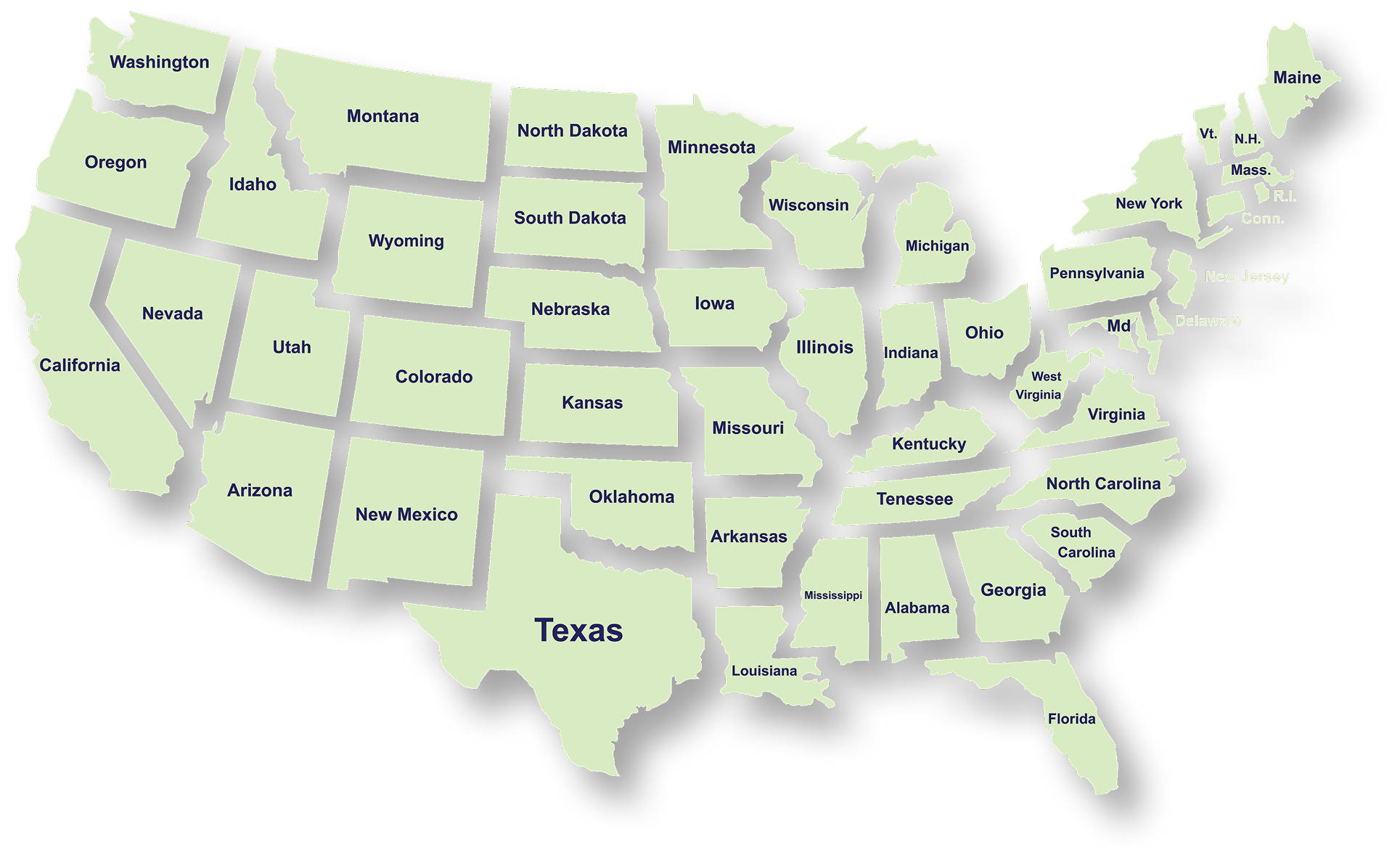
Serving Businesses & Individuals Across USA

We handle accounting, tax filing, and planning with defined timelines and accurate reporting for businesses and individuals across all states.

Frequently Asked Questions

What services does NR CPAs & Business Advisors provide?
What is tax planning and why is it important for businesses?
How can a Virtual CFO help my business?
When should a business consider IRS tax resolution services?
What financial statements does a business typically need?
How can startup advisory services help new businesses?
What is strategic business planning?
What is a Virtual Family Office and who can benefit from it?