Learning Center for Tax and Financial Insights

Stay updated with clear, actionable articles on tax rules, deadlines, deductions, and financial decisions that impact individuals and businesses.

For Business

Step-By-Step: How To File For The Corporate Transparency Act

Beneficial Owner Information: Full legal name and date of birth Home address (P.O. boxes not accepted) Identification document: U.S. driver’s license, passport, or other acceptable ID Image of the identification document Step 4: Submit Your Report Online Once you’ve gathered all the necessary information, it’s time to file your report. Here’s how: Access the FinCEN Portal: Visit the FinCEN website and navigate to the Beneficial Ownership Secure System (BOSS) portal. Complete the Form: You can fill out an online form or upload a PDF. Make sure you have Adobe Acrobat if you choose the PDF method. Submit Required Information: Enter all the necessary details for both your company and beneficial owners. Upload Document Images: Attach clear images of the identification documents. Review and Submit: Double-check all information for accuracy before submitting. Deadlines: – Existing companies: File by January 1, 2025. – New companies: File within 90 days of creation or registration. Filing is free, secure, and straightforward. If you encounter any issues, refer to the FinCEN Small Entity Compliance Guide for additional support. Next, let’s look at the deadlines and penalties for non-compliance. Deadlines And Penalties Understanding the deadlines and penalties for the Corporate Transparency Act (CTA) is crucial for compliance. Missing these deadlines or failing to comply can lead to severe penalties. Filing Deadlines Existing Companies: If your company was created or registered before January 1, 2024, you must file your initial report by January 1, 2025. This gives existing companies one year to comply. New Companies: If your company is created or registered on or after January 1, 2024, you have 90 days to file after receiving notice that your company’s creation or registration is effective. Civil Penalties Failing to comply with the CTA can result in hefty fines: Daily Fines: Non-compliance can lead to fines of up to $500 per day for each day the report is late or inaccurate. Maximum Fine: The maximum civil penalty is $10,000. Criminal Penalties Intentional non-compliance or providing false information can lead to criminal charges: Fines: Up to $10,000. Imprisonment: Up to two years. Compliance To avoid penalties, follow these steps: Initial Reports: Submit your initial report within the specified deadlines. Updated Reports: If there are changes in beneficial ownership or company information, update your reports within 30 days. Correcting Inaccuracies: If you discover inaccuracies, correct them within 90 days to benefit from the safe harbor provision. By adhering to these requirements, you can ensure compliance and avoid penalties. For more detailed guidance, refer to the FinCEN Small Entity Compliance Guide. Next, let’s address some frequently asked questions about filing for the Corporate Transparency Act. Frequently Asked Questions About Filing For The Corporate Transparency Act How Do I Comply With The Corporate Transparency Act? To comply with the Corporate Transparency Act (CTA), follow these key steps: Determine if Your Business Needs to File: Check if your business is a reporting company, typically LLCs and corporations. Review exemptions such as large operating companies or inactive entities. If unsure, consult legal advice. Identify Beneficial Owners: Identify individuals who have substantial control or own at least 25% of the company. This includes senior officers like the CEO or president. Gather Required Information: Collect necessary details for both the company and beneficial owners. This includes full legal names, addresses, dates of birth, and identification documents like driver’s licenses or passports. Submit Your Report Online: File the Beneficial Ownership Information (BOI) report electronically through the FinCEN portal. Ensure all information is accurate and complete to avoid penalties. Update and Correct Information: If there are changes in beneficial ownership or company information, update your reports within 30 days. Correct any inaccuracies within 90 days to avoid penalties. How Do I File A BOI Report? Filing a Beneficial Ownership Information (BOI) report is straightforward: Access the FinCEN Portal: Visit the FinCEN website and navigate to the Beneficial Ownership Secure System (BOSS) portal. Complete the Form: Fill out the online form with required details about the company and beneficial owners. Alternatively, you can upload a completed PDF form. Submit Required Information: Enter all necessary information, including legal names, addresses, and identification numbers. Upload Document Images: Attach clear images of identification documents, such as driver’s licenses or passports. Review and Submit: Double-check all information for accuracy before submitting the form. Filing is free, and the process is designed to be secure and user-friendly. For more guidance, refer to the FinCEN Small Entity Compliance Guide. How Much Does It Cost To File A BOI Report? Filing a BOI report with FinCEN is free of charge. This no-fee policy helps ensure that all businesses, regardless of size, can comply with the Corporate Transparency Act without financial burden. By following these steps and utilizing the resources available, you can ensure your business remains compliant with the CTA. If you need further assistance, consider reaching out to your legal advisor or consulting with experts like NR CPAs and Business Advisors. Conclusion Navigating the complexities of the Corporate Transparency Act (CTA) can be daunting. But you don’t have to go it alone. At NR CPAs and Business Advisors, we specialize in providing personalized financial guidance and compliance assistance tailored to your unique needs. Personalized Financial Guidance Every small business is different, and we understand that. Our team is dedicated to offering advice that fits your specific situation. For example, we helped Jane, a small bakery owner, streamline her finances and identify eligible tax deductions. This personalized approach significantly improved her financial health, allowing her to focus on growing her business. Compliance Assistance Compliance with the CTA can be tricky, but our experts are here to simplify the process. We’ll help you determine if your business needs to file, identify beneficial owners, gather the necessary information, and submit your report online. With our guidance, you can avoid common pitfalls and ensure you meet all regulatory requirements. Local Accountant Services Having a local accountant who understands your community and market can be a game-changer. Our local expertise allows us to provide relevant and effective solutions, keeping your business on track and compliant with all regulations. Whether you need help with tax preparation, financial analysis, or strategic planning, our team is dedicated to your success. By partnering with NR CPAs and Business Advisors, you gain access to a team of experts committed to simplifying your tax obligations and maximizing your financial well-being. Ready to get started? Contact us today for personalized assistance and ensure your business stays compliant with the Corporate Transparency Act.

Explore More
For Business

Corporate Transparency Act 2024: A Guide To Exempt Entities

Venture Capital Fund Adviser Investment advisers described in Section 203(l) of the Investment Advisers Act of 1940 and who have filed Form ADV with the SEC qualify for an exemption. Insurance Company And State-Licensed Insurance Producer Insurance companies defined under Section 2 of the Investment Company Act of 1940 and state-licensed insurance producers with a physical office in the U.S. are exempt. Commodity Exchange Act Registered Entity Entities registered under the Commodity Exchange Act, including futures commission merchants, introducing brokers, swap dealers, and others, are exempt. Accounting Firm Public accounting firms registered under Section 102 of the Sarbanes-Oxley Act of 2002 are exempt. Public Utility Regulated public utilities providing telecommunications, electrical power, natural gas, water, or sewer services within the United States are exempt. Financial Market Utility Financial market utilities designated by the Financial Stability Oversight Council under the Payment, Clearing, and Settlement Supervision Act of 2010 are exempt. Pooled Investment Vehicle Pooled investment vehicles operated or advised by exempt entities like banks, credit unions, brokers, investment companies, or venture capital fund advisers are exempt. Tax-Exempt Entity Entities exempt under Section 501(c) of the Internal Revenue Code, including political organizations and certain trusts, qualify for an exemption. Entity Assisting A Tax-Exempt Entity Entities providing financial assistance or governance rights to tax-exempt entities, and substantially funded by U.S. persons, are exempt. Large Operating Company To be exempt as a large operating company, an entity must: Employ over 20 full-time employees in the U.S. Have a physical office in the U.S. Report more than $5 million in gross receipts or sales on a federal tax return. Subsidiary Of Certain Exempt Entities Subsidiaries wholly owned or controlled by one or more exempt entities are exempt. However, if ownership is only partially controlled by an exempt entity, the subsidiary does not qualify. Inactive Entity Entities in existence before January 1, 2020, with no active business, no foreign ownership, and no significant financial activity are exempt. Next, we’ll address frequently asked questions about Corporate Transparency Act 2024exemptions to help clarify any remaining doubts. Frequently Asked Questions About Corporate Transparency Act 2024 Exemptions Who Needs To File A BOI In 2024? Every “reporting company” must file a Beneficial Ownership Information (BOI) report with FinCEN, unless exempt. Key Deadlines: – Entities existing before January 1, 2024: File by January 1, 2025. – Entities created between January 1, 2024, and December 31, 2024: File within 90 days of creation. – Entities created on or after January 1, 2025: File within 30 days of creation. Who Is Exempt From BOI? The Corporate Transparency Act provides 23 types of exemptions. Here are some key categories: Publicly Traded Companies: Registered with the SEC. Nonprofits: 501(c) organizations like charities. Large Operating Companies: More than 20 full-time U.S. employees, over $5 million in gross receipts, and a physical office in the U.S. Banks and Credit Unions: Already heavily regulated. Insurance Companies: Subject to state and federal oversight. For a full list of exemptions, refer to FinCEN’s Small Entity Compliance Guide. Are Churches Exempt From The Corporate Transparency Act? Yes, churches and other religious organizations that qualify as 501(c) organizations under the Internal Revenue Code are exempt. This means they do not need to file a BOI report due to their tax-exempt status. For more detailed information about these exemptions, visit FinCEN’s Small Entity Compliance Guide. Next, we’ll look at Compliance and Penalties, covering the requirements businesses must meet and the consequences of non-compliance. Conclusion Navigating the Corporate Transparency Act 2024 exemptions can be challenging. But you don’t have to do it alone. At NR CPAs and Business Advisors, we specialize in providing personalized financial guidance and compliance assistance. Our team of experts is here to help you understand whether your business qualifies for one of the 23 exemptions under the Corporate Transparency Act. We offer tailored advice, ensuring you meet all reporting requirements and avoid penalties. Why Choose NR CPAs and Business Advisors? Personalized Financial Guidance: We know every business is unique. Our approach ensures you get advice tailored to your specific needs. For instance, Jane, a small bakery owner, received customized guidance from us, which significantly improved her financial health. Comprehensive Compliance Assistance: From understanding complex regulations to filing necessary reports, we’ve got you covered. Our expertise ensures you stay compliant with all FinCEN requirements. Local Expertise: Having a local accountant who understands your community can be a game-changer. We provide relevant and effective solutions specific to your market. Broad Range of Services: Beyond tax preparation, we offer financial consulting, strategic planning, and more. For example, a local coffee shop benefited from our in-person consultations, maintaining steady cash flow and planning for future growth. Get Started Today Don’t let compliance stress you out. Trust NR CPAs and Business Advisors to guide you through the complexities of the Corporate Transparency Act. Visit our Tax & Compliance page to learn more about how we can help. By partnering with us, you gain access to a team dedicated to your success, helping you focus on what you do best—running your business.

Explore More
For Business

A Guide To The FinCEN Beneficial Ownership Rule: What You Need To Know

Unauthorized use of BOI can lead to severe penalties, including civil and criminal charges, as well as suspension of access. Next, we’ll discuss the implementation timeline and phases for the FinCEN Beneficial Ownership Rule. Implementation Timeline And Phases Understanding the implementation timeline for the FinCEN Beneficial Ownership Rule is crucial. Here’s a breakdown of the key phases and effective dates. Effective Dates The rule kicks in on January 1, 2024. This is when companies must start reporting beneficial ownership information (BOI) to FinCEN. However, companies formed before this date have until January 1, 2025, to file their initial reports. Phased Access FinCEN will roll out access to the beneficial ownership IT system in stages. This phased approach ensures a smooth transition and proper handling of sensitive information. Phase 1: Pilot Program (Spring 2024) The first phase starts with a pilot program in spring 2024. This program will include a few key federal agency users to test the system and iron out any issues. Phase 2: Federal Agencies (Summer 2024) By summer 2024, access will expand to Treasury offices and other federal agenciesinvolved in law enforcement and national security. These agencies already have Memoranda of Understanding (MOUs) for access to Bank Secrecy Act (BSA) information. Phase 3: Law Enforcement Partners (Fall 2024) In fall 2024, additional federal agencies, as well as state, local, and Tribal law enforcement partners, will gain access. This phase broadens the scope to include a wider range of law enforcement activities. Phase 4: Foreign Government Requests (Winter 2024) The fourth phase, in winter 2024, will allow intermediary federal agencies to handle requests from foreign governments. This step ensures that foreign entities do not have direct access to the BOI system. Phase 5: Financial Institutions (Spring 2025) Finally, by spring 2025, financial institutions and their supervisors will gain access. This phase is crucial for ensuring compliance with customer due diligence requirements. Federal Agencies Federal agencies involved in national security, intelligence, and law enforcement will have direct access to the BOI system. They must follow strict protocols to ensure the security and confidentiality of the information. Financial Institutions Financial institutions will have more limited access compared to federal agencies. They will use the BOI system to comply with customer due diligence requirements. FinCEN will provide further guidance on supervisory expectations before access is granted. In the next section, we will dive into the violations and penalties associated with the FinCEN Beneficial Ownership Rule. Violations And Penalties Understanding the penalties for non-compliance with the FinCEN Beneficial Ownership Rule is crucial for all reporting companies. Below, we break down what you need to know about unauthorized use, civil and criminal penalties, enhanced penalties, and compliance requirements. Unauthorized Use Unauthorized use of beneficial ownership information (BOI) is strictly prohibited. This includes any unauthorized access or disclosure of BOI. Violating these rules can lead to severe penalties, including suspension or debarment from accessing the BOI system. Civil Penalties If a person willfully violates the BOI reporting requirements, they can face civil penalties. As of April 18, 2024, the penalty is up to $591 per day for each day the violation continues. This amount is adjusted annually for inflation. Criminal Penalties Criminal penalties are even more severe. Willful violations can lead to up to two years imprisonment and fines of up to $10,000. This includes: Failing to file a BOI report Filing false BOI Failing to correct or update BOI Enhanced Penalties Enhanced penalties apply in more severe cases. If someone violates the BOI rules while violating another U.S. law or as part of a pattern of illegal activity involving more than $100,000 within a 12-month period, they could face: Fines up to $500,000 Imprisonment for up to 10 years Compliance Requirements To avoid these penalties, companies must ensure they: Report BOI accurately and on time Correct any mistakes within 90 days of the original report deadline Verify information from beneficial owners before reporting it For companies unsure about their compliance, consulting legal counsel or a tax professional is highly recommended. In the next section, we will address frequently asked questions about the FinCEN Beneficial Ownership Rule. Frequently Asked Questions About The FinCEN Beneficial Ownership Rule What Is The FinCEN Proposed Rule For Beneficial Ownership? The final rule from FinCEN outlines the requirements for companies to report their beneficial ownership information (BOI). Starting January 1, 2024, many companies in the U.S. must report this information to FinCEN, a bureau of the U.S. Department of the Treasury. Access to BOI is restricted to authorized recipients, including federal, state, local, and tribal officials, certain foreign officials, and financial institutions under specific conditions. The rule aims to enhance transparency and prevent misuse of companies for illicit activities. For further details, you can review the FinCEN Beneficial Ownership Information Reporting Rule. What Is A Beneficial Owner According To FinCEN? A beneficial owner is an individual who, directly or indirectly: Exercises substantial control over a reporting company. Owns or controls at least 25% of the ownership interests in a reporting company. Substantial control can mean having the authority to make important decisions, such as appointing key executives, controlling a significant number of voting shares, or directing the flow of funds. To learn more, see Chapter 2 of FinCEN’s Small Entity Compliance Guide. What Are The Criteria For Beneficial Ownership? The criteria for beneficial ownership are designed to identify the natural persons who have ultimate control or effective control over a company. Here are the main points: Natural Person: A beneficial owner must be a living individual, not a corporation or other entity. Ultimate Control: This includes anyone who can make significant decisions for the company, even if they don’t own a large share. Effective Control: This includes indirect control through other entities or arrangements. To ensure compliance, companies need to identify anyone who fits these criteria and report their information accurately. For more examples and detailed explanations, refer to the Corporate Transparency Act Summary. In the next section, we will discuss the implementation timeline and phases for the FinCEN Beneficial Ownership Rule. Conclusion The FinCEN Beneficial Ownership Rule is a significant step towards enhancing corporate transparency and combatting illicit activities. By requiring companies to report detailed information about their beneficial owners, the rule aims to curb money laundering, fraud, and other criminal activities that exploit anonymous business structures. At NR CPAs and Business Advisors, we understand that navigating these new reporting requirements can be daunting. That’s why we offer personalized financial guidance to help you comply with the FinCEN Beneficial Ownership Rule. Our team of experts is here to assist you in understanding the rule’s implications for your business and ensuring that you meet all compliance requirements. Compliance is crucial not only to avoid penalties but also to maintain the integrity and transparency of your business operations. We provide comprehensive compliance assistance, from identifying beneficial owners to accurately reporting their information to FinCEN. Don’t let the complexities of the FinCEN Beneficial Ownership Rule overwhelm you. Reach out to us for expert advice and support tailored to your specific needs. For more information on how we can help you stay compliant, visit our Tax and Compliance Servicespage. By partnering with NR CPAs and Business Advisors, you can focus on growing your business while we handle the intricacies of compliance and reporting.

Explore More
For Business

Sole Proprietorship

CorporationPros:Limited liability protection: A corporation is considered a separate legal entity from its owners, which means that shareholders’ personal assets are generally protected from business debts and liabilities.Easier access to funding: Corporations have more options for raising capital than other business entities. They can issue stocks or bonds to investors or borrow money from banks.Perpetual existence: A corporation has a continuous existence, meaning it can continue to operate even if one of the owners or shareholders passes away.Credibility and prestige: Corporations often have a more established and professional image, which can help attract customers, investors, and employees.Cons:Costly and complex to set up: Compared to other business structures, forming a corporation requires more paperwork and fees.Double taxation: Corporations are subject to double taxation, where profits are first taxed at the corporate level and then again when they are distributed as dividends to shareholders.Strict regulations: As a separate legal entity, corporations must comply with various state and federal laws, such as holding annual meetings, keeping proper records, and filing taxes separately from shareholders.Limited Liability Company (LLC)Pros:Limited liability protection: Like corporations, LLCs offer personal liability protection for their owners’ personal assets.Flexible management structure: LLCs have the option to be managed by either members or appointed managers, giving them flexibility in decision-making.Tax benefits: LLCs offer pass-through taxation like sole proprietorships and partnerships, where profits are only taxed once on the owners’ personal tax returns.Fewer formalities: As with corporations, LLCs are required to comply with fewer formalities and regulations than corporations.Cons:Limited growth potential: Just like sole proprietorships and partnerships, LLCs may face scalability issues due to their reliance on a few individuals.More expensive than a partnership or sole proprietorship: While not as costly as forming a corporation, setting up an LLC still requires some fees and paperwork.State-specific regulations: The rules and regulations for LLCs can vary from state to state, which can make it challenging to expand into new markets.How to Form a Sole ProprietorshipForming a sole proprietorship is one of the simplest and most common ways to start a new business. This type of business entity is owned and operated by a single individual, making it easy to set up and manage. In this section, we will discuss the steps involved in forming a sole proprietorship.Choose a Business NameThe first step in forming a sole proprietorship is to choose a unique and memorable name for your business. Your business name should be easily recognizable and reflect the nature of your business. It is important to do some research to ensure that the name you choose is not already being used by another business.Register Your Business NameOnce you have chosen a name for your sole proprietorship, you may need to register it with your state or local government depending on where you live. Some states require businesses to register their trade names or “doing business as” (DBA) names, while others do not have this requirement.Obtain Necessary Licenses and PermitsAs with any other type of business, certain licenses and permits may be required for your specific industry or location. These requirements vary depending on where you are located, so it’s important to research what licenses and permits are needed for your particular type of business.Obtain an Employer Identification Number (EIN)An EIN is essentially like a social security number for your business. This unique number is assigned by the Internal Revenue Service (IRS) and is used to identify your business for tax purposes. You can obtain an EIN for free on the IRS website.Open a Business Bank AccountIt is important to keep your personal and business finances separate. Opening a separate bank account for your business will make it easier to track your income and expenses, as well as file taxes.Determine Your Business StructureAs a sole proprietor, you are personally responsible for all aspects of your business including debts and legal liabilities. However, there may be other business structures that offer more protection and benefits such as a Limited Liability Company (LLC) or Corporation. It is important to research and determine which structure is best for your particular business needs.Obtain Business InsuranceInsurance is an important aspect of protecting your business from potential risks and liabilities. Depending on the nature of your business, you may need different types of insurance such as liability insurance, property insurance, or professional liability insurance.Keep Accurate RecordsAs a sole proprietorship, you are responsible for keeping accurate financial records of your business transactions. This includes keeping track of income, expenses, invoices, receipts, and any other relevant documents.Consider Hiring ProfessionalsDepending on the complexity of your business, you may want to consider hiring professionals such as an accountant, attorney, or business advisor to help with the legal and financial aspects of your business.Stay Compliant with Tax and Legal RequirementsAs a sole proprietor, you are responsible for paying income taxes on any profits made by your business. It is important to stay compliant with all tax and legal requirements to avoid any penalties or legal issues.Forming a sole proprietorship is a relatively simple process, but it is important to research and understand all the legal and financial implications of this type of business structure. Consider consulting with professionals for guidance and ensure that you stay compliant with all necessary requirements to run your business smoothly.

Explore More
For Business

Corporation

CooperativeA cooperative is a unique type of business entity that is owned and controlled by its members, who share in the profits and decision-making processes equally. Cooperatives operate under the principle of “one member, one vote,” giving each member an equal say in how the business is run.Nonprofit OrganizationNonprofit organizations are businesses that do not operate for profit but instead use their revenue to fulfill their mission or purpose. These entities can take various forms, including corporations, LLCs, or cooperatives. Nonprofits typically enjoy tax-exempt status and may receive donations or grants from individuals or corporations to support their cause.In conclusion, choosing the right business entity is an essential step in starting a new company. It’s crucial to carefully consider each type of business entity’s advantages and disadvantages before making a decision. Consulting with a legal or financial professional can also help you determine which option is best for your specific circumstances.Types of Corporations (C-Corp, S-Corp)When starting a new company, there are several important decisions that need to be made. One of the most crucial decisions is choosing the type of business entity to form. There are various types of business entities available, each with its own unique characteristics and advantages. Two common types of corporations are C-Corporations (C-Corps) and S-Corporations (S-Corps). In this section, we will delve into the details of these two types of corporations.C-Corporation (C-Corp)A C-corporation is a separate legal entity from its owners, also known as shareholders. This means that the corporation can enter into contracts, incur debts, and be sued in its own name. The shareholders have limited liability for any debts or obligations incurred by the corporation, meaning their personal assets are not at risk if the corporation faces financial difficulties.One major advantage of forming a C-corp is that it allows for unlimited number of shareholders, making it an ideal choice for companies that plan on having multiple investors or going public in the future. Additionally, C-corps have no restrictions on who can be a shareholder – individuals, other corporations or even foreign entities can hold shares in a C-corp.Another key feature of a C-corp is that it has perpetual existence. This means that even if one or more shareholders leave or pass away, the corporation will continue to exist and operate independently.However, there are some drawbacks to forming a C-corp. One major disadvantage is double taxation. C-corps are subject to corporate income tax on their profits, and then shareholders are also taxed on any dividends they receive from the corporation.Another potential downside is the administrative and regulatory requirements. C-corps must comply with state-specific regulations, as well as federal laws and regulations. This can result in more paperwork, filing fees, and ongoing compliance costs compared to other business entities.S-Corporation (S-Corp)An S-corporation is a special type of corporation that provides limited liability protection to its shareholders while also offering certain tax benefits. Similar to a C-corp, an S-corp is a separate legal entity from its owners.One major advantage of an S-corp is its pass-through taxation structure. This means that the profits and losses of the corporation are passed through to the shareholders’ personal tax returns, and the corporation itself does not pay federal income taxes. This can result in tax savings for shareholders compared to a C-corp.To qualify as an S-corp, there are several restrictions that must be met:The corporation must be a domestic corporation (based in the US).The number of shareholders cannot exceed 100.Shareholders must be individuals or certain types of trusts and estates, not other corporations or partnerships.All shareholders must be US citizens or legal residents.Another potential advantage of an S-corp is the ease of transferability of ownership. Shareholders can freely sell or transfer their shares without any limitations or restrictions.However, there are also some limitations to consider when forming an S-corp. For example, there may be restrictions on the types of businesses that can operate as an S-corp, such as certain professional service providers. Additionally, S-corps are subject to stricter rules and regulations compared to other business entities, which can result in higher administrative costs.In summary, C-corps and S-corps both offer limited liability protection to shareholders and are separate legal entities from their owners. However, they differ in terms of taxation structure, number and type of shareholders allowed, and administrative requirements. It is important for business owners to carefully consider their specific needs and goals when choosing between these two types of corporations. It is also recommended to seek advice from a legal or tax professional before making a decision.

Explore More
For Business

Beneficial Ownership Explained: A How-To Guide

What to Report: Name Date of birth Address Identifying number and issuer (such as a non-expired U.S. driver’s license, passport, or other government-issued ID) Deadlines Existing Companies: Those created or registered before January 1, 2024, must file their initial reports by January 1, 2025. New Companies: Those created or registered on or after January 1, 2024, have 90 days from the date of creation or registration to file their initial reports. Updates: Any changes in beneficial ownership information must be reported within 30 days. Exemptions Not all companies are required to report. The CTA includes 23 exemptions. For example: Large operating companies with more than 20 full-time employees, over $5 million in revenue, and a physical office in the U.S. Publicly traded companies already subject to SEC reporting requirements. Certain regulated entities like banks and credit unions. For a complete list of exemptions, refer to FinCEN’s Small Entity Compliance Guide. Privacy And Compliance While these new rules aim to enhance transparency, they also raise privacy concerns. Critics worry about the handling and safeguarding of personal information. FinCEN is committed to implementing strict security measures to protect this data. Navigating these requirements can be challenging, especially for small businesses. It’s crucial to stay informed and seek professional advice if needed. Next, we’ll explore beneficial ownership in different jurisdictions and how international standards play a role. Beneficial Ownership In Different Jurisdictions International Standards Beneficial ownership rules vary by country, but there are international standards aimed at harmonizing these laws. The Financial Action Task Force (FATF), an independent inter-governmental body, sets global benchmarks for combating money laundering and terrorist financing. FATF defines a beneficial owner as the natural person who ultimately owns or controls a legal entity or arrangement, or the person on whose behalf a transaction is conducted. FATF’s guidelines are essential for ensuring transparency and preventing illicit activities globally. They recommend that countries maintain accurate and up-to-date beneficial ownership information and make it accessible to law enforcement and other competent authorities. FATF Recommendations FATF has issued several key recommendations related to beneficial ownership: Recommendation 24: This requires countries to ensure that there is adequate, accurate, and timely information on the beneficial ownership and control of legal persons (e.g., companies). This information should be available to competent authorities. Recommendation 25: This mandates that countries take measures to prevent the misuse of legal arrangements (e.g., trusts) for money laundering or terrorist financing. It also requires that beneficial ownership information of these arrangements be accessible to authorities. These recommendations are critical for maintaining a transparent financial system and are adopted by many countries worldwide. Country-Specific Regulations Different countries have their own regulations for beneficial ownership, often influenced by FATF standards but tailored to local contexts. United States The Corporate Transparency Act (CTA), effective from January 1, 2024, requires many companies to report their beneficial owners to the Financial Crimes Enforcement Network (FinCEN). This move aims to prevent money laundering and enhance transparency. Companies must disclose individuals who own or control at least 25% of the company or have substantial control over it. Canada Canada has also tightened its regulations following scandals like the Panama Papers. The Canada Business Corporations Act (CBCA) now requires corporations to collect information on individuals with significant control, defined as owning at least 25% of voting rights or shares. This information must be accessible to authorities such as the Canada Revenue Agency and FINTRAC. European Union The EU has implemented the Fourth and Fifth Anti-Money Laundering Directives(AMLD4 and AMLD5). These directives mandate member states to establish beneficial ownership registers accessible to authorities and the public under certain conditions. The aim is to increase transparency and combat financial crimes. Other Jurisdictions In some jurisdictions, like certain Caribbean nations, regulations might be more lenient, allowing for greater anonymity. However, international pressure and agreements are pushing these regions towards stricter compliance with global standards. Understanding these variations is crucial for businesses operating internationally. Compliance with beneficial ownership regulations not only ensures legal adherence but also fosters a transparent and trustworthy business environment. Next, we’ll address some frequently asked questions about beneficial ownership. Frequently Asked Questions About Beneficial Ownership What Is An Example Of Beneficial Ownership? A beneficial owner is someone who enjoys the benefits of ownership even if the title is in another name. For instance, imagine a corporate shareholder who owns 30% of a company’s shares. Even if the shares are registered under a brokerage’s name for convenience, the shareholder is the beneficial owner. This means they can influence decisions, receive dividends, and sell their shares. How Do I Determine If I’m A Beneficial Owner? To determine if you’re a beneficial owner, ask yourself if you enjoy the benefits of ownership while the title is in another name. For example, do you: Control at least 25% of a company’s shares? Have substantial control over company decisions, like appointing or removing key executives? Use a shell company or trust to manage your ownership interests? If you answer “yes” to any of these, you likely qualify as a beneficial owner. What Is The Beneficial Ownership Rule In 2024? Starting January 1, 2024, many companies must report their beneficial owners to FinCEN. This rule aims to prevent money laundering and increase transparency. Here’s what you need to know: New Companies: Must report their beneficial ownership information when they register. Existing Companies: Have until January 1, 2025, to submit their initial reports. Reporting Deadlines: Companies must update their reports within 30 days of any change in beneficial ownership. Understanding these requirements is crucial to ensure compliance and avoid penalties. Conclusion Navigating the complexities of beneficial ownership can be daunting, but you don’t have to do it alone. At NR CPAs and Business Advisors, we offer expert compliance assistance and personalized financial guidance to help you meet your obligations with confidence. Compliance Assistance Understanding and complying with the Corporate Transparency Act and FinCEN regulations is crucial for your business. Our team of experts can help you: Identify and verify your beneficial owners. Prepare and submit your beneficial ownership reports. Stay updated on changes in regulations and deadlines. We work closely with you to ensure that you meet all legal requirements, minimizing your risk of penalties and ensuring your business operates smoothly. Personalized Financial Guidance Every business is unique, and so are its financial needs. We provide tailored advice to help you: Manage your cash flow effectively. Identify and maximize eligible tax deductions. Plan for future growth with strategic financial planning. For instance, we helped Jane, a small bakery owner, improve her financial health by providing personalized advice on managing her cash flow and identifying tax deductions. This allowed her to focus on growing her business instead of worrying about compliance. Why Choose Us? At NR CPAs and Business Advisors, we prioritize clarity, accuracy, and your best interests. Our proactive approach ensures that you receive expert guidance tailored to your specific needs. Whether you need help with tax preparation, financial analysis, or strategic planning, we’re here to support you every step of the way. Don’t let the complexities of beneficial ownership overwhelm you. Partner with us and experience the peace of mind that comes with expert compliance and financial support. Visit our Tax & Compliance page to learn more about how we can help you.

Explore More
No results found.
Thank you! Your submission has been received!
Oops! Something went wrong while submitting the form.

Want tax & accounting tips & insights?Sign up for our newsletter.

Thank you! Your submission has been received!
Oops! Something went wrong while submitting the form.

Why Work With Us?

We combine deep tax expertise, financial strategy, and practical business insight to help you manage complexity, stay compliant, and make confident financial decisions.
A dollar sign, representing financial advice or discussion at NR CPAs & Business Advisors.

Experienced CPA and Enrolled Agent Leadership

Guidance led by licensed professionals with deep expertise in tax strategy, compliance, and complex financial matters.
White bar chart with an upward arrow on green circular background representing growth or progress at NR CPAs &. Business Advisors

Support for Growing Businesses and Startups

We understand the financial challenges of growth stage businesses and provide structured guidance to support expansion.
A white hand holding a dollar symbol and ascending bar chart on a green circular background representing financial growth or investment at NR CPAs & Business Advisors..

Strategic Financial Advisory

Our team helps you evaluate financial decisions with greater clarity, supported by practical insights and long term planning.

Fractional CFO Support

Access experienced financial leadership without the commitment and cost of hiring a full time Chief Financial Officer.

Proactive Tax Planning Approach

We focus on identifying tax opportunities throughout the year rather than reacting only during filing season.

Clear and Reliable Financial Reporting

Accurate financial statements and reporting that help you better understand performance and make informed decisions.
White IRS building icon with pillars and a dollar sign above on a green circular background.

Professional IRS Representation

Experienced support in resolving IRS notices, disputes, and compliance matters while protecting your financial interests.

Personalized Client Focus

Every client receives thoughtful attention and tailored financial solutions based on their specific needs and business goals.
Financial matters often involve important decisions. Working with experienced advisors can help you approach them with greater clarity and confidence in your choices.

Need Help With Your Tax or Financial Decisions?

Discuss your situation with our advisors to get clear guidance on tax planning, IRS matters, and the financial decisions ahead.
Business consulting at NR CPAs & Business Advisors.

Request Your Consultation

Fill out the form to discuss your tax concerns, financial questions, or advisory needs with our team. We will review your details and respond shortly.

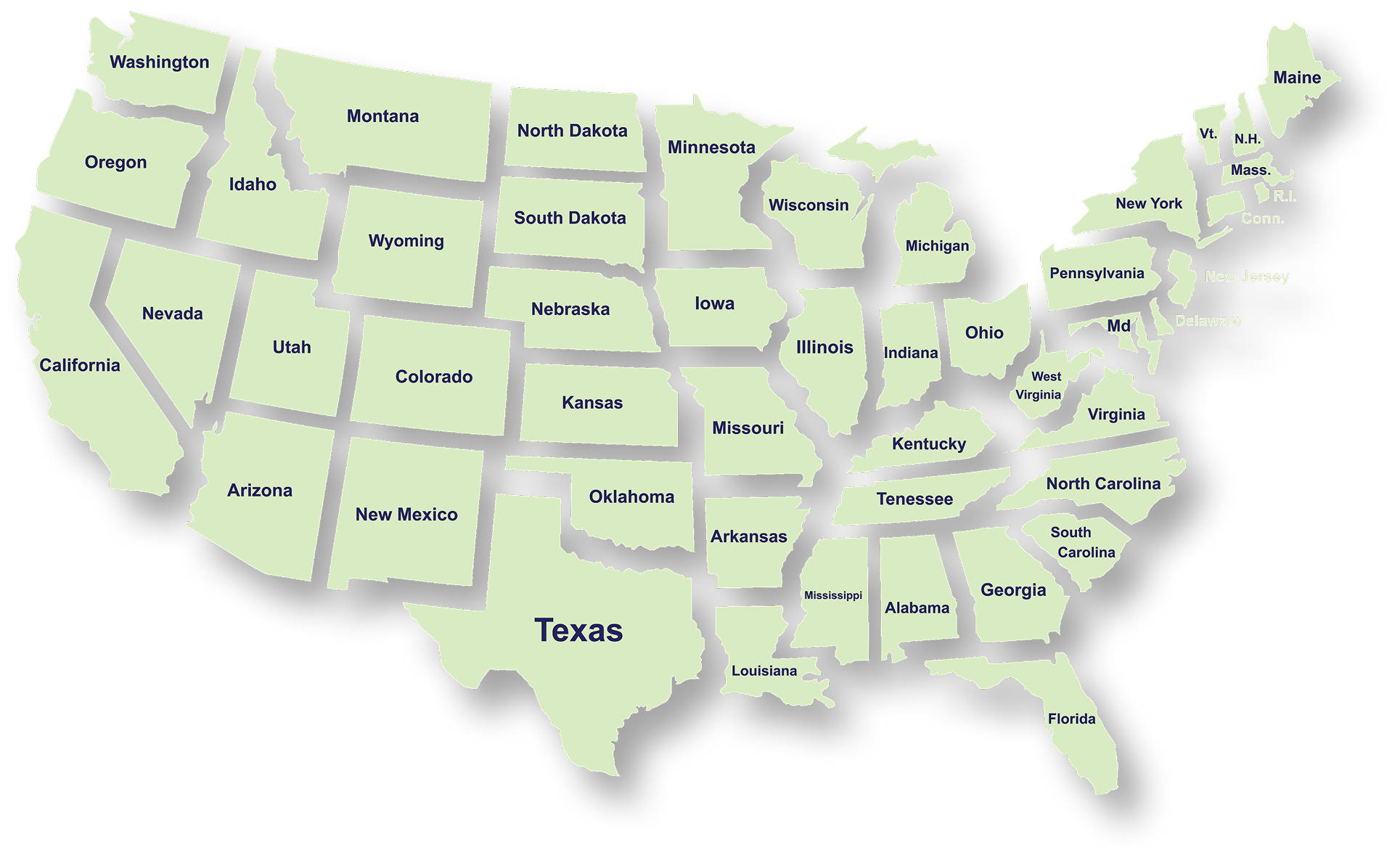
Serving Businesses & Individuals Across USA

We handle accounting, tax filing, and planning with defined timelines and accurate reporting for businesses and individuals across all states.

Frequently Asked Questions

What services does NR CPAs & Business Advisors provide?
What is tax planning and why is it important for businesses?
How can a Virtual CFO help my business?
When should a business consider IRS tax resolution services?
What financial statements does a business typically need?
How can startup advisory services help new businesses?
What is strategic business planning?
What is a Virtual Family Office and who can benefit from it?