Learning Center for Tax and Financial Insights

Stay updated with clear, actionable articles on tax rules, deadlines, deductions, and financial decisions that impact individuals and businesses.

For Business

The Small Business Owner’s Playbook For Tax Season Success

Green Energy Credits The federal Inflation Reduction Act, signed into law in August 2022, offers nearly $400 billion for clean energy tax credits. This includes credits for: Buying new or used electric or hybrid vehicles Installing energy-efficient property (like solar panels) Other green improvements Considering green improvements not only benefits the environment but can also lead to substantial tax savings. For instance, if you install solar panels for $30,000, you may be eligible for a significant tax credit, reducing your overall tax liability. Retirement Savings Plan Setting up a retirement savings plan is not just about securing your future; it’s a smart tax strategy. Contributions to retirement plans like SEP IRA, SIMPLE IRA, and 401(k) are typically tax-deductible. SEP IRA: Allows contributions up to 25% of each employee’s pay. For self-employed individuals, this can be a significant deduction. SIMPLE IRA: Suitable for small businesses with fewer than 100 employees. Employees can contribute up to $15,500 in 2023, with an additional catch-up contribution of $3,500 for those over 50. 401(k): Offers both traditional and Roth options. The contribution limit for 2023 is $22,500, with a catch-up contribution of $7,500 for those over 50. Case Study: Jane, a small business owner, set up a SEP IRA. She contributed $20,000 for herself and $10,000 for her employees, resulting in a $30,000 reduction in her taxable income. This strategic move not only secured her retirement but also slashed her tax bill. Combining Strategies For Maximum Benefit Combining these strategies can lead to even greater savings. For example, if you buy new equipment and set up a retirement plan, you can leverage both deductions in the same year. Quote: “Strategically planning your purchases and contributions can make a significant difference in your tax savings,” advises Navani, a tax expert. By understanding and utilizing these deductions and credits, you can navigate the tax landscape effectively, ensuring compliance and optimizing your savings. Next, we’ll explore how leveraging technology can further streamline tax management and enhance your efficiency. Leveraging Technology For Efficient Tax Management Technology can revolutionize how small business owners handle their taxes. By automating tasks, separating finances, and capturing expenses, you can simplify the tax process and focus on growing your business. Let’s dive into some practical tips. Automate Bookkeeping Automating your bookkeeping is a game-changer. Software like QuickBooks® can save you time, money, and reduce errors. Benefits of Automation: – Save Time: No more tedious manual entry. Automated systems import transactions from your bank accounts and credit cards directly. – Save Money: Investing in software can be more cost-effective than hiring extra staff or fixing manual mistakes. – Improve Accuracy: Automation reduces human error, ensuring your financial records are precise and up-to-date. With everything in one place, you’re better positioned to maximize your refund and avoid penalties. Separate Bank Accounts Keeping your business and personal finances separate is crucial. It helps you claim legitimate deductions and supports those claims in case of an audit. Advantages: – Streamlined Accounting: Clearer picture of your company’s cash flow and financial health. – Legal Protection: Easier to file accurate returns and added protection in lawsuits. – Better Financing Opportunities: Lenders can focus on your business finances without the complication of mixed income and expenses. Capture Expenses Many small businesses miss out on deductions because they fail to track expenses properly. Detailed receipt management can save you money. Tips to Capture Expenses: – Use Technology: Mobile apps can help you capture receipts, monitor travel mileage, and generate expense reports. – Gain Insights: Tracking expenses gives you a snapshot of your cash flow and identifies areas for cost savings. – Stay Compliant: Accurate records help you avoid penalties and provide proof of legitimate deductions. QuickBooks: Your All-In-One Solution QuickBooks® is a popular choice for small business owners. It links your bank accounts, tracks expenses, and generates reports with a few clicks. You can even integrate it with other tools like Shopify to keep your sales and inventory data up to date. Features: – Accessibility: Access your financial data from any device with an internet connection. – Real-Time Updates: Automatically syncs your transactions and updates in real-time. – Collaboration: Share access with your accountant or bookkeeper for seamless collaboration. Leveraging technology not only simplifies tax management but also provides a clear picture of your business’s financial health. Next, we’ll discuss how NR CPAs and Business Advisors can be your partner for tax season success. NR CPAs And Business Advisors: Your Partner For Tax Season Success Navigating the complexities of small business taxes can be daunting. That’s where NR CPAs and Business Advisors steps in to provide the support you need. We offer personalized guidance, financial consulting, and local accountant services to help you achieve tax season success. Personalized Guidance At NR CPAs and Business Advisors, we understand that every small business is unique. Our personalized approach ensures that you receive advice tailored to your specific needs. For instance, consider the story of Jane, a small bakery owner. Jane was struggling to keep track of her finances. After partnering with us, she received tailored advice on managing her cash flow and identifying eligible tax deductions. This personalized guidance led to a significant improvement in her financial health, allowing her to focus more on growing her business. Financial Consulting Our financial consulting services go beyond just tax preparation. We help you plan for the future and make informed financial decisions. For example, when a local coffee shop needed help with payroll and financial forecasting, NR CPAs and Business Advisors provided in-person consultations and hands-on support. This helped the business maintain a steady cash flow and plan for future growth. Local Accountant Services Having a local accountant who understands your community and market can be a game-changer. Our local accountant services ensure you receive the personalized attention you deserve. We work closely with you to understand your business’s specific needs and challenges. This local expertise allows us to provide relevant and effective solutions, keeping your business on track. By partnering with NR CPAs and Business Advisors, you gain access to a team of experts dedicated to your success. From tax preparation to financial analysis, we offer a comprehensive range of services to keep your business on track. Next, let’s explore the importance of financial discipline and strategic planning in maintaining a healthy business. Conclusion Tax season doesn’t have to be a stressful time for small business owners. By following the strategies we’ve discussed, you can set yourself up for success and potentially save a significant amount of money. Here’s a quick recap: Hire Family Members: Employing family can provide tax benefits and help shelter income from taxes. Track Business Losses: Accurately report any business losses to offset your taxable income. Leverage Travel Expenses: Keep detailed records of business travel to maximize deductions. Manage Rent and Utilities: Deduct a portion of your home office expenses if you run your business from home. Invest in a CPA: Hiring a tax professional can ensure compliance and help you maximize deductions. Charitable Contributions: Donations to qualified organizations can provide tax benefits. Use Tax Software: Tools like QuickBooks can automate your bookkeeping and make tax preparation easier. Set Up a Retirement Plan: Contributions to retirement plans like SEP IRAs or 401(k)s can be tax-deductible. Separate Business and Personal Finances: Open separate bank accounts to streamline your accounting and support your claims during audits. Capture All Business Expenses: Use technology to keep track of every expense to ensure you don’t miss out on deductions. At NR CPAs and Business Advisors, we understand that every small business is unique. Our personalized guidance and comprehensive services are designed to meet your specific needs. Whether you need help with tax preparation, financial analysis, or strategic planning, we’re here to support you every step of the way. Ready to take control of your taxes and financial health? Contact NR CPAs and Business Advisorstoday and let us be your partner for tax season success. By following these tips and leveraging the expertise of professionals, you can turn tax season from a headache into a manageable, even beneficial, part of your business operations. Here’s to your continued success and financial health!

Explore More
For Business

Blog Navigating Tax Advice Through The Small Business Administration

Rent And Utilities If you rent a space for your business, the rent payments are fully deductible. Utilities like electricity, water, and internet are also deductible. If you operate from a home office, you can deduct a portion of your home expenses. Example: If your home office takes up 10% of your home’s square footage, you can deduct 10% of your mortgage interest or rent, utilities, and insurance. Retirement Plan Contributions Contributing to retirement plans like SEP IRAs, SIMPLE IRAs, or individual 401(k)s can defer taxes on the income you contribute until retirement. These contributions can also reduce your current year’s taxable income, potentially placing you in a lower tax bracket. Fact: Small business owners have until the due date of their tax return (including extensions) to contribute funds to a retirement plan. However, some plans must be established before the end of the year to get the tax deduction. Deduct Assets To Charity Donating business assets to charity can provide a tax deduction. This includes old equipment, inventory, or even services. Make sure to get a receipt and ensure the charity is IRS-approved. Tip: Track the fair market value of the donated items to maximize your deductions. Track Every Receipt Keeping track of every receipt is crucial for maximizing deductions. Use apps or software to scan and organize receipts. This will make it easier to claim deductions and provide proof in case of an audit. Quote: “Keeping detailed records helps you claim every possible deduction and avoid issues with the IRS,” says tax advisor Navani. By leveraging these tax-saving strategies, you can significantly reduce your tax liabilities and enhance your business’s financial health. Next, let’s address some common tax questions for small business owners. Maximizing Deductions And Credits When it comes to taxes, small business owners have numerous opportunities to maximize deductions and credits. Here’s how you can make the most of them: Equipment Deductions If you purchase new or used equipment for your business and place it in service before December 31, 2023, you can take advantage of equipment deductions. Under Section 179 of the IRS tax code, you can deduct up to $1,160,000 of the cost of qualifying equipment. Bonus Depreciation: In addition to Section 179, bonus depreciation allows you to deduct a significant portion of the cost of the equipment. For 2023, the bonus depreciation rate is 80%, but it will drop to 60% in 2024. So, if you’re considering an equipment purchase, doing it this year could save you more. Pro Tip: If you’ve had a financially challenging year and expect better results next year, consider delaying your purchase to maximize future deductions when your tax bill might be higher. Green Energy Tax Credits Investing in green energy can be both eco-friendly and financially beneficial. The federal Inflation Reduction Act includes nearly $400 billion for clean energy tax credits. These incentives can offer thousands of dollars in tax credits for: Electric or hybrid vehicles Installing solar panels Other energy-efficient improvements Restrictions Apply: Always check with your tax advisor to understand which credits might be available for your specific situation. Retirement Savings Plan Setting up a retirement savings plan is another excellent way to reduce your taxable income. Small business owners have several options, such as SIMPLE IRA, SEP IRA, and 401(k) plans. Contributions to these plans are tax-deductible, and you might also qualify for a tax credit to help cover the startup costs. Contribution Limits: For example, you can contribute up to $69,000 to a self-employed 401(k) for 2024, not including catch-up contributions. Pro Tip: Make sure to set up your plan before the end of the year to take advantage of the tax deductions. Health Care Savings Health care costs can be a significant burden, but there are ways to ease this through tax deductions: Health Insurance Premiums: If you’re self-employed, you can deduct premiums for yourself, your spouse, and your dependents. Health Savings Accounts (HSAs): Contributions to HSAs are tax-deductible, and the funds grow tax-free. Example: Jane, a self-employed graphic designer, paid $5,000 in health insurance premiums last year. She can deduct the entire amount, reducing her taxable income. By understanding and utilizing these deductions and credits, you can significantly lower your tax liabilities while supporting your business’s growth. Next, let’s address some common tax questions for small business owners. Frequently Asked Questions About Small Business Taxes How Much Income Can A Small Business Make Without Paying Taxes? All businesses, except for partnerships, must file an annual income tax return even if they show no profit. For sole proprietors, if your net income is $400 or more, you must file a return. This threshold is quite low, so most small businesses will need to file taxes annually. How To Pay The Least Amount Of Taxes As A Small Business Owner? Here are some strategies to minimize your tax burden: Hire Family Members: Hiring family members can provide tax benefits. For example, paying your children under 18 is not subject to FICA taxes. Retirement Plan Contributions: Contributions to retirement plans like SIMPLE IRA, SEP IRA, or 401(k) are tax-deductible. Track Every Expense: Keep meticulous records of all business expenses, including travel, rent, and utilities. Proper documentation ensures you can claim all eligible deductions. Equipment and Green Energy Deductions: Take advantage of deductions for new or used equipment and green energy tax credits. For instance, you can expense up to $1,160,000 for equipment placed in service before December 31, 2023. How Much Should A Small Business Put Away For Taxes? A good rule of thumb is to set aside about 30% of your earnings for taxes. This covers federal income tax, self-employment tax, and any applicable state taxes. For those who need to make estimated tax payments, these are due quarterly. Keeping up with these payments can help you avoid penalties and interest. By leveraging these strategies and staying informed, you can effectively manage your tax obligations and keep more of your hard-earned money. Conclusion Navigating the complexities of small business taxes can feel overwhelming, but you don’t have to do it alone. At NR CPAs and Business Advisors, we specialize in providing personalized tax advice tailored to the unique needs of your small business. Our team of experts is well-versed in the latest tax laws and strategies. We focus on long-term planning to help you make informed decisions that align with your business goals. Whether you need help with maximizing deductions, understanding your state and federal tax obligations, or planning for the future, we’re here to support you. Choosing the Right Tax Preparer Selecting the right tax preparer is crucial. Here are a few tips to keep in mind: Credentials: Look for professionals with relevant qualifications such as CPAs or certified tax coaches. Experience: Choose someone who has experience dealing with tax situations similar to yours. Reputation: Check reviews and ask for references to gauge the reliability and effectiveness of the tax preparer. Utilizing Online Tools and Resources Several online tools can also assist in managing your taxes. The IRS’s Electronic Federal Tax Payment System (EFTPS) is great for handling estimated tax payments securely. Additionally, tools like the IRS Choose a Business Structure can guide you in selecting the most beneficial form for your business. By leveraging professional tax advice and utilizing available resources, you can navigate the tax landscape more confidently and effectively. This strategic approach not only ensures compliance but also positions your business for financial health and growth. Let Us Help You Effective tax management is about more than just preparing for tax season; it’s about making strategic decisions that benefit your business year-round. With NR CPAs and Business Advisors by your side, you can confidently tackle your tax responsibilities and seize opportunities for growth and savings. Discover how NR CPAs and Business Advisors can support your business’s tax and compliance needs. Let’s work together to maximize your savings and propel your business forward.

Explore More
For Business

The Ultimate Guide To Finding Reliable Accounting Services

By focusing on these factors, you can find an accounting service provider that meets your specific needs, offers tailored solutions, and helps your business thrive.Next, we’ll explore the benefits of outsourcing accounting services.Benefits Of Outsourcing Accounting ServicesOutsourcing accounting services can provide a range of benefits that are crucial for the growth and efficiency of your business. Let’s delve into some of the key advantages:Time-SavingOne of the most significant benefits of outsourcing accounting services is the time you’ll save. Managing books and preparing taxes are time-consuming tasks. By outsourcing these responsibilities to experts, you can focus on what you do best: running your business. As noted by NR Tax & Consulting, freeing up time allows you to concentrate on developing new products, improving customer relationships, and increasing revenue.Cost-EffectiveHiring an in-house accountant or bookkeeper can be expensive, especially for small businesses. Outsourcing your accounting tasks lets you access professional expertise without the overhead costs associated with hiring an employee. This includes savings on salary, benefits, training, and equipment expenses. According to NR Tax & Consulting, this can lead to significant cost savings and operational efficiency.ExpertiseOutsourcing to a professional firm ensures that your financial records are accurate and compliant with all relevant regulations. NR Tax & Consulting highlights that their team’s expertise in accounting and tax laws minimizes the risk of penalties or audits. Their accountants have years of experience working with various clients, making them well-versed in the complexities and ever-changing nature of tax laws.ComplianceStaying compliant with local, state, and federal tax laws is critical for any business. A reputable accounting service provider will have in-depth knowledge of these regulations and stay updated with legislative changes. This ensures that your business avoids penalties and legal complications. For example, NR Tax & Consulting emphasizes their focus on regulatory adherence to help businesses stay compliant.Focus On Core BusinessOutsourcing accounting tasks allows you and your team to focus on more critical aspects of your business. Instead of worrying about managing books and preparing taxes, you can concentrate on strategic activities that drive growth. This shift in focus can lead to better decision-making and improved business performance.By outsourcing your accounting services, you can save time, reduce costs, leverage expert knowledge, ensure compliance, and focus on your core business activities. Next, let’s look at the top five accounting services for small businesses.Top 5 Accounting Services For Small BusinessesWhen it comes to managing your small business’s finances, having the right accounting service can make all the difference. Here are the top accounting services that offer a range of solutions tailored to meet the needs of small businesses:NR CPAs And Business AdvisorsNR CPAs and Business Advisors is known for its personalized approach. They offer a dedicated team that understands your business needs. This service is perfect for businesses looking for comprehensive accounting solutions. The plan includes bookkeeping, tax preparation, and advisory services.Pros:– Personalized service– Comprehensive accounting solutions– Expert advice and supportCons:– Pricing may vary based on services requiredBy choosing a service that fits your business size, complexity, and budget, you can ensure your financial operations are handled efficiently and effectively.Frequently Asked Questions About Accounting ServicesWhat Is An Accounting Service?Accounting services are professional services that help manage and oversee a business’s financial health. These services include:Tax preparation: Ensuring compliance with tax laws and maximizing deductions.Financial records: Maintaining accurate records of all financial transactions.Recordkeeping systems: Implementing systems to track and organize financial data.Accounting services are essential for businesses to stay organized, comply with regulations, and make informed financial decisions.Are Accounting Services Profitable?Yes, accounting services can be highly profitable. Here’s why:High-profit margin: Many accounting firms achieve significant profit margins due to the expertise required and the value provided.Flexibility: Accountants can offer a range of services, from basic bookkeeping to complex financial analysis, catering to various client needs.Client choice: Businesses often choose accounting services based on trust and proven results, leading to long-term relationships and recurring revenue.Is Accounting Services An Expense?Yes, accounting services are considered an expense for businesses. They fall under several categories:Operating expenses: Costs necessary for the day-to-day functioning of the business.Administrative expenses: Overheads related to business administration, such as office supplies and salaries.Professional fees: Payments made to accounting firms or individual accountants for their expertise and services.While an expense, investing in accounting services can save businesses money in the long run by ensuring compliance, avoiding penalties, and providing valuable financial insights.ConclusionIn summary, accounting services are essential for any business aiming for financial health and growth. They help with everything from tax preparation to financial record keeping, ensuring your business runs smoothly and stays compliant with regulations.At NR CPAs and Business Advisors, we pride ourselves on offering personalized financial guidance tailored to your unique needs. We understand that every small business is different, and our goal is to help you reach your financial goals. Whether you need help with maximizing deductions, streamlining accounting processes, or planning for the future, our team is here to support you.Our local focus means we know your community and market inside out. This allows us to provide you with insights and services that are not just generic but specifically suited to your business environment.Partnering with NR CPAs and Business Advisors gives you access to a team of experts dedicated to your success. From tax preparation to financial analysis, we offer a comprehensive range of services to keep your business on track.Ready to take the next step? Contact us today to see how we can help you achieve financial success.

Explore More
For Business

How To Reduce Tax Liability With These 5 Easy Business Tax Planning Tips

However, if you use accrual-based accounting, deferring income is a bit trickier. Accrual accounting records transactions when they occur, not when cash changes hands. To defer income, you might need to adjust when you deliver services or products. For instance, if you plan to provide a service in December, consider scheduling it for January instead. Key Tip: If you expect to be in a lower tax bracket next year, deferring income can reduce your tax liability. Just be sure to keep good records and consult with a tax advisor to ensure compliance. Accelerating Income On the other hand, accelerating income can be beneficial if you think you’ll be in a higher tax bracket next year or if you want to take advantage of current tax benefits. Recognizing income early can help you lock in a lower tax rate now. For cash-based businesses, you can accelerate income by invoicing clients early or collecting payments before the end of the year. For example, if you do some work in December, send the invoice right away and encourage prompt payment. For accrual-based businesses, you might need to adjust the timing of your services or product deliveries. If you typically provide a service in January, consider moving it up to December to recognize the income this year. Key Tip: Accelerating income is particularly useful if you anticipate tax rate increases or if you want to take advantage of current deductions and credits. Consulting with a tax professional can help you make the right decision. Real-World Example: Imagine you own a small consulting firm and expect to be in a higher tax bracket next year due to a big new contract. You can accelerate income by invoicing clients for December services immediately and ensuring payments are received before year-end. This way, you’ll pay taxes at your current, lower rate. Remember: Timing your income can significantly impact your tax liability. Whether you choose to defer or accelerate income, these strategies can help you manage your tax burden more effectively. Next, we will explore how setting up or contributing to a retirement plan can offer additional tax savings. Set Up Or Contribute To A Retirement Plan Types Of Retirement Plans Setting up or contributing to a retirement plan is a powerful way to reduce your tax liability while planning for the future. There are several retirement plans to consider, each with unique benefits and contribution limits. 401(k) Plans A 401(k) plan allows you to save for retirement with pre-tax dollars, which can significantly lower your taxable income. For small business owners, a Solo 401(k) is particularly appealing. In 2023, you can contribute up to $66,000, or $73,500 if you’re 50 or older. This includes both the employee and employer contributions. If you have employees, you can set up a traditional 401(k) plan, which can be a valuable recruitment and retention tool. SEP IRA A Simplified Employee Pension (SEP) IRA is another excellent option for small business owners. You can contribute up to 25% of your net earnings from self-employment, with a maximum contribution of $66,000 in 2023. SEP IRAs are easy to set up and have flexible contribution rules, making them a great choice for businesses with fluctuating income. SIMPLE IRA A Savings Incentive Match Plan for Employees (SIMPLE) IRA is designed for small businesses with 100 or fewer employees. In 2023, employees can contribute up to $15,500, with an additional $3,500 catch-up contribution if they’re 50 or older. Employers must either match employee contributions up to 3% of their salary or make a 2% non-elective contribution for all eligible employees. Profit-Sharing Plans Profit-sharing plans give small business owners a way to share the company’s success with their employees. Contributions are discretionary, so you can decide each year whether and how much to contribute based on the business’s performance. This flexibility makes it an excellent option for businesses with variable income. Retirement Plans Startup Costs Tax Credit Starting a retirement plan can be costly, but there’s good news: the IRS offers a tax credit to help offset these expenses. The Retirement Plans Startup Costs Tax Credit allows eligible small businesses to claim a credit of 50% of the startup costs, up to a maximum of $5,000. To qualify, your business must have had 100 or fewer employees who received at least $5,000 in compensation in the preceding year. Additionally, you must have at least one plan participant who is not highly compensated. This credit can be claimed for each of the first three years of the plan, making it a significant incentive to start a retirement plan for your business. By setting up or contributing to a retirement plan, you can enjoy substantial tax savings, reduce your personal taxable income, and lower your payroll taxes and corporate tax bill. It’s a strategic move that benefits both you and your employees, fostering a secure financial future while optimizing your tax situation. Next, we will answer some frequently asked questions about business tax planning to help you navigate this complex but rewarding process. Frequently Asked Questions About Business Tax Planning What Are The 4 Basic Types Of Business Taxes? When it comes to business tax planning, understanding the four basic types of business taxes is crucial: Income Tax: All businesses, except partnerships, must file an annual income tax return. Corporations file using Form 1120, while S Corporations use Form 1120-S. Partnerships file an informational return on Form 1065, but individual partners must report their share of income on their personal tax returns. Self-Employment Tax: This tax covers Social Security and Medicare for individuals who work for themselves. If your net earnings exceed $400, you need to file Schedule SE (Form 1040) to calculate your contributions. Estimated Tax: If your business does not withhold taxes on its income, you’ll likely need to make quarterly estimated tax payments. This applies to many self-employed individuals, corporations, and partners in partnerships. Use Form 1040-ES for individuals or Form 1020-W for corporations to stay on top of these payments. Employment Taxes: If you have employees, your business must handle employment taxes, which include withholding federal income tax, Social Security and Medicare taxes (split between employer and employee), and federal unemployment (FUTA) tax. These are primarily reported quarterly using Forms 941 or 940 for FUTA. How Do Business Owners Pay Less Taxes? Business owners can employ several strategies to reduce their tax burden: Hire Family Members: By employing your spouse, children, or parents, you can shift income to them, potentially taking advantage of lower tax brackets. Payments to children under 18 for legitimate work are exempt from Social Security and Medicare taxes. Account for Business Losses: Business losses can offset other income on your tax returns. This is especially useful in the early stages of a business or during tough economic times. Track Travel Expenses: Expenses related to business travel, including transportation, lodging, and meals, can be deductible. Keep detailed records, including receipts and documentation of the business purpose. Consider All Expenses: Deductible business expenses include rent, utilities, office supplies, professional services fees, advertising costs, and insurance premiums. Thoroughly document these expenses to ensure they are directly related to your business. Hire a Reputable CPA: A certified public accountant can help you navigate complex tax laws, identify potential deductions, and ensure compliance with tax regulations. Deduct Assets to Charity: Donating business assets to charity can provide tax deductions. Ensure the charity is qualified and keep records of the donation. Track Receipts with Software: Using software to track receipts can simplify record-keeping and ensure you don’t miss any potential deductions. Utilize Retirement Plan Contributions: Contributing to retirement plans like SEP IRAs, SIMPLE IRAs, or individual 401(k)s can defer taxes on the income you contribute until retirement. How Can An LLC Reduce Taxable Income? LLCs have several ways to reduce taxable income: Retirement Account Contributions: Establishing and contributing to retirement accounts like SEP IRAs or solo 401(k)s can lower taxable income. Health Insurance Premiums: Self-employed individuals can deduct health insurance premiums for themselves, their spouse, and dependents. Qualified Business Income (QBI) Deduction: LLCs can benefit from the QBI deduction, which allows pass-through entities to deduct up to 20% of their qualified business income. This deduction is subject to income thresholds and specific service trade or business (SSTB) limitations. By leveraging these strategies, business owners can effectively manage their tax liabilities and optimize their financial resources. Conclusion Effective business tax planning is not just about paying less in taxes; it’s about strategically managing your finances to support your business’s growth and stability. From selecting the right business structure to maximizing deductions and leveraging tax credits, each step plays a crucial role in reducing your tax burden. At NR CPAs and Business Advisors, we understand that navigating the complexities of tax laws can be overwhelming. That’s why we offer personalized financial guidance tailored to your unique business needs. Our team of trusted CPA Tax Advisors has over 30 years of experience helping businesses like yours optimize their tax strategies. Consider the story of Jane, a small bakery owner. With our help, Jane was able to streamline her finances and identify eligible tax deductions, leading to significant improvements in her financial health. This allowed her to focus more on growing her business rather than worrying about tax liabilities. By working with us, you gain access to a wealth of knowledge and expertise. We stay updated on the latest tax laws and regulations to ensure you remain compliant and take full advantage of available tax benefits. Effective tax planning is a year-long process, not just a tax season event. Proactively managing your income, expenses, deductions, and credits can significantly enhance your business’s financial standing. Thank you for trusting NR CPAs and Business Advisors with your small business tax needs. Here’s to your continued success and financial health! If you’re ready to take your business tax planning to the next level, consider making an appointment with one of our experienced CPAs today. For more information on our services, visit our website. By integrating these strategies, you can enhance your business’s financial practices and focus on what you do best—running your business.

Explore More
For Business

Navigating The Corporate Transparency Act: Final Regulations Explained

Security And Confidentiality Protocols Each authorized recipient must follow strict security and confidentiality protocols to protect BOI. Here are the key measures: Confidentiality Requirements: Authorized recipients must keep BOI confidential and use it only for authorized purposes. Unauthorized disclosure or use of BOI is strictly prohibited. Security Measures: Financial institutions must implement administrative, technical, and physical safeguards to protect BOI. They can use the same procedures they use to protect customers’ nonpublic personal information. Penalties for Violations: Violating the CTA’s confidentiality and security requirements can lead to severe penalties. Civil penalties include fines of $500 per day for each violation. Criminal penalties can be as high as $250,000 in fines and up to 5 years in prison. Enhanced penalties apply for violations involving other crimes or patterns of illegal activity. Implementation Of BOI Access To handle and secure BOI, the Treasury Department is developing the Beneficial Ownership Secure System (BOSS). This system will: Ensure High Security: BOSS will comply with the Federal Information Security Management Act’s highest security level. Facilitate Reporting: While electronic submission is preferred, FinCEN is considering alternative submission methods for certain cases. FinCEN’s commitment to security is reflected in its detailed planning and the phased implementation of BOI access, ensuring that all steps are taken to protect this sensitive information. Next, we’ll look at Compliance and Penalties, covering the requirements businesses must meet and the consequences of non-compliance. Compliance And Penalties Compliance Requirements To comply with the Corporate Transparency Act (CTA) final regulations, businesses must follow several key steps: Initial Reports: Newly created entities must file their initial reports within 30 days of formation. However, for entities formed between January 1, 2024, and January 1, 2025, this deadline is extended to 90 days. Existing entities have until January 1, 2025, to file their initial reports. Updated Reports: If there are any changes in beneficial ownership or company information, entities must update their reports within 30 days of the change. Correcting Inaccuracies: If an entity discovers inaccuracies in its report, it must correct them within 90 days to benefit from the safe harbor provision. This provision protects entities from penalties if they correct inaccuracies promptly. These steps ensure that the information in the Beneficial Ownership Secure System (BOSS) is accurate and up-to-date, helping to prevent illicit activities and promote transparency. Penalties For Non-Compliance Failing to comply with the CTA can result in severe penalties, both civil and criminal. Here’s what businesses need to know: Civil Penalties: Non-compliance can lead to hefty fines. These fines can reach up to $500 per day that a report is not filed or is inaccurate, with a maximum of $10,000. Criminal Penalties: Intentional non-compliance or providing false information can result in criminal charges. Penalties include fines up to $10,000 and imprisonment for up to two years. Enhanced Penalties: Repeat offenders or those who willfully evade the requirements may face enhanced penalties. This includes higher fines and longer imprisonment terms, reflecting the seriousness of the offense. Enforcement: FinCEN, along with other regulatory authorities, will actively enforce these regulations. They may use various data sources to identify non-compliance and take action against violators. Summary Understanding and adhering to the compliance requirements of the CTA is crucial. Non-compliance can lead to significant financial and legal consequences, disrupting business operations and damaging reputations. By following the steps for initial and updated reports and correcting inaccuracies promptly, businesses can avoid these penalties and contribute to a transparent and fair business environment. Next, let’s address some Frequently Asked Questions about the Corporate Transparency Act final regulations to help clarify common concerns and ensure a comprehensive understanding of the requirements. Frequently Asked Questions About The Corporate Transparency Act Final Regulations What Is The Final Rule Of The CTA? The final rule of the Corporate Transparency Act (CTA) sets the guidelines for how beneficial ownership information (BOI) must be reported, accessed, and protected. The rule ensures that BOI is disclosed only to authorized recipients and outlines strict confidentiality and security protocols to prevent unauthorized use. Authorized recipients include: – Federal agencies engaged in national security, intelligence, or law enforcement activities. – State, local, and Tribal law enforcement agencies with court authorization. – Foreign law enforcement agencies, judges, prosecutors, and other authorities that meet specific criteria. – Financial institutions with customer due diligence requirements. – U.S. Department of the Treasury officers and employees. The use of BOI is strictly regulated. Authorized recipients can only use the information for purposes aligned with national security, law enforcement, or regulatory compliance. Re-disclosure of BOI is restricted to ensure privacy and security. What Are The Requirements For The Corporate Transparency Act 2024? Starting January 1, 2024, the CTA mandates certain entities, known as reporting companies, to submit BOI to FinCEN. Reporting companies include both domestic and foreign entities registered to do business in the U.S. They must report details about their beneficial owners, including: – Full legal name. – Date of birth. – Address. – A unique identifying number from an acceptable identification document (e.g., passport or driver’s license). The U.S. Department of the Treasury oversees the implementation and enforcement of these requirements. The aim is to combat illicit activities such as money laundering and terrorist financing by increasing transparency in business ownership. What Is The Final Rule Of FinCEN? The final rule of FinCEN implements the CTA’s BOI reporting requirements. It details the scope of the rule, specifying which entities must report and what information they need to provide. Key changes introduced by FinCEN include: – Financial institutions now have limited access to the BOI database for customer due diligence purposes. However, they cannot run open-ended queries or use the information for broader Bank Secrecy Act compliance. – Reporting companies must file initial BOI reports at the time of creation or registration. Existing companies have a set period to comply. – Penalties for non-compliance include both civil and criminal consequences, emphasizing the importance of accurate and timely reporting. These regulations are designed to create a centralized database that supports law enforcement and regulatory efforts while maintaining strict security and confidentiality standards. For more details, you can visit the FinCEN website. Conclusion In summary, the Corporate Transparency Act final regulations aim to enhance transparency in the U.S. financial system. By requiring companies to disclose beneficial ownership information (BOI), the CTA seeks to combat money laundering, terrorism financing, and other illicit activities. The final regulations set clear guidelines for reporting, including deadlines, required information, and exemptions. Compliance with the CTA is crucial. Non-compliance can lead to severe penalties, including hefty fines and imprisonment. Businesses must ensure they file accurate and timely reports to avoid these consequences. Regular updates and corrections to BOI reports are also essential to maintain compliance. At NR CPAs and Business Advisors, we understand the complexities of the CTA and are here to help your business navigate these new regulations. Our team of experts can assist you in gathering the necessary information, maintaining robust record-keeping practices, and ensuring your company meets all compliance requirements. We offer comprehensive tax and compliance services tailored to your needs. Visit our Tax and Compliance Services page to learn more about how we can support your business in adhering to the Corporate Transparency Act. Staying compliant not only helps avoid penalties but also promotes a culture of transparency and trust within your organization. By taking proactive steps, you can protect your business and contribute to a safer and more transparent financial system. For more detailed information and updates on the Corporate Transparency Act, reach out to us or visit the FinCEN website.

Explore More
For Business

The Ultimate Guide To Beneficial Ownership Information Reporting Under The Corporate Transparency Act

Existing Companies: If your company was created or registered before January 1, 2024, you must file by January 1, 2025. New Companies: Companies created or registered on or after January 1, 2024, have 90 days from the date of creation or registration to file. Updates or Corrections: If there are changes to your beneficial ownership information, you must update your report within 30 days of the change. Filing Process All reports must be submitted electronically through the Beneficial Ownership Secure System (BOSS). Here’s how: Access BOSS: Visit the FinCEN website and navigate to the BOSS portal. Complete the Form: You can either fill out an online form or upload a completed PDF form. If you choose the PDF method, ensure you have Adobe Acrobat to fill it out. Submit Required Information: Enter all the required details for beneficial owners and your company. Upload Document Images: Attach clear images of the identification documents. Review and Submit: Double-check all information for accuracy before submission. Filing is free of charge, and FinCEN has made efforts to ensure the process is secure and straightforward. However, if you encounter any issues, you can refer to the Small Entity Compliance Guide for additional support. In the next section, we’ll discuss the penalties for non-compliance and the importance of staying up-to-date with your reporting requirements. Compliance And Penalties Ensuring compliance with the Corporate Transparency Act (CTA) is crucial. Failure to do so can result in severe penalties that could impact your business significantly. Civil Penalties Non-compliance with beneficial ownership information reporting can lead to hefty fines. The exact amount varies, but fines can reach up to millions of dollars. These fines are designed to encourage businesses to take their reporting obligations seriously. Example: A company that fails to report its beneficial owners may face fines up to $500 per day until the required information is submitted. Criminal Penalties In addition to civil penalties, businesses and individuals may face criminal charges if they intentionally fail to comply with the CTA. This could include: Fines: Monetary penalties for intentional non-compliance. Imprisonment: In severe cases, individuals involved may face prison time. Example: If a business knowingly submits false information, responsible individuals could face fines and imprisonment for up to two years. Enforcement The Financial Crimes Enforcement Network (FinCEN) is responsible for enforcing the CTA. They have the authority to: Conduct audits and investigations. Refer cases to other regulatory authorities for further action. Fact: Non-compliant businesses may be subject to increased scrutiny, which can disrupt normal operations and damage their reputation. Compliance Guide To help businesses navigate the reporting process, FinCEN offers a Small Entity Compliance Guide. This guide provides: Step-by-step instructions: Simplified directions for filing beneficial ownership information. Resources: Informational videos, webinars, and FAQs to assist with compliance. Support: Access to a contact center for any questions or issues. Quote: “FinCEN is committed to providing America’s small businesses with the resources and information they need to make filing as quick and easy as possible.” – FinCEN Staying Compliant Regularly review your company’s ownership structure and stay informed about any changes in CTA regulations. Implement robust internal controls and keep accurate records to avoid penalties. In the next section, we’ll answer some frequently asked questions about beneficial ownership information reporting. Frequently Asked Questions About Beneficial Ownership Information Reporting What Is The Deadline For Existing Companies To File? Existing companies created or registered to do business in the United States before January 1, 2024, must file their initial beneficial ownership information reports by January 1, 2025. This gives these companies a full year to comply with the new requirements. What Information Is Required For Beneficial Owners? For each beneficial owner, companies must provide the following information: Name Date of birth Address Identifying number and issuer from a non-expired U.S. driver’s license, U.S. passport, or other identification document issued by a state, local government, or Indian tribe. If none of these documents exist, a non-expired foreign passport can be used. An image of the identification document is also required. Are There Any Exemptions To The Reporting Requirements? Yes, there are several exemptions to the reporting requirements under the Corporate Transparency Act. Some of the exempt entities include: Large operating companies with over 20 full-time employees in the U.S. and over $5 million in gross sales or receipts from U.S.-based sources. Inactive entities that were established on or before January 1, 2020, but are not in active business. Non-profits, except those with their non-profit status pending with the IRS. Members of the National Small Business Association (NSBA) as of March 1, 2024, following a federal court ruling. For a full list of exemptions and to determine if your company qualifies, it’s best to consult with a legal professional or refer to the FinCEN resources. In the next section, we’ll summarize the importance of compliance and provide resources for further assistance. Conclusion Navigating the requirements of the Corporate Transparency Act (CTA) and beneficial ownership information reporting can seem daunting, but compliance is crucial. By filing accurate reports, businesses contribute to the fight against illicit financial activities such as tax fraud and money laundering. Summary The CTA mandates that many companies report detailed information about their beneficial owners. This helps create transparency and prevents the misuse of shell companies for illegal purposes. Companies must submit their beneficial ownership information to FinCEN, ensuring that the data is both accurate and up-to-date. Importance Of Compliance Compliance isn’t just about following the law; it’s about protecting your business and contributing to a transparent financial system. Failure to comply can result in significant civil and criminal penalties. It’s essential to stay informed and ensure that your business meets all reporting requirements. NR CPAs And Business Advisors At NR CPAs and Business Advisors, we understand that tax and compliance can be overwhelming. Our team of experts is here to help you navigate the complexities of the CTA and beneficial ownership information reporting. We offer comprehensive services to ensure your business remains compliant while you focus on what you do best. Resources And Contact Information For more information on how we can assist you with your reporting needs, visit our Tax and Compliance Services page. Stay informed and compliant with NR CPAs and Business Advisors. Contact us today to ensure your business meets all CTA requirements and avoid any potential penalties. By following these guidelines and leveraging our expertise, you can turn compliance from a challenge into a manageable part of your business operations. Here’s to your continued success and financial health! For further assistance, reach out to us through our website or call us directly. We’re here to help you every step of the way.

Explore More
No results found.
Thank you! Your submission has been received!
Oops! Something went wrong while submitting the form.

Want tax & accounting tips & insights?Sign up for our newsletter.

Thank you! Your submission has been received!
Oops! Something went wrong while submitting the form.

Why Work With Us?

We combine deep tax expertise, financial strategy, and practical business insight to help you manage complexity, stay compliant, and make confident financial decisions.
A dollar sign, representing financial advice or discussion at NR CPAs & Business Advisors.

Experienced CPA and Enrolled Agent Leadership

Guidance led by licensed professionals with deep expertise in tax strategy, compliance, and complex financial matters.
White bar chart with an upward arrow on green circular background representing growth or progress at NR CPAs &. Business Advisors

Support for Growing Businesses and Startups

We understand the financial challenges of growth stage businesses and provide structured guidance to support expansion.
A white hand holding a dollar symbol and ascending bar chart on a green circular background representing financial growth or investment at NR CPAs & Business Advisors..

Strategic Financial Advisory

Our team helps you evaluate financial decisions with greater clarity, supported by practical insights and long term planning.

Fractional CFO Support

Access experienced financial leadership without the commitment and cost of hiring a full time Chief Financial Officer.

Proactive Tax Planning Approach

We focus on identifying tax opportunities throughout the year rather than reacting only during filing season.

Clear and Reliable Financial Reporting

Accurate financial statements and reporting that help you better understand performance and make informed decisions.
White IRS building icon with pillars and a dollar sign above on a green circular background.

Professional IRS Representation

Experienced support in resolving IRS notices, disputes, and compliance matters while protecting your financial interests.

Personalized Client Focus

Every client receives thoughtful attention and tailored financial solutions based on their specific needs and business goals.
Financial matters often involve important decisions. Working with experienced advisors can help you approach them with greater clarity and confidence in your choices.

Need Help With Your Tax or Financial Decisions?

Discuss your situation with our advisors to get clear guidance on tax planning, IRS matters, and the financial decisions ahead.
Business consulting at NR CPAs & Business Advisors.

Request Your Consultation

Fill out the form to discuss your tax concerns, financial questions, or advisory needs with our team. We will review your details and respond shortly.

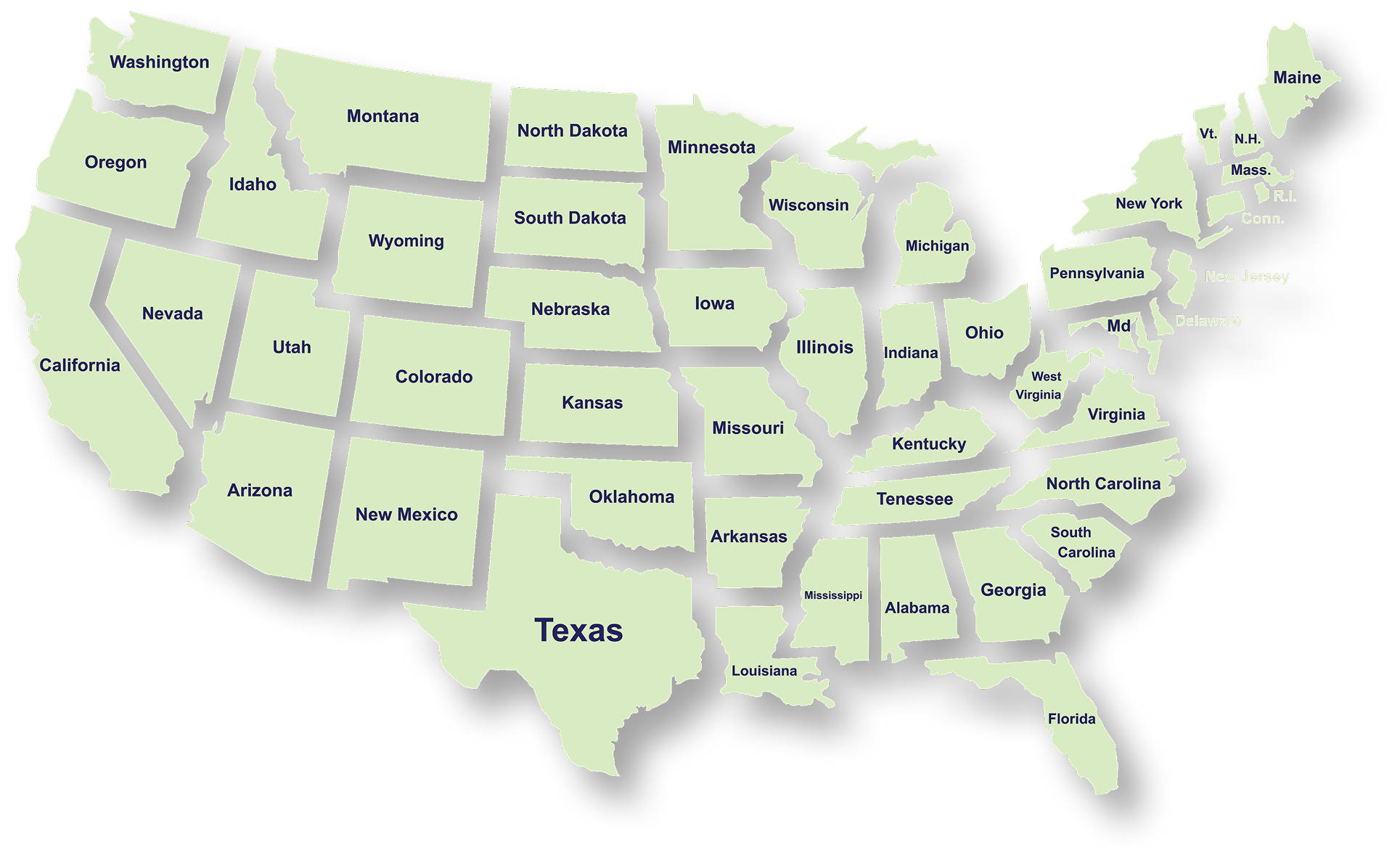
Serving Businesses & Individuals Across USA

We handle accounting, tax filing, and planning with defined timelines and accurate reporting for businesses and individuals across all states.

Frequently Asked Questions

What services does NR CPAs & Business Advisors provide?
What is tax planning and why is it important for businesses?
How can a Virtual CFO help my business?
When should a business consider IRS tax resolution services?
What financial statements does a business typically need?
How can startup advisory services help new businesses?
What is strategic business planning?
What is a Virtual Family Office and who can benefit from it?