Learning Center for Tax and Financial Insights

Stay updated with clear, actionable articles on tax rules, deadlines, deductions, and financial decisions that impact individuals and businesses.

For Business

Mastering Your Finances: Essential Accounting Tips For Small Businesses

Budget Effectively: Knowing your income and expenses helps you create a realistic budget. Plan for Taxes: Tax planners can help you optimize your tax situation before you file. Prepare for Growth: Detailed financial planning helps you set and achieve growth targets. Compliance Issues Compliance is a big deal. Mistakes can lead to fines or even legal trouble. Here’s what to consider: Tax Compliance: Make sure you’re meeting all your tax obligations. This includes sales tax, payroll tax, and income tax. Record Keeping: Keep accurate records to back up your tax filings and financial statements. Audit Preparedness: In case of an audit, having a CPA can be invaluable. They can represent you and ensure everything is in order. In summary, whether you choose DIY accounting or hire a professional, it’s crucial to stay on top of your finances. Each option has its own set of benefits and drawbacks. Consider your business needs, budget, and comfort level with financial tasks to make the best choice for your small business. Next, we’ll explore how leveraging technology can make small business accounting even more efficient. Leveraging Technology For Efficient Small Business Accounting Leveraging technology can revolutionize how you manage your small business accounting. With cloud-based accounting, automation, and secure platforms, you can streamline your financial processes and focus on growing your business. Cloud-Based Accounting Cloud-based accounting software is a game-changer for small businesses. Unlike traditional software, cloud-based solutions store your data online, making it accessible anytime, anywhere. This flexibility is crucial for small business owners who need to manage their finances on the go. Benefits of Cloud-Based Accounting: Accessibility: Access your financial data from any device with an internet connection. Real-Time Updates: Automatically sync your transactions and updates in real-time. Collaboration: Share access with your accountant or bookkeeper for seamless collaboration. For example, QuickBooks Online allows you to link your bank accounts, track expenses, and generate reports with just a few clicks. You can even integrate it with other tools like Shopify to keep your sales and inventory data up to date. Automation Automation tools can save you countless hours by handling repetitive accounting tasks. This not only reduces the chance of human error but also frees up your time to focus on more strategic activities. Key Areas to Automate: Invoicing: Automatically generate and send invoices to clients. Expense Tracking: Use apps to scan and categorize receipts. Bank Reconciliation: Automatically match transactions with your bank statements. For instance, Wave offers free accounting and receipt scanning services that can automate your expense tracking and bank reconciliation processes. Secure Platforms When dealing with financial data, security is paramount. Cloud-based accounting platforms often come with advanced security measures to protect your information. Security Features to Look For: Encryption: Ensure your data is encrypted during transmission and storage. Two-Factor Authentication (2FA): Adds an extra layer of security by requiring two forms of identification. Regular Backups: Automatic backups to prevent data loss. Using secure platforms like FreshBooks can give you peace of mind knowing your financial data is protected. FreshBooks also offers customizable invoices and detailed self-service support to make managing your finances easier. By embracing technology, you can make your small business accounting more efficient and less time-consuming. This not only helps you stay organized but also provides valuable insights into your financial health. Next, we’ll discuss common small business accounting mistakes to avoid. Common Small Business Accounting Mistakes To Avoid Even with the best intentions, small business owners often make accounting mistakes that can lead to significant issues down the road. Here are some of the most common pitfalls and how to avoid them: Not Keeping Receipts One of the simplest yet most overlooked tasks in small business accounting is keeping receipts. Without proper documentation, you may find it challenging to track expenses accurately and justify deductions during tax season. What to Do: – Organize Receipts: Use a system to store and categorize receipts. Apps like Shoeboxed can digitize and organize them for you. – Record Details: For meals and entertainment, note who attended and the purpose of the meeting on the back of the receipt. – Keep All Types: Pay special attention to travel, vehicle-related expenses, gifts, and home office receipts. “The IRS doesn’t require receipts for expenses under $75, but it’s a good habit to keep them anyway,” advises the . Failing To Reconcile Reconciling your accounts means comparing your financial records against your bank statements to ensure they match. Failing to do this can result in unnoticed discrepancies, which can snowball into larger financial problems. What to Do: – Regular Reconciliation: Set a schedule to reconcile your accounts monthly. – Use Software: Accounting software like QuickBooks can automate much of this process. – Review Statements: Always review your bank and credit card statements for any inconsistencies. Manual Errors Manual data entry is prone to mistakes, whether it’s a typo or a misclassification of expenses. These errors can distort your financial picture and lead to incorrect tax filings. What to Do: – Automate Where Possible: Use cloud-based accounting software to reduce manual entry. – Double-Check Entries: Regularly review your entries for accuracy. – Use Templates: Consistent templates for invoices and receipts can help minimize errors. “Maintaining a well-organized system for invoices, receipts, and financial documents is crucial,” notes a Reddit user. By steering clear of these common mistakes, you can keep your small business accountingin order and avoid unnecessary headaches. Next, let’s explore how NR CPAs and Business Advisors can be your partner in small business success. NR CPAs And Business Advisors: Your Partner In Small Business Success Navigating the complexities of small business accounting can be overwhelming. That’s where NR CPAs and Business Advisors steps in to make a difference. We offer personalized financial guidance and local accountant services tailored to your unique business needs. Personalized Financial Guidance At NR CPAs and Business Advisors, we understand that every small business is unique. That’s why we provide personalized financial guidance to help you reach your goals. Whether you’re looking to maximize deductions, streamline your accounting processes, or plan for the future, our team is here to support you. Consider the case of Jane, a small bakery owner who was struggling to keep track of her finances. After partnering with us, Jane received tailored advice on managing her cash flow and identifying eligible tax deductions. As a result, she saw a significant improvement in her financial health and was able to focus more on growing her business. Local Accountant Services Having a local accountant who understands your community and market can be a game-changer. Our local accountant services ensure that you receive the personalized attention you deserve. We work closely with you to understand your business’s specific needs and challenges. For example, when a local coffee shop needed help with payroll and financial forecasting, NR CPAs and Business Advisors provided in-person consultations and hands-on support. This helped the business maintain a steady cash flow and plan for future growth. By partnering with NR CPAs and Business Advisors, you gain access to a team of experts who are dedicated to your success. From tax preparation to financial analysis, we offer a comprehensive range of services to keep your business on track. Next, let’s explore the importance of financial discipline and strategic planning in maintaining a healthy business. Conclusion Maintaining a healthy business requires more than just tracking numbers. It calls for financial discipline and strategic planning. These two elements are the bedrock of long-term success in small business accounting. Financial Discipline Financial discipline means making informed decisions about spending, saving, and investing. It starts with keeping separate bank accounts for your business and personal finances. This helps avoid confusion and makes it easier to track expenses and revenue. Regularly reviewing your financial statements is another key aspect. Balance sheets, income statements, and cash flow statements provide a snapshot of your business’s financial health. They help you understand where your money is going and identify areas for improvement. Creating and sticking to a monthly budget is also crucial. It helps you plan for upcoming expenses and ensures you don’t overspend. As one small business owner noted, “Your budget might not even be close to begin with but over time, you’ll have a better understanding of where your money is going.” Strategic Planning Strategic planning involves setting long-term goals and figuring out how to achieve them. It’s about looking beyond the day-to-day operations and thinking about the future of your business. Start by identifying your business goals. Do you want to expand your product line, enter new markets, or improve your customer service? Once you have clear goals, develop a strategic plan to achieve them. This plan should include specific actions, timelines, and metrics for success. Financial forecasting is a vital part of strategic planning. It involves predicting your future revenue, expenses, and cash flow based on historical data and market trends. This helps you anticipate challenges and seize opportunities. Partnering With Professionals It can be challenging to manage all these aspects on your own. That’s where partnering with a professional can make a big difference. At NR CPAs and Business Advisors, we offer personalized financial guidance and local accountant services to help you navigate the complexities of small business accounting. From tax preparation to financial analysis, we provide a comprehensive range of services to keep your business on track. Our team of experts is dedicated to your success, offering hands-on support and strategic advice. Ready to take control of your finances and plan for a brighter future? Contact NR CPAs and Business Advisors today to learn how we can help you achieve your business goals. By focusing on financial discipline and strategic planning, you’ll be well-equipped to maintain a healthy, thriving business. The key to success is not just managing your finances but mastering them.

Explore More
For Business

Virginia Small Business Owners: How To Navigate Tax Advice Services

Using this calculator ensures you apply the correct tax rates based on where your sales happened, reducing errors and ensuring compliance. Sales Tax Chart The Virginia Sales Tax Chart provides detailed information on state and local tax rates. Here are some key points: State Sales Tax: 5.3% on all taxable goods and services. Local Taxes: Range from 0% to 2.1%, depending on the locality. Taxable Items: Includes most tangible personal property, digital goods, and canned software. Taxable Services: Covers lodging, amusement/recreation, and non-professional maintenance services. This chart helps businesses apply the correct rates when filing returns and illustrates how taxes vary across Virginia. Exemptions Virginia offers sales tax exemptions on certain goods and services: Unprepared Food Items Prescription Drugs and Prosthetic Devices School Supplies (during sales tax holiday) Farm Equipment and Supplies Manufacturing Equipment/Raw Materials Professional and Personal Services To utilize these exemptions, businesses must collect a valid state sales tax exemption or resale certificate from qualified purchasers. Without these, transactions are considered taxable. Registration Process If your business makes over $100,000 in gross sales or 200+ transactions, you must register for a Virginia seller’s permit. Here’s how: File Business Registration Application: Complete the application to register your business. Receive Sales Tax Account Number: This is your unique identifier for tax purposes. File Regular Returns: Submit sales tax returns and payments regularly. Registration ensures compliance with Virginia tax law and allows you to purchase wholesale goods tax-exempt for resale. Filing Returns Registered sellers must file Form ST-9 monthly or quarterly. Here’s a quick guide: Calculate Total Sales: Subtract exempt transactions from total sales. Apply Tax Rates: Use the appropriate state and local tax rates. List Credits: Include any credits like timely filing, dealer discounts, or advance payments. Determine Balance: Calculate the balance of tax due. Remit Payment: Ensure payment is made by the due date. Proper filing ensures compliance and provides necessary documentation in case of an audit. Using the state calculator and tax chart simplifies this process. By understanding these elements, Virginia small business owners can navigate sales and use tax with confidence. Up next, we’ll explore Essential Resources and Support for Virginia Small Businesses. Essential Resources And Support For Virginia Small Businesses Navigating small business taxes in Virginia can be daunting. Thankfully, there are several key resources and support systems available to help. Let’s dive into some of the most useful ones: Virginia Department Of Taxation The Virginia Department of Taxation is your primary source for all tax-related information. They offer comprehensive guides on various taxes, filing requirements, and deadlines. Their website includes FAQs, tax forms, and instructions to help you stay compliant with state tax laws. Virginia Department Of Small Business And Supplier Diversity (SBSD) The SBSD provides invaluable support services for small businesses, including those owned by women and minorities. They offer seminars, training, and one-on-one consultations to help you understand tax regulations and compliance issues. They also assist with state audits and tax assessments, making them an essential ally for small business owners. Virginia Employment Commission (VEC) The VEC is another critical resource. They handle unemployment insurance taxes and provide valuable information on employer responsibilities. Their resources help you understand how to file and pay unemployment taxes, ensuring you remain compliant with employment tax laws. Business IFile Business iFile is an online service offered by the Virginia Department of Taxation. It allows businesses to file and pay various state taxes electronically. This platform simplifies the tax filing process and helps you avoid late fees by ensuring timely submissions. Employer Withholding Calculator The Employer Withholding Calculator is a handy tool for calculating the amount of tax to withhold from employee wages. Accurate withholding is crucial to avoid penalties and ensure your employees are correctly taxed. This calculator helps you get it right every time. By leveraging these resources, Virginia small business owners can navigate the complexities of state tax regulations more effectively. Up next, we’ll answer some Frequently Asked Questions about Small Business Taxes in Virginia. Frequently Asked Questions About Small Business Taxes In Virginia What Taxes Do Small Businesses Pay In Virginia? Small businesses in Virginia face several types of taxes: 1. Corporate Income Tax: Virginia has a flat 6% corporate income tax rate. This applies to all corporations and is assessed on their Virginia taxable income. 2. Sales Tax: The state sales tax rate is 5.3%, but localities can add up to 1%, making the average rate around 5.75%. Small businesses must collect and remit this tax on taxable goods and services sold. 3. Gross Receipts Tax: Some localities impose a tax on gross receipts. Rates vary by locality and apply to total gross receipts from sales within that locality. 4. Payroll Taxes: Employers must pay federal and state payroll taxes, including Social Security, Medicare, and unemployment taxes. Self-employed business owners also pay self-employment taxes. Small businesses need to register with the appropriate state and local agencies, file returns, and remit taxes on time to avoid penalties. Do LLCs Pay Taxes In Virginia? LLCs in Virginia are not taxed at the entity level. Instead, profits and losses pass through to the LLC members, who report them on their personal tax returns. Here are some key points: Pass-Through Taxation: LLC profits and losses are reported on members’ personal tax returns. Self-Employment Tax: Members must pay the 15.3% federal self-employment tax on net earnings. No Entity-Level Tax: Virginia does not impose a separate tax on LLCs, but members may owe personal income tax. Out-of-state members might still owe Virginia income tax on revenue sourced from Virginia. Consulting a tax professional can help clarify these requirements. How Do I Claim My Small Business Income On My Taxes? Claiming your small business income on your taxes involves a few key steps: Determine Your Business Structure: Your business structure (LLC, sole proprietorship, corporation) affects how you report income. Use the Right Forms: For sole proprietorships and single-member LLCs, use Schedule C (Form 1040) to report income and expenses. Partnerships and multi-member LLCs use Form 1065 and provide Schedule K-1 to each partner. Calculate Net Income: Subtract business expenses from your total revenue to determine your net income. Include on Personal Tax Return: Report net income on your personal tax return. For LLC members, this typically means including the income on your Form 1040. Pay Self-Employment Taxes: If applicable, calculate and pay self-employment taxes using Schedule SE. By keeping detailed records and using the correct forms, you can ensure accurate reporting and compliance with tax regulations. For complex situations, seeking advice from a tax professional is recommended. Conclusion Navigating the complexities of small business taxes in Virginia can be daunting, but you don’t have to go it alone. At NR CPAs and Business Advisors, we specialize in providing tailored tax advice and compliance services for small business owners. Why Choose NR CPAs and Business Advisors? Expert Guidance: Our team of professionals stays up-to-date on Virginia’s tax laws and regulations. We help you understand your tax obligations and identify opportunities for savings. Personalized Services: We offer a range of services to meet your unique needs. From business formation to ongoing tax compliance, we’re here to support you at every stage. Comprehensive Support: Whether you need help with corporate income tax, sales tax, or self-employment tax, we’ve got you covered. Our goal is to simplify tax management so you can focus on growing your business. Proven Track Record: We’ve worked with countless entrepreneurs and small businesses, helping them maximize income and growth while solving their most complex tax issues. Ready to Get Started? Let us help you navigate the complexities of small business taxes, so you can focus on what you do best—running your business. Discover how NR CPAs and Business Advisors can support your business’s tax and compliance needs. Effective tax management is about more than just preparing for tax season; it’s about making strategic decisions that benefit your business year-round. With NR CPAs and Business Advisors by your side, you can confidently tackle your tax responsibilities and seize opportunities for growth and savings. Let’s work together to maximize your savings and propel your business forward. By partnering with NR CPAs and Business Advisors, you can ensure that your business stays compliant with Virginia’s tax regulations while optimizing your financial strategies. Reach out to us today to learn more about our services and how we can help your business thrive.

Explore More
For Business

Finding Your Tax Footing: Small Business Advice For Massachusetts Entrepreneurs

Introduction Operating a small business in Massachusetts can be a rewarding venture filled with opportunities for growth. However, understanding and managing taxes can be daunting. If you’re looking for MA small business tax advice, you’re at the right place. Here are the essentials you need to know for quick guidance: Corporate income tax in Massachusetts is levied on a company’s net income. The state imposes a 6.25% sales tax on many goods and services. Essential payroll taxes include withholding taxes, unemployment insurance, and workers’ compensation. Deductions and credits are available to reduce taxable income and overall tax burden. Massachusetts offers a dynamic environment for small business growth, but navigating its tax climate requires a clear understanding of various tax obligations and strategies. From sales tax exemptions to payroll withholding, being well-informed can help you minimize tax liabilities and focus on securing your business’s future. Our guide is tailored for Massachusetts entrepreneurs like you, who seek simple yet comprehensive tax advice. Let’s break down the complex regulations into actionable steps to ensure your business thrives. Understanding Massachusetts Business Taxes Navigating the tax landscape in Massachusetts can feel overwhelming, especially with multiple tax types to consider. Here’s a simplified breakdown of the main taxes you need to know about: Corporate Income Tax Massachusetts imposes an 8.00% corporate income tax on taxable income. This rate applies to both C-corps and S-corps. For example, if your small business is structured as a C-corp and earns $100,000 in taxable income, you’d owe $8,000 in state corporate income tax. Sales Tax The state sales tax rate in Massachusetts is 6.25%. This tax applies to most retail sales of tangible goods. Some items, like most food and clothing purchases under $175, are exempt. For instance, if you run a boutique selling clothing items priced below $175, those sales wouldn’t be subject to sales tax. Payroll Taxes If you have employees, you’ll need to handle several payroll taxes: Federal Social Security and Medicare taxes: These are split between the employer and employee. Federal unemployment tax (FUTA): Paid entirely by the employer. State unemployment tax: Rates vary based on factors like employee wages and the number of employees. For example, if you employ five workers, you’ll need to withhold and remit these taxes regularly to stay compliant. Excise Taxes Certain goods and services sold in Massachusetts may be subject to excise taxes. These can include: Meals tax: An additional 0.75% local option meals tax on top of the 6.25% state sales tax. Room occupancy tax: For hotels and short-term rentals. Marijuana excise tax: 10.75% on retail sales of marijuana. If you own a restaurant, you’ll need to account for the meals tax on top of the regular sales tax, making it essential to price your menu items accordingly. Personal Income Tax Sole proprietors and partners must pay Massachusetts personal income tax on their business’s net income. The rate is typically 5.00%. For example, if you’re a sole proprietor with a net income of $50,000, you’d owe $2,500 in state income tax. Understanding these taxes is crucial for any Massachusetts entrepreneur. By staying informed, you can better manage your tax obligations and avoid penalties, ensuring your business remains in good standing. Next, let’s dive into choosing the right business structure for tax purposes. Choosing The Right Business Structure For Tax Purposes Choosing the right business structure is a key decision for any new entrepreneur. It affects everything from your taxes to your personal liability. Let’s break down the main options: Sole Proprietorship, LLC, Partnership, and Corporation. Sole Proprietorship A Sole Proprietorship is the simplest business structure. It’s just you running the show. You and the business are legally the same. This means you get all the profits, but you’re also responsible for all debts and risks. Tax Implications: You report your business income and expenses on your personal tax return. If your net income is $50,000, you’d owe $2,500 in Massachusetts state income tax at the 5.00% rate. Pros: – Easy to set up – Minimal paperwork Cons: – Personal liability for business debts – Limited ability to raise capital Limited Liability Company (LLC) An LLC provides limited liability to its owners (members). This means your personal assets are protected from business debts. LLCs can choose how they want to be taxed: as a sole proprietorship, partnership, or corporation. Tax Implications: Flexible. You can opt for pass-through taxation (profits are only taxed once at the member level) or choose to be taxed as a corporation. Pros: – Limited liability protection – Flexible tax options Cons: – More paperwork than a sole proprietorship – Potentially higher costs to set up and maintain Partnership In a Partnership, two or more people share ownership. There are general partnerships (all partners share responsibilities and profits) and limited partnerships (some partners have limited liability and involvement). Tax Implications: Partnerships file an informational return, but the income is passed through to the partners’ personal tax returns. Each partner is taxed on their share of the income. Pros: – Easy to form – Shared financial commitment Cons: – Joint liability for business debts – Potential for conflicts between partners Corporation A Corporation is a separate legal entity from its owners. It offers the most protection from personal liability but also comes with more regulations and tax obligations. Tax Implications: Corporations are taxed separately from their owners. This can lead to double taxation—once at the corporate level and again on shareholder dividends. Pros: – Strong liability protection – Easier to raise capital Cons: – Double taxation (for C Corporations) – More regulations and paperwork S Corporation An S Corporation is similar to a C Corporation but avoids double taxation. Profits (and some losses) pass directly to owners’ personal income without being subject to corporate tax rates. However, S Corporations have strict eligibility requirements. Tax Implications: No double taxation. Profits are only taxed at the shareholder level. Pros: – Avoids double taxation – Liability protection Cons: – Strict eligibility requirements – More complex to set up Selecting the right structure can save you money and protect your personal assets. Consult with a tax advisor to understand which option best fits your needs. Next, let’s explore some key tax strategies for Massachusetts small businesses. Key Tax Strategies For Massachusetts Small Businesses When it comes to MA small business tax advice, knowing how to maximize deductions, choose the right accounting methods, manage depreciation, and take advantage of tax credits can make a big difference. Here’s how you can navigate these key areas: Maximizing Deductions Deductions are your best friend when it comes to reducing taxable income. Here are some common deductions Massachusetts small businesses can claim: Home Office Deduction: If you use part of your home exclusively for business, you can deduct expenses related to that space. The simplified method allows you to deduct $5 per square foot, up to 300 square feet. Health Insurance Premiums: Self-employed individuals can deduct premiums paid for themselves, their spouses, and dependents. Vehicle Use: Deduct the business portion of your car expenses. You can use either the standard mileage rate or actual expenses method. Internet and Phone Bills: Deduct the percentage of these bills that are used for business purposes. Using these deductions effectively can lower your taxable income significantly. Keep detailed records to support your claims in case of an audit. Accounting Methods Choosing the right accounting method is crucial for accurate financial reporting and tax compliance. The two primary methods are: Cash Basis Accounting: Income is recorded when received, and expenses are recorded when paid. This method is simpler and often used by small businesses. Accrual Basis Accounting: Income is recorded when earned, and expenses are recorded when incurred. This method provides a more accurate picture of your financial health but is more complex. Pro Tip: Consult with a CPA to determine which method aligns best with your business operations and goals. Depreciation Depreciation allows you to spread the cost of a significant asset over its useful life. This can provide substantial tax savings each year. Here are the main types: Straight-Line Depreciation: Spreads the cost evenly over the asset’s useful life. Accelerated Depreciation: Allows for larger deductions in the earlier years of the asset’s life. This can be beneficial for assets that lose value quickly. Section 179 Deduction: Allows businesses to deduct the full purchase price of qualifying equipment and software purchased during the tax year, up to a specified limit. Tax Credits Tax credits directly reduce the amount of tax you owe. Massachusetts offers several credits that can benefit small businesses: Economic Development Incentive Program (EDIP): Provides tax credits in exchange for job creation and business expansion. Green Energy Credits: Available for businesses investing in renewable energy solutions, such as solar panels. Hiring Credits: Credits for hiring veterans, individuals from disadvantaged backgrounds, or those on public assistance. Taking advantage of these credits can lower your tax bill significantly. Always check the eligibility requirements and consult with a tax advisor to maximize your benefits. Implementing these strategies can help you navigate the complexities of Massachusetts taxes, ensuring compliance while maximizing savings. Next, let’s delve into navigating sales and use tax in Massachusetts. Navigating Sales And Use Tax In Massachusetts Navigating sales and use tax can be tricky, but understanding the basics can save your business money and keep you compliant. Let’s break it down into three main areas: Exemptions, Compliance, and Online Sales. Exemptions In Massachusetts, certain items are exempt from the 6.25% sales tax. Knowing these exemptions can significantly reduce your tax burden. Here are some key exemptions: Food: Most grocery items are exempt from sales tax. Clothing: Individual items costing up to $175 are tax-exempt. For items over $175, only the amount over $175 is taxed. Prescription Medicine: All prescription drugs are exempt. Newspapers and Magazines: These are also exempt from sales tax. Fuel for Heating: Heating oil, coal, and firewood used for residential heating are exempt. Manufacturing Materials: Materials and machinery used in manufacturing processes are exempt.

Explore More
For Business

Breaking Down The Cost Of Tax Advice For Small Businesses

IntroductionWhen running a small business, understanding how much for tax advice small business can save you is crucial. Here’s a quick breakdown:Average Cost: $175 – $820 for business income tax preparation.Factors: Business complexity, bookkeeping quality, CPA’s expertise, and hourly vs. fixed fees.Tax advice is essential for navigating complex regulations and maximizing your savings. Professional guidance can help you avoid costly IRS penalties and make the most of available deductions.Get the facts you need to make informed decisions.The Importance Of Professional Tax Advice For Small BusinessesComplexity Of TaxesTaxes for small businesses aren’t just about filling out forms. They involve understanding various tax codes, regulations, and deadlines. For instance, different business structures require different forms: sole proprietorships use Form 1040 with Schedule C, while S corporations file Form 1120-S.A small mistake can lead to big problems. According to the National Society of Accountants, the average cost for a Form 1120 (corporation) was $826 in 2017. This isn’t just about the money spent but also about ensuring accuracy. An error in this form could lead to audits or penalties.IRS PenaltiesThe IRS doesn’t take mistakes lightly. Even a simple error can result in penalties. For example, failing to file a tax return can result in a penalty of 5% of the unpaid taxes for each month the return is late, up to 25%.Imagine this:A small business owner, thinking they could handle their taxes, missed a crucial deadline. They ended up paying hundreds in penalties, far more than the cost of hiring a professional.Audit RisksAudits are time-consuming and stressful. The IRS selects returns for audits based on various factors, including discrepancies and unusual deductions. Having a professional handle your taxes reduces the risk of errors that could trigger an audit.Case Study:One small business, after years of self-filing, faced an audit due to inconsistencies. They spent weeks gathering documents and clarifying transactions. Had they hired a professional, these inconsistencies might have been caught early, avoiding the audit altogether.Professional tax advice helps you navigate these complexities, avoid penalties, and reduce audit risks. It’s an investment that can save you time, money, and stress.Let’s dive into the costs involved in getting this essential advice.How Much Does Tax Advice Cost For Small Businesses?When it comes to small business tax advice, costs can vary widely. Let’s break down the main types of fees and the factors that affect them.Hourly RatesMany tax professionals charge by the hour. This rate can range from $150 to $450 per hour, depending on their experience, location, and specialization. For instance, a CPA with experience in your industry might charge on the higher end of this range.Fixed FeesSome tax advisors offer fixed fees for specific services. This can be beneficial if you want to know upfront how much you’ll be spending. For example, preparing a business income tax return might cost between $175 and $820. The exact fee depends on the complexity of your return and the advisor’s pricing structure.Average CostsOn average, small business owners can expect to spend between $1,000 and $1,500 annually on tax preparation and advisory services. However, this can vary significantly based on several factors:Complexity of Your Returns: If your business operates in multiple states or has multiple entities, the cost will be higher.Quality of Bookkeeping: Well-organized and accurate records can reduce the time a CPA needs to spend, thus lowering your bill.Time Needed to File: The more time-consuming your tax situation, the higher the cost. This includes fixing any errors in your records.CPA Expertise: More experienced CPAs or those with specialized knowledge often charge more.Factors Affecting CostLet’s look at some specific factors that can influence how much you’ll pay for tax advice:Complexity of Returns: Businesses with simple tax situations (e.g., a sole proprietorship with straightforward income and expenses) will pay less than those with complex financial structures.Bookkeeping Quality: If your financial records are well-organized and error-free, your CPA will spend less time sorting through them, reducing your costs.Time Needed: Many CPAs charge an hourly rate in addition to a flat fee. The more time they need to spend on your taxes, the higher your bill.CPA Expertise: CPAs with more experience or specialized skills in your industry might charge more, but they can also provide more valuable advice.Example: A small business owner in the retail sector hired a CPA for both bookkeeping and tax preparation. Initially, the cost was high due to disorganized records. However, after implementing a better bookkeeping system, their annual tax preparation costs dropped by 30%.By understanding these costs and factors, you can make informed decisions about hiring a tax advisor and managing your expenses.Next, we’ll explore how to choose the right tax advisor for your small business.Factors Influencing The Cost Of Tax AdviceWhen it comes to how much for tax advice small business should expect to pay, several key factors come into play. Let’s break down these factors to help you understand what influences the cost.Complexity Of ReturnsThe more complex your tax returns, the higher the cost. If your business operates across multiple states, rents real estate, or involves multiple business entities, expect to pay more. According to DeMercurio Advisors, these complexities require specialized knowledge and more time, driving up the cost.Example: A small business with operations in three states and multiple revenue streams will likely pay more for tax advice than a single-state operation with straightforward income.Bookkeeping QualityThe state of your financial records significantly impacts the cost of tax advice. If your books are well-organized, comprehensive, and error-free, your CPA will spend less time sorting through them. This can lower your costs. On the flip side, disorganized records can lead to higher fees as the CPA will need to clean up your books before even starting on your taxes.Fact: According to a SCORE report, 40% of small business owners find bookkeeping and taxes to be the worst part of owning a business, often due to the time and complexity involved.Time NeededThe amount of time a CPA needs to spend on your tax returns is another major cost factor. Most CPAs charge by the hour, so the more time-consuming your tax situation, the higher the bill. This is closely tied to the complexity of your returns and the quality of your bookkeeping.Statistic: Most small business owners spend over 41 hours on tax preparation each year, with 40% spending more than 80 hours, according to SCORE.CPA ExpertiseThe level of expertise your CPA brings to the table can also influence costs. CPAs with specialized knowledge in your industry or complex tax issues may charge higher rates. However, their expertise can also lead to greater tax savings and a higher quality of service.Quote: “You get what you pay for. Low cost often equals low service/quality,” notes a small business owner on Reddit.Understanding these factors can help you budget more accurately for tax advice and make informed decisions about hiring a tax advisor. Next, we’ll explore how to choose the right tax advisor for your small business.

Explore More
For Business

Why Your Small Business Needs Tax Advice: A Comprehensive Guide

Business Losses Business losses can be used to offset other income on your tax returns. This is particularly useful for businesses in their early stages or during tough economic times. For small businesses, especially sole proprietorships and S corporations, losses can reduce personal income, potentially lowering overall tax liability. Tip: Keep detailed records of all expenses and losses. This will make it easier to claim deductions and withstand any potential audits. Retirement Plan Contributions Contributing to retirement plans like SEP IRAs, SIMPLE IRAs, or individual 401(k)s can defer taxes on the income you contribute until retirement. These contributions can also reduce your current year’s taxable income, potentially placing you in a lower tax bracket. Fact: Small business owners have until the due date of their tax return (including extensions) to contribute funds to a retirement plan. However, some plans must be established before the end of the year to get the tax deduction. Green Energy Credits Investing in green improvements for your business can also yield significant tax benefits. The federal Inflation Reduction Act includes nearly $400 billion for clean energy tax credits. These credits can apply to buying new or used electric or hybrid vehicles, installing residential energy property, and other eco-friendly steps. Quote: “Now may also be a time to consider green improvements for your business,” says tax advisor Navani. “These include potentially thousands of dollars in tax credits.” By leveraging these tax-saving strategies, you can significantly reduce your tax liabilities and enhance your business’s financial health. Next, we’ll address common tax questions for small business owners. Addressing Common Tax Questions For Small Business Owners Filing Requirements Navigating the tax filing process can be tricky. The type of form you need to file depends on your business structure. Here’s a quick rundown: Sole Proprietorships: Use Form 1040 or 1040-SR with a Schedule C. Partnerships: File Form 1065, and individual partners must include returns on their Form 1040. Corporations: C corporations file Form 1120, and S corporations file Form 1120-S. LLCs: Depending on the structure, may file as a corporation, partnership, or as part of the owner’s tax return. Tip: Always double-check the specific forms required for your business type to avoid penalties. Avoiding High Taxes Small business owners often worry about high tax bills. Here are some strategies to keep your tax burden manageable: Claim All Eligible Deductions: Many businesses miss out on deductions, leading to overpaid taxes. Common deductions include business expenses, home office, and equipment purchases. Utilize Tax Credits: Unlike deductions, tax credits reduce your tax bill dollar-for-dollar. Examples include the Work Opportunity Tax Credit and the Small Business Health Care Tax Credit. Plan for Retirement: Contributions to retirement plans like SIMPLE IRA or SEP IRA can be tax-deductible. Case Study: John and Jane, who run a photo & video business, saw their taxes double after a profitable year. By exploring options like filing as an S-Corp and setting up a self-employed 401K, they aimed to reduce their tax liabilities. Setting Aside for Taxes One of the most common mistakes is failing to plan for tax payments, which can result in penalties and interest. Here are some tips: Estimated Taxes: If you’re self-employed, make estimated tax payments quarterly. The IRS expects you to pay as you earn. A good rule of thumb is to set aside 30% of your earnings for taxes. Automate Payments: Use accounting software to automate reminders for estimated tax payments. This helps ensure you don’t miss deadlines. Separate Accounts: Keep a separate bank account specifically for tax savings. This makes it easier to manage and ensures you don’t spend money earmarked for taxes. Quote: “Not paying estimated taxes is causing you to owe more overall, due to penalties,” says a Reddit user. Staying on top of these payments can save you stress and money in the long run. By understanding filing requirements, avoiding high taxes, and setting aside for taxes, you can manage your tax obligations more effectively. Next, we’ll explore how to navigate tax filing for different business structures. Navigating Tax Filing For Different Business Structures Understanding how to file taxes for your small business depends largely on the structure of your business. Each type has its own set of rules and forms, making it crucial to know which one applies to you. Sole Proprietorship A sole proprietorship is the simplest business structure. You and the business are essentially the same entity. This means you report your business income and expenses on your personal tax return using Schedule C. Example: Jane runs a small bakery. She uses Schedule C to report her earnings and expenses directly on her Form 1040. Key Points: – Use Schedule C attached to Form 1040. – Report all business income and expenses. – Simple and straightforward but offers no liability protection. General Partnership In a general partnership, two or more people share ownership. The partnership itself doesn’t pay taxes. Instead, it files an information return using Form 1065, and the income passes through to the partners’ personal tax returns. Example: Mike and Sarah run a photography business together. They file Form 1065 and each reports their share of the income on their personal taxes using Schedule E. Key Points: – File Form 1065 for the partnership. – Partners report income on Schedule E. – Shared responsibility for debts and liabilities. Corporation Corporations are more complex and are separate legal entities from their owners. They have two main types: C corporations and S corporations. C Corporation: Files its own tax return using Form 1120. It pays taxes at the corporate level, and dividends distributed to shareholders are taxed again on their personal returns (double taxation). Example: Tech Innovators Inc. files Form 1120 and pays corporate taxes. Shareholders report dividends on their personal tax returns. S Corporation: Avoids double taxation by passing income directly to shareholders, who report it on their personal returns using Form 1120S. Example: Green Energy Solutions, an S corp, files Form 1120S. Income is passed to shareholders and reported on their personal tax returns. Key Points: – C Corps file Form 1120; S Corps file Form 1120S. – Double taxation for C Corps; pass-through taxation for S Corps. – Provides liability protection. Nonprofit Nonprofit organizations enjoy tax-exempt status under certain conditions. They must file Form 990 to report their financial activities to the IRS. The specific form (990, 990-EZ, or 990-N) depends on the nonprofit’s size and revenue. Example: Helping Hands, a nonprofit, files Form 990 annually to maintain its tax-exempt status. Key Points: – File Form 990, 990-EZ, or 990-N based on revenue. – Must comply with specific IRS regulations to maintain tax-exempt status. – Focus on charitable, educational, or similar purposes. Navigating tax filing for different business structures can be complex, but understanding these basics can help ensure you stay compliant and make the most of available tax benefits. Next, we’ll discuss key tax-saving strategies for small businesses. Conclusion At NR CPAs and Business Advisors, we understand that navigating the complexities of small business taxes can be overwhelming. That’s why we specialize in providing personalized tax advicetailored to your unique business needs. Why Choose NR CPAs And Business Advisors? Expertise and Experience: Our team of seasoned tax professionals has experience in handling various business structures—from sole proprietorships to corporations. We stay updated with the latest tax laws and regulations to ensure you remain compliant and maximize your savings. Personalized Service: We take the time to understand your business’s specific challenges and goals. Whether you’re looking to maximize deductions, streamline your accounting processes, or plan for the future, we provide customized solutions that work for you. Real-Life Success Stories: Consider Jane, a small bakery owner who was struggling to keep track of her finances. After partnering with us, Jane received tailored advice on managing her cash flow and identifying eligible tax deductions. As a result, she saw a significant improvement in her financial health and was able to focus more on growing her business. Comprehensive Services We offer a wide range of services to meet your business’s tax and compliance needs: Tax Preparation: We help you prepare and file your taxes accurately and on time, minimizing the risk of penalties and audits. Financial Planning: Our team assists you in making strategic financial decisions that benefit your business year-round. Compliance Support: We ensure that your business complies with all relevant tax laws and regulations, giving you peace of mind. Take The Next Step Effective tax management is about more than just preparing for tax season; it’s about making strategic decisions that benefit your business year-round. With NR CPAs and Business Advisors by your side, you can confidently tackle your tax responsibilities and seize opportunities for growth and savings. Ready to maximize your savings and propel your business forward? Discover how NR CPAs and Business Advisors can support your business’s tax and compliance needs. Navigating the intricacies of small business taxes doesn’t have to be a daunting task. With the right guidance and support, you can focus on what you do best—running your business. Let NR CPAs and Business Advisors be your partner in achieving financial success.

Explore More
For Business

How To Get Tailored Tax Advice For Your NYC Small Business

These essential tax services can help your NYC small business stay compliant, efficient, and financially healthy. Whether it’s bookkeeping, payroll, or dealing with the IRS, having the right support can make all the difference. Next, we’ll explore the different options for tax preparation tailored to your NYC small business needs. Navigating Tax Preparation For Your NYC Small Business Preparing taxes can feel overwhelming, but having the right approach can simplify the process. Here’s how to navigate tax preparation for your NYC small business: In-Person Tax Prep For those who prefer face-to-face interaction, in-person tax prep services are a great option. NYC offers specialized services for small business owners, freelancers, and gig workers. At select in-person NYC Free Tax Prep sites, knowledgeable preparers and enrolled agents will sit down with you to complete an accurate personal and business return. This includes both federal and New York State annual and quarterly estimated tax filings. Pro Tip: If your income is below $85,000 for families with dependents or $59,000 for individuals and couples, you can access these services for free. Check the NYC Free Tax Prep map to find a location near you. Virtual Tax Prep Virtual tax prep services provide convenience and flexibility. You can upload your documents and communicate with tax professionals online. This option is ideal if you have a busy schedule or prefer not to travel. Many NYC tax prep services offer secure portals for document submission and virtual consultations. Assisted Self-Prep If you’re comfortable doing most of the work yourself but want some guidance, assisted self-prep might be the right fit. This service allows you to prepare your taxes online with the assistance of a tax professional available via chat or phone. It’s a good middle ground between completely DIY and full-service prep. IRS Direct File The IRS Direct File is a new service that lets you file your taxes quickly, easily, and for free. It guides you through each step of filing your federal return in under an hour using simple questions and plain language. If your tax situation is relatively simple and your income is below $200,000, you’re likely eligible. This tool is perfect for those who want to save money on tax prep fees. Key Features: – Simple Questions: Direct File uses straightforward questions to gather your information. – Eligibility Screener: A tool to ensure Direct File is right for you before you start. – Live Chat Support: Customer service representatives can help with technical support and basic tax law clarification in English and Spanish. VITA/TCE Volunteer Preparers The Volunteer Income Tax Assistance (VITA) and Tax Counseling for the Elderly (TCE) programs offer free tax help to people who need it most. VITA generally assists those who make $60,000 or less, persons with disabilities, and limited English-speaking taxpayers. TCE focuses on taxpayers age 60 and older. Benefits: – Free Services: No cost for eligible taxpayers. – Experienced Preparers: Volunteers are IRS-certified and trained to handle various tax situations. – Multiple Locations: Available at community centers, libraries, and other locations throughout NYC. Each of these options provides tailored solutions to meet the unique needs of NYC small businesses. Whether you prefer in-person assistance, virtual convenience, or self-preparation with support, there’s a service to help you navigate your tax obligations effectively. Next, we’ll dive into common NYC small business tax questions and provide clear answers to help you stay informed and compliant. Common NYC Small Business Tax Questions Answered Understanding taxes can be tricky, especially for small business owners in NYC. Here are answers to some common questions to help you navigate the complexities of NYC small business taxes. What Is The Tax Rate For An LLC In NYC? LLCs in New York City are subject to both state and city taxes. The New York state business tax rate ranges from 6.5% to 7.25% of your company’s net income after expenses. NYC also imposes a general corporation tax for certain types of businesses, which can be an additional burden. For LLCs treated as pass-through entities, profits and losses are reported on the owners’ personal tax returns. This means the income is taxed at the individual level, potentially reducing the overall tax rate. How Do I Pay Taxes On Business Income? Paying taxes on business income involves several steps: Calculate Net Income: Deduct your business expenses from your total revenue to determine your net income. File the Right Forms: Depending on your business structure, you may need to file different forms. For instance: Sole Proprietorships: Use Form 1040 with Schedule C. Partnerships: File Form 1065 and provide Schedule K-1 to partners. Corporations: C corporations file Form 1120, while S corporations file Form 1120-S. Pay Estimated Taxes: If you expect to owe more than $1,000 in taxes, you should make quarterly estimated tax payments to avoid penalties. How Do I File A NYC Business Tax Return? Filing a business tax return in NYC requires attention to detail: Gather Documents: Collect all your financial records, including receipts, invoices, and bank statements. Use NYC-Specific Forms: Depending on your business type, you might need to fill out forms like NYC-202 (Unincorporated Business Tax) or NYC-3L (General Corporation Tax). File Electronically: NYC mandates electronic filing for most tax returns. This helps ensure accuracy and speeds up processing. What Are Some Tax-Saving Strategies? Here are some effective strategies to minimize your tax burden: Hire Family Members: Employing family members can provide tax benefits, such as shifting income to lower tax brackets. Deduct Business Losses: If your business incurs a loss, you may be able to deduct it to offset other income. Claim Travel Expenses: Business-related travel expenses can be deductible, reducing your taxable income. Contribute to Retirement Plans: Contributions to retirement plans like a SEP IRA or 401(k) can lower your taxable income. Depreciate Assets: Deduct the cost of business assets over time through depreciation. By understanding these common questions and applying these strategies, you can better manage your NYC small business taxes. Next, let’s explore the essential tax services available for NYC small businesses. Conclusion At NR CPAs and Business Advisors, we understand that navigating the complexities of small business taxes in NYC can be overwhelming. That’s why we’re committed to providing tailored tax advice and services to help your business thrive. Our team of experts offers personalized financial guidance to ensure you maximize deductions, streamline accounting processes, and plan for the future. We believe in the power of strategic tax management to propel your business forward. Why Choose NR CPAs And Business Advisors? Personalized Financial Guidance: Every small business is unique, and we tailor our services to meet your specific needs. For example, Jane, a small bakery owner, saw significant improvements in her financial health after partnering with us. We helped her manage cash flow and identify eligible tax deductions, allowing her to focus more on growing her business. Local Expertise: Having a local accountant who understands the NYC market can be a game-changer. Our services include in-person consultations and hands-on support, ensuring you receive the personalized attention you deserve. For instance, we helped a local coffee shop with payroll and financial forecasting, maintaining steady cash flow and planning for future growth. Comprehensive Services: From tax preparation to financial analysis, we offer a wide range of services to keep your business on track. Our goal is to help you make informed decisions about spending, saving, and investing. Get Started Today Effective tax management is about more than just preparing for tax season; it’s about making strategic decisions that benefit your business year-round. With NR CPAs and Business Advisors by your side, you can confidently tackle your tax responsibilities and seize opportunities for growth and savings. Let’s work together to maximize your savings and propel your business forward. Discover how NR CPAs and Business Advisors can support your business’s tax and compliance needs. By choosing NR CPAs and Business Advisors, you gain access to a team of experts dedicated to your success. We look forward to helping you navigate the complexities of small business taxes in NYC, so you can focus on what you do best—running your business.

Explore More
No results found.
Thank you! Your submission has been received!
Oops! Something went wrong while submitting the form.

Want tax & accounting tips & insights?Sign up for our newsletter.

Thank you! Your submission has been received!
Oops! Something went wrong while submitting the form.

Why Work With Us?

We combine deep tax expertise, financial strategy, and practical business insight to help you manage complexity, stay compliant, and make confident financial decisions.
A dollar sign, representing financial advice or discussion at NR CPAs & Business Advisors.

Experienced CPA and Enrolled Agent Leadership

Guidance led by licensed professionals with deep expertise in tax strategy, compliance, and complex financial matters.
White bar chart with an upward arrow on green circular background representing growth or progress at NR CPAs &. Business Advisors

Support for Growing Businesses and Startups

We understand the financial challenges of growth stage businesses and provide structured guidance to support expansion.
A white hand holding a dollar symbol and ascending bar chart on a green circular background representing financial growth or investment at NR CPAs & Business Advisors..

Strategic Financial Advisory

Our team helps you evaluate financial decisions with greater clarity, supported by practical insights and long term planning.

Fractional CFO Support

Access experienced financial leadership without the commitment and cost of hiring a full time Chief Financial Officer.

Proactive Tax Planning Approach

We focus on identifying tax opportunities throughout the year rather than reacting only during filing season.

Clear and Reliable Financial Reporting

Accurate financial statements and reporting that help you better understand performance and make informed decisions.
White IRS building icon with pillars and a dollar sign above on a green circular background.

Professional IRS Representation

Experienced support in resolving IRS notices, disputes, and compliance matters while protecting your financial interests.

Personalized Client Focus

Every client receives thoughtful attention and tailored financial solutions based on their specific needs and business goals.
Financial matters often involve important decisions. Working with experienced advisors can help you approach them with greater clarity and confidence in your choices.

Need Help With Your Tax or Financial Decisions?

Discuss your situation with our advisors to get clear guidance on tax planning, IRS matters, and the financial decisions ahead.
Business consulting at NR CPAs & Business Advisors.

Request Your Consultation

Fill out the form to discuss your tax concerns, financial questions, or advisory needs with our team. We will review your details and respond shortly.

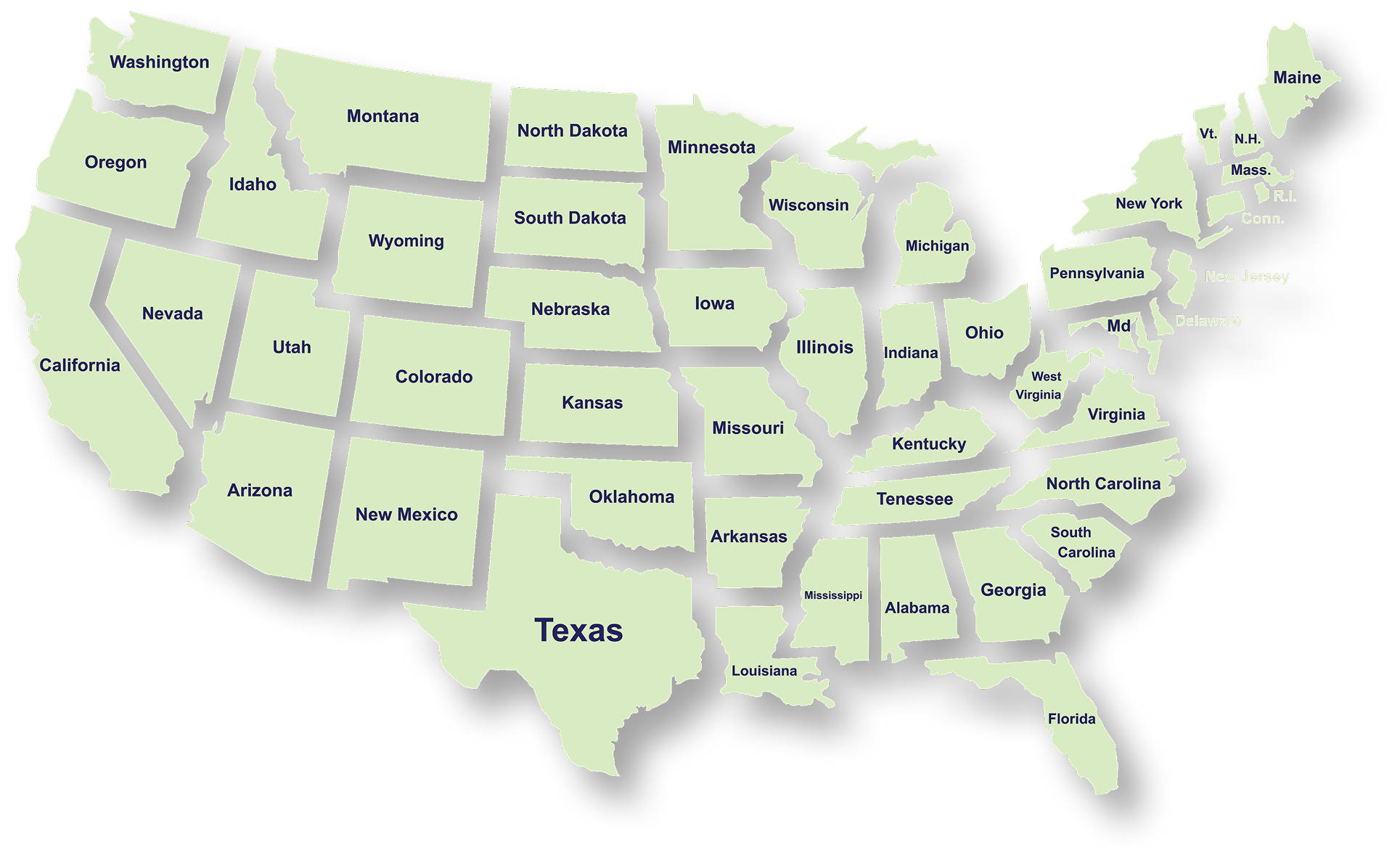
Serving Businesses & Individuals Across USA

We handle accounting, tax filing, and planning with defined timelines and accurate reporting for businesses and individuals across all states.

Frequently Asked Questions

What services does NR CPAs & Business Advisors provide?
What is tax planning and why is it important for businesses?
How can a Virtual CFO help my business?
When should a business consider IRS tax resolution services?
What financial statements does a business typically need?
How can startup advisory services help new businesses?
What is strategic business planning?
What is a Virtual Family Office and who can benefit from it?