Learning Center for Tax and Financial Insights

Stay updated with clear, actionable articles on tax rules, deadlines, deductions, and financial decisions that impact individuals and businesses.

For Business

The Ultimate Guide To Identifying And Managing Business Expenses

Accounting SoftwareUsing accounting software is like having a financial co-pilot. It simplifies recording and categorizing expenses, making your life easier when tax season rolls around. Here’s why it’s a game-changer:Automation: Software can automatically import and categorize transactions from your bank accounts and credit cards.Accuracy: Reduces human errors in calculations and categorization.Accessibility: With cloud-based solutions, you can access your financial data from anywhere, anytime.Integration: Tools like NetSuite can integrate with other systems (CRM, inventory, etc.), providing a comprehensive view of your business finances.For small businesses, options like QuickBooks or FreshBooks are user-friendly and provide essential features like expense tracking, invoice management, and financial reporting.ReceiptsThe mantra here is simple: save everything. Digital tools have made it easier than ever:Digital Copies: Use mobile apps to scan and store digital copies of receipts. This not only saves physical space but also makes it easier to retrieve records when needed.Categorization: Label or tag each receipt with appropriate categories (e.g., travel, supplies). This practice aids in more accurate bookkeeping and tax preparation.Time-stamped: Ensure each digital receipt is time-stamped to establish a clear chronological financial trail.Bank AccountsSeparation is key:Dedicated Business Account: Open a bank account strictly for business transactions. This separation simplifies accounting, provides a clear audit trail, and enhances financial management.Credit and Debit Cards: Obtain business credit or debit cards to track expenses easily. These often come with additional benefits like cashback on business purchases or zero interest on new purchases for a set period.Monitoring and Review:Regularly review your bank statements and reconcile them with your accounting software. This habit helps catch discrepancies early and keeps your budget on track.Pro Tip: Set aside time each week or month dedicated to reviewing and organizing your financial records. This proactive approach prevents last-minute rushes during tax season and helps maintain a healthy cash flow.By leveraging modern tools and following disciplined practices, managing and tracking business expenses becomes less daunting. This not only prepares you for tax liabilities but also provides insights into cost-saving opportunities, ultimately contributing to your business’s bottom line.Next, we will explore how understanding specific tax deductions and benefits can further enhance your financial strategies.Tax Deductions And BenefitsWhen running your own business, understanding tax deductions and benefits is crucial. It can significantly reduce your taxable income and save you money. Let’s dive into some key areas: Self-Employment, Home Office, Health Insurance, and Travel Costs.Self-EmploymentIf you’re self-employed, you have the opportunity to deduct a variety of business expenses directly related to your work. This includes everything from office supplies to a portion of your internet bill if you use it for work. For instance, Joe, a self-employed writer, managed to save over $1,500 on his taxes by identifying and deducting $6,000 worth of contractor expenses he initially overlooked. These deductions lowered his taxable income, reducing both his self-employment tax and income tax.Home OfficeFor those who use part of their home exclusively for business, the home office deduction is a valuable benefit. You can choose between two methods for calculating this deduction:Simplified Option: Multiply the square footage of your office (up to 300 square feet) by $5. This method is straightforward and requires less paperwork.Regular Method: Calculate the percentage of your home used for business and apply that percentage to your home expenses, such as mortgage interest or rent, utilities, and insurance.Both methods require that the space be used regularly and exclusively for business.Health InsuranceHealth insurance premiums can be a significant expense for self-employed individuals. Fortunately, these premiums are deductible on your tax return. This deduction is not only limited to your own coverage but also extends to your spouse, dependents, and any children under 27 years old at the end of the year. You must show a net profit to utilize this deduction. If not, you might be able to claim these expenses as an itemized deduction on Schedule A.Travel CostsTravel expenses related to your business are largely deductible. This includes airfare, hotel stays, and 50% of meal expenses during business trips. If you’re traveling to a conference or meeting that directly relates to your business’s current operations or helps improve your skills, these costs can also be deducted. It’s important to keep detailed records, including receipts and a log of your travel activities, to substantiate these expenses.By understanding and applying these deductions appropriately, you can significantly reduce your taxable income, leading to substantial tax savings. It’s not just about reducing costs but managing your finances in a way that supports the growth and sustainability of your business.Let’s tackle some common questions about business expenses to clarify any remaining uncertainties you might have.Frequently Asked Questions About Business ExpensesCan I Deduct Business Expenses Without An LLC?Yes, you can deduct business expenses even if you do not operate under a formal business structure like an LLC (Limited Liability Company). Whether you’re a sole proprietor, a freelancer, or an independent contractor, the IRS allows you to deduct expenses that are both ordinary and necessary for your business operations. This includes costs such as advertising, supplies, and travel strictly for business purposes. The key is to maintain accurate records and ensure that these expenses are directly related to your business activities.What Is Considered An Ordinary And Necessary Business Expense?An “ordinary and necessary” business expense is one that is common and accepted in your trade or business, and is helpful and appropriate for your business. According to the IRS, these expenses include things like rent, salaries, and other costs essential for operating your business. For example, if you are a photographer, the cost of your camera and lenses can be considered necessary business expenses. Similarly, expenses like business insurance and marketing are considered ordinary because they are typical and generally accepted in the business world.How Do Business Expenses Impact Taxes?Business expenses play a crucial role in determining your taxable income. They are subtracted from your business’s gross income, reducing the total amount of income that is subject to taxes. This can significantly lower your tax liability. For instance, if your business earns $100,000 in a year and you have $30,000 in deductible expenses, your taxable income would be reduced to $70,000. It’s important to meticulously track all potential deductions throughout the year, as this can lead to substantial tax savings.By leveraging these deductions effectively, you ensure that you’re not overpaying on your taxes and keep more money in your business to foster growth and development. Always consider consulting with a tax professional to maximize your deductions accurately and comply with all tax regulations.ConclusionAt NR CPAs and Business Advisors, we understand that managing business expenses is more than just keeping tabs on numbers—it’s about strategic planning and making informed decisions that align with your company’s financial goals. We’re committed to guiding you through the complexities of tax deductions and ensuring you capitalize on every opportunity to reduce your tax liabilities.Our expertise in tax laws and compliance allows us to provide tailored advice that fits your unique business needs. Whether you’re a startup navigating initial expenses or an established business looking to optimize tax strategies, our team is equipped to support you every step of the way.Effective expense management isn’t just about cutting costs—it’s about making smart choices that drive your business forward. By partnering with us, you gain access to a wealth of knowledge and a proactive approach to tax planning that helps secure your business’s future.We encourage you to explore our tax and compliance services to discover how we can assist you in achieving efficient and compliant financial operations. Let us help you turn your business expenses into strategic investments that yield long-term benefits.Thank you for trusting NR CPAs and Business Advisors with your financial needs. Together, we’ll navigate the complexities of business expenses, ensuring your business thrives in an ever-changing economic landscape.

Explore More
For Business

The Beginner’s Guide To Understanding Tax Write-Offs

Adjusted Gross Income (AGI) ImpactYour AGI is a key determinant in what deductions and credits you can claim, and how much you can claim. It’s calculated as your gross income minus specific deductions such as educator expenses, student loan interest, and contributions to a traditional IRA.Strategically Lowering Your AGI:– Make Contributions to Retirement Accounts: Contributions to traditional IRAs and 401(k)s can reduce your AGI.– Harvest Losses: If you invest, consider selling off underperforming stocks to realize losses, which can offset gains and reduce your AGI.Practical ExamplesJoe, a freelancer, found that by adding up his home office expenses, part of his mortgage interest, and charitable donations, his itemized deductions were $2,000 higher than the standard deduction. By itemizing, Joe saved an additional amount on his taxes.Sara, a small business owner, strategically paid a year’s worth of a professional subscription in December instead of January, adding to her itemized deductions for that year and reducing her AGI.By understanding these elements, you can better strategize your tax filings to maximize deductions and minimize your tax liability. In the next section, we’ll dive into some of the trickier tax deductions and how to handle them effectively.Tricky Tax Deductions And How To Handle ThemNavigating tax deductions can be complex, especially when it comes to those that are not straightforward. Here, we’ll explore some of the more nuanced deductions like the home office, guard dog, uniforms or costumes, and home office computer. Understanding these can help you claim what you’re entitled to without stepping over IRS guidelines.Home OfficeWhat is a tax write off for a home office? It’s a deduction for those who use part of their home exclusively for business purposes. You have two options:– Simplified Option: Simply multiply the square footage of your office (up to 300 square feet) by $5. This is capped at $1,500 and requires less paperwork.– Regular Method: Calculate the percentage of your home used for business and apply that to your home expenses, like mortgage interest, utilities, and insurance.The key here is the space must be used regularly and exclusively for business activities. This means your kitchen table doesn’t count if you also use it for family meals.Guard DogYes, even your furry friend can be part of your tax deductions if they serve as a guard dog for your business premises. However, you can only deduct expenses related to the dog’s work, such as food, training, and veterinary care, during the time they are actually guarding your property. Be prepared to justify the deduction with records of the dog’s training and hours worked.Uniforms Or CostumesClothing can be tricky. To deduct the cost of uniforms or costumes, these items must be necessary for your work and not suitable for everyday wear. For example, a clown costume is deductible if you are a professional clown, but a business suit is not since it can be worn outside of work. Keep receipts and a log of when and where the clothing was used for work.Home Office ComputerIf you claim a deduction for a computer in your home office, you need to demonstrate that it is used primarily for business purposes. If the computer is used for both personal and business activities, you must calculate and document the percentage of time it is used for business to accurately report the deduction.By understanding these specific conditions and maintaining detailed records, you can confidently navigate these tricky deductions. Proper documentation is key to ensuring that if ever questioned, you have the necessary proof to back up your claims. This thorough approach not only keeps you compliant with IRS rules but also maximizes your potential tax savings.In our next section, we’ll explore the different types of entities that can benefit from tax write-offs, from individuals to large corporations.Tax Write-Offs For Different EntitiesTax write-offs are a vital tool for managing finances across various entities like individuals, self-employed professionals, small businesses, and corporations. Each group has unique opportunities and rules for tax deductions. Let’s break down what a tax write-off means for each one:IndividualsFor individuals, tax write-offs primarily include deductions and credits that reduce taxable income or tax liability. Common deductions include the standard deduction, which for 2023 is $13,850 for singles and $27,700 for married couples filing jointly. Individuals can also claim itemized deductions such as mortgage interest, state and local taxes, and charitable donations if they exceed the standard deduction amount.Self-EmployedSelf-employed professionals have a distinct advantage when it comes to tax write-offs. They can deduct expenses that are directly related to running their business. This includes home office expenses, travel costs, and necessary equipment purchases. For instance, in 2023, they can deduct up to $1,160,000 of equipment expenses under Section 179, enhancing their ability to reduce taxable income significantly.Small BusinessesSmall businesses, similar to self-employed individuals, can deduct a wide range of business expenses. These include payroll, rent, utilities, and supplies that are necessary for operations. Additionally, small businesses benefit from specific deductions like the 20% Qualified Business Income Deduction, which can substantially lower taxable income for qualifying entities.CorporationsCorporations have the ability to write off day-to-day business expenses that are considered “ordinary and necessary” for the operation of the business. This includes employee salaries, benefits, and bonuses. They also have the option to capitalize and gradually deduct (depreciate) the cost of capital expenses like buildings and large machinery over time, rather than immediately.Key Takeaways:– Individuals should consider whether itemizing deductions offers more benefits than the standard deduction.– Self-Employed professionals must keep meticulous records of all business-related expenses to maximize their write-offs.– Small Businesses should leverage both immediate expense deductions and the 20% income deduction to optimize tax savings.– Corporations need to strategically plan both their current expense deductions and capital expenditures.Understanding these nuances can lead to significant tax savings and more efficient financial management across different types of entities. We’ll address some frequently asked questions about tax write-offs to clarify common concerns and misconceptions.Frequently Asked Questions About Tax Write-OffsWhat Happens When Something Is A Tax Write-Off?When you claim a tax write-off, you are essentially telling the IRS that you spent money on something related to earning your income, and you want to reduce your taxable income by that amount. This doesn’t mean you get the full amount back from your taxes; rather, it reduces the amount of your income that’s subject to tax. For example, if you earn $50,000 and write off $5,000, you are taxed as if you earned $45,000, potentially lowering your tax bracket and the amount of tax you owe.Are Tax Write-Offs Good Or Bad?Tax write-offs are generally good because they can lower your taxable income, which in turn can reduce the amount of tax you owe to the government. However, it’s crucial to ensure that these write-offs are legitimate and properly documented. Misusing tax write-offs can lead to audits or penalties from the IRS. They’re a beneficial tool for managing your taxes effectively when used correctly.Is A Tax Write-Off Free Money?No, a tax write-off is not free money. Think of it more as a discount on your tax bill. It reduces how much of your income is taxed, which can lower your overall tax payment. However, the actual financial benefit depends on your total income, the amount of the write-off, and your tax bracket. For instance, if you’re in the 22% tax bracket, a $1,000 deduction saves you $220 in taxes (22% of $1,000).Remember that understanding the specifics of tax write-offs can help you optimize your tax returns and ensure you’re not paying more tax than necessary. NR CPAs and Business Advisors can provide expert guidance tailored to your unique financial situation.ConclusionUnderstanding what is a tax write off and how to effectively manage them can significantly benefit your financial health, particularly when it comes to reducing your taxable income. By leveraging tax write-offs, you can lower the amount of tax you owe, ultimately saving money that can be reinvested into your business or personal ventures.At NR CPAs and Business Advisors, we specialize in demystifying the complexities of tax write-offs. Our expertise ensures that you not only comply with the IRS regulations but also maximize your potential deductions. This strategic approach can lead to substantial savings, enhancing your financial flexibility and stability.Discover more about our tax and compliance services and how we can assist you in navigating your tax responsibilities.By partnering with us, you benefit from our comprehensive understanding of tax laws and our commitment to personalized service. Whether you’re an individual, a small business owner, or running a corporation, our team is equipped to handle your specific needs and help you capitalize on applicable tax write-offs.Every dollar saved in taxes through legitimate write-offs is a dollar that can be used to grow your business, save for the future, or enhance your current lifestyle. Let NR CPAs and Business Advisors guide you through the process, ensuring you claim every possible deduction you’re entitled to. This not only simplifies your tax filing experience but also optimizes your financial outcomes.In conclusion, the power of understanding and utilizing tax write-offs cannot be overstated. With the expert guidance from NR CPAs and Business Advisors, you can navigate the tax landscape confidently, ensuring you achieve the best possible financial results.

Explore More
For Business

The 5 Tax Mistakes That Could Cost Your Small Business Big Time

For example, if you use your vehicle for business, tracking mileage and expenses related to its use can be seamlessly managed through these software solutions. At the end of the year, you’re not scrambling to remember every trip; instead, you have a detailed log that justifies your deductions. The Bottom Line Effective record-keeping is more than just a best practice; it’s a safeguard against losing out during tax time. By integrating tools like QuickBooks and Peachtree into your daily operations, you ensure that every financial action is recorded. This not only prepares you for tax season but also provides a clear view of your financial health, helping you make more informed business decisions. Remember that poor record-keeping can lead to missed deductions and, ultimately, higher taxes. Next, we’ll explore specific deductions you might be missing and how to ensure you’re maximizing your tax benefits. Not Taking The Proper Deductions When it comes to small business tax advice, one of the 5 common mistakes is not taking the proper deductions. Understanding the ins and outs of what you can and cannot deduct can save your business a significant amount of money. Let’s dive into some critical aspects that every small business owner should know. IRS Publication 535 First things first, get familiar with IRS Publication 535. This publication is a treasure trove of information, detailing what expenses are considered “ordinary and necessary” for conducting your business. It’s essential to understand these guidelines because incorrectly deducting expenses can lead to trouble. Ordinary And Necessary Expenses What exactly does “ordinary and necessary” mean? An expense is considered ordinary if it’s common in your business’s industry. Necessary means that the expense is helpful and appropriate for your business, though not necessarily indispensable. For example, if you’re in the graphic design industry, purchasing design software is an ordinary and necessary expense. American Express List American Express provides a helpful list of common business deductions that can serve as a starting point. This list includes expenses like office supplies, legal fees, and travel costs. Reviewing this list can help you identify potential deductions you might not have considered. Audit Invitation Be cautious with deductions. Exaggerating expenses or deducting personal expenses as business costs can be seen as a red flag by the IRS, potentially triggering an audit. Always ensure that your deductions are justifiable and well-documented. If the expense is necessary to run your business, it’s likely deductible. Hobby Loss Rule Lastly, be aware of the IRS’s hobby loss rule. If your business claims more expenses than income for several years in a row, the IRS may categorize your business as a hobby. This reclassification can disallow certain deductions. To avoid this, ensure your business activities are conducted in a business-like manner and aim for profitability. By understanding and utilizing the correct deductions as outlined in IRS Publication 535, and by keeping the definitions of ordinary and necessary expenses in mind, you can avoid overpaying on taxes. Always use resources like the American Express list to ensure you’re not missing out on any deductions, and steer clear of practices that might lead to an audit. Accurate and honest deductions are key to maximizing your business’s financial health. Next, we’ll look at common tax mistakes and how to avoid them, ensuring your business stays compliant and financially sound. Common Tax Mistakes And How To Avoid Them Tax compliance can be tricky, especially for small businesses. Here are some common pitfalls and how to steer clear of them. Entity Selection Choosing the wrong business structure can lead to tax inefficiencies and increased liability. Sole Proprietorships, Partnerships, LLCs, S-Corps, and C-Corps each have distinct tax implications. For example, C-Corps face double taxation on dividends, while S-Corps allow profits and some losses to pass through directly to owners’ personal income, avoiding double taxation. Consulting with a tax professional can help determine the best structure for your business needs. Start-Up Costs New business owners often stumble over which start-up costs are deductible. You can deduct up to $5,000 in start-up and $5,000 in organizational costs if your total expenditure is under $50,000. Costs exceeding this threshold mean a reduced deduction, so careful tracking and categorization of these expenses from the outset are crucial. Missed Deductions Many small businesses miss out on deductions simply because they aren’t aware of them. Commonly overlooked deductions include home office expenses, internet and phone bills, and travel costs. Ensuring that all expenses are ordinary and necessary, as defined by the IRS, can maximize your deductions without increasing audit risk. Misreporting Income This is a major red flag for the IRS and can lead to audits and penalties. Ensure all income, including that from 1099s and cash transactions, is accurately reported. Utilize accounting software to track income throughout the year, reducing the risk of discrepancies at tax time. Staff Classification Incorrectly classifying employees as independent contractors can lead to significant penalties. Factors such as how much control you have over how and when they work are critical in determining the correct classification. Regularly review the IRS guidelines to ensure compliance. Filing Deadlines Missing tax filing deadlines can result in penalties and interest charges. Mark your calendar for all relevant federal and state tax deadlines, and consider using electronic reminders or working with a tax professional to ensure all filings are timely. By addressing these common issues proactively, you can avoid costly mistakes and keep your business on solid financial footing. When in doubt, consulting with a tax professional can provide clarity and peace of mind. Next, we’ll explore strategies to maximize your small business tax deductions. Maximizing Small Business Tax Deductions When running a small business, every dollar saved is a dollar that can be reinvested into growing your enterprise. One of the most effective ways to boost your financial health is through strategic tax deductions. Here’s a breakdown of key areas where you can maximize deductions: Home Office If you use a part of your home exclusively for business, you might qualify for the home office deduction. Calculate the square footage of your workspace and apply it as a percentage of your home’s total area. This can include a portion of your rent, utilities, and insurance. The space must be used exclusively for business to qualify. Advertising Marketing costs that directly promote your business are fully deductible. This includes expenses for print ads, web hosting, and online advertising. Even the cost of producing promotional materials like flyers and brochures can be deducted. Professional Fees Fees paid to attorneys, accountants, and consultants that are necessary for your business operations are deductible. This also extends to tax preparation fees. Ensuring you keep good records of these expenses will help you claim them without hassle. Travel Costs Travel expenses related to business, including airfare and lodging, are deductible. Remember to keep detailed records, as only 50% of meal costs during business travels are deductible. Conferences and business meetings that help improve your skills or benefit your business directly are also deductible. Auto Expenditures If you use your vehicle for business, you can deduct expenses using the standard mileage rate or actual expenses method. Keep a detailed log of your business mileage and expenses related to vehicle maintenance, gas, and insurance. Insurance Premiums for business insurance such as liability, property, and professional liability insurance are deductible. If you’re self-employed, you can also deduct health insurance premiums for yourself and your family. Office Supplies Everyday office supplies like pens, paper, and printer ink are deductible. Larger purchases that can be considered equipment may also be deductible under Section 179, which allows you to deduct the full purchase price of qualifying equipment. By understanding and leveraging these deductions, you can significantly lower your taxable income. It’s not just about cutting costs, but about making strategic choices that align with IRS rules and your business goals. Always consult with a tax professional to ensure you’re making the most of your deductions and staying compliant with tax laws. As we continue to navigate the complexities of small business taxes, staying organized and proactive is key. Up next, we’ll delve into how to handle specific tax scenarios and questions that might arise during your fiscal year. Conclusion As we wrap up our discussion on small business tax advice and the 5 common mistakes that could cost your business big time, it’s clear that managing taxes is not just a once-a-year endeavor. It requires continuous attention and strategic planning to ensure compliance and optimize financial outcomes. This is where NR CPAs and Business Advisors steps in to assist you. At NR CPAs and Business Advisors, we understand the unique challenges that small business owners face when it comes to taxes. Our team of experts is dedicated to providing personalized guidance that aligns with your specific business needs and goals. We don’t just fill out forms; we strategize with you to ensure that your business not only remains compliant but thrives in an ever-changing financial landscape. Avoiding common tax mistakes is crucial for maintaining the health of your business. Whether it’s separating personal and business expenses, keeping meticulous records, choosing the right entity, or correctly handling deductions, each aspect of tax management plays a vital role in your business’s financial narrative. We encourage you not to navigate these complex waters alone. Partner with us at NR CPAs and Business Advisors, where our expertise becomes your advantage. Let us help you turn tax planning from a chore into an opportunity to enhance your business’s financial performance. Discover more about how we can assist with your tax and compliance needs, and ensure that your business is not only surviving but thriving. Let’s work together to build a robust financial foundation for your business. Call us today to schedule a consultation and start on the path to better tax management.

Explore More
For Business

From Basics To Best Practices: A Comprehensive Tax Guide For Small Businesses

Planning For Taxes Throughout The YearPlanning your taxes throughout the year is not just about compliance; it’s a strategic approach that can significantly enhance your business’s financial health. Let’s explore how regular attention to tax-related tasks can keep you ahead of the game.Quarterly TaxesFor many small businesses, taxes are not just an annual affair but a quarterly one. If you’re self-employed or run a corporation, you might need to make estimated tax payments every quarter. This proactive approach ensures that you don’t face a hefty tax bill at year’s end or suffer penalties for underpayment. Setting aside roughly 30% of your earnings for these taxes is a prudent rule of thumb. Paying as you earn spreads the tax burden throughout the year, making it more manageable.RecordkeepingEffective recordkeeping is the backbone of sound tax planning. Keep meticulous records of all business transactions, as this practice not only aids in accurate tax filing but also helps in identifying tax-deductible expenses. As highlighted in Publication 583, maintaining organized files — whether digital or paper — is crucial. Consider scanning and digitally storing receipts and invoices to minimize physical clutter and improve retrieval efficiency. Regular reviews of these records can help catch any discrepancies early and keep your financial reporting accurate.Tax CalendarAdhering to a tax calendar is essential for staying on top of your tax obligations. Key dates include quarterly tax payments, annual return filings, and deadlines for sending out W-2 and 1099 forms. Missing these important deadlines can result in fines and penalties, adding unnecessary costs to your business. Tools like online calendars or tax software can automate reminders, ensuring you never miss a tax deadline.Estimated TaxesCalculating estimated taxes accurately is vital for effective tax management. These payments are based on your expected annual income, and getting them right can prevent you from overpaying or underpaying your taxes. Use last year’s figures as a baseline, adjust for any expected changes in income or expenses, and consult with a tax professional if your financial situation has significantly changed.Business Structure ImpactThe structure of your business — be it a sole proprietorship, partnership, LLC, or corporation — significantly impacts your tax obligations. Each structure has different tax implications, especially concerning self-employment taxes and the potential pass-through tax deductions available to entities like S corporations and LLCs. Regularly reviewing your business structure with a tax professional can ensure that you are in a position to maximize tax benefits while minimizing liabilities.By integrating these practices into your yearly business strategy, you can not only ensure compliance but also position your business for financial efficiency. Up next, we’ll explore how leveraging specific tax credits and incentives can further optimize your tax savings and contribute to your business’s growth.Navigating Tax Credits And IncentivesTax credits and incentives can significantly reduce your tax burden and enhance your business’s financial health. Let’s dive into how you can leverage these benefits effectively, focusing on clean energy, equipment deductions, employee benefits, and research and development.Clean Energy CreditsInvesting in clean energy is not only good for the environment but also beneficial for your tax situation. The Inflation Reduction Act offers substantial incentives for small businesses that adopt green practices. For instance, you might receive tax credits for installing solar panels or purchasing electric vehicles for business use. These credits directly reduce the amount of tax you owe, dollar for dollar, making them particularly valuable.Equipment DeductionsSection 179 of the IRS tax code allows businesses to deduct the full price of qualifying equipment purchased or financed during the tax year. For 2023, the deduction limit is set at $1,160,000, with a phase-out threshold starting at $2.89 million in equipment purchases. This means immediate tax savings on new or used equipment, from computers to furniture and beyond. However, bonus depreciation rates are set to decrease, from 80% in 2023 to 60% in 2024, so planning your purchases for maximum tax advantage is crucial.Employee BenefitsOffering benefits to your employees can also provide tax advantages. The Employer-Provided Childcare Credit, for instance, allows you to claim credits for costs associated with childcare facilities or services you provide to your employees. Additionally, the Small Business Health Care Tax Credit is available to eligible small employers who provide health insurance to their employees, covering a substantial portion of the insurance premium costs. These incentives not only aid in employee retention but also reduce your taxable income.Research And DevelopmentThe Qualified Small Business Payroll Tax Credit for Increasing Research Activities is designed to encourage businesses to engage in research and development within the United States. Eligible businesses can use this credit to offset payroll taxes – a significant benefit for startups and growing businesses investing in innovation. This credit underscores the government’s support for advancements in technology, medicine, and other fields critical to economic growth.By understanding and utilizing these tax credits and incentives, you can significantly lower your tax liabilities while supporting strategic business initiatives. Next, we will discuss how engaging with professional tax advisors, such as those at NR CPAs and Business Advisors, can further enhance your ability to navigate complex tax landscapes effectively.Leveraging Professional Tax AdviceNavigating the complexities of taxes can be daunting for small business owners. This is where professional tax advice becomes invaluable. By engaging experts like those at NR CPAs and Business Advisors, you can simplify the process, ensure compliance, and potentially reduce your tax liabilities.NR CPAs And Business AdvisorsAt NR CPAs and Business Advisors, we specialize in providing personalized tax advice tailored to the unique needs of your small business. Our team of experts is well-versed in the latest tax laws and strategies to help you maximize your savings and minimize your stress. We focus on long-term planning, helping you make informed decisions that align with your business goals.Choosing A Tax PreparerSelecting the right tax preparer is crucial. Here are a few tips to keep in mind:– Credentials: Look for professionals with relevant qualifications such as CPAs or certified tax coaches.– Experience: Choose someone who has experience dealing with tax situations similar to yours.– Reputation: Check reviews and ask for references to gauge the reliability and effectiveness of the tax preparer.IRS Workshops And Online ResourcesThe IRS offers various workshops and online resources that can be incredibly helpful. For instance, the Virtual Small Business Tax Workshop provides lessons on federal taxes and managing a new business. These resources are designed to help you understand your obligations and how to meet them effectively.Utilizing Online ToolsSeveral online tools can also assist in managing your taxes. The IRS’s Electronic Federal Tax Payment System (EFTPS) is great for handling estimated tax payments securely. Additionally, tools like the IRS Choose a Business Structure can guide you in selecting the most beneficial form for your business.By leveraging professional tax advice and utilizing available resources, you can navigate the tax landscape more confidently and effectively. This strategic approach not only ensures compliance but also positions your business for financial health and growth. We’ll explore how to seamlessly integrate these strategies into your annual business planning.ConclusionAs we wrap up our comprehensive guide on small business tax advice, we hope you feel more equipped and confident in managing your business’s tax responsibilities. From understanding the essentials of tax obligations to leveraging strategic deductions and credits, the journey through taxes is intricate but manageable with the right approach and resources.Taxes aren’t just an annual chore but a year-round commitment that can significantly impact your business’s financial health and growth potential. By staying informed, planning ahead, and keeping meticulous records, you can not only meet your tax obligations but also take advantage of opportunities to reduce your tax bill.NR CPAs and Business Advisors is here to support you every step of the way. Whether you’re navigating complex tax credits, optimizing your business structure, or simply seeking clarity on your tax responsibilities, our team of experts is ready to provide the guidance and support you need.We encourage you to make use of IRS workshops, online resources, and professional tax advice to stay ahead. Engaging with a tax professional can help clarify your specific situation and ensure that you’re making the most of the tax benefits available to your business.In conclusion, managing your business taxes effectively requires a proactive approach and a clear understanding of the tax landscape. By integrating the strategies discussed, you can enhance your business’s financial practices and focus on what you do best—running your business.Thank you for trusting NR CPAs and Business Advisors with your small business tax needs. Here’s to your continued success and financial health!

Explore More
For Business

Demystifying Business Taxes: What Every Small Business Owner Needs To Know

These deductions not only lower your immediate tax liability but also spread the cost of expensive assets over their operational life, aiding in long-term financial planning.By understanding and applying these common business tax deductions, you can significantly reduce your taxable income, ensuring that your business retains more of its hard-earned money. This strategic approach to deductions is essential for effective tax planning and financial management.In the following sections, we will continue to explore the intricacies of business taxes, including state-specific considerations and FAQs to equip you with the knowledge necessary for adept handling of your business’s tax obligations.Navigating State And Local TaxesUnderstanding the tax landscape at the state and local level is crucial for small business owners. Different states can have vastly different tax implications for your business, which can significantly affect your bottom line. Let’s delve into the business tax climates of Missouri and Illinois to help you navigate these waters.Missouri Business Tax ClimateMissouri offers a very business-friendly tax environment, which is reflected in its ranking by the Tax Foundation. The state is ranked 12th overall for its business tax climate, with a particularly favorable corporate tax rate, ranking 3rd in the nation.Corporate Income Tax:Missouri charges a corporate income tax of only 4% on Missouri taxable income, which is calculated based on a market-based apportionment model focusing solely on sales. This lower rate can be highly advantageous for businesses with substantial sales in Missouri.Sales and Use Tax:The state levies a 4.225% sales tax on the purchase price of tangible personal property and certain services. Local sales taxes also apply but vary by jurisdiction, which means businesses need to be aware of the specific rates in their operating areas.Property Tax:In Missouri, commercial and industrial property is assessed at 32% of its market value, with residential property at 19%. These rates are combined with local district rates and a minimal state tax of 0.03%, making Missouri’s property tax environment relatively moderate compared to other states.Illinois Business Tax ClimateIn contrast, Illinois presents a more challenging tax environment for businesses, ranking 36th overall. The higher corporate and other taxes can impact business operations more significantly.Corporate Income Tax:Illinois imposes a 9.5% tax on corporate income, which includes a 7% state income tax and a 2.5% personal property replacement tax. This higher rate can be a significant burden, especially for businesses with high taxable incomes.Franchise Tax:Though Illinois has begun phasing out its franchise tax, with complete repeal expected after 2023, businesses currently face an initial franchise tax of 0.15% of paid-in capital and an annual tax thereafter. This phase-out is something businesses should monitor closely as it progresses.Sales and Use Tax:The state sales tax rate stands at 6.25% on the purchase price of tangible personal property and selected services. Like Missouri, local sales taxes also apply and vary by jurisdiction. Additionally, Illinois imposes a 1% tax on qualifying food, drugs, and medical appliances, adding complexity to tax calculations for businesses in these sectors.Property Tax:Real property in Illinois is assessed at 33.3% of market value, with no tax on personal property. The high assessment rate can lead to significant property tax liabilities, particularly in areas with high local tax rates.Understanding these differences in tax climates can help you make informed decisions about where and how to operate your business. Whether you’re considering expanding into new states or optimizing your existing operations, being aware of the specific tax obligations in Missouri and Illinois is essential. This knowledge not only helps in compliance but also in strategic planning and financial forecasting.In the next sections, we will address some frequently asked questions about business taxes to further clarify this complex subject.Frequently Asked Questions About Business TaxesNavigating the complex world of business tax can be challenging. Here, we answer some common questions that small business owners might have.What Qualifies As A Business For Taxes?A business for tax purposes is any activity carried out with the reasonable expectation of earning a profit. The IRS considers several factors to determine if an activity qualifies as a business, including:– Consistency of activity: Regular and continuous involvement in the activity.– Profit motive: The primary goal is to make a profit.– Transactions and activity: Engaging in activities typical for businesses in your industry.This includes everything from large corporations to small home-based businesses. If you’re regularly selling goods or services, it’s likely that the IRS considers your activities a business.How Much Is IRS Business Tax?The amount of tax a business owes to the IRS depends on several factors, including the business structure, the amount of income earned, and allowable deductions and credits. For example:– Corporations are taxed at a flat federal rate of 21% on their profits.– Pass-through entities, such as S corporations, partnerships, and sole proprietorships, don’t pay taxes at the business level. Instead, profits are passed through to the owners’ personal tax returns and taxed at individual rates.It’s essential to calculate your taxable income accurately by considering all business revenues, costs of goods sold, and other deductible expenses.What Is The Tax Rate For Small Business In Missouri?Missouri offers a favorable tax environment for small businesses:– The corporate income tax rate in Missouri is 4% of Missouri taxable income, which is relatively low compared to many other states.– Sales and use tax rates start at 4.225% at the state level, with additional local rates that vary by jurisdiction.– Missouri does not impose a franchise tax, which is a benefit for businesses operating within this state.For small businesses operating as pass-through entities, the tax rate will depend on the income levels of the owners, as this income is passed through to their individual tax returns.These insights into business taxes highlight the importance of understanding your obligations and opportunities for savings. With this knowledge, you can better manage your business’s financial health and ensure compliance with tax laws. In the following sections, we’ll delve deeper into the specifics of navigating business taxes effectively.ConclusionNavigating the complex world of business tax can be daunting for any small business owner. From understanding the myriad of tax obligations at federal, state, and local levels to implementing strategic tax planning and compliance, the challenges are significant. However, you’re not alone in this journey. At NR CPAs and Business Advisors, we specialize in demystifying the intricacies of business taxes, ensuring that you not only comply with the law but also optimize your tax position.Our team of experts is dedicated to supporting your business through every step of the tax process. Whether it’s determining the most beneficial tax structure for your business, handling detailed aspects of filing different tax forms, or identifying tax credits and deductions that you may not be aware of, we have the expertise to assist you. We understand that each business is unique, and our personalized approach means that we tailor our services to meet your specific needs.Why Choose Us?– Expertise: Our professionals are well-versed in all areas of business tax and stay updated with the latest tax laws and regulations.– Personalized Service: We provide customized tax solutions that align with your business goals and financial situations.– Proactive Strategies: We don’t just prepare your taxes; we offer strategies to help minimize your tax liabilities and maximize potential savings throughout the year.– Comprehensive Support: From bookkeeping to strategic tax planning, our full range of services ensures that all your financial and compliance needs are met.At NR CPAs and Business Advisors, we believe that effective tax management is crucial for the success and growth of your business. We are committed to providing you with the clarity and confidence you need to make informed decisions about your taxes. Let us help you turn what often feels like a business burden into a strategic advantage.Ready to simplify your business taxes and focus on growing your business? Discover how NR CPAs and Business Advisors can support your business’s tax and compliance needs.In conclusion, while the landscape of business taxes may be complex, with the right partner, it becomes less intimidating and more manageable. Partner with us at NR CPAs and Business Advisors, and let’s propel your business forward with smart, strategic tax solutions. Together, we can navigate the complexities of business taxes, ensuring compliance and optimizing your financial outcomes.

Explore More
For Business

Everyday Expenses To Major Investments: What You Can Really Write Off On Your Taxes

By understanding and using these deductions, you can lower your taxable income and keep more money in your pocket. Next, we’ll explore expenses that are fully deductible, such as office furniture and software subscriptions. Understanding 100% Deductible Expenses When it comes to tax write-offs, some expenses can be fully deducted, meaning they reduce your taxable income dollar-for-dollar. Let’s dive into three key categories: office furniture, software subscriptions, and business meals. Office Furniture Purchasing office furniture for your business can be a significant expense, but the good news is that it’s 100% deductible. Under Section 179 of the IRS tax code, you can deduct the full cost of office furniture in the year you buy it, rather than depreciating it over several years. For example, if you spend $2,000 on a new desk and chair set for your home office, you can deduct the entire amount in the same tax year. This immediate write-off can be a big help, especially for small businesses needing to manage cash flow. Software Subscriptions In today’s digital age, software is essential for running a business. Whether it’s cloud-based services or productivity tools, these expenses are also fully deductible. Cloud services like QuickBooks, Google Workspace, or Adobe Creative Cloud can be written off in the year you subscribe. Similarly, productivity tools such as project management software (like Asana or Trello) or CRM systems (like Salesforce) are also fully deductible. By keeping track of these subscriptions, you can ensure you’re maximizing your deductions and reducing your taxable income. Business Meals Business meals can be tricky, but they are generally 50% deductible. However, some meals are 100% deductible, especially when they involve client meetings or networking events. For instance, if you take a client out for lunch to discuss a project, 50% of that meal’s cost can be deducted. On the other hand, meals provided at a company event or during a business trip can sometimes be fully deductible, depending on the circumstances. It’s crucial to keep detailed records, including receipts and notes on the business purpose of the meal. This documentation will help you justify the deduction if the IRS ever questions it. By understanding these fully deductible expenses, you can make more informed decisions and ensure you’re taking full advantage of available tax write-offs. Next, we’ll answer some common questions about what qualifies as a deductible business expense and how to handle mixed-use items like vehicles. FAQs On Tax Write-Offs What Qualifies As A Deductible Business Expense? A deductible business expense is any cost that is both ordinary and necessary for your trade or business. Ordinary means it’s common and accepted in your industry. Necessary means it’s helpful and appropriate for your business. Examples of deductible business expenses: Office Supplies: Items like pens, paper, and postage. Advertising Costs: Expenses for online ads, billboards, or TV commercials. Professional Services: Fees for accountants, lawyers, or consultants. Employee Benefits: Contributions to health plans or retirement accounts. Tip: Always ask yourself, “Is this an ordinary and necessary expense in my line of work?” If the answer is yes, it’s likely deductible. How Does The Home Office Deduction Work? If you use part of your home exclusively and regularly for business, you can take the home office deduction. There are two methods to calculate it: Simplified Option: Multiply the square footage of your office (up to 300 square feet) by $5. This method is straightforward and capped at $1,500. Regular Method: Calculate the percentage of your home used for business. Apply this percentage to your home expenses like mortgage interest, utilities, and insurance. Example: If your home office is 200 square feet and your home is 2,000 square feet, the office is 10% of your home. If your annual home expenses are $10,000, you can deduct $1,000 (10% of $10,000). Important: The space must be used exclusively for business activities. For instance, a kitchen table doesn’t count if it’s also used for family meals. Can I Deduct Expenses For A Vehicle I Use For Both Personal And Business? Yes, but you need to separate the business use from personal use. There are two methods to do this: Standard Mileage Rate: Track the miles you drive for business and multiply by the IRS mileage rate (e.g., 65.5 cents per mile for 2023). Actual Expense Method: Deduct the actual costs of operating the vehicle (gas, maintenance, insurance) based on the percentage of business use. Example: If you drive 20,000 miles in a year and 5,000 of those are for business, you can deduct 25% of your vehicle expenses using the actual expense method. Tip: Keep a mileage log to document your business trips. This will make it easier to calculate the deductible amount and justify it if the IRS questions your claim. By understanding these common questions, you can navigate tax write-offs more effectively and ensure you’re maximizing your deductions. Next, we will explore the various types of tax write-offs available for small business owners and how to make the most of them. Conclusion Maximizing tax write-offs is essential for reducing your taxable income and saving money. Whether you’re a small business owner, self-employed, or running a corporation, understanding what you can deduct can have a significant impact on your financial health. Key Takeaways: Home Office Deduction: Don’t overlook this if you work from home. Calculate the square footage used for business and apply the appropriate deduction method. Health Insurance Premiums: If you’re self-employed, you can deduct premiums for yourself and your family. Internet and Phone Bills: Deduct the business portion of these expenses. Keep detailed records to support your claims. Vehicle Use: Track your business mileage and choose the best method (standard mileage rate or actual expenses) to maximize your deduction. Business Equipment: Take advantage of the Section 179 deduction and first-year bonus depreciation to write off significant expenses. Advertising: Deduct costs for online ads, print media, and any other advertising efforts. Employee Benefits: Contributions to health plans and retirement accounts are deductible and beneficial for employee retention. Professional Services: Legal and accounting fees are necessary expenses that can be deducted. NR CPAs and Business Advisors Expertise At NR CPAs and Business Advisors, we specialize in helping you navigate the complexities of tax write-offs. Our personalized services ensure that you claim every possible deduction, maximizing your savings and compliance with IRS regulations. Why Choose Us? Expert Guidance: Our team stays updated on the latest tax laws and deductions, ensuring you benefit from all available write-offs. Personalized Service: We tailor our advice to your unique situation, whether you’re an individual, small business, or corporation. Comprehensive Support: From tax planning to filing, we offer full support to make your tax season stress-free. By leveraging our expertise, you can confidently navigate the tax landscape and achieve the best possible financial results. Discover more about our tax and compliance services and how we can assist you in navigating your tax responsibilities. Maximizing your tax write-offs not only saves you money but also provides you with additional resources to reinvest in your business or personal growth. Let NR CPAs and Business Advisors guide you through the process, ensuring you claim every deduction you’re entitled to. This strategic approach simplifies your tax filing experience and optimizes your financial outcomes.

Explore More
No results found.
Thank you! Your submission has been received!
Oops! Something went wrong while submitting the form.

Want tax & accounting tips & insights?Sign up for our newsletter.

Thank you! Your submission has been received!
Oops! Something went wrong while submitting the form.

Why Work With Us?

We combine deep tax expertise, financial strategy, and practical business insight to help you manage complexity, stay compliant, and make confident financial decisions.
A dollar sign, representing financial advice or discussion at NR CPAs & Business Advisors.

Experienced CPA and Enrolled Agent Leadership

Guidance led by licensed professionals with deep expertise in tax strategy, compliance, and complex financial matters.
White bar chart with an upward arrow on green circular background representing growth or progress at NR CPAs &. Business Advisors

Support for Growing Businesses and Startups

We understand the financial challenges of growth stage businesses and provide structured guidance to support expansion.
A white hand holding a dollar symbol and ascending bar chart on a green circular background representing financial growth or investment at NR CPAs & Business Advisors..

Strategic Financial Advisory

Our team helps you evaluate financial decisions with greater clarity, supported by practical insights and long term planning.

Fractional CFO Support

Access experienced financial leadership without the commitment and cost of hiring a full time Chief Financial Officer.

Proactive Tax Planning Approach

We focus on identifying tax opportunities throughout the year rather than reacting only during filing season.

Clear and Reliable Financial Reporting

Accurate financial statements and reporting that help you better understand performance and make informed decisions.
White IRS building icon with pillars and a dollar sign above on a green circular background.

Professional IRS Representation

Experienced support in resolving IRS notices, disputes, and compliance matters while protecting your financial interests.

Personalized Client Focus

Every client receives thoughtful attention and tailored financial solutions based on their specific needs and business goals.
Financial matters often involve important decisions. Working with experienced advisors can help you approach them with greater clarity and confidence in your choices.

Need Help With Your Tax or Financial Decisions?

Discuss your situation with our advisors to get clear guidance on tax planning, IRS matters, and the financial decisions ahead.
Business consulting at NR CPAs & Business Advisors.

Request Your Consultation

Fill out the form to discuss your tax concerns, financial questions, or advisory needs with our team. We will review your details and respond shortly.

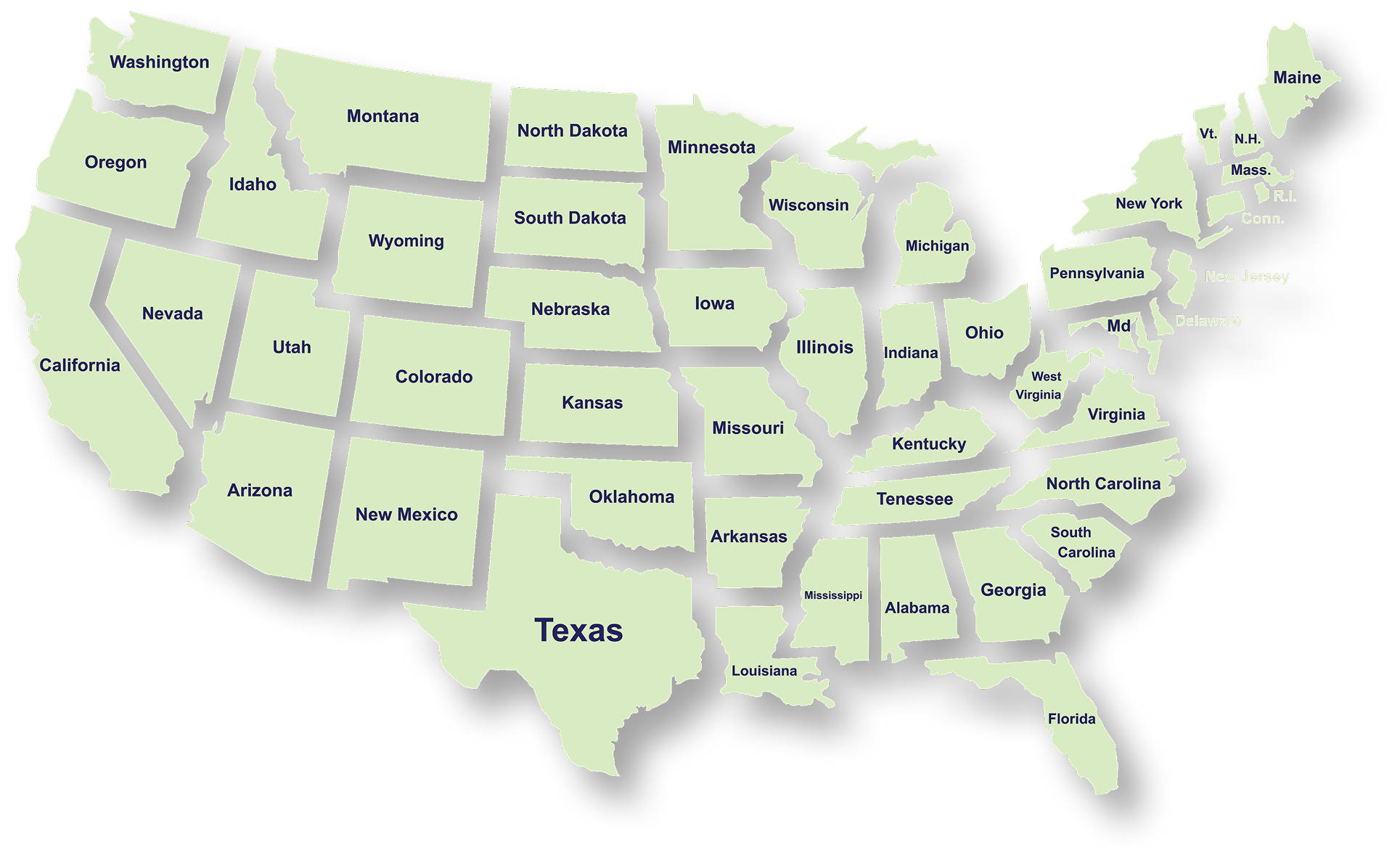
Serving Businesses & Individuals Across USA

We handle accounting, tax filing, and planning with defined timelines and accurate reporting for businesses and individuals across all states.

Frequently Asked Questions

What services does NR CPAs & Business Advisors provide?
What is tax planning and why is it important for businesses?
How can a Virtual CFO help my business?
When should a business consider IRS tax resolution services?
What financial statements does a business typically need?
How can startup advisory services help new businesses?
What is strategic business planning?
What is a Virtual Family Office and who can benefit from it?