Learning Center for Tax and Financial Insights

Stay updated with clear, actionable articles on tax rules, deadlines, deductions, and financial decisions that impact individuals and businesses.

No items found.

Unlocking Cash Flow from Tax Credits: A Hidden Advantage for Small Businesses

Explore More
No items found.

What to Expect from Potential Tax Changes Under President Trump’s New Term — and How to Prepare

Explore More
No items found.

Holiday Spending Without the Stress: Smart Budgeting and Saving Tips for November

Explore More
No items found.

Video Tips: Year-End Moves to Slash Your 2024 Tax Bill!

The year of 2024 is coming to an end. Here is a quick reminder of essential year-end tax planning tips to help you maximize your financial potential and save on your 2024 taxes.If you need proactive strategies and expert insights that can unlock substantial benefits for both individuals and businesses, ensuring you make the most of every opportunity to minimize your tax liability, contact our office for a consultation.

Explore More
No items found.

Beware: The Dangers of Underpayment Penalties That Could Cost You Big This Tax Season

Article Highlights:Understanding Underestimated PenaltiesEstimated Tax Penalty AmountEstimated Tax Due DatesEstimated Tax Safe HarborsRatable Payments RequirementUneven Quarters and Computing PenaltiesWorkarounds: Increasing Withholding and Retirement Plan DistributionsSpecial Rules for Farmers and FishermenTax planning is a crucial aspect of financial management, yet it often remains underestimated by many taxpayers. One area that frequently causes confusion and potential financial strain is the management of estimated tax payments and the associated penalties for underpayment. Understanding the intricacies of estimated tax safe harbors, the requirement for payments to be made ratably, and the strategies to mitigate penalties can significantly impact a taxpayer's financial health. This article delves into these topics, offering insights into how taxpayers can navigate these challenges effectively.Understanding Underestimated Penalties - Underpayment penalties can catch taxpayers off guard, especially when they fail to meet the required estimated tax payments. The IRS imposes these penalties to encourage timely tax payments throughout the year, rather than a lump sum at the end. The penalty is essentially an interest charge on the amount of tax that should have been paid during the year but wasn't. This penalty can be substantial, especially for those with fluctuating incomes or those who experience a significant increase in income without adjusting their estimated payments accordingly. While most wage-earning taxpayers have enough tax withheld from their paychecks to avoid the underpayment penalty problem, those who also have investment income or side gigs may find their withholding isn’t enough to meet the prepayment requirements to avoid a penalty.Estimated Tax Penalty Amount - The IRS sets the interest rates for underpayment penalties each quarter. It is equal to the federal short-term interest rate plus 3 percent. With the recent rapid rise in interest rates the underpayment interest rate for each quarter of 2024 is a whopping 8%, the highest it has been in almost two decades. Something you should be concerned about if you expect your withholding and estimated tax payments to be substantially underpaid. Estimated Tax Due Dates - For individuals, this involves using Form 1040-ES to make the payments, generally on a “quarterly” basis.The estimated tax payment schedule for individuals and certain other taxpayers is structured in a way that does not align with the even quarters of the calendar year. This is primarily due to the specific due dates set by the IRS for these payments. For 2024, the due dates for estimated tax payments are as follows:First Quarter: Payment is due on April 15, 2024. This payment covers income earned from January 1 to March 31.Second Quarter: Payment is due on June 17, 2024. This payment covers income earned from April 1 to May 31. Note that this period is only two months long, which contributes to the uneven nature of the quarters.Third Quarter: Payment is due on September 16, 2024. This payment covers income earned from June 1 to August 31.Fourth Quarter: Payment is due on January 15, 2025. This payment covers income earned in the four months of the period September 1 to December 31.Note, these payment due dates normally fall on the 15th of the month. However, whenever the 15th falls on a weekend or holiday, the due date is extended to the next business day. Estimated Tax Safe Harbors - To avoid underpayment penalties and having to make a projection of the expected tax for each payment period, taxpayers can rely on safe harbor rules. These rules provide a guideline for the minimum amount that must be paid to avoid penalties. Generally, taxpayers can avoid penalties if their total tax payments equal or exceed:

Explore More
No items found.

The Dark Side of Wealth: Lessons from a CEO's Tax Fine

Explore More
No results found.
Thank you! Your submission has been received!
Oops! Something went wrong while submitting the form.

Want tax & accounting tips & insights?Sign up for our newsletter.

Thank you! Your submission has been received!
Oops! Something went wrong while submitting the form.

Why Work With Us?

We combine deep tax expertise, financial strategy, and practical business insight to help you manage complexity, stay compliant, and make confident financial decisions.
A dollar sign, representing financial advice or discussion at NR CPAs & Business Advisors.

Experienced CPA and Enrolled Agent Leadership

Guidance led by licensed professionals with deep expertise in tax strategy, compliance, and complex financial matters.
White bar chart with an upward arrow on green circular background representing growth or progress at NR CPAs &. Business Advisors

Support for Growing Businesses and Startups

We understand the financial challenges of growth stage businesses and provide structured guidance to support expansion.
A white hand holding a dollar symbol and ascending bar chart on a green circular background representing financial growth or investment at NR CPAs & Business Advisors..

Strategic Financial Advisory

Our team helps you evaluate financial decisions with greater clarity, supported by practical insights and long term planning.

Fractional CFO Support

Access experienced financial leadership without the commitment and cost of hiring a full time Chief Financial Officer.

Proactive Tax Planning Approach

We focus on identifying tax opportunities throughout the year rather than reacting only during filing season.

Clear and Reliable Financial Reporting

Accurate financial statements and reporting that help you better understand performance and make informed decisions.
White IRS building icon with pillars and a dollar sign above on a green circular background.

Professional IRS Representation

Experienced support in resolving IRS notices, disputes, and compliance matters while protecting your financial interests.

Personalized Client Focus

Every client receives thoughtful attention and tailored financial solutions based on their specific needs and business goals.
Financial matters often involve important decisions. Working with experienced advisors can help you approach them with greater clarity and confidence in your choices.

Need Help With Your Tax or Financial Decisions?

Discuss your situation with our advisors to get clear guidance on tax planning, IRS matters, and the financial decisions ahead.
Business consulting at NR CPAs & Business Advisors.

Request Your Consultation

Fill out the form to discuss your tax concerns, financial questions, or advisory needs with our team. We will review your details and respond shortly.

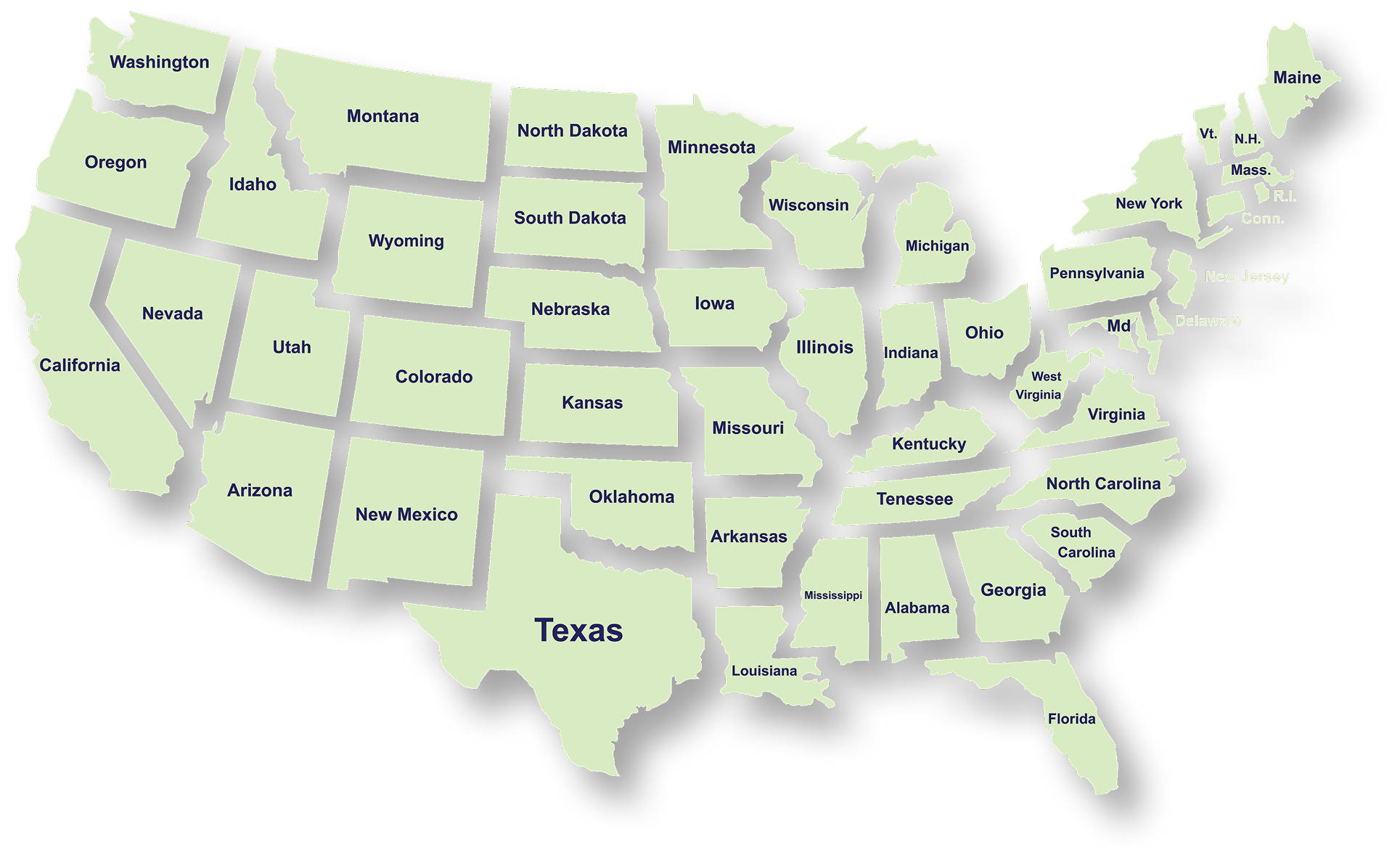
Serving Businesses & Individuals Across USA

We handle accounting, tax filing, and planning with defined timelines and accurate reporting for businesses and individuals across all states.

Frequently Asked Questions

What services does NR CPAs & Business Advisors provide?
What is tax planning and why is it important for businesses?
How can a Virtual CFO help my business?
When should a business consider IRS tax resolution services?
What financial statements does a business typically need?
How can startup advisory services help new businesses?
What is strategic business planning?
What is a Virtual Family Office and who can benefit from it?