Learning Center for Tax and Financial Insights

Stay updated with clear, actionable articles on tax rules, deadlines, deductions, and financial decisions that impact individuals and businesses.

No items found.

Unraveling the Mysteries of U.S. Taxes for Resident and Non-Resident Aliens

Article Highlights:Tax Status of Non-Resident AliensGreen Card TestSubstantial Presence TestFirst-Year ResidencyU.S. Sourced IncomeEffectively Connected Income (ECI)Fixed, Determinable, Annual, or Periodic (FDAP) IncomeIncome Subject to the 30% or Treaty WithholdingIssues Employing Non-Residents in the U.S.Issues Employing Non-Residents Working from Their Home CountryTotalization AgreementsWithholding RequirementsCommonly Used FormsNavigating the U.S. tax system can be a complex task, especially for non-resident aliens. This article aims to provide a comprehensive overview of the taxation rules applicable to non-resident aliens, including the substantial presence test, first-year residency, U.S. sourced income, effectively connected income (ECI), Fixed, Determinable, Annual, or Periodic (FDAP) income, income subject to the 30% or treaty withholding, issues related to employing non-residents, totalization agreements, and withholding requirements. Additionally, we will explain visa definitions and the taxation of individuals temporarily in the U.S.Tax Status of Non-Resident Aliens - The U.S. tax system categorizes individuals into resident aliens and non-resident aliens. Resident aliens are taxed similarly to U.S. citizens on their worldwide income, while non-resident aliens are taxed only on their U.S. sourced income and income effectively connected with a U.S. trade or business.Green Card Test – Taxpayers are considered residents, for tax purposes, if they are a Lawful Permanent Resident of the United States at any time during the calendar year. This is known as the "green card" test. They generally have this status if the U.S. Citizenship and Immigration Service (USCIS) has issued them Form I-551, also known as a "green card,” or their foreign passport bears an I-551 stamp while awaiting issuance of the actual green card. That status continues unless voluntarily renounced and abandoned or terminated by the USCIS or a U.S. federal court. Their residency starting date is the first day on which they are present in the United States as a Lawful Permanent Resident, or they choose to be taxed as a resident alien for the entire calendar year.Substantial Presence Test - The substantial presence test is a numerical formula used to determine whether an individual qualifies as a resident alien for tax purposes. To meet this test, an individual must be physically present in the U.S. for at least:31 days during the current year, and183 days during the 3-year period that includes the current year and the two years immediately before that, counting:o All the days present in the current year,o 1/3 of the days present in the first year before the current year, ando 1/6 of the days present in the second year before the current year.Example Scenario: if Eduardo spent 112 days in the U.S. in 2024, 119 days in 2023, and 136 days in 2022, he would calculate his days of presence as follows: 2024: 112 days 2023: 119 days * 1/3 = 39.67 days 2022: 136 days * 1/6 = 22.67 days Total = 112 + 39.67 + 22.67 = 174.34 daysSince Eduardo does not meet the 183-day requirement, he would be considered a non-resident alien for tax purposes for 2024.First-Year Residency - Non-resident aliens can elect to be treated as resident aliens for their first year of residency under the "First-Year Choice." This allows them to meet the substantial presence test one year earlier than usual. To qualify, the individual must:Be present in the U.S. for at least 31 consecutive days in the year of choice,Be present in the U.S. for at least 75% of the days from the start of the 31-day period to the end of the year, andMeet the substantial presence test in the following year.Example Scenario: Maria is a citizen of Brazil. She came to the United States for the first time on October 15, 2023, and stayed continuously until November 20, 2023 (37 days). She then returned to Brazil for a short visit and came back to the United States on December 5, 2023, staying for the rest of the year.Steps to Determine First-Year Residency:31-Day Requirement: Maria was present in the United States for 37 consecutive days from October 15, 2023, to November 20, 2023. This satisfies the requirement of being present for at least 31 days in a row.75% Requirement: From October 15, 2023, to December 31, 2023, there are 78 days. Maria needs to be present in the U.S. for at least 75% of these 78 days. 75% of 78 days = 58.5 days (round up to 59 days).Maria was present in the U.S. for 37 days (October 15 to November 20) + 27 days (December 5 to December 31) = 64 days. Since 64 days is more than 59 days, Maria meets the 75% requirement.Maria meets both the 31-day and 75% requirements. Therefore, she can choose to be treated as a U.S. resident for part of 2023. Her residency starting date would be October 15, 2023, the first day of her 31-day period. She will be treated as a U.S. resident for the rest of the year 2023.By making this choice, Maria will be considered a resident alien for tax purposes from October 15, 2023, through December 31, 2023, and will be taxed on her worldwide income for that period.U.S. Sourced Income - Non-resident aliens are taxed on their U.S. sourced income, which includes:Earned income (wages, salaries, etc.),Investment income (interest, dividends, etc.),Rental income from U.S. properties,Royalties from U.S. sources,Gains from the sale of U.S. real property.Effectively Connected Income (ECI) - ECI refers to income earned by a non-resident alien from conducting a trade or business within the U.S. This income is subject to U.S. income tax and must be reported on a U.S. income tax return. ECI can include:Income from the sale of goods or services,Rental income,Income from investments connected to a U.S. trade or business.Fixed, Determinable, Annual, or Periodic (FDAP) Income - FDAP income refers to U.S. source non-business income paid to a foreign person or corporation that is not ECI. This can include:Salaries, wages, premiums, and compensation for services performed in the U.S.,Other fixed or determinable annual or periodic gains, profits, and income.FDAP income is subject to a 30% (or lower treaty) tax rate. Non-resident aliens receiving only FDAP income upon which the 30% (or lower treaty) rate has been withheld are not required to file a U.S. income tax return.Income Subject to the 30% or Treaty Withholding - Non-resident aliens are subject to a 30% withholding tax on their U.S. sourced FDAP income unless a tax treaty between the U.S. and their country of residence provides for a lower rate. To claim a reduced rate or exemption under a tax treaty, non-resident aliens must file Form 8233 with their U.S. employer or withholding agent.Issues Employing Non-Residents in the U.S. - Employing non-resident aliens in the U.S. involves specific documentation and withholding requirements. Employers must ensure that non-resident aliens complete the necessary forms, such as:

Explore More
No items found.

California Fights Back: Newsom’s $3.75 Billion Tax Incentive to Keep Hollywood Productions at Home

In a bold move to preserve California’s status as a global entertainment hub, Governor Gavin Newsom is proposing a major expansion to the state’s film and television tax incentives. Shows like MasterChef, Supergirl, and The Kelly Clarkson Show have all relocated production to other states, attracted by more lucrative tax breaks. Per The Hollywood Reporter, Newsom’s proposal would increase California’s annual cap on film and TV tax credits from $330 million to a competitive $750 million, potentially providing up to $3.75 billion in tax credits over five years, starting in 2025. This increase would make California’s film tax credits among the most generous in the nation, second only to Georgia, which famously has no cap on its annual production credits.This proposal is intended to counteract California’s recent struggles to retain productions, especially as Hollywood faces unprecedented competition from states like Georgia and New York. Georgia has become a particular powerhouse as the go-to location for major productions from Disney’s Marvel Cinematic Universe to Netflix originals. Pinewood Studios, an iconic British production company, chose Georgia for its massive U.S. studio complex, creating jobs and economic boosts once exclusive to California.All of this has pressured the state to retain its leading position in entertainment production. “This means that film production can stay,” said Los Angeles Mayor Karen Bass, who pointed out the broader economic impact of Newsom’s plan. “It means that all of the jobs that would be lost…would stay here.”The film and TV industries provide tens of thousands of jobs across California, employing everyone from actors to set designers, sound engineers, and caterers. This proposal comes on the heels of an especially tough period for entertainment workers, with both the writers’ and actors’ strikes halting production for several months in 2023. As a result, California’s entertainment sector, particularly in Los Angeles, saw a significant drop in job opportunities, with reports of workers selling homes, relying on food banks, and in some cases, leaving the industry entirely.

Explore More
No items found.

Are Lemon Law Settlement Proceeds Taxable?

Article Highlights:Lemon LawsThe Magnuson-Moss Warranty ActDisclosure RequirementsFull vs. Limited WarrantiesImplied WarrantiesConsumer RemediesState Lemon LawsTaxability of Lemon Law SettlementsRefunds and ReplacementsCompensatory DamagesPunitive DamagesAttorney's FeesPrevious Tax BenefitsThe purchase of a new vehicle is often a significant investment, and consumers expect their new cars to function reliably. However, when a vehicle turns out to be a "lemon," meaning it has substantial defects affecting its use, value, or safety, consumers can find themselves in a frustrating situation. To protect consumers from such unfortunate circumstances, both federal and state laws have been enacted. The federal lemon law, known as the Magnuson-Moss Warranty Act, along with various state lemon laws, provide a framework for consumers to seek recourse.Enacted in 1975, the Magnuson-Moss Warranty Act (often referred to as "Mag-Moss") is a federal law that governs warranties on consumer products, including automobiles. The primary aim of the Act is to ensure that consumers receive clear and detailed information about warranty terms and conditions, and to facilitate the resolution of disputes over warranty coverage.Key Provisions of the Magnuson-Moss Warranty ActDisclosure Requirements: The Act requires manufacturers and sellers to provide consumers with detailed information about warranty coverage. This includes what is covered, the duration of coverage, and the process for obtaining repairs or replacements.Full vs. Limited Warranties: Under Mag-Moss, warranties are categorized as either "full" or "limited." A full warranty must meet specific criteria, such as providing free repair or replacement of defective parts and not limiting the duration of implied warranties. Limited warranties, on the other hand, do not meet all these criteria and may have more restrictions.Implied Warranties: The Act ensures that implied warranties, such as the implied warranty of merchantability, cannot be disclaimed if a written warranty is provided. This means that even if a product has a written warranty, it must still meet basic standards of quality and performance.Consumer Remedies: If a product fails to conform to the warranty after a reasonable number of repair attempts, the consumer may be entitled to a refund or replacement. The Act also allows consumers to seek damages in court if the warranty is breached.Attorney's Fees: One of the significant provisions of the Magnuson-Moss Warranty Act is that it allows consumers to recover attorney's fees if they prevail in a lawsuit. This provision is crucial as it enables consumers to pursue legal action without the burden of legal costs.State Lemon LawsWhile the Magnuson-Moss Warranty Act provides a federal framework, each state has its own lemon laws that offer additional protections. State lemon laws vary, but they generally apply to new vehicles and provide remedies if a car has substantial defects that cannot be repaired after a reasonable number of attempts.Common Features of State Lemon LawsCoverage: State lemon laws typically cover new vehicles, and some states also extend coverage to leased vehicles and used cars with warranties.Substantial Defects: The laws usually apply to defects that significantly impair the vehicle's use, value, or safety. Minor issues are generally not covered.Repair Attempts: Most state laws require a certain number of repair attempts (often three or four) before a vehicle is considered a lemon. Alternatively, if the vehicle is out of service for a specific number of days (usually 30 days or more) due to repairs, it may qualify as a lemon.Consumer Remedies: If a vehicle is deemed a lemon, the consumer is typically entitled to a refund or replacement. Some states also allow for additional damages.Arbitration: Many state lemon laws encourage or require arbitration as a first step in resolving disputes. Arbitration can be a quicker and less costly alternative to litigation.

Explore More
No items found.

The Secret World of Art Tax Havens: How Billionaires Use Freeports to Avoid Taxes

In the world of the ultra-wealthy, art is more than just an aesthetic pleasure or a cultural investment—it’s a clever tax-saving strategy. As Roman so memorably quips in HBO's Succession, Logan Roy had "like three Gaugins no one has ever seen" hidden in vaults for “tax reasons.” But what exactly are these secret vaults, and how do billionaires use them to hide art from the prying eyes of tax collectors?Enter the mysterious world of freeports—luxury warehouses where some of the most valuable art collections on Earth are stashed, often out of sight, and beyond the reach of tax laws. These high-security facilities serve as tax havens for billionaires, allowing them to buy and hold fine art without the burden of sales tax, import duties, or capital gains tax.What Are Freeports?Freeports are special economic zones—essentially warehouses located in key global hubs like Geneva, Luxembourg, and Singapore. These facilities allow wealthy collectors to store their art, antiques, and other high-value assets in a tax-free environment. Since the works are technically in transit or storage and haven’t entered any particular country’s market, owners can avoid taxes they would otherwise incur if, say, they had a Van Gogh painting hanging above their mantle.The concept of freeports originated in nineteenth-century Switzerland where extremely secure storage facilities were constructed to hold valuable commodities, as well as goods like grain, coffee, and valuable spices. In recent years, freeports have gained mainstream attention in films like Tenet and TV shows like Succession, where the characters often allude to the vast fortunes tied up in these secret vaults. In the Succession scene where Roman mentions the Gaugins, he’s referencing a common practice among the wealthy elite—art hidden in freeports for years, often never even displayed, purchased solely for investment and tax purposes.How Do Freeports Work?When billionaires purchase art, they can have it sent directly to a freeport instead of bringing it home. Once the piece is safely stored, it remains legally outside any country's tax jurisdiction. If the owner decides to sell it later, they can often do so without triggering taxes that would normally apply to capital gains or the sale of luxury goods.For example, a billionaire may buy a Picasso at an auction in London and send it directly to a freeport in Geneva. The artwork could sit there for decades, all while increasing in value, without the billionaire paying a dime in taxes.The Global Network of FreeportsFreeports are strategically located across the globe, typically in tax-friendly locations. Some of the most famous freeports include:Geneva Freeport: Located in Switzerland, it’s considered the crown jewel of art storage facilities. Known for its discretion, security, and ideal tax climate, this network of buildings houses billions of dollars' worth of art.Singapore Freeport: Another favorite for ultra-wealthy collectors, this facility is a hotspot for Asian and global art markets. Singapore’s attractive tax policies make it a perfect location for long-term art storage.Delaware Freeport: Even the United States has its own freeport in Delaware, where the state’s favorable tax regulations attract collectors who want to keep their investments out of the public eye – but not far from home for the American 1%.Why Do Billionaires Love Freeports?Tax Efficiency: The biggest draw of freeports is the ability to legally avoid taxes. Wealthy individuals can store their art without paying sales tax, VAT, or import duties.No Import Duties: Since the art never officially enters a country, there’s no need to pay import taxes. A Picasso purchased in France and sent directly to a freeport in Geneva, for instance, bypasses any French import duties that would normally apply if the artwork were brought into the buyer’s home country.No Sales Tax: In many countries, sales tax on fine art can be substantial. By storing art in a freeport, the buyer avoids sales tax, as the artwork is considered in transit and not yet “delivered” to a taxable location.No Capital Gains Tax: When the artwork is sold, the transaction can take place directly in the freeport without the piece ever entering a taxable country. As a result, the seller avoids paying capital gains taxes on the profit, as the sale technically occurs in a tax-free zone.Privacy and Security: Freeports offer the highest levels of security. For the elite, privacy is crucial, and freeports allow their art investments to remain hidden from public view and legal scrutiny.Speculation and Investment: Art is increasingly seen as a powerful investment vehicle. Pieces from masters like Monet, Van Gogh, and Rothko often appreciate in value over time. Storing them in a freeport allows collectors to buy and sell art without being hit with capital gains taxes or public knowledge of the transaction.Ok, But What’s the Catch?Critics argue that freeports create opportunities for tax avoidance on a massive scale, benefiting only the super-rich. These facilities have also been linked to money laundering concerns, as their opaque nature makes it difficult to track ownership and financial dealings.A report issued by the European Parliament pointed out the potential dangers of freeports, suggesting they could be used to stash illicit funds alongside legal investments. As the art world becomes increasingly financialized, watchdogs have called for more transparency around freeports and the billions stored within.

Explore More
No items found.

Video Tips: Secure Your Legacy – Why Updating Beneficiaries is Crucial

Is it time to review your beneficiaries? Life changes like marriage, divorce, or a new child can affect your wishes. Keep your legacy secure by updating your documents to reflect your current intent.

Explore More
No items found.

Cash Flow Hacks for Subscription-Based Revenue Models: A Guide for Niche SMBs

If you’re running a subscription-based business, you’re in the game of recurring revenue—a model full of potential for steady income but also some unique challenges. The lifeblood of your business is cash flow, and keeping it steady can make or break your success. To help you master your subscription-based revenue, let’s dive into practical ways to manage cash flow, retain subscribers, and thrive even as you navigate churn.1. Master Recurring Cash Flow with Smart ManagementRecurring cash flow is both the gift and the challenge of subscription-based businesses. You’ve got predictable income each month, but timing is everything. To keep the wheels turning smoothly, establish a cash flow management system that suits your business’s rhythm and volume.Align payment cycles with your largest expenses to ensure you always have what you need on hand. Some businesses find that weekly or biweekly payments from customers help them cover payroll or inventory, while others prefer monthly cycles.Automate billing and collections. Using accounting software with built-in automation ensures invoices go out on time and collections stay consistent. The less manual tracking you need, the better!Action Step: Need help setting up an efficient cash flow system? Reach out, and we’ll help you put an automated process in place that’s as dependable as your subscription revenue.2. Optimize Your Pricing Model for RetentionPricing is the linchpin of your subscription model. If you’re not regularly reviewing and refining your pricing structure, you could be leaving money on the table—or worse, losing customers.Experiment with tiered pricing that includes usage levels. Adding usage-based features within each tier can improve customer satisfaction and give them room to grow within their plan, boosting your net retention KPI over time. With options that scale based on use, you’re catering to different customer needs while strengthening loyalty.Consider an annual payment option. For those who love what you offer, an annual discount can lock them in longer. It’s also a quick way to generate cash flow upfront, reducing the need to rely solely on month-to-month payments.Pro Tip: Analyze your customer data to see if tiered or usage-based pricing options make sense for your audience. 3. Churn Management: Reduce It, Don’t Just React to ItIn subscription-based businesses, churn—customer loss—affects your cash flow directly. While some churn is inevitable, the trick is to proactively reduce it rather than react to it.Identify why customers churn. The “why” behind customer loss is gold. Run exit surveys and analyze cancellation requests. Is it cost, lack of use, or a better competitor? Once you know the reason, you can target that pain point.Implement a win-back campaign. When customers cancel, don’t give up on them! Offer a discount or bonus for coming back. Even if only a fraction return, it’s a quick way to recover revenue without needing new customers.

Explore More
No results found.
Thank you! Your submission has been received!
Oops! Something went wrong while submitting the form.

Want tax & accounting tips & insights?Sign up for our newsletter.

Thank you! Your submission has been received!
Oops! Something went wrong while submitting the form.

Why Work With Us?

We combine deep tax expertise, financial strategy, and practical business insight to help you manage complexity, stay compliant, and make confident financial decisions.
A dollar sign, representing financial advice or discussion at NR CPAs & Business Advisors.

Experienced CPA and Enrolled Agent Leadership

Guidance led by licensed professionals with deep expertise in tax strategy, compliance, and complex financial matters.
White bar chart with an upward arrow on green circular background representing growth or progress at NR CPAs &. Business Advisors

Support for Growing Businesses and Startups

We understand the financial challenges of growth stage businesses and provide structured guidance to support expansion.
A white hand holding a dollar symbol and ascending bar chart on a green circular background representing financial growth or investment at NR CPAs & Business Advisors..

Strategic Financial Advisory

Our team helps you evaluate financial decisions with greater clarity, supported by practical insights and long term planning.

Fractional CFO Support

Access experienced financial leadership without the commitment and cost of hiring a full time Chief Financial Officer.

Proactive Tax Planning Approach

We focus on identifying tax opportunities throughout the year rather than reacting only during filing season.

Clear and Reliable Financial Reporting

Accurate financial statements and reporting that help you better understand performance and make informed decisions.
White IRS building icon with pillars and a dollar sign above on a green circular background.

Professional IRS Representation

Experienced support in resolving IRS notices, disputes, and compliance matters while protecting your financial interests.

Personalized Client Focus

Every client receives thoughtful attention and tailored financial solutions based on their specific needs and business goals.
Financial matters often involve important decisions. Working with experienced advisors can help you approach them with greater clarity and confidence in your choices.

Need Help With Your Tax or Financial Decisions?

Discuss your situation with our advisors to get clear guidance on tax planning, IRS matters, and the financial decisions ahead.
Business consulting at NR CPAs & Business Advisors.

Request Your Consultation

Fill out the form to discuss your tax concerns, financial questions, or advisory needs with our team. We will review your details and respond shortly.

Serving Businesses & Individuals Across USA

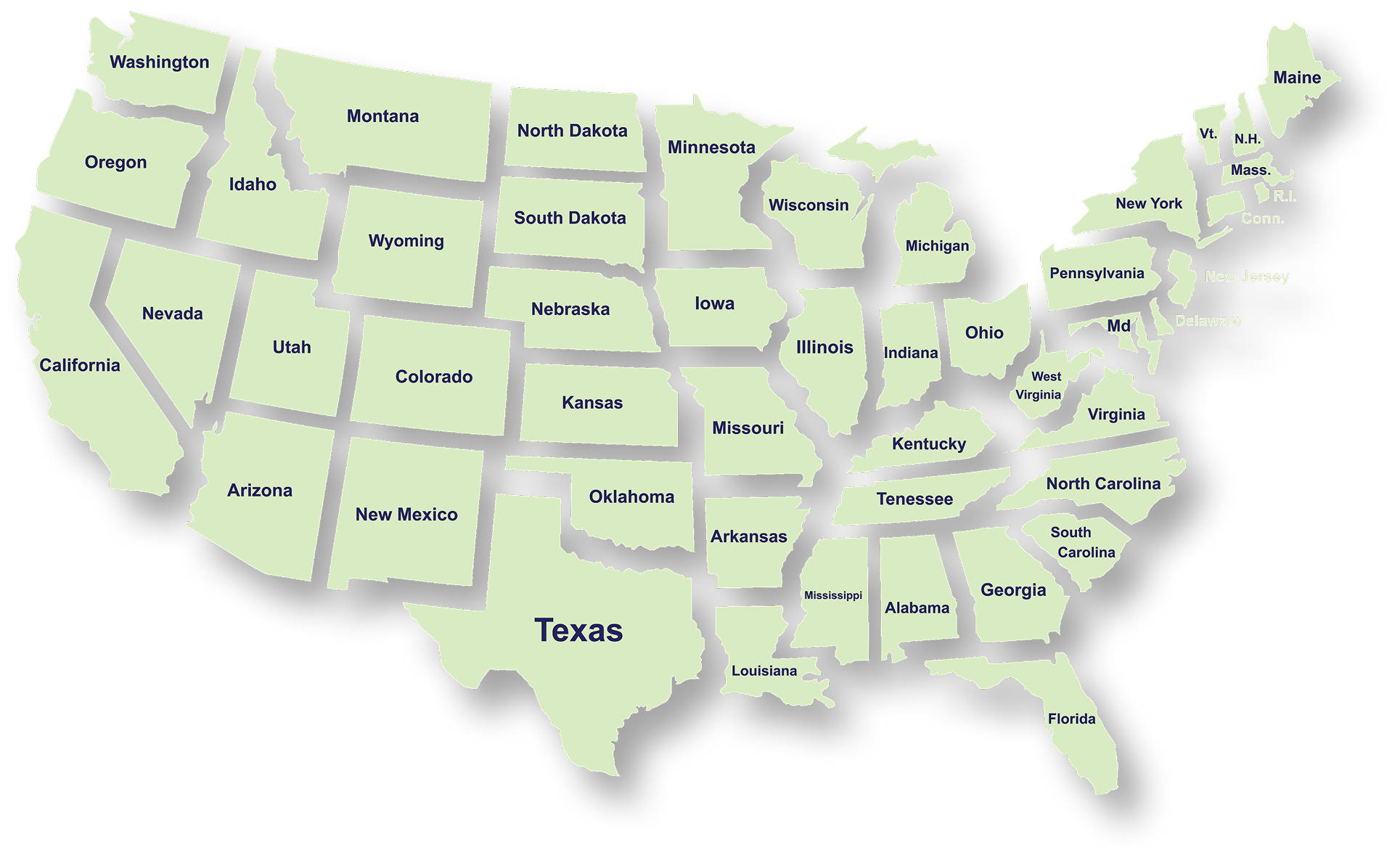
We handle accounting, tax filing, and planning with defined timelines and accurate reporting for businesses and individuals across all states.

Frequently Asked Questions

What services does NR CPAs & Business Advisors provide?
What is tax planning and why is it important for businesses?
How can a Virtual CFO help my business?
When should a business consider IRS tax resolution services?
What financial statements does a business typically need?
How can startup advisory services help new businesses?
What is strategic business planning?
What is a Virtual Family Office and who can benefit from it?