Learning Center for Tax and Financial Insights

Stay updated with clear, actionable articles on tax rules, deadlines, deductions, and financial decisions that impact individuals and businesses.

No items found.

Hiring Seasonal Employees: What SMBs Need to Know About Payroll Taxes

For many small businesses, the busy season means bringing in extra hands to keep operations running smoothly. Whether you run a retail store, restaurant, or service business, hiring seasonal employees can give you the boost you need to meet increased demand. But with those temporary hires come payroll tax obligations that can trip up even the most experienced business owners.Before you onboard your seasonal staff, it’s essential to understand how payroll taxes work and what steps you need to take to stay compliant. Proper planning now can save you headaches and unexpected tax bills down the road.1. Seasonal Workers Are Subject to Payroll TaxesOne common misconception is that seasonal or temporary workers are exempt from payroll taxes because they’re not full-time or permanent. However, that’s not the case. In the eyes of the IRS, seasonal employees are treated the same as regular employees when it comes to payroll taxes. This means you’ll be responsible for withholding and paying:Federal income taxSocial Security and Medicare taxes (FICA)State and local income taxes (where applicable)You’ll also need to report their wages on a W-2 form at year’s end, just like your full-time staff.2. Understand the Difference Between Employees and Independent ContractorsAnother tax consideration is determining whether your seasonal workers are employees or independent contractors. Misclassifying an employee as a contractor can lead to significant tax penalties, so it’s important to get this right from the start.Employees: You control how, when, and where they work. You’re responsible for withholding payroll taxes.Independent Contractors: They control how they complete the work and typically provide their own tools or equipment. You’re not required to withhold taxes, but you do need to issue a 1099-NEC form if you pay them $600 or more during the year.If you’re unsure whether a worker should be classified as an employee or contractor, it’s best to err on the side of caution and treat them as employees—or consult a labor attorney to review your situation.3. Seasonal Employee Wages May Affect Your Unemployment TaxesIn many states, the wages you pay seasonal workers are subject to state unemployment taxes (SUTA). However, some states have exemptions or reduced rates for businesses that hire temporary employees, particularly for short periods during peak seasons.Check with your state’s tax authority to see if there are special rules regarding unemployment taxes for seasonal workers. Failing to account for these taxes could result in penalties or an increase in your overall tax rate.4. Affordable Care Act (ACA) Implications for Seasonal Employees

Explore More
No items found.

Maximize Your Tax Savings by Understanding the Hobby Loss Rules

Article Highlights:Hobby Loss Rules OverviewImpact of the Tax Cuts and Jobs Act (TCJA) on DeductionsNine Factors to Determine Profit MotivePresumptions of Profit MotiveElection to Delay Determination of Profit IntentSequence of Deductions to the Extent of IncomeHobby Income and Self-Employment Tax Examples of Hobby vs. BusinessWhen engaging in activities that generate income, it's essential to understand how the IRS classifies these activities for tax purposes. The distinction between a hobby and a business can significantly impact your tax obligations. This article will delve into the hobby loss rules, the impact of the Tax Cuts and Jobs Act (TCJA) on deductions, the nine factors the IRS uses to determine if an activity is engaged in for profit and provides examples of court cases involving profit motive.Hobby Loss Rules Overview - The IRS uses hobby loss rules to determine whether an activity is a hobby or a business. If an activity is classified as a hobby, the income generated is taxable, but for years 2018 through 2025 the expenses incurred are not deductible. This means you cannot use hobby expenses to offset other income.Impact of the Tax Cuts and Jobs Act (TCJA) on Deductions - The TCJA, enacted in 2017, brought significant changes to the tax code, including the suspension of miscellaneous itemized deductions subject to the 2% of adjusted gross income (AGI) floor for tax years 2018 through 2025. This suspension means that hobby expenses are not deductible during these years, making the entire income from a hobby taxable.Nine Factors to Determine Profit Motive - The IRS considers nine factors to determine whether an activity is engaged in for profit. No single factor is decisive; instead, all factors must be considered together:Businesslike Manner: Is the activity carried out in a businesslike manner? This includes maintaining complete and accurate books and records.Expertise: Does the taxpayer have the necessary expertise or consult with experts to carry out the activity successfully?Time and Effort: How much time and effort does the taxpayer put into the activity? Significant time and effort may indicate a profit motive.Expectation of Asset Appreciation: Does the taxpayer expect the assets used in the activity to appreciate in value?Success in Similar Activities: Has the taxpayer succeeded in similar activities in the past?History of Income or Losses: What is the history of income or losses from the activity? Consistent losses may indicate a lack of profit motive.Amount of Occasional Profits: Are there occasional profits, and if so, how substantial are they?Financial Status: Does the taxpayer have substantial income from other sources? If so, the activity may be more likely to be considered a hobby.Elements of Personal Pleasure: Does the activity involve elements of personal pleasure or recreation?Presumptions of Profit Motive - The IRS provides a presumption of profit motive if an activity generates a profit in at least three of the last five consecutive years, including the current year. For activities involving breeding, training, showing, or racing horses, the presumption applies if there is a profit in at least two of the last seven consecutive years.Election to Delay Determination of Profit Intent - Taxpayers can elect to delay the determination of whether an activity is engaged in for profit by filing Form 5213, "Election to Postpone Determination as to Whether the Presumption Applies That an Activity Is Engaged in for Profit." This election allows taxpayers to defer the determination until the end of the fourth tax year (or sixth tax year for horse-related activities) after the activity begins. This election (1) should not be made unless the taxpayer is being audited by the IRS and the IRS is disallowing their deductions under the hobby loss rules, and (2) cannot be made if the taxpayer has been engaged in the activity for more than five years (seven years for horse-related activities).

Explore More
No items found.

Managing Contractor Payments and 1099s the Easy Way with QuickBooks Online

The surge in self-employment and small businesses during the COVID-19 pandemic led to millions of new entrepreneurs, many of whom had to quickly learn how to manage their finances, especially when it came to taxes and compensation. Now, nearly half a decade later, business owners in nearly all industries have discovered the benefits of working with freelancers and gig workers – and discovered that there are important steps to take to ensure compliance with IRS regulations.Hiring independent contractors is more flexible than bringing on full-time employees, but there are still key rules and tax requirements you must follow. With tools like QuickBooks Online (QBO), managing contractor payments and tax reporting has become much simpler—but you’ll need to make sure you’re setting things up properly from the start.Independent Contractor or Employee? The IRS Cares About the DifferenceBefore you onboard a contractor, make sure they qualify as an independent contractor rather than an employee. The IRS is strict about this distinction, and misclassifying someone could lead to penalties and back taxes. The general rule is that independent contractors control how they complete their work, while employees are subject to company control over both what work is done and how it’s done.If you’re unsure about the classification, consult with our office to avoid potential issues. Misclassification remains a major focus of IRS audits, so it’s worth double-checking before you proceed.Setting Up Contractor Records in QuickBooks OnlineOnce you’ve determined that your hire is legally an independent contractor, you’ll need to collect the necessary paperwork to create their records in QuickBooks Online. Here’s a step-by-step guide:Collect Form W-9:Contractors must complete an IRS Form W-9, which provides their taxpayer identification number (TIN) and verifies their independent contractor status. This is an essential document because it contains the information you’ll use for tax reporting purposes.You don’t need to withhold taxes for independent contractors, as they are technically self-employed and, therefore, responsible for paying their own taxes quarterly and filing an IRS Form 1040 each year.Set Them Up as Vendors:In QuickBooks Online, go to the Expenses tab, then click on Vendors. Click New Vendor to open the Vendor Information window, and complete the contractor’s details.Make sure you check the box labeled Track payments for 1099, as you’ll need this information for year-end reporting. QuickBooks Online allows you to easily track contractor payments, which will help when it’s time to file IRS Form 1099-NEC (Non-Employee Compensation).Track Transactions:The Vendor records you create will show up in the Vendors list within QuickBooks Online. You can access their Transaction List and track every payment you make to them.For any contractor paid more than $600 in a year, you’ll need to generate a Form 1099-NEC, which QuickBooks can assist with. You’re not required to send this form to corporations or LLCs classified as C or S Corporations.How to Pay Independent ContractorsPaying contractors is a simple process using your QuickBooks Online software. When they send you an invoice, go back to their vendor record, and click the down arrow next to New Transaction. You have multiple payment options available:Bank Transfer (ACH):One of the most convenient ways to pay contractors is through ACH, which QuickBooks Online supports. This method offers fast, secure transfers and helps avoid the hassle of writing checks.Check:If you prefer, you can still pay contractors by check. Record the payment in QuickBooks Online under their vendor profile so it’s tracked for tax purposes.Credit Card:Another option is paying contractors via credit card, which can be recorded directly in QuickBooks Online. This can be useful for managing cash flow or earning credit card rewards.

Explore More
No items found.

Video Tips: Unlocking Tax Benefits Through Equitable Ownership

The tax implications of being an equitable owner are significant, as they enable taxpayers to benefit from deductions that would otherwise be unavailable. Understanding equitable ownership and its tax implications can help taxpayers make informed decisions about property ownership and maximize their tax benefits.

Explore More
No items found.

How the 2025 Social Security Adjustments Will Impact Your Wallet

Article Highlights:The 2025 Cost-of-Living Adjustment (COLA)History of Automatic Cost-Of-Living AdjustmentsImpact on Social Security and SSI BeneficiariesChanges in FICA and Self-Employment TaxQuarter of CoverageRetirement Earnings Test Exempt AmountsMaximum Social Security Benefit at Full RetirementAs we step into 2025, millions of Americans are set to experience a notable change in their Social Security benefits. The Social Security Administration (SSA) has announced a 2.5 percent cost-of-living adjustment (COLA) for Social Security benefits and Supplemental Security Income (SSI) payments. This adjustment is crucial for beneficiaries, as it helps them keep pace with inflation and maintain their purchasing power. In this blog, we will delve into the details of this increase, its implications on various aspects of Social Security, and how it affects related taxes and benefits.The 2025 Cost-of-Living Adjustment (COLA) - The COLA is an annual adjustment made to Social Security benefits to counteract the effects of inflation. It is based on the Consumer Price Index for Urban Wage Earners and Clerical Workers (CPI-W), which measures changes in the cost of living. For 2025, the COLA is set at 2.5 percent, slightly below the average increase of 2.6 percent over the past decade. This adjustment will result in an average increase of about $50 per month for Social Security retirement beneficiaries starting in January.Each year the Social Security Administration publishes a Fact Sheet that includes the many values affected by the annual cost of living adjustment.History of Automatic Cost-Of-Living Adjustments - The purpose of the COLA is to ensure that the purchasing power of Social Security and Supplemental Security Income (SSI) benefits is not eroded by inflation. It is based on the percentage increase in the Consumer Price Index for Urban Wage Earners and Clerical Workers (CPI-W) from the third quarter of the last year a COLA was determined to the third quarter of the current year. If there is no increase, there can be no COLA.The CPI-W is determined by the Bureau of Labor Statistics in the Department of Labor. By law, it is the official measure used by the Social Security Administration to calculate COLAs.Congress enacted the COLA provision as part of the 1972 Social Security Amendments, and automatic annual COLAs began in 1975. Before that, benefits were increased only when Congress enacted special legislation.Beginning in 1975, Social Security started automatic annual cost-of-living allowances. The change was enacted by legislation that ties COLAs to the annual increase in the Consumer Price Index (CPI-W).For comparison, the following are COLA adjustments for recent years:January 2016 -- 0.0%January 2017 -- 0.3%January 2018 -- 2.0%January 2019 -- 2.8%January 2020 -- 1.6%January 2021 -- 1.3%January 2022 -- 5.9%January 2023 -- 8.7%January 2024 -- 3.2%January 2025 -- 2.5%

Explore More
No items found.

Nonprofit or FOR-Profit? The Tax Implications of GLAAD CEO’s Luxury Lifestyle

According to a New York Times deep dive, in January 2023, as light rain fell on Zurich’s airport, Sarah Kate Ellis, CEO of the LGBTQ+ nonprofit organization GLAAD, stepped off a Delta flight and into a waiting Mercedes. She was headed to the Swiss Alps, where she and her colleagues would stay at the Tivoli Lodge, a luxurious seven-bedroom chalet with a rental price nearing half a million dollars for the week. This was no ordinary business trip; it was part of a pattern of lavish spending at GLAAD, including high-end travel – like summering on Cape Cod – luxury hotels, and even personal home office renovations for the Chief Executive.While such extravagance might be expected in corporate boardrooms, nonprofit organizations face stricter regulations. GLAAD’s spending raises critical questions: When does nonprofit spending cross the line? And what are the potential tax implications of these lavish expenses?The Tax Exemption Balancing Act for NonprofitsNonprofit organizations, like GLAAD, enjoy tax-exempt status under IRS guidelines. This means they don't pay federal income taxes and can focus more of their resources on their charitable missions. In exchange, however, these organizations are subject to strict rules regarding how funds are used, especially when it comes to executive compensation and organizational spending.When nonprofit leaders, including Ms. Ellis, who has led GLAAD since 2014, engage in excessive spending, it could potentially violate IRS regulations and lead to penalties, loss of tax-exempt status, or increased scrutiny from federal agencies. Here are a few key issues at play:Reasonable Compensation: The IRS expects nonprofits to pay executives “reasonable compensation” relative to the organization’s size and mission. In Ms. Ellis’s case, her high six- or seven-figure pay package and spending on luxury hotels, first-class flights, and high-end travel perks have raised eyebrows. While it might be acceptable for a Fortune 500 CEO, nonprofit executives are generally held to a different standard – however, it’s worth noting that the IRS does not place specific monetary limits on how much nonprofit executives can be paid.Private Inurement Rule: One of the fundamental rules for tax-exempt organizations is the prohibition against private inurement. This means that the organization's income or assets cannot unduly benefit insiders, including the CEO. The IRS could argue that GLAAD’s luxurious spending on Ms. Ellis, such as a $20,000 home office remodel complete with a chandelier centerpiece, violates this rule. In cases where private inurement is found, the IRS can impose intermediate sanctions—financial penalties on the individuals involved—or even revoke the organization’s tax-exempt status.Unrelated Business Income (UBI): Nonprofits can legally engage in income-generating activities, but those activities must relate to the organization’s core mission. If GLAAD is spending money on unrelated activities, such as unnecessary travel or personal expenses, the IRS could label this as unrelated business income, which would then be subject to federal income tax. Additionally, these activities could lead to increased scrutiny on how GLAAD’s funds are managed.

Explore More
No results found.
Thank you! Your submission has been received!
Oops! Something went wrong while submitting the form.

Want tax & accounting tips & insights?Sign up for our newsletter.

Thank you! Your submission has been received!
Oops! Something went wrong while submitting the form.

Why Work With Us?

We combine deep tax expertise, financial strategy, and practical business insight to help you manage complexity, stay compliant, and make confident financial decisions.
A dollar sign, representing financial advice or discussion at NR CPAs & Business Advisors.

Experienced CPA and Enrolled Agent Leadership

Guidance led by licensed professionals with deep expertise in tax strategy, compliance, and complex financial matters.
White bar chart with an upward arrow on green circular background representing growth or progress at NR CPAs &. Business Advisors

Support for Growing Businesses and Startups

We understand the financial challenges of growth stage businesses and provide structured guidance to support expansion.
A white hand holding a dollar symbol and ascending bar chart on a green circular background representing financial growth or investment at NR CPAs & Business Advisors..

Strategic Financial Advisory

Our team helps you evaluate financial decisions with greater clarity, supported by practical insights and long term planning.

Fractional CFO Support

Access experienced financial leadership without the commitment and cost of hiring a full time Chief Financial Officer.

Proactive Tax Planning Approach

We focus on identifying tax opportunities throughout the year rather than reacting only during filing season.

Clear and Reliable Financial Reporting

Accurate financial statements and reporting that help you better understand performance and make informed decisions.
White IRS building icon with pillars and a dollar sign above on a green circular background.

Professional IRS Representation

Experienced support in resolving IRS notices, disputes, and compliance matters while protecting your financial interests.

Personalized Client Focus

Every client receives thoughtful attention and tailored financial solutions based on their specific needs and business goals.
Financial matters often involve important decisions. Working with experienced advisors can help you approach them with greater clarity and confidence in your choices.

Need Help With Your Tax or Financial Decisions?

Discuss your situation with our advisors to get clear guidance on tax planning, IRS matters, and the financial decisions ahead.
Business consulting at NR CPAs & Business Advisors.

Request Your Consultation

Fill out the form to discuss your tax concerns, financial questions, or advisory needs with our team. We will review your details and respond shortly.

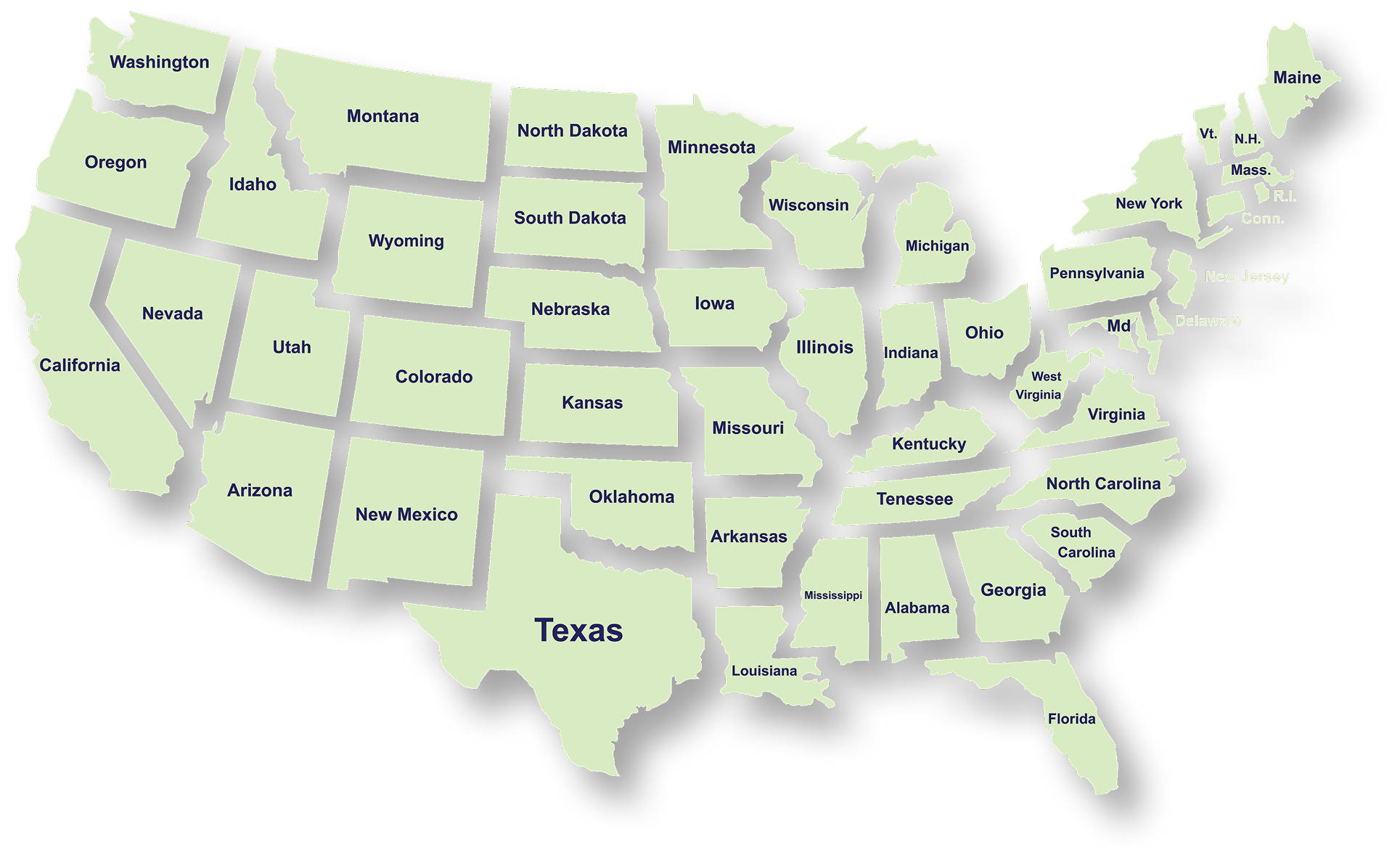
Serving Businesses & Individuals Across USA

We handle accounting, tax filing, and planning with defined timelines and accurate reporting for businesses and individuals across all states.

Frequently Asked Questions

What services does NR CPAs & Business Advisors provide?
What is tax planning and why is it important for businesses?
How can a Virtual CFO help my business?
When should a business consider IRS tax resolution services?
What financial statements does a business typically need?
How can startup advisory services help new businesses?
What is strategic business planning?
What is a Virtual Family Office and who can benefit from it?